Tucked among rolling Lancaster County fields, Strasburg feels like a place where time doesn’t hurry you along.
Here, mornings start with the low hum of buggies and the smell of fresh bread, not endless notifications.
If you have been craving a gentler rhythm, this small town offers a way to breathe again without feeling disconnected.
Step into Strasburg, and you might find the pace you have been missing.
I. A Step Back in Time in Lancaster County

Strasburg is the kind of Pennsylvania town where pace matters less than presence. You notice it first in the quiet spaces between sounds, the rustle of cornfields and the soft clip-clop of horses echoing down Main Street.
Life unfolds more slowly here, making room for conversations that are not rushed and routines that do not need to be optimized.
Small storefronts face the street with hand-painted signs and window boxes, inviting you to linger rather than scroll. The day feels anchored by simple rituals: picking up a loaf from a family bakery, waving to neighbors, watching dusk settle over wide skies.
There is comfort in these patterns, a reminder that steadiness can be as satisfying as novelty.
Strasburg’s appeal grows in an always-connected world because it refuses to chase every trend. Instead, it leans into what it does well: hospitality, craftsmanship, and community.
You encounter people who remember your name, who care how your day went, who share the road kindly.
You may find yourself slowing down without deciding to, walking instead of driving, speaking instead of texting. The rhythm is old-fashioned but not old; it has a living pulse that meets modern life without bending to it.
In that balance, Strasburg becomes less a destination and more a way to reset.
II. Where Is Strasburg, Pennsylvania?

Strasburg sits in the heart of Lancaster County, about 9 miles southeast of the city of Lancaster and roughly 60 miles west of Philadelphia. That geography matters.
It places you near urban convenience without drowning out the country calm, sheltered by farmland that seems to wrap the town in green.
Highways put Strasburg within easy reach for weekend trips, yet local roads keep it from feeling like a pass-through. As you approach, the scenery shifts from shopping centers to silos, from traffic lights to covered bridges.
The transition announces itself gently, like the volume turned down on a busy day.
Proximity shapes the mood. Being close to Lancaster means access to museums, hospitals, and varied dining, while Philadelphia offers big-city culture when you want it.
But when you return, the fields remind you why you left the noise behind.
That rural setting preserves a sense of insulation without isolation. You can commute when needed, work remotely, or simply stay put and let the seasons mark time.
In Strasburg, location supports lifestyle, giving you options without demanding speed.
III. Deep Roots and Early American History

Founded in the 18th century, Strasburg grew along an old thoroughfare that carried travelers between Philadelphia and the interior of Pennsylvania. Those early years stamped a practical elegance on the town: brick homes, tidy farmsteads, and a street grid that favored walkability over sprawl.
You can read that history in the proportions of porches and the cadence of doorways.
Merchants, millers, and craftsmen shaped a place where work and home were neighbors. The town became a stop for goods and news, the kind of community where a blacksmith knew a baker’s schedule by the ringing of a bell.
Today, many buildings still wear their dates proudly, weathered but not worn down.
Preservation has not turned Strasburg into a museum piece. Instead, it lets the town’s early character guide modern choices.
Renovations respect old lines, and new additions aim to fit like careful stitches in a familiar quilt.
Walking Main Street, you sense continuity. The past is not a backdrop but a companion, reminding you that durable materials and human-scale design never go out of style.
In Strasburg, early American history is less a chapter than the framework for daily life.
IV. The Influence of Amish and Plain Communities

Strasburg’s atmosphere is deeply shaped by the nearby Amish and Mennonite communities. Their presence is visible in buggies along country roads, laundry lines strung with colorful quilts, and fields tilled with care.
More subtle is the influence on values: simplicity, thrift, craftsmanship, and neighborly trust.
Local shops carry handmade furniture, quilts, and preserves that favor durability over flash. You notice fewer billboards and more barns, fewer gadgets and more tools that last decades.
The aesthetic leans clean and functional, which makes everyday scenes feel both humble and beautiful.
This influence extends to how time is kept. Sundays are quiet.
Evenings carry a hush that invites conversation, reading, or a walk under stars bright enough to surprise you.
While not everyone in Strasburg shares Plain traditions, many appreciate the balance they encourage. Convenience is not ignored, but it is weighed against intention.
You are reminded that less can be more when presence replaces distraction.
V. The Strasburg Rail Road: Living History on the Tracks

The Strasburg Rail Road is the town’s humming heartbeat, a steam-powered thread connecting past to present. Vintage locomotives pull wooden coaches through farmland, their whistles echoing across fields like a friendly announcement.
Riding those rails is less about speed and more about savoring the view.
Families lean out for the breeze, kids count silos, and everyone watches smoke curl into a sky that seems a little bigger from a train window. Workshops on site preserve the craft of restoration, proving that old skills still have modern value.
You can see rivets, wood grain, and the patient work that keeps history moving.
The rail road symbolizes how Strasburg treats heritage: not as a display behind glass, but as something you can touch, hear, and smell. It invites you to step away from screens and step into a story.
Even frequent riders find new details in the rhythm of wheels on track.
Events, seasonal excursions, and photography moments make it a gathering place for locals and visitors alike. It is nostalgia with traction, turning a simple ride into a shared memory.
In Strasburg, the train does not just go somewhere. It brings you back.
VI. A Slower Daily Rhythm

Mornings in Strasburg arrive gently. Birds stir before engines, and the first traffic is often a buggy rounding a bend by a hedgerow.
Coffee comes from a counter where the barista knows how you take it, and the bakery case looks like a neighbor’s kitchen turned outward.
Midday finds locals moving at the speed of errands, not the speed of alerts. There is time to chat at the post office, to read a bulletin board, to wave across the street without risking a horn.
Lunch might be soup in a diner where the special is written in chalk and the portions reflect farm appetites.
Evenings lean domestic. Porch lights click on before screens, and the sound of crickets writes its own soundtrack.
You can feel your shoulders drop a notch as the day settles.
That rhythm does not reject productivity. It reorders it.
Work still gets done, but it shares space with rest, face-to-face conversation, and the kind of small joys that deserve a place on the calendar.
VII. Historic Architecture and Small-Town Charm

Strasburg’s streets are a gallery of early American forms: brick facades, stone farmhouses, and porches that ask for rocking chairs. You will spot decorative transoms, shuttered windows, and hand-laid stonework that rewards a slow gaze.
Covered bridges nearby add a romantic note to the countryside, framed by creeks and sycamores.
What makes it lasting is proportion. Homes sit close enough to greet, far enough to breathe.
Blocks feel walkable, stitched together by sidewalks and mature trees that soften summer heat.
Preservation efforts keep the town’s architectural story intact without freezing it in time. Updated interiors hide behind period exteriors, maintaining charm while meeting modern needs.
It feels cohesive, as if the buildings have learned to share the same conversation.
For visitors, it is a visual exhale. For residents, it is identity made visible in brick and beam.
You come to understand that beauty can be practical, and that charm can be earned through care more than novelty.
VIII. Local Businesses Over Big Chains

Strasburg’s commercial life favors names you can pronounce because you know the owners. Family diners pass down recipes along with aprons.
Craft shops smell of wood shavings and beeswax, the kind of scents that tell you something real was made here.
Markets offer produce from farms a few miles away, and the person at the register might share tips on which stand has the sweetest peaches this week. Services feel personal.
You do not take a number. You take a seat and a conversation.
This economy runs on relationships, which changes how transactions feel. People remember preferences, offer honest advice, and recommend competitors when it fits your needs.
It is business as neighborly exchange, not just throughput.
Big chains exist around the county, but Strasburg’s core holds onto its independent spirit. That choice keeps dollars circulating locally and preserves a human scale that resists hurry.
Shopping shifts from task to community, and you leave with more than a receipt.
IX. Agricultural Roots and Farm-to-Table Living

Farming is not background scenery here. It is the engine that sets the town’s calendar, from spring planting to fall harvest.
You taste it in sweet corn that snaps, in tomatoes still warm from the sun, and in dairy that has not traveled far.
Roadside stands pop up like friendly punctuation along rural lanes. Honesty boxes invite payment without policing, a small vote of confidence in community trust.
You learn which farms bake pies on Fridays and which sell eggs with yolks the color of sunsets.
Restaurants respond with menus that change by season. Farm-to-table is not a trend.
It is simply how things are done when the fields are neighbors.
For those who garden, the soil cooperates. Even small plots thrive, and seed swaps feel like social events.
The result is a diet and a way of living that feels grounded, nourishing, and pleasantly unhurried.
X. Tourism Without the Rush
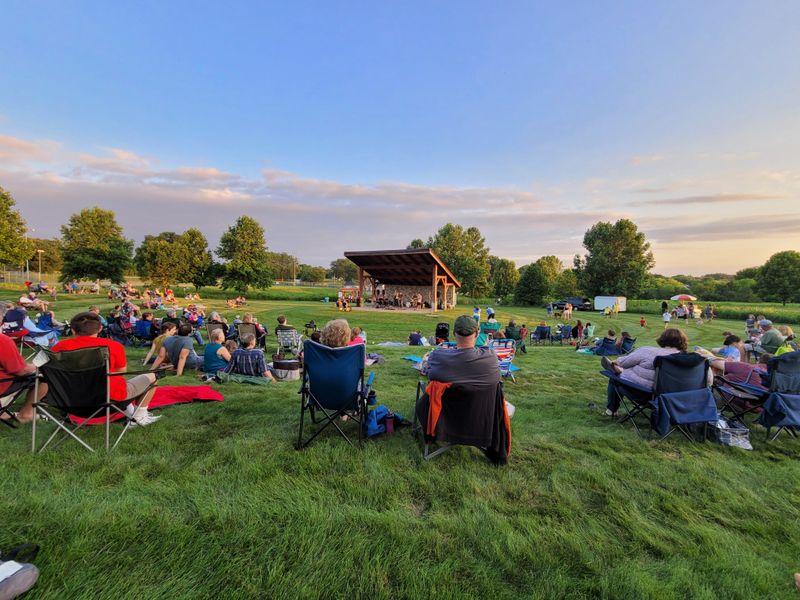
Visitors come to Strasburg for authenticity more than spectacle. They ride the steam train, tour nearby museums, explore antique shops, and wander quiet streets.
The pace of tourism mirrors the town itself: unhurried, friendly, and respectful of daily rhythms.
Because attractions are woven into local life, they support rather than overshadow it. Weekends can be lively, but even then conversations carry clearly over the hum.
You never feel herded from one photo op to the next.
Accommodations lean toward inns, farm stays, and cozy rentals where mornings start with birdsong and barns outside your window. Dining favors comfort, with homemade desserts and coffee refills that arrive before you ask.
It all encourages lingering.
Tourism sustains preservation efforts and keeps storefronts thriving, but it does not demand a compromise of character. You leave with stories, not just snapshots.
And the town remains itself on Monday morning.
XI. Why Strasburg Appeals in a Modern World
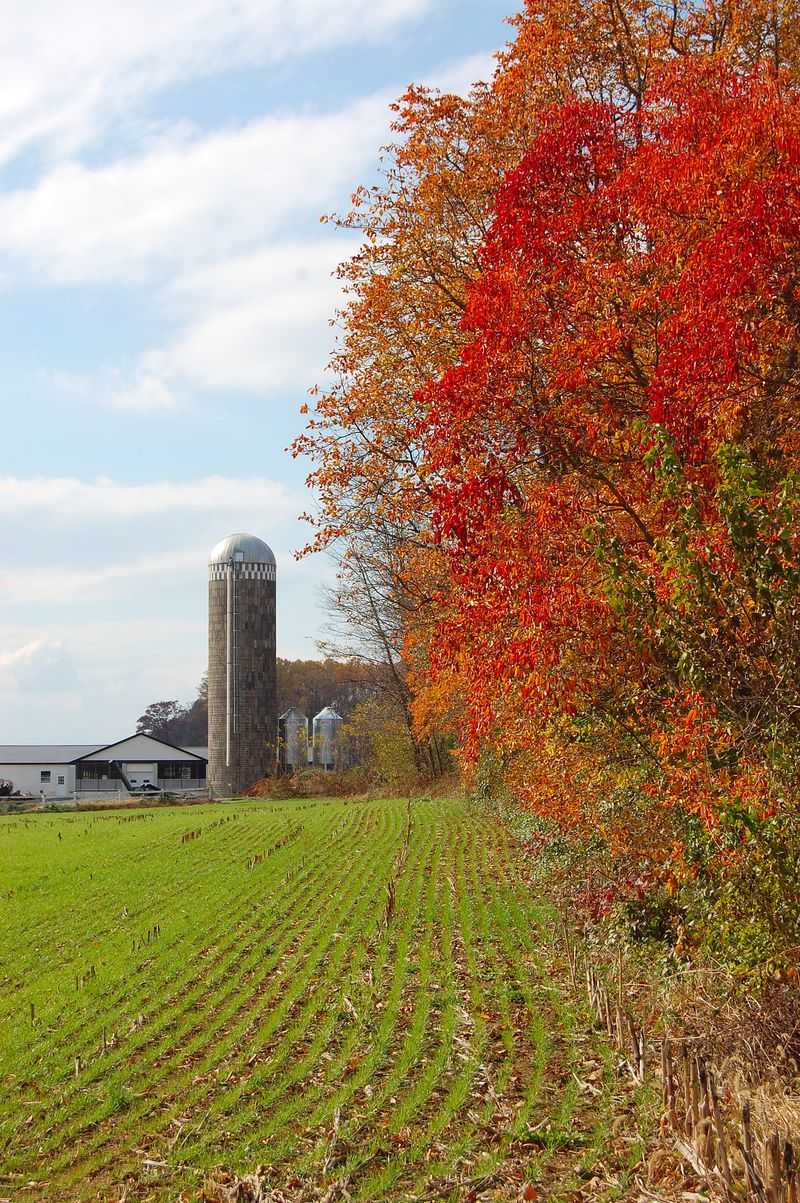
Burnout nudges many people to reassess how they want to live. Remote work opened doors to places where calm is not a weekend luxury but a weekday norm.
Strasburg answers that search with substance: a slower tempo, real community, and everyday beauty.
Nostalgia plays a role, but it is not the whole story. What resonates is agency.
You get to choose routines that respect energy, attention, and relationships, instead of always chasing more.
Here, technology becomes a tool rather than a tyrant. Good internet exists, but so do long walks, porch talks, and hobbies that ask for hands.
The mix lets you feel modern without feeling hurried.
In a world of constant change, Strasburg offers stability that does not feel stuck. It trades novelty for depth and noise for nuance.
That exchange is why so many leave wishing they could stay longer.
XII. Who Strasburg Is (and Isn’t) For
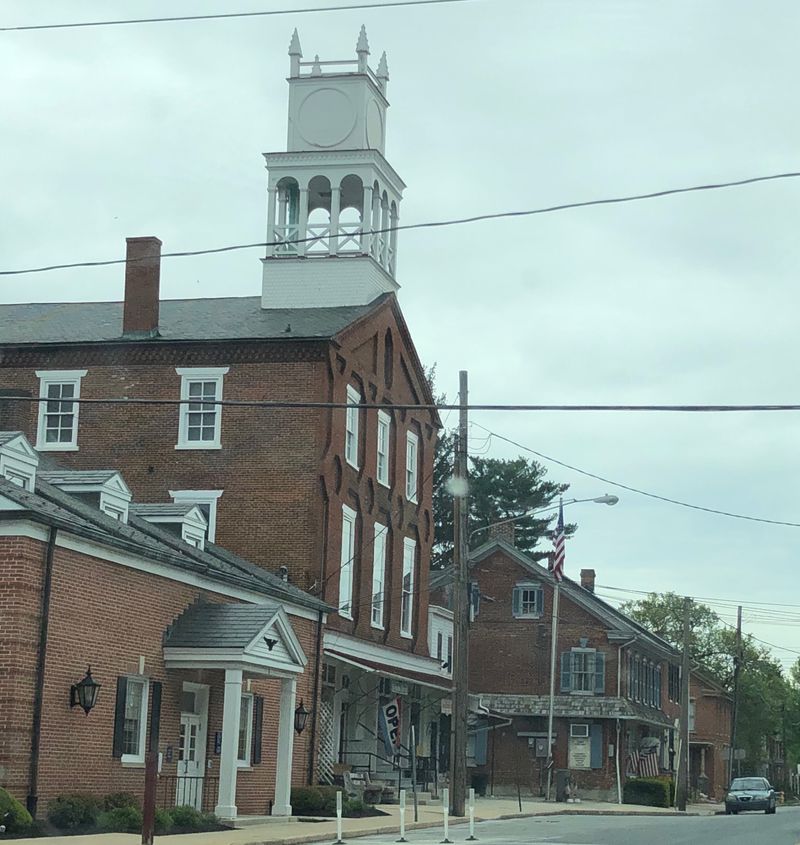
Strasburg suits people who appreciate quiet routines, neighborly ties, and the hum of nature as background music. If you prefer evenings on a porch to nights in a club, you will feel at home.
Those who value craft, heritage, and unflashy excellence tend to thrive.
It can be challenging if you crave late-night options, constant variety, or rapid growth. Retail closes earlier, and entertainment leans wholesome.
The nearest bustle is a drive away, which you might welcome or resent.
Families find safety and predictability, while solo professionals discover focus. Retirees embrace the sense of belonging that grows with time.
You bring your pace down, and the town meets you there.
Honesty helps with expectations. Strasburg is not trying to be everything.
It is trying to be itself, and that is exactly what makes it worth choosing.
XIII. Conclusion: Preserving a Way of Life
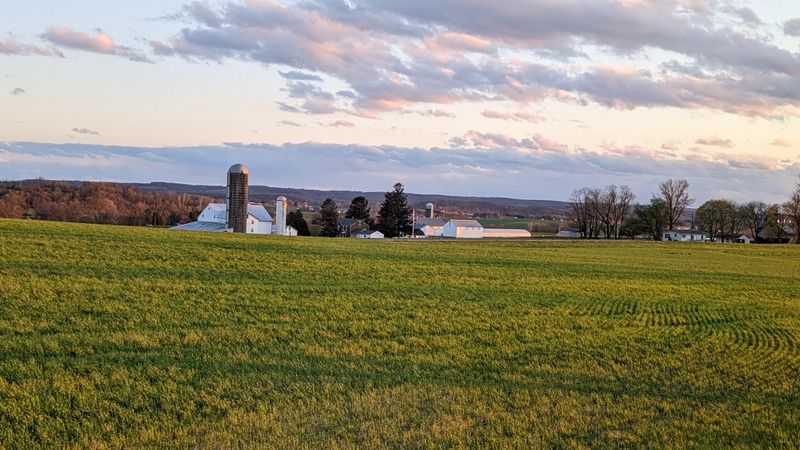
Strasburg is more than a postcard of barns and buggies. It is a living community that proves slow does not mean stagnant.
Each day moves with intention, stitched together by relationships that outlast trends.
Preservation here is not about freezing time. It is about carrying forward what works: human scale, honest work, and shared spaces where strangers become neighbors.
The result is a town that feels both rooted and welcoming.
In a fast-changing world, places like Strasburg remind us that meaning grows where attention lingers. You leave feeling rested, with a clearer sense of what matters and what can fall away.
That clarity is the gift this town offers.
If you are seeking a quieter, more old-fashioned way of life, Strasburg does not need to convince you. It invites you to experience it, one unhurried day at a time.
And that invitation feels like home.