Between Sanibel and Captiva lies Blind Pass, a shell lover’s dream and a place that rewards early arrivals. You will feel the Gulf breeze as piles of shells clatter underfoot and dolphins occasionally cruise the channel.
Parking can be tight, currents can be fierce, but the sunsets make you forget every hassle. If you are chasing whole conchs or a quiet moment on soft sand, this pass is where your hunt begins.
Understanding Blind Pass and Its Shell Highway
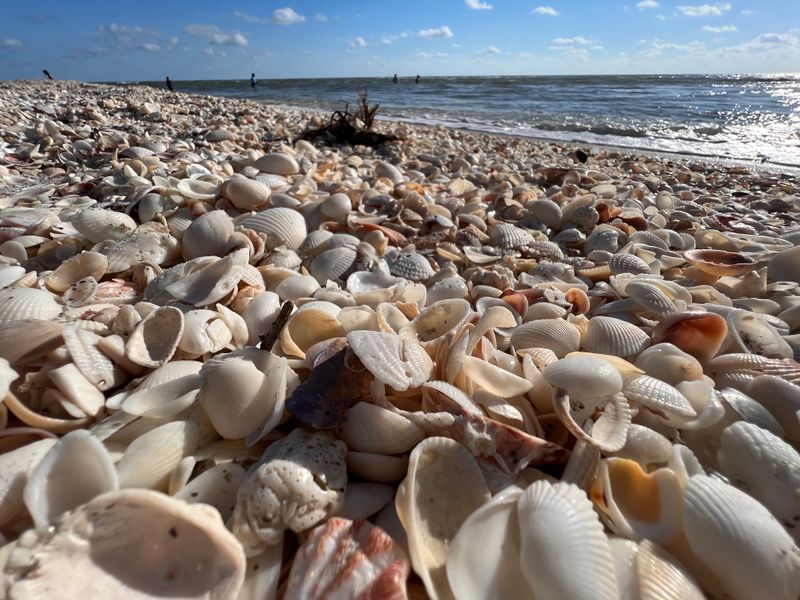
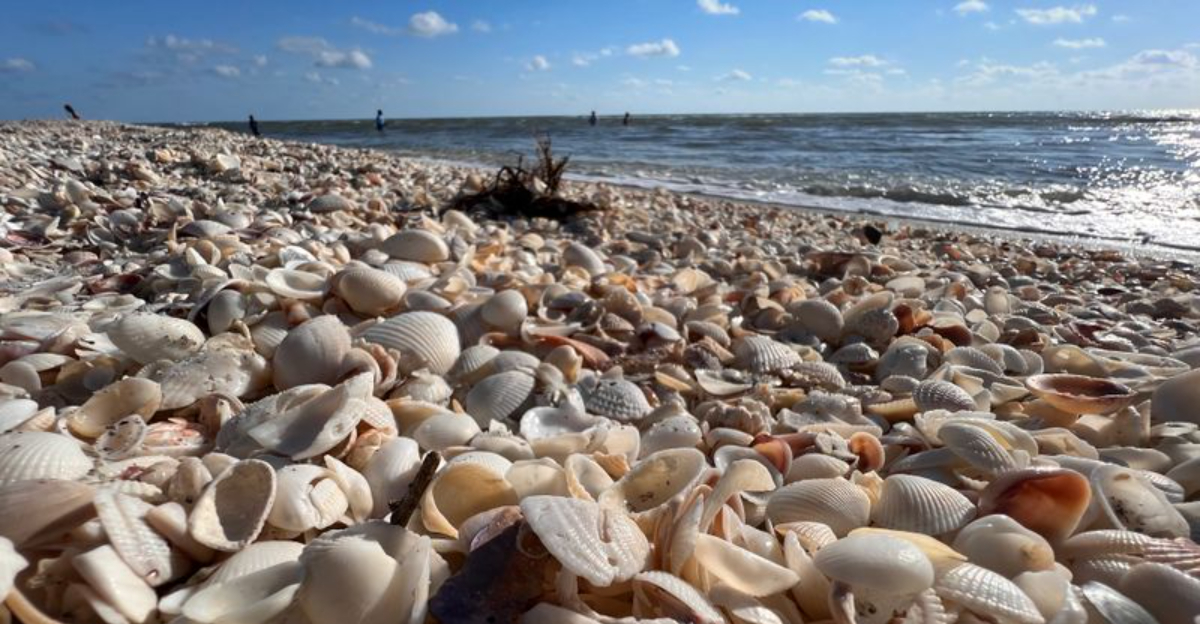
Blind Pass is the slim, tide-cut gateway between Sanibel and Captiva, where Gulf energy funnels shells into a natural conveyor belt. Stand by the bridge and you will hear shells clicking as waves roll them up the slope.
The beach feels wild and unmanicured, a stretch where each tide redraws the map.
What makes it special is movement. Currents sweep along the channel, deposit rakes of whelks, tulips, and scallops, then tug them back again.
You can arrive to a bare bar in the morning and a treasure field by afternoon.
Because the water moves fast, this is not a swimming beach. You will see warning signs about rip currents, and they are not exaggerations.
Wade shallow, keep a wide berth from the inlet mouth, and focus your time on beachcombing.
Parking is limited on both sides of the bridge, so plan to arrive early or be patient. Bring a mesh bag, a small scoop, and water shoes to protect your feet from shards.
When the sun drops, the pass glows, pelicans glide low, and the shell lines sparkle like confetti.
Best Times and Tides for Shelling
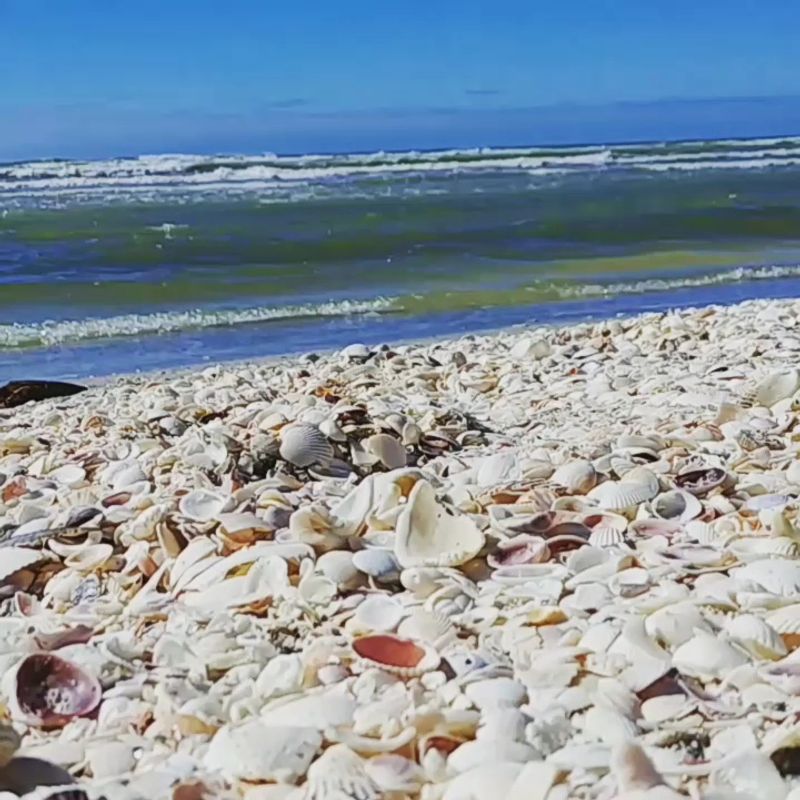
Timing your visit unlocks Blind Pass. Low tide exposes fresh shell lines, especially after a blustery front or strong west wind.
Arrive an hour before low and linger through the turn, when the water releases new finds onto the slope.
Pay attention to tide height rather than just the clock. A lower-than-normal low will reveal sandbars and heavier deposits.
After storms, you may see thick windrows with larger tulips and lightning whelks.
Bring a small flashlight or headlamp for dawn starts, plus a tide app. You will work the wrack gently, letting waves uncover shapes rather than digging deeply.
Shuffle slowly and let your eyes adjust to subtle spirals and ridges.
If you miss low tide, do not leave. The first push of incoming can deliver surprises, especially near the bridge but still safely back on the beach.
Plan water breaks and shade for midday heat. Shell fever is real here, and the best haul rewards patience and timing.
Safety First: Currents, Signs, and Smart Choices
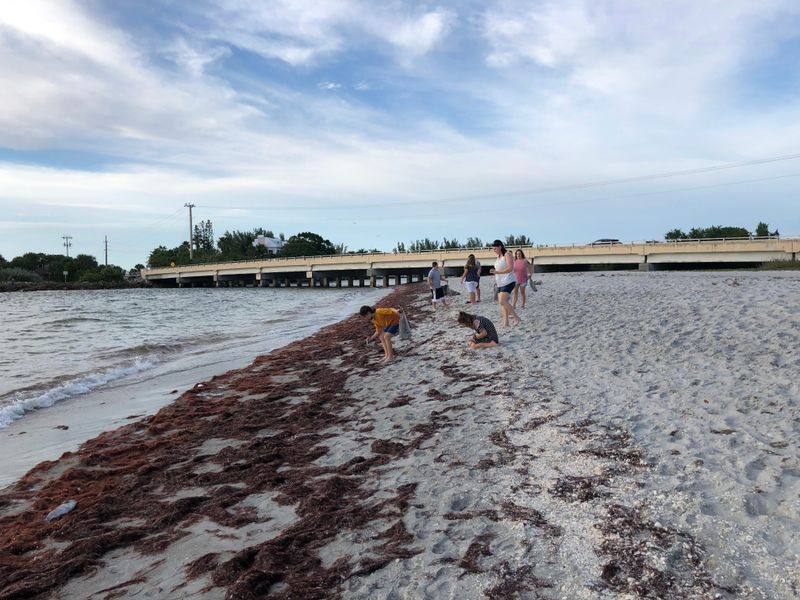
Blind Pass looks calm from afar, but the channel is a conveyor belt of force. Signs warn about rip currents and they deserve respect.
You can enjoy excellent shelling while keeping your feet in shallow, gentle swash well away from the inlet throat.
Skip swimming here. If you want a dip, walk farther from the bridge toward open beach or cross to calmer stretches on Captiva.
Even then, read flags and watch the water; conditions change quickly with tide and wind.
Footwear helps. Broken shells can be sharp and stingrays love warm shallows, so shuffle to alert them.
Keep an eye for birds and dolphins that suddenly feed where bait flushes, a hint that current is ripping harder than you think.
Hydrate, wear sun protection, and bring bug spray for still mornings. If the lot is full, do not circle forever.
Park legally where allowed and walk over the bridge. Your day should end with a sunset, not a ticket or a scare.
Parking and Practical Logistics
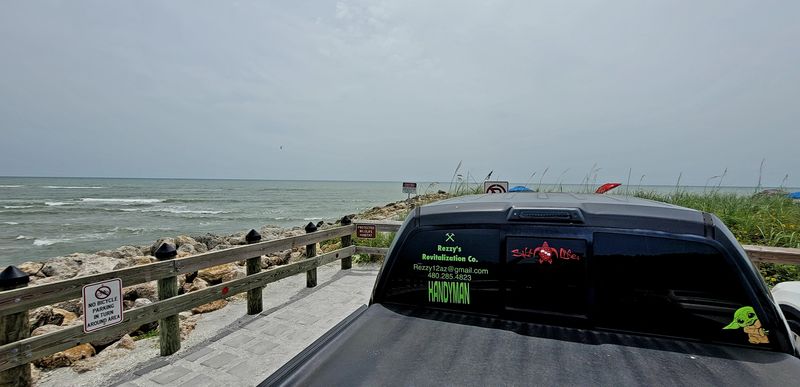
Parking at Blind Pass is limited, and that is part of the rhythm here. Arrive early, especially in peak season, and budget for hourly fees.
If the south lot is full, check the north side or be ready to walk from a nearby legal spot.
Bring a credit card for the pay station and note posted rates and hours. Enforcement is regular, so pay up front rather than risking a ticket.
Restrooms are across the bridge, and a small general store nearby sells drinks and snacks.
Pack light but smart: water, sunscreen, a brimmed hat, a mesh bag for shells, and water shoes. A compact scoop or long-handled net helps when the surge rolls shells at your feet.
Keep valuables minimal since you will roam.
Traffic can stack on Sanibel Captiva Road in season. Consider weekdays, off-hours, or shoulder months for easier access.
When you secure a spot, take a deep breath. The bridge hum, pelicans, and that shell-crunch underfoot make the planning instantly worth it.
What Shells You Might Find
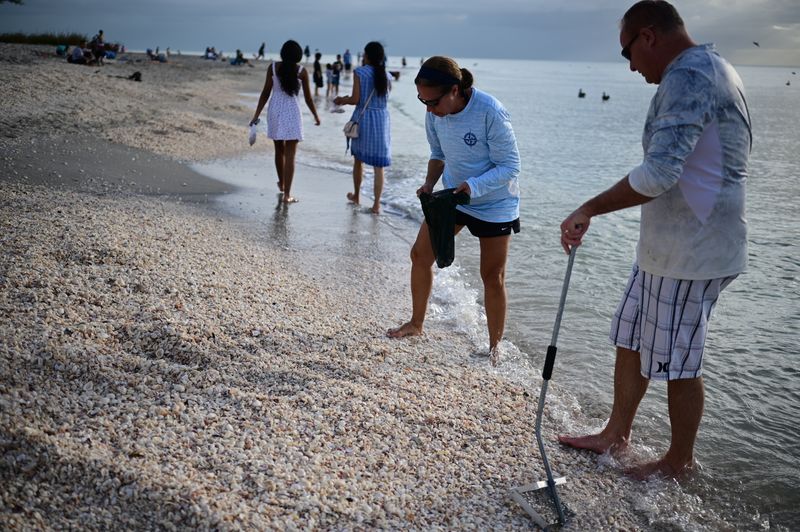
Blind Pass rewards patient eyes. Expect lightning whelks, banded tulips, Florida fighting conchs, olives, scallops, cockles, and the occasional alphabet cone.
Sand dollars appear after calm spells, while urchin tests show up more rarely but thrill every collector.
Look for color and pattern. Tulips wear swirls of cream and charcoal, while whelks carry serrated spires and strong ribbing.
Olives shine like wet marble and often roll along the swash, easy to spot if you crouch low.
Gently check for living occupants. If a shell is active or hosts a hermit, put it back into the water.
Florida regulations protect living shells, and returning them keeps the ecosystem thriving for future finds.
Bring a small brush to knock off sand and a cloth to wrap fragile pieces. Photograph your haul before rinsing so you remember where each treasure emerged.
At Blind Pass, the fun is the mix: humble cockles alongside perfect scallops and the occasional wow piece that makes your day.
Fishing the Pass Without Losing Your Catch
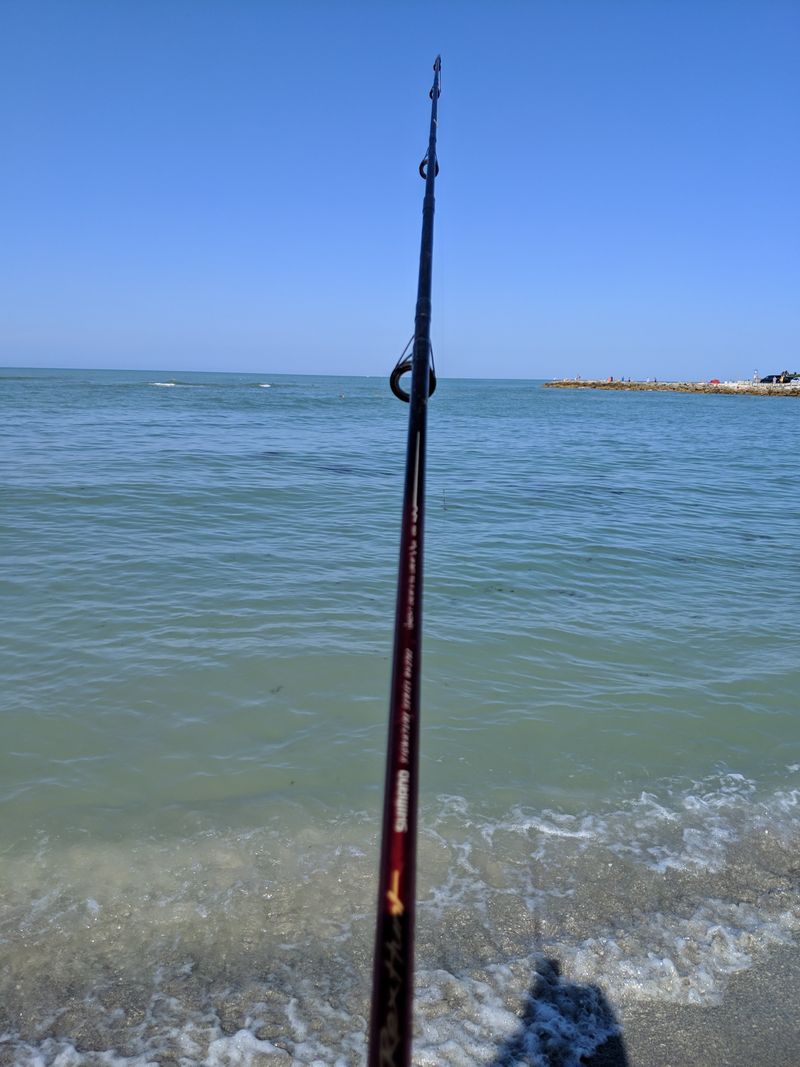
When tides rip through Blind Pass, predators stack along edges and seams. You can fish from the bridge or beach, casting jigs, live shrimp, or cut bait into moving water.
Snook, trout, pompano, and even small sharks patrol the line.
Mind the birds. Pelicans and herons are skilled thieves and will target bait and hooked fish.
Keep lines tight, use barbless hooks when practicable, and release entangled birds carefully if the unfortunate happens.
A simple setup works. Medium spinning gear, 20 to 30 pound leader, and jigs tipped with shrimp or sand flea imitations catch during tidal swings.
Move to find current breaks where bait collects rather than planting all day.
Respect other beachgoers and the no swimming reality. Cast away from shellers, pack out all trash, and check regulations for seasons and size limits.
When dolphins cruise close, pause and enjoy the show instead of casting into them. This is a place to fish thoughtfully.
Wildlife Moments: Dolphins, Osprey, and Shorebirds
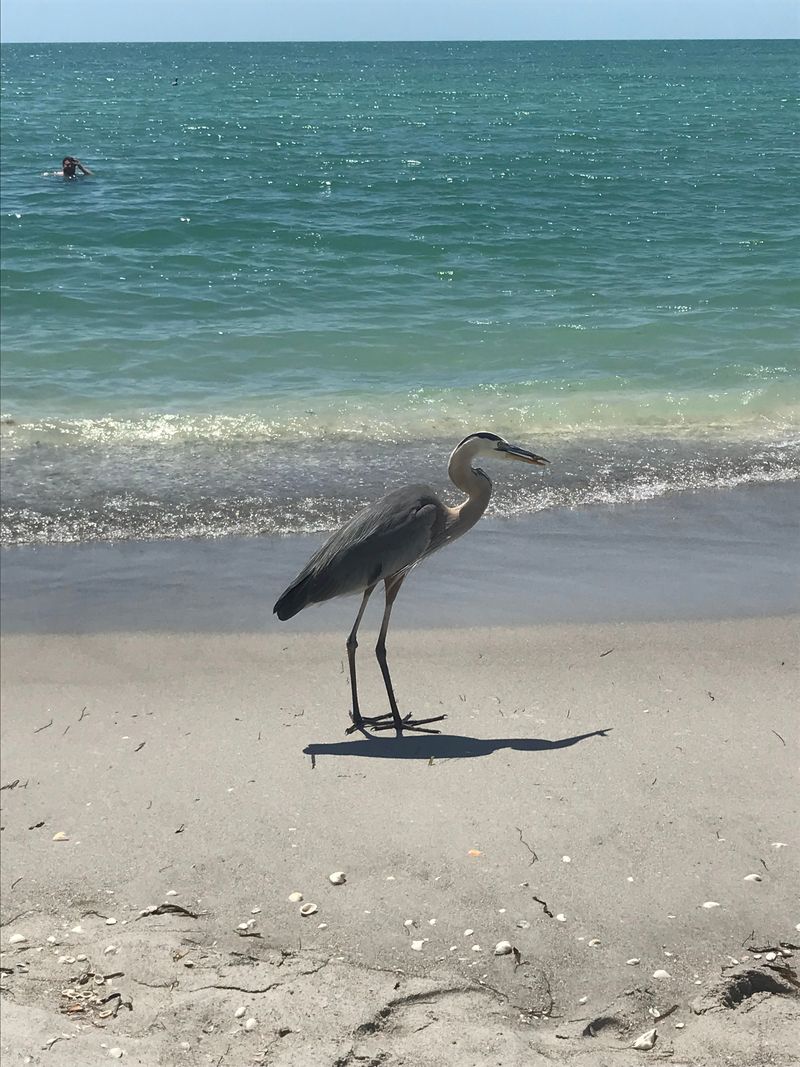
Blind Pass doubles as a wildlife stage. Dolphins work the current lines, corralling bait just feet from shore.
Overhead, an osprey nest draws the eye as adults ferry mullet back to the platform, chirping over the wind.
At your toes, sanderlings and plovers dart between foam lines, chasing fleeing invertebrates. Brown pelicans patrol low, folding into the water with splashy dives when baitfish ball.
On calm evenings, manatees sometimes ghost by, round snouts lifting in quiet breaths.
Give space and let moments come to you. Keep food sealed to avoid attracting pushy birds.
A small pair of binoculars turns distant drama into front-row detail without stepping into fragile dunes.
Photographers will love golden hour when feathers glow and the channel turns glassy bronze. Turn your lens toward the bridge for leading lines or crouch at shell height for intimate foreground texture.
You are here for shells, yes, but the animals make each visit feel alive and unrepeatable.
Photography Tips: Capturing Shells and Sunsets
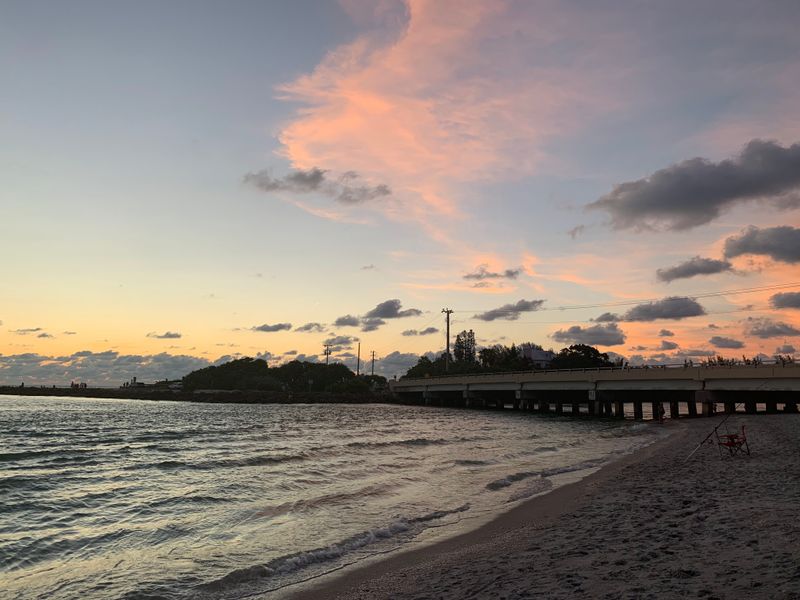
Blind Pass is photogenic even when your pockets are empty. For shells, go low and shoot at their level, letting wet sand reflect color.
A small travel tripod and macro mode make tiny spirals look monumental.
Use backlight near sunset. When the sun skims the horizon, translucent shells glow and textures pop.
Polarizers tame glare, while a soft cloth keeps salt spray off your lens.
Compose with context. Place the bridge or distant anglers in the background, or frame dolphins when they cruise the channel.
Burst mode helps catch pelicans mid-dive, and a faster shutter freezes exploding spray.
Protect gear from sand with zip pouches and a blower. Wipe down metal after salty air and stash silica packets in your bag.
If you shoot on the waterline, time waves so you step back between sets. You will leave with images that smell like gulf breeze and sound like clacking shells.
Respecting the Beach: Etiquette and Regulations
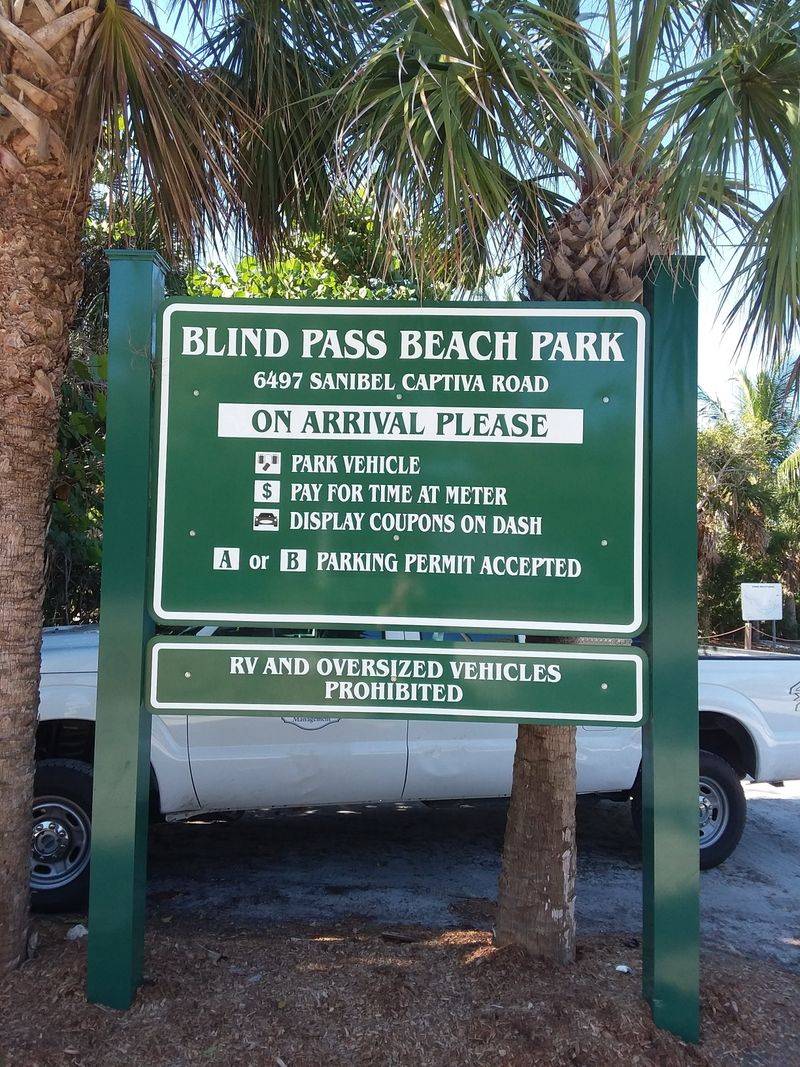
Blind Pass stays special when everyone treats it gently. Pack out every wrapper, line, and bottle cap.
Keep off dunes and vegetation so nesting and stabilizing plants can do their work.
Florida law protects living shells and sand dollars. If it is alive, let it thrive.
Show kids how to spot movement or a operculum and celebrate the release as the real souvenir.
Give anglers and photographers room, and they will do the same for your shell line. Music is fine at low volume, but the gulf has its own soundtrack.
Drones should follow rules and avoid wildlife harassment.
Dogs, where allowed, need leashes and respectful spacing. Pay to park, heed posted signs, and skip swimming in the channel for your safety and for rescuers.
When the sun sets and the beach looks untouched, you will feel like you belonged here, not just visited.