If you crave real Florida wilderness without the crowds, Myakka River State Park delivers in every direction.
Ancient oaks, whispering prairies, and a tannin-rich river set the stage for alligators, roseate spoonbills, and the endearing nine-banded armadillo.
Wander a canopy walkway, bike long quiet roads, or chase golden light over Myakka Lake and you will feel time slow down.
Come early, pack water, and let curiosity lead the way.
Sunrise at the Alligator Bridge
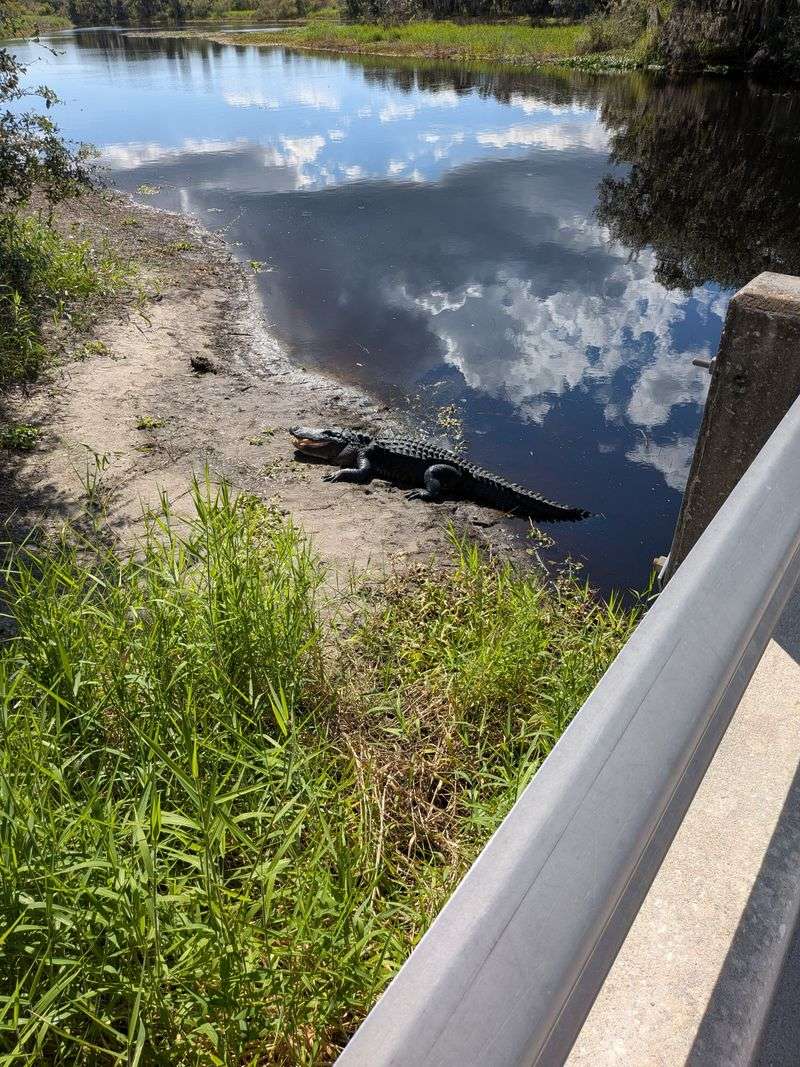
Arrive just after the gate opens and the Myakka River feels like it belongs to you. The bridge near the south entrance is famous for gator watching, and at sunrise it is calm, glassy, and glowing.
Park on the lot side, keep a respectful distance, and scan the banks for dozens of armored shapes warming up.
You will hear moorhens chirp, ospreys whistle, and the soft splash of a tail. When light skims the tannin stained water, the reflections look like brewed tea, rich and coppery.
It is easy to linger, so bring binoculars, patience, and shoes you do not mind getting dusty.
Photographers love the low angle sun, but the real thrill is simply being present for the park’s wake up. You may spot anhinga drying wings, herons stalking, and turtles stacked like pancakes on logs.
If the river is low, gator numbers concentrate and viewing intensifies.
Stay on the paved areas and give wildlife space. The bridge has become a rite of passage for first time visitors, and it sets expectations perfectly.
Wild, accessible, and humbling, it reminds you that Myakka’s star residents are not shy.
After a while, you can head to the visitor center to grab a map and plan your loop. Or take the scenic drive deeper to the lake and weir trail for more birds.
Either way, starting here grounds your day in the essence of the park.
Canopy Walkway and Tower
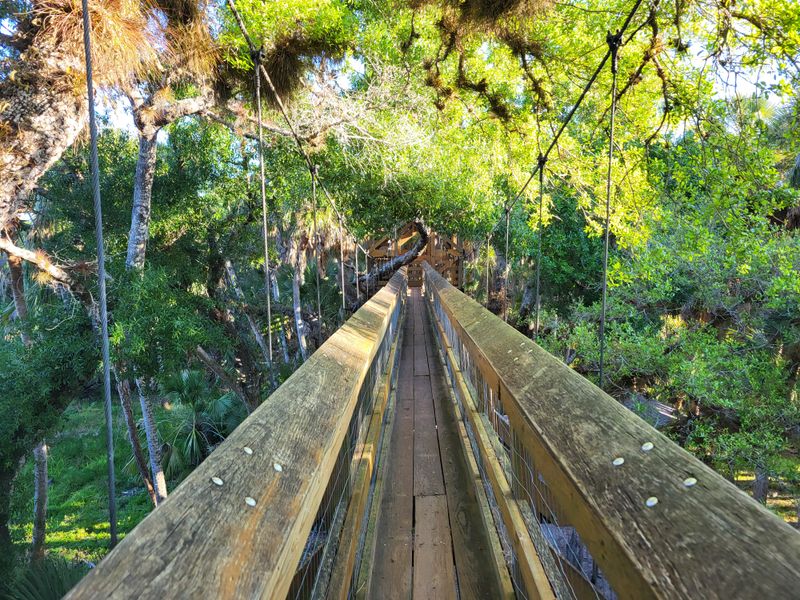
This short but unforgettable canopy walkway lifts you into the treetops. You will cross a gently swaying bridge strung between platforms, then climb a wooden tower for a sweeping view.
From above, prairies ripple outward, and you can trace hammocks, pinelands, and the snaking river corridor.
Go early to beat crowds and heat, especially in winter and spring when wildlife activity peaks. The stairs are straightforward, but take breaks and watch for kids on the steps.
Even on breezy days the structure feels solid, and the perspective change is worth every rung.
Up top, the breeze carries scents of pine and sun warmed oak leaves. Scan for hawks riding thermals, and listen for the chatter of warblers and titmice.
The view gives context, helping you understand how wetlands stitch together with uplands across this vast park.
Back on the ground, follow the short nature trail loops to learn about epiphytes, prescribed fire, and hydrology. Interpretive signs make complex systems feel approachable and practical.
You will appreciate how fire keeps prairies open for deer, turkeys, and wildflowers.
If the walkway gets busy, step aside and let others pass, then savor a quiet minute mid span. The tower’s platform is a great spot for photos, but do not lean gear over the rail.
When you descend, you will notice the forest sounds differently, as if tuned by the height.
Myakka Lake and the Weir Trail
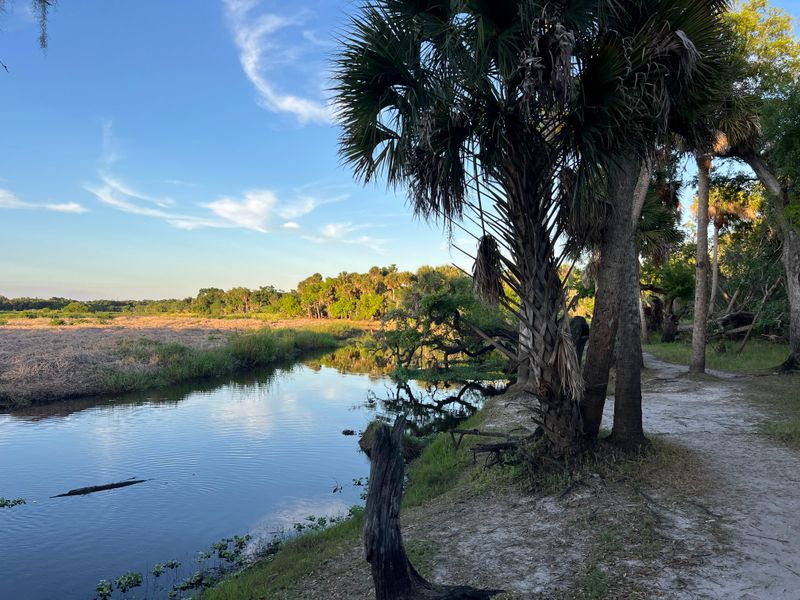
At the end of the park road, Myakka Lake opens like a mirror. The short Weir Trail leads to a vantage where birds and gators concentrate, especially when water levels drop.
You can watch limpkins pry snails, herons stalk, and alligators hang just below the surface, barely rippling.
Bring binoculars and stay a moment to let your eyes adjust to movement. Mudflats host sandpipers and plovers, and the reeds hide bitterns if you are patient.
Even casual birders will rack up sightings without much effort.
The nearby outpost area has restrooms, a gift shop, and sometimes a food truck when the cafe is closed. Boat tours can be seasonal, depending on water levels, so check the board for updates.
A shaded picnic makes this a perfect midday stop between hikes.
Morning and late afternoon light are best for photography. Keep your distance from the water’s edge and avoid crowding wildlife for a shot.
The weir’s gentle current funnels life, and it is easy to lose track of time counting species.
If trails are muddy, wear shoes with grip and step carefully on slick boards. You can loop back along the road or extend your visit to the bird viewing platform farther north.
Either way, the lake area is where Myakka’s drama plays out in plain sight.
Deep Hole Day Hike
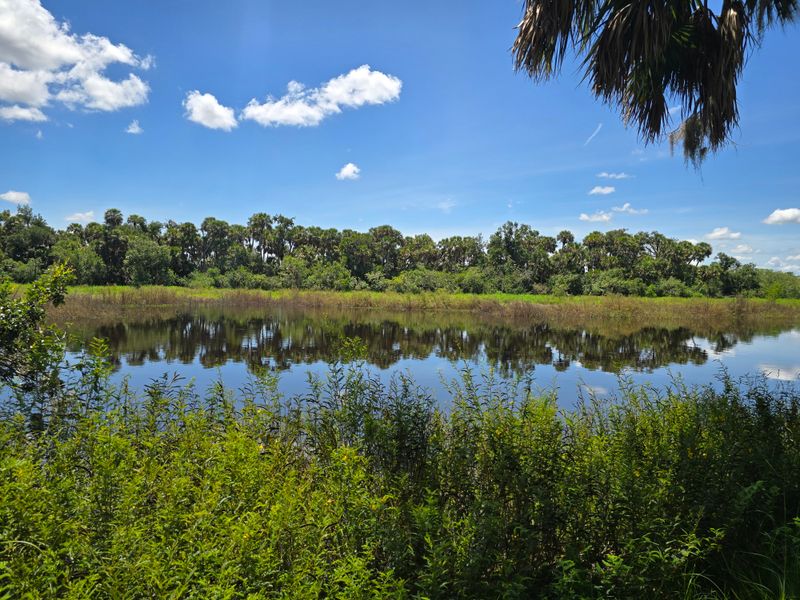
Deep Hole feels like a secret destination, but you need one of the limited daily permits from the ranger station. The out and back hike crosses open prairie with little shade, so start early and carry plenty of water.
When you reach the sinkhole’s rim, the view can be astonishing.
In low water seasons, alligators gather here in impressive numbers. You will also see black vultures, wood storks, and fishing herons orbiting the scene.
Keep a safe distance, give wildlife the right of way, and respect posted guidelines.
The trail is mostly flat, sandy, and exposed to sun and wind. A wide brim hat, sunscreen, and snacks keep the trek comfortable.
Pace yourself, and remember you must return before sundown to comply with the day use rules.
The quiet is a big part of Deep Hole’s magic. Footsteps crunch, grasses hiss, and the sky feels enormous over the prairie.
Even when the numbers are modest, the concentration of life around the water is striking.
Bring binoculars for raptors and waders cruising the thermals above. If conditions are breezy and cool, the hike feels surprisingly easy and meditative.
On hot days, it can be strenuous, so plan with the forecast and your energy in mind.
Nine-Banded Armadillo Encounters
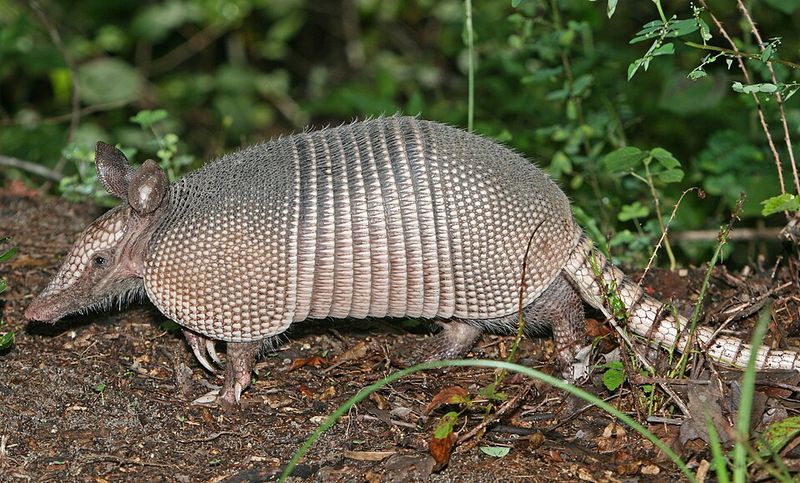
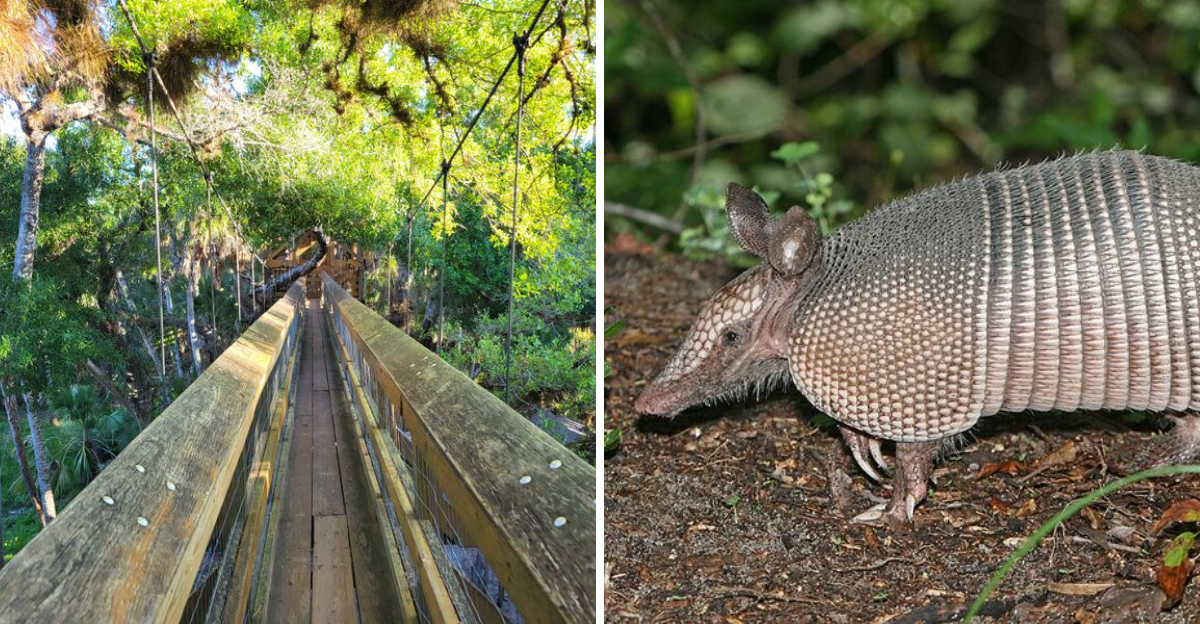
Walk quietly near dusk and you might meet the park’s most charming forager. Nine banded armadillos shuffle through leaf litter, snuffling for insects with a single minded focus.
Their armor looks tough, but their demeanor is comically gentle.
You will often hear them before you see them, rustling palmettos and nudging oak leaves aside. Give space and let them go about business, and you will enjoy a long, unbothered view.
They do not see well, so avoid sudden movement and keep dogs leashed.
Armadillos help aerate soil and control grubs, playing a small but useful role in the ecosystem. Watch the way they root with that pig like snout, tails stiff for balance.
If you stay still, one might waddle surprisingly close, then pause and sniff.
Photograph from low angles to show texture in the bands and claws. Flash is unnecessary and can feel intrusive in the fading light.
A quiet lens and patience will deliver better images than chasing a shot.
Remember to check the ground around logs and the edges of trails. You will notice little conical dig marks where they fed earlier.
Seeing one here adds a tender note to Myakka’s wilder, toothier spectacles.
Prairie Wildflowers and Seasonal Blooms
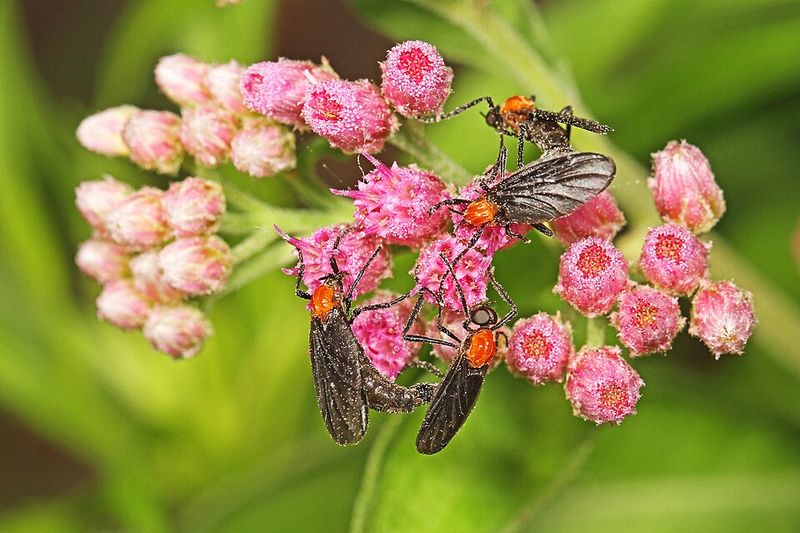
When spring paints the prairie, Myakka turns luminous. Golden coreopsis spreads like sunlight spilled over the grasslands, and the breeze makes everything shimmer.
Stand still and you will hear insects, distant birds, and the hush of wide open space.
These blooms ride on timing and rainfall, so check recent reports or ask rangers at the visitor center. Even outside peak displays, look for blazing star, tickseed, and meadow beauty.
The low profile flowers reward slow looking and a camera set to macro.
Trails can be sandy and exposed, so bring water and a hat. Early morning offers the gentlest light and cooler air for lingering.
You will share the prairie with deer moving at the edge of sight and hawks kiting overhead.
Use boardwalks and established paths to avoid trampling delicate plants. Photos pop when you include a sabal palm or oak hammock on the horizon for scale.
A small kneeling pad keeps you comfortable while composing close ups.
As blooms fade, seed heads feed birds and tie seasons together. The prairie’s beauty is honest, changing week by week, and much richer than a quick glance suggests.
Give it time and it will give you quiet joy in return.
Biking the Scenic Drive
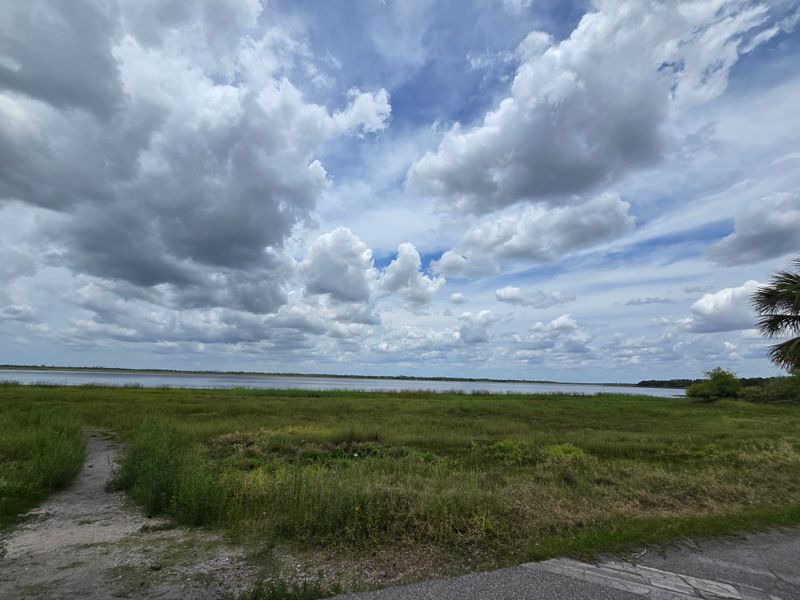
If you bring a bike, the park’s long roads become a rolling nature tour. Traffic is usually light, and dappled shade from live oaks keeps the ride pleasant.
You can link the entrance area, canopy walkway, and lake with steady, easy miles.
Start early to enjoy cooler air and better wildlife activity. Pull off at safe shoulders to watch deer browsing or turkeys crossing.
A small handlebar bag for water and snacks turns the ride into a leisurely ramble.
Road surfaces vary between smooth and patched, so keep an eye out. You will appreciate wider tires, especially after rains that leave debris near edges.
Helmets and lights are smart even in daylight under the canopy.
For a longer day, add short hikes at the bridge, bird platform, or nature trail loops. Lock your bike at trailheads where racks or sturdy rails are available.
The change of pace, ride then walk, keeps legs fresh and senses sharp.
Wind can be a factor across open prairie stretches. Plan an out and back so you can enjoy a tailwind home.
By sunset, you will feel pleasantly spent and deeply connected to the park’s rhythms.
Camping Under Live Oaks
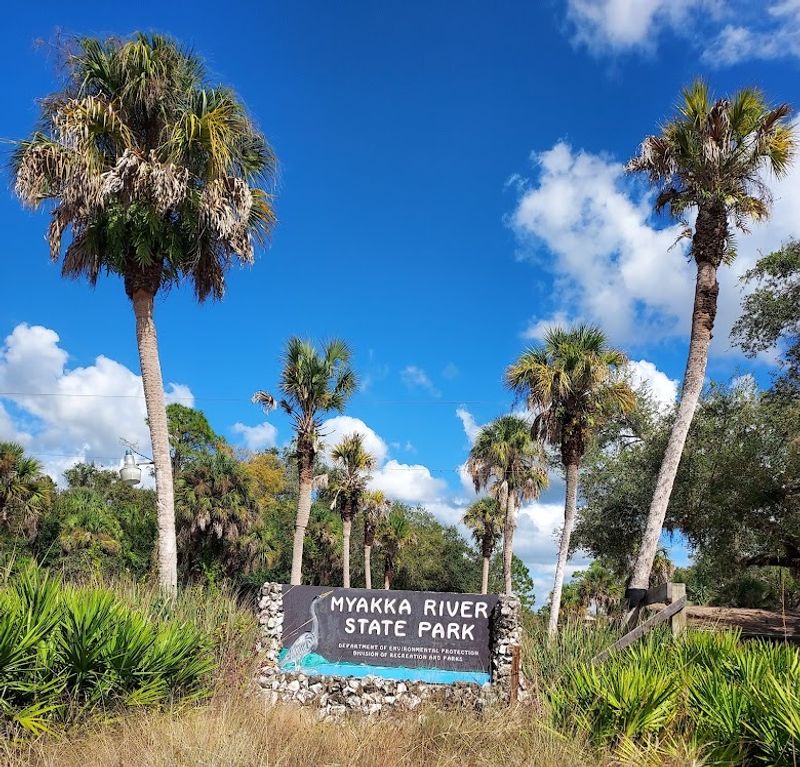
Set up camp beneath sweeping live oaks and you will understand Myakka’s nighttime magic. As day visitors depart, the park quiets and wildlife steps closer.
Crickets hum, barred owls call, and dawn arrives with a faint blush through moss.
Campsites have water spigots and nearby restrooms that are well maintained. Electric hookups make charging devices easy, but you will likely forget screens as stars appear.
Reserve ahead during cooler months when demand spikes.
Evenings are perfect for short strolls on campground loops. You might catch armadillos snuffling or deer moving like shadows between palmettos.
Keep food secured and leave no trace so animals do not learn bad habits.
Morning coffee tastes better when you carry it to a quiet picnic table. Use that peaceful hour to plan a loop to the tower and lake before crowds build.
If you have bikes, dawn rides are blissfully empty and cool.
Campfires are part of the charm when conditions allow. Check current fire rules at check in and buy wood locally.
With a little planning, camping turns Myakka from a day trip into a restorative retreat.
Birding Hotspots Beyond the Lake
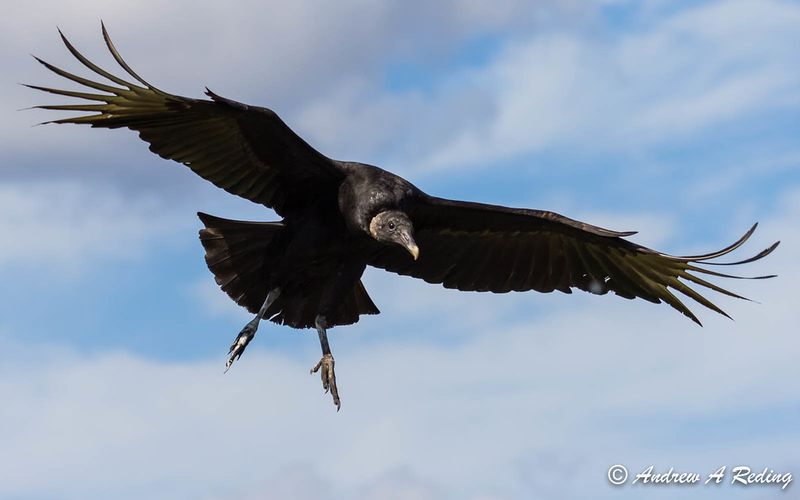
Beyond the lake, several pullouts and platforms offer excellent birding. The north side viewing deck often hosts spoonbills, limpkins, and ibis sweeping the shallows.
Bring a field guide or app and take your time working the edges.
Early hours deliver the best behavior, from feeding to preening. You will catch reflections, wing stretches, and interaction without harsh light.
A lightweight tripod helps with long lenses and steady scanning.
Listen for unfamiliar calls and follow them to hidden perches. Bitterns can be statues until a frog croaks, then they move.
Kingfishers announce themselves with rattles and dart from snag to snag over channels.
If water levels are high, birds spread out across the marshes. Ask rangers for current conditions and recent sightings.
Even on slower days, vultures and raptors patrol the thermals and keep you engaged.
Respect closed areas like the Bird Walk when under repair or flooding. Stay behind railings and avoid flushing resting flocks.
Patience usually rewards you with a standout moment, often closer than expected.
Ranger Wisdom and Visitor Center
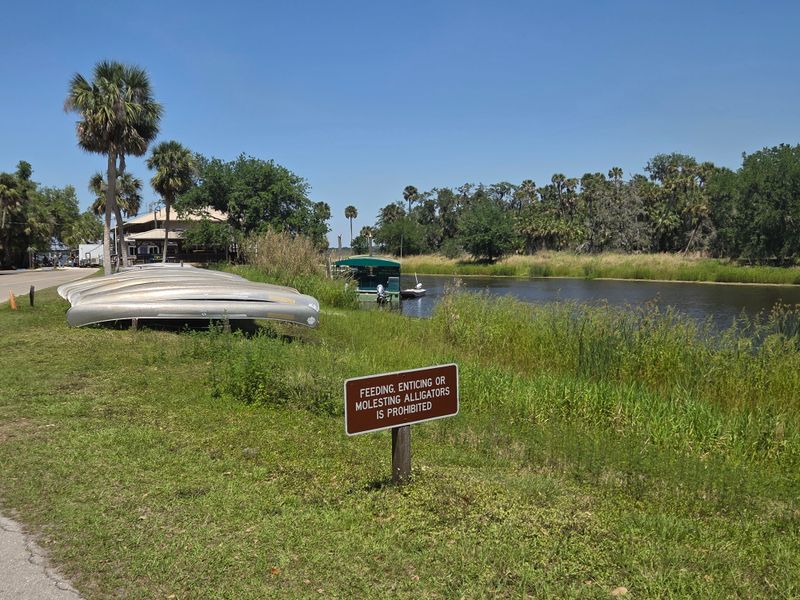
Make the visitor center your first stop after the entrance gate. Friendly rangers share current conditions, trail closures, and the best places to spot wildlife that day.
You can pick up a paper map and tune your plan to weather and water levels.
Inside, exhibits explain hydrology, fire management, and native species in clear, engaging ways. If taxidermy makes you squeamish, you can glide past and focus on interactive displays.
Short videos outline the park’s history as one of Florida’s oldest and largest preserves.
Ask about Deep Hole permits, canopy walkway updates, and any ongoing renovation notes. Seasonal closures for boat tours or boardwalk repairs change the flow of a visit.
With good intel, you will spend more time seeing and less time guessing.
The gift area carries field guides, cold drinks, and small souvenirs. A map tucked in your pocket saves phone battery and works where service fades.
Step outside and the shift from air conditioning to warm pine scent feels energizing.
Use the bulletin board to note upcoming programs, guided walks, or tram schedules when available. If you are new to Florida habitats, ranger led talks are a fast track to understanding.
Their enthusiasm is contagious and will sharpen your eyes all day.
Seasonal Tips and Quiet Times
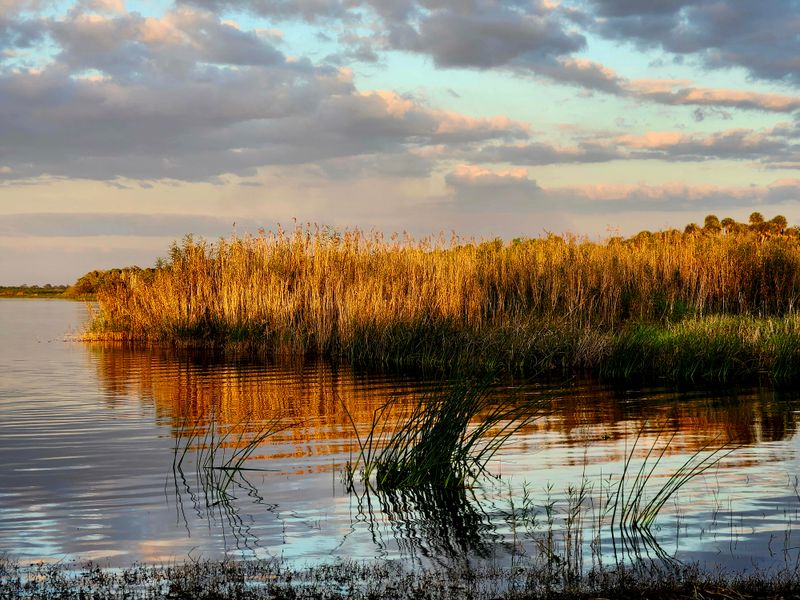
Timing shapes your Myakka experience more than any single tip. Arrive at opening to enjoy cool air, soft light, and calm wildlife before day trippers arrive.
Weekdays outside holidays are reliably quieter, especially after the morning rush passes.
Dry season concentrates wildlife around water, turning the bridge, weir, and Deep Hole into prime viewing. Wet season greens the landscape and raises water levels, scattering birds and making some trails muddy.
Pack footwear for conditions and expect plans to flex with the weather.
Facilities can shift by season too. Boat tours pause when water is low or logistics change, and some boardwalks close for repair.
Check the park website or call ahead if a specific activity matters to you.
Carry more water than you think you need and protect yourself from sun and bugs. A lightweight long sleeve shirt, brimmed hat, and sunscreen keep you comfortable.
Leave no trace so others meet the same quiet, unspoiled scenes you enjoyed.
When the day heats up, retreat to shade or visit the visitor center. Then circle back to favorite spots for golden hour and a serene exit drive.
Myakka rewards patience, awareness, and the gentle pace of wild Florida.