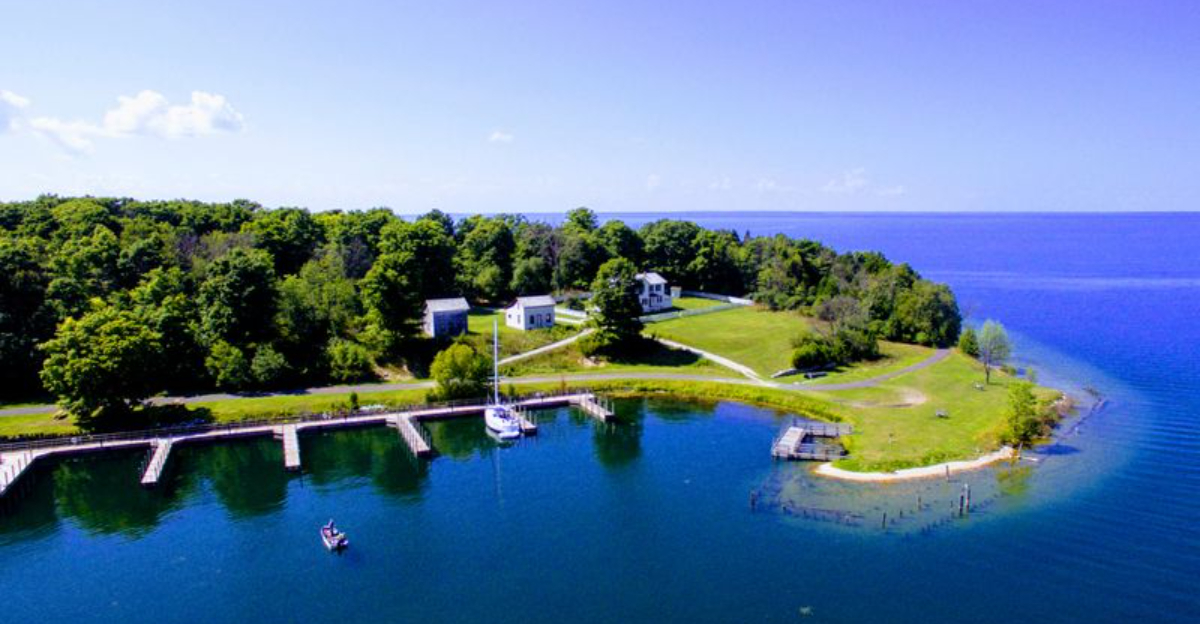
Tucked on Michigan’s Garden Peninsula, Fayette Historic State Park proves that small places can hold enormous wonder. You get limestone cliffs, teal water on Big Bay de Noc, and a beautifully preserved 19th century iron smelting town in one compact package.
Walk into furnished buildings, read superb interpretive signs, then step onto quiet trails where warblers and lake breezes keep you company. If you crave history, views, and a relaxing pace, this tiny park delivers more than you expect.
Overview and Planning Essentials
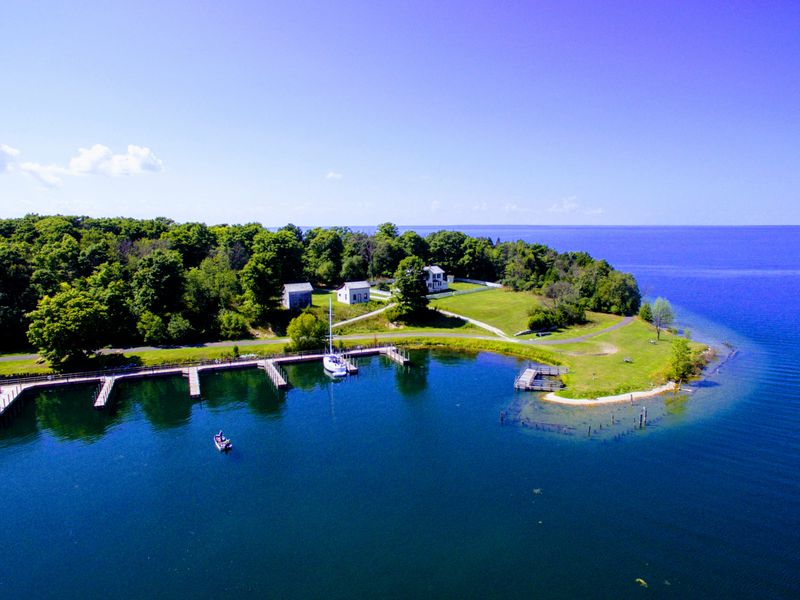
Fayette Historic State Park sits at 4785 II Rd in Garden, Michigan, a scenic peninsula out on Lake Michigan. Hours generally run 9 AM to 9 PM in season, and a Michigan Recreation Passport or day pass is required for entry.
Call +1 906-644-2603 or check the DNR website for current updates, accessibility notes, and event schedules before you go.
You will find a preserved 1800s iron smelting town, hiking trails with cliff overlooks, a small swimming area, and picnic spots. The visitor center has clean restrooms, exhibits, and a gift shop with snacks, plus a scale model of the town at its peak.
Expect to spend two to three hours if you skim, or a full day if you linger and hike.
Pack layers for breezy shoreline weather, sturdy shoes for uneven paths, and water. The paths are mostly easy, but there are gentle grades and distances between buildings.
Signage throughout makes it simple to self guide at your own pace.
Arrive early for quieter photos and better parking during peak summer. Sunset along Big Bay de Noc is spectacular, and night skies can astonish due to low light pollution.
Keep your camera handy because there is hardly a bad angle anywhere.
The Iron Smelting Story
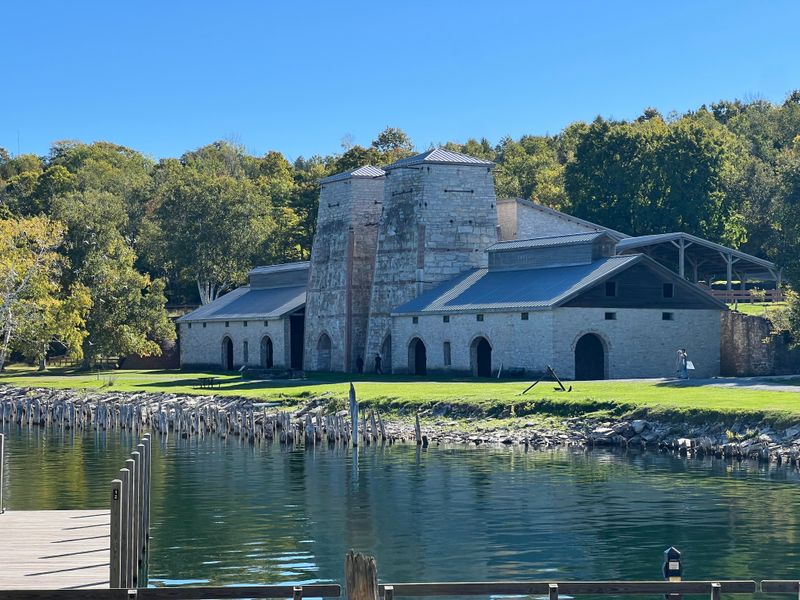
Fayette began in the 1860s as a company town built around a charcoal iron smelter. Ore arrived by boat, hardwood forests became charcoal, and blast furnaces roared beside limestone bluffs that acted as a natural flux.
Walking here, you feel the clang of history even when the bay sits glass calm.
Interpretive panels explain how ore, limestone, and charcoal merged into pig iron shipped across the Great Lakes. You will learn about workers’ schedules, dangerous conditions, and the community that grew around the furnaces.
The displays avoid gloss, showing both ingenuity and hardship.
Do not miss the furnace complex, casting house foundations, and slag heaps that hint at sheer output. The preserved layout helps you trace materials from dock to furnace to casting beds.
It is easy to imagine blazing nights painting the harbor with sparks and smoke.
When the forests thinned and economics shifted, Fayette’s smelting era faded by the 1890s. What remained was a ghost town in a gorgeous cove.
Today the park preserves those bones so you can connect technology, landscape, and people in a single, compelling loop.
Walking the Historic Townsite
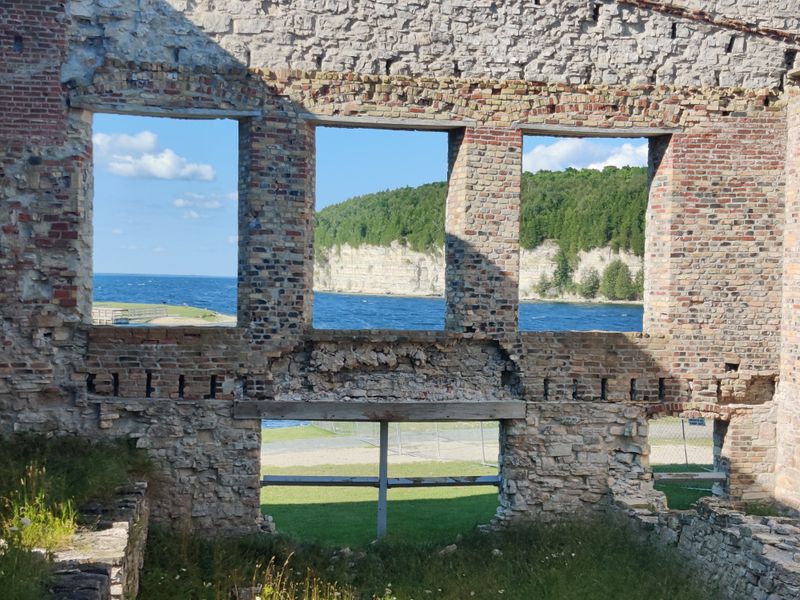
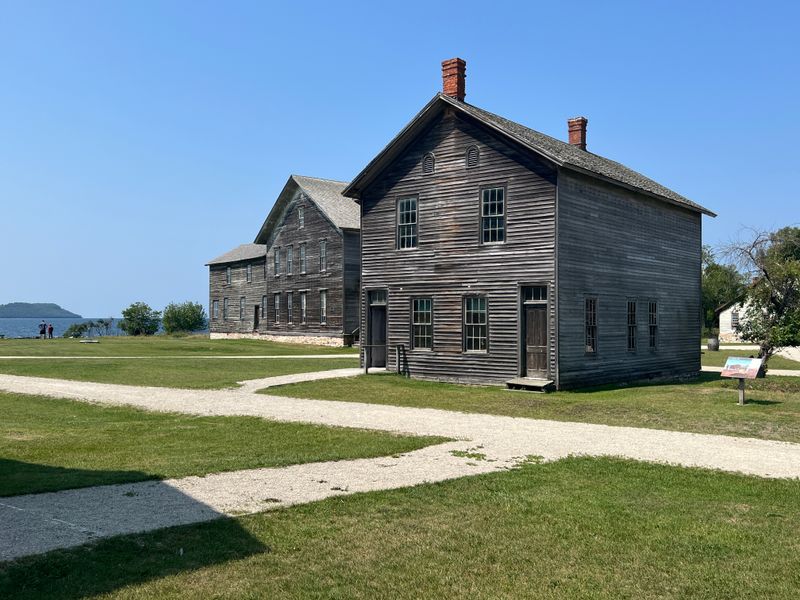
Strolling the townsite feels like stepping into a living diorama. Many buildings are open, from workers’ homes to the company store, each staged with period objects.
Signs are short, clear, and plentiful, so you can wander and still glean rich detail.
You will move along gravel lanes past white clapboard walls and weathered fences toward the quiet harbor. Peer inside kitchens, glance at ledgers, and compare floorplans between laborers and managers.
The contrast says as much as the text panels.
Allow at least an hour just for these streets. Families with kids love the freedom to enter rooms and connect dots tactilely.
If mobility is limited, the town’s relatively flat core and benches help make the experience accessible.
Bring curiosity and a camera. The way sunlight hits windows and tools tells its own story.
You will leave with a clearer sense of daily rhythms and how industry shaped a community’s homes, meals, and hopes.
Limestone Cliffs and Big Bay de Noc
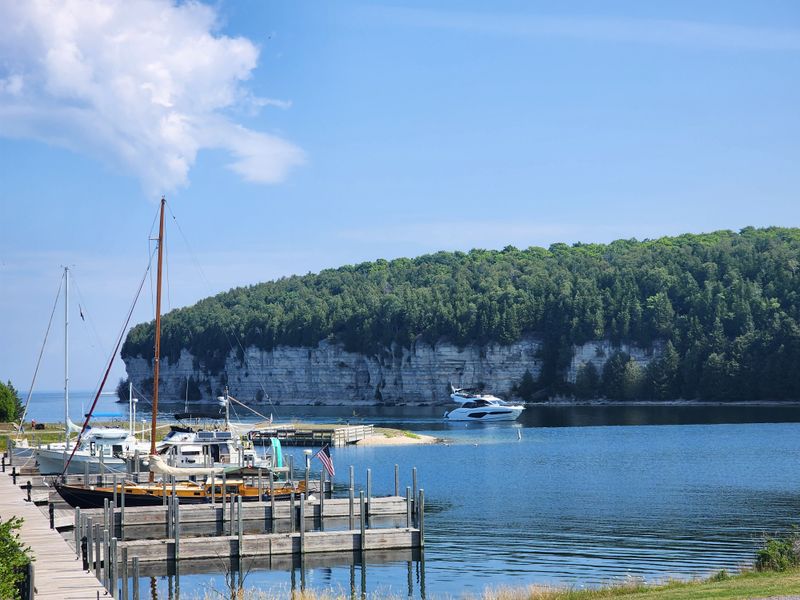
The limestone cliffs are Fayette’s showstopper. Pale rock shoulders rise above teal water, catching light that shifts by the hour.
From lookout points, you get airy views across Big Bay de Noc toward distant forest edges and open lake horizon.
Walk the cliffside trail for breezes, birdsong, and dramatic angles. You will pass patches of juniper and birch, with water echoing softly below.
On calm days, the bay glows like glass and reflects the bluffs for mirror-smooth photos.
Stay back from edges, keep pets leashed, and mind kids. The drop is real, and footing can be gravelly after rain.
Early morning and late evening offer the most flattering light and the fewest crowds.
Even if you came for history, you will linger here. The geology reminds you why a smelting town anchored in this cove, with limestone at hand and shelter from storms.
It is an unforgettable contrast of rugged rock and gentle water.
Trails and Scenic Overlooks
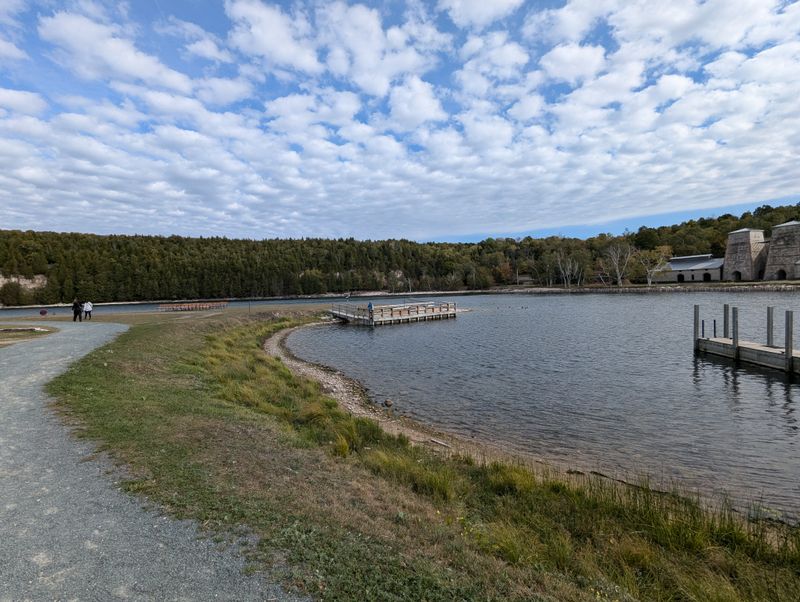
Fayette’s trail network is modest but rewarding, with loops connecting the townsite, cliffs, and forest. Surfaces range from crushed gravel to packed dirt, generally rated easy to moderate.
Elevation changes are gentle but present, so pace yourself.
The Bluff Trail dishes out big views along the bay, while short connectors bring you to picnic tables and quiet coves. You will find birds, wildflowers, and the occasional deer.
Bring water, sun protection, and shoes with grip for sandy gravel.
Wayfinding is straightforward thanks to posted maps at junctions. If you prefer fewer people, try midday on weekdays or shoulder season mornings.
After rain, expect slick roots and puddled low spots.
Hike a loop, then circle back through the townsite for a history-plus-nature pairing. You will cover enough ground to feel accomplished without sacrificing your afternoon.
Add a sunset pass along the bluffs for a perfect finale.
Kayaking and Harbor Perspectives
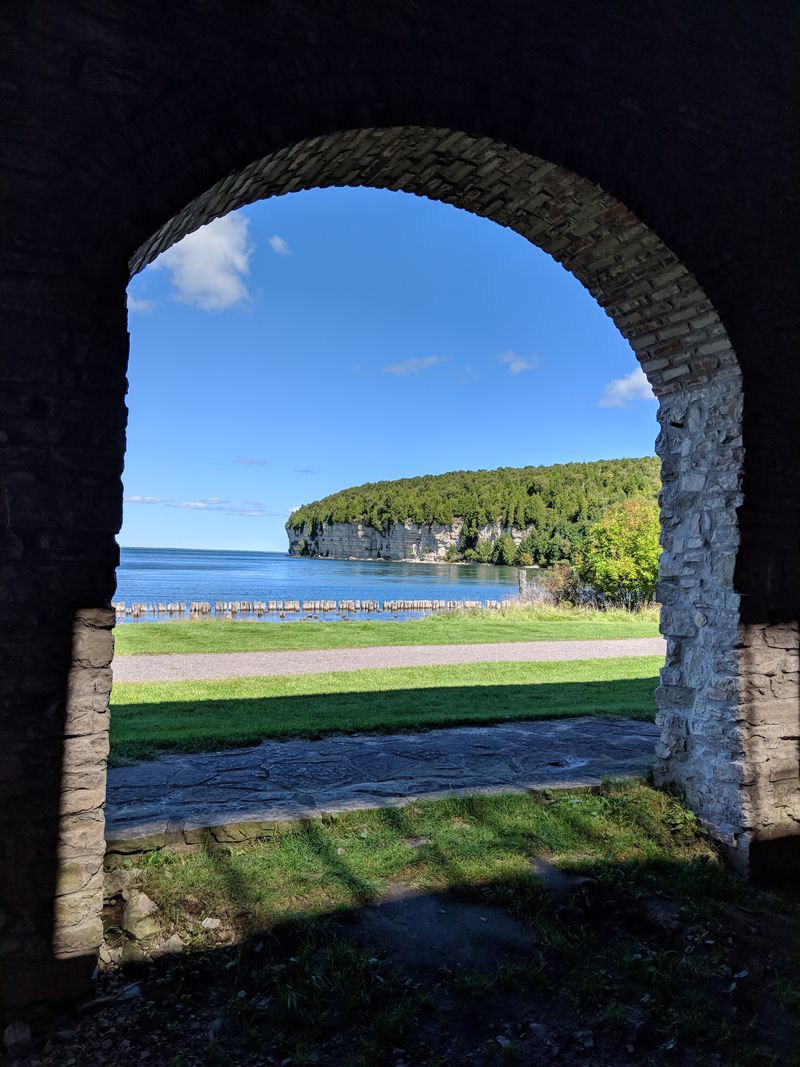
Seeing Fayette from the water adds a cinematic layer. On calm days, kayak alongside limestone walls where swallows flicker and bubbles climb ancient fractures.
The harbor cradles you with glassy chop, and every paddle stroke reveals new angles.
Review conditions and wind forecasts before launching. Rentals are sometimes available near the entrance, with rates guests have found fair for day use.
You will want a PFD, dry bag, and phone leash for photos.
Hug the shoreline to avoid boat traffic and to savor textures in the stone. Look for underwater ledges that turn the lake electric blue in sunlight.
Early morning light can make the town’s clapboard glow like a film set.
If waves pick up, pivot to sheltered segments or return early. Safety first, views second.
Either way, you will leave with harbor memories that make the smelting ruins feel alive from a whole new vantage.
Visitor Center, Exhibits, and Amenities
The visitor center anchors your experience with context and comfort. Inside, exhibits trace the ironmaking process, community life, and regional ecology.
A scale model shows the town in its heyday so you can orient before walking.
You will find restrooms, water stations, friendly staff, and a small shop with gifts and cold treats. Pick up a map, ask about ranger programs, and confirm which buildings are open.
The hours typically match the park’s 9 AM to 9 PM schedule.
Interpretive design here is crisp and approachable. Children can follow pictures and artifacts while adults linger on technical diagrams.
Everything is clean and well maintained, from cases to corridors.
Before leaving, browse for a book or postcard to extend your visit at home. You will appreciate how the center sets a thoughtful tone and answers lingering questions.
It is the best first and last stop of your day.
Camping, Picnicking, and Sunset Strategy
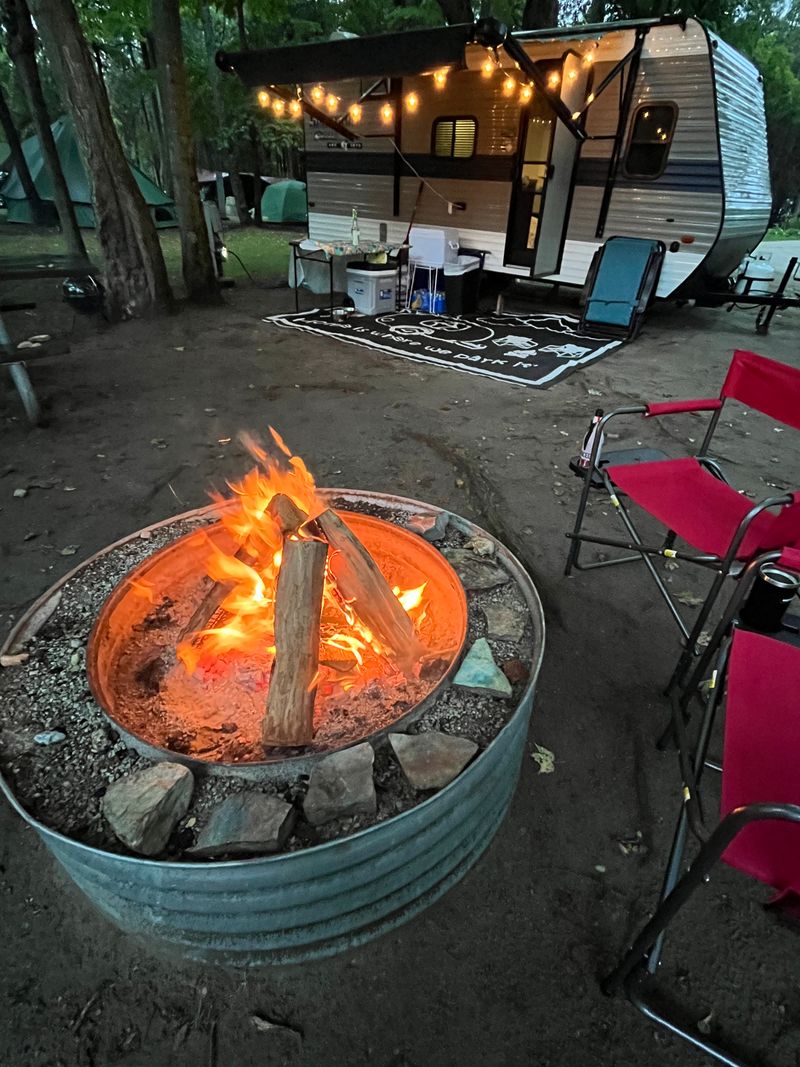
Camping here puts you close to trails and the townsite, with grassy sites and lake breezes. Expect basics, quiet hours, and a relaxed vibe, though peak weekends can feel lively.
Reserve ahead in summer or holiday stretches.
For picnics, snag a table near the water and watch boats cross Big Bay de Noc. Bring layers and a blanket because shoreline evenings cool quickly.
Pack out trash, share space, and keep wildlife wild.
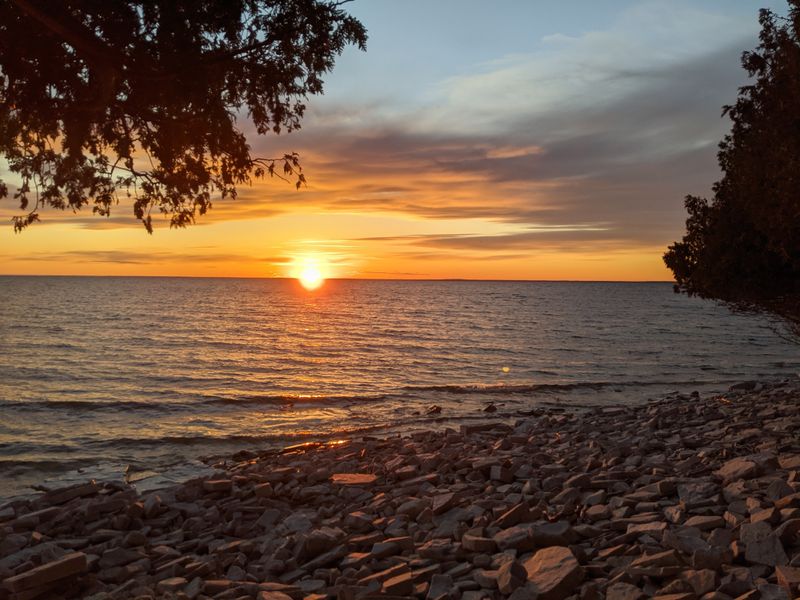
Sunsets can be extraordinary, igniting cliffs and harbor in pinks and amber. Scout your viewpoint earlier in the day so you are not rushing at golden hour.
A thermos of cocoa or a simple sandwich turns it into an easy ritual.
After dark, low light pollution rewards stargazers. Keep flashlights handy, mind footing, and let your eyes adjust.
You will end the night feeling pleasantly small under the sky.
Accessibility, Family Tips, and Safety
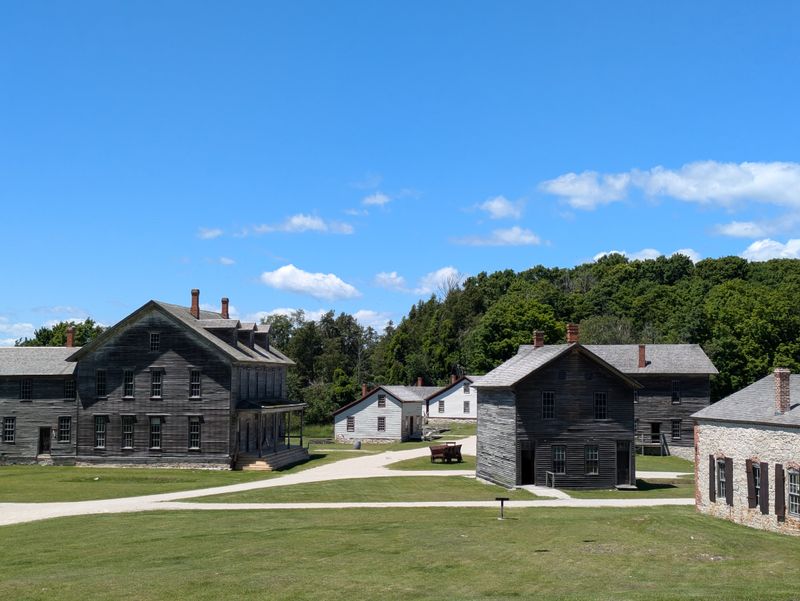
Families appreciate the open buildings, flat town paths, and clear signage. Strollers handle most gravel, though a few grades and thresholds require patience.
Bathrooms and water stations near the visitor center make breaks easy.
For accessibility, check current details on surfaces, parking, and doorway widths with the park office. Bring mobility aids as needed and plan extra time between highlights.
Benches dot the grounds so you can rest and regroup.
Safety is straightforward: watch cliff edges, hydrate, and wear layers. Keep kids within sight, especially on overlooks and docks.
Lake weather changes quickly, so track wind forecasts if you plan to paddle.
Pack snacks and a flexible plan so everyone stays cheerful. You will cover more than expected when curiosity leads the way.
With small adjustments, the whole group can enjoy Fayette comfortably and confidently.
One Perfect Day Itinerary
Start at 9 AM when gates open, heading straight to the visitor center for maps and exhibits. Walk the townsite loop while light is soft and crowds are thin.
Pause inside the company store and a worker’s home for context.
By late morning, hike the Bluff Trail for cliff views and lake breezes. Grab a picnic lunch at a table near the harbor, then rest with your feet in the water.
Afterward, wander back through remaining buildings you skipped.
Mid afternoon, rent or launch a kayak if conditions are calm, tracing limestone edges. If wind is up, substitute a second overlook loop and a photo session.
Treat yourself to a snack from the shop on your return.
Close the day with sunset at an overlook and star peeking as darkness arrives. You will leave with history under your skin and the lake in your ears.
It is a tiny park that fills a full heart.