Museum visits often reveal more than people realize, especially through the eyes of museum docents who spend their days observing how guests move, pause, and engage. These trained guides develop a quiet awareness of patterns that emerge across different ages, groups, and visit styles. Over time, small behaviors become easy to recognize.
While most visitors focus on exhibits, docents naturally notice habits that shape the overall experience. These details are subtle, common, and rarely discussed, yet they appear again and again in galleries. Below are some of the most frequently observed behaviors.
Rushing through major exhibits
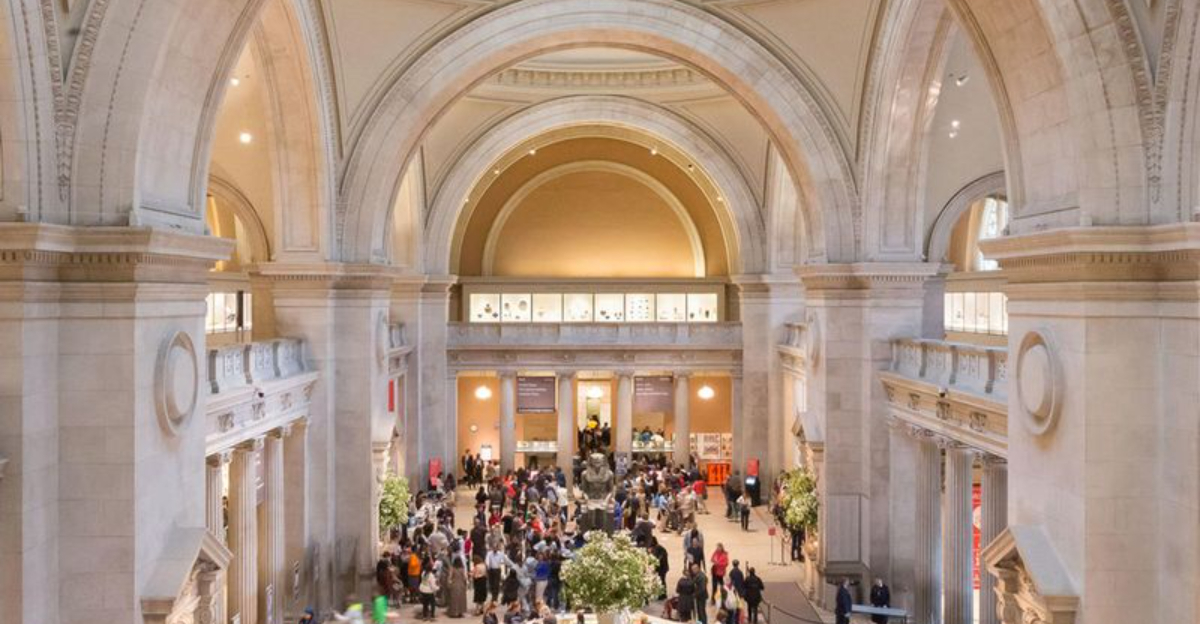
Imagine a visitor breezing past the Mona Lisa, barely stopping to glance. This hurried pace is something docents often spot.
Major exhibits, while captivating, can paradoxically lead to quickened steps due to their overwhelming popularity.Many visitors feel the pressure of time, trying to absorb as much as possible in a short visit. Yet, this eagerness to see it all can result in missing the deeper stories behind the art.Docents note that slowing down can transform a rushed visit into a more enriching experience.
Taking moments to pause and reflect can unlock new perspectives and connections to the art.
Reading wall text selectively

With eyes scanning the room, some visitors choose their reading material carefully. Not every placard gets attention, leaving some stories untold.
Docents see this selective behavior and know it shapes the visitor’s understanding.While some dive into every detail, others prefer the highlights, picking and choosing according to interest. This selectivity can be driven by time constraints or personal focus, adding a layer of individuality to the interpretive process.Docents encourage a balance, suggesting that sometimes, the most intriguing stories are hidden in the fine print.
A seemingly insignificant detail can spark a deeper interest or connection.
Staying longer at interactive displays
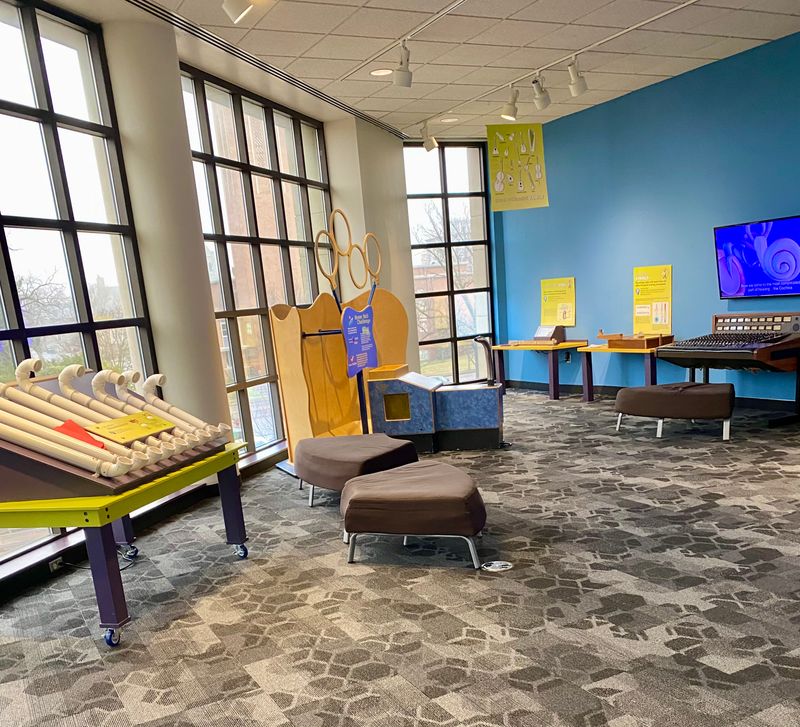
Interactive displays have a magnetic pull, especially for the curious. Whether it’s a digital touchscreen or a hands-on exhibit, these areas often become hubs of prolonged engagement.Docents notice that visitors, especially families and children, gravitate towards these interactive experiences.
They offer a break from passive observation, allowing for active participation and discovery.These areas encourage learning through doing, often sparking joyful moments and insightful questions. For those looking to connect deeper with the content, the tactile nature of these displays provides a memorable and educational experience.
Following crowd movement
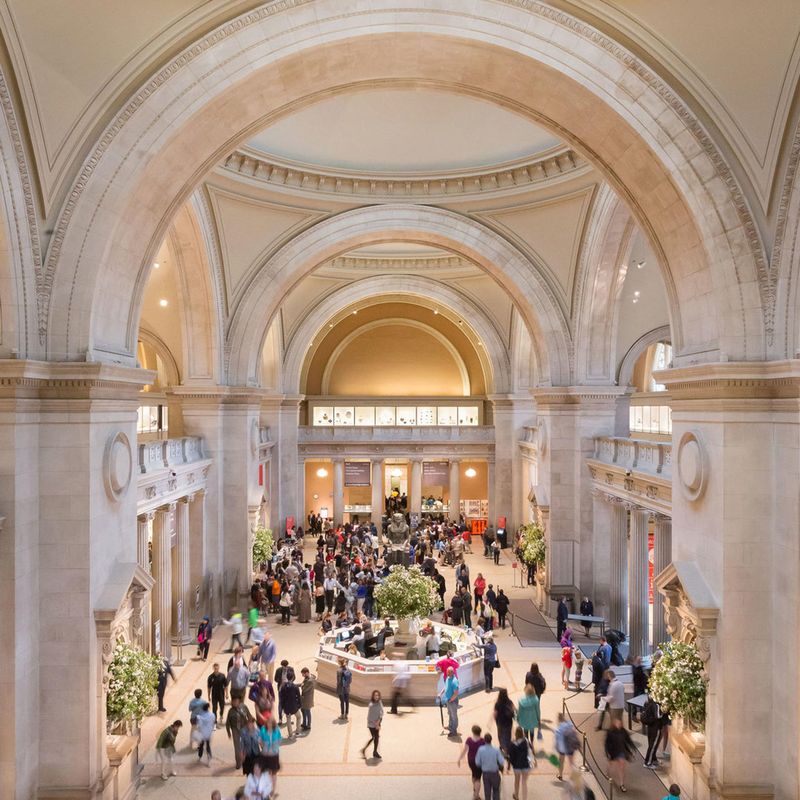
The ebb and flow of a museum crowd can guide a visitor’s journey more than one might expect. Many fall into the unintentional habit of following wherever the crowd leads.Docents observe this herd behavior, noting that it can lead to missed opportunities.
Some of the most enlightening exhibits might be tucked away from the main pathways.Breaking from the crowd can yield rich rewards, offering a chance to discover hidden gems. Docents often encourage visitors to carve their own path, ensuring a unique and personal journey through the museum’s treasures.
Avoiding guided tours
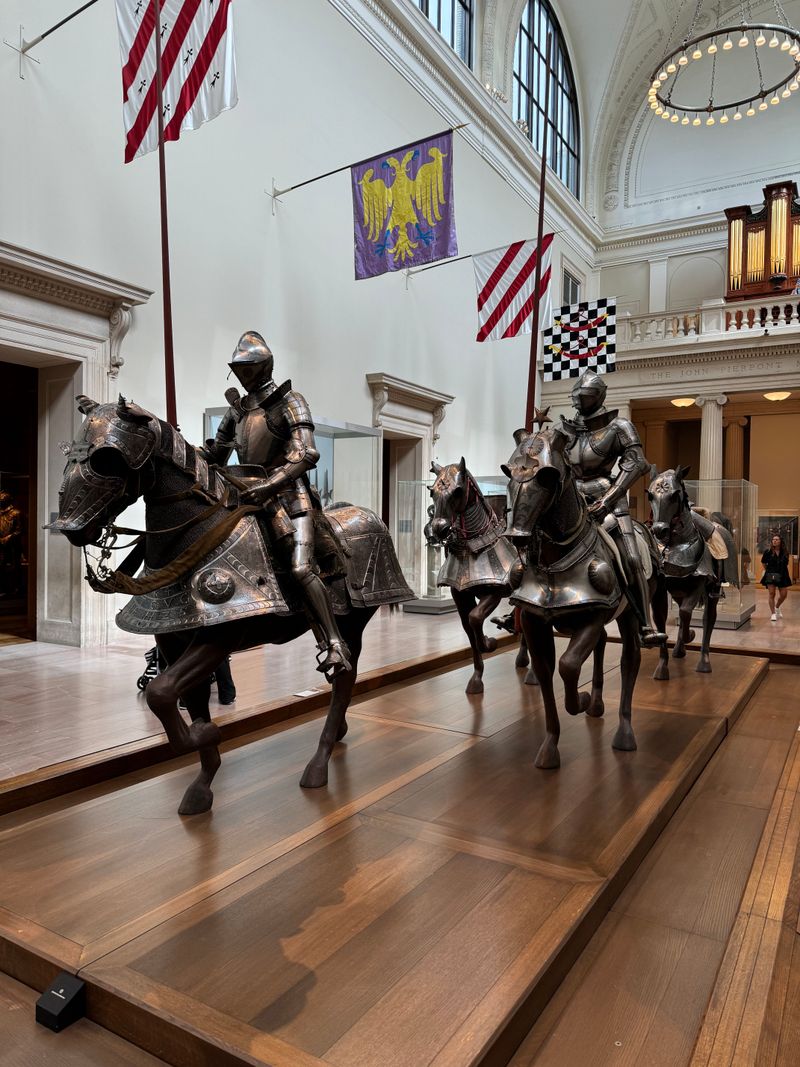
For some, the idea of a guided tour feels restrictive. Docents notice that many visitors opt for self-guided explorations, missing the curated insights tours can offer.Guided tours provide a narrative thread, weaving together stories that might otherwise remain disconnected.
While independent exploration has its merits, tours often reveal layers of context and expertise.Those who shy away from tours might miss anecdotes and historical nuances that bring exhibits to life. Embracing the knowledge of a guide can enhance understanding and unlock fascinating stories hidden within the art.
Taking photos instead of notes
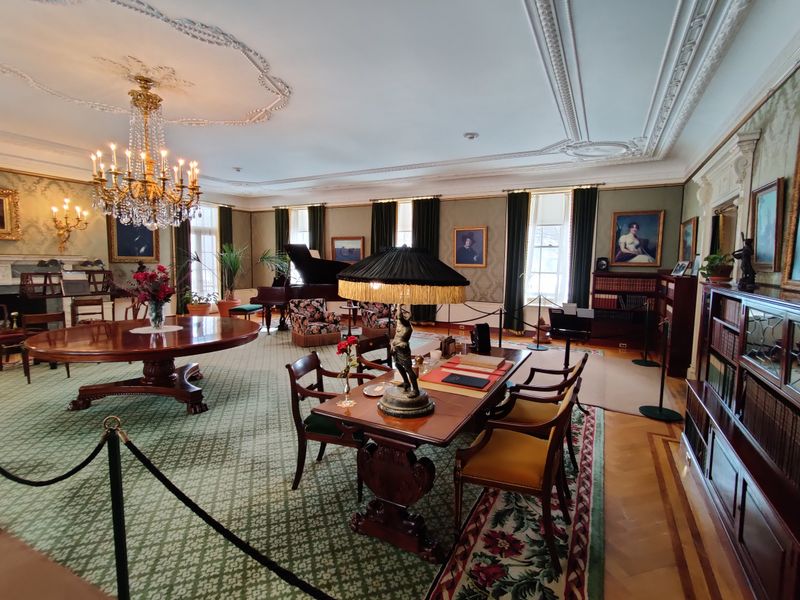
Cameras clicking away, visitors capture moments through lenses rather than pen and paper. This shift from note-taking to photography is a trend docents frequently observe.Photos provide a way to revisit memories, yet they can sometimes replace deeper engagement.
Snapping a picture is quick, but it may not prompt the reflection that notetaking inspires.Docents often suggest a balance, encouraging visitors to jot down thoughts or sketches. This old-school method can enhance understanding and foster a personal connection to the exhibits that last beyond the camera’s flash.
Lingering near familiar subjects
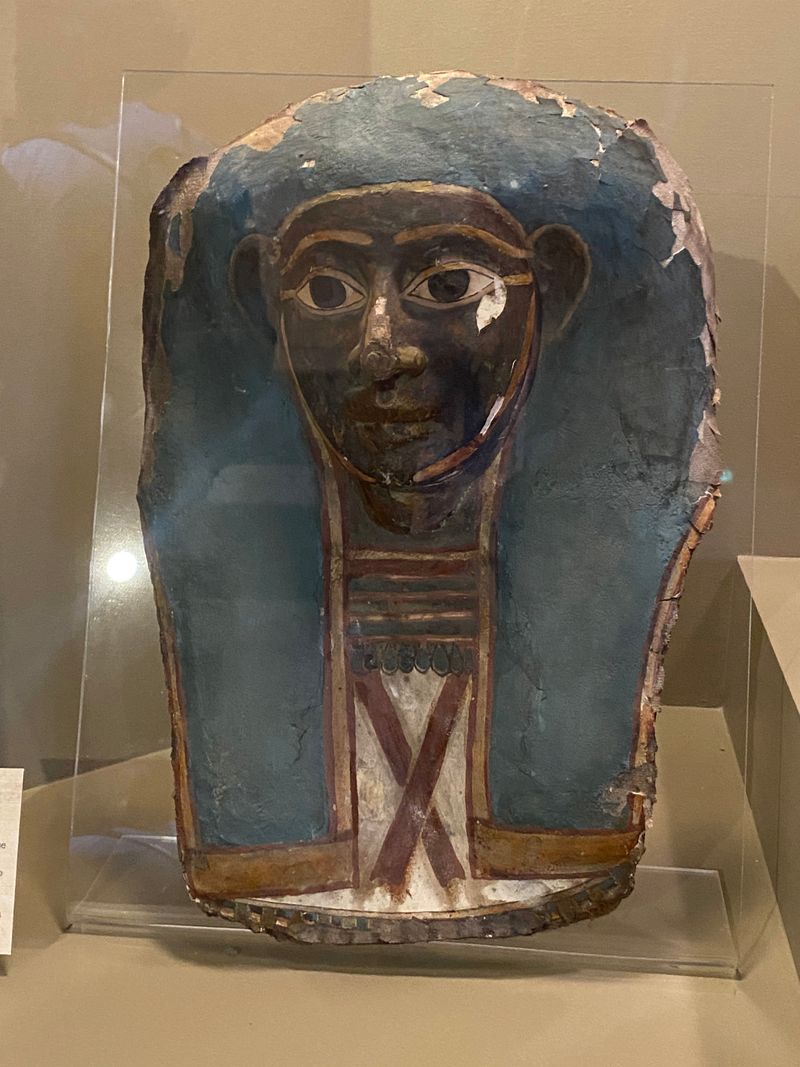
When familiar themes appear, visitors are often drawn in, spending extra time absorbing the details. Docents notice this tendency to linger, which speaks to personal interests and connections.Familiar subjects, whether historical or artistic, resonate on a deeper level, inviting prolonged contemplation.
This can lead to meaningful reflections and conversations.Docents appreciate this engagement, as it signals a bridge between the past and the present. Personal connections to familiar themes can enrich the experience, fostering a deeper appreciation for the art and history on display.
Skipping smaller galleries
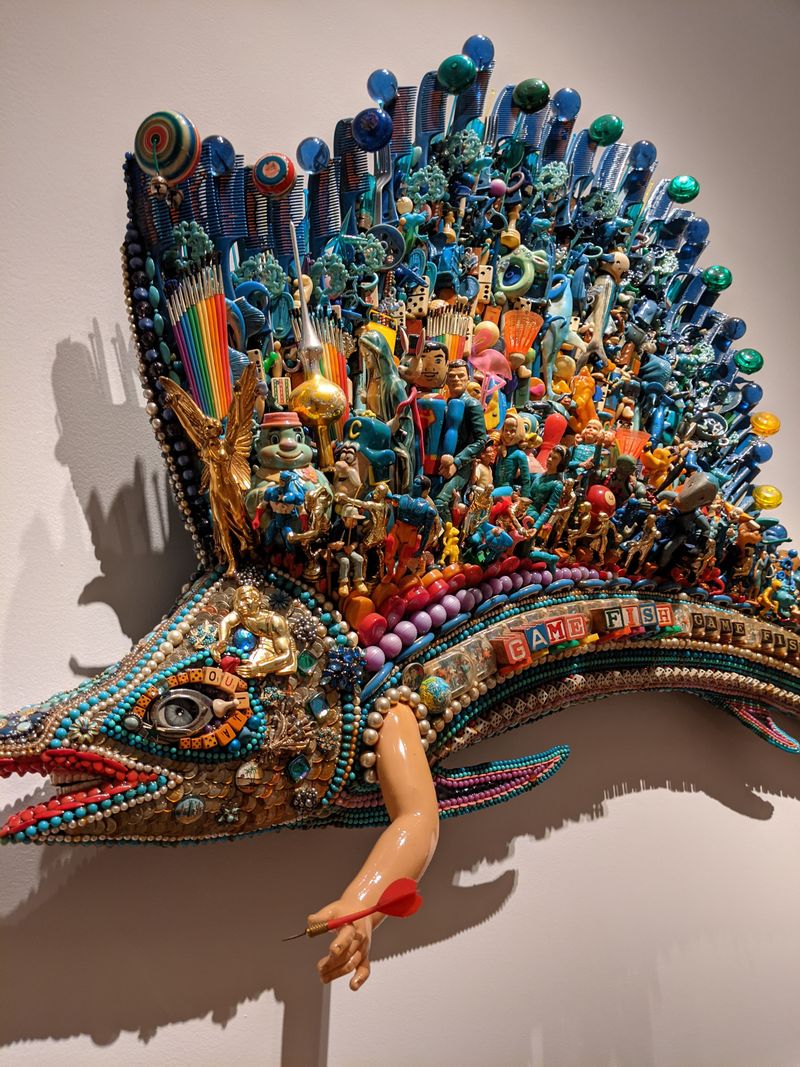
The allure of grand exhibitions often overshadows smaller galleries, which are sometimes overlooked. Docents notice this pattern, knowing these intimate spaces often house unique treasures.Smaller galleries provide a quieter, more focused experience.
Skipping them can mean missing out on rare finds and lesser-known works with significant stories.Docents encourage visitors to explore these hidden corners. They often hold unexpected delights, offering insights that larger exhibits might not capture.
A willingness to wander off the main path can result in delightful discoveries.
Asking questions at the end of tours
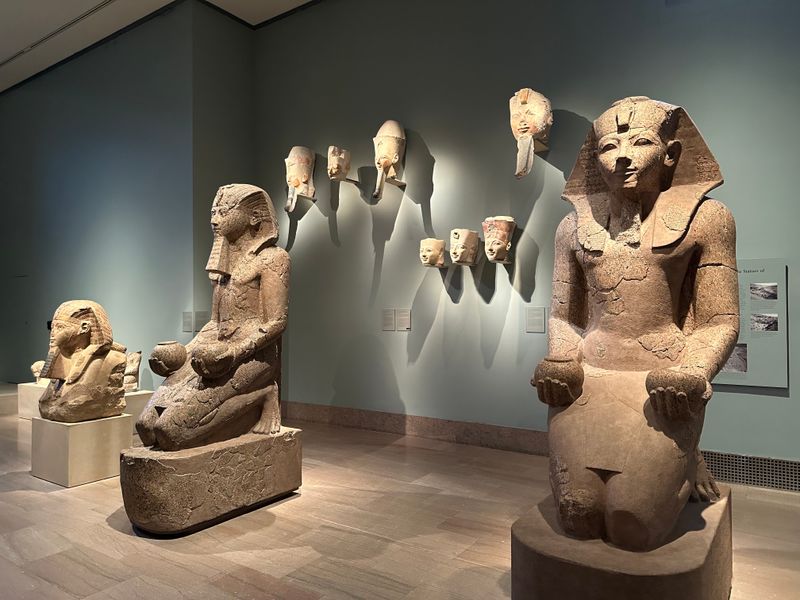
Questions often come when the tour is wrapping up, with visitors suddenly curious about the myriad of information shared. Docents are prepared for these last-minute queries, knowing they indicate engagement.This timing can be due to the processing of information, with questions bubbling up after reflection.
It’s a sign that the tour content resonates and prompts further curiosity.Docents welcome these moments, as they provide a chance to clarify and expand on topics. Answering these questions enriches the visitor’s experience, turning curiosity into deeper understanding.