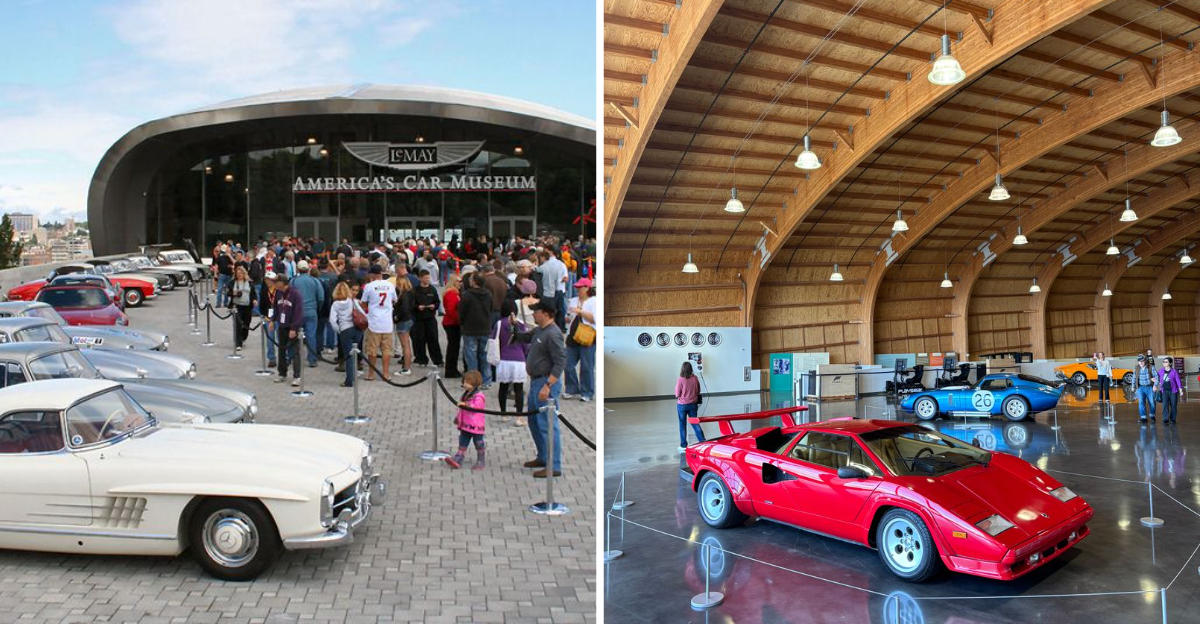
If you love the smell of gasoline, the whisper of polished chrome, and stories told through steel, this museum will win you over fast. LeMay – America’s Car Museum in Tacoma unfolds four floors of automotive history, from brass era icons to modern supercars that make your pulse race.
It is carefully curated, deeply interactive, and surprisingly family friendly, with simulators and hands on zones that keep everyone engaged. Come curious and leave inspired, because this place turns car lovers into lifelong enthusiasts.
The Harold and Nancy LeMay legacy
Start your visit by grounding yourself in the origin story. Harold and Nancy LeMay collected more than most museums could dream of, fueled by a passion for craftsmanship and Americana.
Their legacy powers the museum’s mission to preserve, interpret, and celebrate our automotive past.
You will find context panels that trace how a private obsession became a public treasure. The careful curation keeps the experience focused, highlighting vehicles that map technological progress and cultural change.
It feels intimate, even with hundreds of cars, because the storytelling keeps returning to the people behind the machines.
Look for early promotional photos, correspondence, and anecdotes about acquisitions that nearly did not happen. Those little details make the cars feel lived in, not abstract artifacts.
It is like walking through a family album where the relatives happen to be Duesenbergs and Packards.
What resonates most is how generosity shaped the collection’s future. The LeMays shared rather than stockpiled, ensuring these vehicles keep moving hearts and minds.
That spirit shows in rotating exhibits and educational programs designed to welcome newcomers. The result is a museum with soul.
Four floors of automotive history
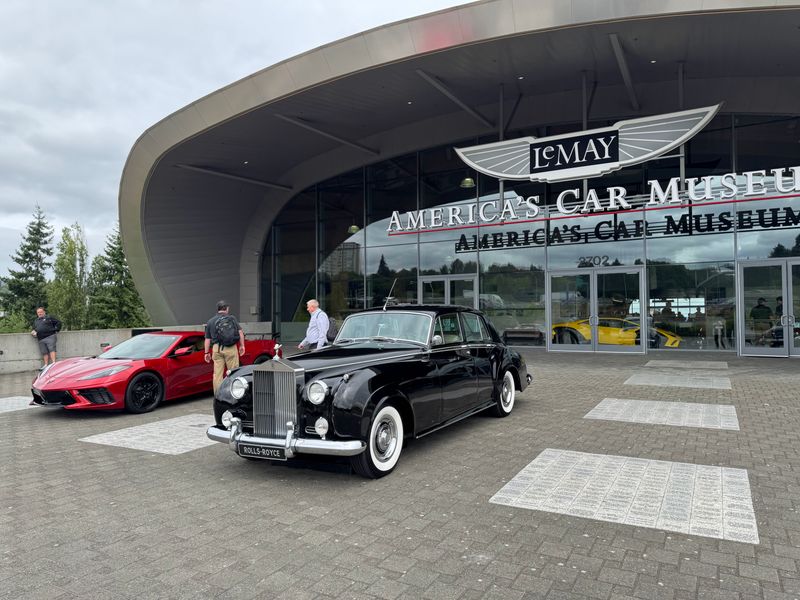
Descending the museum’s gentle ramps, you trace more than a century of design and engineering. Each level presents a different era’s priorities, from durability and simplicity to speed and luxury.
The progression makes sense, building a narrative that is easy to follow without feeling rushed.
Interpretive plaques give quick specs and model highlights, while select vehicles get deeper storytelling. You can compare body lines, materials, and cockpit ergonomics across decades with a single glance.
It is a rare chance to see trends evolve in one continuous sweep.
The lower floors often reveal surprises, like motorcycles, workhorses, and oddities that broaden the conversation beyond showpieces. Families appreciate the rest stops and seating sprinkled throughout.
It is designed for lingering, not just passing by.
Spend time noticing details like door handles, steering wheels, and badges that showcase craftsmanship. You will leave with a richer sense of how design solves practical problems while signaling identity.
By the time you return to daylight, the modern road outside looks different because you understand how we got here.
American supercars spotlight
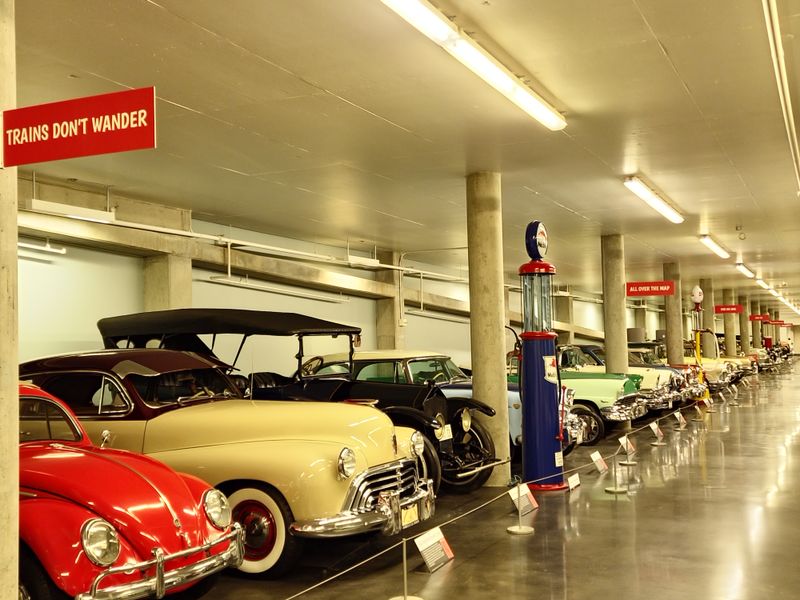
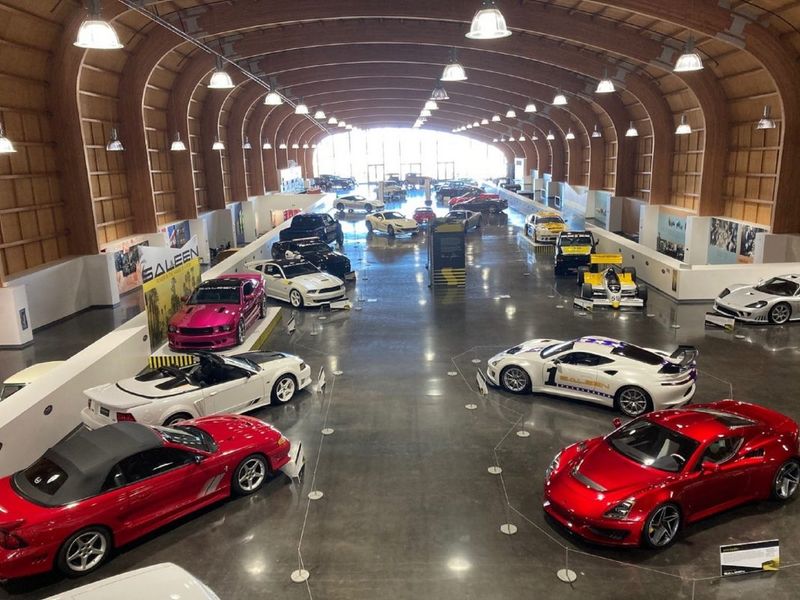
When the rotating feature turns to American supercars, expect goosebumps. Names like Saleen, Ford GT, and Hennessey line up in photogenic stances, each representing a moment when power met ambition.
You can study aero elements, carbon fiber work, and braking systems that tame outrageous speed.
It is not just horsepower bragging. Placards explain engineering choices and track pedigrees, helping you appreciate why these cars matter beyond poster appeal.
With mirrors placed to reveal underbody details, the craftsmanship becomes incredibly clear.
Use the exhibit to trace how American performance evolved from big displacement bravado to sophisticated, wind tunnel tuned precision. The contrasts are exciting, even for casual fans.
You will pick favorites, but the collective story is the real star.
Photography is irresistible here, so charge your phone and capture the reflections. Ask volunteers for backstories on development quirks or limited production runs.
You will leave ready to debate lap times and design philosophy on the ride home, grinning the whole way.
Vintage and brass era icons
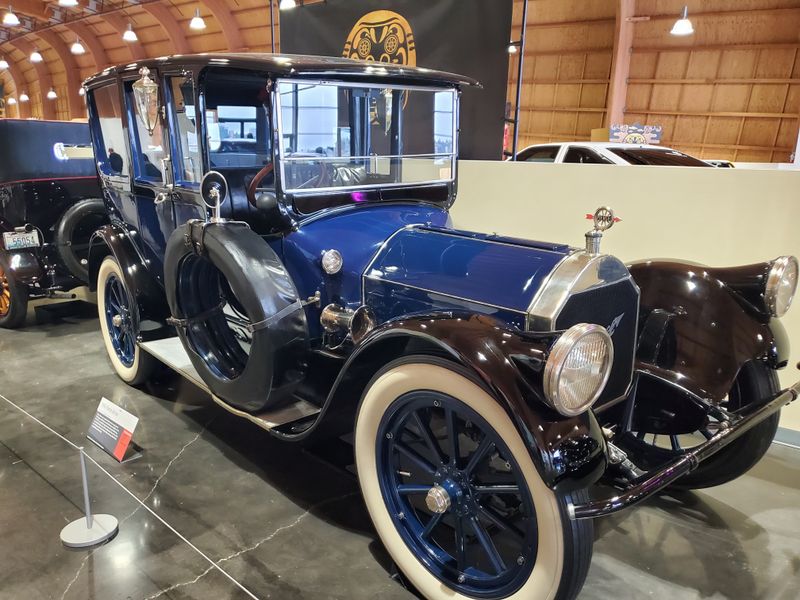
The oldest cars in the collection feel like elegant time travelers. Brass radiators gleam, wooden wheels whisper, and hand crank starters hint at a different rhythm of life.
These machines showcase ingenuity at a human scale, where every lever and gauge mattered.
Stand close and you will notice coachbuilt craftsmanship that rivals fine furniture. Upholstery, stitching, and lacquered finishes signal pride in details.
The plaques give concise specs, but the aura is what lingers.
These vehicles invite you to imagine early motorists plotting routes with paper maps and daring gravel roads. Speed was relative, adventure absolute.
Even the headlamps, often acetylene, feel like jewelry with a purpose.
Take your time appreciating solutions that solved practical problems before standardized parts existed. You will leave with new respect for pioneers who built the playbook everyone else followed.
The past looks luxurious and brave here, commanding quiet admiration.
Family fun: simulators and slot cars
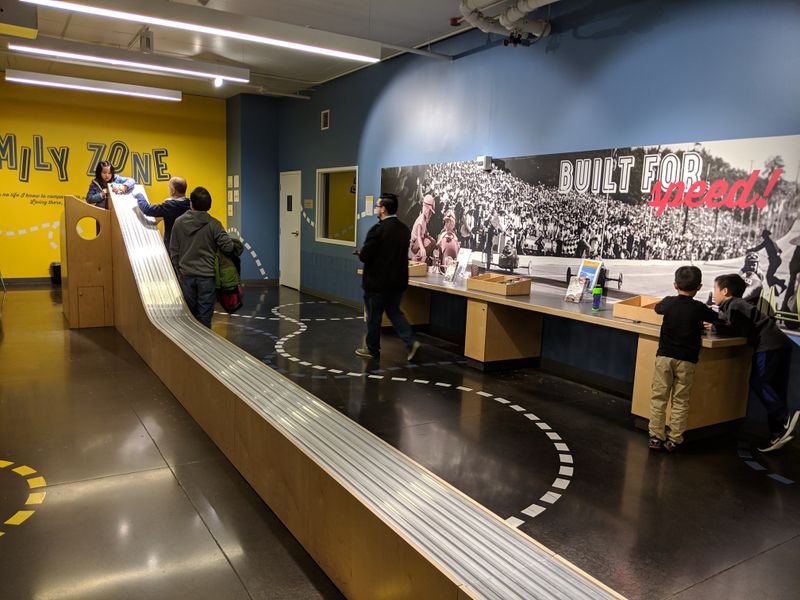
Yes, you can drive here without a license. The racing simulators put you in Ferraris and Corvettes with convincing physics that reward clean lines and smooth inputs.
It is competitive enough for enthusiasts yet friendly for first timers.
Nearby, the slot car track is addictive. Choose a lane, practice throttle control, and try to keep it pinned without flying off in the corners.
Laughter carries across the floor as families trade tips and split lap times.
The Kid Zone adds craft tables, model tracing, and simple science demos about power and energy. It respects curiosity while staying playful.
Staff keep things organized so you can relax and enjoy.
Plan a little extra time because these areas create joyful bottlenecks. They are perfect brain breaks between galleries, and they turn the museum into a shared adventure.
You will leave with memories that feel as fast as they were fun.
Design and coachwork details
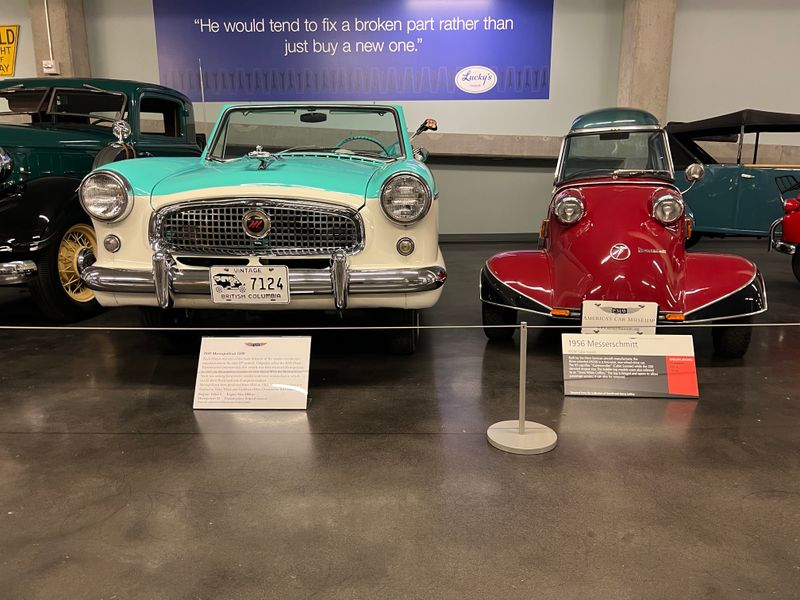
If you love lines, creases, and proportions, this is paradise. Stand at fender height and watch reflections bend across hand formed panels.
Chrome spears, hood ornaments, and grille patterns reveal how designers balanced flair with function.
Coachbuilt cars showcase craftsmanship that feels almost couture. You can see hammer marks turned into sculpture, leather pulled tight over complex curves, and paint laid like glass.
The effect is quietly breathtaking.
Interpretive labels help you spot signatures from specific eras and brands. Look for tailfin experiments, streamlined headlights, and two tone palettes that capture mid century optimism.
Even the dashboards tell stories about ergonomics and status.
Bring a small notebook or snap macro photos to collect favorite details. You will start spotting these elements on modern roads, echoes of history in everyday traffic.
It is design school, but hands on, and the homework is pure pleasure.
Motorcycles, trucks, and workhorses
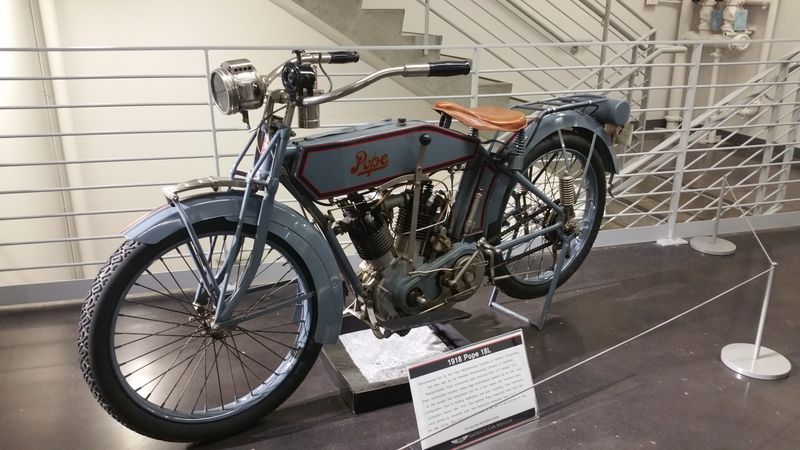
Beyond the glamorous coupes, the museum gives space to the machines that built and moved America. Vintage trucks, service vehicles, and motorcycles round out the story with grit and practicality.
Their patina feels honest, and their engineering is elegant in its own way.
Motorcycles highlight weight saving and packaging genius, from early singles to postwar twins. Trucks reveal the evolution of hauling power and safety innovations.
Taken together, they prove mobility is broader than weekend drives.
Interpretive panels explain why certain models transformed industries, from agriculture to delivery. You will appreciate how form followed function long before marketing polished the message.
There is dignity in these purposeful shapes.
Spend a few extra minutes peeking into beds, cabs, and tool compartments. The details speak to the hands that used them.
You might leave wanting to restore something rugged and dependable, just to honor the lineage.
Events, shows, and community
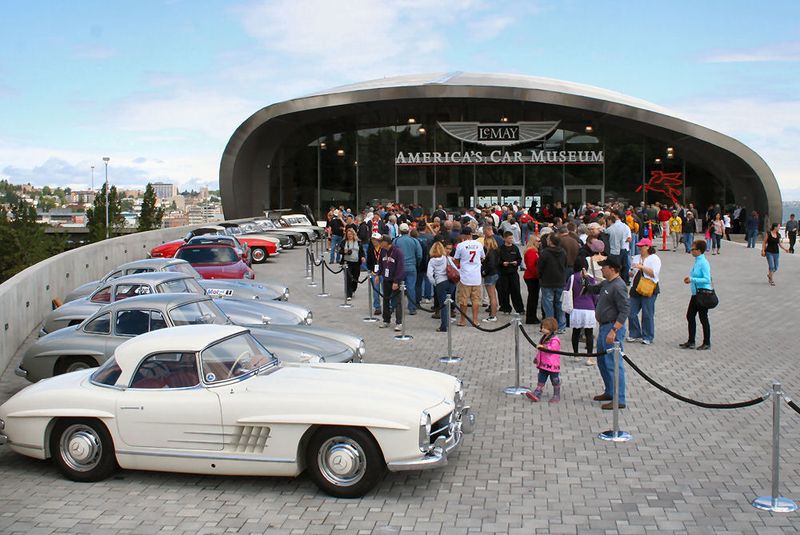
The calendar keeps the museum vibrant with car shows, themed weekends, and even unexpected gatherings like fashion events. The building’s sweeping spaces turn into a glamorous backdrop that photographs beautifully.
It feels festive without losing the museum’s respectful tone.
Local clubs meet here, and touring groups add interesting parking lot sightings. Inside, rotating exhibits keep members returning.
A membership often pays for itself if you plan a few visits per year.
Check the website before you go for schedules, ticket bundles, and any closures. Special events can affect crowd flow, but they also bring unique access like hood up displays or expert talks.
The staff keep things moving smoothly.
Community energy matters because car culture is social at its core. Whether you are swapping stories or comparing restorations, this is a welcoming hub.
You leave with contacts, inspiration, and a full camera roll.
Planning your visit: hours and access
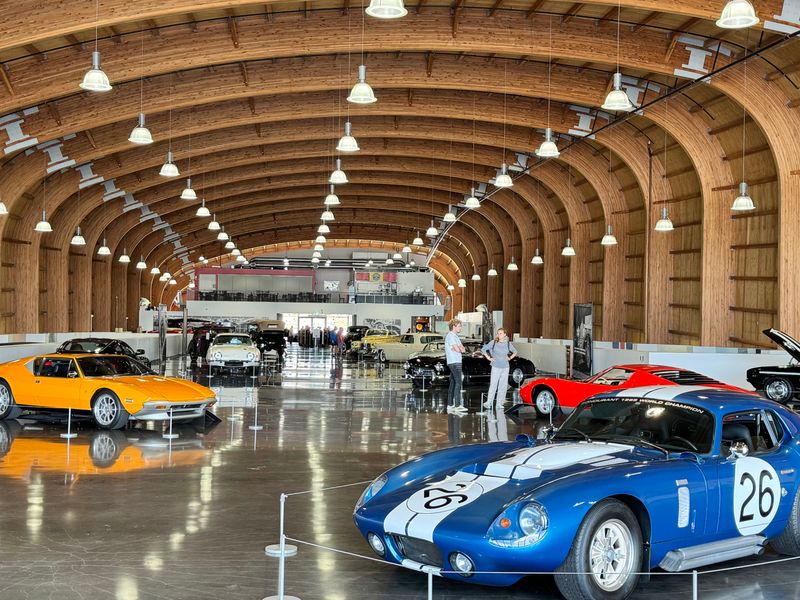
Before you roll out, note the hours. The museum typically opens 10 AM to 5 PM on Monday and Thursday through Sunday, with Tuesday and Wednesday closures.
Always double check online for holiday changes or special programming.
Accessibility is excellent. Gentle ramps connect floors, and elevators make navigation straightforward for strollers and wheelchairs.
Seating areas offer breathers between galleries, which is helpful because there is so much to see.
Parking is ample near the Tacoma Dome, and wayfinding signage is clear from the street. The phone number and website provide up to date guidance on tickets and events.
If you can, allow three to four hours to explore comfortably.
Arriving right at open helps beat crowds, especially on weekends. Comfortable shoes make a big difference on long ramps.
With a little planning, your day feels easy and you get maximum time with the cars.
Food, amenities, and gift shop
When hunger hits, the on site cafe serves salads, soups, sandwiches, pizza, and quick bites at reasonable prices. It overlooks the main gallery so you still feel part of the action.
If you prefer, there are nearby Tacoma spots within minutes.
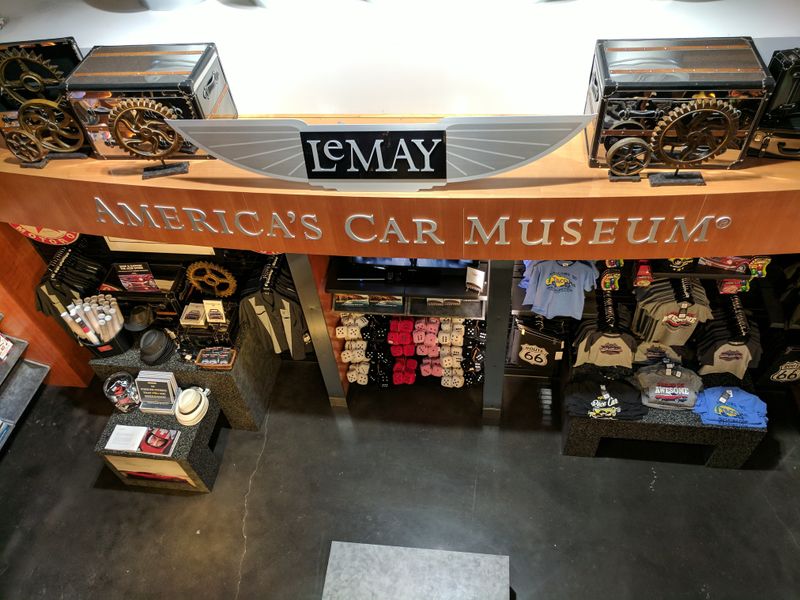
The gift shop carries model cars, books, apparel, and tasteful souvenirs that will not gather dust. Inventory can rotate, so peek in even if you visited before.
Occasionally it closes for inventory, a good reason to check the site.
Bathrooms are plentiful and clean, and water fountains keep everyone hydrated. Families appreciate the thoughtful layout that blends exhibits with rest stops.
It is easy to pace your day without losing momentum.
Before you leave, grab a keepsake that reflects your favorite era, whether that is a brass era postcard or a supercar tee. Little mementos make the memories stick.
You will smile every time you see it on your desk.
Photography tips inside the museum
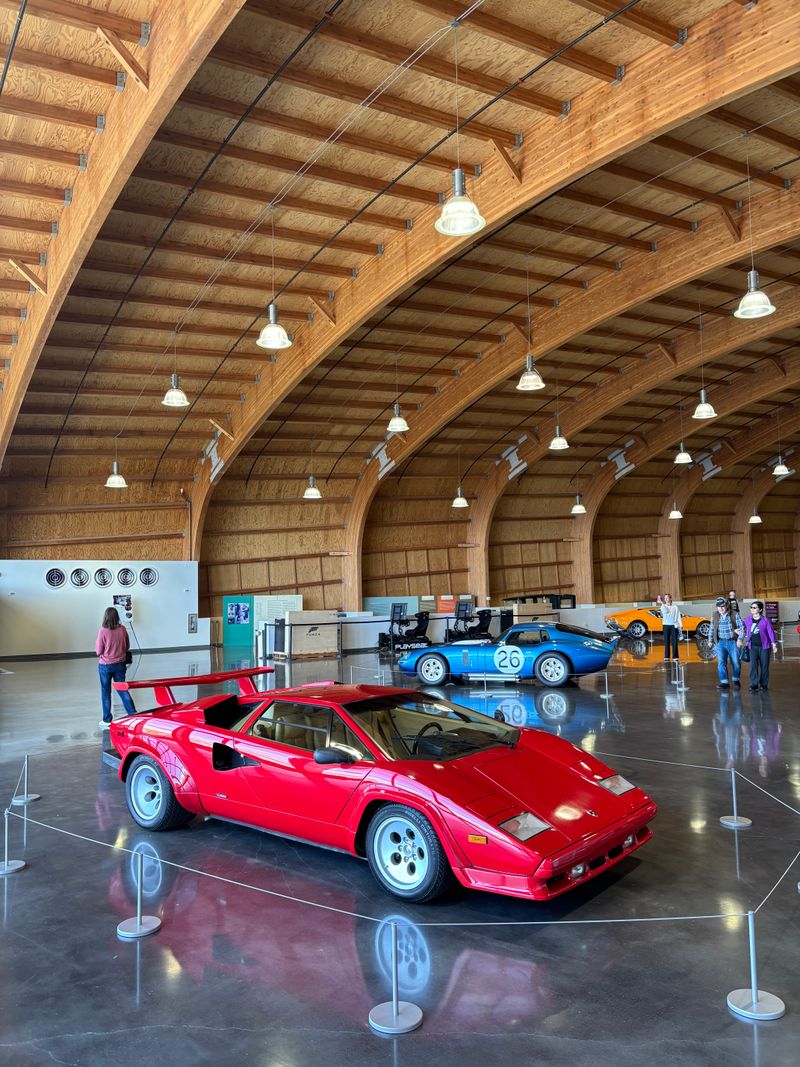
Bring a phone or camera that handles low light well. The exhibits use warm, directional lighting that flatters curves but can challenge exposure.
A slight angle reduces glare on glossy paint and glass.
Look for reflections on polished floors to double the drama. Wide shots capture sweeping ramps, while detail shots showcase badges, stitching, and gauges.
Move slowly to find clean backgrounds without crowds.
Shoot early or late in the day for fewer people in frame. If you post on social, tag the museum and credit special exhibits.
Staff and volunteers appreciate the shoutout, and you help fellow visitors plan.
Most importantly, be respectful of ropes, signs, and other guests. You will get better results by waiting a beat than leaning too close.
With patience, your photos will look like magazine spreads, ready to relive later.
Tickets, memberships, and value
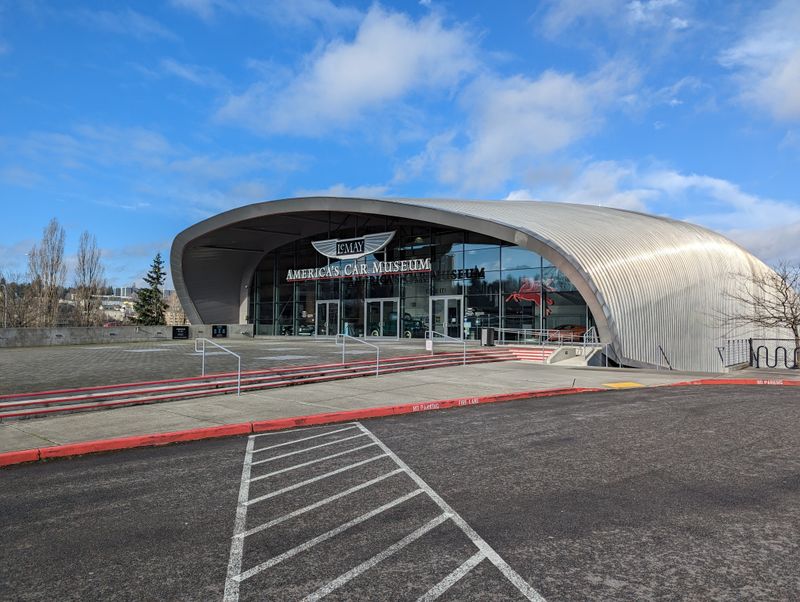
Admission feels like a bargain when you consider the scale and quality. Membership adds free entry, event discounts, and perks that encourage repeat visits as exhibits rotate.
If you are local, it quickly makes sense.
Watch for bundled offers with partner institutions, sometimes including art or other Tacoma museums. Families stretch dollars further with membership because kids love returning to the simulators and Kid Zone.
It becomes an easy weekend plan.
Buy tickets online for a smooth arrival, especially on busy days. The website lists current exhibits and closures so there are no surprises.
You will hit the ground running with your must see list ready.
Value here is not just time spent, but memories banked. The collection inspires conversations about design, innovation, and culture that last long after you exit.
That is worth every penny and then some.