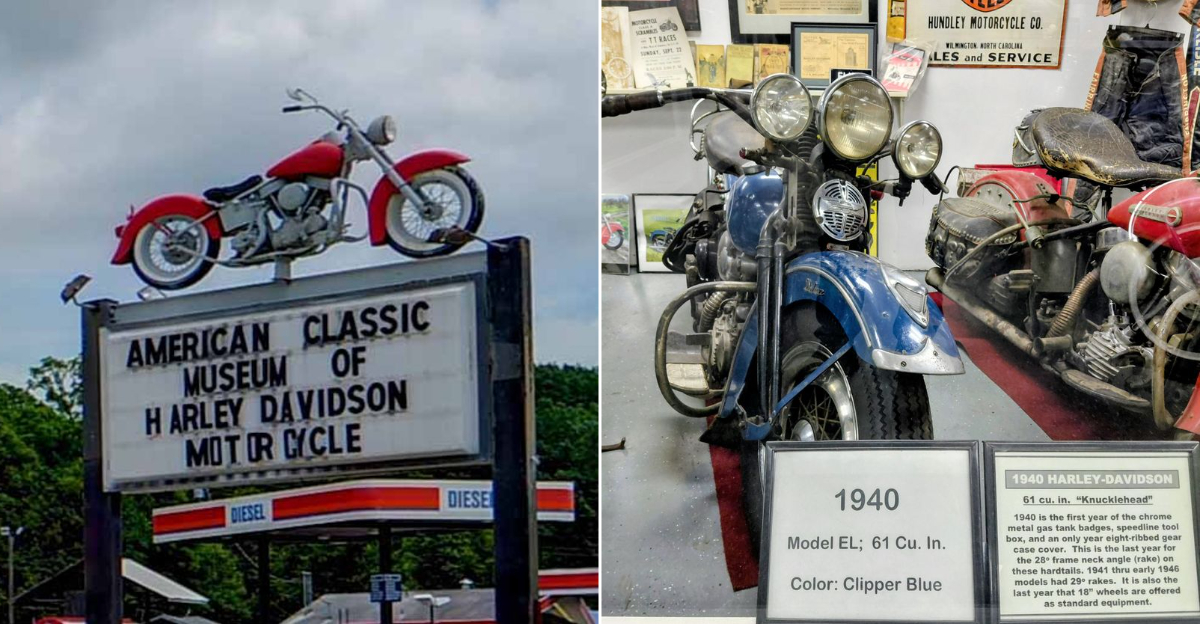
This is not a quiet museum visit — it’s a full-throttle ride through American legend. The moment you step inside the American Classic Motorcycle Museum in Asheboro, history hits like a cold engine roar.
Chrome flashes. Steel gleams.
Every bike feels alive, ready to roll straight out the door.
Upstairs, early Harleys command attention with raw muscle and stripped-down beauty. Hand shifters, springer forks, and rigid frames show a time when riding demanded grit.
You don’t just look at these machines — you feel their weight, their purpose, their attitude.
Down the line, postwar models loosen their collars and stretch out for the long haul. Whitewall tires, polished cases, and road-trip flair tell stories of open highways and endless miles.
Side by side, the evolution is impossible to miss.
This collection doesn’t whisper history. It growls it.
Overview and origin story of the collection
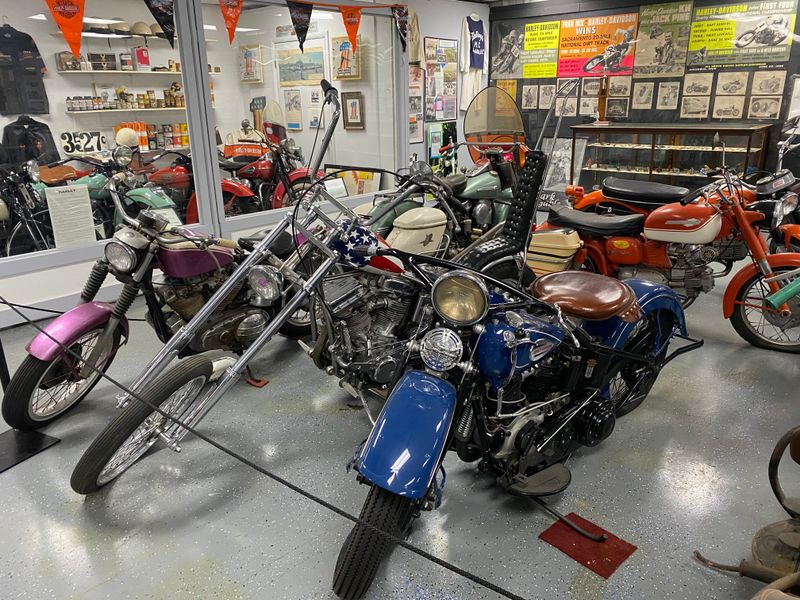
Step inside the American Classic Motorcycle Museum and you instantly feel how personal this collection is. The space is compact yet densely curated, rewarding slow walks and second looks.
You move from bike to bike, sensing the story of one person’s devotion to Harley history.
Many machines date from the 1930s through the 1950s, representing a formative era for American motorcycling. The museum balances showroom shine with honest patina, giving you a real sense of time.
Placards and photos complete the context without overwhelming your eye.
Because it is upstairs over a diner, the museum feels like a community attic with world class treasures. You can almost hear road trips being planned over breakfast below.
The casual vibe encourages questions, conversations, and repeat visits.
Admission is free, with a donation box that keeps the spirit accessible. That model reflects an ethos of sharing history rather than gatekeeping it.
You leave feeling like a guest in someone’s proud home, not a transaction number.
Signature prewar Harleys you should not miss
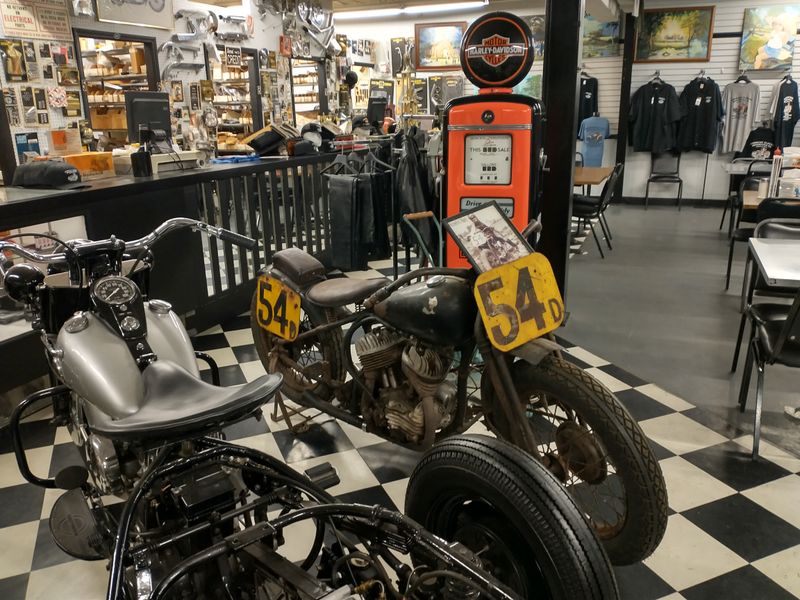
Prewar Harleys set the tone upstairs, and they are breathtaking. Look for early V twins with springer forks and hand shift controls.
The mix of mechanical elegance and rugged practicality shows why these bikes shaped American roads.
Paint schemes range from deep blacks to military influenced hues, each telling a different story. You can appreciate the knucklehead era’s engineering leap, even if you are new to the terminology.
Details like rigid frames, drum brakes, and early lighting charm you with their simplicity.
Placards help you decode serial years and model distinctions. Take your time around the left side controls and exposed linkages.
These tactile elements make it easy to imagine starting one on a cold Carolina morning.
Photography is encouraged, but your eyes will do the best work. Step back for full silhouettes, then lean in for badges, rivets, and casting marks.
You will walk away understanding why prewar Harleys are the heartbeat of this museum.
Postwar icons and the rise of American cruising
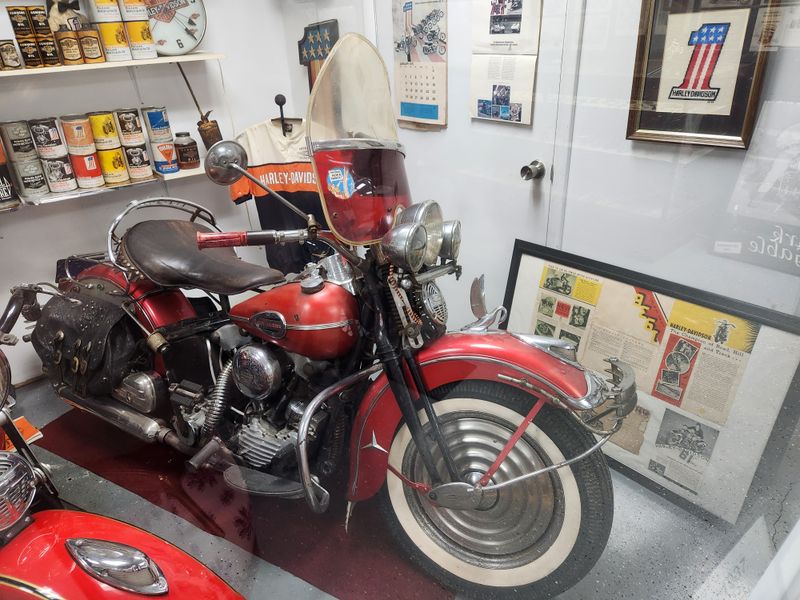
After the war, Harley design embraced distance and comfort, and you can see that evolution upstairs. Panheads and later Shovelheads arrive with chrome smiles and road trip swagger.
The bikes wear accessories that hint at cross country dreams.
Whitewalls, fringed saddlebags, and color pops speak to an era that loved to cruise. The museum arranges these machines so you can compare lines and components at a glance.
It helps you spot how styling and function matured together.
Look for the polished cases and tidier wiring that defined postwar refinement. The engines feel more relaxed, promising long miles instead of short sprints.
Even if you are not a wrench, the differences from prewar bikes are instantly clear.
Stand at the ends of the row to see silhouettes like rolling Americana. You will understand why these bikes inspired diners, road movies, and weekend rallies.
It is nostalgia, but it is also real engineering progress on proud display.
Memorabilia wall: posters, parts, and racing history
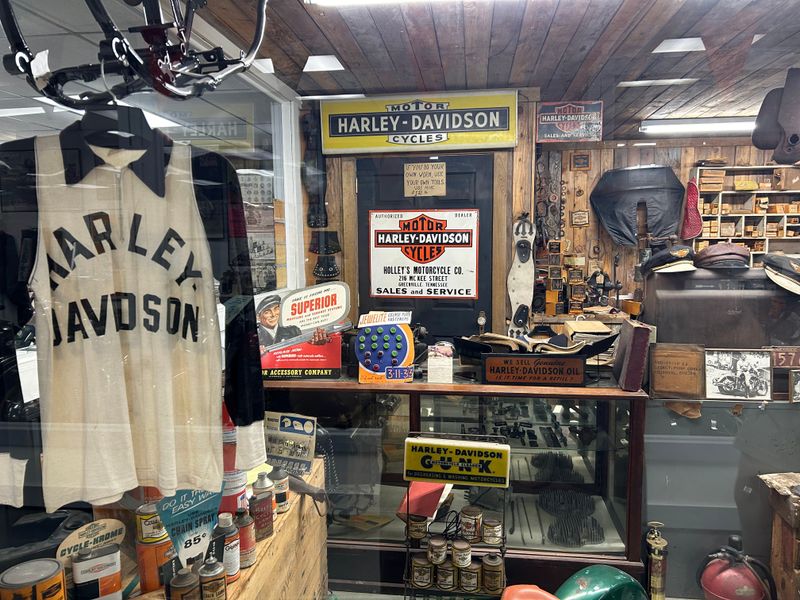
Beyond the motorcycles, the memorabilia tells human stories. Vintage posters promote races and dealer events, while New Old Stock parts sit like time capsules.
You feel the hum of workshops and fairground tracks.
Old photographs freeze grins behind goggles and dusty leathers. Enamel signs and dealer plaques anchor the brand’s local footprint.
It all ties the bikes to riders who needed them to work on Monday morning.
Spend time with parts boxes and tools to appreciate period maintenance. Gaskets, carb bits, and cables remind you that every legendary bike survived thanks to ordinary spares.
It is the practical side of romance.
The wall’s layers encourage scavenger hunt energy. You will spot a rare decal or helmet paint just as you think you are done.
Leave a few extra minutes to circle back and catch what your eyes missed first time.
How to plan your visit: hours, parking, and donations
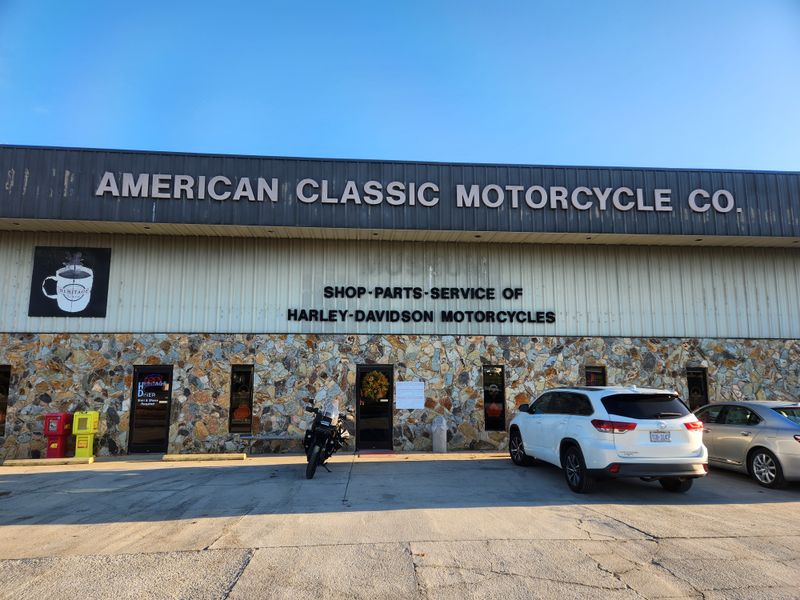
Plan for morning or early afternoon because the museum follows diner hours. It typically opens at 6 AM and closes around 1:30 PM, Wednesday through Saturday and Monday through Tuesday.
Always call ahead to confirm, since posted hours sometimes differ.
Parking is straightforward in the lot out front, with room for bikes and trucks. The address is 1170 U.S.
Hwy 64 W, Asheboro, NC 27205, easy to reach off the highway. You will be upstairs for the museum and downstairs for the diner.
Admission is free, but bring cash for a donation. The box supports upkeep and keeps access open to everyone.
It is a small gesture that makes a big difference.
Pack a light layer because the upstairs can run warm on summer days. Build in time for breakfast or lunch, since the food is part of the experience.
A relaxed hour lets you see the collection and savor the vibe without rushing.
The downstairs diner: hearty breakfasts and friendly service
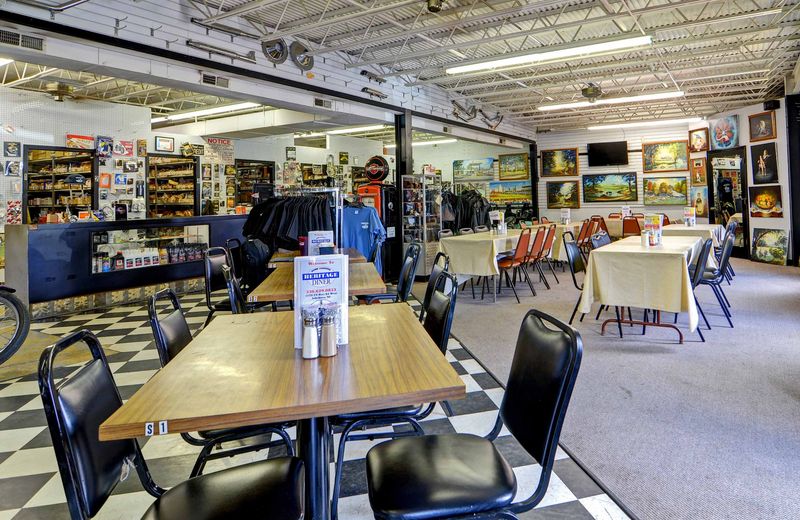
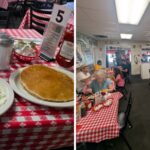
Follow your nose and you will find the diner downstairs humming by sunrise. Locals fill booths, and plates come out fast and hot.
Coffee keeps pouring as you talk bikes with folks who actually ride.
Breakfast is the star, with bacon, eggs, and pancakes that feel fairly priced and generous. A Carolina burger or fries at lunch hits the spot after browsing upstairs.
The staff stays kind even when the room is full.
Service anecdotes from reviews ring true in person. You may show up near closing and still feel welcomed.
That hospitality makes this a destination rather than a pit stop.
Look for original paintings by the owner on the walls, adding personal flair. It underscores how the museum and diner are one community heartbeat.
Leave satisfied, warmed by food and conversation that tastes like North Carolina.
Interpretive tips: reading placards and spotting details
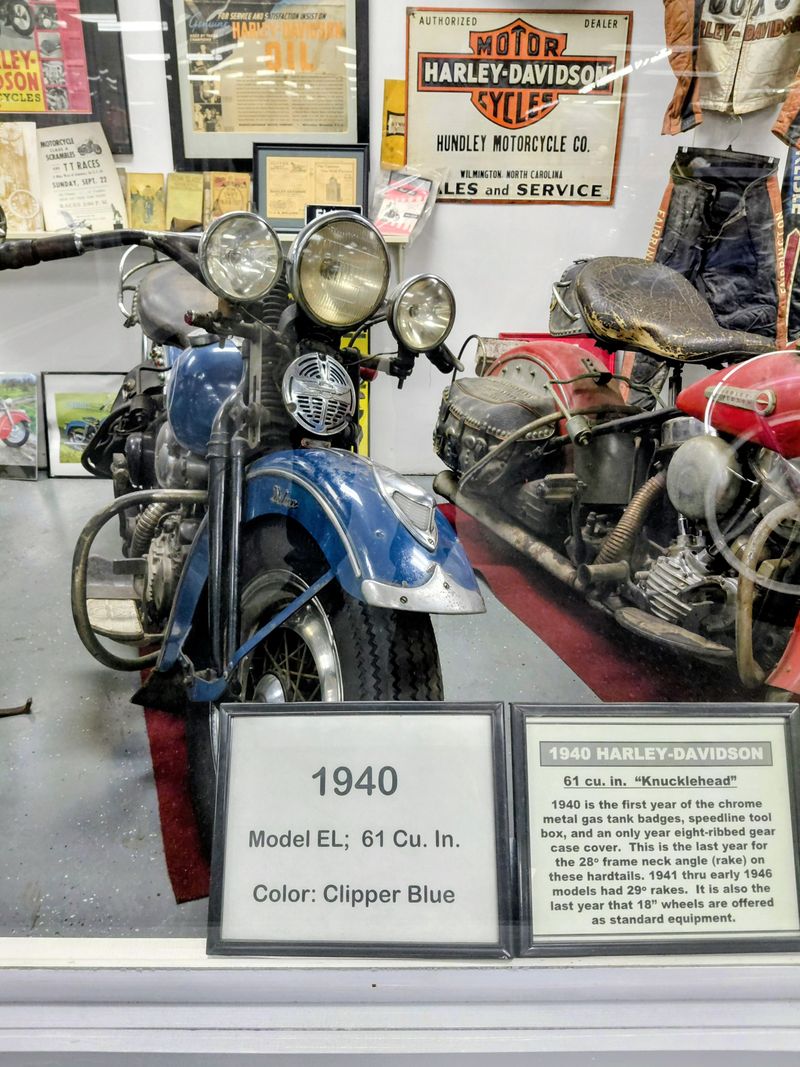
Slow down at each placard and read the build years, engine type, and any restoration notes. That quick context lets you compare models intelligently.
You will notice patterns in frames, forks, and ignition layouts.
Look for casting marks on engine cases and subtle badge changes. These tiny tells reveal factory transitions and aftermarket fixes.
Photograph both sides to capture shifters, linkage, and brake arrangements.
Inspect saddlebags, lights, and mirrors for period correctness. Some wear is original and worth celebrating.
Ask staff or friendly regulars when something looks unusual or custom.
End each row with a silhouette check, stepping back to see the stance. Then step forward for fasteners and rivets that show handwork.
This rhythm makes the room feel larger and the stories more complete.
Family friendly and budget friendly experience
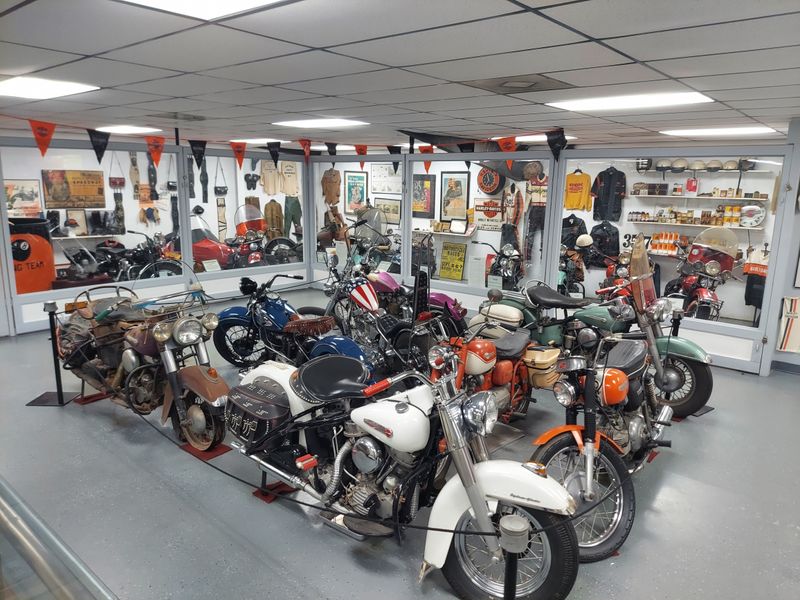
Because admission is donation based, you can bring the whole crew without stress. Kids light up at shiny tanks and dramatic fenders.
The compact layout keeps attention spans on track.
Noise levels stay comfortable, and you can take a self guided pace. There is no rush from staff, just gentle encouragement to enjoy.
If someone gets restless, the diner downstairs offers a reset.
Budget wise, breakfast prices are reasonable and portions generous. You can make a morning of it without denting your wallet.
Parking is free, and you are right off the highway.
For parents, it is a chance to connect history with hands on visuals. For travelers, it is an easy add on between larger attractions.
Everyone leaves with a favorite bike and a reason to come back.
Local flavor: why this is a true Asheboro gem
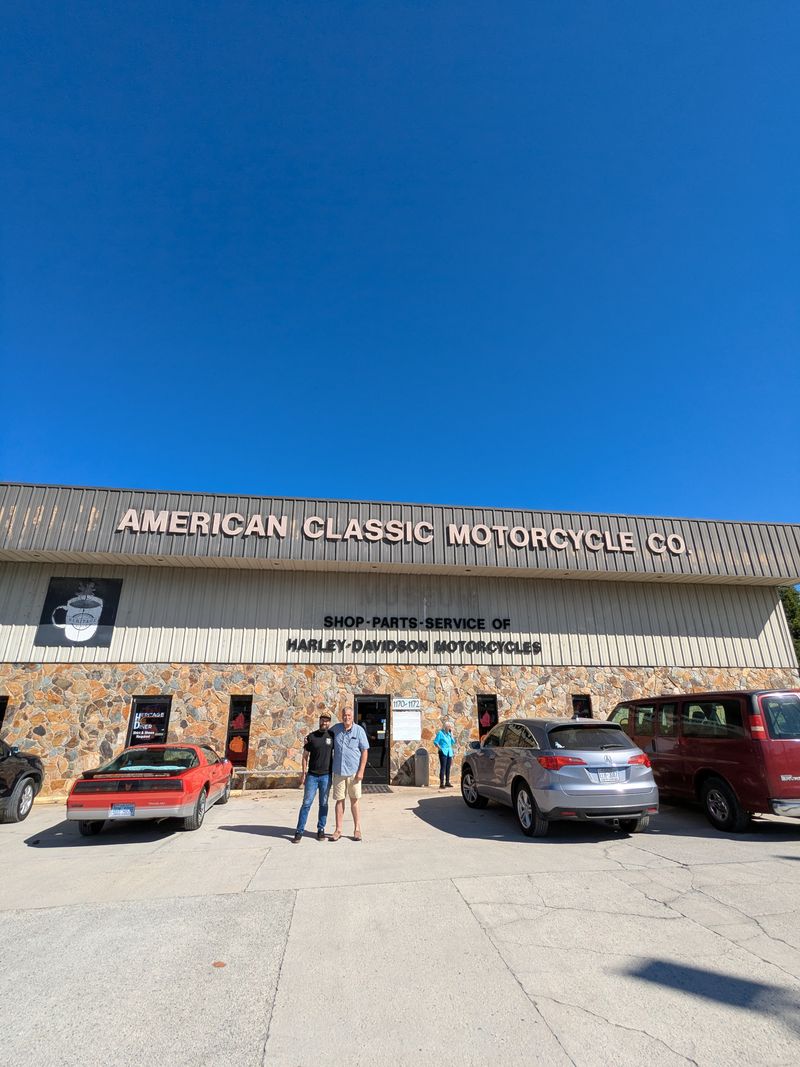
What makes this place special is how local it feels. You hear first names at the counter, and regulars wave when you walk in.
It is a living room for riders and neighbors alike.
The collection honors national Harley history while staying rooted in Asheboro. Stories bubble up about rides through Randolph County and beyond.
The museum acts as a memory bank for a riding community.
Prices, hours, and the donation model reflect small town pragmatism. It is built to serve, not posture.
That grounded spirit makes the cool metal upstairs feel warm.
When you roll out, you have more than photos. You carry a sense of place and people, stitched together by throttle and coffee.
That is why this stop becomes a tradition for so many travelers.
Practical route ideas and nearby stops
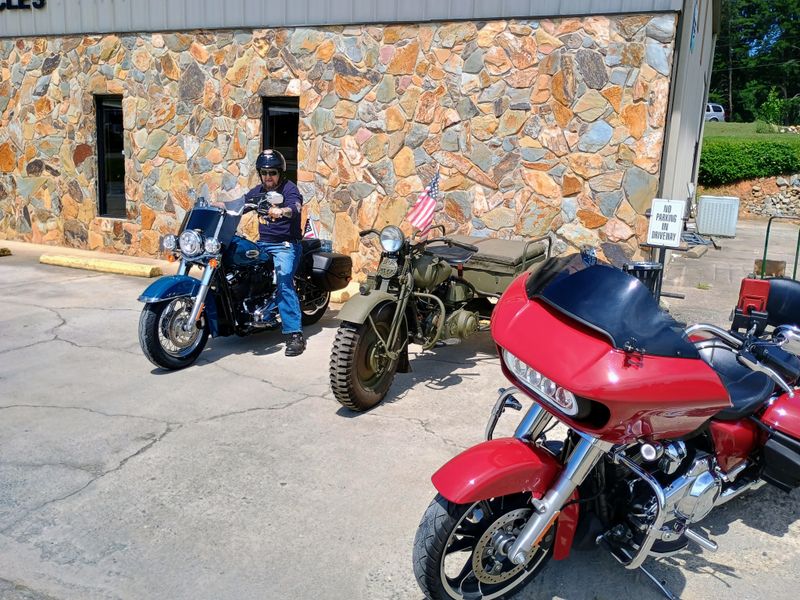
Riders love approaching via U.S. Hwy 64, which flows nicely without constant stops.
Morning arrivals pair perfectly with breakfast service. You can loop in country roads for a scenic exit afterward.
Plan a short stretch break at the parking lot, then head upstairs. Expect to spend 45 to 90 minutes among the bikes depending on your curiosity.
Finish with coffee refills downstairs before rolling out.
If you want more to do, Asheboro has parks and local shops nearby. Keeping your schedule loose helps when the museum sparks conversation.
It is easy to extend your stop without derailing a longer ride.
Always check hours and call ahead when planning group rides. The staff is accommodating and appreciates a heads up.
With simple prep, your visit becomes the smooth highlight of a Carolina day.
Etiquette, photography, and supporting the museum
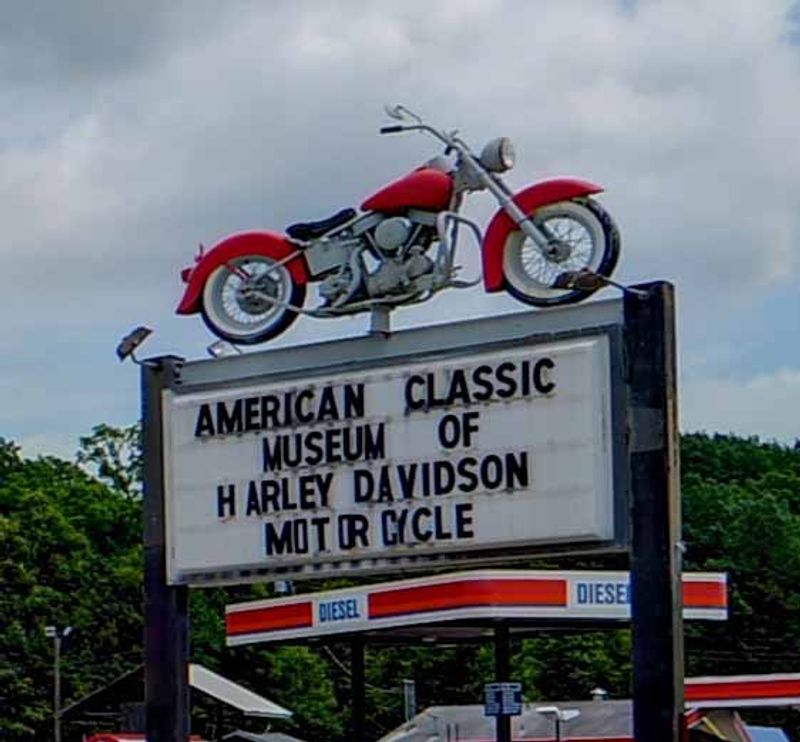
Photography is welcome, but be mindful of reflections and crowd flow. Step aside for others and avoid leaning on bikes or barriers.
Quick bursts of shots work better than long setups.
Ask before using flash if the room is busy. Natural light usually flatters the chrome and paint anyway.
Keep voices low so everyone can enjoy the calm.
Drop a few dollars in the donation box on your way out. It funds upkeep, cleaning, and future parts.
Consider returning with friends to amplify support.
Share your photos online and credit the museum by name. Positive reviews help travelers find this hidden gem.
Your small acts of courtesy keep this slice of Harley history thriving.