Pennsylvania doesn’t show its food pride with flashy menus or trendy names — it hides it in church kitchens, fire halls, and family tables.
These are the dishes you grow up with. The ones outsiders mispronounce, misunderstand, or pass right by without realizing what they’re missing.
Meals shaped by coal towns, farm fields, and immigrant roots, cooked the same way because changing them would feel wrong.
In small towns across the state, food isn’t about presentation. It’s about memory. About who made it, when it shows up, and why it matters.
From handwritten recipes to plastic-wrapped desserts on folding tables, these traditions don’t chase attention.
They just keep showing up — quietly loved by the people who know exactly what they mean.
Scrapple

The pan sizzles like a small-town rumor when scrapple hits the cast iron. You smell sage, pepper, and something undeniably breakfast.
Locals nod because the sound means coffee is ready and the day will behave.
Scrapple is the thrifty hero of Pennsylvania Dutch cooking, pressed from pork bits, cornmeal, and spices into a tidy loaf. Slice it thin for crisp edges or thick for a plush interior with a seared crust.
You choose ketchup, maple syrup, or apple butter, and yes, that choice says a lot about you.
I learned fast at a Grange hall breakfast that debating scrapple is a contact sport. One elder swore by a 50-50 lean-to-cornmeal ratio, another demanded extra marjoram.
I stayed diplomatic and asked for two slices, which earned a grin and a larger portion.
Texture is the whole show. Done right, the outside snaps while the middle stays tender and savory, almost custardy.
Pair it with eggs over easy so the yolk runs like a secret handshake across the plate.
Farm markets keep mysterious family loaves in paper wrap, stamped with names you cannot Google. Diners fry it on a flattop that knows every breakfast in town.
Food trucks riff with scrapple tacos, and somehow it works without trying too hard.
Here’s a trick: chill the loaf overnight for cleaner cuts and crispier frying. Use medium heat, patience, and a little butter for flavor plus color.
Salt after flipping and let it rest one minute so the crust sets.
Skeptics call it a puzzle, but locals hear heritage and resourcefulness. Scraps became sustenance, then comfort, then pride on a plate.
You taste generosity in every thrifty bite.
So order it without flinching and lean into the crunch. Ask the cook how their family seasons the mix and be ready to take notes.
By the second forkful, you will understand why breakfast feels like a promise.
Shoofly Pie

The first whiff is molasses bold enough to make bees curious and neighbors jealous. Shoofly pie doesn’t whisper sweetly; it clears its throat and sings.
That dark, sticky filling glows like polished barn wood.
Crumb-topped and proud, it balances deep sweetness with a toasty finish. The bottom can be wet-bottom lush or dry-bottom tidy, and both have fans ready to defend them.
Cinnamon and nutmeg step in lightly, letting molasses run the show.
I tasted my gateway slice at a church fundraiser where the cashier called everyone hon. She handed me a paper plate and told me to sit before the coffee cooled.
One forkful and I understood why locals schedule errands around bake sales.
Texture matters: the streusel crumbles softly, then the filling coats the tongue like a gentle blanket. The crust, usually short and simple, keeps the sweetness grounded.
It is not fussy pastry, it is straight-dealing comfort.
Serve it room temperature with black coffee, not fancy foam. If breakfast pie feels rebellious, embrace it.
Around here, dessert for breakfast is just efficient time management.
Bakers swear by unsulfured molasses for clean flavor and gloss. Some add a splash of hot water to bloom the magic and avoid graininess.
Others sneak in brown butter crumbs for a nutty edge that earns quiet nods.
At markets, follow the line of locals and you will find the good pie. Look for sturdy sides and a slightly tacky center.
If a crumb sticks to the knife, count it as a blessing.
Take a slice home and try not to hover while it rests. The flavors deepen after a few hours, becoming calm and rounded.
You will plan your next visit before the plate is empty.
Philly Cheesesteak

The roll cracks softly like a polite door knock before a flavor party. Steam billows up, carrying onions, beef, and melted cheese into your personal space.
One bite and conversation pauses without complaint.
Locals care about the roll as much as the steak. It needs backbone but still yield, like a good handshake.
Ribeye shaved thin sears fast, then meets cheese that melts on contact.
You get to choose your script: with or without onions, provolone or Cheez Whiz, long roll or seeded. Order like you mean it and the line will move.
Stutter and the grillman might grin while you regroup.
I learned the rhythm after a few visits, and it felt like joining a club without jackets. The cook flicked onions with a wrist snap and said, You are ready now.
That sandwich tasted like permission granted.
Good shops keep the flat-top seasoned with history. The beef should glisten, not drown, and the onions turn sweet at the edges.
Too much grease and the roll complains, too little and the bite feels shy.
Tourists chase the famous corner rivalry, but small-town stands quietly excel. Fire halls sling pop-up steaks at fundraisers that sell out.
Neighborhood bakeries partner with grills, and the results deserve their own postcard.
Tip: ask for a light toast on the roll and a blanket of cheese across the meat. The heat welds everything together and prevents slip.
Add long hots if you like a righteous tingle.
Carry napkins because victory can be messy. Eat leaning forward and keep your shoes safe.
When the last bite hits, you will already be plotting the sequel.
Pittsburgh Salad

The fries arrive like confetti at a parade, landing right on the lettuce. Pittsburgh salad does not apologize for mixing hot and cold.
It feels rowdy and somehow balanced.
Crisp greens, cherry tomatoes, cucumbers, and a protein anchor the bowl. Then come fries, still sizzling, with shredded cheese melting into happy strings.
Ranch or Italian dressing finishes the whole glorious contradiction.
First bite is temperature chaos in the best way. The crunch duels with potato fluff, and everyone wins.
You will chase a perfect forkful like a hobby.
I stumbled into a small town tavern and ordered out of curiosity. The bartender said, You new to this? with a grin.
She poured a birch beer and told me not to overthink greatness.
The salad works because each piece matters. Fries should be just salted and fresh from the oil.
Proteins range from grilled chicken to steak tips, sometimes even pierogies for full Pennsylvania energy.
Get the dressing on the side if you like to steer the ship. Drizzle gradually so the greens keep their stance.
A squeeze of lemon adds a spark that plays nice with fried heat.
Locals love it after games, shifts, and long drives through gray skies. It eats like a meal, not a side.
Call it comfort disguised as virtue.
If you spot waffle fries, lean in. If the cheese is provolone, consider yourself lucky.
Either way, you will understand the city’s appetite in one bowl.
Pierogies

The hiss of butter on a hot pan is the pierogi’s curtain rise. Dough turns golden while onions go sweet and slippery.
The kitchen smells like Sundays you did not know you missed.
Fillings stay simple: potato, farmer’s cheese, sauerkraut, sometimes meat. Boil first for tender, then pan-fry for texture that sings.
A dollop of sour cream seals the friendship.
Church basements across anthracite country run legendary sales. The line wraps past bulletin boards and crockpots.
Volunteers fold dough with a pace that shames machines.
I helped crimp one afternoon and learned to keep my thumbs light. Too much pressure and the seal sulks open.
Respect the edge and it holds like a promise.
Onions matter more than you think. Slow cook them until they taste almost jammy.
That sweetness makes the potato filling feel plush and proud.
Some towns slide pierogies into butter-bathed casseroles with breadcrumbs. Others grill them at festivals next to kielbasa stands.
Both smell like you made the right turn.
Frozen local packs are great for late-night cravings. Boil from frozen, then straight to the skillet.
Do not crowd the pan or they steam and pout.
Serve with chives, black pepper, maybe a sneaky splash of vinegar. It brightens the richness without stealing the show.
After a plate, you will plan your next dozen.
Tomato Pie

Red first, cheese second, and crust that wears its sauce like a badge. Tomato pie is the square-slice legend of Philly-area bakeries.
It is served room temperature and somehow feels celebratory.
The base is thick, airy, and tender, closer to bread than typical pizza. Bright tomato sauce sits on top with a confident shine.
A dusting of hard cheese adds a salty wink.
I grabbed my first slice while dodging a lunchtime crowd. The baker slid it onto butcher paper and said, Do not heat it.
She was right, because the flavors stood taller when cool.
This is the slice you eat on the sidewalk with a grin. The sauce tends to lean sweet and tangy, sometimes with a whisper of garlic.
The crumb soaks just enough without surrender.
Bakeries sell whole trays for birthdays, graduations, and football nerves. You point at the corner piece or the center cloud and they know.
Everyone swears their neighborhood tray is the champion.
If you bake at home, proof the dough until it feels alive. Press with your fingertips to make little valleys for sauce.
Do not drown it; restraint keeps the texture right.
Tomato quality matters more than showy toppings. San Marzano style works, but any bright, clean puree can shine.
A drizzle of olive oil is the quiet hero.
Take a second slice and walk slowly so crumbs have time to fall. Pair with birch beer for a full regional handshake.
It is simple, sturdy, and downright lovable.
Ham Loaf
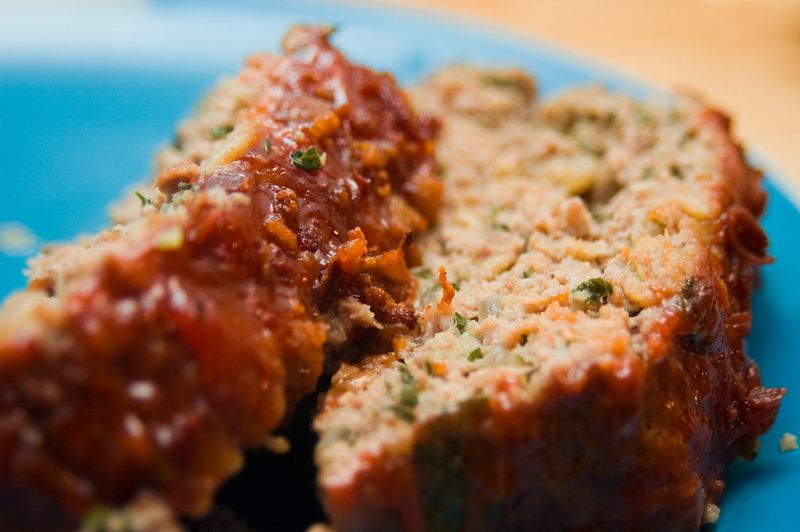
The glaze gleams like Sunday shoes on a family porch. Ham loaf sits somewhere between meatloaf and holiday ham, but humbler.
It smells cozy before the oven even cools.
Ground ham and pork blend with breadcrumbs, egg, and milk for tenderness. The mixture bakes under a brown sugar and vinegar glaze that caramelizes at the edges.
A little dry mustard lifts the sweetness and clears the path.
I had my epiphany at a fire company dinner where plates slid fast. The volunteer at the door stamped my hand and whispered, Save room.
She was right because seconds felt mandatory.
Texture is gentle, not bouncy, with a savory chew. The glaze forms a sticky jacket that clings to the knife.
Slice thick and let it rest so juices settle back in.
Leftovers make heroic sandwiches on soft white bread. Add pickles or a swipe of spicy mustard to keep it honest.
Cold slices hold together beautifully for lunchboxes.
Every family tweaks the ratio. Some fold in pineapple bits for sweet sparks.
Others add onion puree for moisture that hides in plain sight.
For home cooks, grind meat coarsely and avoid overmixing. Pack the loaf lightly so it does not tighten in the heat.
Bake until just done, then glaze again for a final shine.
Serve alongside potato filling or buttered noodles and call it a victory. This is comfort that does not need an introduction.
One bite and you are practically a neighbor.
Brown Butter Noodles
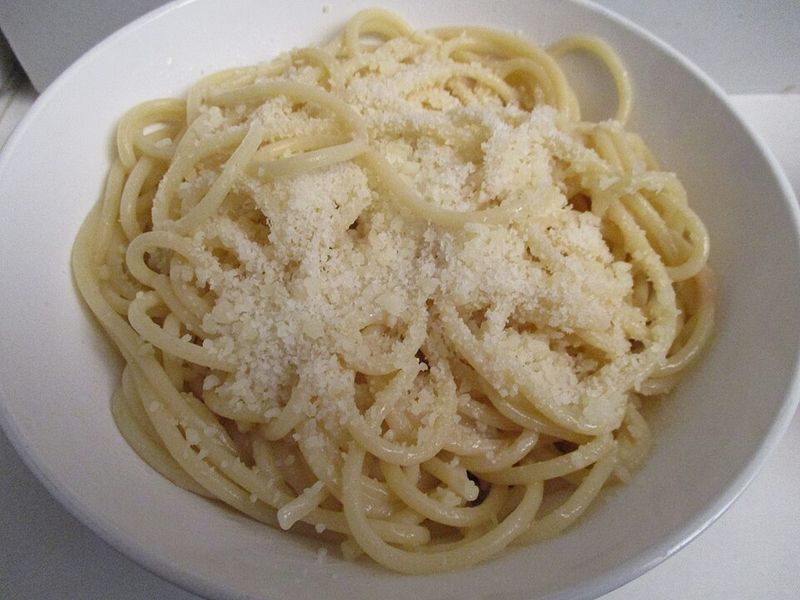
The butter goes from quiet to nutty in a heartbeat, turning the kitchen into a hug. Brown butter noodles are the minimalist showstopper of many PA tables.
They whisper comfort without clutter.
Egg noodles carry the sauce like old friends. Toasted milk solids bring a hazelnut vibe that is all from the pan.
A pinch of parsley brightens everything without fuss.
I first tasted them beside a roast that did not need competition. The noodles vanished faster than the meat.
Everyone reached for seconds with polite urgency.
The trick is patience and a light touch. Melt butter over medium until it foams, then watch for amber and aroma.
Pull it just shy of too far and you win.
Salt the noodles generously and keep them slightly firm. Toss right in the hot pan so flavor sticks everywhere.
A splash of pasta water turns gloss into silk.
Some families add breadcrumbs crisped in the same butter. Others fold in farmer’s cheese for cushion.
Either path gets applause and clean plates.
These noodles show up at funerals, birthdays, and Tuesdays. They make good company for pork, chicken, or a fried egg.
Even on their own, they behave like a meal.
Finish with cracked pepper and maybe a squeeze of lemon. Serve immediately while the aroma still flirts with the room.
You will wonder why anything needs more.
Pork & Sauerkraut
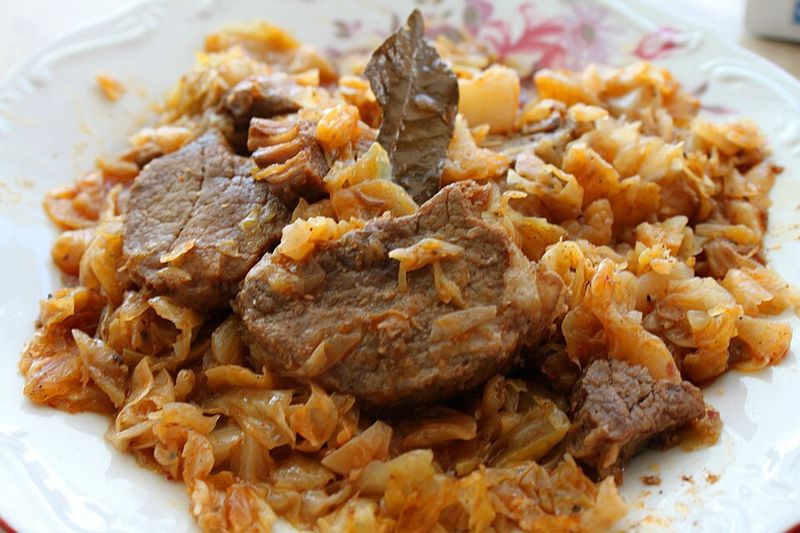
The New Year in Pennsylvania smells like pork fat and tangy cabbage. Pork and sauerkraut land on the table with superstitious certainty.
Luck tastes seasoned and slow-cooked.
Lean pork shoulder or loin roasts until tender, sometimes with apples for friendly sweetness. Sauerkraut simmers low with onions, caraway, and a little stock.
The blend turns savory and bright without getting bossy.
I joined a family in Schuylkill County for my first January plate. The host tapped the pot and said, Eat well, year goes well.
I cleaned the plate because I am not here to test fate.
The magic lies in contrast. Rich meat needs sauerkraut’s sharp snap.
Mashed potatoes bridge the two like a peace treaty.
Brown the pork first for deep flavor and confident color. Rinse the kraut only if it tastes too strong.
A knob of butter at the end rounds the edges.
Leftovers become legendary sandwiches with mustard. Some folks add kielbasa to raise the stakes.
Others tuck in juniper berries for woodland perfume.
Cook it low and let time do the talking. The kraut softens but stays lively.
You want strands that still have a little backbone.
Serve on heavy plates and invite whoever is nearby. Tradition loves company and second helpings.
By dessert, the year already feels cooperative.
Halupki
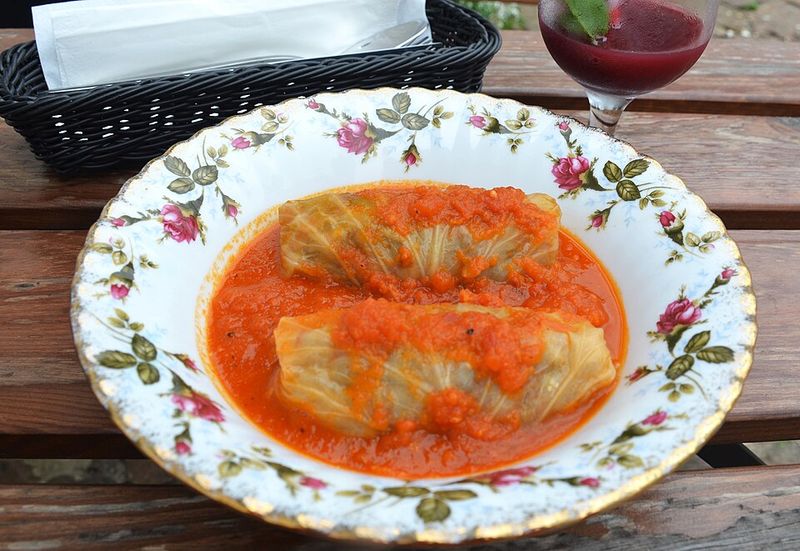
In many Pennsylvania small towns, halupki isn’t just food — it’s a family ritual passed quietly from one generation to the next. These stuffed cabbage rolls, filled with seasoned meat and rice, show up when people gather for moments that matter most.
Weddings, holidays, funerals, reunions — halupki belongs at the table when emotions run high and comfort is needed.
The recipe rarely lives on paper. It’s taught by watching.
A grandmother softens cabbage leaves just enough. Someone argues over whether the sauce should be sweet or tangy.
Another insists it tastes better the second day. Every family swears their version is the right one.
In coal-region towns shaped by Eastern European roots, halupki reflects history as much as hunger. Immigrant families stretched simple ingredients to feed many mouths, creating meals that filled stomachs and strengthened bonds.
Outsiders may see cabbage and think ordinary. Locals know better.
They know the hours it takes. The care wrapped inside each roll.
The memories simmering beneath the sauce.
In Pennsylvania, halupki doesn’t try to impress. It just shows up — warm, familiar, and exactly what everyone needs.
Whoopie Pie
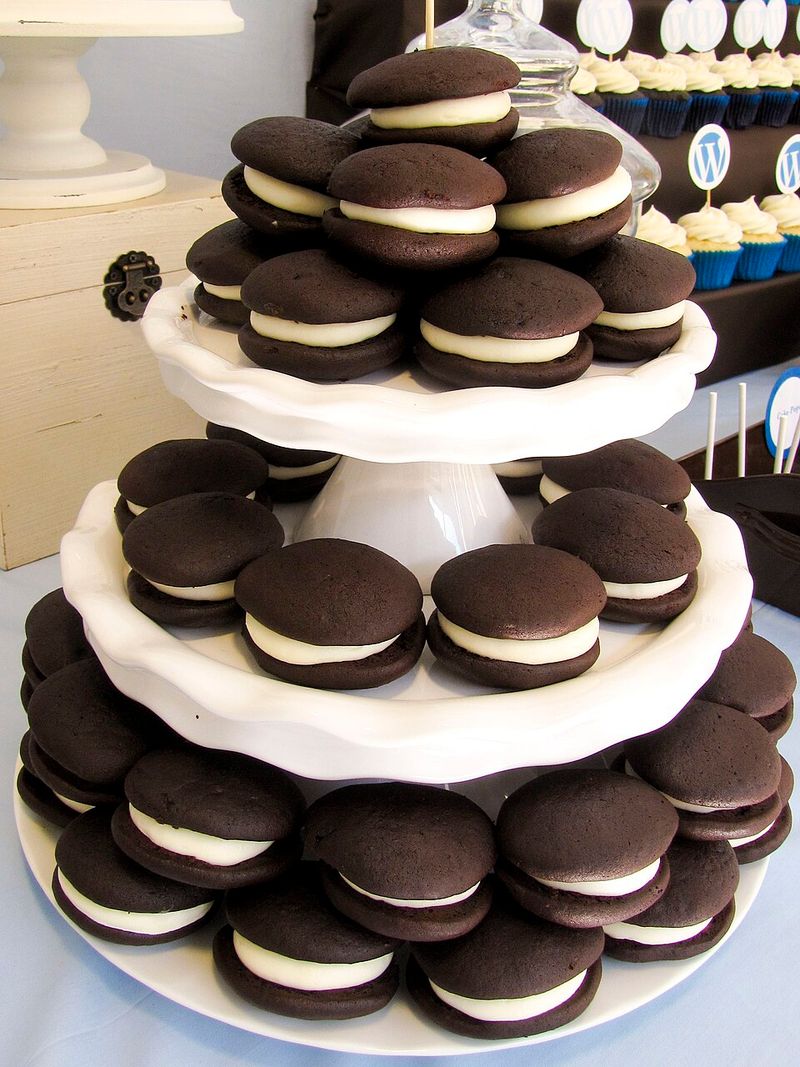
In Pennsylvania small towns, the whoopie pie is treated with serious respect. This soft, hand-held dessert — two cake-like rounds sandwiched around a thick cream filling — shows up everywhere from roadside stands to church bake sales.
Locals don’t argue about whether it’s a cookie, cake, or sandwich. They just know when it’s done right.
Chocolate is the classic, but every town has its loyalties. Pumpkin in the fall.
Peanut butter for those who want something richer. Some bakeries guard their filling recipe like a family secret, swearing texture matters more than sweetness.
Whoopie pies aren’t flashy. They come wrapped in plastic, stacked in boxes, and sold until they’re gone.
No labels. No branding.
Just trust.
For outsiders, it’s a novelty. For locals, it’s comfort you can hold in one hand.
One bite brings back bake sales, school events, and long drives down back roads — proof that the best desserts don’t need decoration, just tradition.