Ready to trade sunshine for stalactites and swap traffic for underground silence?
California hides a labyrinth of caves where lava froze mid-dance, marble gleams like wet moonlight, and echoes carry secrets from centuries past.
I have ducked, crawled, and gaped my way through these subterranean wonders, and you’re about to get the best of it.
Pack curiosity, a good headlamp, and a sense of humor, because these caverns love a little drama.
Lava Beds National Monument Caves
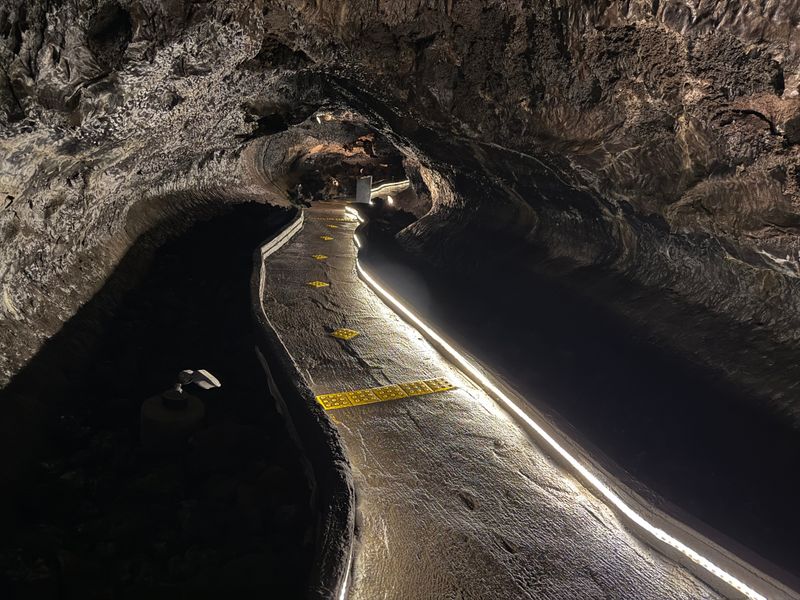
The floor crunches like cereal under your boots as you step into Lava Beds, and suddenly the daylight fizzles into a velvet hush. The lava tubes here feel endless, stitched together by eruptions that cooled into corridors and chambers like nature’s subway.
You move from low duck-walk tunnels to tall cathedrals, and every beam of your headlamp catches glittering basalt.
Pick a route that matches your mood, because the park maps rate caves by difficulty and ceiling height. I learned fast that gloves save knuckles on sharp rock, and kneepads feel like genius when crawling through squeeze points.
Some tubes still smell faintly mineral, dry and dusty, while others dip into surprising cool pockets that fog your breath.
Sunshine Cave is a favorite starter, with skylights that pour down gold shafts you can photograph without fancy gear. Then there is Sentinel or Catacombs for the bold, where turns weave like riddles and suddenly open into black halls.
The trick is pacing yourself, leaving room for wonder, and always checking for delicate features you should not touch.
What made me grin was the variety: lava benches stacked like bleachers, ropey pahoehoe textures, and ceilings pocked by gas bubbles frozen in time. You can practically trace the flow, imagining fire sliding through these veins before cooling into architecture.
It all feels ancient and strangely modern at once, like minimalist design by volcano.
Bring two light sources at minimum, extra batteries, and a sense of direction because darkness loves mischief. If you want fewer footprints, explore early or off season when the tubes whisper rather than chatter.
Outside, the high desert looks quiet and sunburned, but beneath it a city of caves sprawls in secret.
I left dusty, humbled, and plotting a return, because one day here only teases the possibilities. Lava Beds rewards curiosity and careful steps, and it will absolutely steal your heartlamp.
See what I did there?
Moaning Caverns
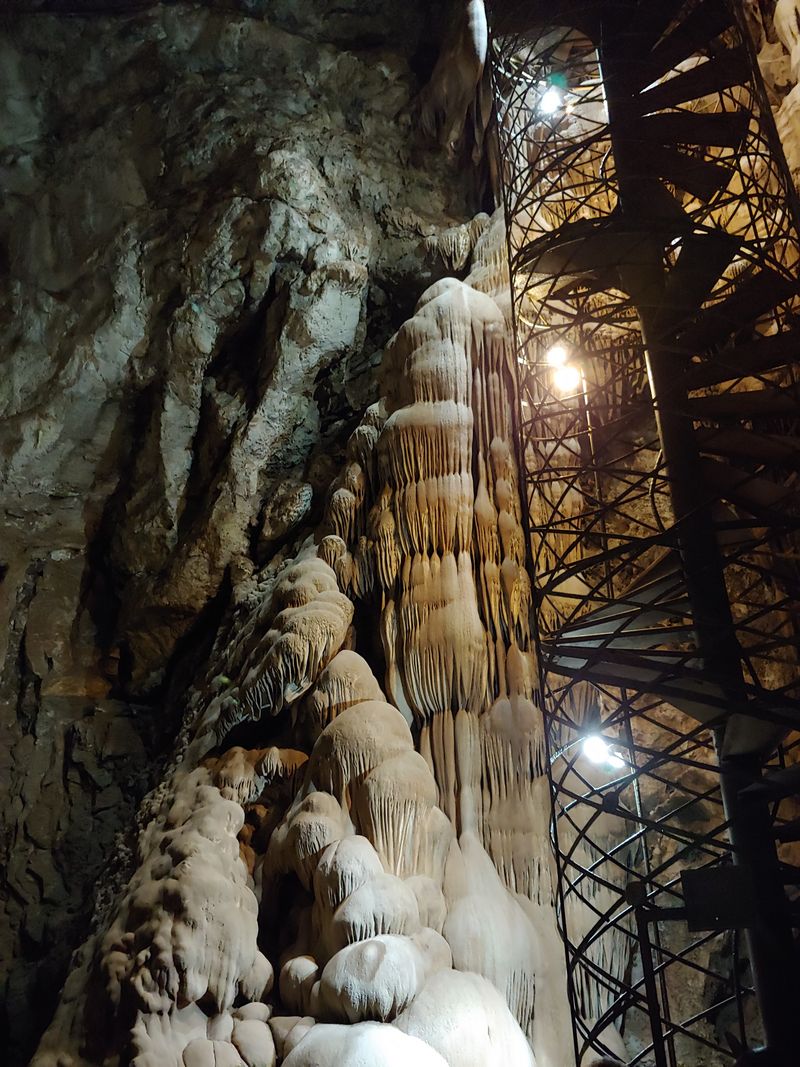
The first thing you notice is the voice of the cave, a long low murmur that seems to rise from the stone. Moaning Caverns drops into a vertical chamber so tall your stomach flutters when you peer over the railing.
It is the kind of space that shrinks chatter and rewards whispers.
Guides share the layered history, from Indigenous presence to Gold Rush curiosities, and the acoustics deepen every story. You descend spiral stairs that hug the walls, metal squeaking softly as the air turns cooler and more patient.
I braced a hand on the rail and watched calcite curtains sparkle like frost.
Look for the flowstone draperies that pour down like frozen waterfalls, thick and glossy in the lamplight. The chamber’s scale is the headliner, but smaller details steal scenes if you slow down.
Tiny soda straws hang delicate as glass, creating rows of patient punctuation.
Adventure tours sometimes offer rappelling, which turns the drop into a vertical thrill ride. If you only do the walking tour, you still get that jaw-lift moment when the room opens below.
The guides know their angles, stopping you where the ceiling lights bloom across the formations.
Bring a layer, good shoes, and a camera that handles low light, because flashes flatten and blur the magic. I liked lingering near the quiet edges, where echoes ripple and the cavern seems to hum back.
It is not spooky, exactly, just a reminder that stone has a long memory.
When you climb back into daylight, the world feels loud and a little too bright. Your ears keep the moan like a souvenir, proof that geology makes great sound design.
If your knees complain from the stairs, they will forgive you once the photos land and the grin returns.
Black Chasm Cavern
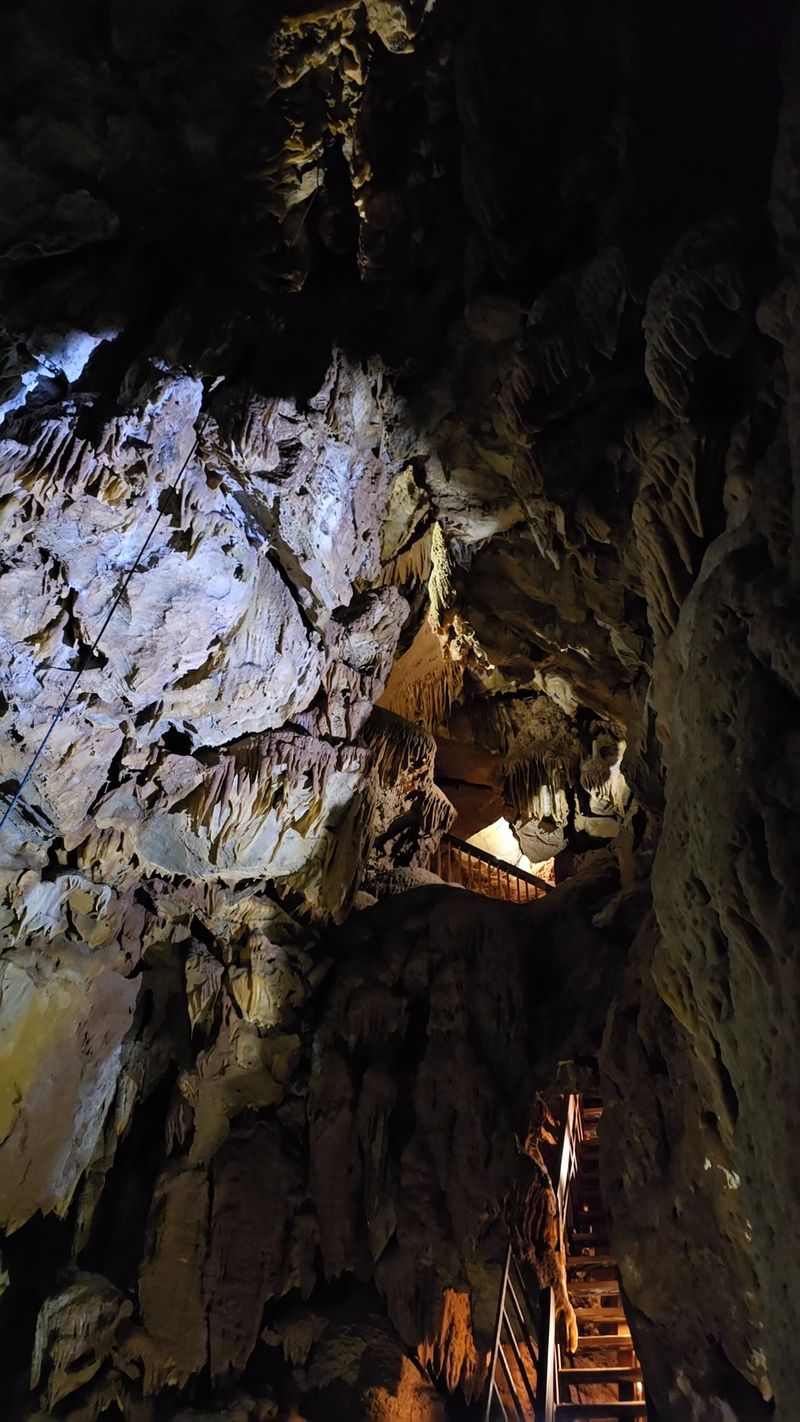
Helictites steal the spotlight here, twisting like stubborn commas that refuse to obey gravity. Black Chasm feels intimate, a series of polished rooms where formations crowd close and beg for slow gazes.
You step onto platforms and suddenly the walls sparkle with strange crystalline punctuation.
The guides aim lights with theatrical flair, carving shadows that show each helictite’s odd posture. I leaned over rails and tried not to gasp out loud, because the formations look hand-drawn.
Marble bones of the cave glow cream and silver, and the air smells faintly mineral.
Expect well-built walkways and patient storytelling about hydrothermal processes and mineral saturation. The science comes in approachable bites, never overcooked, and your brain gets to chew just enough.
You will recognize stalactites and stalagmites, then spot those rebellious helictites spiraling sideways like sly jokes.
Photography is rewarding if you shoot steady and keep the ISO from running wild. Look for reflective pools that double the scene, turning ceilings into watery murals.
I loved the hush between groups, a moment when drops tick and time stretches thin.
If you like caves that feel curated but still wild at heart, this one threads that needle. The rooms are compact, so every formation reads like a headline instead of background noise.
It makes you slow down and resist checking your phone for absolutely anything.
When you emerge, the forest air feels taller, and your eyes do a happy recalibration. Black Chasm is a short visit with long afterthoughts, the kind that nudge you back for a second look.
Helictites are weird celebrities, and here they pose beautifully without the paparazzi flash.
Mitchell Caverns (Mojave National Preserve)
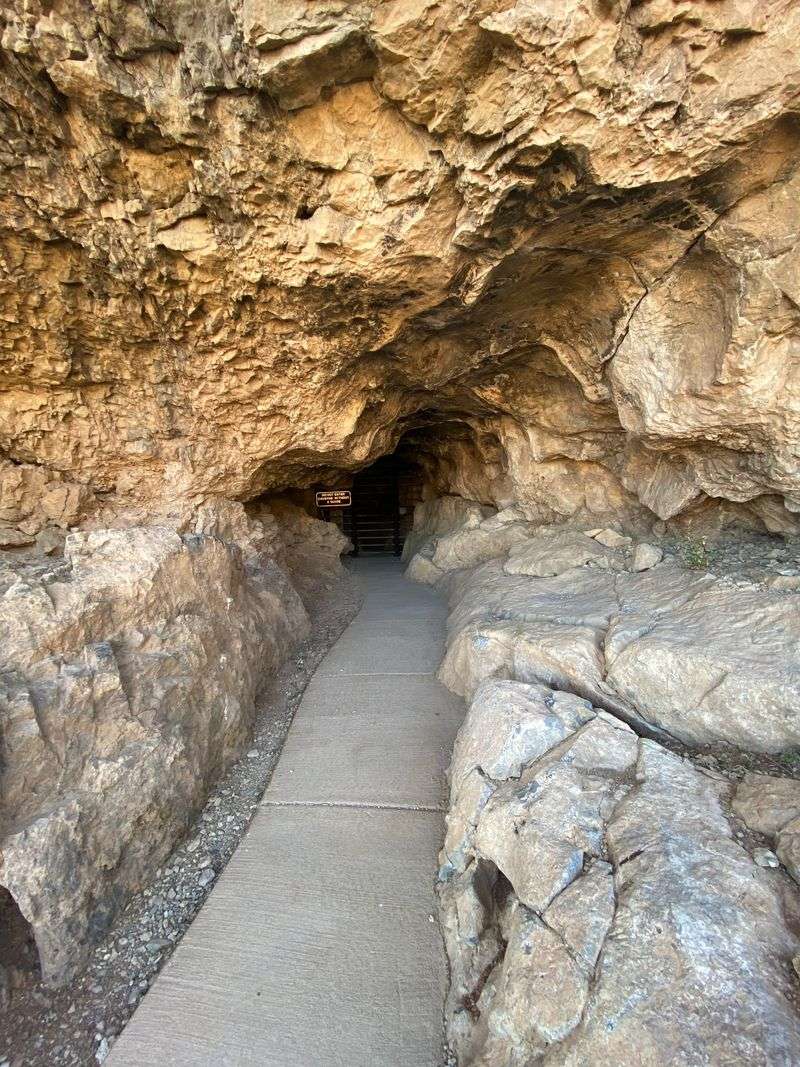
Desert outside, ancient sea inside, and your sense of time does a double take. Mitchell Caverns sit under the Providence Mountains like a cool secret library of limestone stories.
You step in and the temperature hugs you, kind and steady compared to the sun’s harsh commentary.
Guided tours lead through chambers with stalactites and stalagmites performing a slow-motion duet. I spotted fossil traces set into the stone, tiny signatures of sea life that once called this place home.
The guides tilt lights and suddenly the room shows off like a model hitting a perfect turn.
Formations here run classic: columns, draperies, and flowstone that looks like satin frozen mid-fold. The geology lecture never drags, and there is just enough natural drama to keep phones quiet.
Every ceiling drop sounds like a clock that forgot minutes and only counts centuries.
Because access has been carefully managed, the caverns feel well-preserved and deeply respectful. Trails are solid underfoot, a relief if you are not in the mood for scrambling.
I liked how the silence edits thoughts, leaving only the essentials.
Bring water for before and after, sunscreen for the approach, and a hat that does not blow away. The desert views from the surrounding area look endless, a good contrast to the intimacy underground.
If you time it right, late afternoon light on the mountains is bonus cinema.
Mitchell Caverns delivers that rare pairing of easy logistics and rich atmosphere. You exit with cooled skin and a brain buzzing from quiet history.
The desert gets louder, but the cave calm lingers longer than you expect.
Crystal Cave (Sequoia National Park)
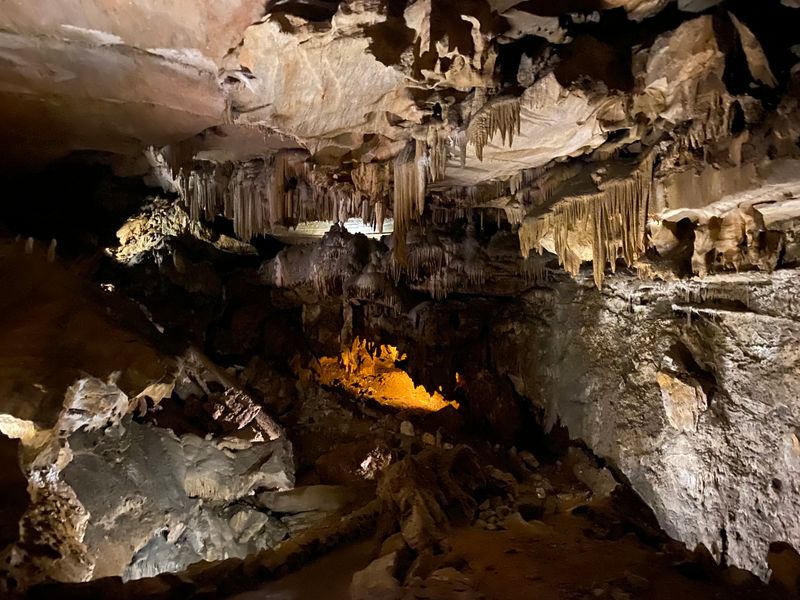
Like slipping into marble coolness after a hot sequoia hike, Crystal Cave feels instantly luxurious. The entrance gate curves like an art deco flourish, and beyond it the path winds into pale, glittering halls.
Your steps echo just enough to sound confident.
Guided tours frame the calcite walls with soft light that makes them glow milk-white and honey. I kept turning to catch reflections in tiny pools that double the ceiling into rippled paintings.
The air tastes clean, a neat palate cleanser after forest dust.
You will hear how water shaped every fold, carving marble into smooth flutes and creamy draperies. Some rooms gleam like polished ivory while others show darker seams, a geology timeline in cross-section.
Stairs and railings feel sturdy, a comfort when you stare too long at the sparkly stuff.
Because it is seasonal and popular, booking ahead is wise and patience pays off. I like hanging back in the group to snag those quiet seconds when the lights shift and drama peaks.
Shoes with grip beat fashion here, and a light jacket turns goosebumps into gratitude.
Do not touch the formations, obviously, because oils are rude guests and calcite is slow to forgive. Photos work best when you brace and breathe, keeping motion blur from stealing your bragging rights.
The guide’s stories add warm humor without drowning the science.
Back in the grove, the trees seem even taller, framing the sky like a victory arch. Crystal Cave turns geology into theatre and you into a front-row critic.
I left smiling, half tempted to applaud the walls for excellent sparkle.
Skull Cave (Lava Beds National Monument)
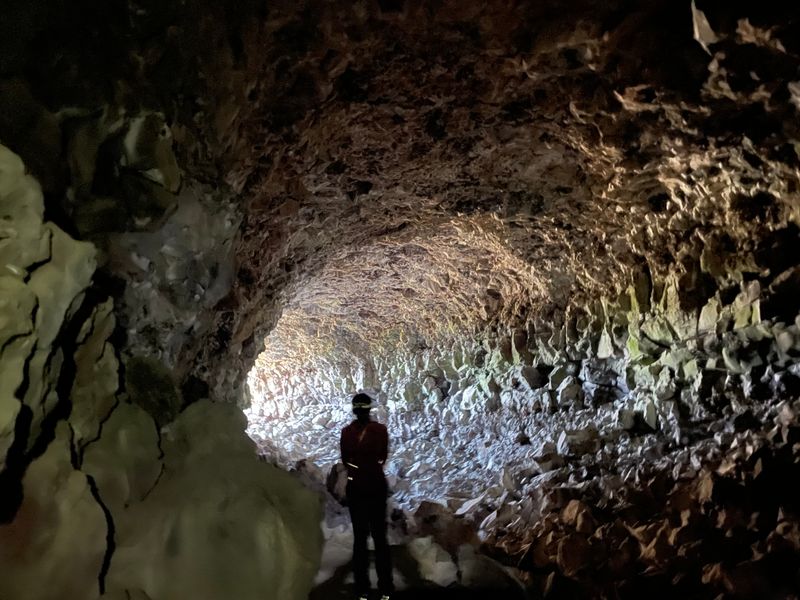
Cold hits first, like opening a freezer big enough to host a penguin reunion. Skull Cave is a collapsed lava tube that hoards ice even while summer sizzles outside.
Your breath becomes visible punctuation with every step.
The upper chamber looks simple until you drop into the darker belly where ice lingers. I watched headlamps sweep over frozen floors that crunch and glint like sugar.
Railings and stairs make it doable, but shoes with grip earn instant hero status.
The name nods to bones once found here, and the history adds a hush to the space. Lava Beds has plenty of tubes, yet this one stands apart for the temperature trick alone.
It is like the cave signed a long lease with winter.
Move slowly where ice slicks the path, and avoid touching delicate surfaces that grow seasonal frost. The ceiling arcs broad and clean, with textures that look poured and pulled.
Drop a hint of silence and you can hear drips writing tiny notes.
Photographers should guard lenses against fog and aim for contrasty angles that show the ice shelf. I loved the way light bounced blue around the edges, a subtle arctic vibe in California.
If you get chilly, congratulations, you are experiencing it correctly.
Back at the entrance, warm air feels theatrical, like stepping into applause. Skull Cave is brief but memorable, a neat science trick wrapped in basalt.
You leave cooler in every sense, and a little smug about bringing gloves.
Subway Cave (Lassen National Forest)
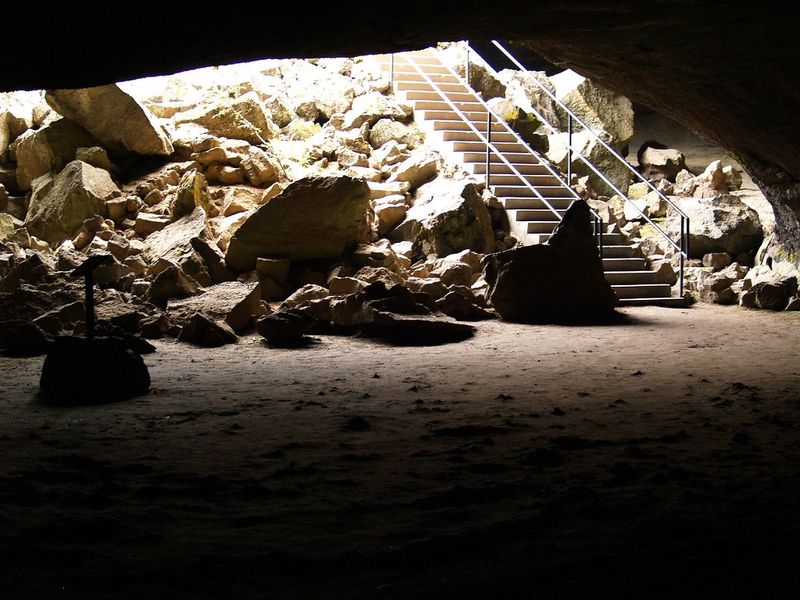
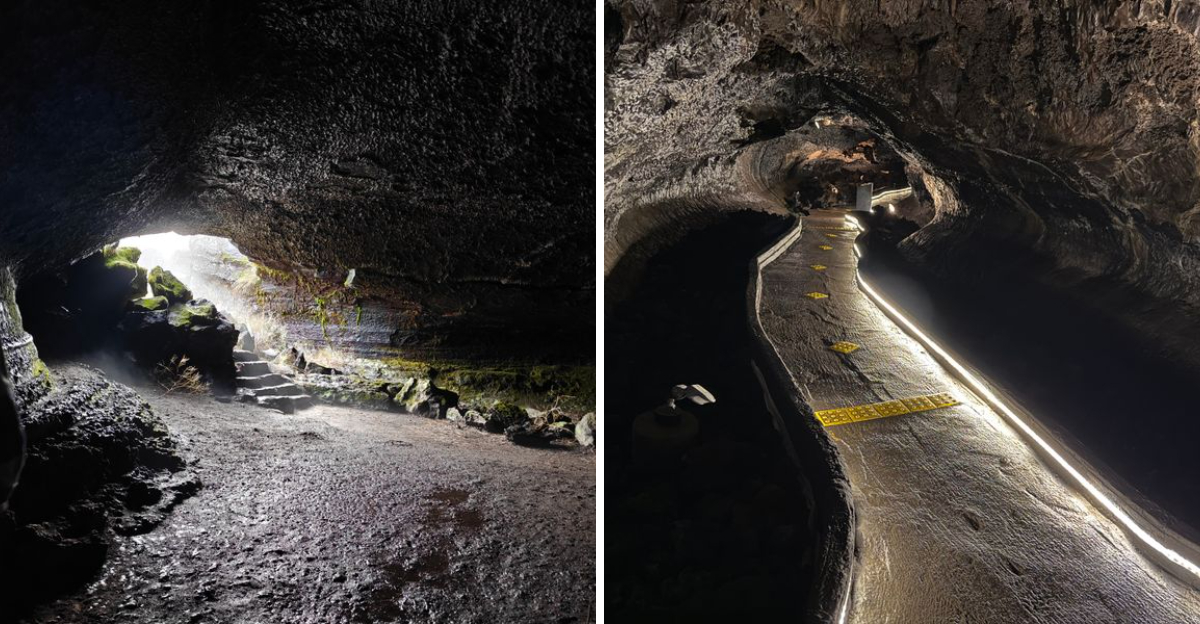
The entrance looks like a simple hole in the forest, and then boom, the ground swallows daylight. Subway Cave delivers textbook lava tube vibes without the stress of technical moves.
Families, first-timers, and flashlight-toters all manage fine here.
Inside, the walls show classic basalt patterns, with ropy textures and leveled benches marking cooling stages. I traced my light along the ceiling and counted gas bubbles frozen like punctuation.
The floor stays mostly even, though ankle awareness still matters.
Because it is short and accessible, you can savor details without hurry. The temperature drops to a comfy chill that feels tailor-made for summer afternoons.
People smile a lot in this cave, which says everything.
Bring a strong flashlight and step carefully over occasional rocks that sneak up like small jokes. The tunnel shape is satisfyingly symmetrical, tapering toward a dark mouth that photographs beautifully.
Kids especially love the echo, and honestly, so did I.
Outside, the pines whisper and the parking is friendly, making this a no-fuss detour. If you want a primer on volcanic plumbing, this cave is a lovable syllabus.
You exit feeling smarter and slightly dustier.
Subway Cave proves caves are not all drama and sweat; some are pure walk-and-wow. Keep expectations balanced and eyes wide, and it will deliver more than it promises.
Short, sweet, and perfect for a first underground hello.
Mercer Caverns
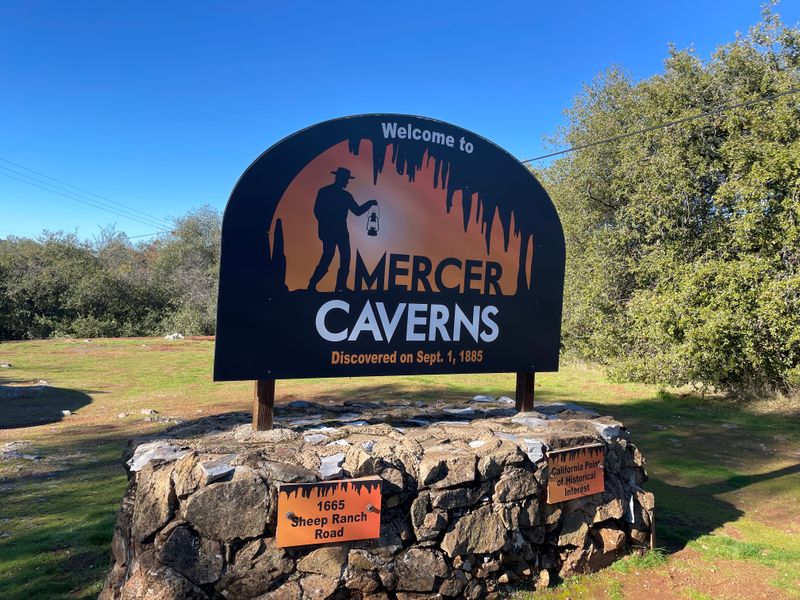
A miner’s wrong turn became everyone’s right turn when Mercer Caverns appeared on the map. Discovered in 1885, it still feels fresh, with narrow passageways that nudge you into single-file wonder.
The limestone dresses up in flowstone finery and plenty of classic drip formations.
Tours lead you down stairs that zig where your legs prefer zag, so take your time. I held rails, listened to the guide’s brisk history, and tried not to miss the tiny soda straws.
Light plays tricks here, lending a warm glow that makes the stone look buttery.
You will learn how mineral-rich water crafts shawls, columns, and elegant drips over patient ages. The rooms vary in scale, but the charm sits in the intimate bends and surprising alcoves.
It feels like a handwritten letter rather than a billboard.
Good shoes matter, and low ceilings occasionally ask for respectful posture. Photography benefits from steady hands and a willingness to pause, since motion blur loves dim caves.
The air smells clean and a bit cool, a nice counter to summer heat outside.
I liked the pace: enough storytelling to ground you, enough silence to sink in. The old discovery tale ties into the Gold Rush, a reminder that curiosity sometimes pays in limestone.
It is history with mood lighting, and yes, it works.
When you step back into daylight, the hills look brighter and your phone suddenly feels loud. Mercer Caverns keeps things tidy, welcoming, and quietly dazzling.
It is the right size for an afternoon adventure with bonus bragging rights.
Boyden Cavern
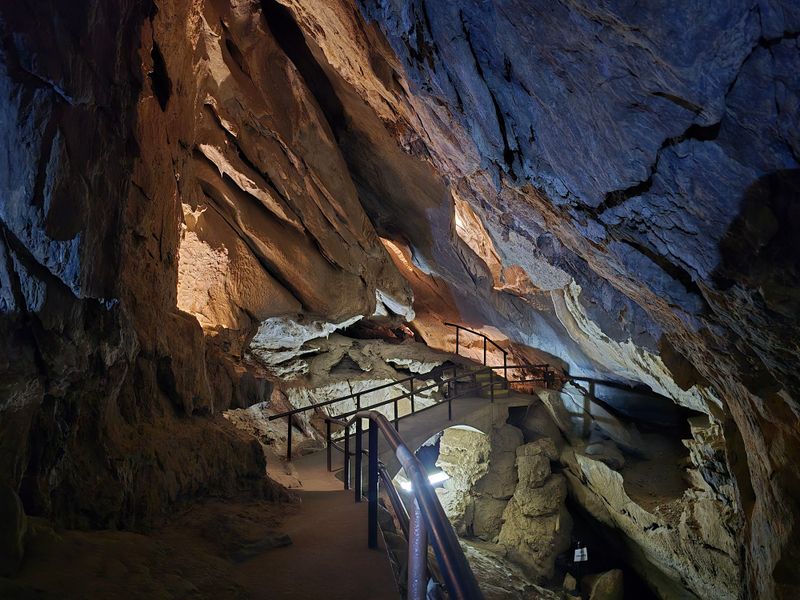
Tucked deep within the steep granite walls of Kings Canyon, Boyden Cavern remains one of California’s most quietly hidden underground landscapes.
Carved from marble by ancient underground rivers, the cave lies just above the South Fork of the Kings River—an area so rugged and remote that it escaped major discovery well into the 20th century.
Unlike lava tubes formed by volcanic flows, Boyden Cavern tells a far older story, one shaped slowly by water dissolving stone over millions of years.
Inside, the cavern opens into a series of chambers decorated with delicate stalactites, smooth flowstone walls, and rare rimstone pools formed by mineral-rich dripping water.
Seasonal flooding from the nearby river once surged through the cave system, sculpting its winding passages and leaving behind polished rock surfaces that still glisten under low light.
Because of its sensitive environment, access to Boyden Cavern has long been limited, helping preserve its fragile formations.
Today, it stands as a reminder that even in well-traveled national parks, entire worlds can remain hidden just beyond view—silent, ancient, and shaped by forces far older than the towering Sierra Nevada peaks above.
Valentine Cave
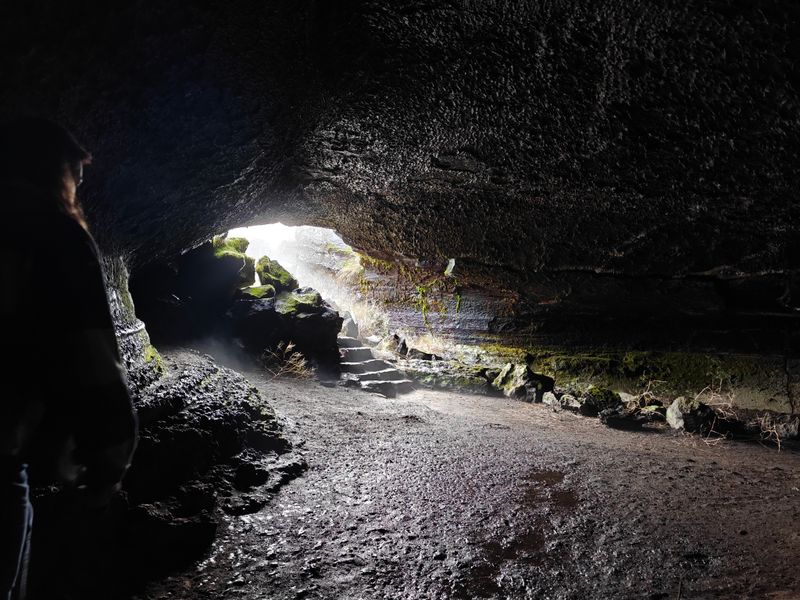
Hidden within the volcanic highlands of Northern California, Valentine Cave is one of the most remote lava tube caves in the state.
Formed thousands of years ago during basaltic eruptions near the Medicine Lake Highlands, the cave was created as molten lava drained away, leaving behind a long, hollow tunnel beneath hardened rock.
Its isolation and rugged surroundings have kept it largely unknown outside of local explorers and scientists.
The cave stretches for hundreds of feet, with smooth volcanic walls marked by lava shelves, flow lines, and ceiling drips frozen in time. In winter months, cold air becomes trapped inside, allowing ice formations to persist well into warmer seasons—an unusual feature for caves in this region.
The silence and darkness inside are nearly absolute, broken only by occasional water drips echoing through the tunnel.
Because Valentine Cave lies far from major roads and developed recreation areas, it remains one of California’s most genuinely hidden underground spaces.
It offers a stark contrast to limestone caverns, revealing the state’s volcanic origins and the powerful forces that shaped much of Northern California.
Beneath the quiet forest floor above, Valentine Cave preserves a moment of geological history that few ever witness.