This cave doesn’t shout for attention — it quietly stuns everyone who steps inside. Blanchard Springs Caverns near Fifty-Six feels like a secret hidden beneath the Ozarks, waiting for curious travelers to find it.
The moment you descend, the outside world fades and something ancient takes over.
Cool air wraps around you as towering formations rise from the cave floor. Dripping water echoes through vast chambers, and every turn reveals shapes that feel almost unreal.
It’s calm, humbling, and impossible to rush.
Unlike crowded attractions, this place invites you to slow your steps. Guided paths lead past delicate formations and deep rooms that glow under soft lighting.
You don’t need expert knowledge — the beauty explains itself.
Blanchard Springs isn’t just underground scenery. It’s a reminder that Arkansas still holds wonders most people never see, quietly waiting below the surface.
Why Blanchard Springs Caverns deserves your attention
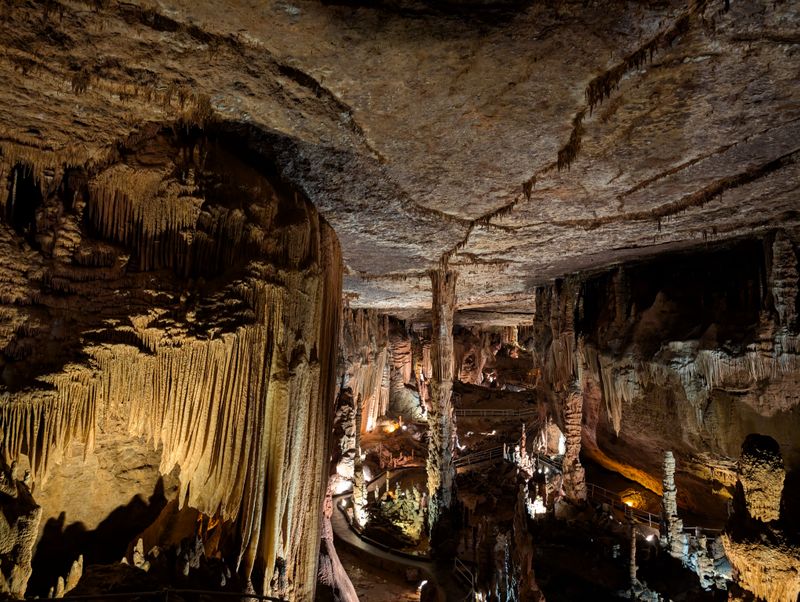
Blanchard Springs Caverns is a living cave, which means formations are still growing, shimmering under careful lighting that respects the ecosystem. You walk paved, lighted trails that make the experience surprisingly accessible while preserving delicate speleothems.
If you want a natural wonder that feels intimate yet immense, this is where quiet awe settles in quickly.
The visitor center sets the stage with exhibits on geology, hydrology, and bat conservation. You will hear about dripstone, stalactites, stalagmites, and the mineral chemistry behind those glossy flows.
Guides emphasize Leave No Trace style care, and that ethic makes the magic last for the next visit.
Plan for a consistently cool 58 degrees, so a light jacket helps, especially if you get chilled easily. Tour availability can vary due to staffing or bat hibernation, so buy tickets online in advance.
Arrive early, explore the displays, and ask rangers about which tour matches your comfort.
Driving the curvy Ozark roads is part of the adventure, so take it slow and enjoy the views. Once you descend by elevator, the scale expands in breathtaking ways that photos struggle to capture.
You will leave with a refreshed sense of time, patience, and wonder.
Getting there and planning ahead
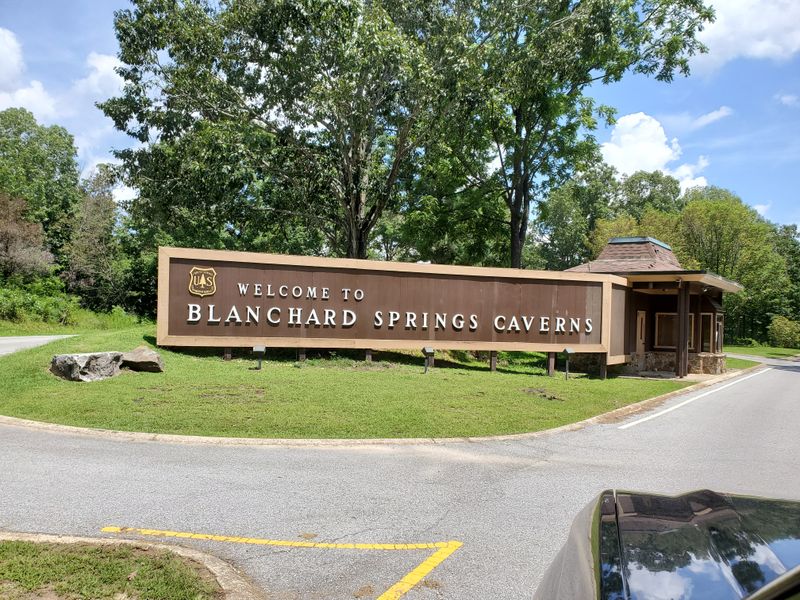
Set your GPS for 704 Blanchard Springs Road, Fifty-Six, AR, then budget extra time for scenic, winding curves. Cell signal can be spotty in the hills, so download directions, tickets, or trail info before you go.
The drive is part of the charm, but motion sickness prone travelers may want to prepare.
Tour slots often sell out, especially on weekends and holidays, so reserve on Recreation.gov in advance. Check seasonal closures and which trails are operating, since bat hibernation or staffing affects schedules.
Arrive at least 20 to 30 minutes early to check in and browse exhibits.
The cave maintains about 58 degrees year round, which feels refreshing but can be chilly. Wear sturdy shoes with good traction because damp sections and gentle inclines appear on most routes.
A light jacket and hands free bag keep you comfortable and ready for photos.
Accessibility varies by tour, so ask rangers about mobility considerations and stroller feasibility. Elevators transport groups roughly 200 feet down to the start, then paved paths guide the way.
Buy souvenirs and snacks before late tours since the gift shop may close before you return.
The Dripstone Trail essentials
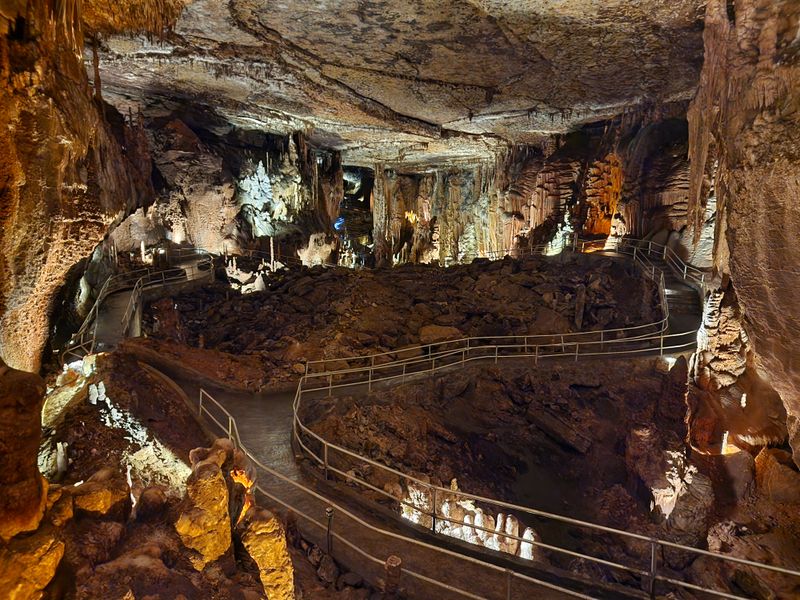
The Dripstone Trail is the most popular guided walk, a roughly hour long journey through exquisite formations. You will meet the classics up close: stalactites knitting downward, stalagmites reaching skyward, and flowstone cascading like frozen waterfalls.
The lighting is subtle, revealing color and texture without overwhelming your eyes.
Expect a paved path with some inclines and steps, plus strategically placed railings. Most visitors find it manageable, though you will feel your calves in a few spots.
Guides share geology, cave safety, and conservation stories that make every chamber more meaningful.
Photography is allowed or restricted depending on current policy, so listen closely to your ranger. Flash, if permitted, can flatten detail, so try slower, steadier shots and embrace the ambient glow.
Remember to let your eyes adjust before snapping the first photo.
Wear non slip shoes because dampness keeps this living cave healthy but can challenge footing. Keep a light jacket handy and bring questions, because the rangers are knowledgeable and engaging.
You will step out feeling like you have read the cave’s diary, one drip at a time.
Cathedral Room scale and spectacle
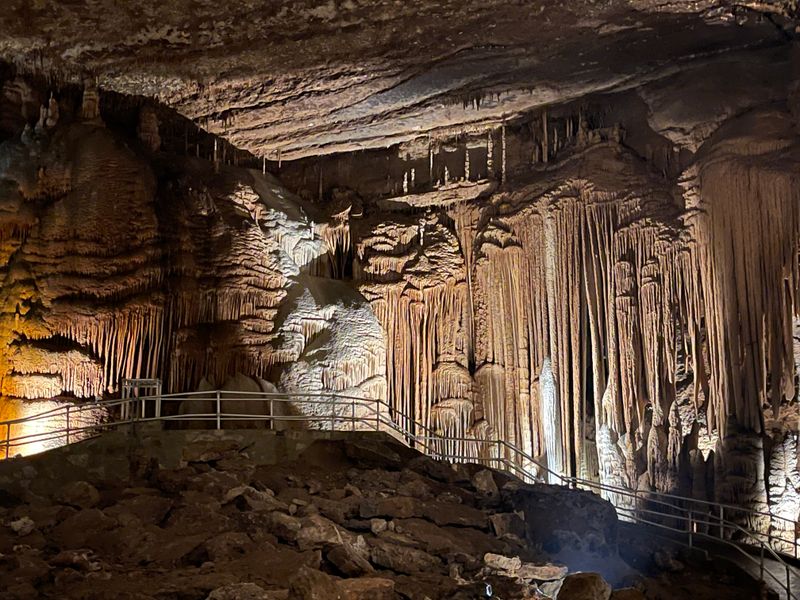
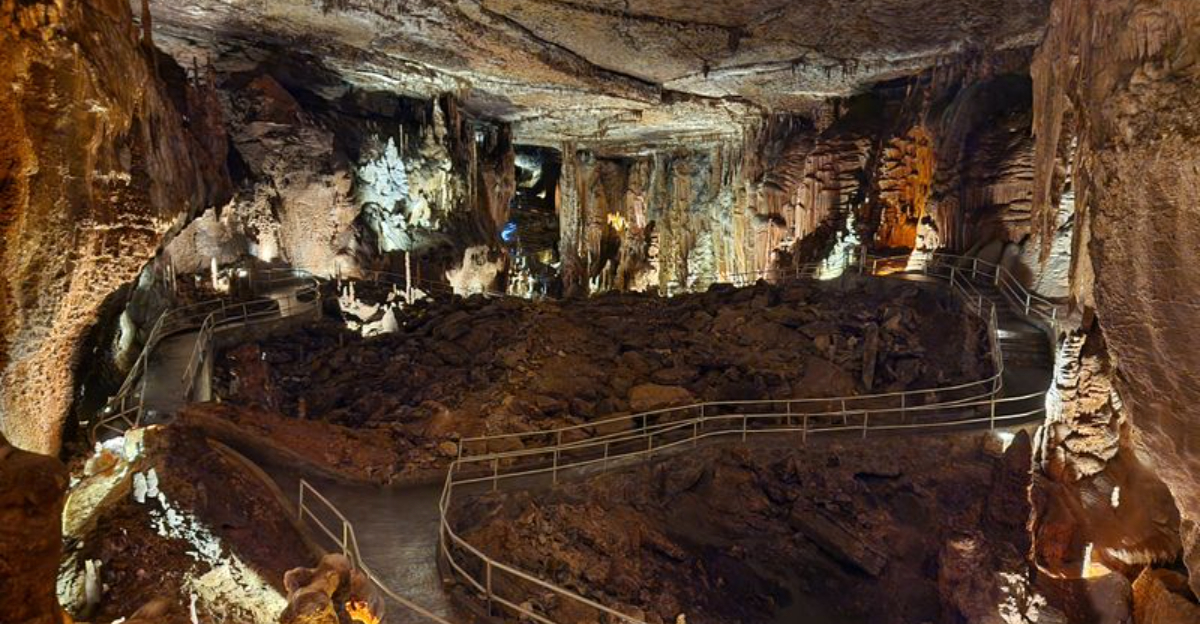
Nothing prepares you for the moment the Cathedral Room opens up in front of you. Imagine a chamber said to rival several football fields in size, with formations rising like organ pipes.
The path is thoughtfully placed so you can absorb the volume without wandering off route.
Guides point out draperies, columns, and rimstone dams, each formed over thousands of patient years. You will notice delicate textures that look carved by hands, yet they are purely mineral art.
The acoustics are powerful, and quiet conversations become shared whispers of surprise.
Photo framing is tricky because scale defeats normal lenses, so include people for perspective. Take a breath, slow down, and let your eyes sweep from ceiling to floor.
Every angle reveals new geometry, from thin soda straws to massive pillars.
Respect the railings and keep hands off formations, since oils stop growth and leave scars. The room’s lighting is designed to minimize algae while revealing authentic color.
You will leave with a mental panorama that no phone can truly capture.
Discovery Trail and seasonal variations
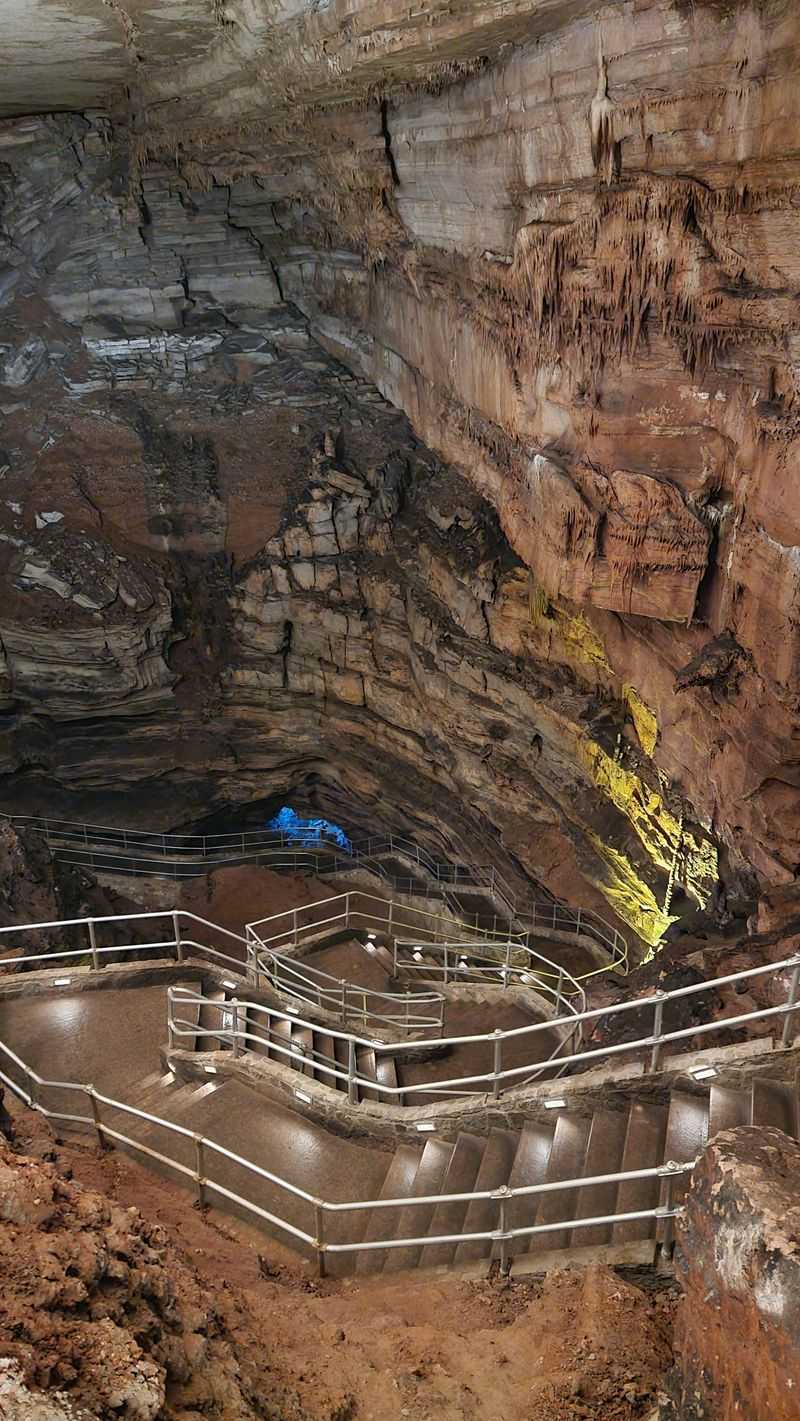
The Discovery Trail explores a different level, revealing river carved passages, rugged profiles, and a wilder feel. Availability changes with staffing, resource protection, and bat hibernation, so check dates before you plan.
When open, it offers a deeper dive into geology and the cavern’s formation story.
Expect more steps and steeper grades compared to the Dripstone Trail. Fitness wise, it is still guided and structured but asks a bit more of your legs.
You will appreciate handrails, careful lighting, and frequent guide pauses for interpretation.
Seasonal closures protect sensitive habitats, especially during bat hibernation months. That stewardship keeps the cave healthy and lets future visitors encounter thriving ecosystems.
If Discovery is closed, Dripstone still delivers big drama without sacrificing comfort or insight.
Always verify current policies on Recreation.gov or by calling the visitor center. If you love geology and do not mind a few extra inclines, bookmark this trail.
The changing availability makes it feel special, like catching a rare performance underground.
Wild Cave Tour expectations
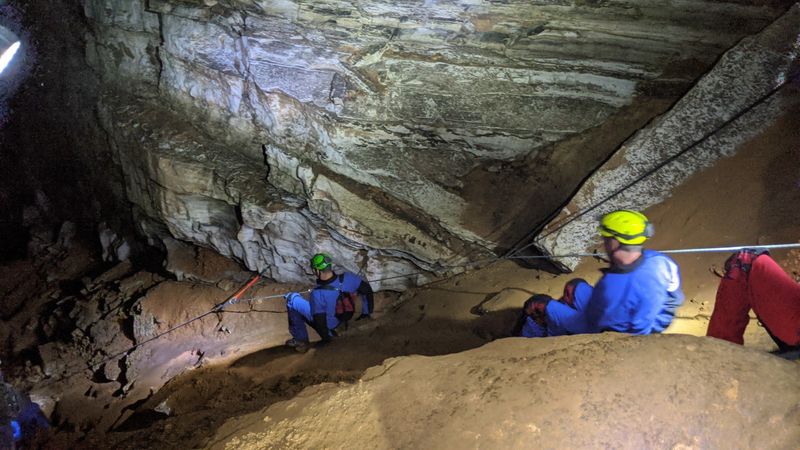
When conditions and staffing allow, the Wild Cave experience shifts from sightseeing to true exploration. You gear up with helmets, lights, and pads, then follow a ranger into undeveloped sections.
It is hands on, a chance to feel the cave’s textures and learn route finding basics.
This option demands flexibility, comfort with tight spaces, and a moderate fitness level. You will crawl, stoop, and navigate uneven surfaces that require focus and patience.
It is not for everyone, but if curiosity calls, it becomes a core memory.
Conservation rules intensify here, including strict no touch policies except where instructed for safety. Decontamination protocols may apply to protect bats from white nose syndrome.
Your guide will explain why these steps matter and how your choices ripple through ecosystems.
Book early because limited slots go fast when the tour runs. Embrace dirt, slow progress, and the joy of discovery in spaces most visitors never see.
You will emerge tired, grinning, and full of respect for the underground world.
Bats, biology, and conservation
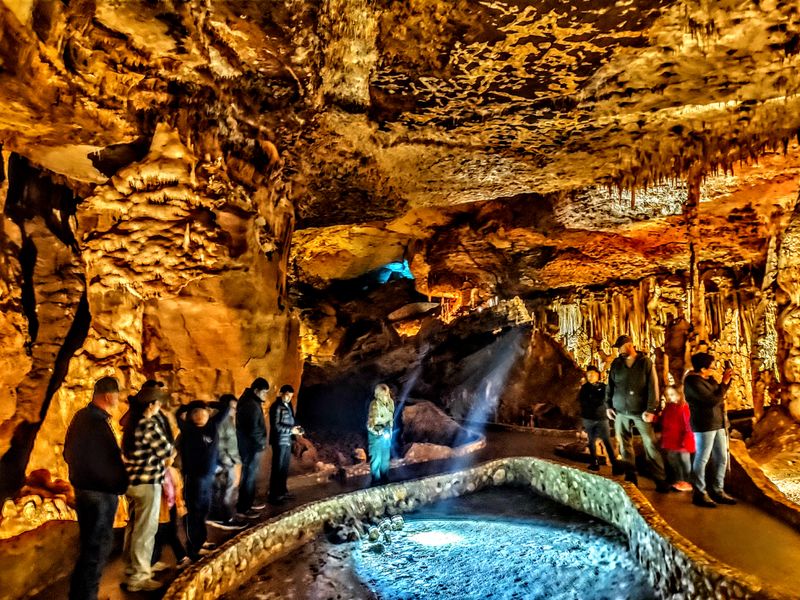
Bats are part of the story here, and tours weave in biology and conservation beautifully. You will learn how hibernation timing affects tour offerings and why quiet, darkness, and minimal disturbance matter.
The cave’s policies change as needed to keep colonies healthy.
White nose syndrome is a serious issue, so listen closely to decontamination instructions. Clean gear and follow path rules to reduce risk of spreading pathogens between caves.
It is a simple act that protects a complex web of life underground.
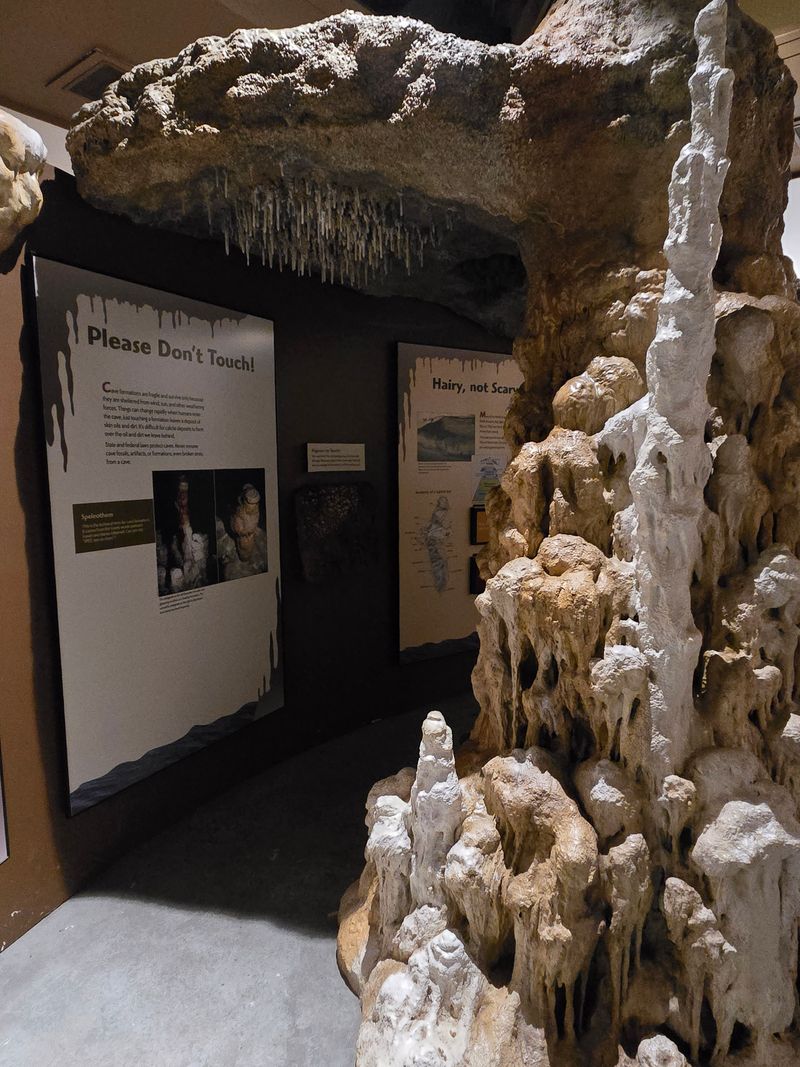
Interpretive exhibits explain cave invertebrates, dripstone chemistry, and the living cave concept. Watching water beads form on speleothems helps you grasp how slowly beauty grows.
Kids and adults alike respond to the tangible science and compelling ranger stories.
Remember, this is a place first and an attraction second, so patience and respect go a long way. Stay on the paved trail, keep voices low, and leave no trace of your visit.
You will feel proud knowing your choices help preserve wonder for the next group.
Accessibility, safety, and comfort tips
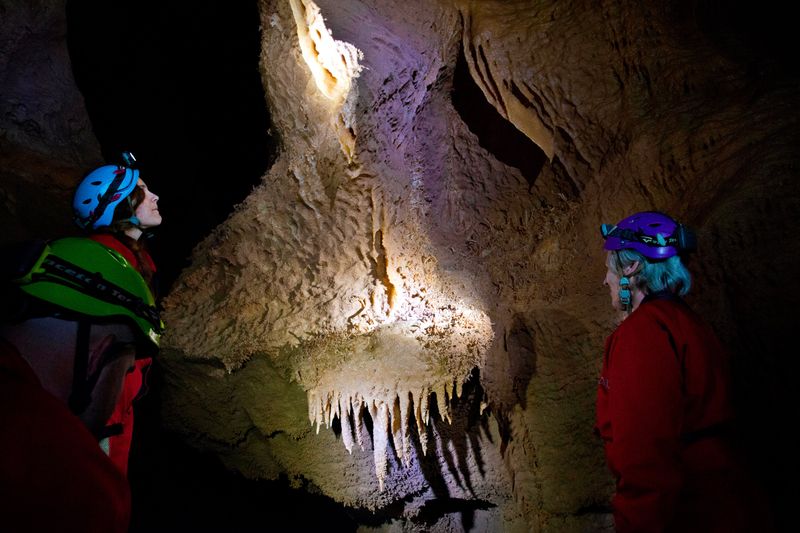
Comfort starts with temperature awareness, so plan for a consistent 58 degrees underground. A breathable layer keeps you warm without bulk, and closed toe shoes add traction.
If you tend to chill, pack a light hat or extra layer.
Accessibility varies by trail, with elevators assisting descent and paved walkways guiding the route. There are inclines, steps, and damp patches that require steady footing.
Strollers and wheelchairs can work in limited contexts, so ask rangers which tours fit.
Photography rules, group sizes, and timing shift with operations, so listen closely at the briefing. If sound echoes, stay near your guide or the tail ranger for clarity.
Hydrate beforehand and use restrooms topside because there are no facilities below.
For motion sickness on the drive, take breaks and enjoy the scenery. If you need mobility aids, a cane can help on slick sections.
With a little forethought, you can focus on wonder rather than logistics.
Tickets, schedules, and best times to visit
Tickets are managed through Recreation.gov, and advance purchase is the safest bet. Same day availability can vanish quickly, especially during summer and weekends.
If you arrive without reservations, you may only catch a teaser view.
Check the website for seasonal closures, reduced staffing, or modified tour offerings. Bat hibernation affects which trails run, but the experience remains memorable.
Confirm tour lengths, age limits, and photography policies before you click buy.
Morning tours feel calmer, with fresher energy and fewer lines in the exhibits. Late slots add drama when you ride the elevator down knowing daylight is fading.
Either way, buffer time for the curvy approach roads and possible delays.
Arrive early to browse displays and ask rangers for route recommendations. If you want quieter groups, target shoulder seasons or weekdays.
You will enjoy more space to pause, listen, and really see the formations.
What to wear and bring
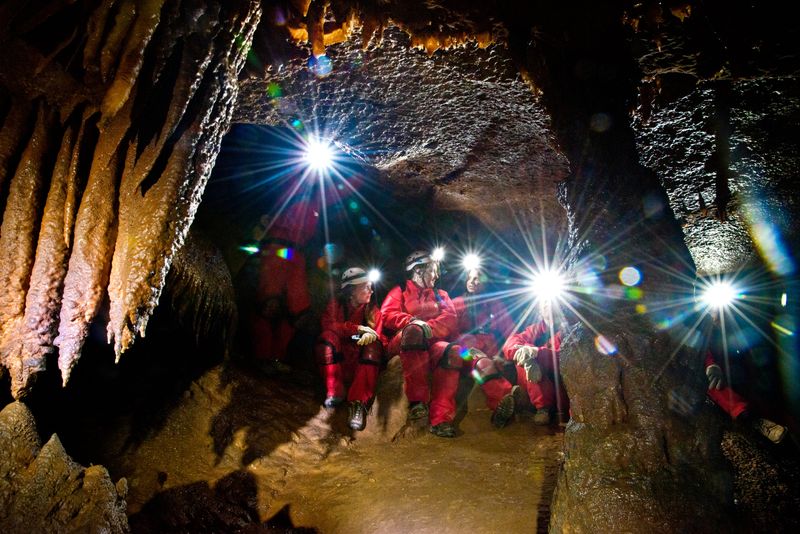
Dress like it is a cool spring day underground, with a light jacket and breathable layers. Non slip shoes matter most because damp surfaces meet short inclines throughout the trails.
Skip dangling accessories that might brush formations or distract you.
Carry only essentials in a small pack so hands stay free for railings. A phone or compact camera is perfect, but be ready for low light.
Bring printed confirmations or offline screenshots in case signal disappears in the hills.
Hydrate before you descend and plan snacks for afterward at the car. Some tours forbid food and drink below to protect the cave, so follow guidance.
A pocket sized flashlight can help you step confidently without blinding others.
If motion sickness strikes on the approach, carry relief and take turns driving. For families, strollers can work on certain tours, but check the details first.
With smart packing, you will feel comfortable and fully present underground.
Nearby highlights and making a full day
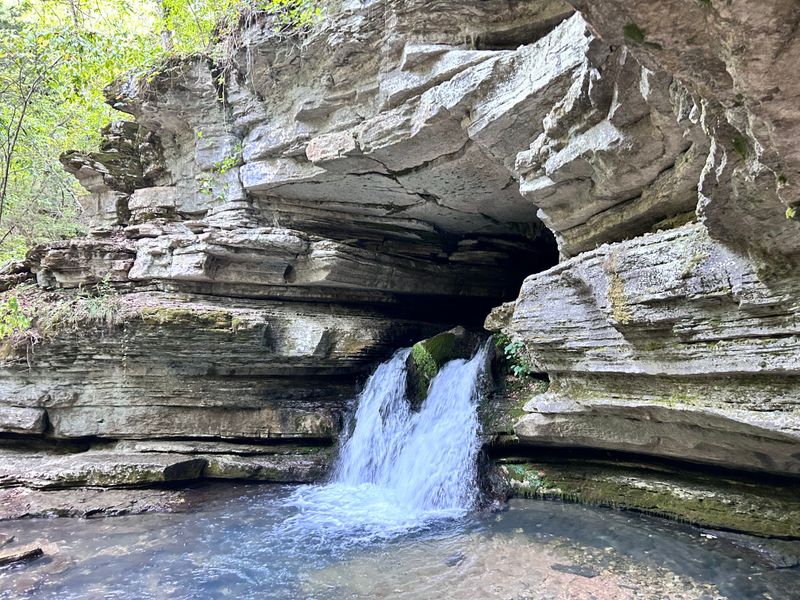
While the focus is the cave, the surrounding forest and springs round out your day. Trails near the visitor area showcase the Ozarks’ clear water and layered limestone.
After the cool underground, sunlight and birdsong feel extra vivid.
Ask rangers about short walks that pair well with your tour time. You can catch interpretive signs that connect surface streams to underground passages.
The hydrology story ties everything together and makes the cave feel even more alive.
Pack a simple picnic for the return to the car after your tour. The gift shop offers souvenirs, and the exhibits reward a second pass.
If you tour late, browse earlier because the store might close before you exit.
From start to finish, you will feel like you unlocked a hidden chapter of Arkansas. Take it slow on the drive back and appreciate the curves you conquered.
You will already be planning your next visit before you reach the highway.