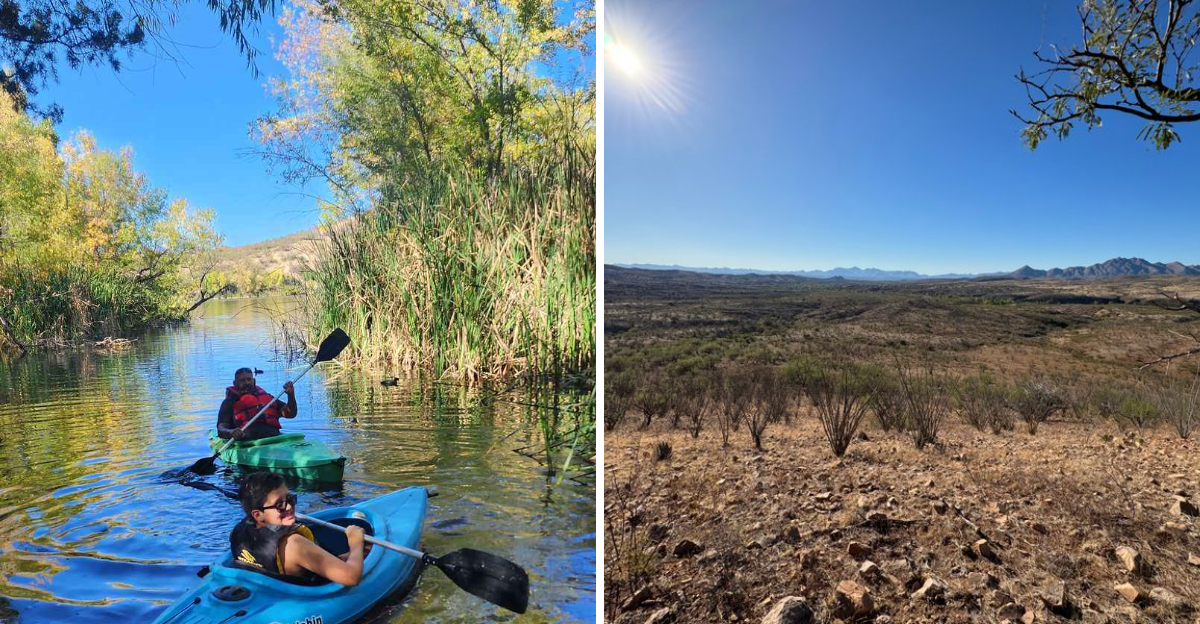
Tucked in southern Arizona, Sonoita Creek State Natural Area feels like a secret you are lucky to learn in time.
Water threads through grasslands, cottonwoods rise like quiet sentries, and the usual park noise never really arrives.
You hear wind, wings, and your own footsteps, not tour buses or crowds.
If you crave stillness with real wild energy, this place will get under your skin in the best way.
A Rare Quiet Place in Arizona
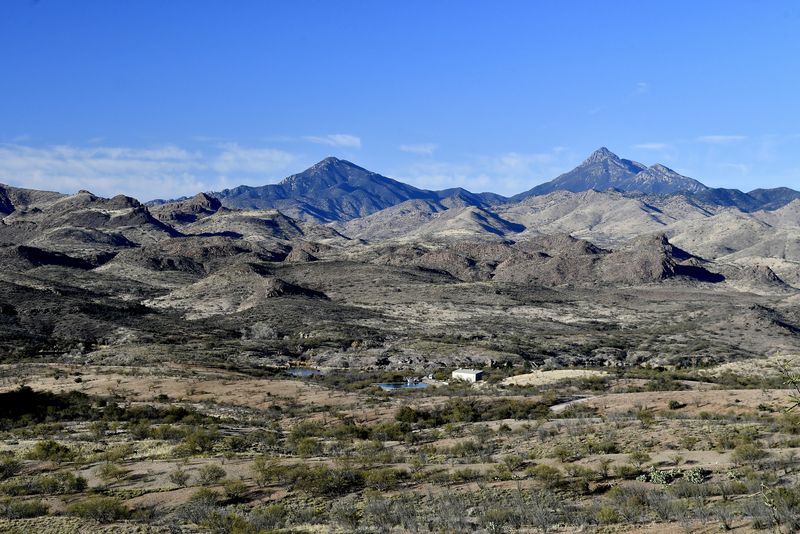
There is something rare about arriving at a trailhead and hearing almost nothing but breeze. Sonoita Creek State Natural Area offers that hush, the kind that settles your thoughts within minutes.
You feel distance from the busier Arizona icons without being far from a small town or a paved road.
The silence is not empty though. Water moves through cattails and willow shade, and grasslands flicker gold in changing light.
Footpaths reveal coyote tracks, deer prints, and delicate bird traces pressed into damp creek edges, proof that the quiet belongs to wildlife first and visitors second.
As you wander, the landscape opens and closes like a slow breath. Open hills lift you into sky, then trails drop to the creek where temperature softens and the air smells like cottonwood bark.
These shifts invite you to slow down, to look closer at beetles, clouds, and the fine textures of grass.
In a state known for spectacle, finding subtle beauty feels refreshing. You do not chase viewpoints or lines; you simply keep moving until your mind clears.
The calm steadies you, and the day becomes less about accomplishing miles and more about noticing the sounds of leaves and water.
This quiet works on a person. It loosens the grip of urgency and makes ordinary details feel like treasure.
By the time you circle back to the trailhead, you have not only seen a place, you have heard it breathe.
What Sets It Apart From Other State Parks
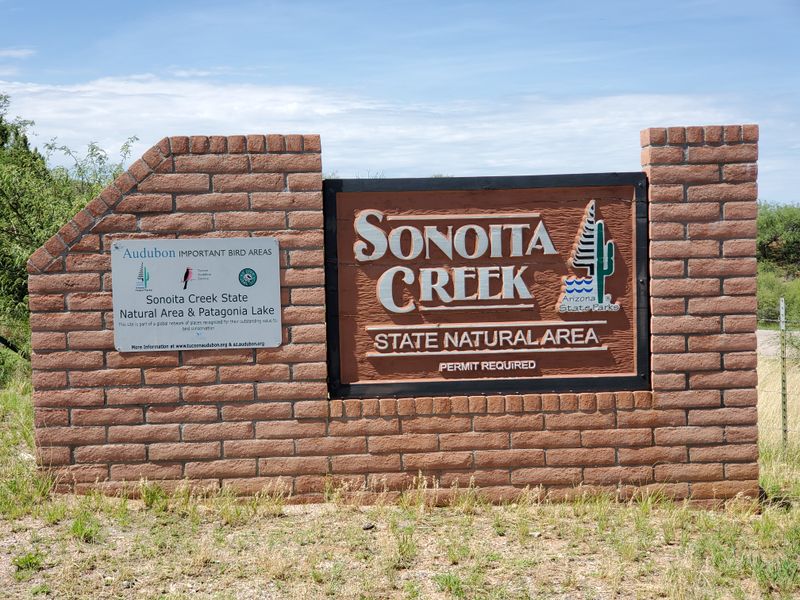
Most parks funnel you toward viewpoints, parking lots, and a checklist of must-sees. This place is different because conservation leads every decision.
Facilities stay minimal, so the land speaks louder than infrastructure, and the result is space that feels protected rather than packaged.
Fewer signs and fewer amenities mean you navigate with intention. Trails are well marked, yet there is no pressure to hurry or line up behind a crowd.
You move at the speed of wind and shade, noticing how grass ripples and creek light shifts across smooth stones.
Because development is limited, wildlife keeps comfortable routines. Birds work the canopy, deer move through drainages, and foxes weave at dusk.
You become a quiet guest instead of a spectator demanding a show, which changes how the entire landscape receives you.
It also changes how you remember the day. Instead of one iconic snapshot, there are dozens of small moments, each carrying its own weight.
A feather on wet sand, a sudden burst of vermilion flycatcher color, and the way a cottonwood leaf spins down become highlights.
Preservation first does not mean less experience; it means deeper, slower experience. You trade convenience for authenticity and get better stories because of it.
That subtle shift is the real difference, and it is why this natural area feels precious and rare.
A Lush Riparian Corridor in the Desert
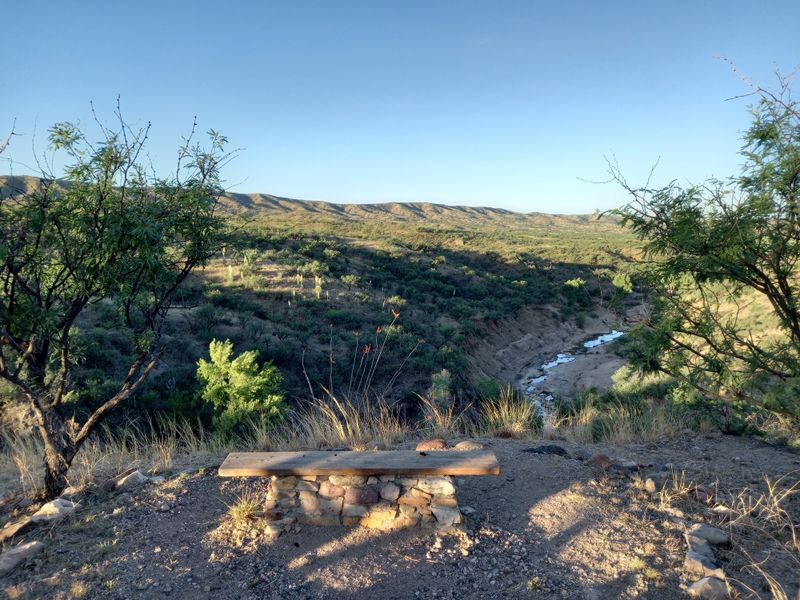
The creek runs most of the year, stitching a ribbon of green through tawny hills. Cottonwoods tower above, their bark furrowed and cool, and willows lean to lace the channel with shade.
In a dry state, this kind of reliable water feels miraculous and alive.
Walk close and you will hear frogs, see dragonflies hover, and watch small fish dart from sun to shadow. Moist soil carries delicate prints you miss on upland trails.
The contrast between grassland and riparian life makes every bend feel like a threshold to another world.
It is not just the plants and insects. Birds crowd the canopy, stitching sound into a soft net around your steps.
Even on warm days, the creek air drops a few degrees, so you linger longer and notice details like river stones polished to smoky gray.
Bring patience and a willingness to stand still. When you do, herons reveal themselves, and kingfishers slice down the channel like thrown blue sparks.
The water turns the landscape into a living classroom where patience gets rewarded with new sightings.
By afternoon, light slips through leaves and patterns dance on the surface. You carry that moving shadow with you when you step back into the open hills.
The corridor explains why the place stays vibrant, and why its quiet depends on water flowing steadily.
Scenic Trails Made for Slow Exploration
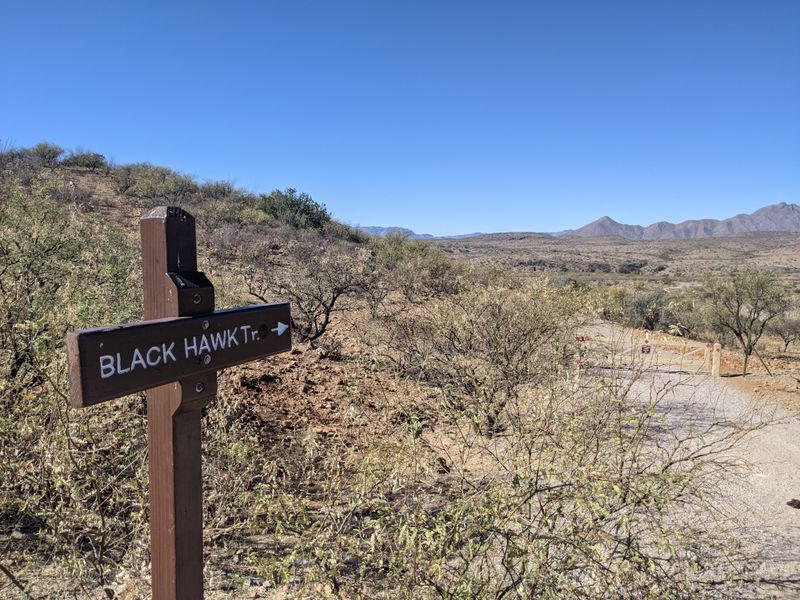
Trails here invite unhurried movement instead of summit fever. They wind through rolling grasslands, dip to creekside shade, then climb to broad views of the Patagonia Mountains.
You choose loops that feel right for the day, not hikes that demand a finish-line photo.
Underfoot, paths are mostly firm and natural, with occasional rocky sections. Wayfinding is straightforward, and intersections come with simple signs that do not shout.
You get the sense the system was laid for walkers and riders who value pace over speed.
Slow exploration opens your senses. You hear quail before you see them, and you catch the whisper of wind before you feel it.
When you pause, grass stems reveal seedheads like tiny lanterns, and lizards stake out warm rocks as if they own time.
Longer routes deliver long spells of silence. Shorter ones lean into the creek, where the sound of water stitches your steps together.
Either way, the terrain never bullies you; it invites company, then lets you decide when to turn around.
By day’s end, miles matter less than the attention you devoted. You leave with a map in your head of shade pockets, breezy saddles, and gentle descents.
The trails change your tempo, and that change stays with you long after the drive home.
One of Arizona’s Best Birding Destinations

This corridor sits in a major flyway, so birdlife feels constant and surprising. On a single morning, you might hear the liquid notes of a black headed grosbeak, then catch the flash of a vermilion flycatcher.
Hawks ride thermals above, while hummingbirds work the edges like tiny engines.
Bring binoculars and patience, and you will start stacking sightings. Warblers move through cottonwood crowns, towhees scuffle in leaf litter, and kingbirds claim open perches.
The diversity builds slowly as your ears and eyes tune to the habitat’s rhythms.
What makes it exceptional is the lack of crowd noise. Birds relax when the human soundtrack stays low, so behavior shows itself.
You witness feeding, courtship, and territorial dances you often miss at busier hotspots.
For newcomers, the area becomes an easy classroom. Trails let you position with good light, and the creek offers predictable activity zones.
Field guides or an app help translate calls, but the space itself does half the teaching by keeping distractions down.
Peak migration adds extra magic. Species you rarely see drop in like travelers sharing secret routes.
You leave feeling like you participated in a moving, seasonal story rather than checked boxes on a list.
Wildlife Encounters Without the Crowds

Mornings and evenings are when wildlife steps forward. Deer slip from shadows, javelina shuffle through grasses, and foxes draw soft lines across open slopes.
Without the thrum of heavy traffic, animals behave naturally and linger longer in view.
You notice sign everywhere once you slow down. Tracks pucker the damp edges of the creek, scat marks travel corridors, and feathers catch on thorny branches.
Reading the ground becomes a conversation, and every clue pulls you deeper into the place.
Bird activity layers over these moments. Owls call from cottonwood cavities, while doves lift in waves when coyotes pass.
Insect life hums like a low engine, and the quiet makes it easier to sense patterns before the eye confirms them.
Safety is simple and respectful. Keep distance, carry water, and store snacks so critters do not get interested.
You are not chasing encounters; you are welcoming them when the land offers, then letting them pass without pressure.
Those memories last because nothing felt staged. You watched natural rhythms instead of a show.
When you leave, the scenes replay in your head like soft film, the kind that runs without soundtrack and still holds you.
Backcountry Camping for True Solitude
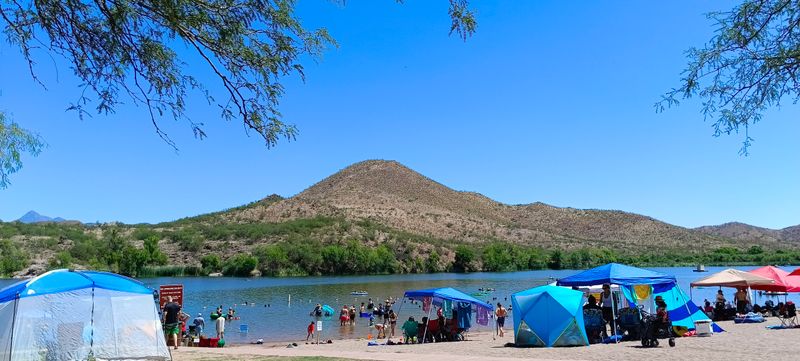
If you want a night that feels like a retreat, the hike in campsites deliver. You carry only what you need, step off the grid, and let the creek become your evening soundtrack.
Without generators or RV glow, stars land close and the dark feels generous.
Setting up is simple and mindful. Choose durable surfaces, keep food secured, and cook with care to protect the riparian corridor.
The less you do, the more the place gives back in the form of quiet and clear sensations.
Evening blends into morning with little interruption. Coyotes tune the edges of night, owls mark time, and a cool draft slips down the drainage before dawn.
Coffee by the creek tastes richer because it shares space with birdsong and low light.
Solitude deepens awareness. You hear your own heartbeat slow, and you notice tiny rhythms like insect wings skipping over water.
With no nightlife but stars, sleep comes easy and full, and you wake feeling reset rather than depleted.
Leave no trace turns into gratitude in action. Pack out everything, scatter wash water, and leave the site as calm as you found it.
That care protects the experience for the next person and keeps the magic intact.
A Landscape Shaped by Preservation, Not Tourism
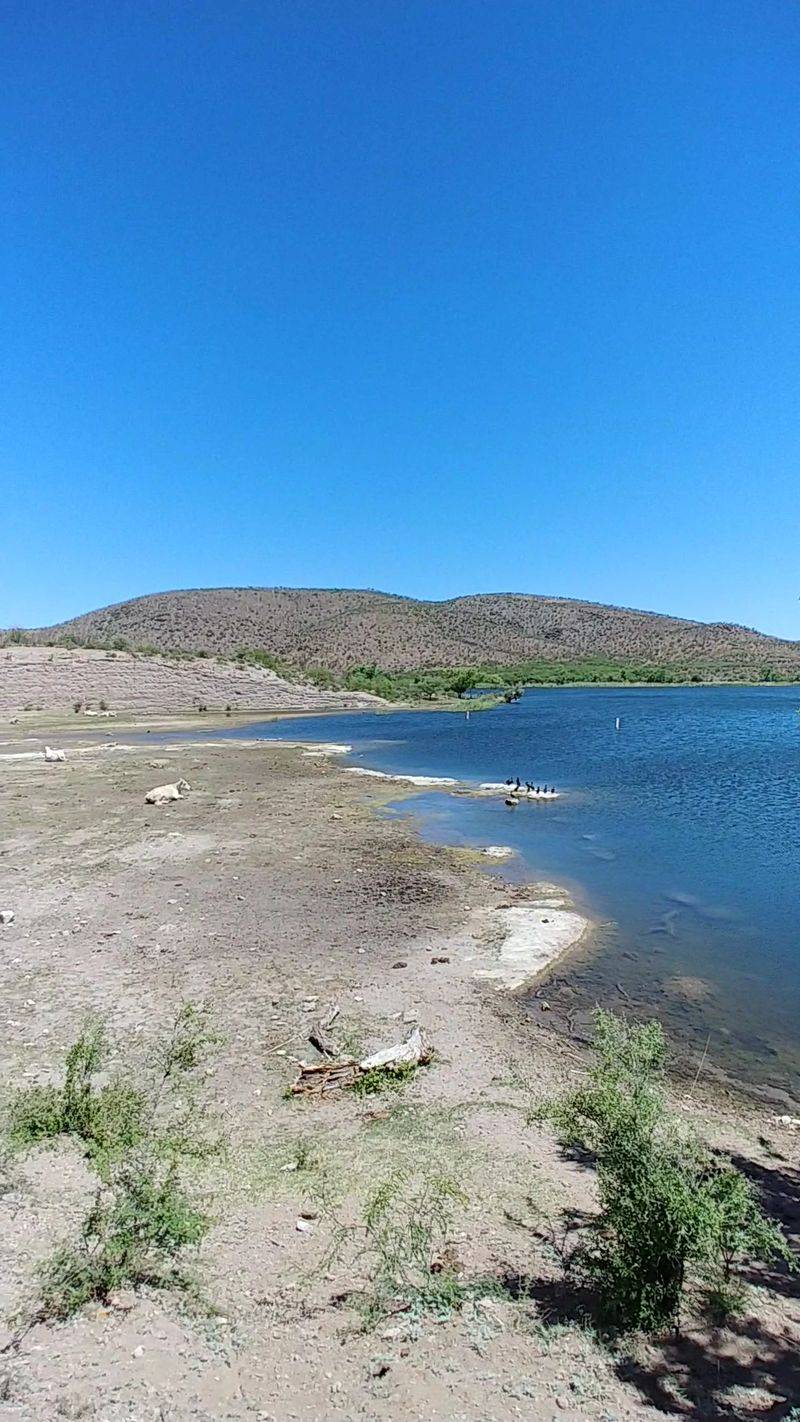
Here, management choices center on ecological health first. Trails avoid sensitive areas, signage stays modest, and habitat work continues quietly behind the scenes.
That emphasis keeps the area resilient and lets wildlife hold the stage.
It is a relief if you have felt weary of crowded overlooks. Instead of vendors and noise, you find restoration projects, invasive species control, and research partnerships.
The story is not commercial; it is biological and patient.
As a visitor, you participate by treading lightly. Staying on trail protects soil crust and fragile plant communities.
Respectful presence becomes part of the conservation plan, which makes your visit feel purposeful and responsible.
Knowing that endangered species depend on this corridor changes the tone of your day. When you spot a rare bird or a delicate plant, you understand the stakes.
You become a witness rather than a consumer, and that difference stays with you.
Preservation does not remove wonder; it multiplies it over time. By keeping pressure low, the land stays wild enough to surprise you.
That is the lasting gift of a natural area shaped for longevity instead of instant spectacle.
Easy Access Yet Still Overlooked
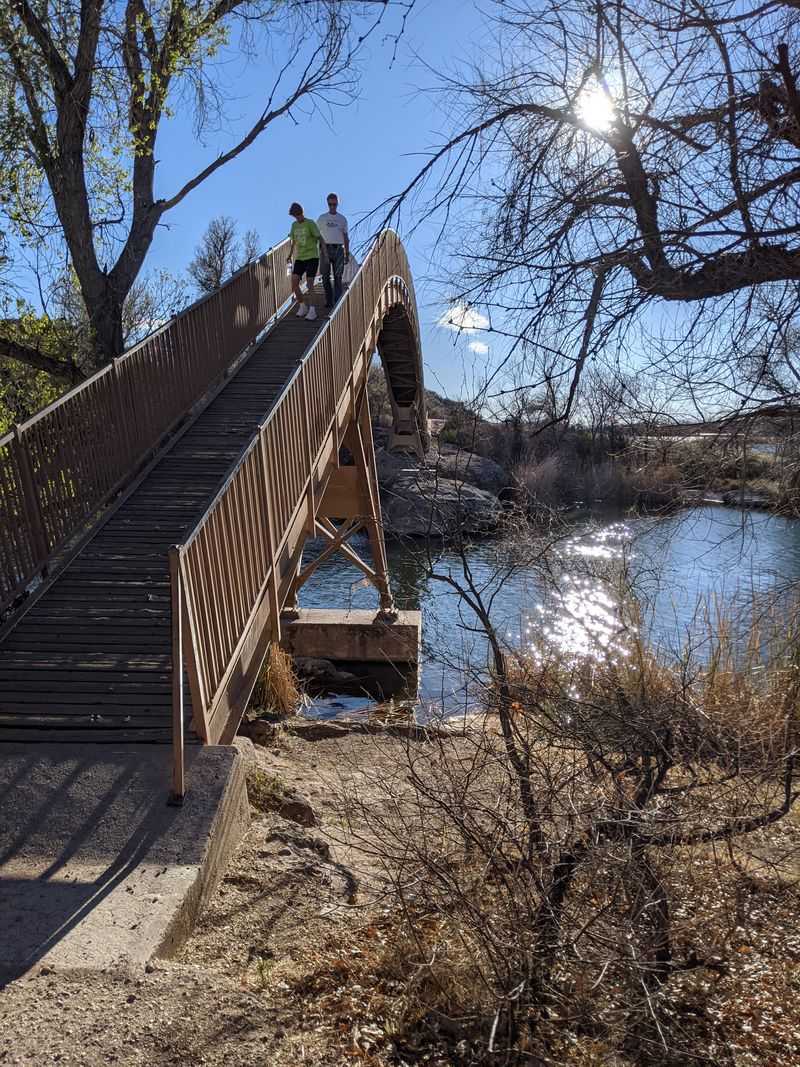
It sits near Patagonia, close enough for a casual day trip but far from the churn of major highways. You can park, lace up, and be on a quiet trail within minutes.
Somehow it stays off most itineraries, which deepens the sense of discovery.
The roads in are straightforward, with desert views widening as you approach. Town comforts remain nearby if you need a snack or extra water.
Yet the moment you enter the natural area, the human world softens into background.
This balance of access and seclusion is rare. You do not need a high clearance rig or complex permits to find peace.
You just need time and a willingness to let the day unfold without rushing.
Because it is overlooked, you often share the place with very few people. Encounters become friendly nods rather than queues.
Trail conversations happen quietly, then fade, leaving only wind and birdcall.
The drive home is easy, too. With minimal traffic, the calm follows you down the road.
It is the kind of access that makes returning feel effortless and desirable.
Perfect for Travelers Seeking Stillness
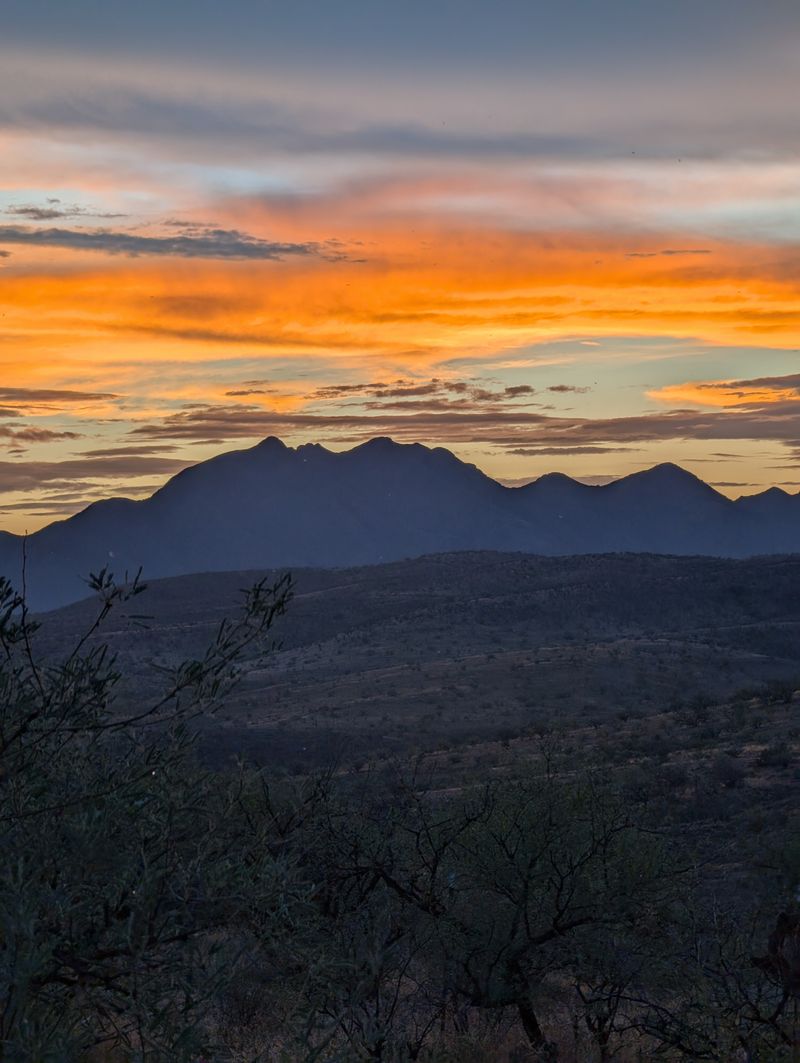
If you measure a trip by how rested you feel after, this place ranks high. Hikers, birders, photographers, and nature lovers find exactly what they came for: quiet.
Stillness here is not absence; it is a full presence that clears mental clutter.
Photographers catch soft light under cottonwoods and wide horizons on nearby hills. Birders tune in to calls that would be drowned out elsewhere.
Hikers wander without watching the clock, easing into a rhythm that suits the terrain.
There are few distractions, so attention sharpens. You notice cloud shadows sliding like ships across the grasslands.
You notice how your breathing changes near water and how colors warm at the edge of day.
Even short visits deliver calm. A two hour stroll can reset your mood more effectively than a packed weekend elsewhere.
The stillness feels generous, offering room for thought and room to simply be.
If your style favors serenity over spectacle, you will feel at home. Bring patience, water, and curiosity, and let the day expand.
The reward is a kind of quiet you can carry with you afterward.
Best Time to Experience the Magic
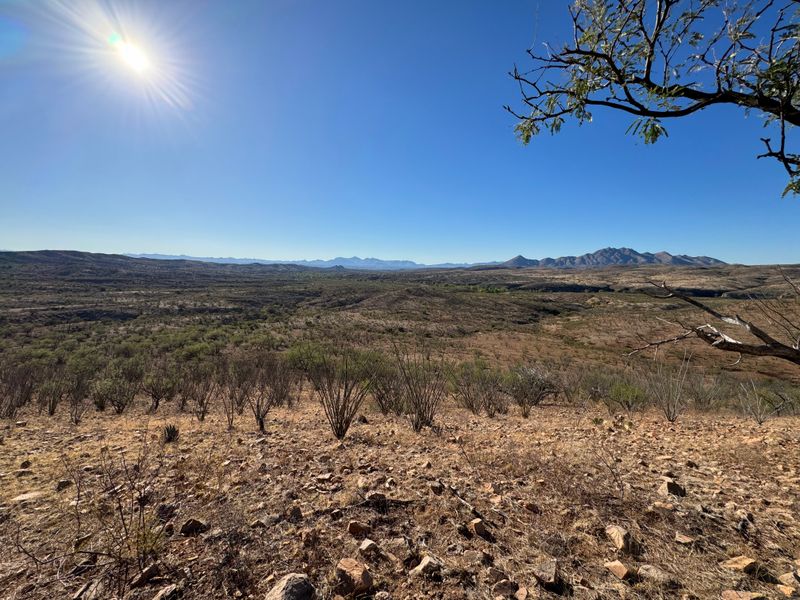
Spring and fall deliver the sweet spot. Temperatures calm, wildlife activity rises, and the creekside greens glow with new leaves or late season richness.
You move comfortably for hours without chasing shade.
Early mornings reward the most. Mist sometimes hangs in the cottonwoods, and sound carries gently along the water.
Birds wake in layers, each call adding to a steady crescendo that feels like a welcome.
Afternoons can still warm, so plan breaks by the creek. Evenings bring long shadows and color that deepens to copper and rose.
If you time it right, you get soft light on grassheads and a sky with delicate pastels.
Winter offers clear air and big views if you pack layers. Summer can be hot, but monsoon clouds build drama and late day relief.
Whatever the season, the earlier you start, the more solitude you enjoy.
Check conditions and respect closures if they appear. This is a living landscape with needs that shift.
When you tune your plans to the rhythms here, the place consistently shows its best.
Why It Hasn’t Been Overrun — and Why That Matters
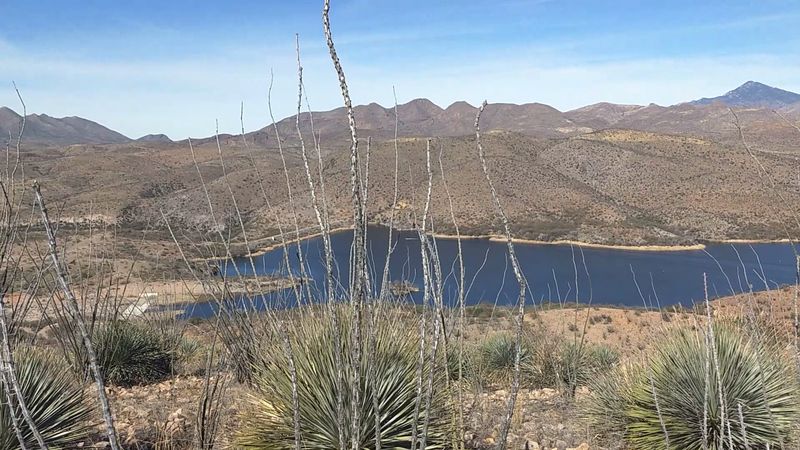
Conservation first management keeps development low, which naturally limits crowds. Word of mouth guides most visitors, so hype has not overtaken the experience.
Without big event infrastructure, the area stays tuned to natural rhythms instead of schedules.
That restraint protects sensitive habitats. Trails avoid critical zones, and facilities remain modest but sufficient.
The result is a place that absorbs visitors gently rather than wearing down under pressure.
For you, this means space to think and breathe. It means hearing birds over engines and seeing stars without campground glare.
It also means you share responsibility for keeping the balance intact.
When you walk softly, pack out fully, and respect seasonal guidance, you become part of the reason the area stays peaceful. Every considerate choice adds up across seasons.
The character of the park depends on those quiet decisions.
Staying under the radar is not an accident; it is an ethic. That ethic shapes your visit into something durable.
You leave with gratitude and a gentle promise to return the favor.
Easy Planning Tips and Etiquette
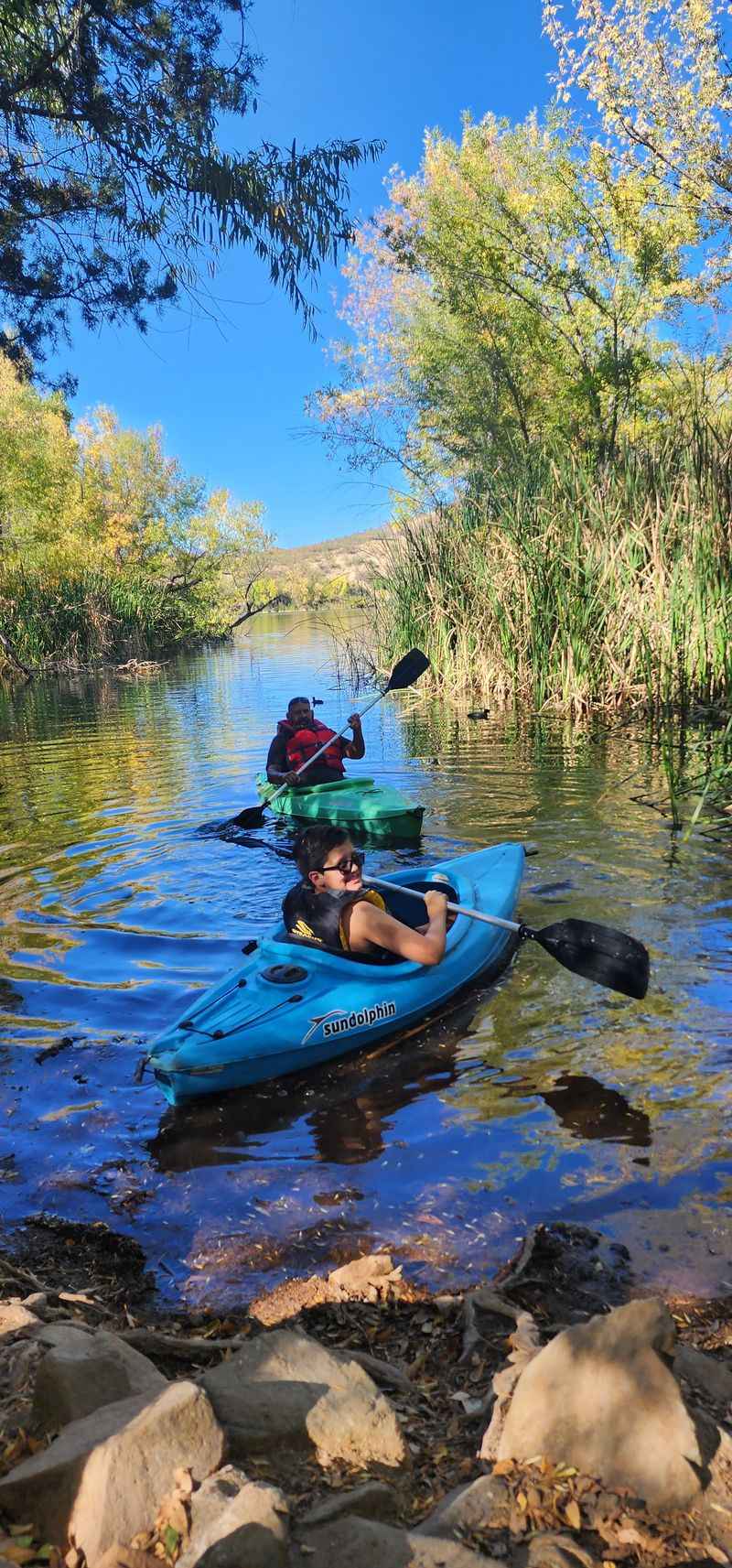
Bring water, sun protection, and good shoes. Cell service can be patchy, so download maps ahead of time.
Let someone know your route if you plan a long loop or an overnight.
Respect the riparian zone by staying on established paths. Pack out every scrap, even tiny bits, and avoid soap in the creek.
Keep voices low so wildlife keeps to natural behavior and other visitors can enjoy the quiet.
For birders, a compact pair of binoculars and a notebook help you track sightings. For photographers, a light tripod and polarizer can make water and sky shine.
Everyone benefits from layers because temps shift between hills and creek.
Check for closures and weather before you go. Monsoon season can raise water quickly, so be ready to turn back if conditions change.
Flexibility is part of visiting a living landscape.
Most of all, move with patience. This is a place that shows itself when you unhurriedly look.
Good etiquette keeps it that way for the next person who needs the same calm.
The Kind of Place That Stays With You
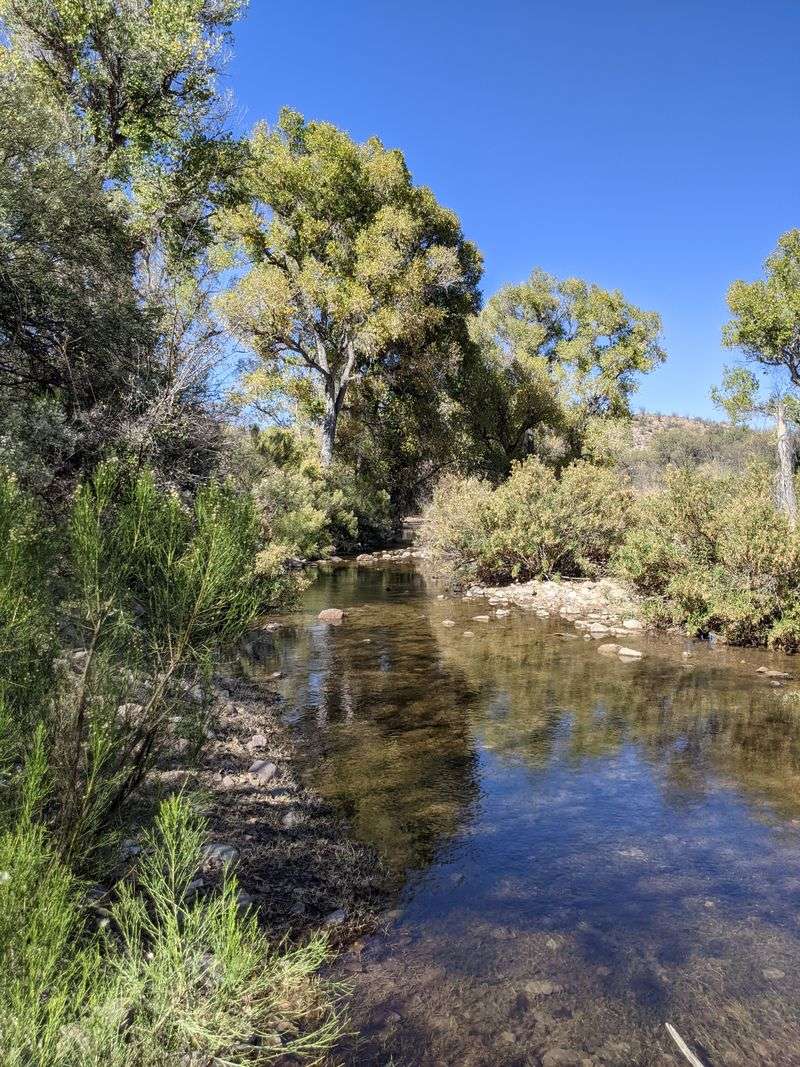
Some landscapes rush you, but this one lingers. The memory is not a single view; it is the soft shuffle of water and the breath of grass under open sky.
Days after you leave, the hush still rides with you.
You remember how your shoulders dropped the moment you hit shade. You remember the sudden flare of a flycatcher and the steady patience of a heron.
Even the road out feels calmer because your pace has reset.
Places like this are rare because they are not built for spectacle. They are tended so they can keep teaching you the same lessons over time.
If you return in another season, the tone shifts, but the quiet holds.
Let the creek write its tempo into your stride. Let the cottonwoods mark time in leaves, and the hills open your gaze.
The gift here is not a checklist; it is a renewed capacity to notice.
Carry that noticing home. Bring it to your neighborhood walk, your morning coffee, your next busy day.
That is how a visit becomes something larger than a trip.