Some places don’t look real until you’re standing inside them.
Castle Crags State Park is one of those rare landscapes that feels more like a painting than a destination. Jagged granite towers rise straight from the forest floor, catching light in ways that make you stop mid-step just to stare.
The air feels quieter here.
The views stretch wider.
And every angle seems carefully arranged, as if nature paused and decided to show off.
Tucked beneath Mount Shasta in Northern California, this park doesn’t shout for attention — it simply waits, letting its towering stone spires and river-carved canyons speak for themselves.
One visit is enough to understand why people leave convinced they’ve stumbled into somewhere almost unreal.
A Landscape That Looks Painted
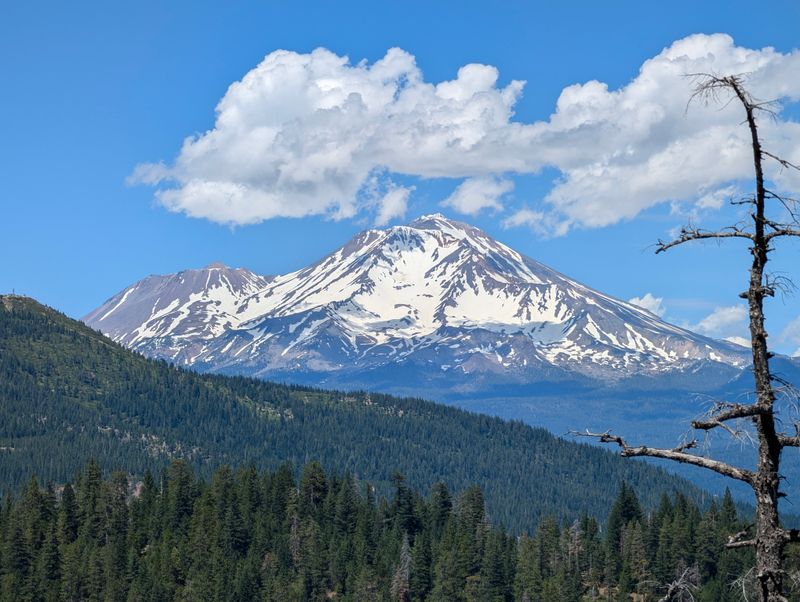
First glance and your brain quietly whispers, that cannot be real. Castle Crags stacks granite spires like a painter layering careful strokes, each ridge edged with light and shadow.
Pines flood the lower slopes in deep greens that make the rock faces look even paler and sharper.
Stand still and you hear the hush that comes with big scenery, the kind that slows your thoughts to match the pace of drifting clouds. I remember my first visit, tongue-tied by the scale, laughing at how small my day’s worries suddenly felt.
The spires catch sunrise as if someone flicked on a backstage spotlight just for them.
Color shifts by the hour here. Midday gives pure whites and hard lines, while evening warms the granite into honeyed tones that feel cinematic.
You can point the camera in any direction and get a keeper without trying.
It is not just a pretty backdrop though. The crags shape the wind, throw cool shadows onto trails, and frame the sky like a cathedral roof of stone.
Even the river below seems to move more quietly, as if performing in a gallery.
From overlooks, the panorama reads like a hand-tinted postcard that never fades. Look long enough and details pop out, from quartz seams to hawks surfing the thermals.
You leave promising to return with more time, better snacks, and an extra memory card.
Where Castle Crags Is Located
Here is the quick scoop on the map before your curiosity outruns your fuel gauge. Castle Crags State Park sits in Northern California, tucked neatly between Sacramento and the Oregon border.
It rides the shoulder of Interstate 5, a welcome pause button in a sea of highway miles.
Mount Shasta hovers to the north like a snowy supervisor keeping everyone honest. You exit near the small town of Castella, then wander a short distance into pine country where road noise melts away.
I pulled off during a long drive and ended up staying hours longer than planned, grinning at the detour.
The Sacramento River threads the base of the park, carving a cool corridor that contrasts with the stern granite above. From the freeway, glimpses of the crags tease you through the trees, like a trailer for the full feature waiting up the road.
Once inside, the route narrows and the air smells like sun-warmed needles.
It is a strategic spot for weekenders and road trippers alike. Close enough for spontaneity, far enough to feel like a real escape.
You can tag it onto a Mount Shasta exploration or use it as a stand-alone destination.
Parking lots hug trailheads, and signage is friendly without oversharing. The location puts weather on a rotating playlist, so check forecasts before committing to long hikes.
Either way, the setting delivers on the promise you saw from I-5 and then some.
The Iconic Granite Spires
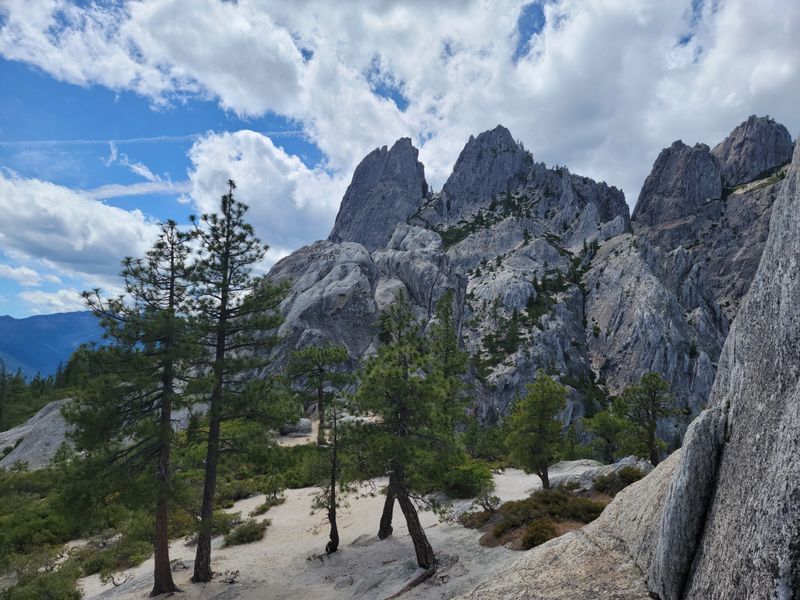
Sharp enough to snag a passing cloud, the granite spires here define the skyline with audacity. They rise like a stone choir, each pinnacle singing its own crisp note against the blue.
Light clings to their faces, revealing cracks, crystals, and the kind of texture climbers dream about.
Every angle gives a new personality. Some towers look regal, others wild, and a few seem to be mid-argument with the wind.
I caught myself naming them, which is apparently what happens when rocks feel this animated.
From valley floor to high rampart, the forms step upward in jagged rhythms. Birds of prey carve circles in the air, stitching motion into the stillness.
When clouds drop low, the spires pierce the mist and turn the place into a stone theater.
Up close, the granite shows flecks of quartz that sparkle when the sun hits just right. Step back, and the whole crown assembles into a silhouette that photographers chase at sunrise and dusk.
You do not need to climb a thing to feel the pull.
These spires are not just scenic props. They dictate trail routes, cast epic shadows, and spark endless conversation at viewpoints.
You leave with a stiff neck from looking up and a camera roll that finally justifies the extra battery.
A Geological Story Millions of Years in the Making
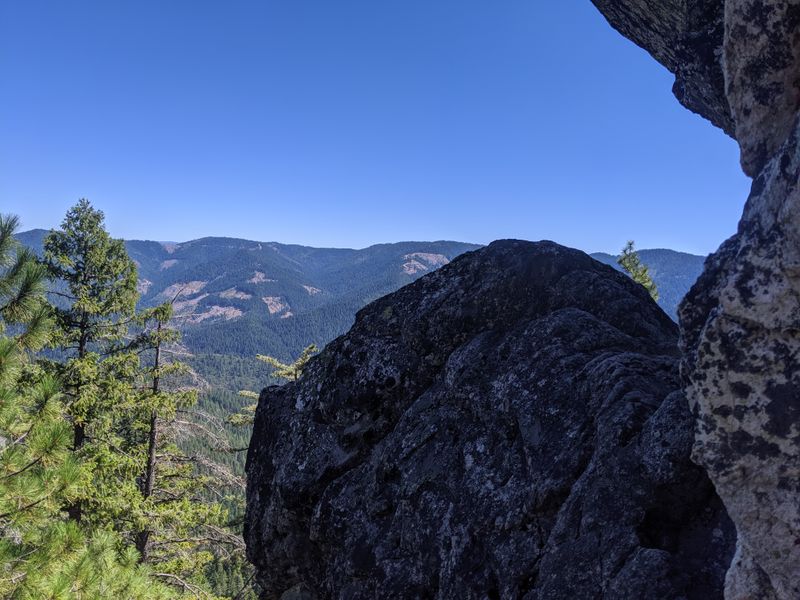
Science brings the receipts for all this drama. The granite you see cooled deep underground, a slow birth that locked in strength and sparkle.
Over millions of years, uplift raised the mass toward daylight and handed it to weather like a sculptor’s block.
Glaciers went to work with patient force, sanding, plucking, and carving the faces we gawk at today. Meltwater followed, along with wind and seasonal storms, nibbling edges and deepening joints.
I like how the story turns time into an artist and gravity into a chisel.
The result is a fortress of resistant rock standing proud while softer neighbors wore away. You can trace glacial polish on certain slabs if the light cooperates.
In cracks, lichens set up tiny laboratories of color, slowly rewriting the surface grain by grain.
Geology guides your footsteps too. Trails swing along weaknesses in the rock and slip through passes where ice once flowed.
Even the river below aligns with structural lines, reading a map written in stone.
When the sun leans low, all those textures announce themselves in bold type. It is the park’s long biography summarized in shadows.
With each visit, the timeline gets clearer, and the wonder only deepens.
Views That Stop You in Your Tracks
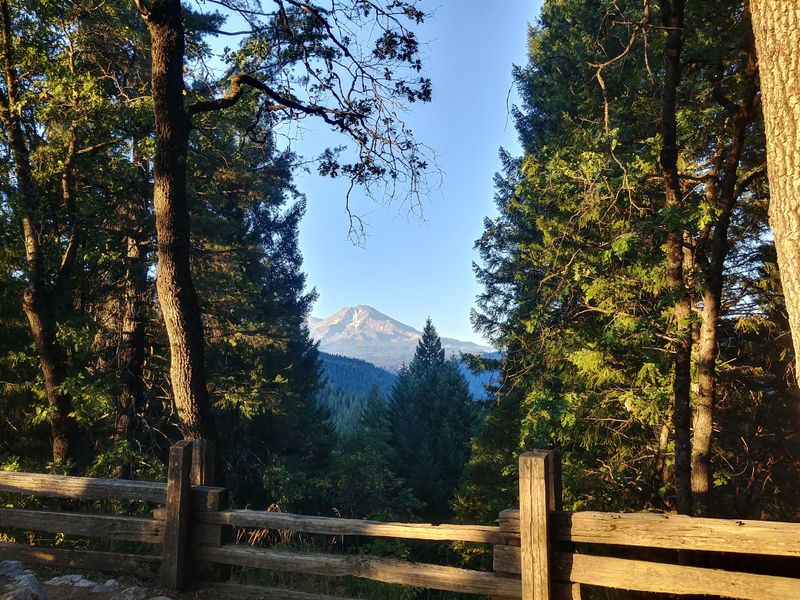
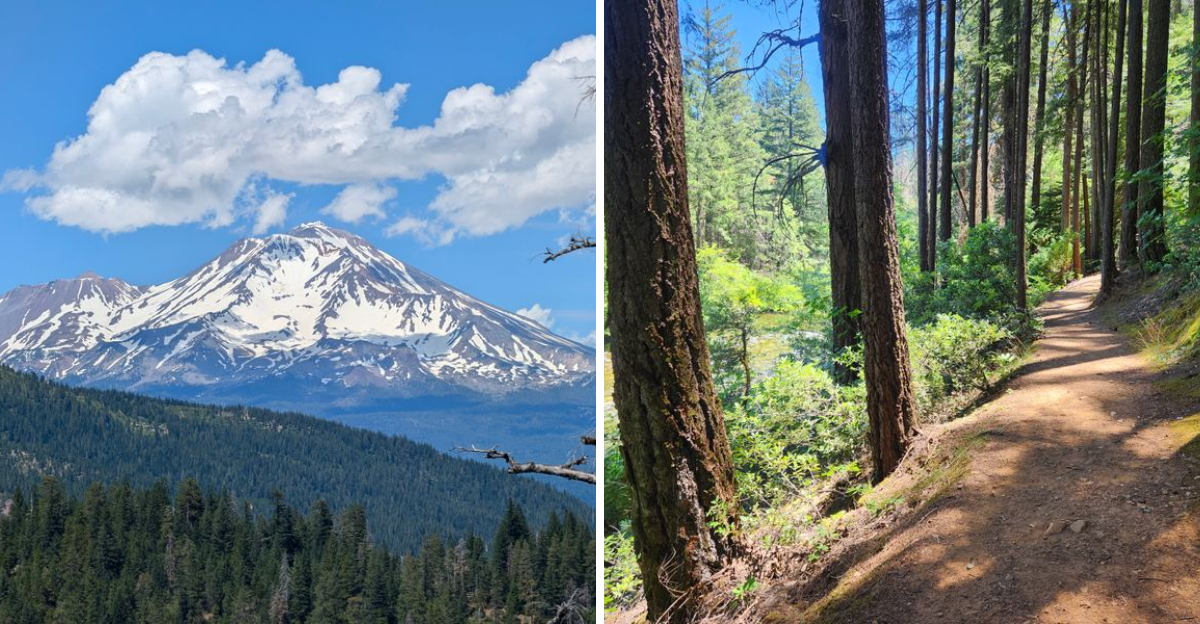
Your feet will hit the brakes before your mind catches up. Overlooks here frame Mount Shasta like a polite giant waving from the horizon.
The Sacramento River canyon slices through the foreground while pine ridges stack in soft blue layers.
Find a quiet rock and let the scene do the talking. I once planned a five minute stop and sat there until my snack stash surrendered.
The light kept shifting, editing the composition without asking permission.
Morning offers clarity and crisp air that makes the distant snowline pop. Afternoon adds warmth to the granite and whispers through the needles.
At sunset, shadows stretch like velvet ribbons across the slopes.
Photographers drift between pullouts like bees working a field. Casual visitors point, nod, and then go silent, which might be the highest compliment.
You do not need fancy gear to feel the moment land.
With or without clouds, the scene carries depth that sneaks into your memory. The views hold still long enough for wonder to arrive, then surprise you with a new angle as you breathe.
It is a pause worth planning your day around.
Trails That Feel Like a Journey Through a Postcard
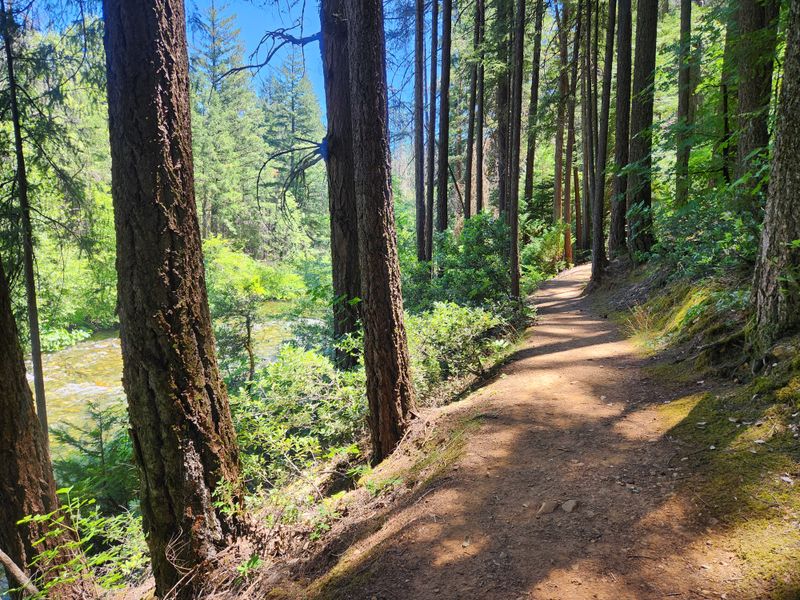
Lace up, because the park’s best secrets hide just past the next bend. The Castle Dome Trail climbs with purpose, trading small talk for big scenery.
Each switchback hands you a fresh perspective on the spires until the skyline feels close enough to greet.
Root Creek Trail plays it cooler, gliding through shade and whispering water. I love how the forest hush sets a peaceful pace that still delivers views when you pop into clearings.
The creek itself makes a fine excuse for a snack and a sit.
Trail surfaces vary from smooth dirt to rocky steps that demand attention. Bring water, respect the heat, and pack your patience for steep sections.
The reward comes layered in vistas, textures, and satisfying fatigue.
Season matters, but not the way you think. Spring brings flowers and lively water, while fall gifts crisp air and quieter paths.
Summer heat nudges early starts, which also means dreamy morning light.
Navigation is straightforward with posted signs and well worn corridors. If you like branching adventures, side paths tease additional angles on the crags.
By the time you return to the car, the postcard feeling will have stamped itself on your memory.
The Sacramento River Below
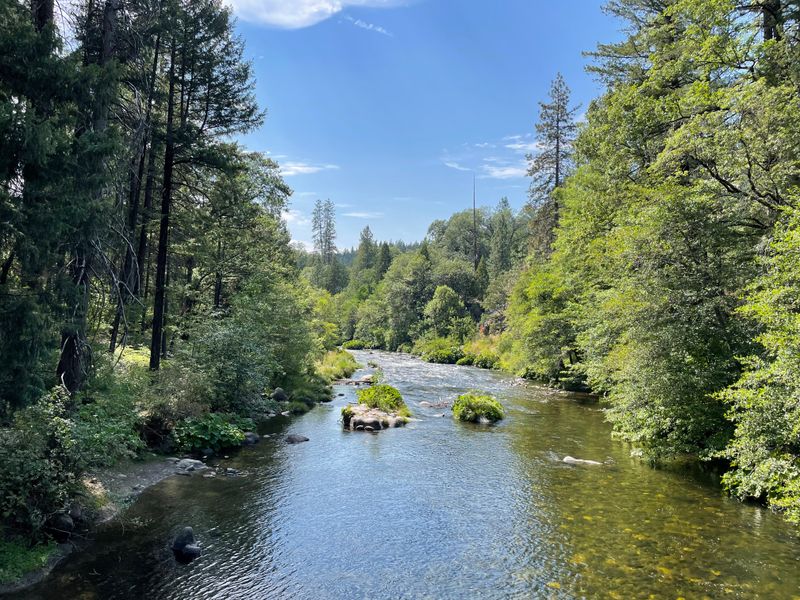
Follow the sound of moving water and the mood shifts instantly. The Sacramento River slides past the park with a calm confidence that balances the cliffs above.
Pebble bars and smooth boulders make perfect perches for ten minute breaks that turn into twenty.
Anglers watch the current like it is a language, and honestly, it becomes one. I sat once with boots off, letting cold water erase trail dust while swallows stitched arcs overhead.
The contrast between relaxed river and stern granite is the whole show.
Morning mist sometimes drifts low, adding softness to a landscape that usually shouts with edges. Dragonflies patrol the sunny patches and the breeze carries the clean scent of wet stone.
If the world feels loud, this is the volume knob.
Access points are straightforward, with paths that hug the banks and small pockets for lingering. Be mindful of flow conditions and give wildlife plenty of space.
A simple picnic here feels upgraded without trying.
When you finally stand up to leave, the crags seem taller, as if the river polished your senses. The water threads the day together and sets a steady rhythm.
It is the park’s heartbeat, quiet but unmistakable.
Wildlife and Wildflower Encounters
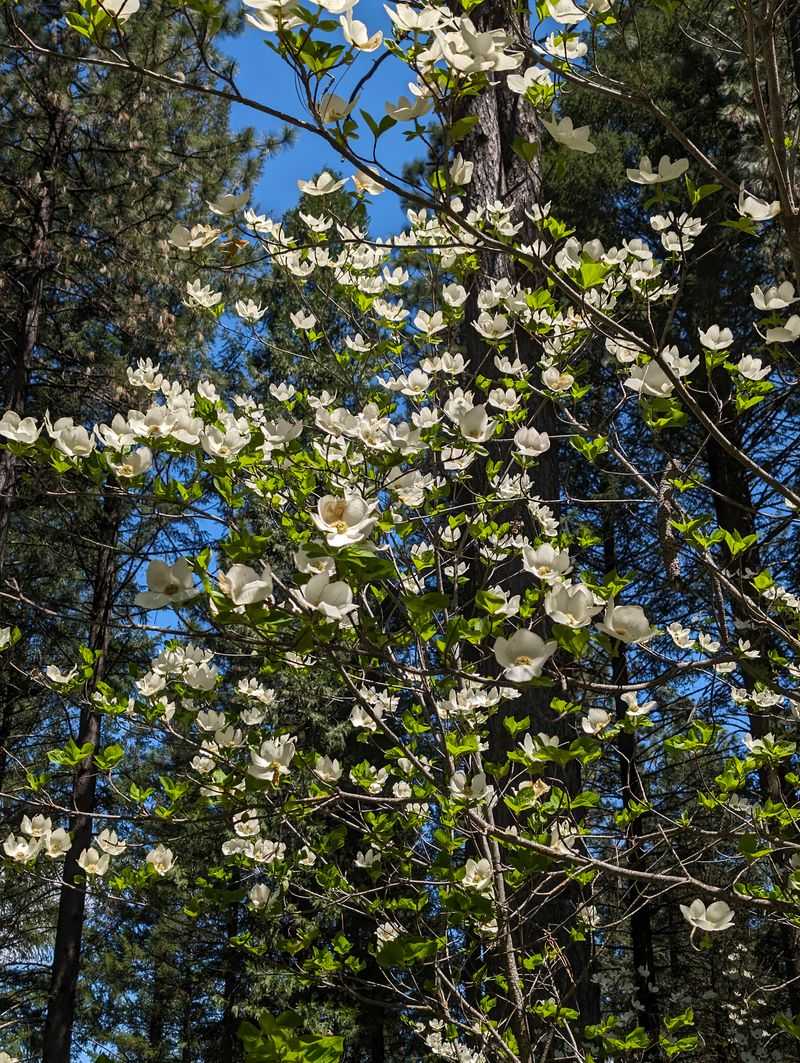
Keep your eyes open, because the quiet parts of the park like to surprise you. Deer step from the trees with that careful, curious look that makes everyone freeze.
In spring, the understory erupts with color as lupine and paintbrush dot the greens.
Birds of prey ride thermals off the cliffs, tracing confident circles in the blue. Woodpeckers handle percussion duty in the forest band, while jays announce your approach with flair.
I once rounded a corner and met a lizard doing push ups like it owned the trail.
Wildflowers soften the hard geometry of granite, tucking color into cracks and meadow edges. Bees move with steady concentration, and butterflies take the scenic route on purpose.
Each bloom pulls your gaze down to the small miracles underfoot.
Keep a respectful distance from all animals and stay on trail to protect delicate zones. Early mornings and late afternoons often deliver the best sightings.
Binoculars earn their pack space on this terrain.
Seasonal variety keeps repeat visits fresh. When the blooms fade, seed heads add subtle patterns, and fall brings a clear hush to the woods.
The park’s living layer gives the rock cathedral a warm chorus.
Camping Beneath the Crags
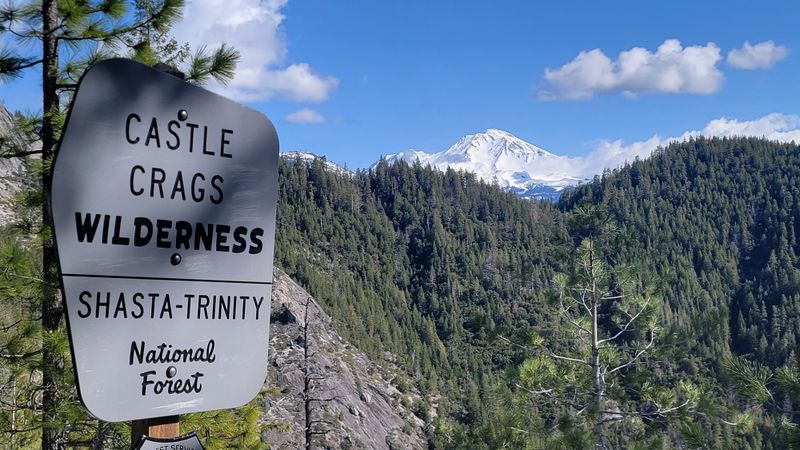
Nights here come with a ceiling of stone and a chorus of crickets. The campground tucks into the pines, with sites that feel close to nature without losing the basics.
You unzip the tent at dawn and the crags are right there, looking heroic before coffee.
Evenings drift by with campfire talk and the occasional owl commentary. I love how the air cools quickly, inviting a sweater and a second marshmallow.
Shadows stretch, stars spark on, and the rock walls turn to silhouettes.
Bring a headlamp, pack layers, and plan for quiet hours that let the forest breathe. Facilities are simple and clean, so you can focus on the good stuff like fresh air and unhurried time.
A short walk puts you on trails before other folks stir.
Reservations help in peak seasons, and shoulder months reward the planners. Summer can run warm, but shade and evening breezes balance it out.
Mornings deliver golden light that makes breakfast taste better.
Expect a grounding kind of comfort. The tent walls feel thinner here in the best way, like the night wants to include you.
By sunrise, you will be half packed for another day on the trail.
A Photographer’s Dream
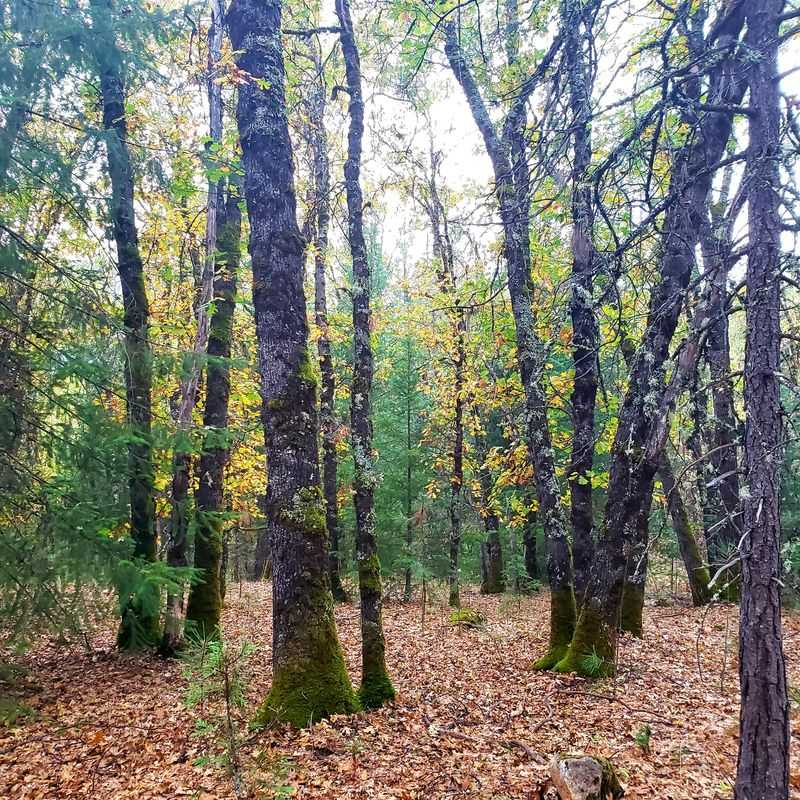
Light here behaves like it got stage directions. Sunrise washes the spires in pinks and golds that make sensors sing.
Sunset brings warm edges and deep shadows that carve definition into every ridge.
Bring a tripod if you like long exposures or bracketing, and a cloth to manage dust. I chased first light to a small overlook and ended up whispering wow to no one in particular.
The color shift happens fast, so plan your angles before the show starts.
Wide lenses celebrate the crown of rock and surrounding forest. Longer glass picks out textures, raptor flights, and quartz seams flashing in sun.
Midday still works if you lean into black and white or hunt for patterns.
Clouds are your best friend, adding drama without blocking the view. After storms, the air clears and distances look freshly minted.
Reflections down by the river give you a second take on the same scene.
Respect closures and keep to durable surfaces while scouting. Good shoes help you focus on framing instead of footing.
With patience and a little luck, the gallery basically assembles itself.
A Less Crowded Alternative to Nearby Icons
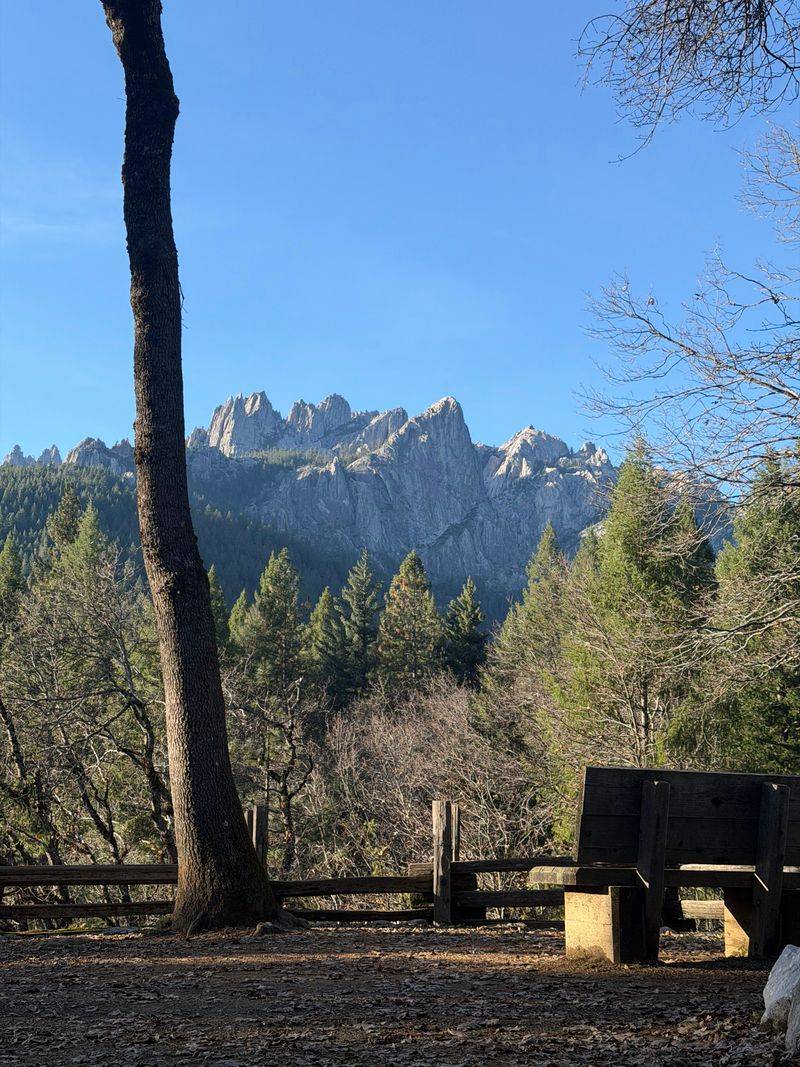
If you prefer your awe with elbow room, this is your spot. Castle Crags delivers headline scenery without the blockbuster crowds.
Trails breathe, overlooks whisper, and parking lots rarely turn into puzzles.
Yosemite and popular Shasta areas are legends for a reason, but peace has its own sparkle. I have had entire viewpoints to myself here, a rare treat in California.
The quiet turns up the volume on wind, birds, and your own thoughts.
Fewer people means more flexibility for timing and pacing. You can pivot plans without a chorus of honks or a shuttle schedule dictating your day.
Even on busy weekends, you can find a corner that feels personal.
Facilities keep it simple, which helps hold the vibe. The park feels wild without being punishing, especially if you choose your trails wisely.
It rewards the early riser and the off season explorer.
Come for the calm, stay for the views that should be famous but are happy keeping secrets. You will leave rested instead of wrung out.
That alone makes it an easy choice.
Best Times to Visit for Maximum Beauty
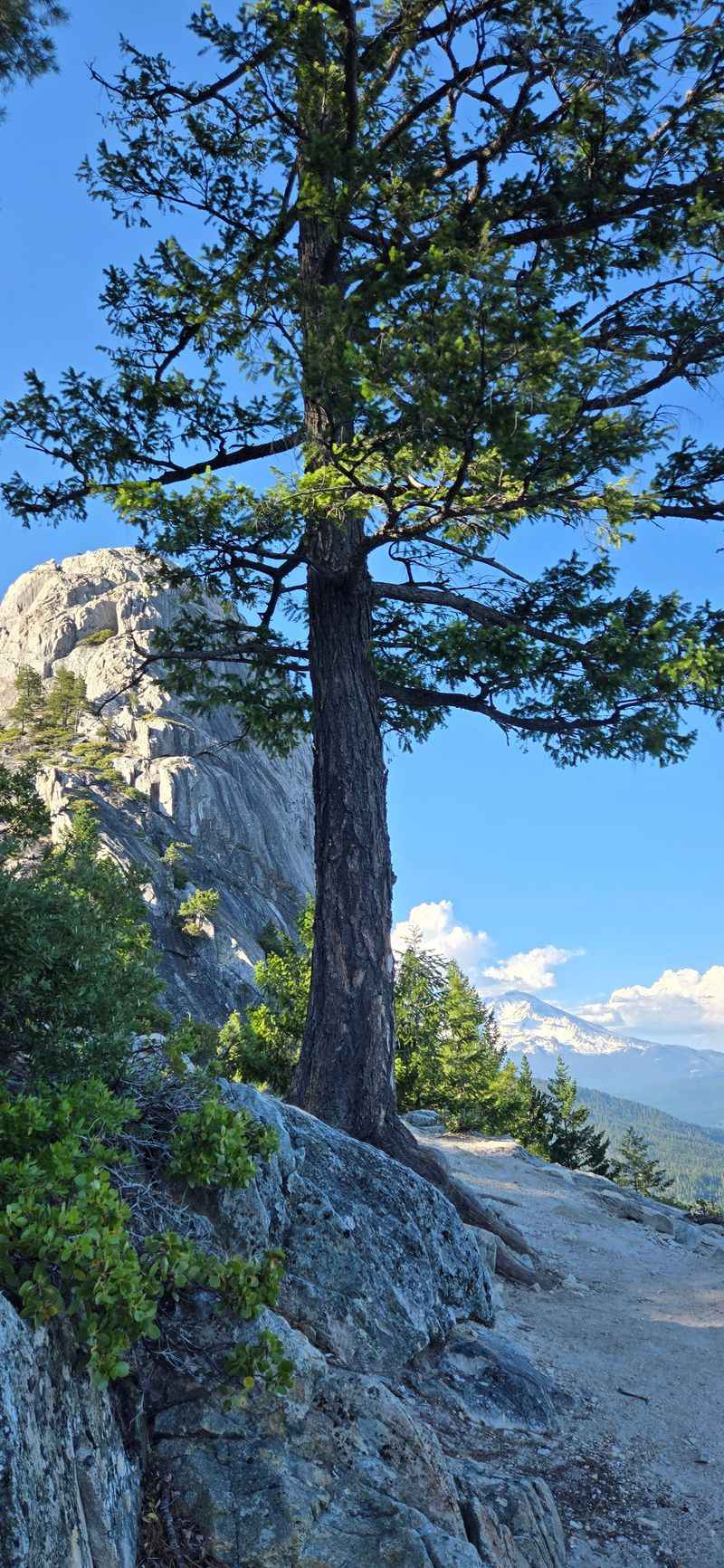
Timing is your secret weapon here. Spring paints the lower slopes with flowers and sends water along creeks with cheerful purpose.
Temperatures stay friendly if you start early and chase shade in the afternoon.
Summer offers long days and reliable access, with morning light that flatters every ridge. I like dawn starts followed by lazy river breaks when the heat shows up.
Evening hikes deliver those golden outlines that feel tailor made for photos.
Fall brings crisp air, thinner crowds, and small bursts of color from oaks and maples. Trails feel snappier underfoot and the views stretch clean to Mount Shasta.
Cooler nights also level up the camping experience.
Winter can be a quiet wonder when storms dust the granite and the world turns calm. Check road conditions and dress smart, because cold here has opinions.
The payoff is stark beauty and silence that travels with you.
Whichever season you choose, aim for clear days after weather moves through. The visibility can feel brand new, as if the park just got polished.
Plan around sunrise or sunset and let the light do the heavy lifting.
Why It Barely Feels Real
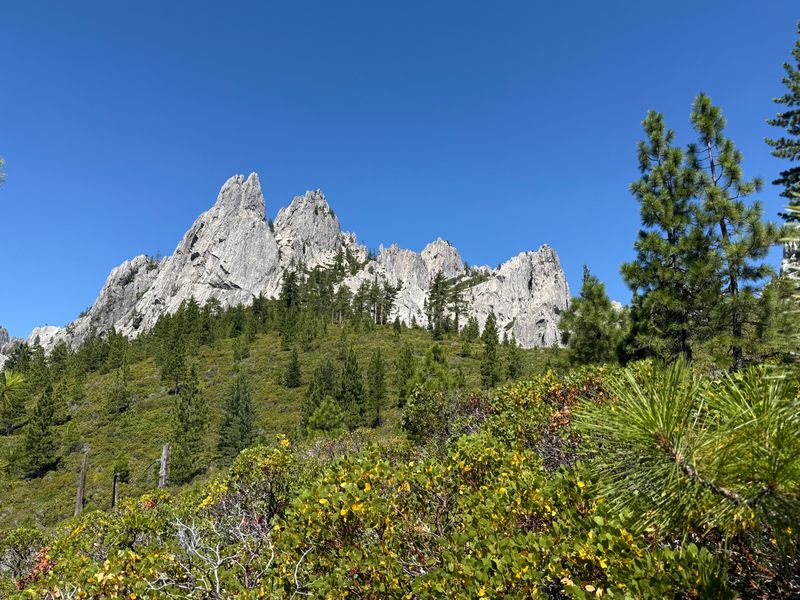
Some places take your sense of reality and gently stretch it. Castle Crags stacks scale, silence, and clarity until everyday perspective gives up.
The granite rises like a crown while the river whispers a steady soundtrack.
Light works overtime here. It polishes textures, sculpts shadows, and paints edges until the whole scene looks curated.
I remember standing in that soft dawn hush, stunned that a landscape could feel this composed without effort.
Distance plays games too, shrinking and swelling peaks as clouds drift. The forest stitches comfort between epic rock notes.
With each breath, the place becomes more convincing and somehow more dreamlike.
Take a seat and let time slow. Watch birds draw calligraphy in the sky and notice tiny flowers claiming their cracks in the stone.
The contrast adds up to a feeling you cannot pack but will carry anyway.
When you leave, the world looks slightly upgraded, like someone cleaned the lens. That lingering glow is why it barely feels real and absolutely feels necessary.
It is the magic you came for, and the reason you will come back.