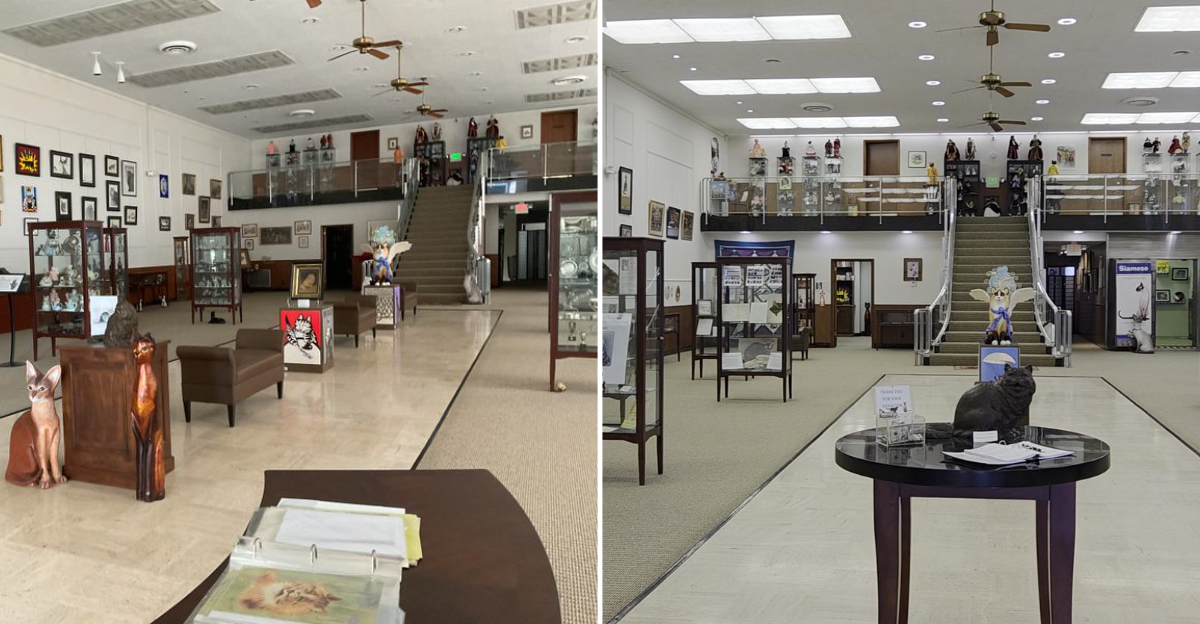
This is not a quirky roadside stop — it is a full-blown shrine to the cat.
Tucked away in Alliance, Ohio, America’s only official cat museum pulls you straight into a world where whiskers rule and history purrs back. One step inside, and the everyday disappears.
Curiosity takes over fast.
Ancient Egypt watches from the walls. Sacred felines stare with quiet authority.
Art, artifacts, and odd little surprises connect thousands of years of cat devotion in ways that feel playful and oddly powerful at the same time.
Every room leans into the mystery. Sculptures, paintings, and relics show how cats slipped from temples into homes, then into hearts.
You will laugh, pause, and suddenly realize how deep this obsession runs.
This museum does not whisper. It tells stories boldly, celebrates cats unapologetically, and invites you to see them as icons, muses, and legends.
Leave expecting a novelty. Walk out respecting the cat’s long reign.
A welcome to America’s official cat museum
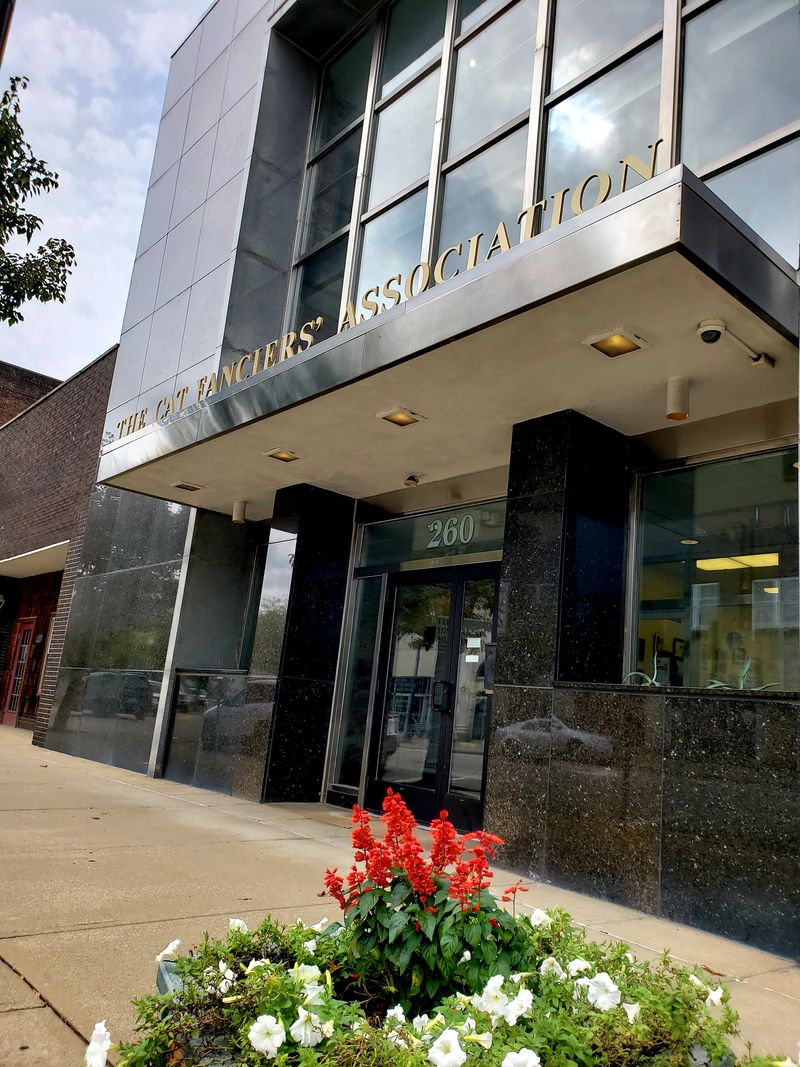
Step through the doors at 260 E Main St and you feel a quiet hum, like a library mixed with a gallery. The Feline Historical Museum carries the weight of being America’s official cat museum without losing its small-town charm.
You get the sense that everything here was chosen with love, from the front desk welcome to the first cases of feline art.
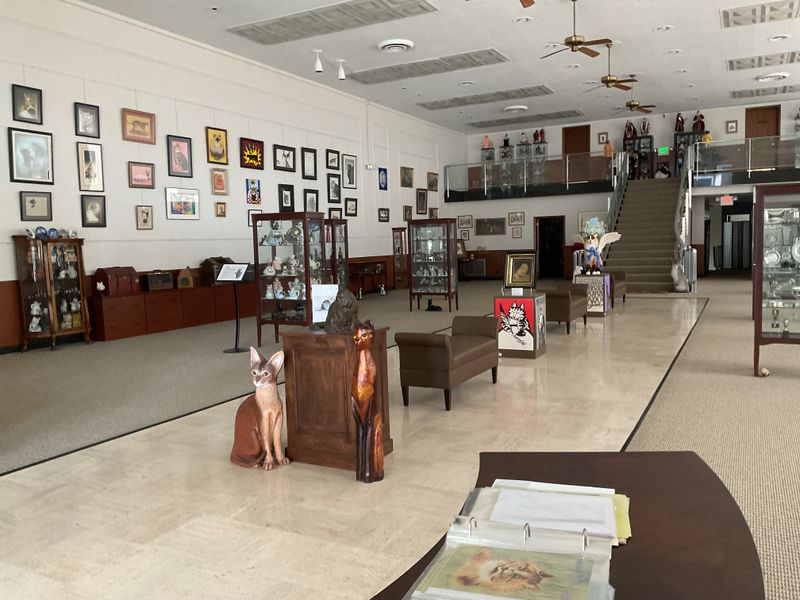
It is compact, yes, but organization shines. You move easily from early photographs to trophies from cat shows, learning how people and cats shaped each other.
The quiet sometimes surprises, and gentle background music would be nice, but the hush lets you linger longer.
Staff earn praise, especially Jamison, for warm, knowledgeable conversation. Hours can vary, so plan ahead, call first, and check social updates.
When it is open, you will feel like the exhibits unlock as you ask questions.
Expect a thoughtful blend of history and whimsy. Cookie jars and teapots share space with pedigreed medals and rare books, which somehow makes perfect sense.
Your visit begins with curiosity and quickly deepens into understanding why cats have shadowed human stories for millennia.
Ancient Egypt’s enduring feline mystique
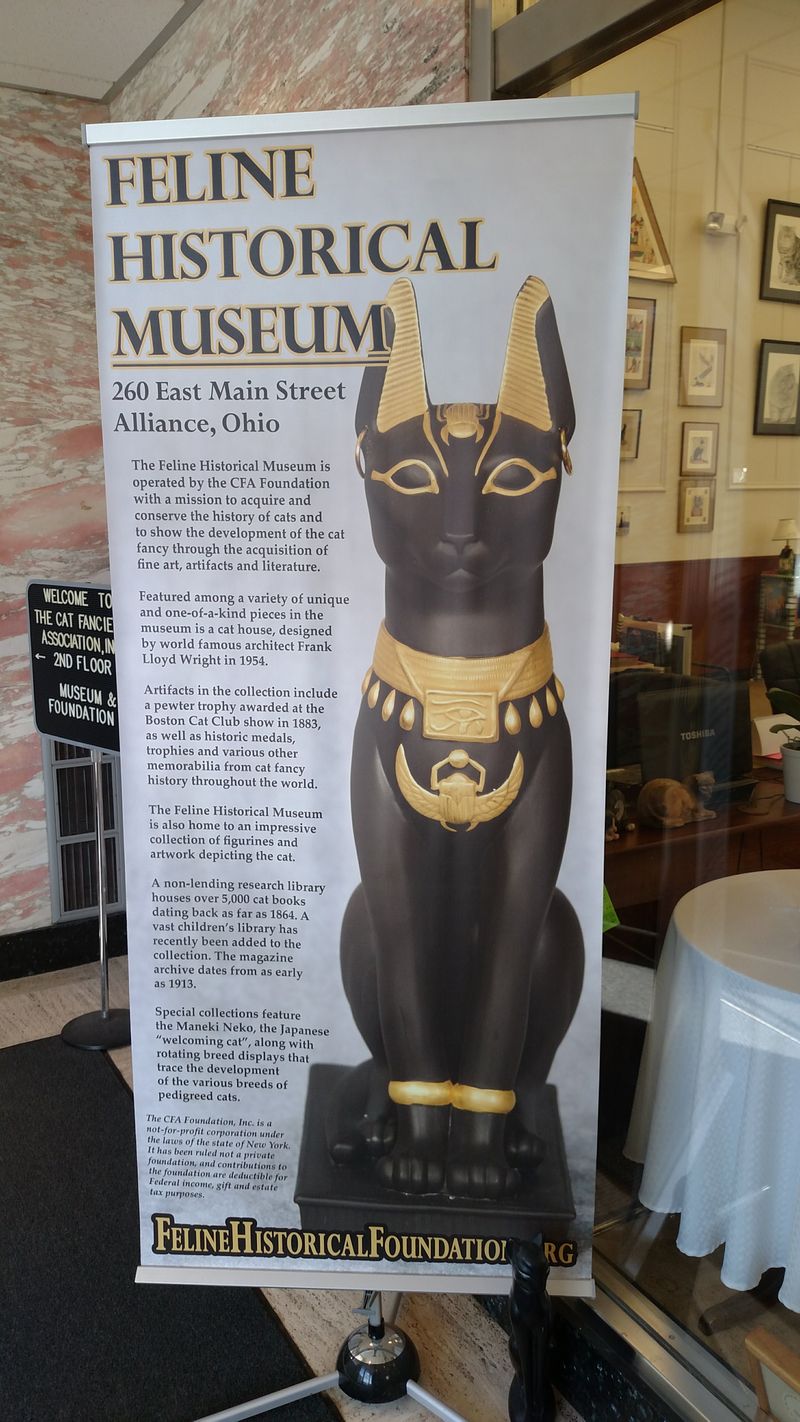
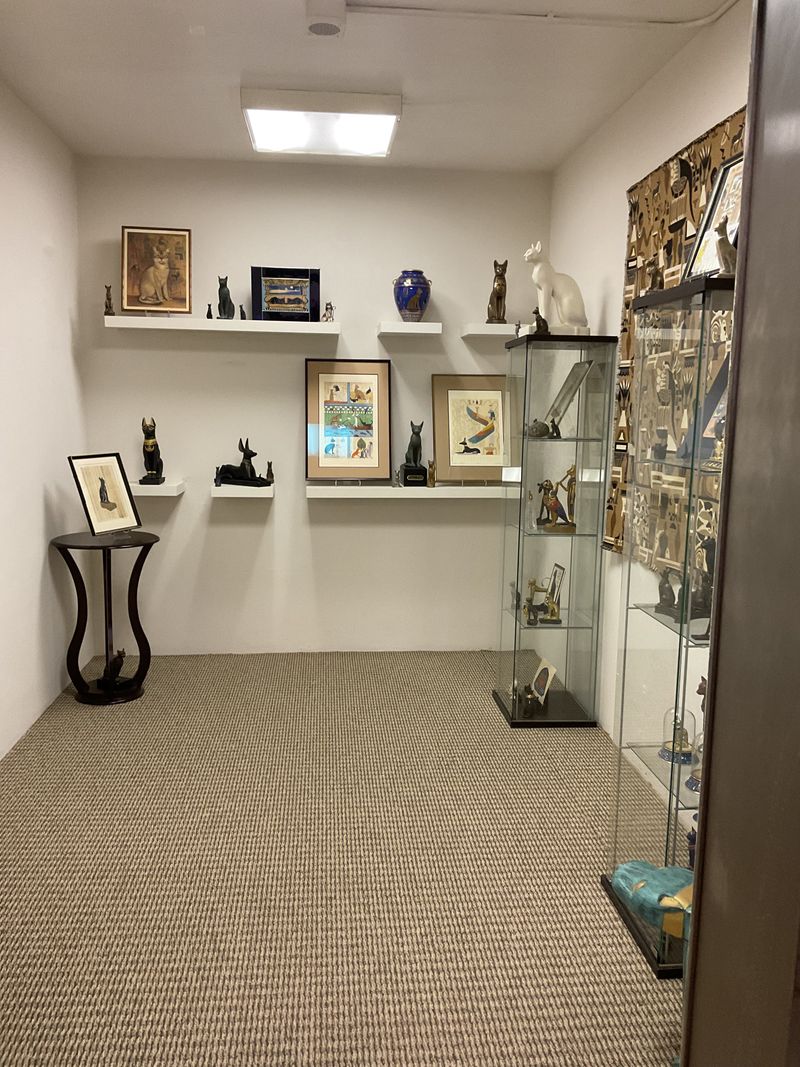
Ancient Egypt lingers here like desert light, lending the museum its mythic heartbeat. You will see Bastet forms and imagery that echo the world’s earliest cat devotion, bridging sacred and domestic roles.
Even a small display can transport you to temple courts and home altars where cats guarded grain and spirit alike.
Labels connect everyday life to ritual. They show how feline grace became a language for protection, fertility, and joy, shaping symbols that spread far beyond the Nile.
You start noticing those echoes in modern charms and ceramics across the museum.
The scale is intimate, but interpretation makes it resonate. Instead of overwhelming you with relics, the exhibit guides your eyes to details of posture, jewelry, and pattern.
It is the difference between scanning and truly seeing.
When you step away, contemporary pieces feel newly ancient. You catch how a sleek silhouette or poised tail repeats a 3,000-year conversation.
That thread from Egypt makes the rest of the museum feel like a living lineage, not just a collection.
Abyssinians and breed histories in focus
The museum’s breed history displays invite you to trace lineage like a family detective. The Abyssinian room, often mentioned by visitors, pulls you close with shimmering ticked coats in photographs and pedigrees.
You see ribbons, early standards, and stories of breeders who helped define the look we know today.
It is not just about appearance. Panels highlight behavior, health, and temperament, including how playful curiosity and athletic grace made Abyssinians favorites.
You realize breed history is culture history, shaped by shows, travel, and changing tastes.
Because space is modest, each case carries weight. A single vintage photo can reveal grooming practices or early judging criteria.
That restraint makes you pay attention, like listening to a whisper instead of a shout.
Breed enthusiasts will linger, but even casual visitors connect the dots. When you understand one breed’s journey, the medals and trophies elsewhere become richer chapters.
You leave knowing how a cat becomes a standard, and how people keep that standard alive.
Cat shows, trophies, and the sport of fancy
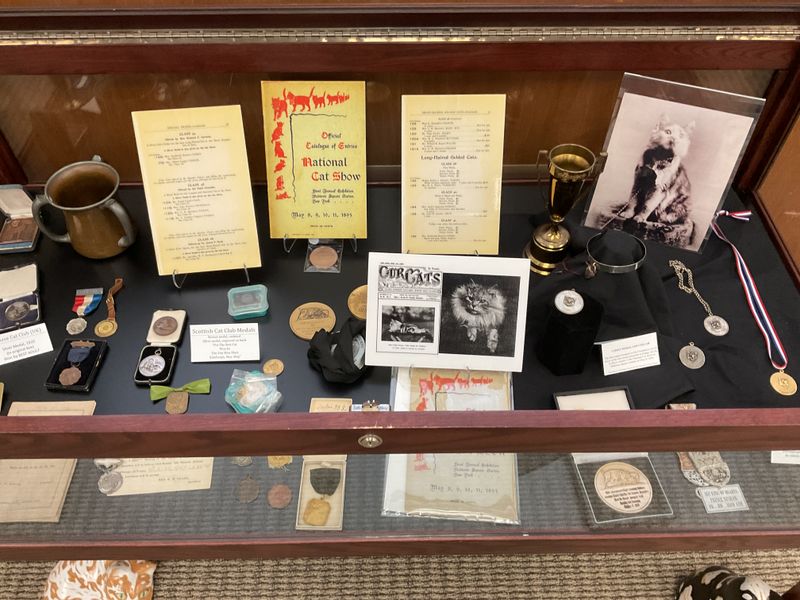
Turn a corner and the gleam of metal pulls you in. Trophies and medals from decades of cat shows line up like a time capsule of the cat fancy.
You can practically hear the hush of a ring and the judge’s calm hands as they examine a champion.
Interpretive notes explain how shows standardized breeds and raised welfare standards. You read about early registries, famous winners, and the evolution of judging.
That context makes a ribbon feel like a cultural artifact, not just a prize.
Photographs add faces and textures. From crisp whiskers to careful handling, you see respect for the animal shining through.
Kids often enjoy spotting rosettes and imagining their own cat in the spotlight.
For planning, check the museum’s schedule around major cat shows, since staffing sometimes shifts. If you arrive on a quiet weekday, you might have the cases to yourself.
Take your time, and the sport reveals its surprising depth and community.
The children’s corner and family-friendly finds
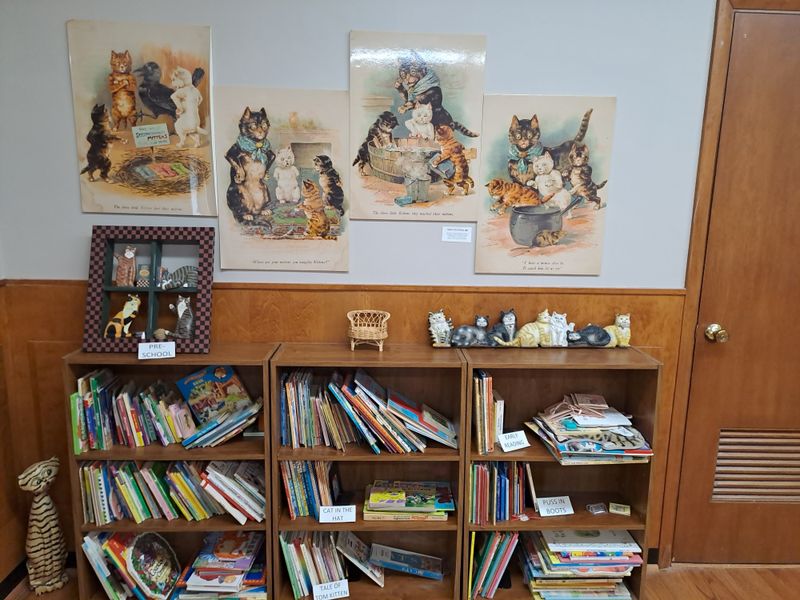
Bringing children is easy here. A dedicated kids area offers picture books, comfy seating, and hands-on moments that make cats feel approachable.
Parents can breathe while little ones flip pages and point at whiskered heroes.
Staff keep the space tidy and welcoming. The vibe is calm, more storytime than playground, so you will not worry about disrupting galleries.
Families can browse exhibits in short bursts, then regroup upstairs to read.
Reviews call it a lifesaver for toddlers and young readers. It also anchors the museum’s educational mission, showing how early curiosity becomes lifelong care and respect for animals.
If you have a future vet or artist, this corner sparks both paths.
Plan for a slow visit. Pack snacks for after, since food stays outside exhibit areas, and check hours to avoid disappointment.
With luck, you will catch a quiet stretch and turn pages together in peace.
The non-lending cat library with thousands of volumes
The library is the museum’s secret treasure, and it is massive for such a small place. Stacks of health guides, breeding manuals, folklore, kids books, and rare catalogs sprawl across decades.
You could lose an afternoon chasing footnotes from one shelf to the next.
It is non-lending, so settle in and read on-site. The staff can help you find pedigrees, veterinary references, or show catalogs, and the organization is better than many expect.
Quiet rules apply, which suits focused browsing.
Even skeptics end up charmed. If exhibits are the story, the library is the index and glossary, making every display richer.
You start recognizing authors and journals referenced in wall labels.
Bring a notebook and phone for citations, and confirm open hours before traveling. Some visitors wish the signage were clearer online, so call ahead.
When you leave, your camera roll will be full of spines and footnotes, and your brain buzzing with cat lore.
From kitsch to craft: teapots, cookie jars, and ceramics
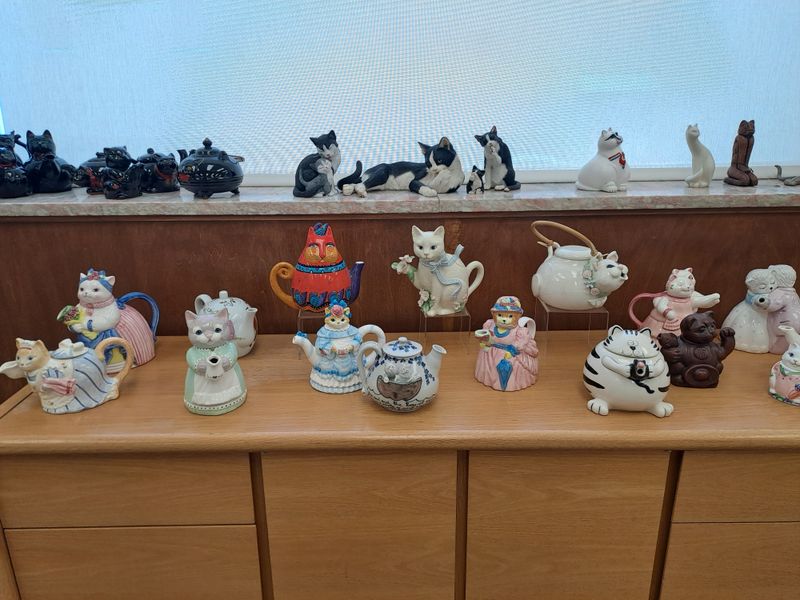
This is where the museum’s sense of humor shines. Rows of teapots, cookie jars, and figurines blur the line between kitsch and design.
You will smile at goofy grins and then admire glaze work that is genuinely gorgeous.
The curation nudges you to think about domestic life as cultural history. A cookie jar becomes a snapshot of midcentury kitchens, while minimalist ceramics whisper about modern taste.
You learn to take joy seriously.
Kids gravitate here, counting stripes and guessing breeds. Adults start comparing textures and noticing how motifs travel across continents.
It is easy to see why reviewers mention these shelves with affection.
Do not rush. Scan for makers marks, production years, and tiny surprises tucked between pieces.
When you step back, the collection reads like a chorus saying the same thing in many accents: cats make a house feel like home.
Maneki-neko and global good fortune
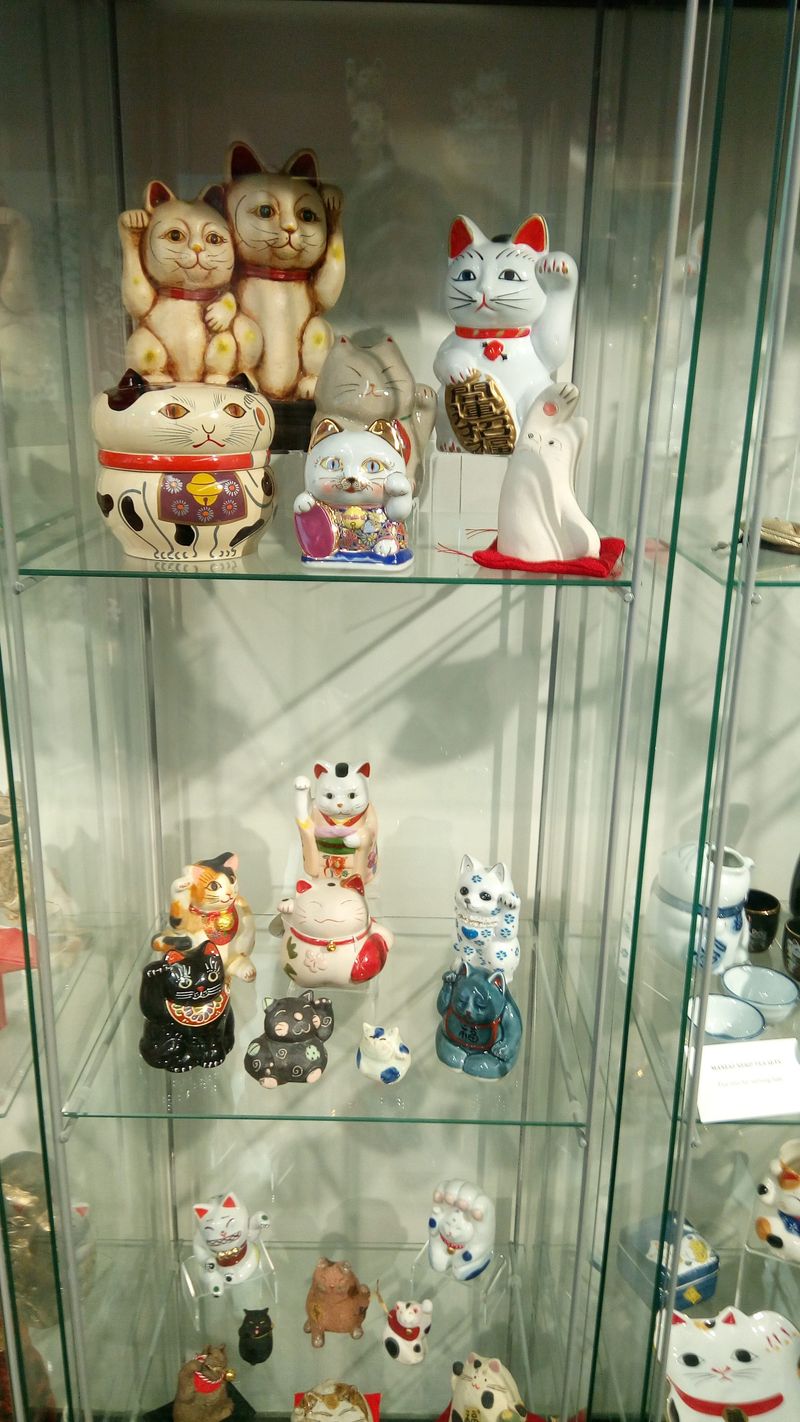
One room glitters with raised paws. The maneki-neko collection shows how a single gesture can cross oceans, changing colors and meanings along the way.
You will find ceramic classics, modern plastics, and handcrafted pieces with stories attached.
Labels unpack symbolism. Left paw invites customers, right paw invites wealth, and color shifts from gold to calico add layers.
Suddenly the souvenir from a shop window reads like a cultural map.
This exhibit bridges the museum’s global perspective. From Egypt’s sacred cats to Japan’s beckoning ones, you see tradition reshaped again and again.
Children love spotting their favorite expressions and comparing sizes.
Stand quietly and listen to the soft jingle of tiny bells as visitors move. The room feels lucky in a gentle, communal way.
You might even choose a pose to mirror in your next photo before wandering back into Ohio’s quiet streets.
Architecture and a sense of place in Alliance
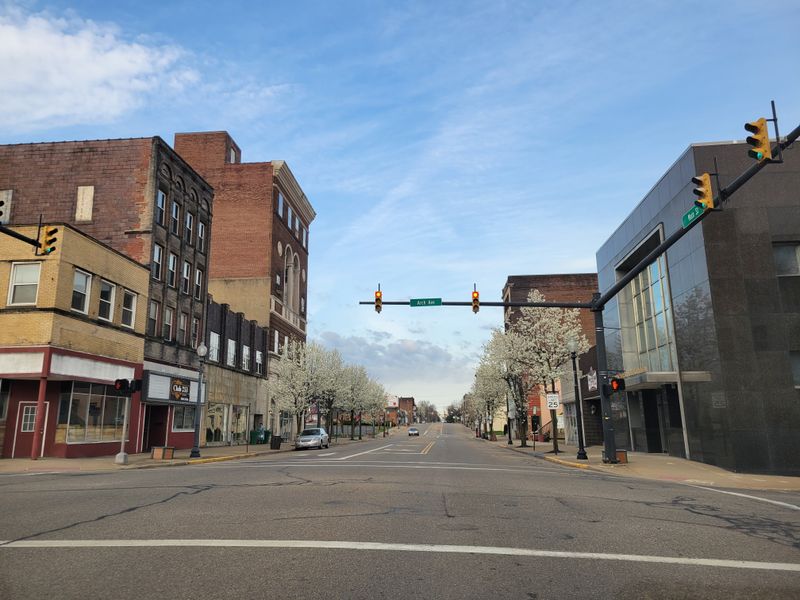
The setting matters. Housed in a historic building on East Main Street, the museum anchors a walkable slice of Alliance’s downtown.
You get easy parking, calm sidewalks, and nearby spots to decompress after a deep dive into feline lore.
Inside, light warms wood cases and glass, giving artifacts a quiet stage. The building’s bones add dignity, even to playful displays, and the proportions suit an unhurried visit.
It is less blockbuster, more conversation.
Visitors mention comfort, cleanliness, and organization improving in recent years. That care shows in tidy cases and clear paths.
On weekdays, crowds are light, so you can linger without pressure.
Before you go, save the phone number and double-check hours, especially around big cat shows. Websites and maps can lag behind reality.
With a little planning, the experience feels local and welcoming, like being invited into a story curated by neighbors.
Planning your visit: hours, tickets, and expectations
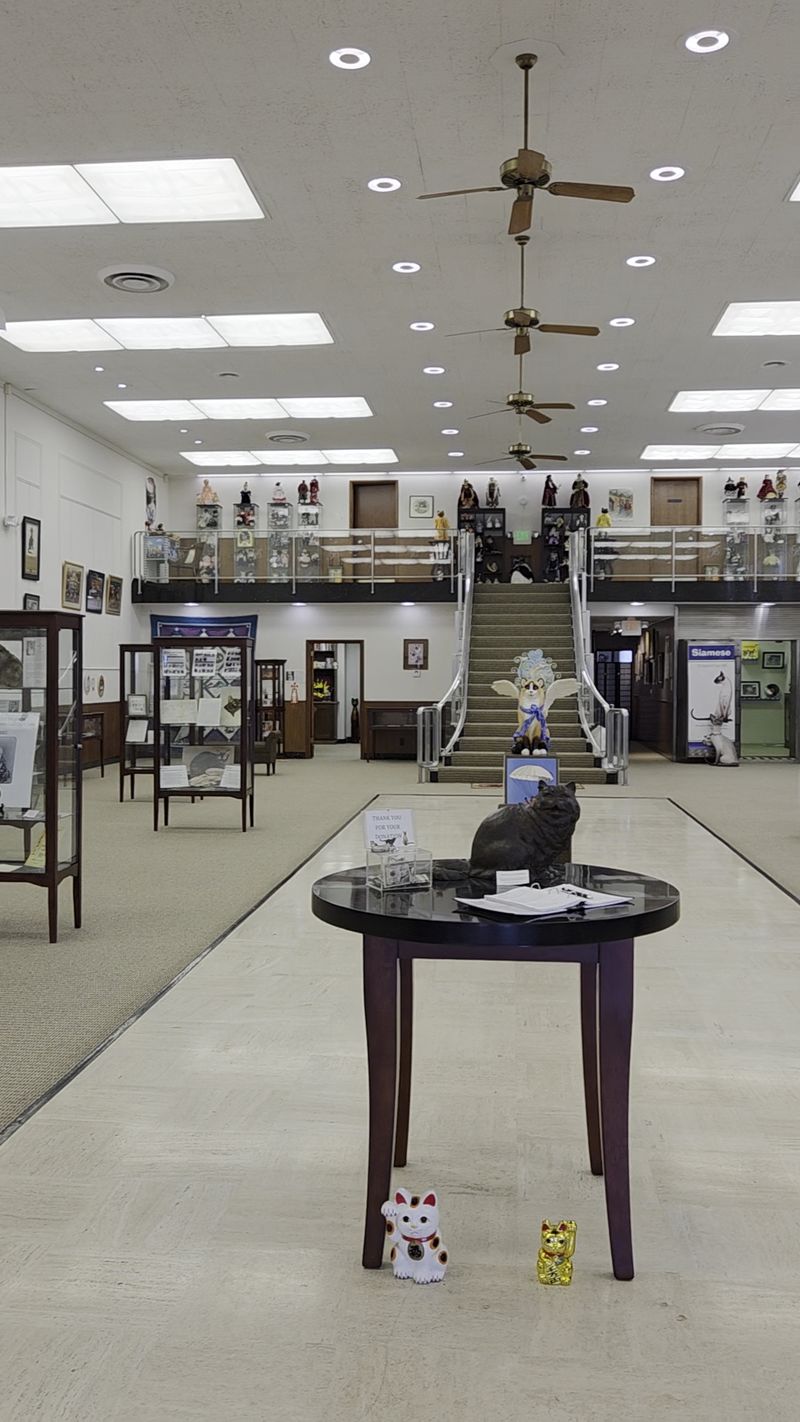
This is a niche museum, so plan like a pro. Check the official site and call to confirm hours, because schedules can shift during events like international cat shows.
Reviews mention surprises at the door, and a quick phone call saves frustration.
Tickets are inexpensive, and weekdays are usually quiet. Expect a small footprint but a dense experience, more reading and close looking than big theatrics.
Bring patience and curiosity.
Photography is generally fine without flash, but always ask. Sketching notes or snapping labels helps later, especially if the library tempts you into research rabbit holes.
Comfortable shoes matter, even in a compact space.
Set the right mindset: this place rewards attention. You will not pet cats, but you will pet ideas, tracing how humans celebrated felines across time.
Leave extra minutes to chat with staff, who often unlock the best stories.
Highlights for educators, writers, and researchers
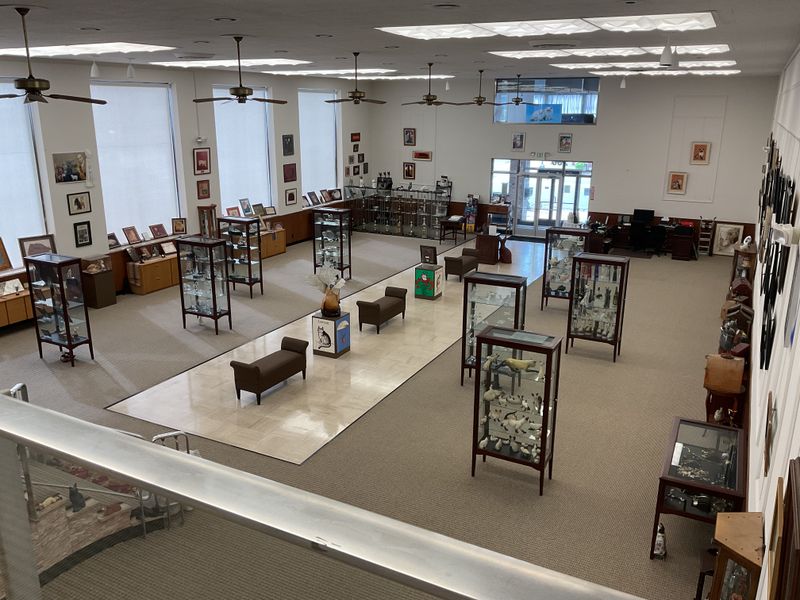
If you teach, write, or research, this museum is a goldmine. The non-lending library offers breed standards, veterinary texts, folklore anthologies, and show ephemera ripe for citation.
You can build lessons on animal symbolism, design history, or community rituals around cat shows.
Ask staff for guidance to special materials. Some items are delicate or rare, and supervised access protects them for future visitors.
You will appreciate the balance between openness and stewardship.
Exhibits dovetail with primary sources. Photograph label texts, then cross-reference authors in the stacks.
That loop from gallery to shelf turns a visit into a micro-research residency.
For quiet work, weekday mornings are ideal. Bring a laptop for notes, though Wi-Fi can vary, so plan downloads in advance.
Leave with a bibliography, fresh angles, and a renewed sense that cat history is human history, too.