Descend 650 feet, and step into a world hidden beneath Kansas. Strataca isn’t just a museum—it’s an active salt mine where the walls glimmer like crystal and the air feels impossibly dry and ancient.
Every corner tells a story. Mining equipment sits alongside archival vaults, where delicate film reels, props, and records are preserved far from sunlight.
The juxtaposition of history and modern use makes the underground feel alive, mysterious, and strangely magical.
As you wander the tunnels, the sparkle of salt reflects the care taken to preserve art, science, and commerce. Panels explain the power of stable temperatures and low humidity, and you’ll see why studios trust the mine with their most fragile treasures.
Whether you’re here for cinema, geology, or pure adventure, Strataca proves that underground spaces can hold surprises. By the time you emerge, the mine has transformed from a hole in the earth into a world full of stories and secrets.
Planning Your Strataca Visit: Tickets, Hours, and What to Expect
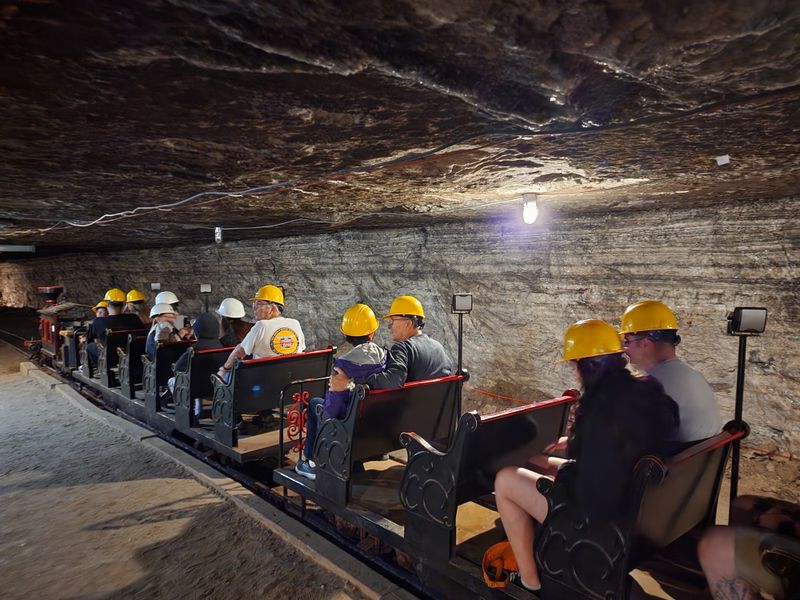
Start your visit above ground by checking current hours and tour availability, since Strataca runs a limited Wednesday through Saturday schedule most weeks. Booking a combo pass helps you fit the guided train and the Dark Ride into one smooth itinerary with time to explore exhibits.
The hoist down takes about 90 seconds, and the temperature underground sits near 67 degrees, so a light layer feels perfect.
Expect wide corridors, plenty of lighting, and a surprisingly spacious layout that eases claustrophobia concerns. Staff give clear safety briefings before you descend and encourage questions throughout.
You will hear the mine’s hum, see raw salt walls, and learn how Hutchinson’s geology turned into industry.
Plan around two to three hours if you add rides and linger in the galleries. You can purchase tickets at the desk, but weekends and holidays can sell out, so reserving early online is smart.
Bring comfortable closed toe shoes since surfaces are firm but uneven in places.
Photography is welcome in most areas, and you can bring home a chunk of salt on certain tours. There is a gift shop topside for souvenirs.
If you are driving an RV, ask about parking options. Check the website before you go, as hours can change seasonally.
The Descent: Riding the Hoist 650 Feet Down
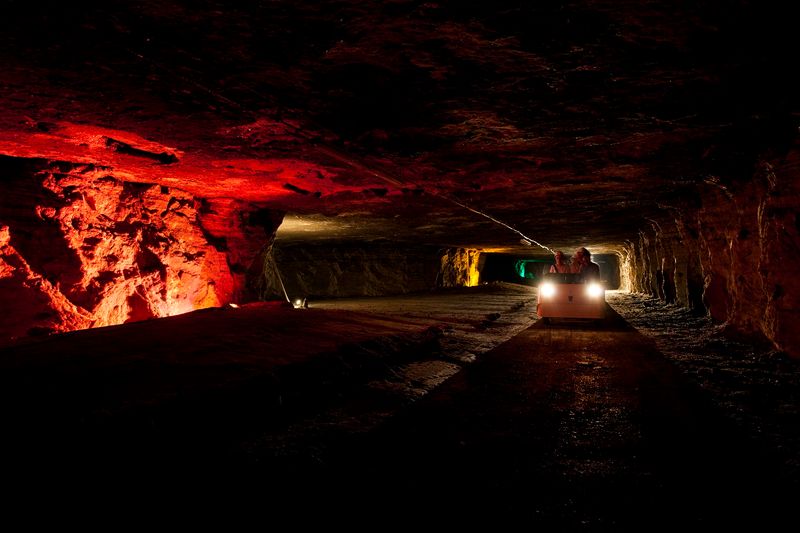
The hoist at Strataca is your time machine, dropping you 650 feet in roughly 90 seconds. The ride is dark at times, and that contrast heightens the reveal when doors slide open to the glow of the mine.
If you feel uneasy, ask staff to keep a light on inside, and focus on the steady, reassuring thrum of the machinery.
That first step onto salt carved flooring feels surreal. You will notice the air turning cool and dry instantly.
Guides are friendly and calm, explaining the safety systems built into the hoist and why it is considered an incredibly secure way to travel underground.
The descent sets the tone for everything that follows: a working mine turned museum, equal parts engineering and story. You will glimpse original equipment, reinforced walls, and the grid of tunnels stretching away like city blocks.
It is not cramped, which surprises many first timers.
As your eyes adjust, the scale takes over. You will hear about the Permian sea that left thick evaporite deposits and how miners carved accessible avenues over decades.
By the time you reach the staging area, nerves usually turn into curiosity. Keep your camera ready for that first expansive view.
Salt Blast Train Ride: Guided Tunnels and Mining Stories
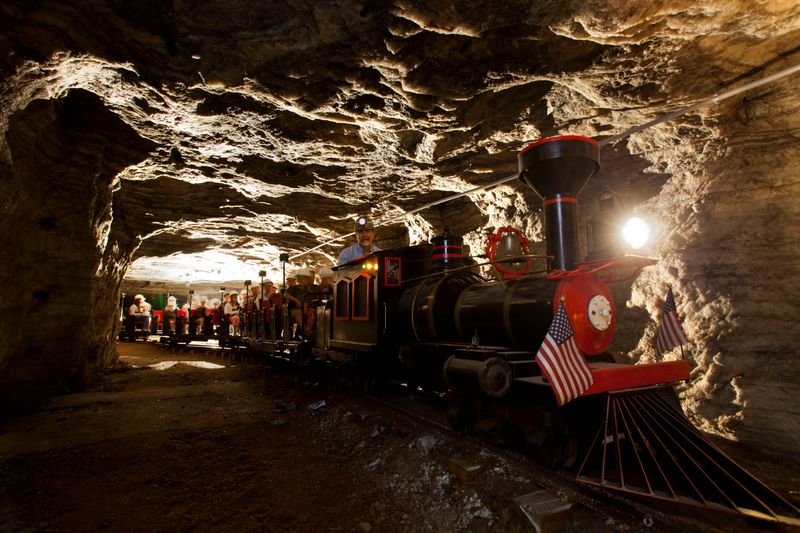
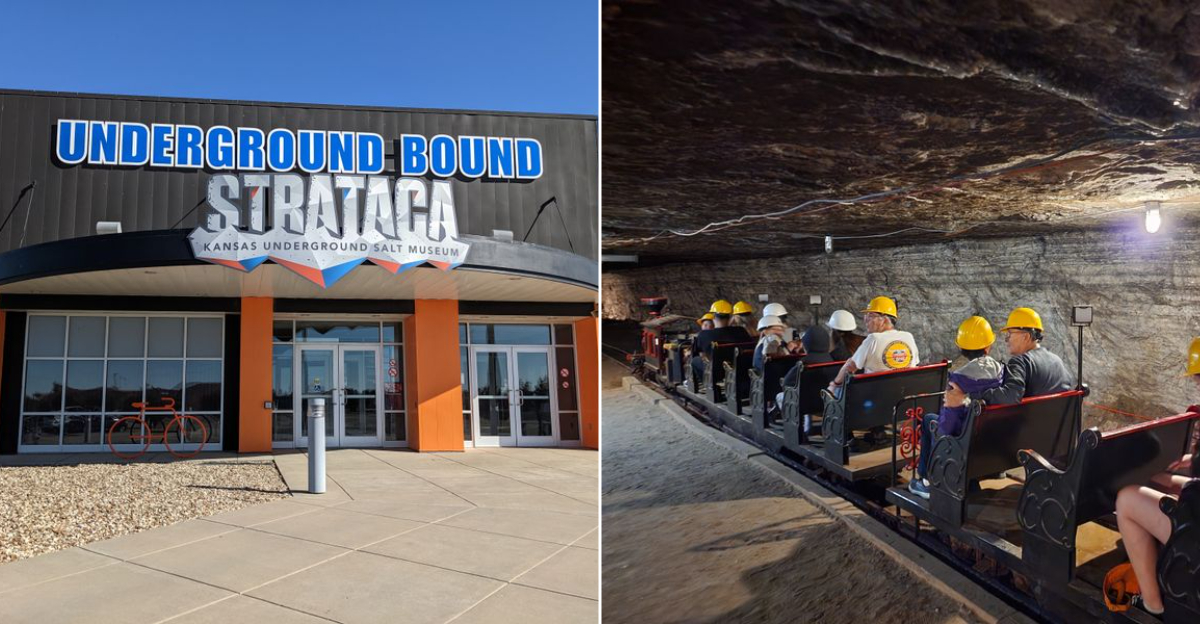
The Salt Blast train rolls you through historic corridors that feel like a backstage pass to geology and grit. A guide narrates how miners cut rooms and pillars, navigated dust, and moved tons of rock to the surface.
You will pass equipment remnants, survey markings, and salt walls that sparkle under lamps.
As the train rattles along, stories anchor the landscape: year milestones, safety advances, and the push to modernize. You will learn why the mine targets road salt and how quality control differs from table salt standards.
The pace lets you notice texture in the walls and the repeating geometry of the room and pillar design.
Expect a few gentle bumps, a comfortable speed, and plenty of photo moments. The guide’s humor helps the technical parts go down smoothly, and kids stay engaged spotting artifacts.
If you have questions about drilling patterns or ventilation, this is your chance to ask.
The ride also emphasizes stewardship. You will leave understanding how the museum balances access with preservation.
By the end, you know where your winter road salt often begins. When the train returns, you can step off and explore adjacent exhibits that deepen the themes you just heard.
Geology 101: How a Permian Sea Became a Salt Mine
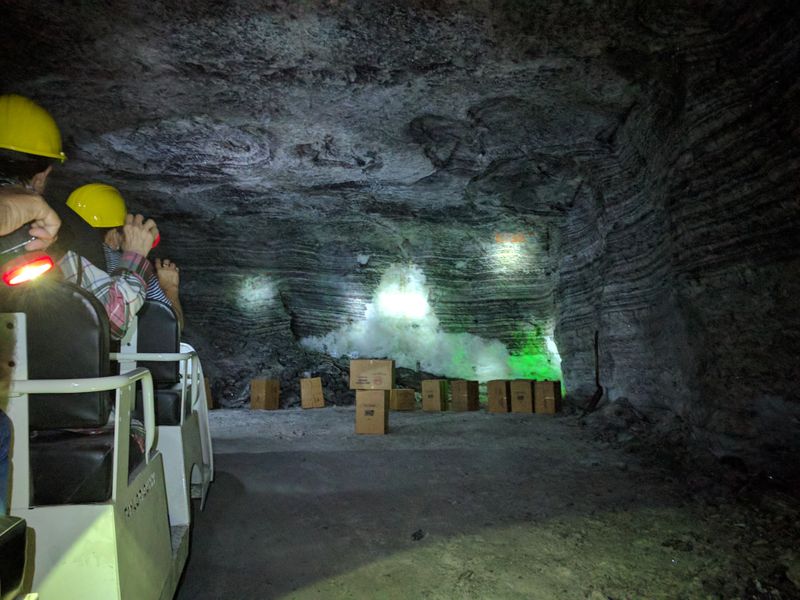
Long before rail lines and hoists, a shallow Permian sea covered central Kansas, evaporating over cycles to leave thick halite beds. At Strataca, exhibits translate that deep time into hands on learning you can actually see in the walls.
You will spot crystal faces, mud seams, and mineral inclusions that tell the story layer by layer.
Guides explain why halite forms as briny water evaporates, concentrating dissolved ions until cubic crystals precipitate. Over millions of years, burial compressed these layers, while later uplift and erosion made them accessible.
The result is a stable deposit mined at the 650 foot level, stretching for miles.
Displays outline the room and pillar method, showing how geology dictates safe spacing and roof stability. You will compare halite to other evaporites and learn why impurities make road salt ideal but unsuitable for your table.
Interactive pieces let you test hardness and see crystal cleavage.
This is geology you can feel underfoot and hold in your hand, which makes the science stick. You will leave recognizing salt as rock, not just seasoning.
The mine becomes a living textbook, and your photos of shimmering walls become notes you actually remember later.
Mining Then and Now: Equipment, Safety, and Daily Life Underground
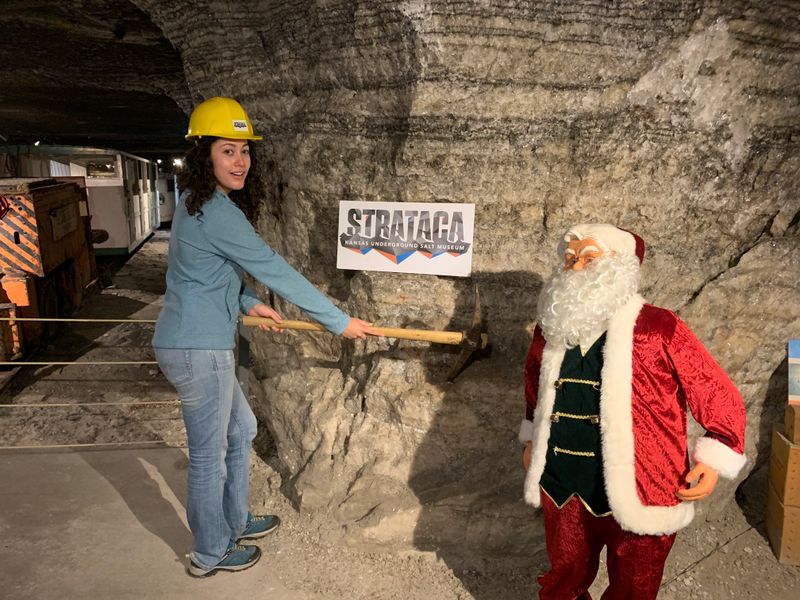
Strataca sets early mining tools beside modern gear so you can see how techniques evolved. You will find pneumatic drills, loaders, track systems, and ventilation solutions that changed work rhythms and risks.
Personal stories on panels give voice to shifts, pay, and the camaraderie that kept crews sharp underground.
Safety improvements stand out: better communication, rock bolting, dust control, and training that turned hard lessons into standards. You will hear how minor choices in spacing or alignment ripple into stability, and why checklists are sacred.
This context reframes the mine as a disciplined workplace rather than a curiosity.
Daily life details add texture: lunches in break areas, nicknames for machines, and the ritual of marking faces on a shift board. The constant temperature made summers easier and winters familiar.
You can imagine the rhythm of a day measured by loads moved and headings advanced.
By the end, you will see the mine as a sophisticated system guided by physics and people. Exhibits avoid nostalgia and lean on practicality, which makes the history relatable.
If you appreciate craft, you will admire how crews built reliability into every turn of the tunnel.
Underground Vaults & Storage: Hollywood Props and Climate Control
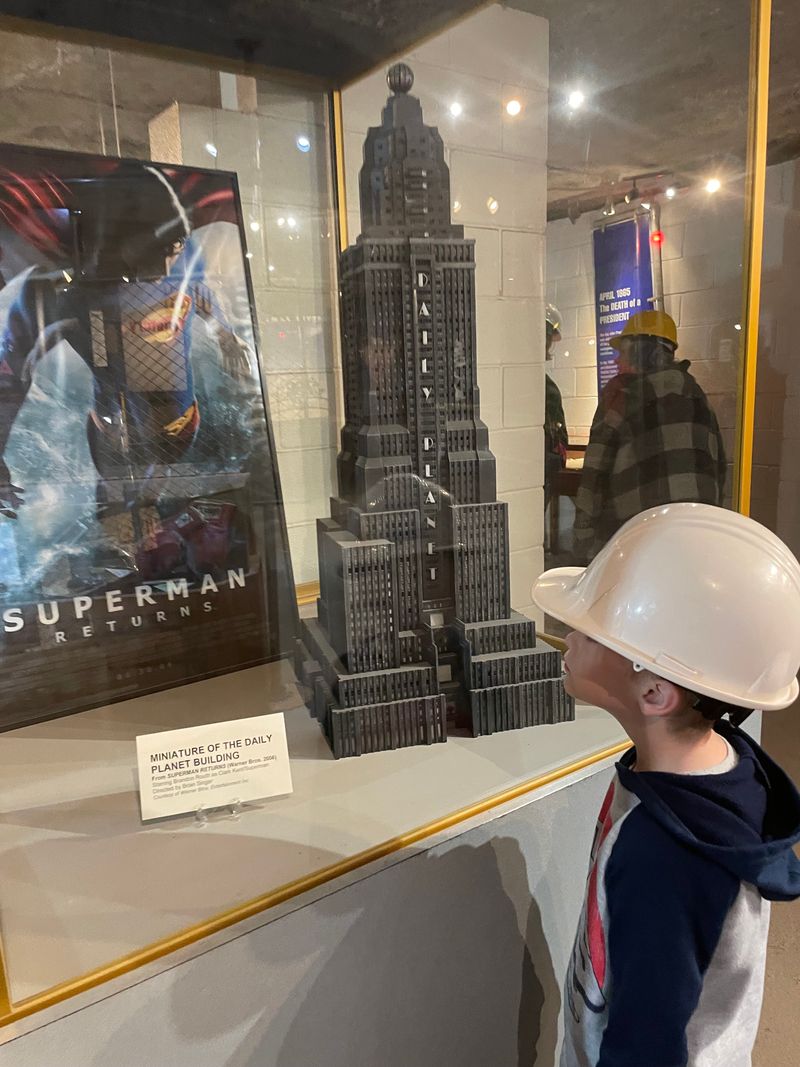
Salt is naturally desiccating, and that dryness makes the mine a superb archival environment. At Strataca, you will see displays referencing Underground Vaults & Storage, which houses film elements, props, and records in controlled areas.
The museum offers a glimpse into why studios trust the subterranean climate.
Panels explain how stable temperature, low humidity, and security create longevity for delicate media. You will learn that permission governs what can be shown publicly, so exhibits change as items are cleared.
That constraint highlights the professionalism behind the scenes and keeps the display honest.
For movie fans, it is a fun surprise to find costumes or prop pieces far from Hollywood. You will connect the sparkle of salt with the preservation of art, science, and commerce.
The juxtaposition of mining equipment and archival racks tells a story about reinventing space.
Even if you prefer geology to cinema, the vaults underscore how practical environments solve real problems. You will leave understanding that the mine is not just history but also infrastructure still serving modern needs.
It is a smart use of a stable void, and it adds another layer to your tour’s narrative.
Family Tips: Kids, Claustrophobia, and Accessibility
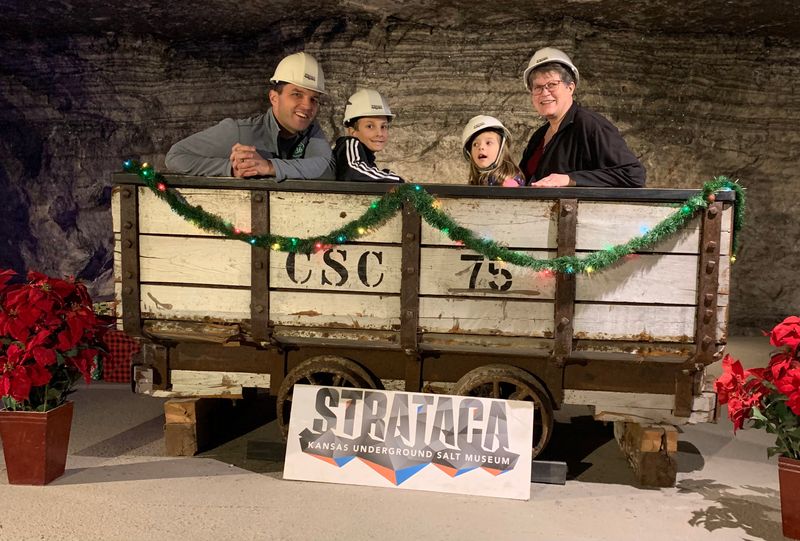
Bringing kids to Strataca works beautifully because the spaces are wide and the activities are hands on. The hoist ride is quick, and staff can illuminate the car if darkness worries your crew.
Once underground, the openness surprises most guests who expected tight tunnels.
For nervous visitors, focus on the consistent temperature, clear lighting, and the calm cadence of guides. The museum is designed for learning at every age, from short videos to equipment you can see up close.
Closed toe shoes and light layers are your best outfit.
Strollers handle the main corridors well, though a carrier is simpler for very young children. If you plan to collect a rock during certain tours, consider a small tote to avoid juggling.
Water is allowed in designated areas, and breaks are easy because seating is available.
Budget two to three hours so you do not rush. The train and Dark Ride are crowd favorites, and combo passes streamline scheduling.
You will leave with a salt chunk and a child who can explain room and pillar mining. That is a field trip win, even on vacation.
What You Will See: Exhibits, Films, and Interactive Touchpoints
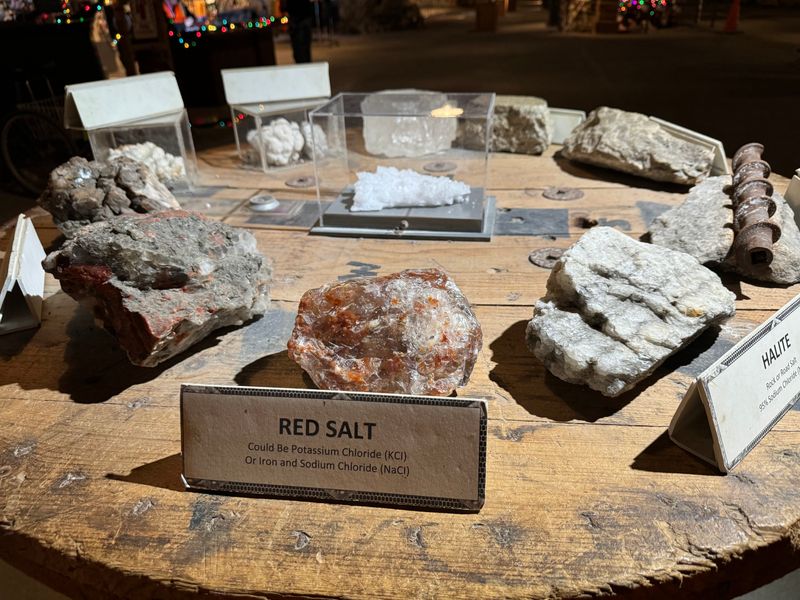
Strataca’s exhibits stitch together geology, engineering, and local history into a walkthrough narrative. You will start with orientation films that set context before rides whisk you deeper into the story.
Archival photos and diagrams map the mine’s grid and explain how crews kept the roof up and the ore moving.
Hands on stations invite you to handle salt samples, compare textures, and see tools that punched holes in the face. You will learn why dust control matters and how air moves through these rooms.
Labels are clear, concise, and friendly without dumbing things down.
Short videos add voices from miners and curators, giving texture to what you see on the tracks and trams. Exhibits loop back to reinforce key ideas, so different ages catch what they need.
You can pause as long as you like because the pace is yours underground.
Expect surprises, from storage displays to unexpected artful moments where light hits crystal faces just right. The design nudges curiosity and rewards attention.
It is the kind of museum where you keep pointing things out to whoever came with you. That energy carries into the rides.
Practical Essentials: Temperature, Lighting, Footwear, and Photos
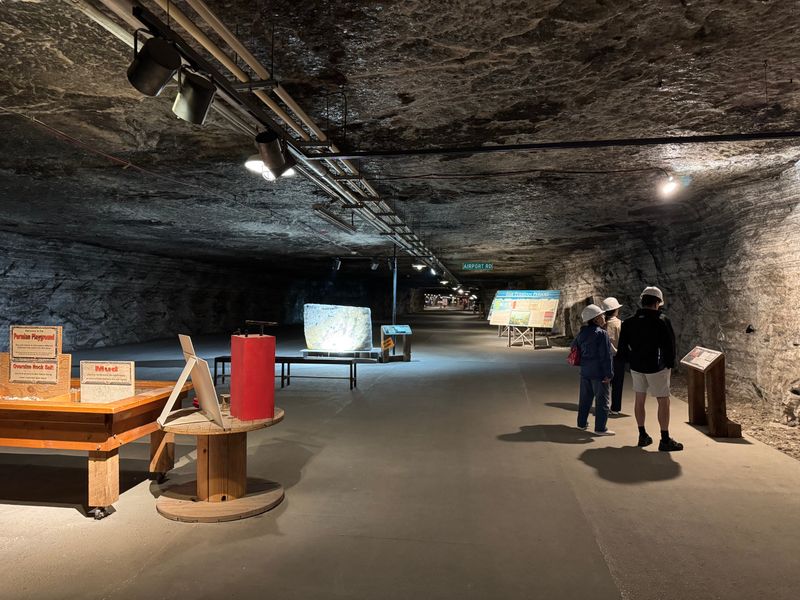
It stays about 67 to 68 degrees underground, which feels refreshing year round. A light jacket or long sleeves is perfect, especially if you run cold.
Closed toe shoes are a must because surfaces are solid but gritty and slightly uneven in spots.
Lighting is more than adequate in museum zones, with darker stretches reserved for guided experiences. If you are sensitive to low light, stay close to the guide during the Dark Ride.
Sunglasses are unnecessary, but a hat helps keep dust off your hair.
Photography is encouraged, though flash can wash out the sparkle. Try angling your phone’s exposure down and use side light to bring out crystal texture.
Be mindful of other guests and guides when you frame shots on moving rides.
Backpacks are fine if slim, and a small tote helps carry any rock souvenirs. Hydration is wise, but check signs for where drinks are allowed.
With a few simple choices, you will stay comfortable and focused on the good stuff: stories, science, and the thrill of being deep underground.
Local Context: Hutchinson Logistics and Nearby Pairings
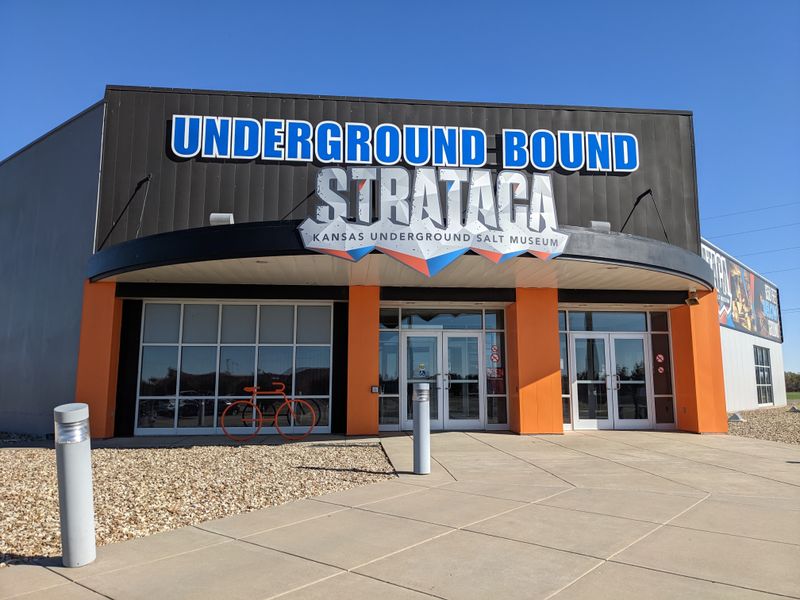
Hutchinson makes visiting Strataca easy, with straightforward roads to the museum entrance at 3650 E Ave G. You will find ample parking, clear signage, and friendly staff to keep timing on track.
Plan your descent window first, then build meals and errands around it.
Pair the underground with a stop at the Cosmosphere for a totally different science hit. You can round things out with downtown dining or a quick coffee before your hoist time.
If you are road tripping, RV parking is possible with a heads up to staff.
Weekdays are generally quieter outside peak seasons, so you may enjoy extra space on tours. If you are traveling with grandparents or little ones, that breathing room matters.
Always confirm hours because Strataca operates a limited schedule.
Staying overnight turns the mine into a centerpiece of a relaxed weekend. You will leave with time to reflect instead of rushing to the next stop.
And honestly, few travel days beat the combo of space history above ground and salt geology below it.
Events and Special Experiences: 5Ks, Dinners, and Seasonal Touches
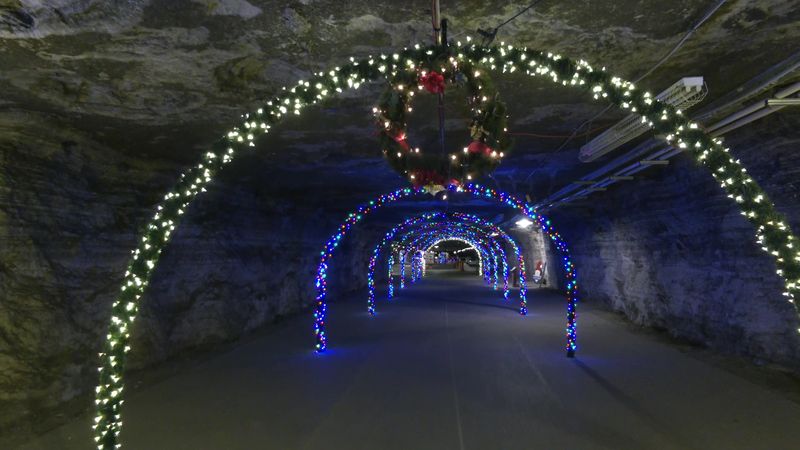
Strataca occasionally layers special events onto the core tour lineup, from themed dinners to seasonal decorations that transform familiar tunnels. When the lights twinkle underground, the mine’s textures turn theatrical without losing authenticity.
It feels festive and still unmistakably industrial.
Fitness minded visitors sometimes encounter 5K events routed through broad corridors. Running at 650 feet below ground is a bragging right you will talk about long after.
Check calendars early because slots are limited and sell out quickly.
The museum team collaborates with partners for programming that respects safety and the mine’s working status. That balance keeps experiences meaningful rather than gimmicky.
You will still learn something even while you are having fun.
If your trip lands near a holiday, ask about temporary exhibits or decor. The staff’s enthusiasm tends to show up in the little touches.
You get the sense that they love this place and want you to catch the same spark. It is hard not to when the walls themselves glitter.
Souvenirs and Ethics: Taking Home Salt the Right Way
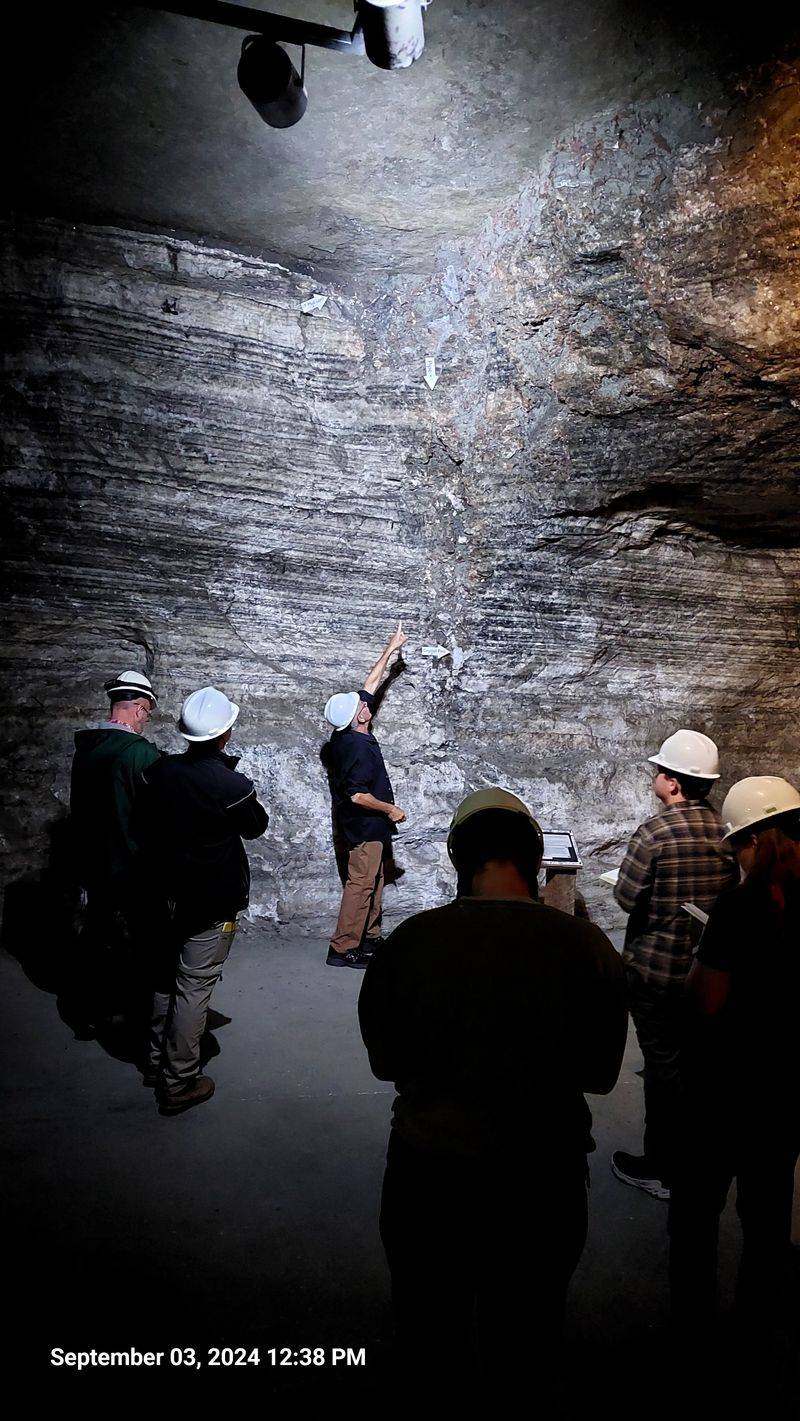
One of the coolest parts of Strataca is bringing home a piece of the experience, literally. Certain tours allow you to select a salt chunk under clear size rules.
Guides will point you to approved piles so you collect responsibly and keep the site pristine for others.
Consider a tote or small backpack to avoid juggling your prize during the rest of the tour. Salt sheds grains, so wrap it or keep it separate from cameras and sweaters.
At home, store your piece somewhere dry and avoid rinsing, which can dissolve edges.
Ethics matter here: take only what is permitted, stay within size limits, and never pry from walls. You are part of a community of visitors stewarding a rare environment.
When everyone plays by the rules, future guests get the same thrill you did.
For gifts, the topside shop carries shirts, postcards, and educational items that support the museum. You will leave with something tangible and a story to match.
Every time you see that crystal glint, you will remember the hum of the hoist and the hush of the tunnels.