This is the kind of place that makes you stop and say, “Why did we wait so long?”
Jarrell Cove State Park in Shelton, Washington sneaks up on you in the best way. One moment you’re driving through quiet forest roads, the next you’re standing by calm water with towering trees all around, wondering how a spot this peaceful stayed off your radar.
The air feels cooler here. Trails invite slow wandering.
The shoreline pulls you closer with gentle waves and postcard-worthy views. It’s not loud or flashy—it’s soothing, grounding, and oddly addictive.
Visitors arrive for a quick stop and end up staying all afternoon.
Whether you come to camp, walk, paddle, or just sit and breathe, Jarrell Cove has a way of resetting your mood. This park doesn’t demand attention—it earns it.
And once you leave, one thought sticks with you: next time, you’re coming back sooner.
Essential Park Overview and What Makes Jarrell Cove Special
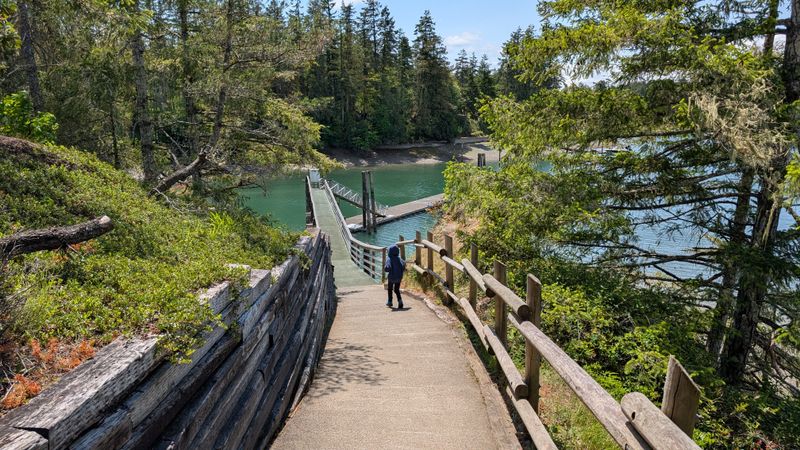
Jarrell Cove State Park feels like a whispered secret you finally get let in on. Nestled on Harstine Island near Shelton, it is a compact 43 acre haven where woods meet Puget Sound.
The cove’s calm water and tall evergreens create that classic Pacific Northwest hush that settles your shoulders the second you arrive.
You can reach it by road via the Harstine Island bridge or by boat, and that dual identity shapes the park’s rhythm. Weekdays are famously quiet, with deer wandering and the docks gently bobbing.
On weekends, paddlers, families, and boaters share the shoreline, but it still stays mellow compared to bigger parks.
What sets Jarrell Cove apart is how much it packs into a small footprint without feeling crowded. Trails loop through cedar and fir, then spill out to two docks and moorage.
Showers are free, bathrooms are clean, and the field invites impromptu frisbee or stargazing.
Tides change the scene every few hours, so plan for both reflective high tide and crunchy shell low tide. Bring binoculars for seals and distant orcas, and water shoes for slick clay at low tide.
If you like simple beauty and reliable calm, this park hits the sweet spot.
Getting There, Hours, and Passes You Will Need
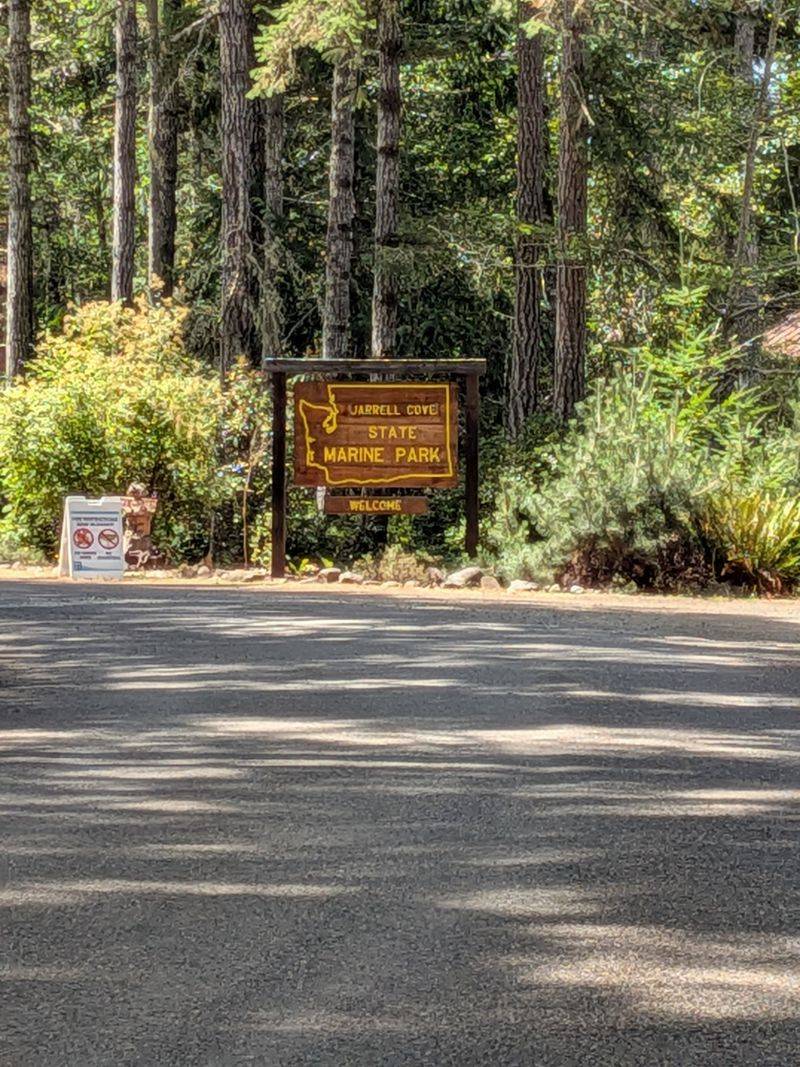
Getting to Jarrell Cove is refreshingly simple. From Shelton, you will cross the Harstine Island bridge and follow signs down forested lanes to the park entrance at 391 E Wingert Rd. The vibe switches from highway to slow island life fast, so ease off the gas and enjoy the trees.
The park operates roughly 8 AM to 8 PM daily, with seasonal adjustments, so morning and golden hour are both fair game. Day users will need a Discover Pass, which you can buy online or at kiosks when available.
If you are camping, your overnight fee covers the day use portion during your stay.
Cell service varies, so download maps ahead of time and bookmark the official website for alerts. Parking is limited, especially on sunny weekends, and the road in is narrow, so take turns with grace.
Arriving early gives you the best shot at a waterfront picnic table or an empty dock bench.
Bring small bills or a card for passes and consider a yearly Discover Pass if you explore often. If the gate is closed at night, it is typically not locked, but observe posted rules.
Respect quiet hours and you will hear owls instead of generators, which is the whole point here.
Campsites, Privacy, and How to Choose the Right Spot
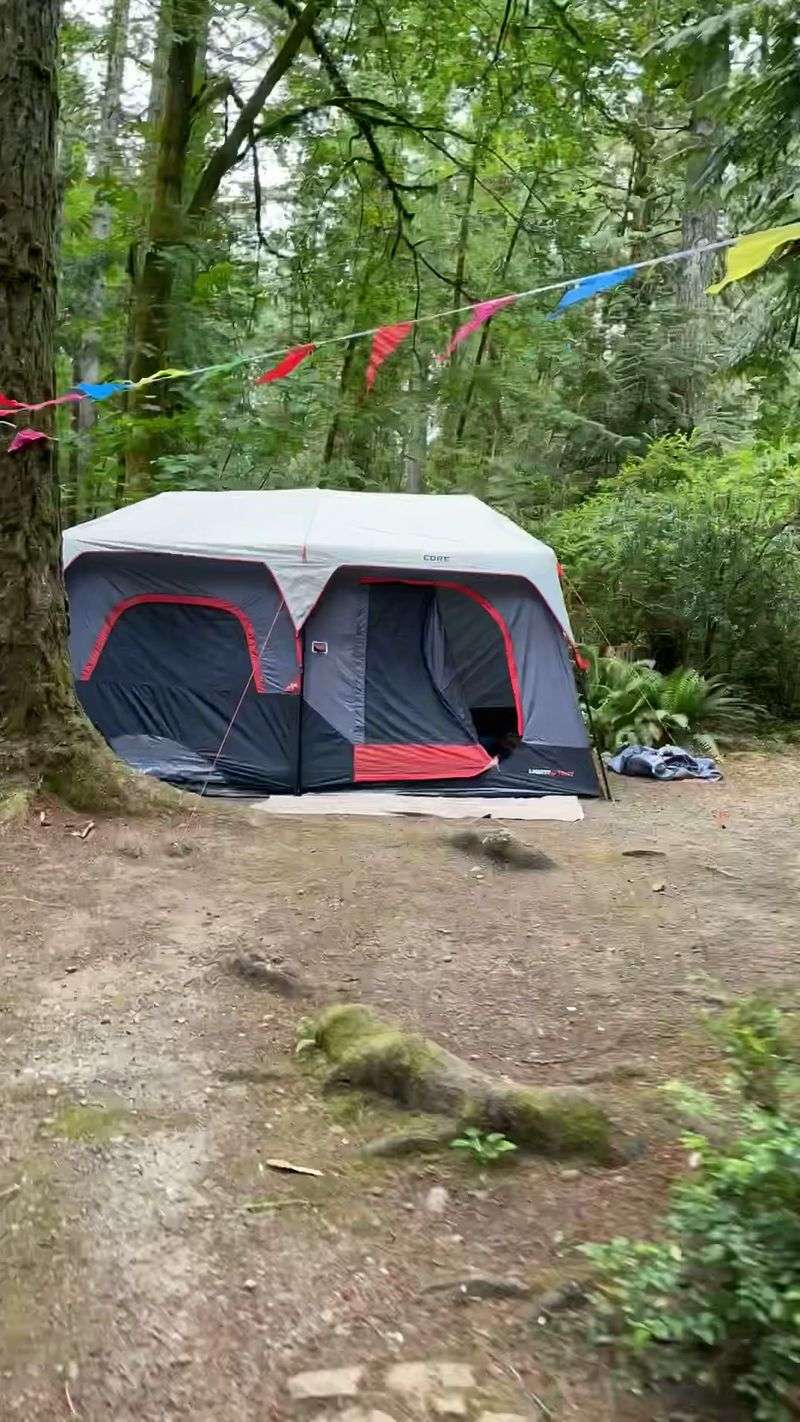
Choosing a campsite at Jarrell Cove is half the fun. Some sites tuck into trees for privacy while others open onto a sunny field where kids can run wild.
If you favor shade and quiet, look for loops set back from the road, and read reviews that mention seclusion and minimal foot traffic.
Note that only a couple RV sites have power and there is no dump station, so rigs should plan accordingly. Sites are best for tents, vans, and smaller trailers, with walk in pads dominating the layout.
If you have mobility needs, confirm ADA options like site 11 and verify current conditions before booking.
Bathrooms are tidy and showers free, which makes mornings easy. Keep food secured because squirrels and chipmunks are shameless opportunists, and pack a tub with a tight lid.
Quiet hours are respected, and midweek stays can feel like a private retreat with deer browsing nearby.
Reservations are recommended in summer, but shoulder seasons often leave room to breathe. Study site photos carefully, as online descriptions occasionally miss details like slope or proximity to paths.
Aim for shade if you dislike heat, and remember that even open sites gain evening peace as the tide hushes the cove.
Trails, Loops, and Short Woodland Wanders
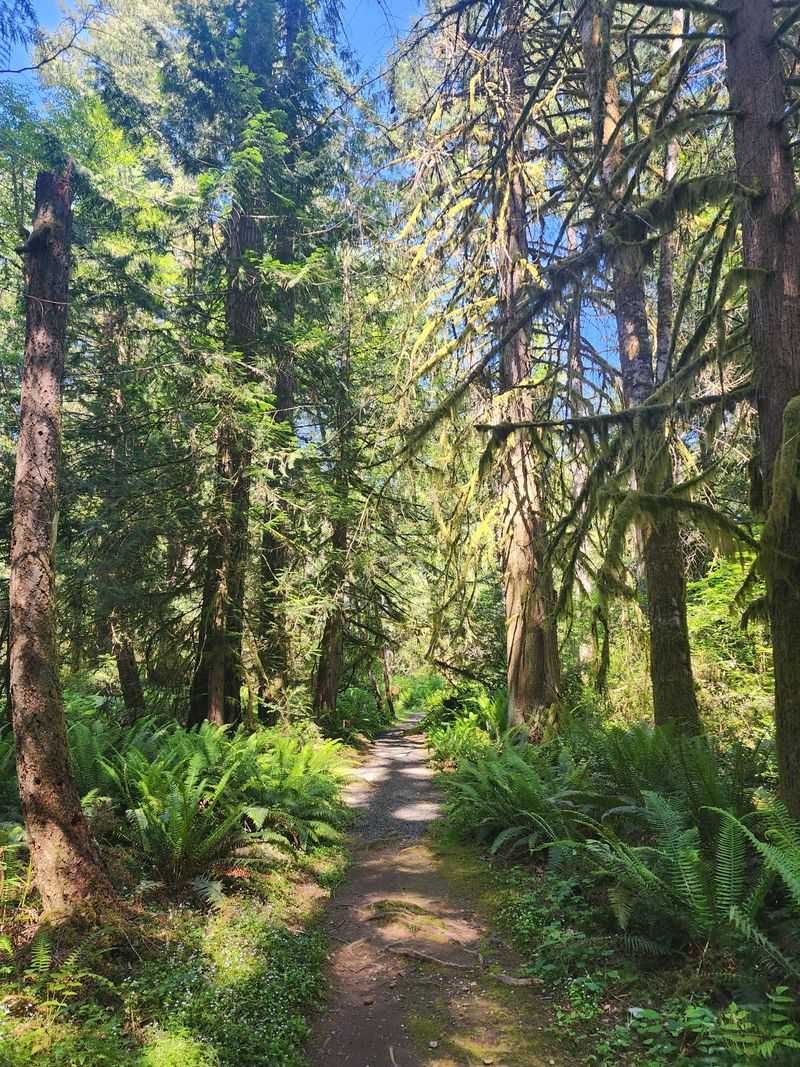
Trails at Jarrell Cove are short, friendly, and wonderfully green. Expect soft duff underfoot, ferns flanking the path, and gentle inclines that invite slow wandering.
These are not epic mileage routes, but they are perfect for stretching legs, nature breaks with kids, and bird spotting.
The loops link docks, the amphitheater, and day use areas, giving you choices for quick out and backs. After rain, watch for slick roots and clay, especially near the shoreline at low tide.
You will find small spur paths that suddenly offer peeks at the cove or a quiet bench.
Because distances are modest, you can do multiple laps at different tides and get new moods each time. Listen for ravens, spot banana slugs, and keep an eye out for deer browsing apple trees in late summer.
Dogs on leash are fine companions, and the forest canopy keeps temperatures comfortable.
Bring a light rain jacket and shoes with good grip. Cell service can drop under the trees, so tell your group the plan before splitting up.
If you want more mileage, combine Jarrell Cove with nearby island parks the same day and make it a low stress South Sound trail sampler.
Kayaking and Paddle Launch Tips for the Cove
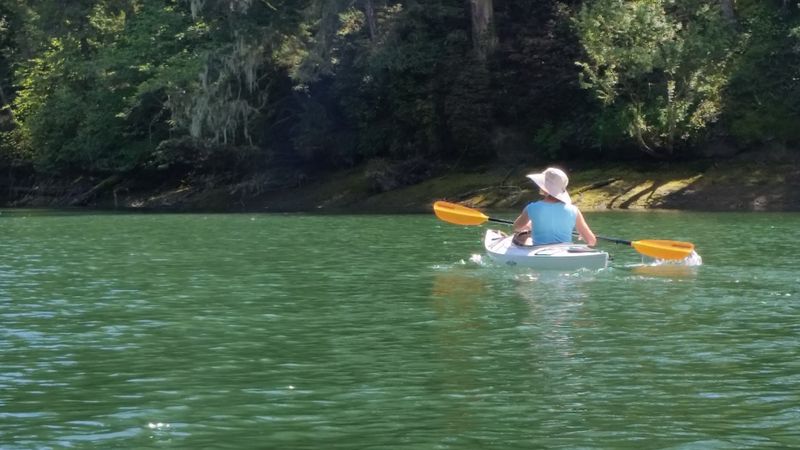
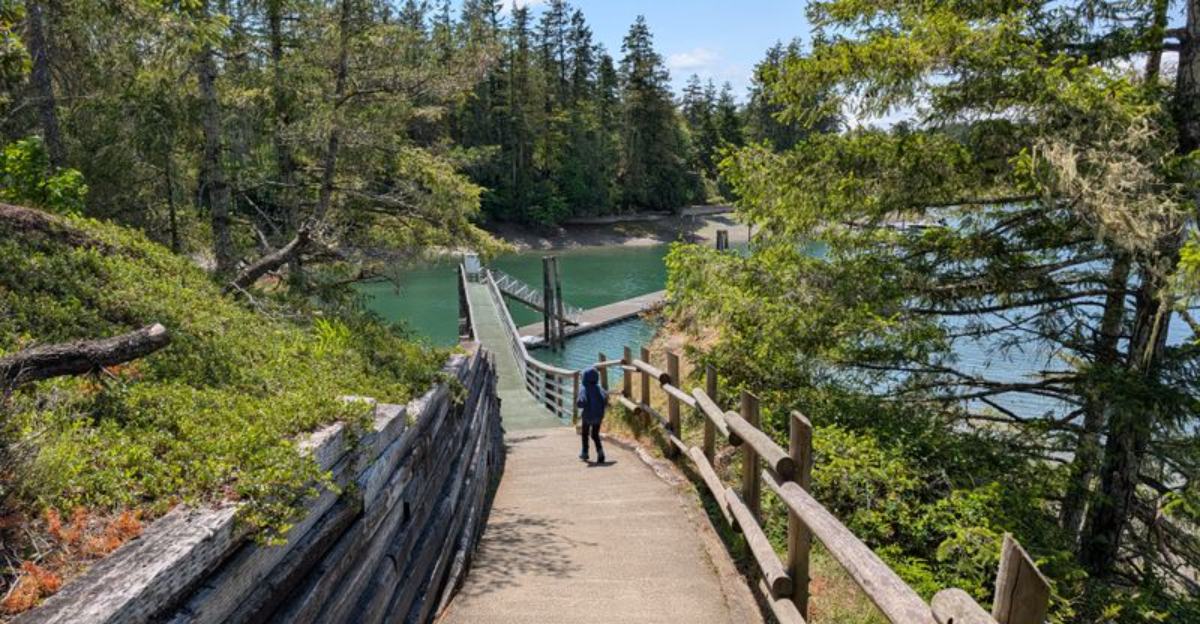
Kayaking is where Jarrell Cove shines. The water is usually calm, and there is a handy platform at the dock that makes launching and landing easy without soaking your feet.
Tides matter, so check charts and plan your window to ride gentle currents rather than fight them.
The hill down to the launch is steep, so bring a wheeled caddy if your boat is heavy. Many paddlers lock gear near the bottom for repeat outings, always using good etiquette.
Once on the water, hug the shore for wildlife viewing and wind protection, especially if you are newer to paddling.
Wear a PFD, pack a whistle, and stash layers in a dry bag because the South Sound can chill quickly. Binoculars help you scan for seals and the occasional distant orca.
Give docks and moored boats plenty of space, and watch wakes that rebound off seawalls on certain tides.
Morning sessions are serene and full of reflected trees. Evenings bring glowing clouds and the kind of quiet you crave after a week of noise.
If you are launching from elsewhere, remember there is no ramp inside the park, so plan logistics accordingly and keep things simple.
Dockside Vibes, Moorage, and Marina Etiquette
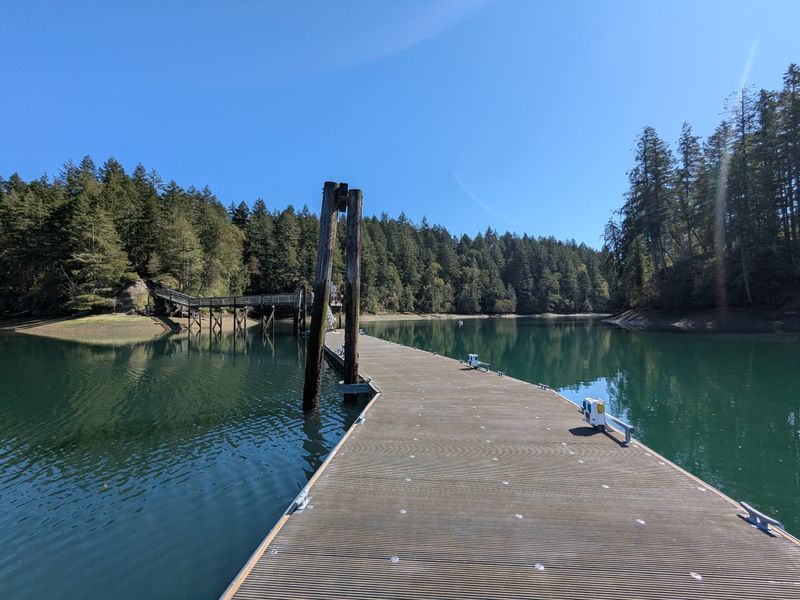
Two docks anchor Jarrell Cove’s personality, giving land campers a front row seat to water life. Boaters slip in for moorage, chat with rangers, and settle into that glassy cove calm.
If you are just visiting, stroll the planks, watch jellyfish drift by, and count the changing colors of the water as clouds move.
Moorage is limited, so arrive early on summer weekends and always check current fees and rules. Keep lines tidy, minimize generator time, and avoid loud music after quiet hours.
Remember there is no ramp in the park itself, and wakes should be minimal inside the protected cove.
The adjoining private marina across the way adds a classic Sound scene of houseboats and an old style store. Treat it as a neighborly backdrop rather than an extension of the park.
On busy days, patience is the most valuable gear you bring, along with a friendly wave.
Fishing pressure is modest here, but regulations change, so check seasons and species before you try. Kids love watching crabs scuttle under the floats at low tide.
Bring a jacket, because even in July, breeze over cool water can sneak up on you when the sun dips.
Tides, Wildlife, and What To Watch For
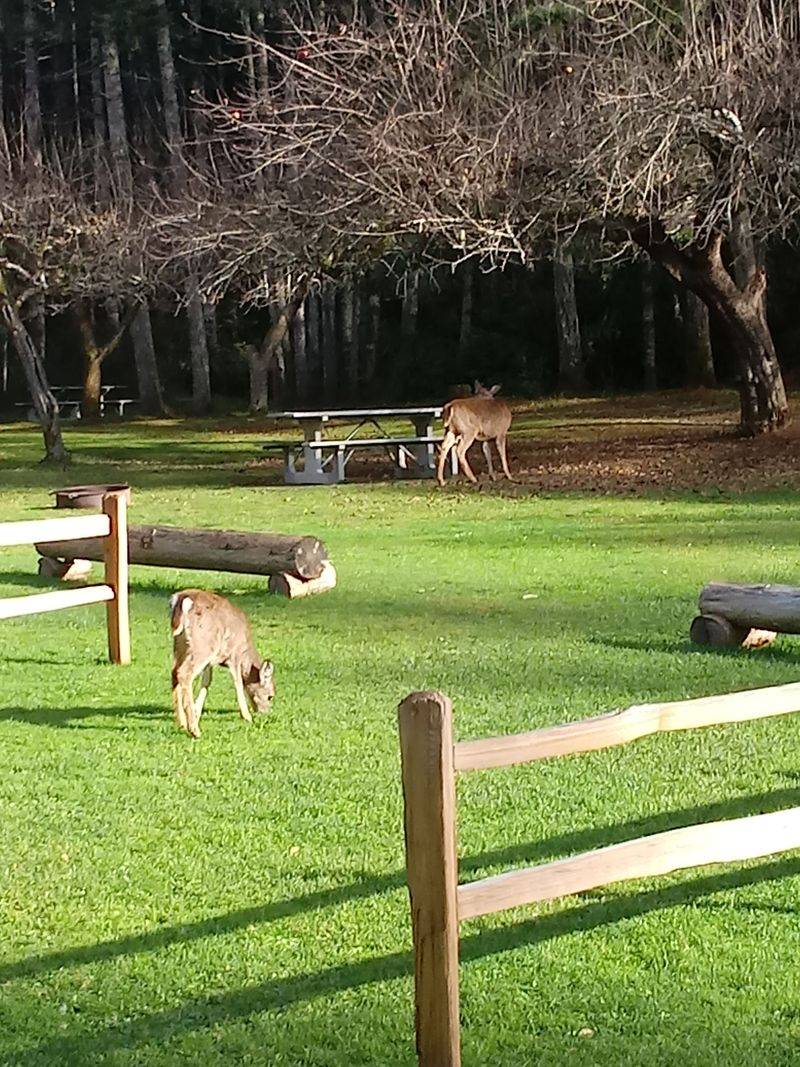
Tides script the entire Jarrell Cove experience. High tide turns the inlet into a shimmering mirror that begs for quiet paddles and dock sitting.
Low tide reveals alien textures, clam shells, sea lettuce, and ripple patterns that look drawn by hand. You will want to plan your visit around these swings.
Wildlife feels close here. Deer wander through camps at dawn, seals bob at the mouth of the cove, and herons stalk the shallows like measured metronomes.
If you are lucky, distant orcas may cruise the wider South Sound, so binoculars pay off even if sightings are rare.
Footing matters on exposed mud and clay because it can be slick. Wear grippy shoes and move slowly, especially with kids.
Please leave shells and living creatures where you find them so the cove can keep doing its quiet magic for everyone.
Bring a pocket tide chart or a phone screenshot to time beach walks. Early mornings tend to be hushed and wildlife forward, while evenings glow warm against the trees.
Keep food secured because bold chipmunks are waiting, and you do not want to teach them bad habits that ruin future visits.
Facilities, Showers, and Day Use Comforts
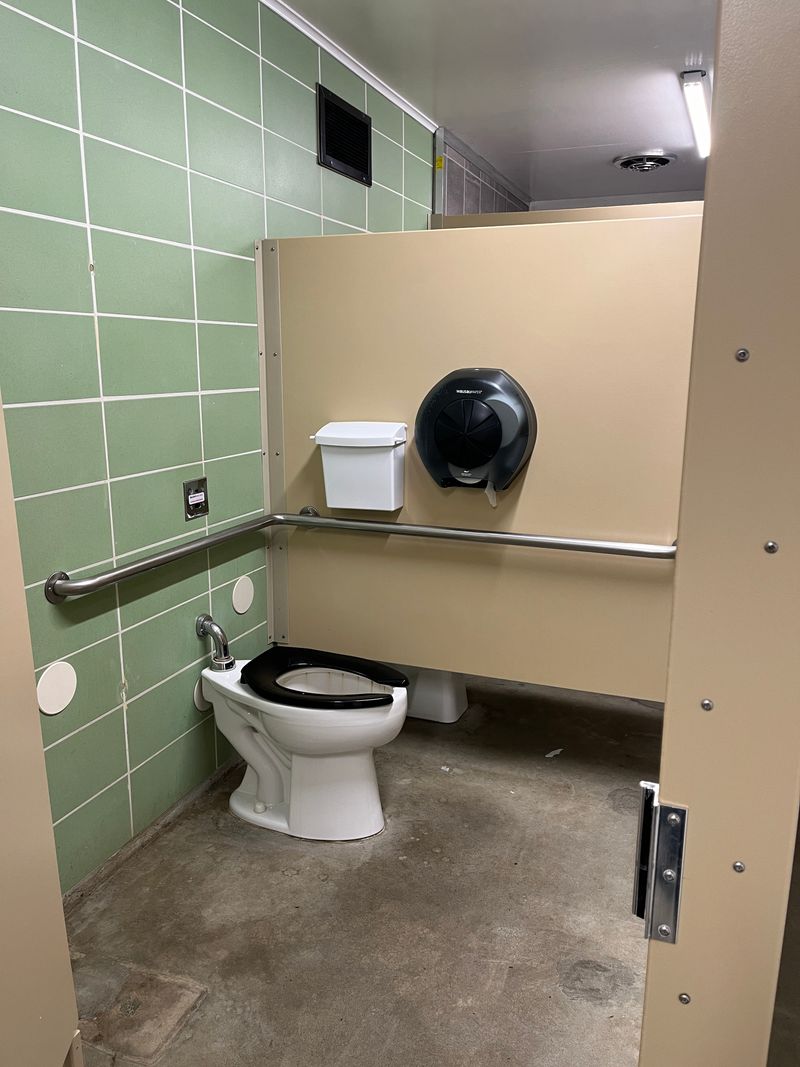
One reason people rave about Jarrell Cove is how comfortable the basics are. Bathrooms are consistently clean, with automatic sinks and dryers.
Showers are free, a rare luxury that makes camping with kids easier and day trips feel civilized after a salty paddle or sweaty hike.
Day use lawns give you a place to sprawl, snack, and watch the light shift across the cove. Picnic tables dot the area, and grills or fire rings may be present, but respect burn bans and posted rules.
You will often find a quiet bench on a weekday that feels like your own living room.
Water spigots are available, though you should still pack jugs during busy weekends to avoid lines. Trash cans are provided, but packing out what you can keeps wildlife honest.
Rangers and hosts are friendly, often handing out Junior Ranger materials that turn downtime into a mini adventure for kids.
If you are sensitive to sun, choose the shady edge of the field, then move to the docks for the evening glow. Bring layers because ocean air cools fast.
With simple comforts dialed in, you can focus on tide watching, trail wandering, and that first sip of camp coffee.
Family Friendly Activities and Junior Ranger Fun
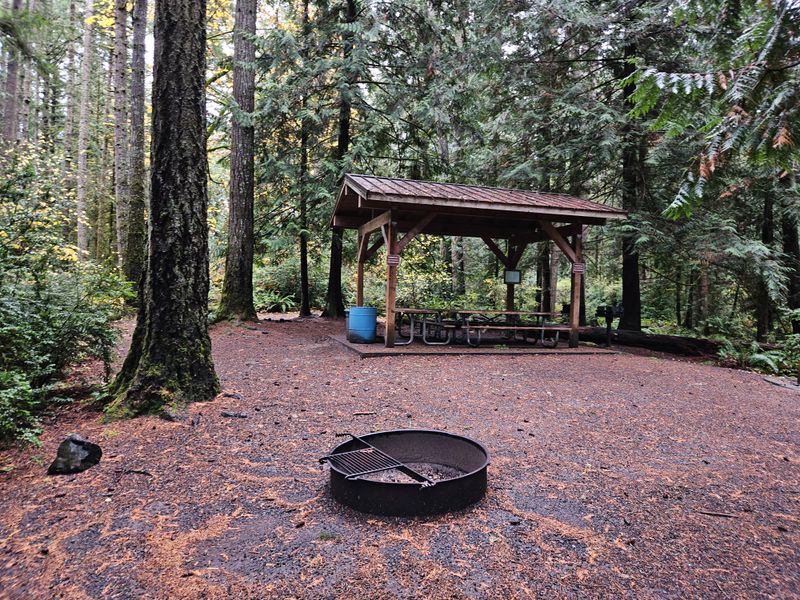
Jarrell Cove might be the South Sound’s easiest family win. Distances are short, water edges are calm under watchful eyes, and there is an amphitheater where rangers sometimes host programs.
Kids can roam the field, scan for deer, and peek at crabs under the dock like tiny marine biologists.
Ask about Junior Ranger booklets at the host site or ranger station. The activities turn trail walks into scavenger hunts and tide checks into science.
Earning a badge gives kids a memorable keepsake and a reason to look closer at everything from banana slugs to barnacles.
Bring simple toys that work anywhere: a kite for the field, binoculars, and a sketchbook. Low tide is a built in classroom, but tread gently and avoid disturbing creatures.
The amphitheater path connects to loops that are friendly to little legs without boredom setting in.
Pack snacks, layers, and a towel for dock breaks. Showers make cleanup easy after a sandy session.
End the day with a quiet sit by the water while the cove turns gold, and you will see why families keep coming back, saying they should have visited long before they finally did.
Seasonal Strategies and Best Times To Go
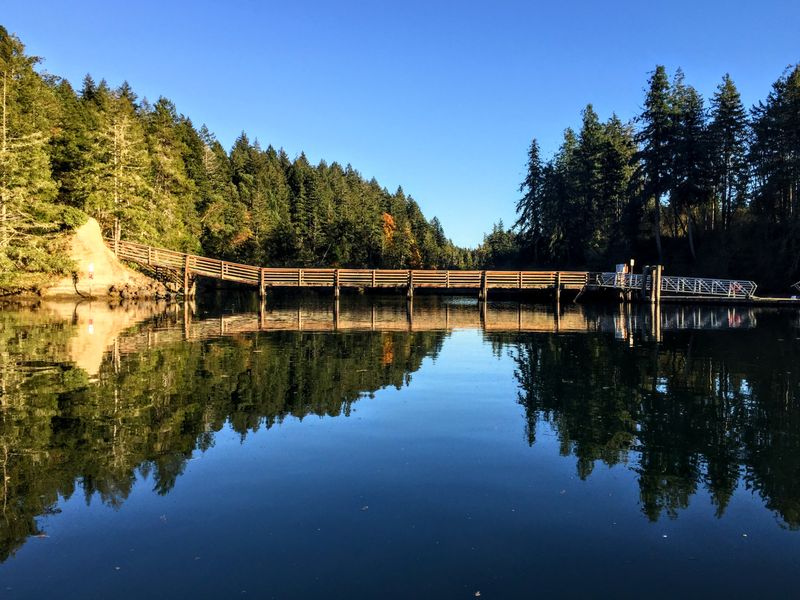
Timing Jarrell Cove is about mood. Spring brings bright greens, quiet weekdays, and chilly mornings that keep crowds thin.
Summer ups the energy with boat traffic, full camp loops, and long golden evenings that beg for dock lingering. Fall returns space, with crisp air and glowing maples popping against dark firs.
Winter is underrated if you love solitude and layered walks under soft gray skies. Facilities typically remain open with reduced hours, but always verify before you go.
Storm watching on the cove is subtle, more about shifting light and wind ripples than crashing surf.
For paddling, chase calm mornings and plan around currents. For camping, midweek stays are gold, especially outside school breaks.
Shoulder season weekends still book, so reservations help if you are particular about site shade or privacy.
Pack for microclimates: a beanie for breezy docks, breathable rain shell for forest laps, and warm socks for nights. A thermos of something hot changes everything after sunset.
No matter when you go, build in time to simply sit and watch tide lines creep because that slow magic is the park’s best season.