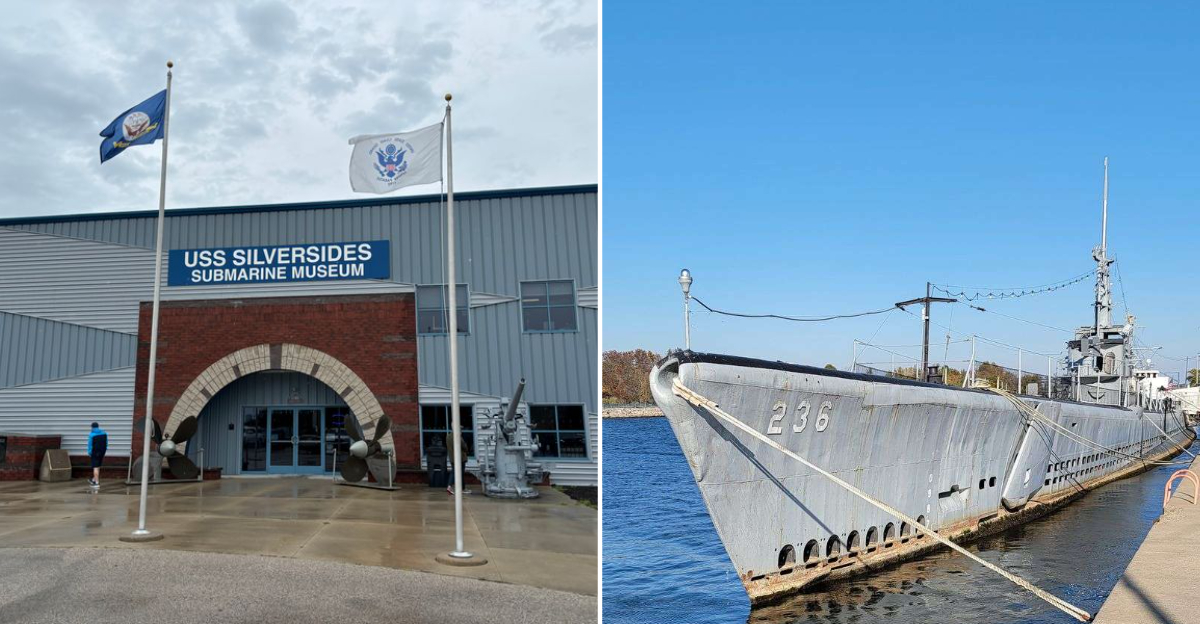
Step aboard, and history wraps around you like steel.
The USS Silversides in Muskegon is not a museum you glance at from afar. You walk its narrow decks, duck under hatches, and feel the hum of machinery that once carried sailors through wartime missions.
The air smells faintly of oil and memories, and every gauge, lever, and bolt tells a story.
Bunks squeeze close, torpedo rooms thrill with tension, and the galley whispers of long nights and careful meals. You can almost hear the creak of the hull, the shuffle of boots, and the quiet chatter of a crew living side by side in tight quarters.
Guided notes, displays, and volunteers connect the dots, but the real lesson comes from touching, stepping, and imagining. You navigate the corridors as history navigates you.
At the USS Silversides, the past is alive. It is not behind glass.
It waits for you to walk through, inch by inch, hatch by hatch.
Start Here: Museum Orientation and Essential Visitor Info
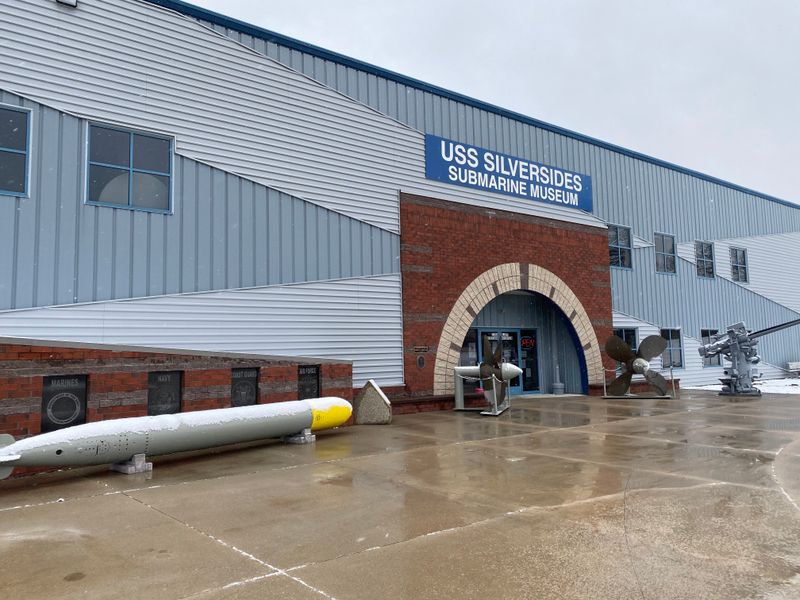
Begin at 1346 Bluff St, Muskegon, where the USS Silversides Submarine Museum opens Friday through Monday and Thursday, 10 AM to 4 PM. You will find ample parking, lake breezes, and a front desk team happy to explain ticket options for the submarine, indoor exhibits, and Coast Guard cutter.
The visit flows best when you start inside, watch the theater film, then board the boats.
The museum is self guided, so you can linger at topics you love. Budget at least two hours if you plan to read, watch, and tour both vessels.
Wear closed-toe shoes and expect steep ladders and narrow hatches onboard; it is manageable but tight, especially if you are tall or carrying a backpack.
Check the website for occasional closures and special programs. Tuesdays and Wednesdays are typically closed, so planning matters.
If you arrive near closing, prioritize the sub first, then return for exhibits, because last boarding times can arrive sooner than you think.
Families should know the content is accessible but honest about wartime realities. Sensitive learners can skip certain panels.
Staff and volunteers are knowledgeable, approachable, and quick with tips that make the day smoother, safer, and more rewarding.
The Submarine Tour: From Bow Torpedoes to Aft Crew Quarters
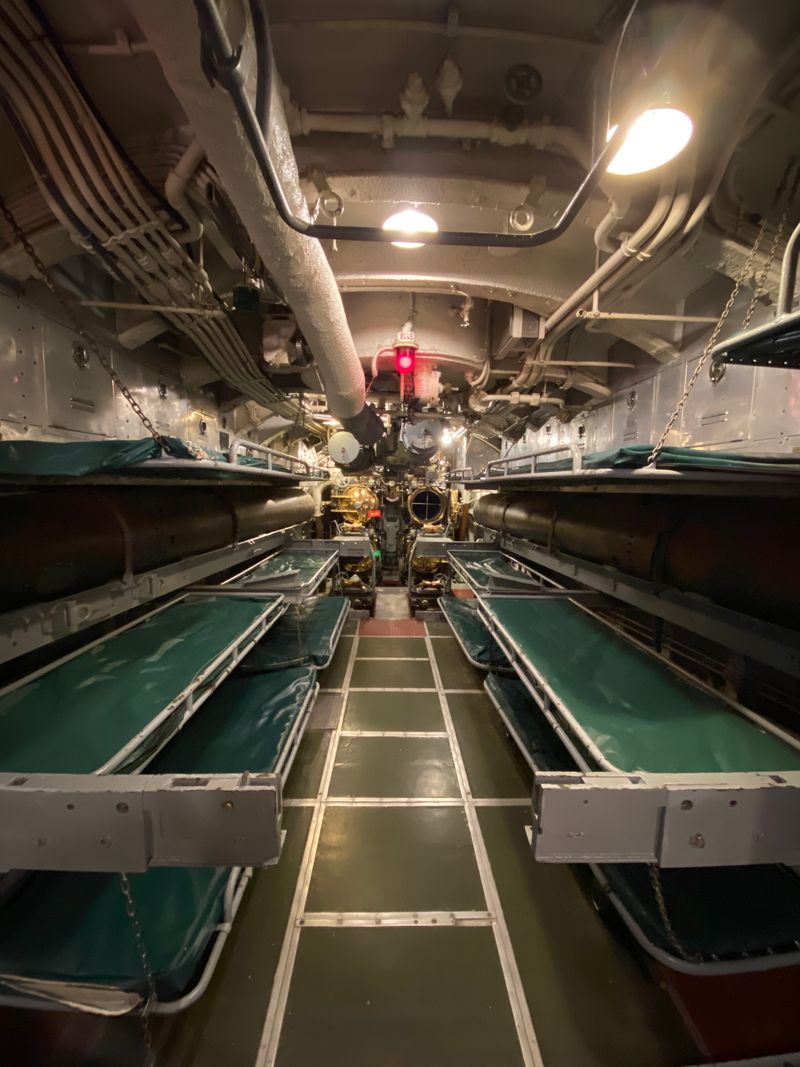
Walking the Silversides feels like time travel. You step across the gangway, duck the first hatch, and suddenly you are in a world of steel, valves, and purpose.
The bow torpedo room sets the tone with gleaming tubes and racks where Scouts sometimes sleep during overnights.
As you move through, the passageways stay tight and the air smells faintly of oil and history. Gauges and controls create an almost cockpit-like density of information.
It is tempting to touch everything, but operational systems remain live, so follow the posted rules.
Midships, the forward battery and control spaces remind you a submarine is a carefully balanced machine. Look for the helm, depth gauges, and the chart table to imagine patrols across the Pacific.
Volunteers share stories about drills, battle stations, and life between dives.
Further aft, crew bunks stack like a honeycomb above stores and machinery. You will see the galley where sailors reportedly ate well, even on long patrols.
The engineering spaces culminate in the legendary diesel engines that still run during special demonstrations, making this tour uniquely visceral.
Interactive Exhibits: Periscope, Film, and Hands-On Learning
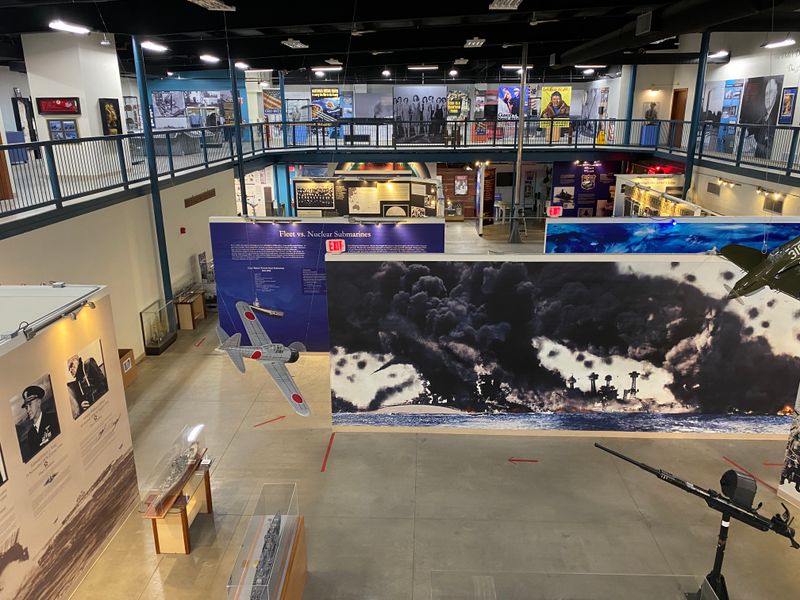
Inside the museum building, exhibits frame the submarine with big-picture context. The short theater film is a smart first stop, offering an overview of how submarines worked and what crews faced.
Even if the production feels homegrown, it orients you wonderfully.
The periscope is a crowd favorite. You can raise, rotate, and sight the shoreline, which connects mechanics to scenery in a memorable way.
Kids love discovering how optics, mirrors, and angles translate to situational awareness beneath the waves.
Panels cover submarine evolution, the Pacific war, and Michigan shipbuilding. Artifacts, uniforms, and models support stories about technology, tactics, and bravery.
Do not rush; thoughtful captions reward slow readers and curious minds.
Throughout, small interactive elements invite touch and experimentation. They help you test buoyancy principles, sonar concepts, and the logic of compartmentalized design.
If you are learning with a group, assign each person a topic to “teach back” later, turning the museum into a collaborative classroom.
Engineering Marvels: Diesel Engines and Operational Systems
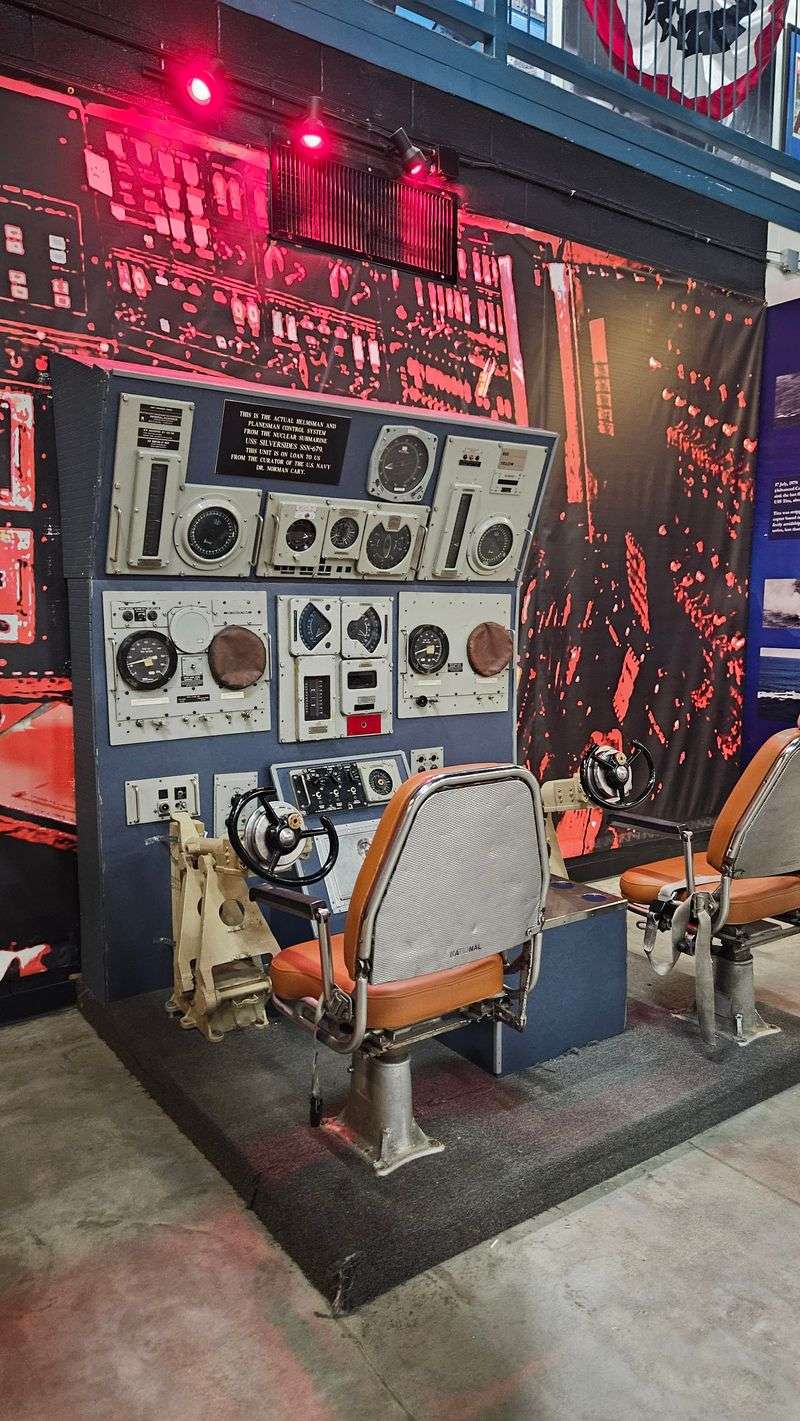
Engineering fans will linger in the aft compartments where power meets ingenuity. The Silversides’ diesel-electric heart is astonishingly intact, from fuel manifolds to generator controls.
Volunteers say the engines are still exercised several times a year, which explains the posted caution about not touching knobs or switches.
Study the redundant gauges and dense piping. Submarine design depends on graceful failure, with backup systems layered like armor.
It is a tangible lesson in risk management, maintenance discipline, and teamwork under pressure.
Read the placards about snorkeling, battery charging, and silent running. Imagine the choreography: diesel engines roaring on the surface, then quiet electric motors taking over underwater.
The switch from loud to hush would have been both tactical and psychological.
If you are visiting with students, use the engine room to talk about power cycles and energy storage. Trace lines, hypothesize flows, and sketch a simplified system diagram.
You will leave with newfound respect for the crew who kept this complex machine battle ready in unforgiving conditions.
Life Aboard: Bunks, Galley, and Daily Routines
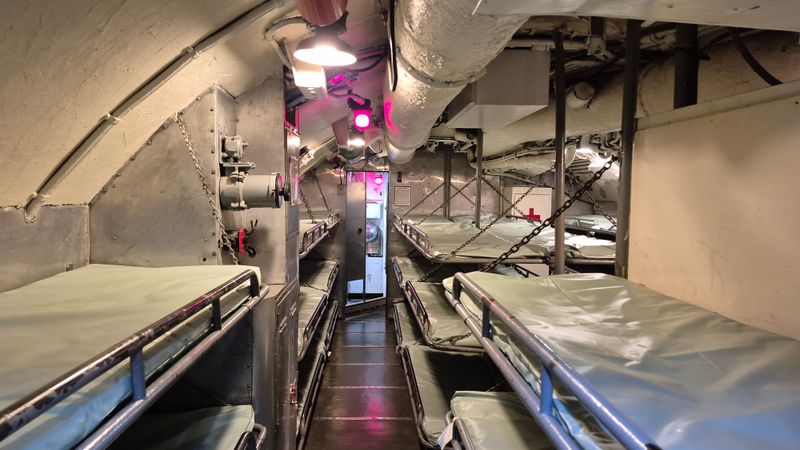
It is one thing to read about close quarters, another to squeeze through them. The bunks feel inches from everything, often mounted above stores or machinery.
You get why visitors mention claustrophobia and why discipline mattered so much.
The galley tells a brighter story. Submariners famously ate well, a morale investment during long patrols.
Peek at the compact ovens, preparation surfaces, and storage solutions that supported surprisingly ambitious menus.
Picture watch rotations, drills, and rare downtime. Letters from home, card games, and quiet jokes would mingle with the rhythmic thrum of machinery.
Every surface had to earn its keep, and every procedure had to be second nature.
As you pass through, slow down to notice labels, stowed tools, and tiny personal touches. They make the Silversides feel human, not just hardware.
Your empathy grows when you imagine these spaces crowded, warm, and alive with duty.
The Theater and Storytelling: Framing the Pacific War
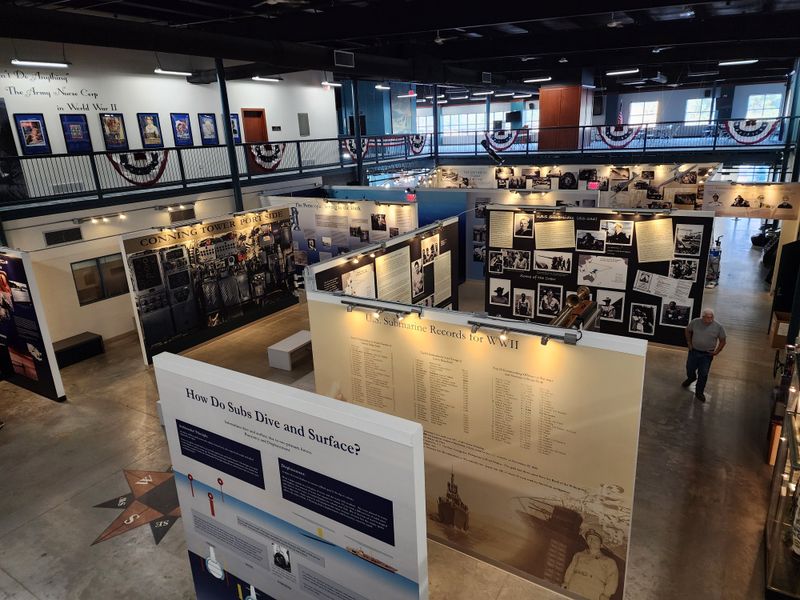
The museum’s theater anchors the narrative with a succinct film. It contextualizes the Silversides within the broader submarine campaign that strangled enemy logistics and reshaped naval warfare.
Watching first equips you to read exhibits more fluently.
Expect archival footage, ship silhouettes, and maps tracing patrol routes. Even if it is not Hollywood slick, the storytelling is clear and purposeful.
You will recognize themes later aboard the sub, especially around stealth, endurance, and teamwork.
After the film, revisit the gallery panels and see how names, dates, and specs come alive. It is like switching from black-and-white to color.
Families can split up and reconvene at the periscope to compare takeaways.
If your group includes veterans or educators, invite reflections about strategy versus human cost. The film’s overview helps balance technical fascination with sober remembrance.
That balance is the museum’s quiet strength, and it sets a respectful tone for the rest of your visit.
Self Guided Success: Tips for Tight Spaces and Safe Touring
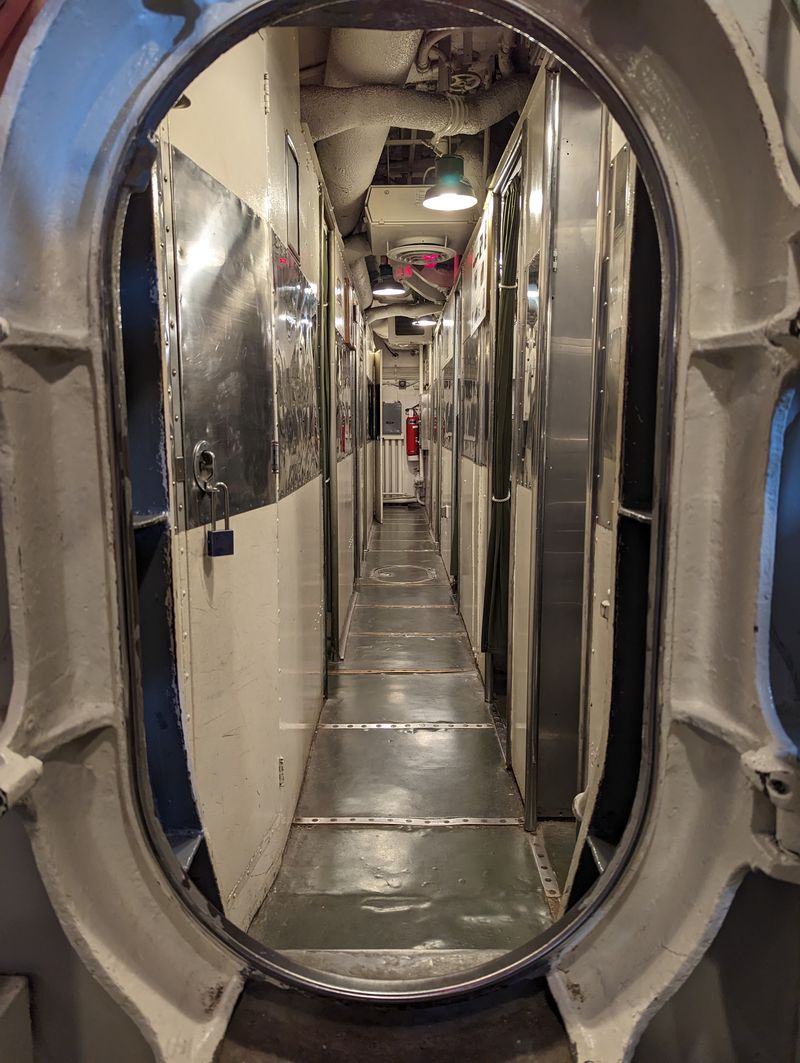
Self guiding works beautifully here if you pace yourself. Keep hands to yourself, because operational switches are real, not replicas.
Read signs before stepping down ladders, and move one person at a time through hatches to avoid traffic jams.
Comfortable shoes and light layers help. Sub interiors can feel warm, especially on busy days.
Small crossbody bags beat backpacks, which snag on valves and rails.
Photography is welcome, but flash can be rude in tight spaces. Pause to let others finish photos and give kids a heads up about hot or sharp surfaces.
If you are sensitive to claustrophobia, practice slow breathing and identify quick exit routes between compartments.
Finally, plan breaks on the museum’s deck or shoreline path for fresh air. Hydration and a snack reset energy and patience.
A considerate pace turns a good tour into a great one, and it keeps both you and the submarine happy.
Overnight Programs: Scouts, Campouts, and Bucket List Moments
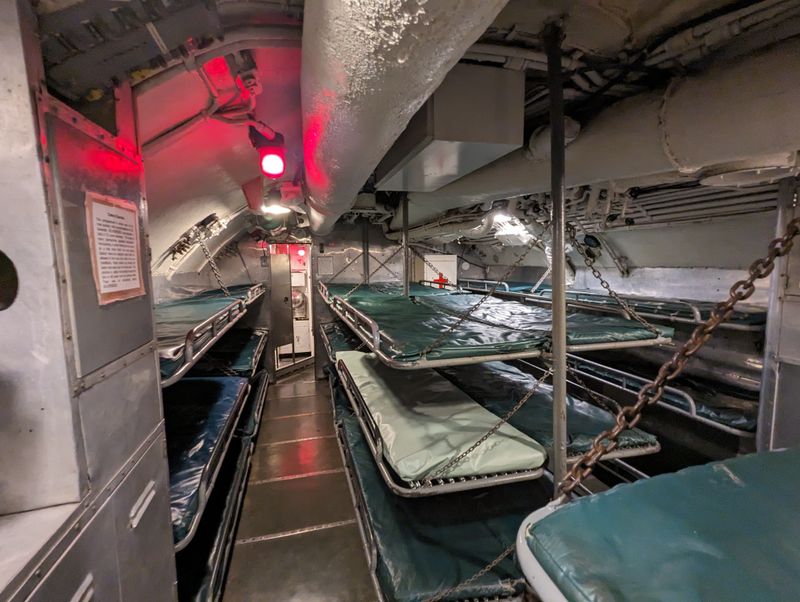
If you have ever dreamed of sleeping in a submarine, the museum makes it real. Scout groups rave about overnights that combine private tours, hands on demonstrations, and lights out in the torpedo room.
Leaders usually bunk in crew quarters, adding to the authenticity.
The schedule might include pizza, extra exhibit time, and Q&A with staff. It is immersive without being intimidating, thanks to clear rules and thoughtful supervision.
Bring compact bedding and earplugs, because metal spaces amplify sound.
Before booking, confirm group size limits, adult ratios, and safety requirements. Ask about accessibility, emergency procedures, and what gear is allowed onboard.
You will want to stow snacks carefully and respect the do not touch zones.
In the morning, step onto the dock to watch the lake wake up. It is hard to beat that sunrise after a night among gauges and history.
The experience sticks, often inspiring follow up learning back home.
United States Coast Guard Cutter Tour: Companion Vessel
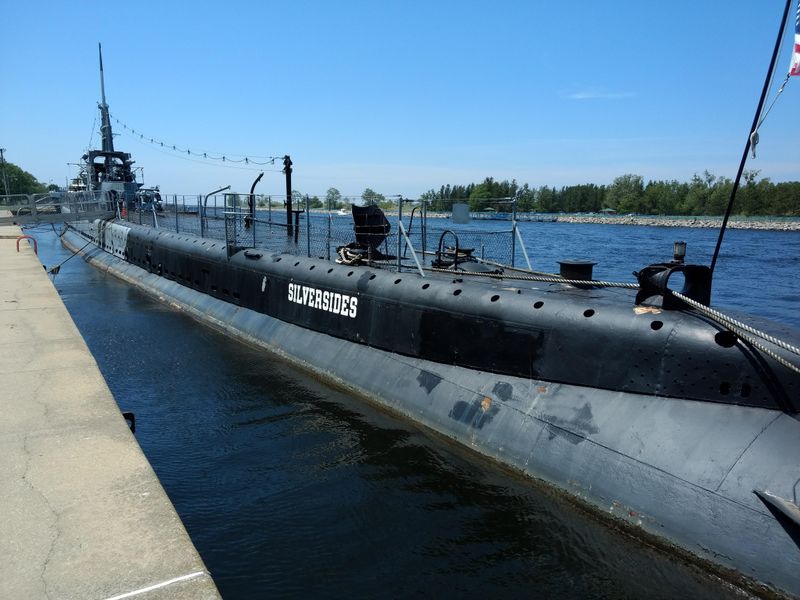
Alongside the submarine, a United States Coast Guard cutter rounds out your maritime education. Touring both underscores how missions differ: sub stealth versus cutter presence.
You will compare deck layouts, crew workflow, and the feel of open-air spaces versus enclosed steel.
Placards explain convoy duty, rescue operations, and wartime adaptations. Seeing the cutter adds texture to Great Lakes and coastal histories.
It is also a welcome breather if the submarine felt close.
Tickets can be bundled, so ask at the desk. Plan at least 30 minutes to walk the cutter, more if you like ship fittings and navigation details.
The views from the deck back toward the submarine and museum are photo worthy.
Use the cutter visit to spark questions about training, maintenance cycles, and inter-service cooperation. When you return inside, the museum’s exhibits connect those dots.
Together, the vessels tell a bigger story than either could alone.
Great Lakes Setting: Views, Weather, and Photo Spots
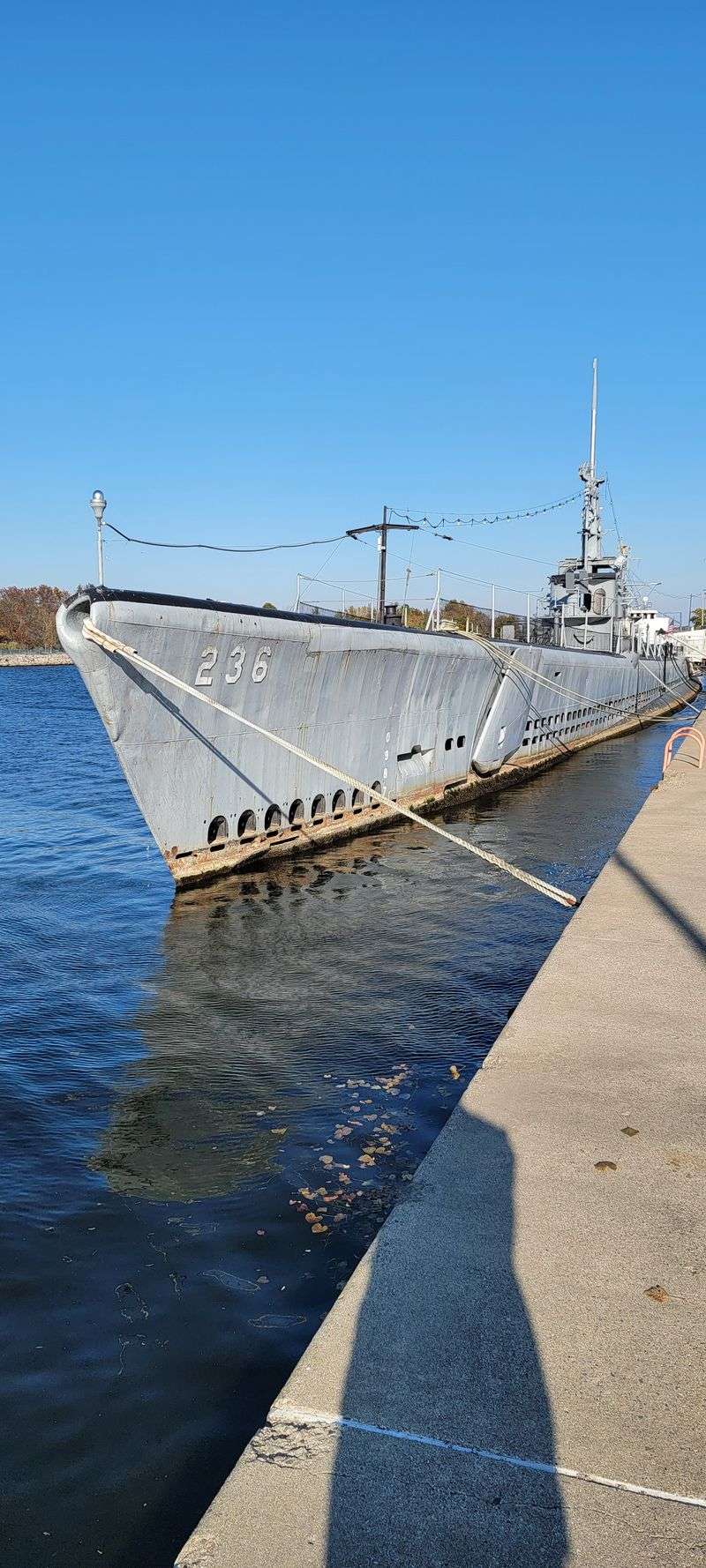
The location is part of the magic. Muskegon Lake frames the submarine in changing light, from misty mornings to gold evening glow.
You can watch boats glide by and feel breezes that make the deck a natural reset between exhibits.
For photos, aim for golden hour. Position yourself on the dock to capture the sub’s bow and reflection.
Wide angles help in tight spaces, while fast lenses tame the submarine’s low light interior.
Weather shifts quickly near the water, so bring a layer. In summer, sun on metal adds heat; in colder months, wind can bite.
Plan your route so you alternate indoor learning with outdoor breaks.
Respect railings, mind footing, and keep kids close near the edge. The museum grounds are well kept and inviting.
A thoughtful loop lets you savor both history and horizon without rush.
Planning Your Day: Tickets, Timing, and Making It Memorable
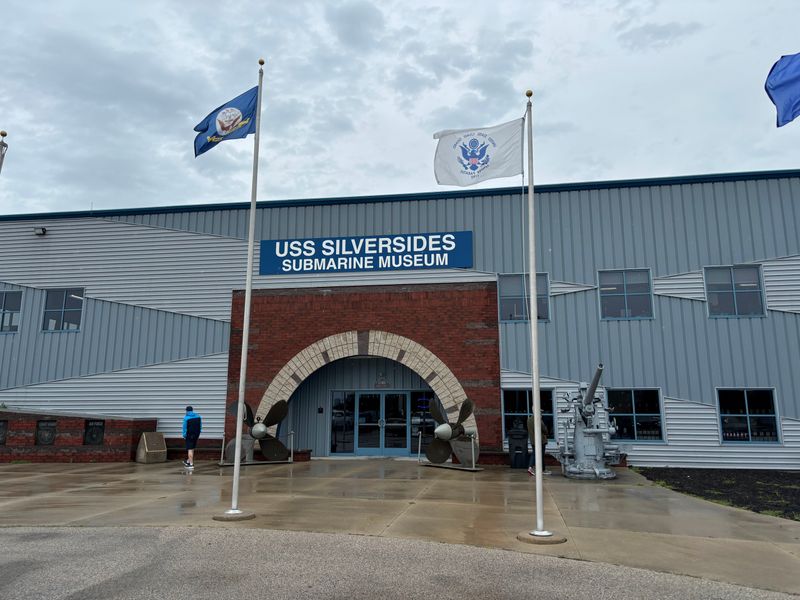
Check current hours before you go: Thursday, Friday, Saturday, Sunday, and Monday are typically 10 AM to 4 PM, with Tuesday and Wednesday closed. Buying tickets on arrival is easy, but holidays and group events can add traffic.
If time is tight, tour the sub first, then the galleries.
Budget for both museum and vessels, or choose a package. Seniors, adults, and children have distinct pricing, and membership supports preservation.
Ask about special engine runs or talks that could elevate your visit.
Bring curiosity and comfortable clothing. A small notebook or phone notes app helps capture names, patrol dates, and questions.
You might call ahead for accessibility details or quieter hours if crowds overwhelm you.
Finally, slow down. Let the film frame your understanding, the periscope spark wonder, and the engine room anchor respect.
You will leave with vivid memories and a deeper sense of how steel, skill, and courage shaped the war beneath the waves.