Prepare to be mesmerized—Arizona hums with life.
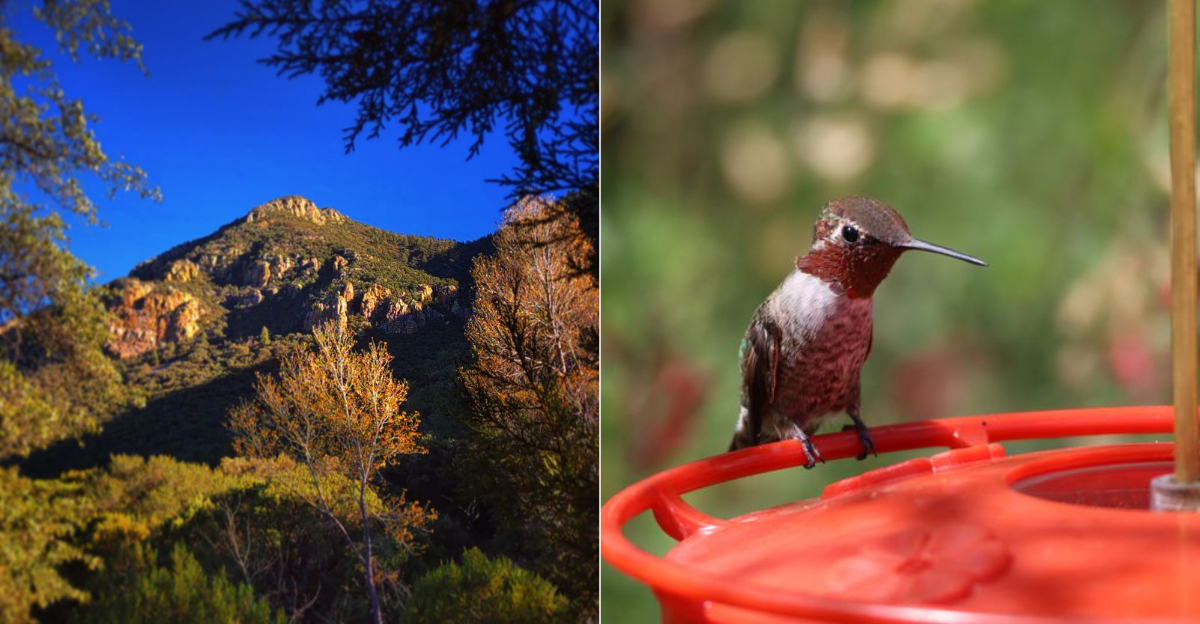
Sierra Vista isn’t just a desert town; it’s the hummingbird capital of America, where tiny jewels of color dart, hover, and shimmer in the sunlight. Every garden, feeder, and canyon edge becomes a stage for wings that blur faster than your eyes can follow.
Spring and summer bring an explosion of species, each with its own pattern, color, and personality. Photographers, birders, and nature lovers flock here, cameras ready, hoping to capture the impossible—those split-second moments of flight, tiny beaks sipping nectar, iridescent feathers catching the light.
Trails, gardens, and protected habitats offer front-row seats to this airborne ballet. You’ll find yourself staring, breath caught, heart racing, feeling lucky to witness a spectacle that belongs to few places in the world.
Sierra Vista doesn’t just host hummingbirds—it celebrates them, and every visit feels like stepping into a living, humming rainbow.
Why Sierra Vista is the hummingbird capital
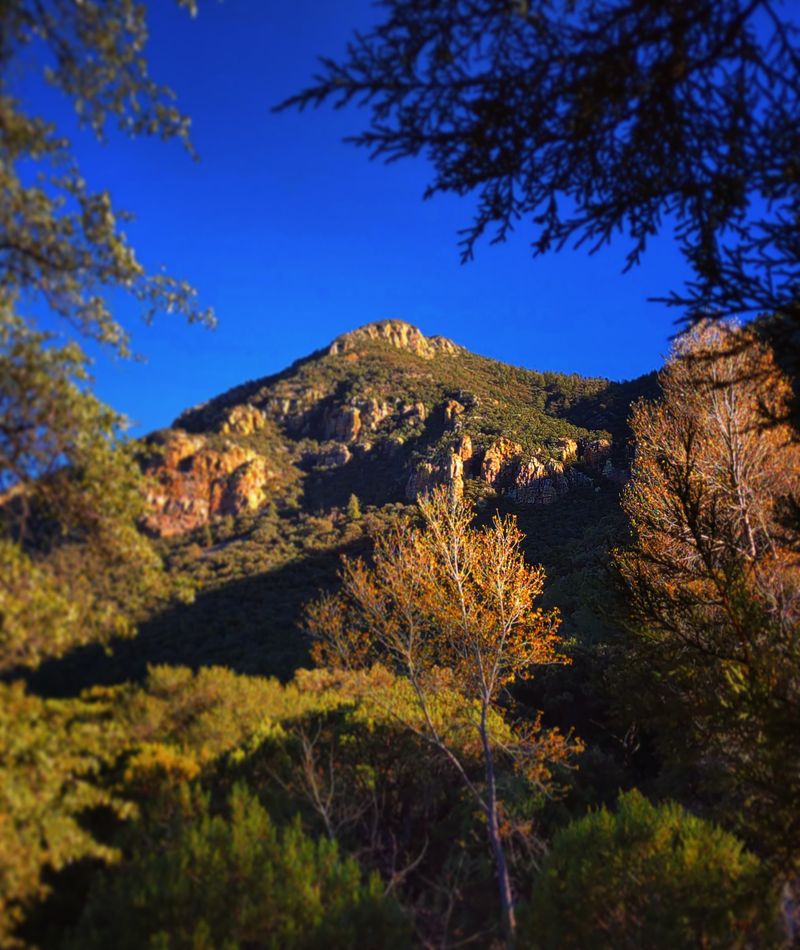
Sierra Vista earns its hummingbird capital title thanks to a unique convergence of mountain canyons, riparian corridors, and blooming desert plants. The Huachuca Mountains create cool updrafts and diverse microhabitats that funnel migrants north and south.
You get an astonishing variety of nectar sources from ocotillo to agave, plus backyard feeders that act like seasonal refueling stations.
Birders love the reliable viewing windows here from April through September, when feeders pulse with buzzing wings. You can watch tiny aerobatics from sunrise until afternoon monsoon clouds gather.
Local groups publish real time sightings so you know exactly which canyon to visit for a particular species.
What makes this special is the density of species within easy reach of the city’s hotels and cafes. You can grab breakfast and be scanning iridescent throats ten minutes later.
That blend of accessibility and biodiversity is rare in the Southwest.
Expect to see broad billed, black chinned, Anna’s, and occasionally rarities like the white eared. Keep movements slow and voices soft to let nervous birds settle.
Carry water, sun protection, and patience. The payoff is a kaleidoscope of color set against rugged Arizona sky.
Top spots: Ramsey Canyon Preserve
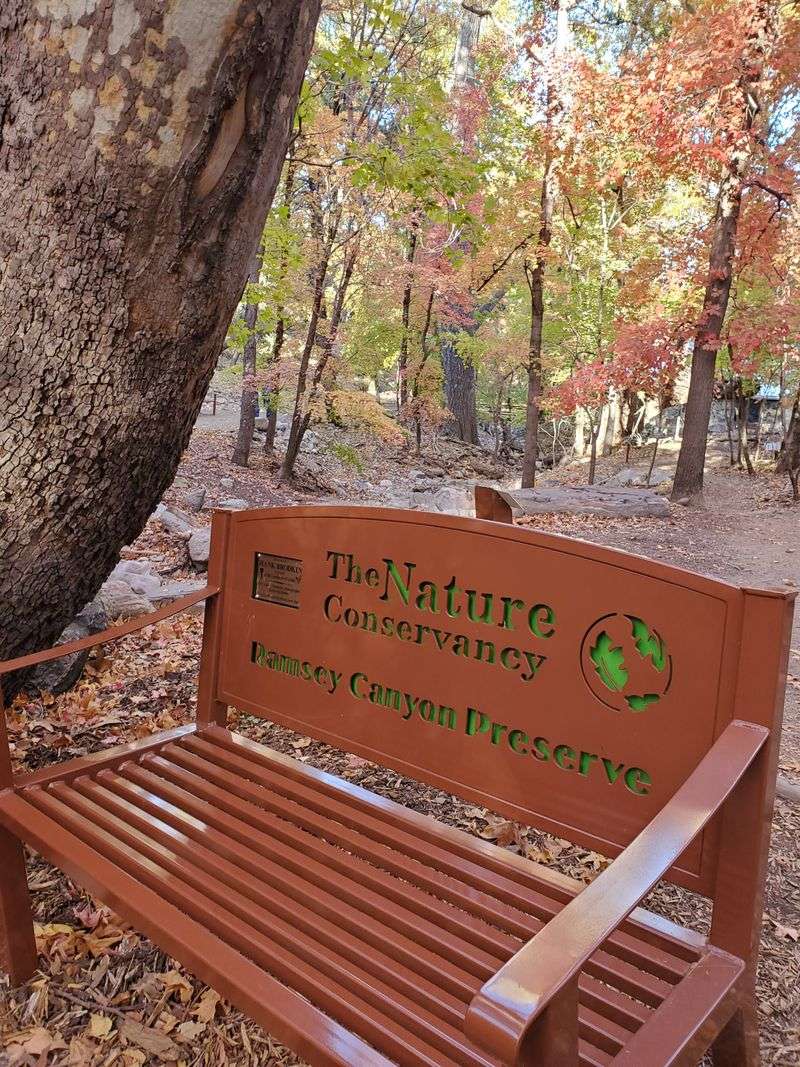
Ramsey Canyon Preserve is the icon for hummingbird watching in Sierra Vista. Managed for conservation, it mixes shaded riparian habitat with oak pine woodland, creating perfect nectar and insect hunting grounds.
A short trail leads past feeders and into cool, bird rich pockets.
Arrive early to claim a quiet bench near the visitor area. You will hear the telltale zips before you see the birds streaking between flowers and feeders.
Volunteers often share recent sightings, giving you a head start on identification.
Spring brings migrating Broad billed and Black chinned, while late summer can yield Violet crowned if you are lucky. Photograph respectfully and keep a respectful distance from feeders to reduce stress.
Cloud filtered light here makes colors pop without harsh glare.
Parking is limited, and day use fees support habitat protection. Wear sturdy shoes for uneven paths and bring binoculars with a wide field of view.
After your visit, explore Sierra Vista’s local cafes to compare notes with other birders. Ramsey’s combination of scenery, trail access, and dependable activity makes it an easy first stop.
Miller Canyon and Beatty’s Guest Ranch
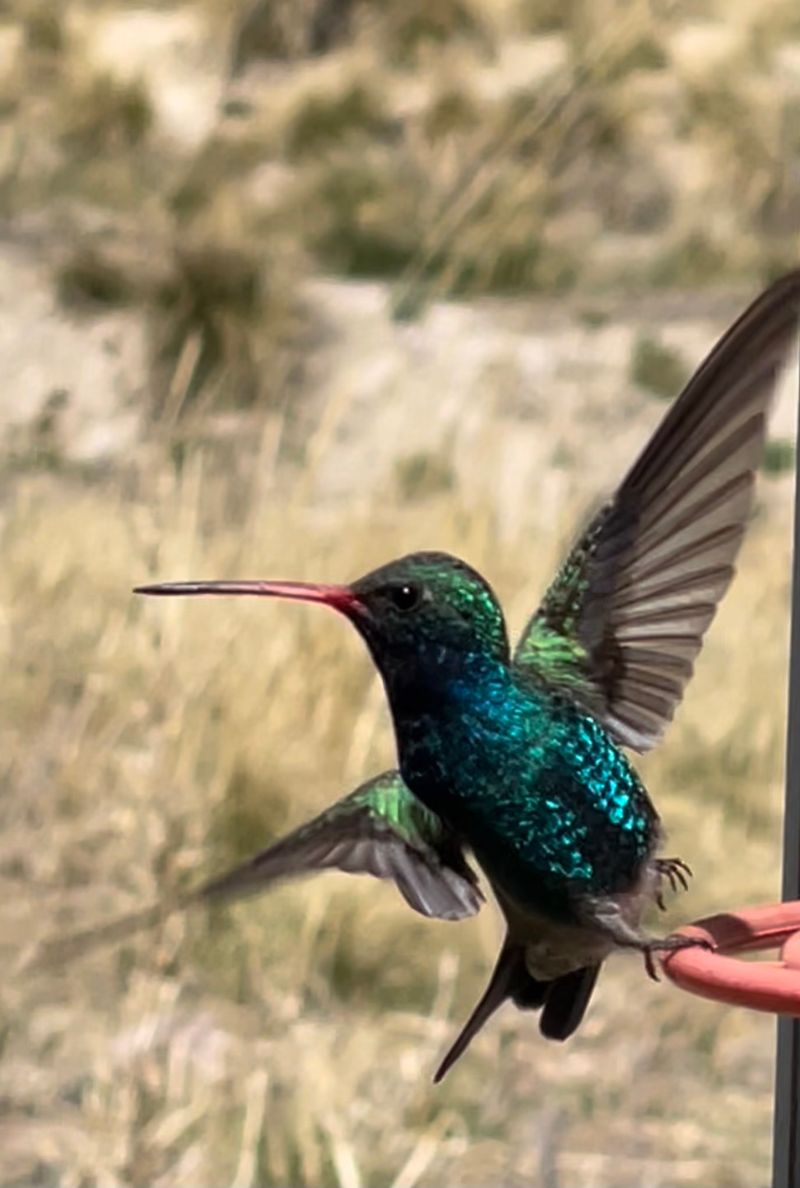
Miller Canyon, home to Beatty’s Guest Ranch, is legendary among hummer chasers. The family maintains well placed feeders that pull in a range of species during peak migration.
You can sit quietly and watch a continuous rotation of birds, from feisty juveniles to shimmering adults.
Expect narrow trails, cooler air, and the sound of water after rains. The canyon’s orientation funnels birds along the slope, giving you multiple vantage points.
When monsoon season rolls in, clouds add dramatic light and quick bursts of activity.
Beatty’s provides posted lists and tips that help with identification. Bring a lightweight field guide or offline app so you can compare bills, tails, and gorget color.
Patience wins here, especially if you want that perfect hover shot.
Parking is limited, so carpool if possible and be courteous on private drive areas. A small fee supports feeder maintenance and habitat care.
Pack layers, snacks, and plenty of water. Afterward, swing by Sierra Vista for dinner and a sunset cruise down Moson Road, where the mountains glow.
Miller Canyon delivers intensity and variety without overwhelming your day.
When to go and how to plan
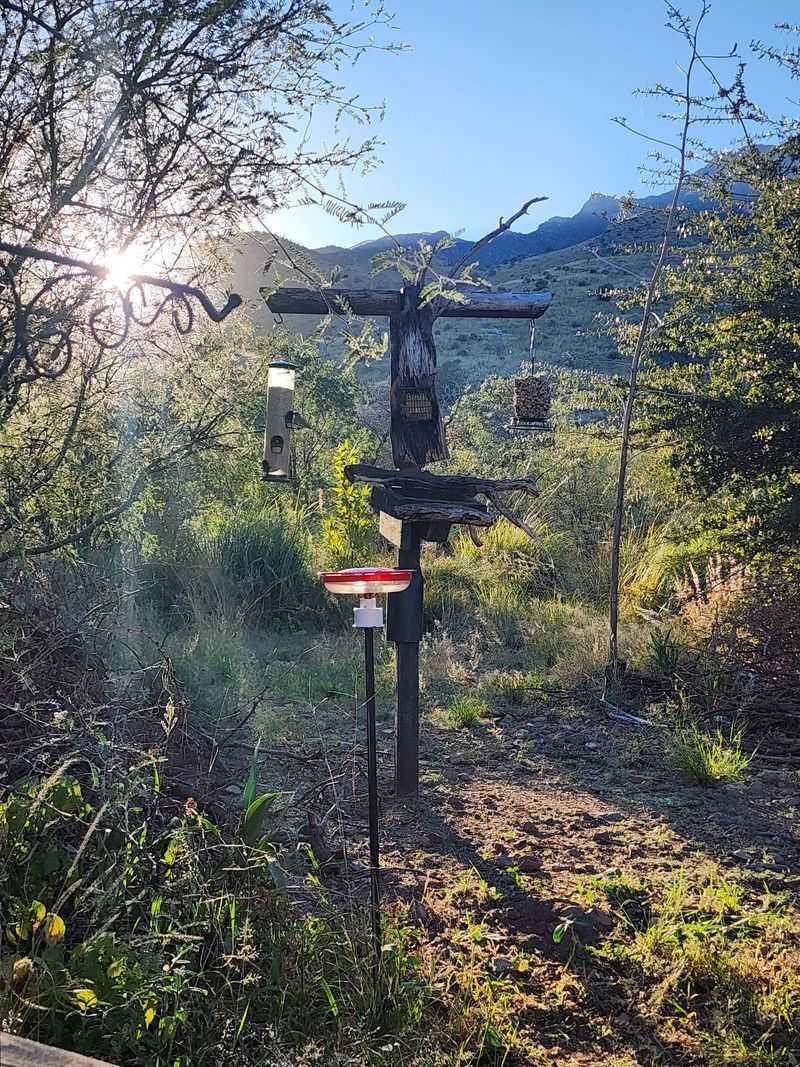
Timing is everything in Sierra Vista. Peak hummingbird action ramps up from late spring through early fall, with July and August often explosive after monsoon blooms.
Mornings are prime for calm air, soft light, and unhurried birds.
Build a plan around two to three canyon visits, leaving midday for shade, lunch, and a nap. Mix feeder stations with natural flower patches to see different behaviors.
Always check local sighting boards and preserve pages before you drive.
Packing lists matter here. Bring binoculars with close focus, a lightweight tripod if you photograph, and neutral clothing that will not spook wildlife.
Hydration packs, electrolytes, and a compact first aid kit keep you comfortable under desert sun.
Book lodging in Sierra Vista to cut drive times and support local businesses. Many hotels are used to birders and can advise on early breakfasts.
If you are new to ID, consider a guided walk to jump start your skills. Build flexibility into your schedule so you can chase a rare alert.
That agility often leads to unforgettable encounters.
Birding etiquette and conservation
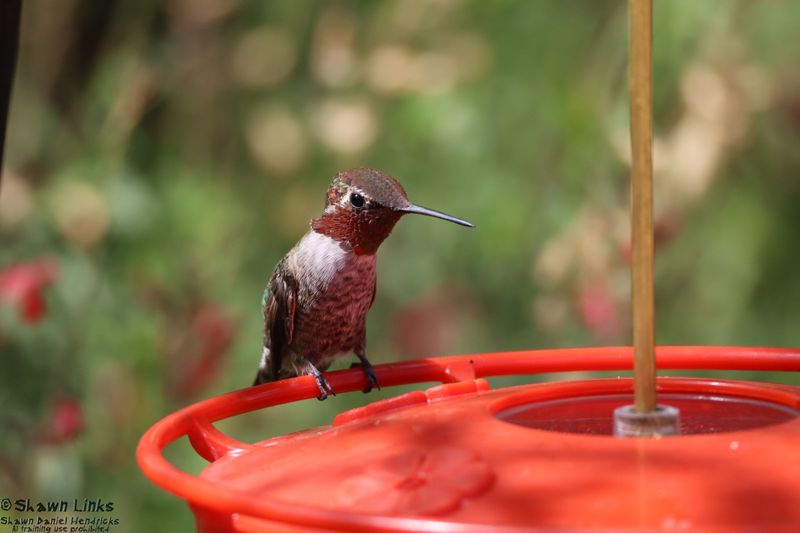
Great sightings start with good etiquette. Keep voices low, step lightly, and give feeders a respectful buffer so nervous birds can feed.
Never play audio lures repeatedly, and avoid crowding a rare bird for a photo.
Stay on marked trails to protect fragile creek banks and wildflower patches. Pack out all trash, including snack wrappers and used tissues.
If you move a rock to steady a tripod, place it back for the next person.
Conservation works here because visitors cooperate with staff, landowners, and volunteers. Your day use fee funds habitat maintenance, signage, and research.
Donations to local groups stretch those dollars and keep nectar sources thriving.
Report rare sightings responsibly, following local guidelines to reduce pressure on specific nests or territories. Share your best shots with context but no sensitive coordinates.
Most of all, model patience for newer visitors who are learning. The goal is joy plus stewardship, so Sierra Vista remains a hummingbird haven for decades.
Your choices shape tomorrow’s chorus of wings.
Local flavor: food, coffee, and community

Fuel matters when your day starts at dawn. Sierra Vista’s coffee scene caters to early risers with strong brews, quick breakfasts, and friendly staff who know which canyon is hopping.
Grab a burrito and be trail ready in minutes.
Lunch is an opportunity to cool off and review field notes. Many spots offer shaded patios perfect for gear sorting and charging batteries.
Expect casual menus, regional flavors, and plenty of iced tea.
Evenings bring relaxed conversation as birders trade sightings and share photos. You will hear stories about rare visitors and the best angles at different feeders.
The community vibe makes solo travelers feel welcome fast.
Support local whenever you can, from bakeries to outdoor shops stocking electrolytes and sun sleeves. Ask for water refills to cut down on plastic waste.
This small city knows how to host nature lovers without fuss. You will leave well fed, caffeinated, and inspired to catch the first light again tomorrow.
Family friendly: easy trails and kid approved stops
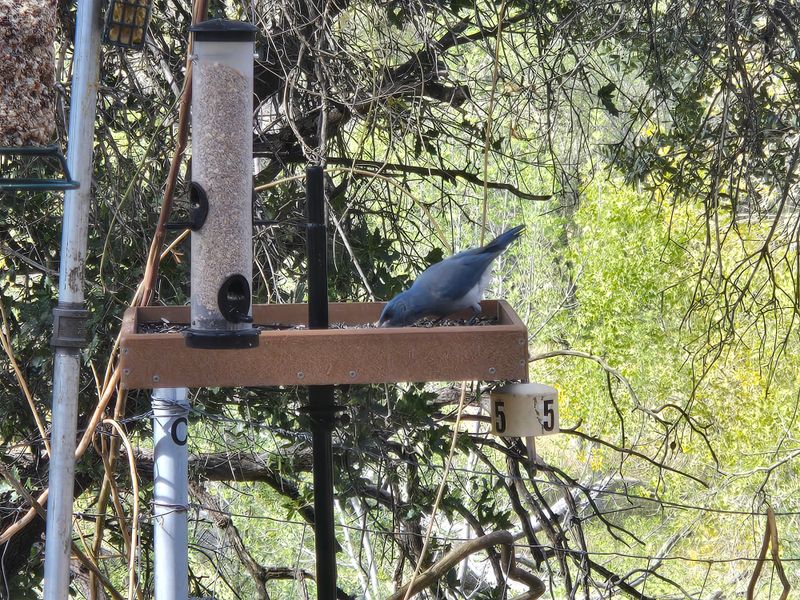
You can make hummingbird chasing fun and low stress for kids. Start at visitor centers with feeders and clean restrooms, then graduate to short, shaded loops.
Interpretive signs turn every stop into a tiny classroom.
Bring kid sized binoculars, a simple sticker checklist, and snacks for patience boosts. Early mornings mean cooler temps and better bird traffic.
Midday is perfect for picnic ramadas, ice cream bribes, and a quick nap in the car.
Choose trails with gentle grades and creek sounds that keep little legs motivated. Step aside for birders with scopes and use quiet voices near viewing areas.
Celebrate every flash of color, even if it is a common Anna’s.
Rotate roles so each child spots, records, and photographs. End with a bookstore stop for a junior field guide.
They will remember the thrill of “their” first hummingbird and ask to come back.
Beyond birds: caves, forts, and sky island day trips
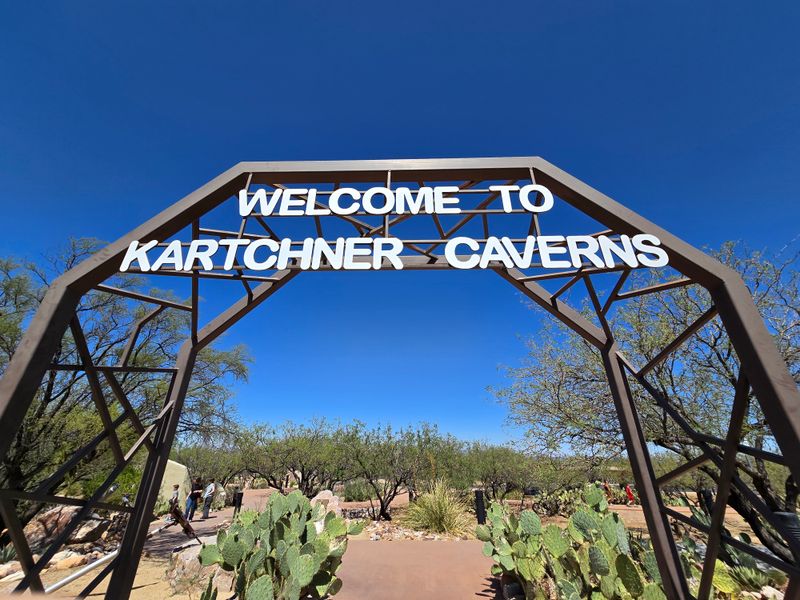
Sierra Vista is an incredible bird basecamp, but the surrounding day trips complete your itinerary. Kartchner Caverns dazzles with living formations and cool underground air.
Reserve tours ahead and bring a light layer.
History buffs can visit Fort Huachuca’s museums for Buffalo Soldier stories and aviation artifacts. Bisbee sits close by with artsy streets, mine tours, and good coffee.
Tombstone offers theatrical history and a quick lesson in frontier myth making.
If you crave landscapes, drive a Sky Island loop to soak up big desert views. Picnics at Coronado National Memorial pair well with late afternoon hawk watching.
Sunsets routinely earn a pause and a few extra photos.
Balance your days: birds at dawn, culture midmorning, and golden hour back in the canyons. You return with a wider sense of place and a deeper appreciation for these mountains.
That mix is what makes the trip stick.