Twelve thousand acres. Empty trails.
Pure silence.
Seneca State Forest in West Virginia stretches wide, wild, and waiting—yet most hikers keep heading east, chasing the crowded paths of the Appalachian Trail. Here, the trees are taller, the streams sing louder, and the air feels untouched.
Walk a winding trail and you might see a deer pause mid-step, hear nothing but the rush of a hidden creek, or catch a sunbeam slipping through a dense canopy. There are no lines, no check-ins, no social media photo scramble—just space to breathe and wonder.
For those willing to turn off the beaten path, Seneca offers solitude that feels rare these days. The forest invites you to slow down, wander farther, and find your own rhythm where the world isn’t watching.
It’s a hiker’s secret: 12,000 acres of adventure without the crowds.
Why Seneca State Forest beats crowded alternatives
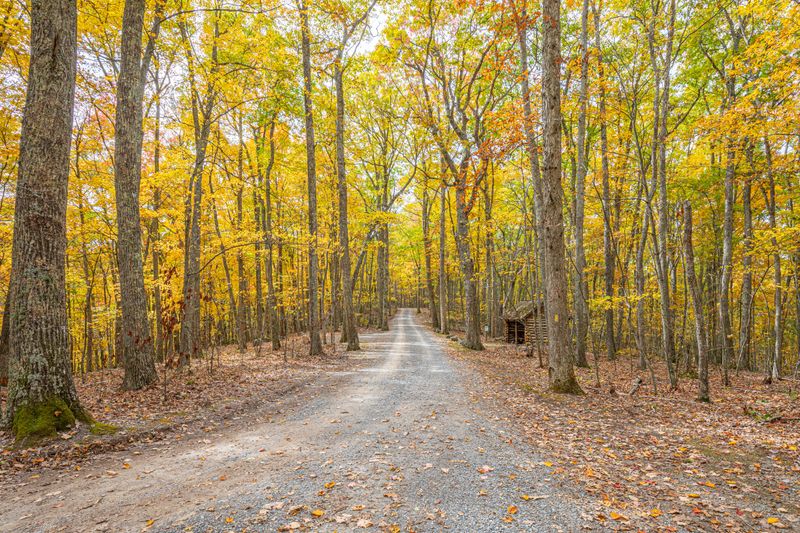
You want the hush of the woods without dodging trail traffic every mile. Seneca State Forest spreads out over 12,000 acres, so you can walk for an hour and still hear only wind in the oaks and a distant woodpecker.
Trails here feel personal, with soft leaf duff underfoot and the occasional deer bounding away through rhododendron.
Compared with the Appalachian Trail, Seneca’s path network is quieter, less social, and more flexible for spontaneous loops. You are not stuck in a conga line on a sunny Saturday.
Instead, you can pick a ridge, follow a creek, and linger at a lake overlook without the pressure of passing hikers stacking up behind you.
Facilities complement that calm. Cabins with gas refrigerators, wood cooking stoves, and propane lighting nudge you to unplug without roughing it entirely.
Even tent sites feel thoughtfully tucked away, so your morning coffee stays private and unrushed.
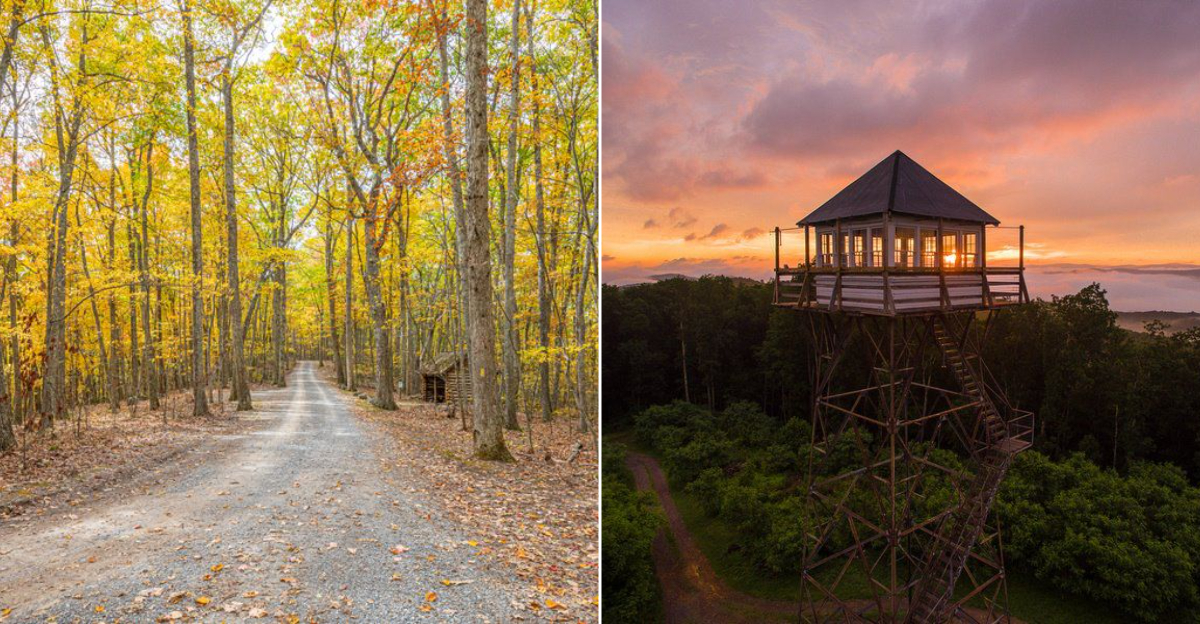
The fire tower adds a just-remote-enough adventure, with sunrise panoramas and a night sky full of honest darkness. If you have been craving a reset, Seneca’s mix of space, simplicity, and authentic West Virginia hospitality gets you there, gently.
Come ready to slow time.
Essential planning: seasons, maps, and permits
Planning here is straightforward, which makes it easy to say yes to a last-minute escape. Check seasonal road conditions and hunting dates, then grab a current trail map from the state park system or the forest office.
Cell service can be spotty, so download maps offline and carry a paper backup with basic compass skills.
Spring brings wildflowers and fast creeks. Summer is green and quiet if you start early or hike evenings.
Fall weekends glow with color while weekdays feel practically private, and winter offers crisp, leafless views where ridge lines open like windows.
Cabins and the fire tower require reservations, so book early for prime weekends. Tent camping is first-come or reservable depending on the site, with simple amenities that keep the vibe rustic.
No specialized permits are typically needed for day hiking, though fishing and boating around the lake follow state rules.
Pack layers, tick protection, and extra water capacity for longer loops. Trail signage varies, so a small notepad with junction notes helps.
Most of all, plan for slowness. Build in time to sit on a porch, watch shadows climb the hills, and let your schedule loosen its grip.
Trail sampler: Thorny Creek to Fire Tower linkup
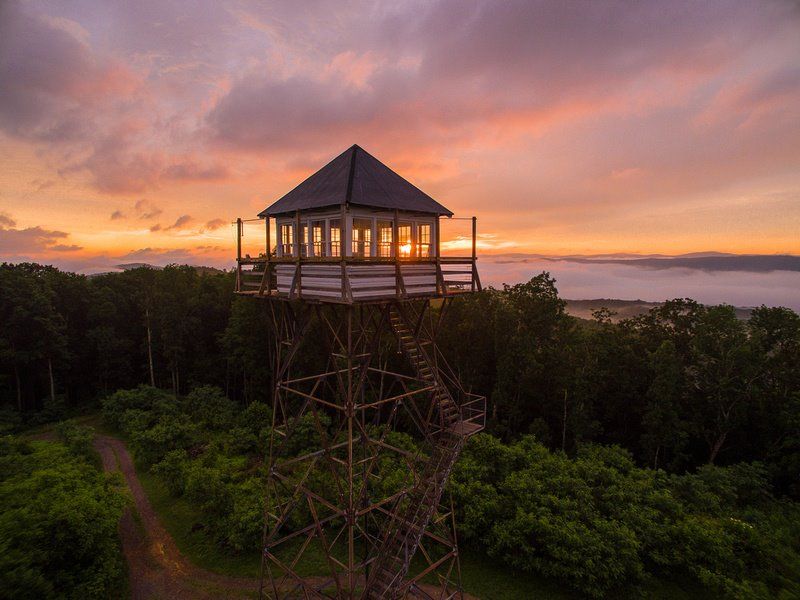
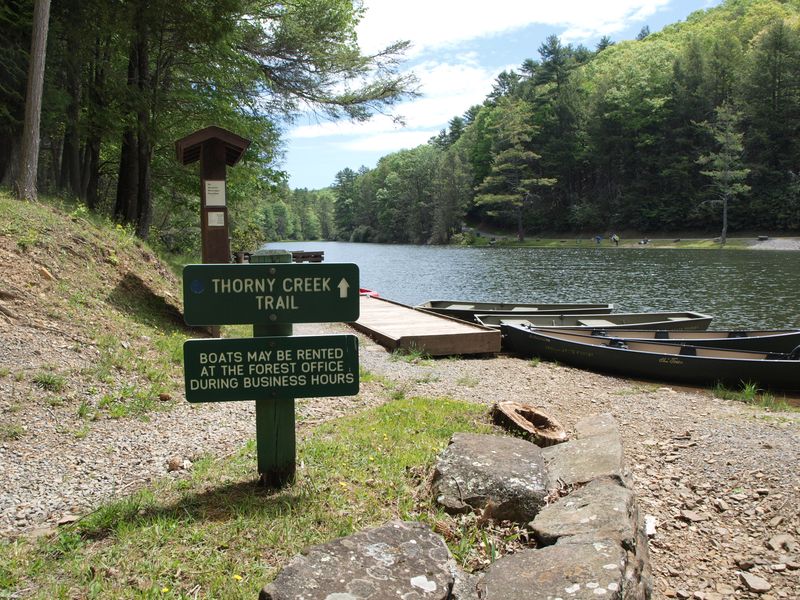
This linkup builds from water sounds to sky. Start on Thorny Creek Trail beside the lake, following gentle grades where ferns brush your shins and the air stays cool.
As you turn toward the Fire Tower Trail, the climb steepens, and your breath becomes part of the rhythm.
Expect punchy grades and occasional roots. If steep hills are tough, pace yourself with short breaks and steady sips.
The payoff arrives fast: a historic tower perched above layered ridges, with hawks riding thermals and a breeze that wipes away sweat and worry.
On clear days, the view stretches for counties, and evenings wash the mountains with peach and lavender. Descend carefully, especially after rain when leaves slick the tread.
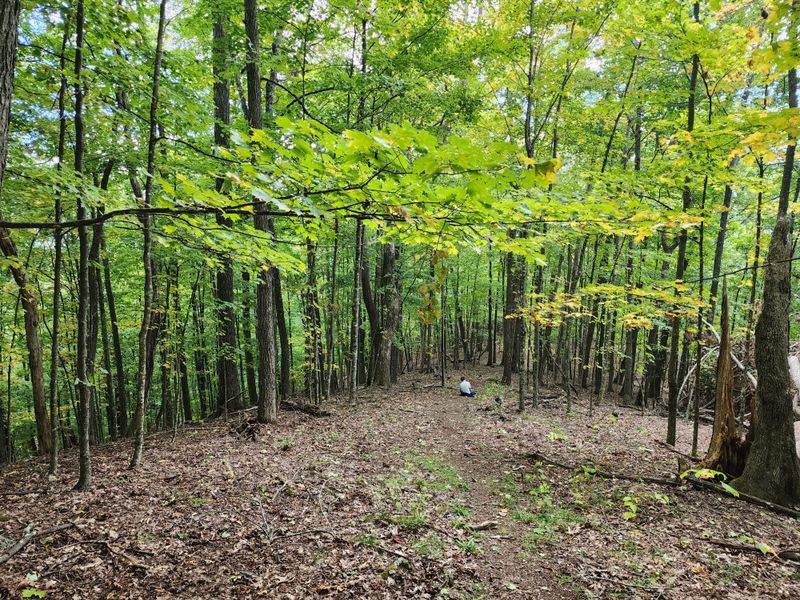
This route stays surprisingly empty, giving you room to notice wildflowers, salamanders, and the way light flickers through maple leaves.
Bring sturdy shoes, trekking poles if you like them, and a snack worthy of the summit. You will probably meet fewer hikers here than on a single overlook along the AT.
That quiet feels like a superpower you earned with each step uphill.
Cabin life: rustic comforts that help you unplug
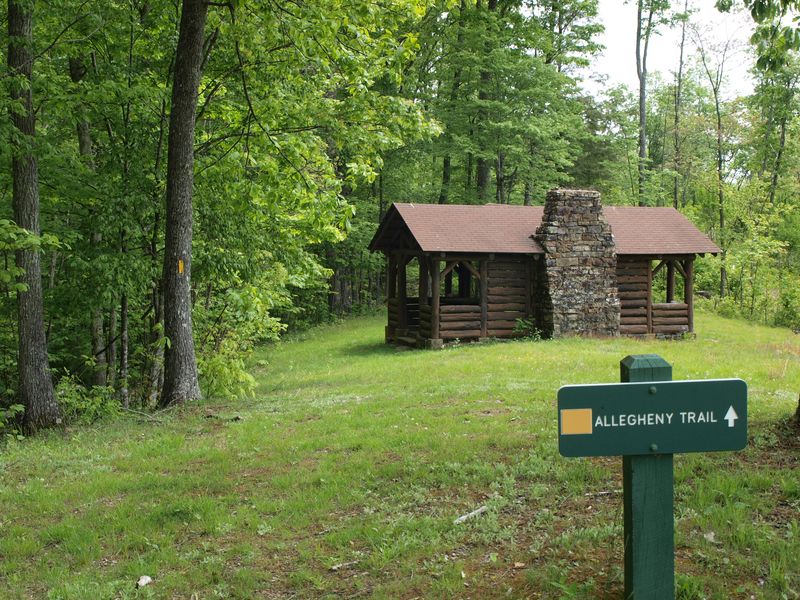
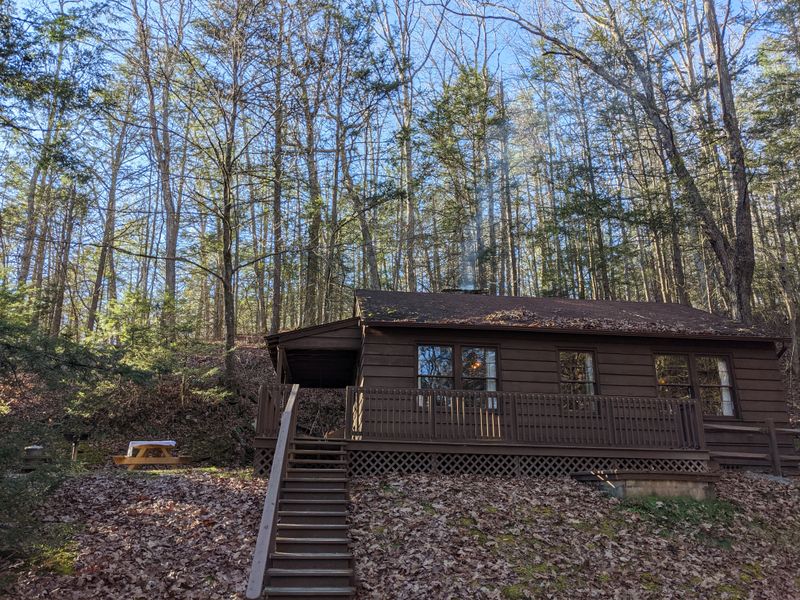
If you crave unplugged comfort, Seneca’s cabins are spot on. Think gas refrigerators, wood cooking stoves, propane lighting, and a clean outhouse nearby.
You get the charm without the chaos, and the night hush deepens until you are listening to crickets and your own exhale.
Cabin 4 is a favorite for privacy and that long porch gazing at the lake. Cabin 5 sits near trails like Thorny Creek and the fire tower climb, making sunrise walks easy.
Firewood is often split and stacked in a shed, with a water pump beside the door.
Bring headlamps, a cooler system if you like redundancy, and a simple meal plan that leans on skillet cooking. The vibe makes even pancakes taste better.
On rainy afternoons, a fireplace crackle and a paperback feel like the entire point.
Reserve early for weekends and shoulder seasons. You will find the staff friendly and the hospitality honest.
Step onto the porch after dark and look up. Stars crowd the sky here, not the trails.
The Fire Tower stay: sunrise above the hills
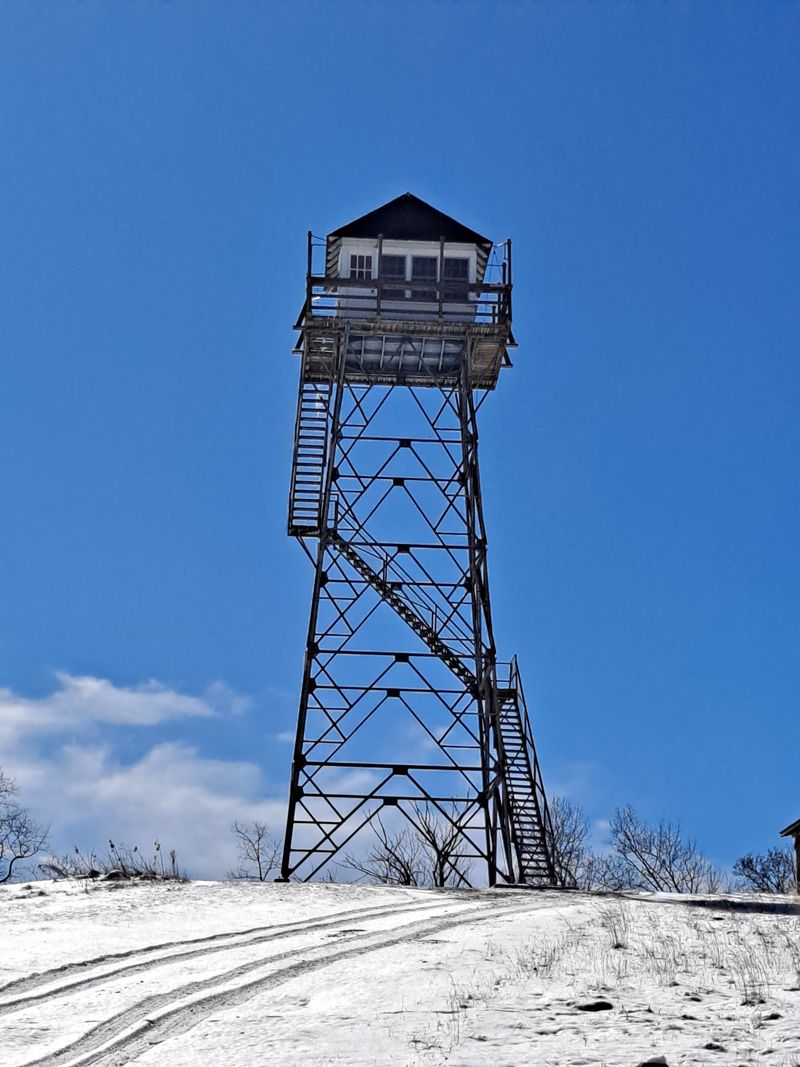
Sleeping in a fire tower is the kind of story you keep telling. The structure stands above the treeline, with windows framing horizons like a ring of postcards.
Night drops a hush so complete that even your zipper sounds loud.
Make a simple dinner, then watch twilight climb the hills until they turn to silhouettes. When dawn edges in, the world colors itself in slow motion.
You will see fog lakes pooling in valleys and the sun smoldering into gold.
It is peaceful and quiet, by design. Bring layers, a cozy sleeping setup, and a thermos for hot coffee at first light.
Expect a short, steep approach and embrace the minimal amenities as part of the charm.
Book ahead because spots go fast, though weekdays offer better odds. This is not luxury, it is perspective.
You will leave lighter, as if the view carried some of your worry away on the wind.
Lake time: paddling, picnics, and easy strolls
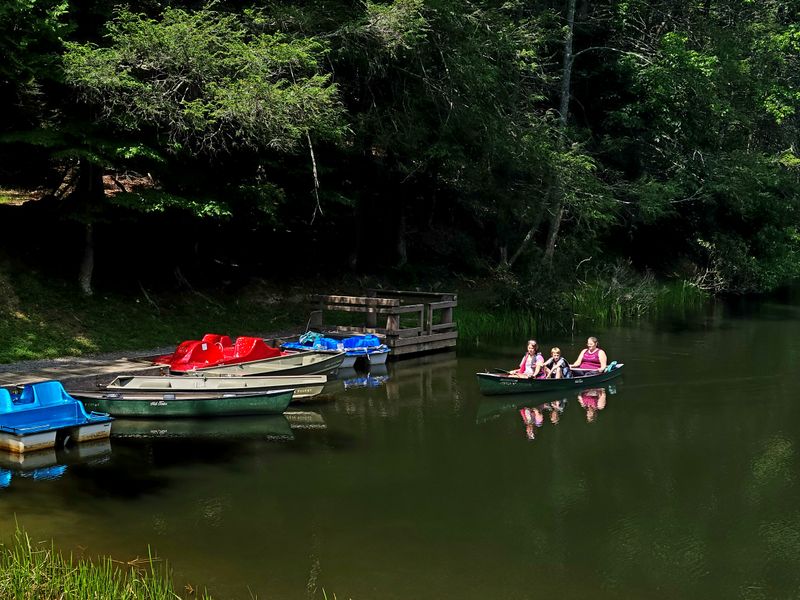
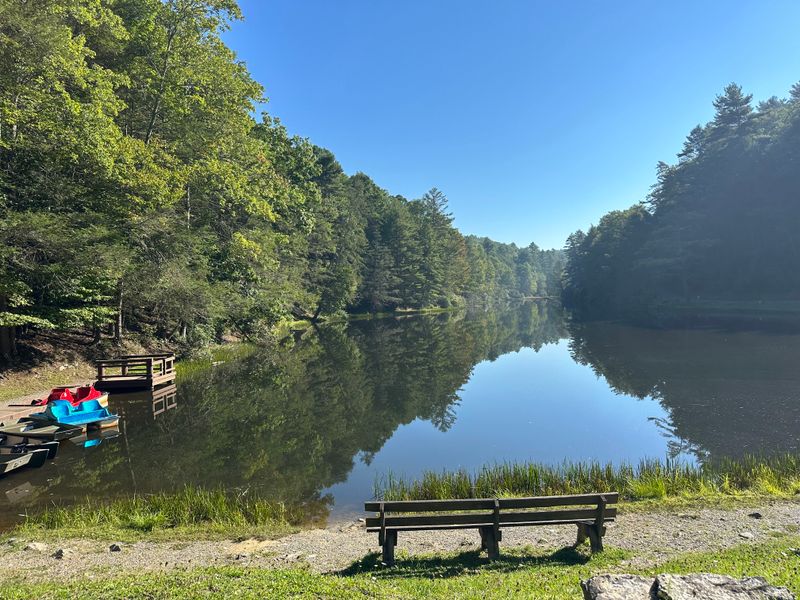
The lake is the social heart without ever feeling busy. Rowboats and life vests make getting on the water simple, and the shoreline’s reflected trees calm your brain on contact.
You can fish, paddle, or just drift while dragonflies write cursive above the surface.
Picnic areas spread across the shade, so you are never right on top of another group. It is easy to set up a simple lunch, then wander an easy path to walk off the cookies.
Kids can spot turtles, herons, and frogs, turning the outing into a low-key field trip.
Early morning or late evening brings the prettiest light and the least wind. On still days, the mirror effect is unreal.
Bring layers, sunscreen, and a trash bag so you leave zero trace of your perfect afternoon.
The lake links naturally with short trails like Thorny Creek, giving you options if energy levels shift. If you are staying in a nearby cabin, the porch becomes your post-lake lounge.
Expect peace instead of crowds, and plan to linger.
Navigation and safety on lightly used trails
Lightly used trails are a gift and a responsibility. You get space, but you also need sharper attention.
Carry a paper map, a charged phone with offline maps, a compass you actually know how to use, and a headlamp even for short evening hikes.
Expect occasional faint tread in leaf fall or after storms. Confirm blazes at junctions and note landmarks like creek crossings or old road grades.
If you are unsure, stop early, backtrack a few minutes, and reset rather than pushing deeper into doubt.
Footing can get slick on roots and wet leaves. Trekking poles help on steep grades like the Fire Tower climb, and sturdy shoes are non-negotiable.
Check for ticks after brushy segments, and carry a small first aid kit for blisters and scrapes.
Leave an itinerary with a friend and estimate your return window generously. Weather turns quickly in the mountains, so pack an extra layer and a simple rain shell.
Solitude is sweeter when you have prepared for it.
Camping basics: tents, sites, and quiet hours
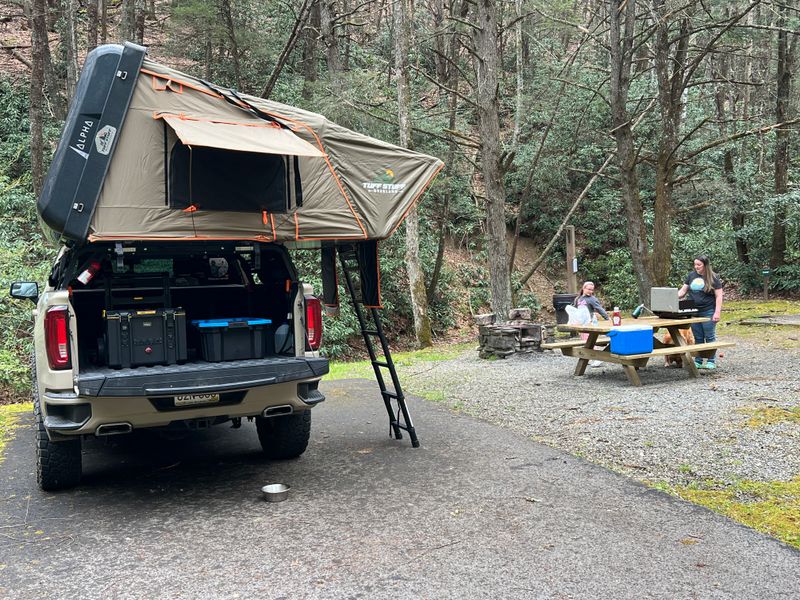
Camping here keeps the minimalist spirit alive. Sites are spaced so you can hear owls, not your neighbor’s playlist.
Expect simple pads, fire rings, and clean surroundings that do not distract from the forest’s main show.
Arrive with water capacity, a reliable stove, and a plan for cool nights even in shoulder season. Quiet hours help the stars feel brighter and the night creatures bolder.
If you have only camped in crowded car campgrounds, the difference here will surprise you.
Bear awareness is basic: store food properly, keep a tidy camp, and never feed wildlife. A small broom for sweeping your tent floor and extra line for a tidy hang go a long way.
Morning coffee tastes better when your site feels dialed.
Pair your stay with short trail loops to the lake or a half day on Rich Patch. You will learn the forest by day and its rhythms by night.
That combination is what makes camping here linger in your memory.
Leave No Trace in a lesser traveled forest
Quiet places stay that way when everyone plays their part. Pack out every scrap, including micro trash like tea tags and twist ties.
Keep campsites small, use existing rings, and resist building new furniture or fire structures.
Protect water by washing dishes and yourself well away from creeks and the lake. Strain food bits and pack them out.
The forest’s silence is partly made by clean water moving without soap or noodles floating by.
Stay on durable surfaces and give wildlife space, especially around nests or dens. If you find a perfect overlook, share it by keeping it pristine for the next pair of boots.
Your restraint becomes a gift they will never see but absolutely feel.
Finally, talk about it. Invite friends who will respect the place and model good behavior when you meet others.
The culture you bring is as important as your gear.
Sample 2 day itinerary for maximum calm
Day one starts slow. Arrive by late morning, settle into a cabin, and take a light lunch to the porch.
Spend the afternoon paddling the lake, then stroll Thorny Creek for an hour of quiet green.
Make a simple skillet dinner and light the lanterns. After dark, sit still long enough to hear the forest breathe.
Stars will find you, and sleep will come easily.
Day two is for the tower. Pre-dawn coffee, a headlamp start, and a steady climb bring you to sunrise above layered ridges.
Linger until the light warms your shoulders.
Back at the cabin, brunch and a nap lead into the Rich Patch Loop for a final hit of solitude. Pack up in the late afternoon, leaving time for an unhurried drive out.
You will carry the hush home in your bones.