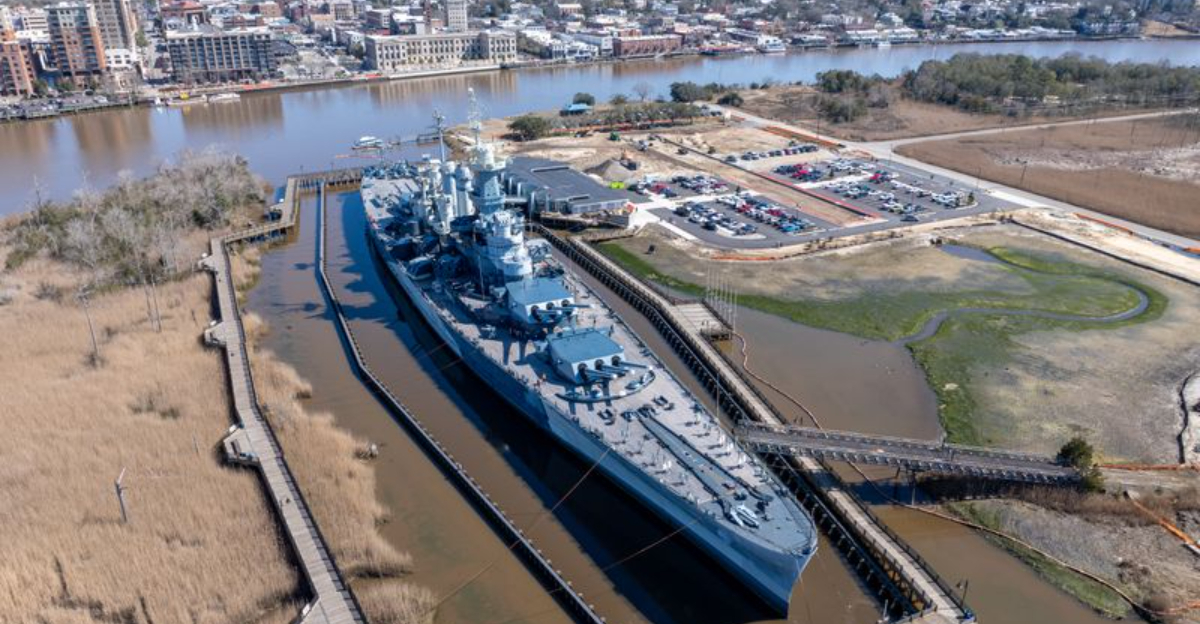
Step aboard a living legend of World War II!
The USS North Carolina isn’t a museum behind glass—it’s a fortress of steel where history roars from massive guns and whispers through narrow corridors. Every deck, every bulkhead, carries the stories of sailors who lived and fought here.
You can wander at your own pace or join veterans and guides who bring the ship’s past to life with tales of courage, strategy, and daily life at sea.
See the 16-inch guns, explore cramped crew quarters, and feel the weight of history under your feet. By the time you leave, you won’t just remember the battles—you’ll have walked alongside the heroes who made them.
Introduction to the Battleship
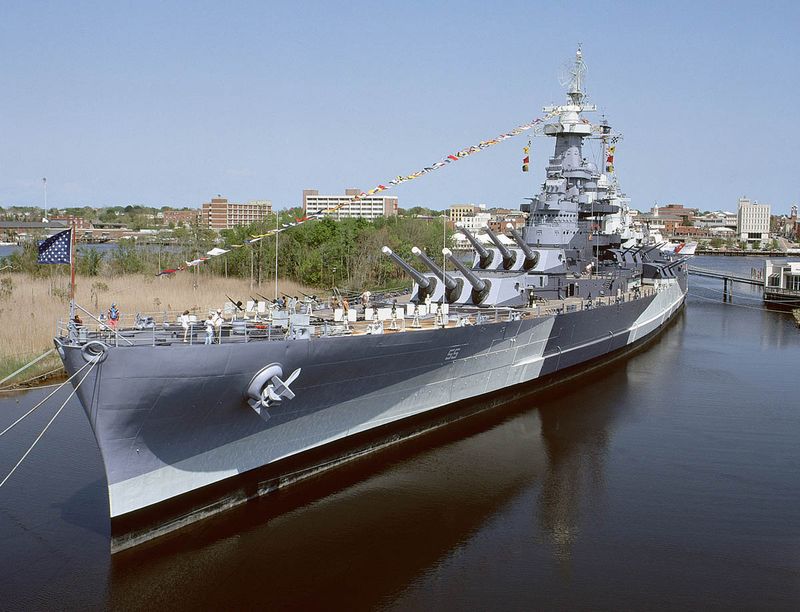
Step aboard the USS North Carolina and feel the thrum of history in every rivet and corridor. Launched in 1940, this sleek yet imposing battleship earned a reputation for speed, power, and resilience.
You will sense the stakes of the Pacific theater as you trace the pathways of sailors who faced danger daily.
As one of the most decorated ships of World War II, she carried thousands of stories across the ocean. You can picture the crew at action stations, the roar of guns, the tense quiet between attacks.
Interpretive panels and restored spaces put names and faces to the ship’s long service.
Standing on deck, the Cape Fear River breeze mixes with echoes of the past. You are not just looking at artifacts, you are standing inside the artifact.
That immediacy turns abstract dates into moments you can practically reach out and touch.
Self-Guided and Guided Tours
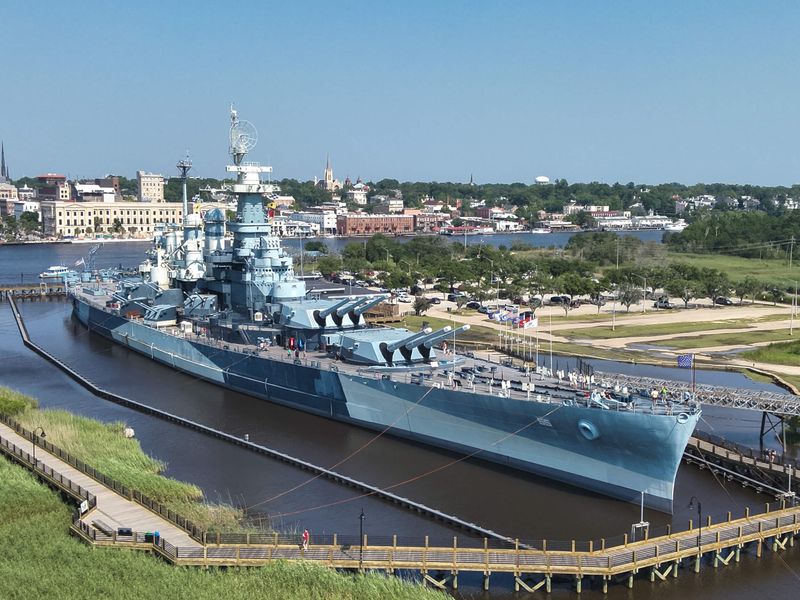
Choose your own pace with a self-guided route, weaving from deck to deep below. Clear signage, maps, and audio aids help you explore confidently without missing essential stops.
It feels like unlocking a living puzzle, each hatch revealing another layer of the ship’s story.
Prefer context delivered with heart and detail? Join a guided tour led by knowledgeable staff, sometimes veterans who served on similar ships.
Their firsthand insights turn technical spaces into human stories, connecting systems to experiences and decisions made under pressure.
You will learn how the crew ate, slept, fought, and fixed things mid-sea. Guides explain how roles connected, from radar operators to boiler tenders.
Whether solo or with a group, you will leave with a cohesive narrative that makes the ship’s complexity make sense.
Main Deck
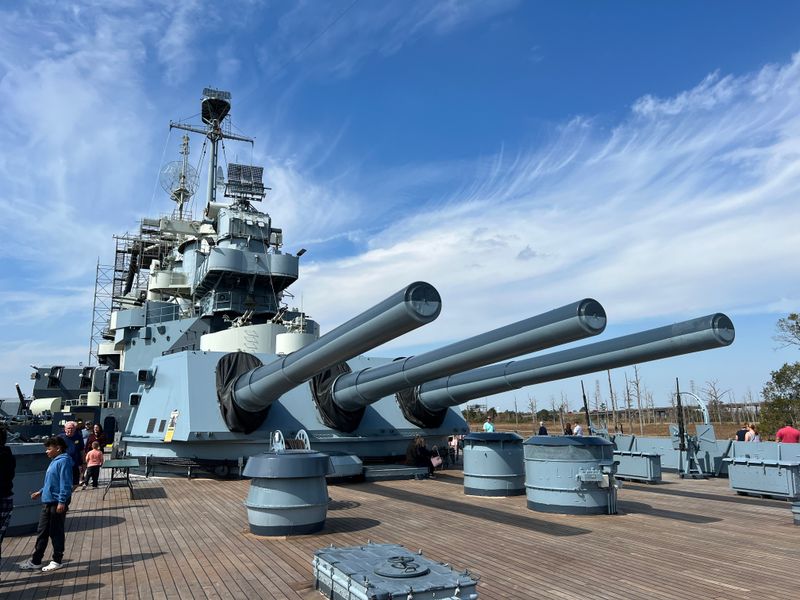
The main deck is where your sense of scale sharpens. Standing beneath the 16-inch guns, you feel how massive naval power looks up close.
Every turret, rangefinder, and sighting device speaks to precision under pressure.
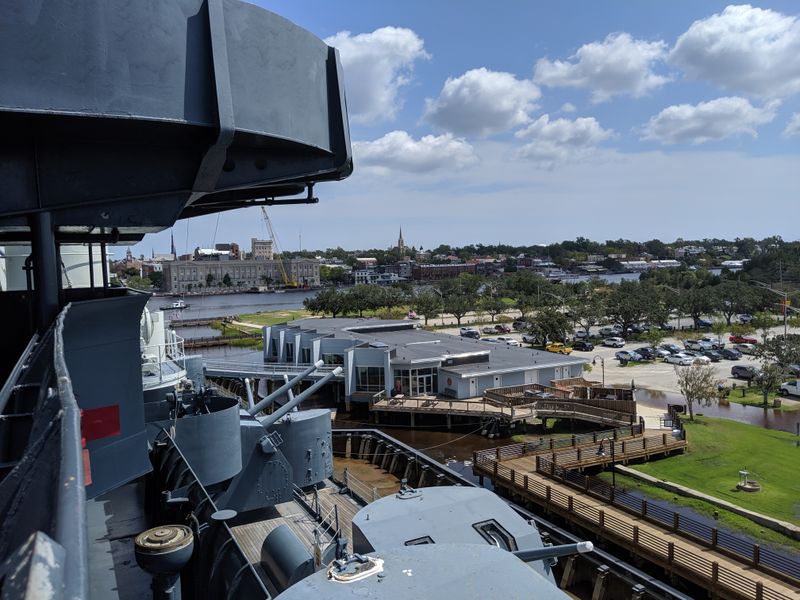
Walk toward the bow and scan the river, then glance back at Wilmington’s skyline. You will spot anti-aircraft guns positioned to guard the ship from swarming attacks.
It is easy to imagine the deck bustling with crew, each station vital during action.
Observation posts and lookout positions frame 360-degree views that once meant survival. The fresh air and open steel contrast with tight compartments below.
That contrast helps connect the ship’s serene present with its intense wartime purpose.
Crew Quarters
Peek into berthing spaces to see how sailors actually lived. Triple-stacked bunks, lockers barely wider than a shoulder, and narrow aisles tell you comfort was a luxury.
You can imagine lights-out routines, tired feet, and letters tucked into pockets above pillows.
Step into the mess areas where meals were served fast and functional. Posters and small displays humanize the space with jokes, rosters, and photos.
It feels like the crew just stepped out for duty and might return any minute.
Bathrooms are cramped, utilitarian, and revealing. Privacy was rare, and schedules dictated everything from sleep to showers.
Walking through these quarters makes the ship’s heroics feel grounded in daily grit and quiet endurance.
Engine Room and Boiler Rooms
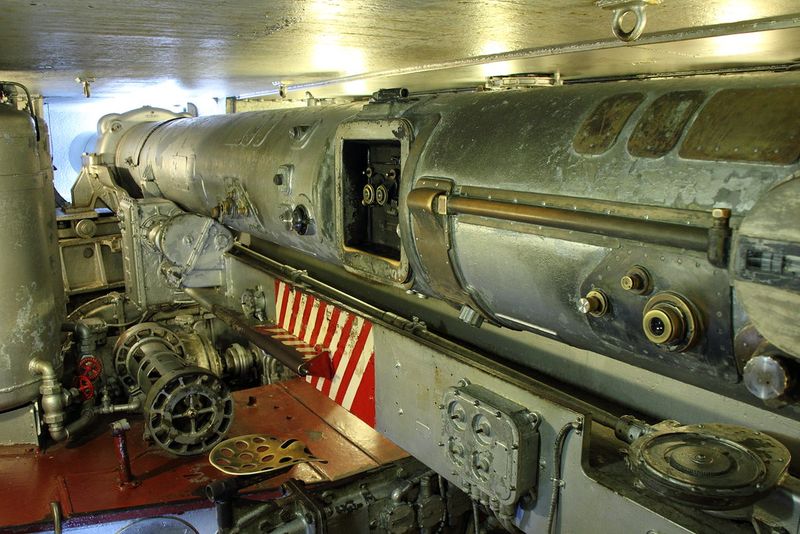
Descend into the beating heart of the ship where power was forged. The engine and boiler rooms are a labyrinth of piping, valves, and thundering machinery.
You will sense the heat and noise that defined daily life for the crew below.
Gauges, turbines, and fuel lines tell a story of coordination and discipline. Every adjustment mattered when the ship needed speed or maneuverability.
It is impressive to imagine crews working shifts around the clock to keep everything running.
Here, engineering becomes tangible and humbling. You will appreciate the physical strain required to maintain a capital ship under combat conditions.
The spaces are tight, but the ingenuity on display feels limitless.
Combat Information Center (CIC)
The CIC is where information turned into action. In this dimly lit nerve center, sailors tracked enemy movements, coordinated defenses, and relayed orders.
You will see plotting tables, headsets, and radar displays that stitched chaos into clarity.
Guides explain how each role connected to the next, from radar operators to communication specialists. One misread blip could alter a battle’s outcome.
Standing here, you gain respect for mental stamina under relentless pressure.
It is a quiet room now, but its history vibrates with urgency. You can picture voices layered over static, pens racing across transparent boards.
This space shows how strategy, technology, and teamwork kept the ship alive.
Special Events and Living History Programs
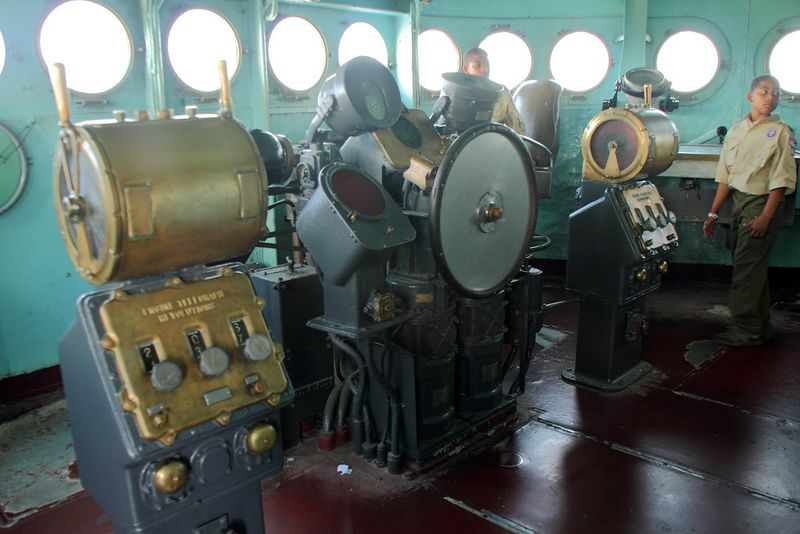
Step aboard the USS North Carolina and watch history come alive through its dynamic special events and living history programs.
Throughout the year, the battleship hosts reenactments of WWII battles, showcasing the drills, signaling, and routines sailors followed during combat.
Visitors can meet veterans and interpreters in period uniforms, hear firsthand stories, and watch demonstrations of shipboard life.
Educational programs let kids and adults handle replicas of naval equipment and learn teamwork, strategy, and naval traditions.
Seasonal events, like Memorial Day or Navy Day, include ceremonies, guided tours, and interactive workshops, giving guests a chance to step back in time.
These programs transform the ship from a static museum into a living classroom of history, thrilling and memorable for every visitor.
Visitor Essentials
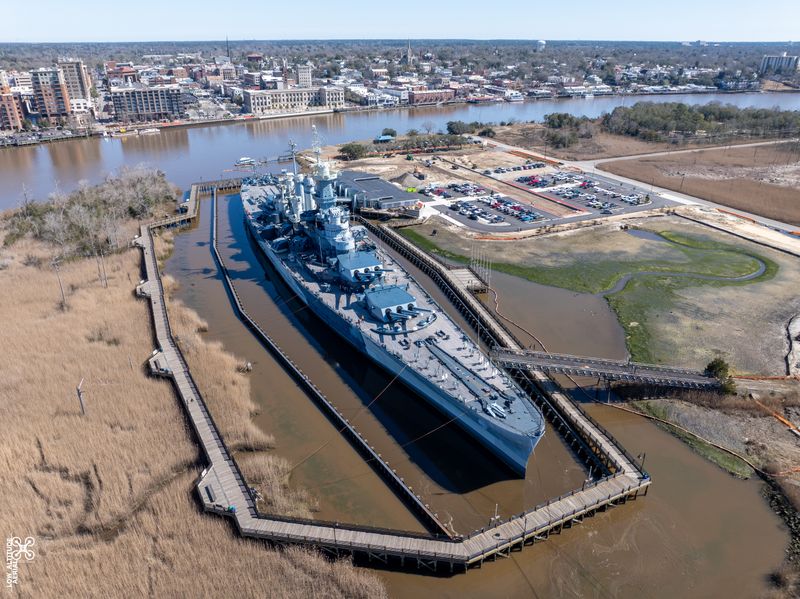
Visiting the USS North Carolina is a full-day adventure, so it’s good to plan ahead.
The ship is located at 1 Battleship Road, Wilmington, NC 28412, right on the Cape Fear River.
It’s open daily, with slightly shorter hours during the off-season, and advance tickets online are recommended, especially for weekends or school holidays.
Most areas are wheelchair accessible, though some ladders and lower compartments have narrow passages, so wear comfortable shoes for exploring.
Onboard amenities include a gift shop with memorabilia, a cafeteria serving snacks and light meals, and restrooms conveniently located throughout the ship.
Parking is available nearby, and guided tours are offered for those seeking extra historical context.