Step onto a quiet Florida beach at night, and the world changes.
The sand shifts beneath your feet as massive sea turtles crawl from the surf to lay their eggs. The Archie Carr National Wildlife Refuge stretches along miles of pristine coastline, where these ancient mariners have returned for generations.
From May through October, loggerheads and green sea turtles come ashore, digging nests and nesting under the stars. If you’re lucky, you’ll witness tiny hatchlings sprinting toward the ocean, a frantic race for survival that will leave your heart pounding.
This isn’t just wildlife watching—it’s a front-row seat to one of nature’s most miraculous events. Every step along the trail brings you closer to Florida’s coastal magic.
Turtle Watching Beaches
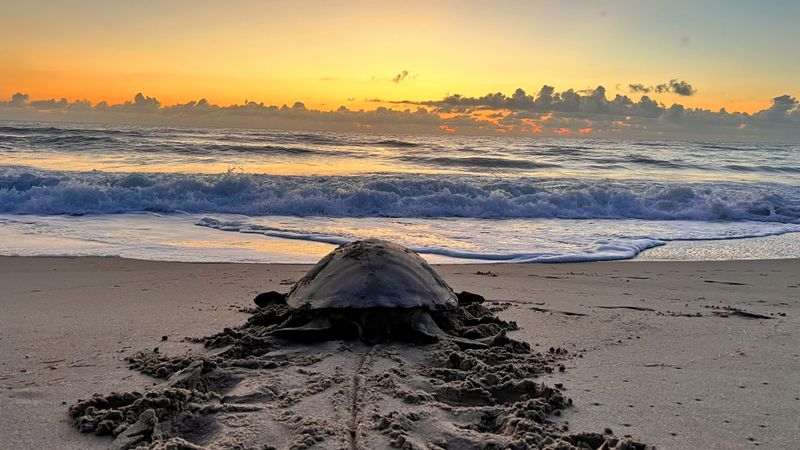
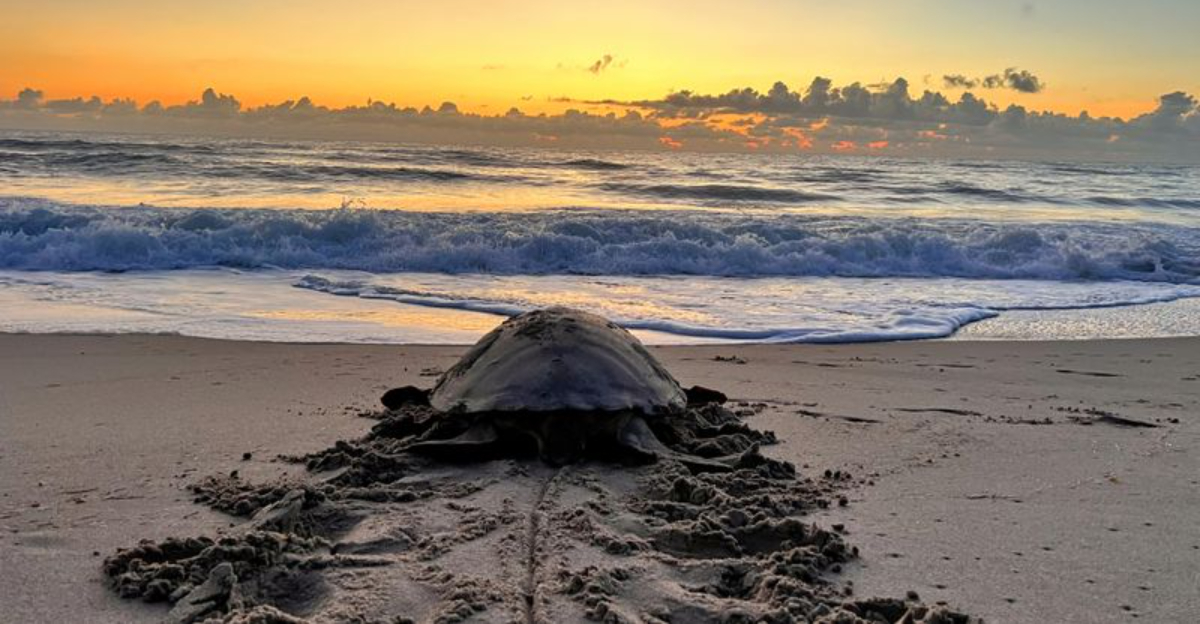
Stretching for miles along Melbourne Beach, Satellite Beach, and Indialantic, these protected shores offer rare, responsible glimpses of nesting sea turtles. At night, guides lead small groups using red lights so you can watch without stressing the turtles.
The sound of the Atlantic and the hush of the group create a reverent atmosphere you will not forget.
You might spot a turtle hauling out, carving a nest chamber, and carefully laying eggs before camouflaging the site. Beaches are patrolled to prevent disturbances, and access rules keep both visitors and wildlife safe.
You will appreciate how simple actions like staying low, silent, and dark make a big difference.
Arrive early to learn the guidelines, then follow your guide’s lead for the slow, sandy walk. Bring bug spray, closed shoes, and patience, because wildlife follows its own timeline.
When it happens, the moment feels timeless, intimate, and deeply moving.
Loggerhead Turtle Nesting Sites
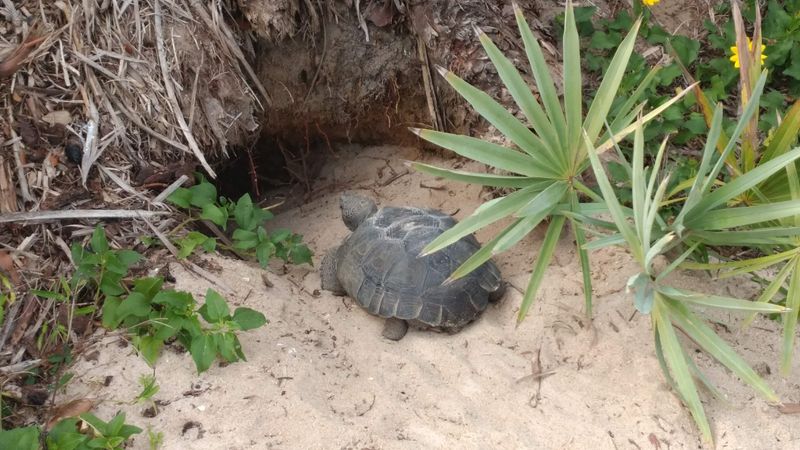
Archie Carr hosts one of the largest loggerhead nesting populations in the Western Hemisphere, and seeing it is astonishing. You may watch a female emerge, dig with powerful rear flippers, and settle into a focused trance while laying.
The quiet, respectful distance lets you observe natural behavior without intrusion.
Guides explain how loggerheads navigate back to natal beaches using Earth’s magnetic field. They also outline threats like coastal lighting, beach furniture, and predators, and how conservation strategies reduce risk.
You leave understanding why dark, uncluttered sand is essential for successful nesting.
Expect to feel the weight of time as the turtle disguises the nest with sweeping motions, then eases back to the sea. The swash of the tide seems to welcome her home.
It is a privilege to witness a cycle that has repeated for millions of years.
Green Sea Turtle Conservation Zones
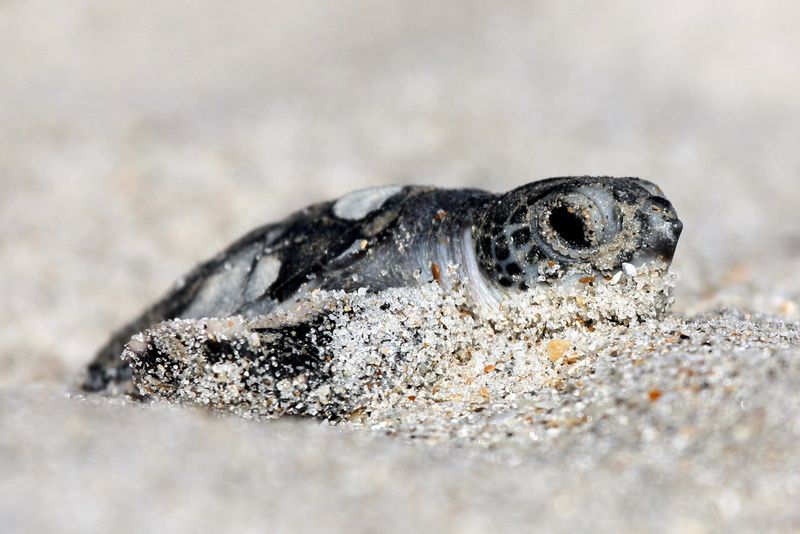
Green sea turtles nest here too, adding a bright green shell to the refuge’s story. They are less common than loggerheads, so every encounter feels special.
Protected zones marked with posts and tape signal active nests and the care invested by staff and volunteers.
During monitoring, volunteers document crawl patterns, measure tracks, and record nest data that inform long term protection. You learn how vegetation, dune structure, and minimal lighting help greens select safe sites.
The emphasis on scientific rigor blends seamlessly with a gentle stewardship ethic.
Patience is key, since greens can take their time or skip a night entirely. When you do see one, the quiet grace of her movements stands out.
You will walk away appreciating how collective vigilance keeps these endangered turtles returning year after year.
Hatchling Release Events
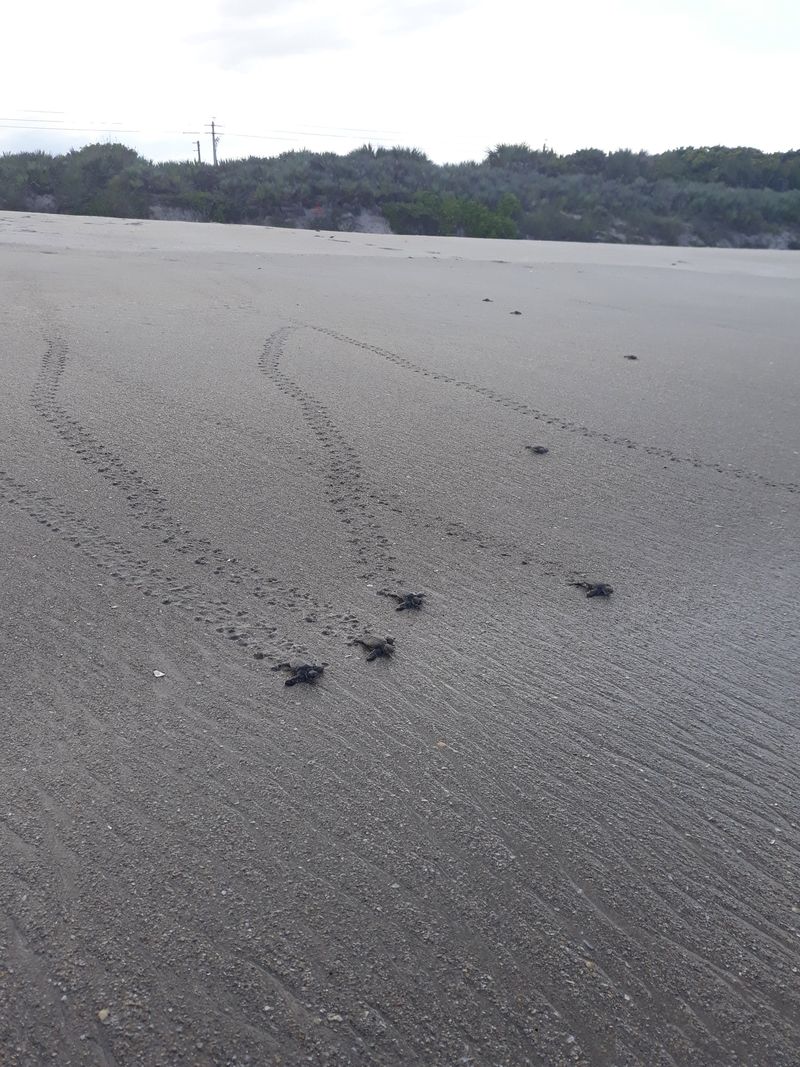
Late summer can deliver the most heart tugging scene on the coast: hatchlings erupting from the sand and racing seaward. Under soft red lights, you watch tiny flippers churn like wind up toys across rippled beaches.
It feels fragile and fierce at once, a sprint against time and predators.
Guided programs focus on natural, non handling observation and carefully controlled conditions. You will learn how temperature influences sex ratios and how light pollution can disorient these little travelers.
Staff demonstrate how shielding lights and cleaning beaches can improve survival.
Expect a brief, beautiful rush as the group disappears into the surf, each wave carrying hope. The beach falls quiet again, marked only by delicate tracks.
You leave inspired to support policies and habits that protect the next generation.
Interpretive Trails & Observation Decks
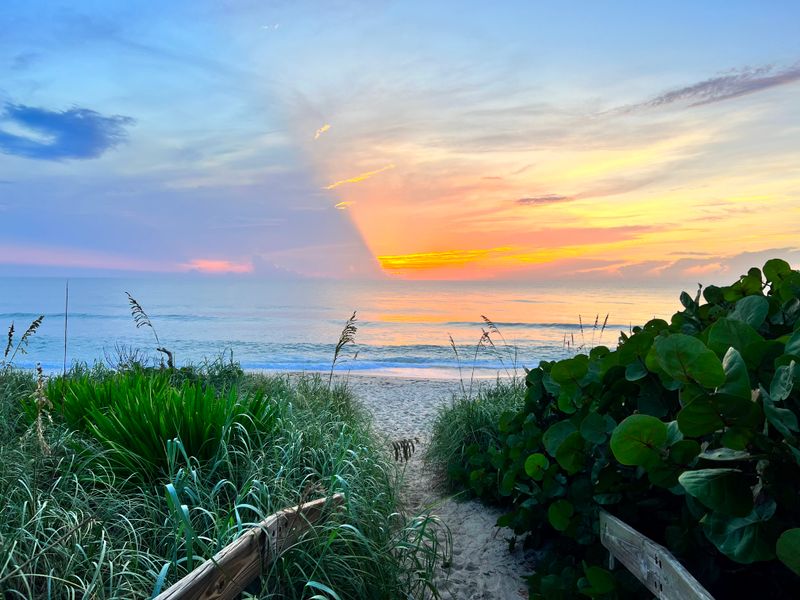
Elevated boardwalks thread over dunes, protecting fragile vegetation while giving you clear, respectful views. Observation platforms and low railings create steady vantage points where you can learn without trampling habitat.
Interpretive signs translate science into simple insights about nesting, predators, and coastal dynamics.
Daytime wanders reveal tracks, nest markers, and the interplay between dunes, sea oats, and shifting sand. At dusk, you feel the transition as shorebirds settle and stars appear over the Atlantic.
Staying on designated paths keeps both you and wildlife safer.
The decks also help you notice subtleties: wind direction, tide lines, ghost crab burrows, and the rhythm of waves. With a little patience, patterns emerge, and the beach tells its story.
You will leave more observant, more careful, and more connected to place.
Volunteer Opportunities
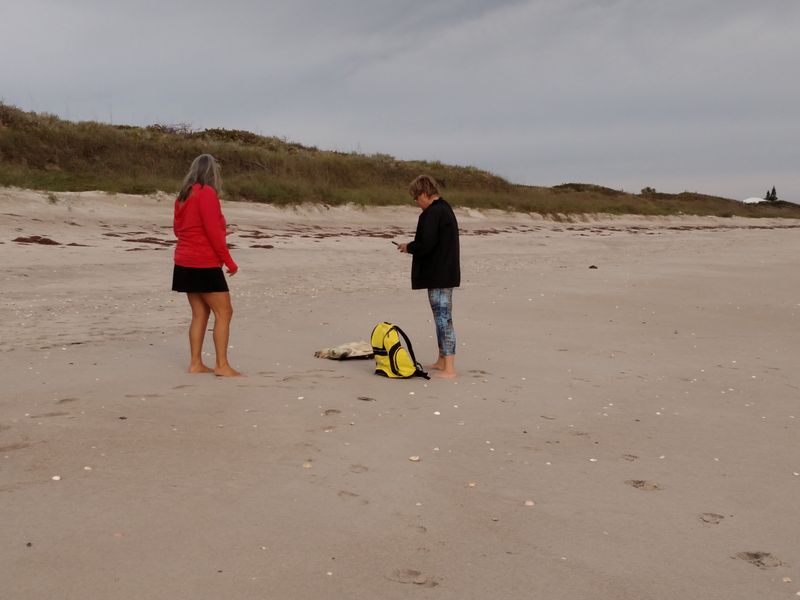
If you want to go deeper, volunteering places you shoulder to shoulder with dedicated stewards. Morning patrols check for new crawls, verify nest locations, and log data that guides protection.
Evening shifts support guided walks, teach low light etiquette, and answer visitor questions with calm clarity.
Training covers species identification, safety, communication, and how to minimize impacts while near sensitive wildlife. You will practice data entry, photo documentation, and nest marking with measured precision.
It is hands on, humble work that feels meaningful from the first sunrise.
Beyond turtles, you will help with beach cleanups, outreach booths, and school programs. The community is welcoming, patient, and eager to share knowledge.
Expect to learn by doing, make friends, and leave each day sandy, tired, and proud.
Local Wildlife Beyond Turtles
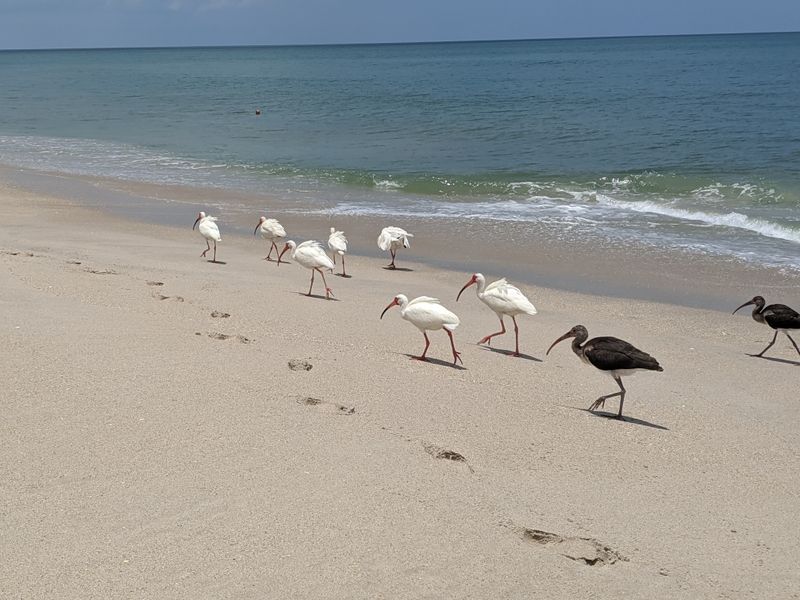
While turtles steal the spotlight, the refuge teems with other wildlife that rounds out your visit. Wading birds stitch the shallows, ospreys hover, and pelicans draft the breeze along the breakers.
In calm waters, you might glimpse manatees rolling like slow gray shadows.
Marsh edges brim with fiddler crabs and marsh rabbits, while dune scrub harbors gopher tortoises and songbirds. Each habitat is stitched together by tides, storms, and seasonal pulses of life.
You will notice how protecting one species uplifts the entire coastal web.
Bring binoculars for daytime exploring between night walks. The variety keeps every hour interesting, even when turtles stay elusive.
You will leave with a fuller understanding of Florida’s coast and the resilience woven through it.
Best Times to Visit
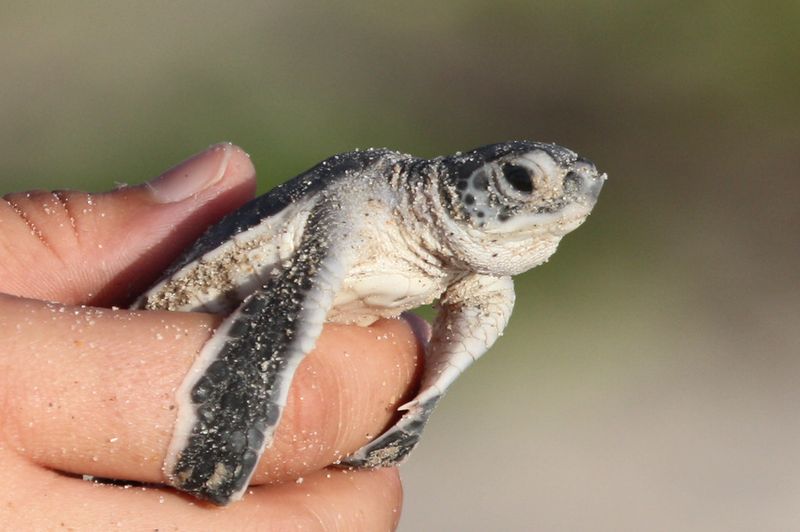
Timing matters if you want the best chance at nesting or hatchlings. Nesting season runs May through October, with peak activity typically in June through August.
Hatchlings appear mostly August through October, adding a burst of tiny tracks to moonlit sand.
Plan your trip around new moon periods, calm seas, and cooler evenings. Weeknights often feel quieter, making wildlife encounters more relaxed and intimate.
You will appreciate how fewer lights and fewer people increase your odds.
Reserve guided programs early since popular dates fill quickly. Build flexibility into your schedule, because turtles follow ocean rhythms, not ours.
With patience and good timing, you can experience multiple life stages in a single visit.
Guided Night Walks
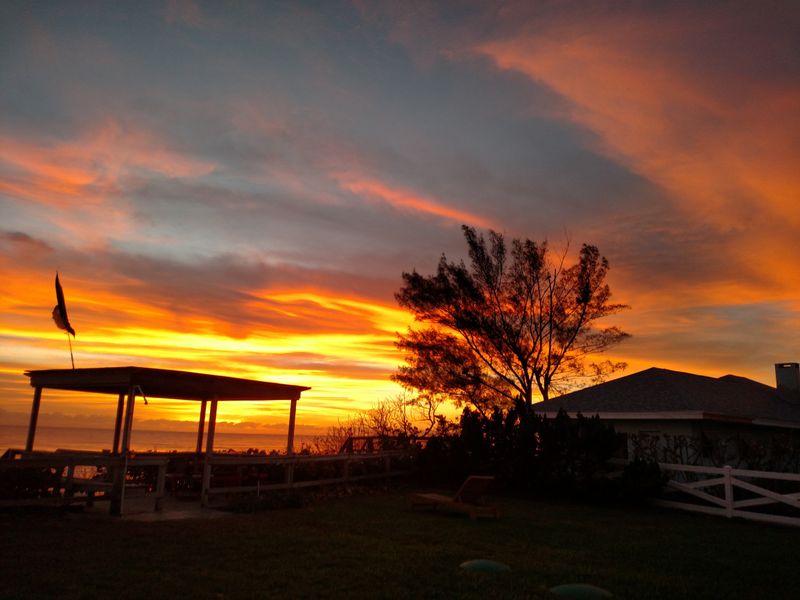
Expert led night walks are the safest way to see nesting turtles up close. Groups are small, lights are red filtered, and every step is deliberate.
Guides share biology, conservation context, and etiquette so you can witness without interfering.
You will learn how noise, flashlights, and phone screens can disrupt nesting. There is a simple rhythm: stop, watch, listen, and move only when invited.
The focus on respect makes each encounter more powerful and authentic.
Expect slow walking on soft sand and long pauses as guides scan for crawls. Bring water, insect protection, and an extra layer for breezy nights.
When the turtle appears, the entire beach seems to exhale together.
Visitor Amenities & Accessibility
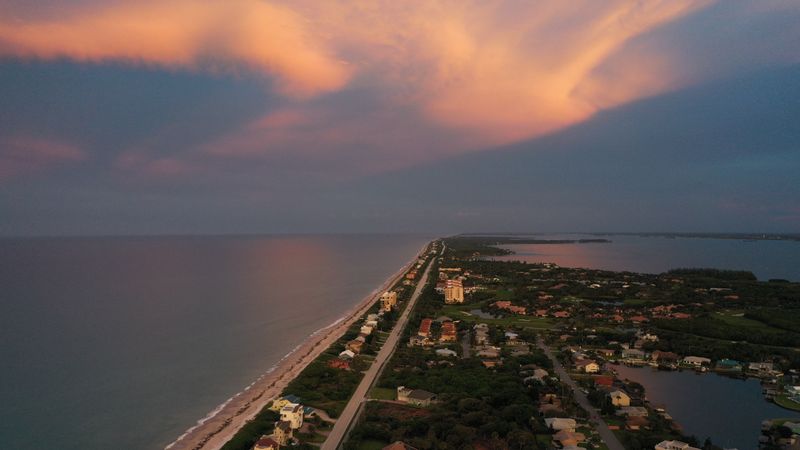
The refuge keeps amenities simple and conservation centered, with parking areas, beach access points, and maintained trails. Elevated ramps and boardwalks improve accessibility and protect dunes at the same time.
Information kiosks outline rules, safety, and seasonal wildlife highlights so you can plan smartly.
Nearby towns like Melbourne and Vero Beach offer lodging, food, and eco tour operators for added convenience. You can base yourself close by and still keep the nights free for turtle walks.
Pack snacks, water, and layers since conditions shift quickly along the coast.
Restrooms and lighting are intentionally limited to preserve dark skies. If mobility is a concern, choose access points with ramps and shorter sand spans.
A little preparation goes far, making your visit smoother and more enjoyable.