This is where Florida spreads its wings.
At Orlando Wetlands Park in Christmas, 1,650 acres of marsh and open water explode with motion during nesting season. The air hums with wingbeats.
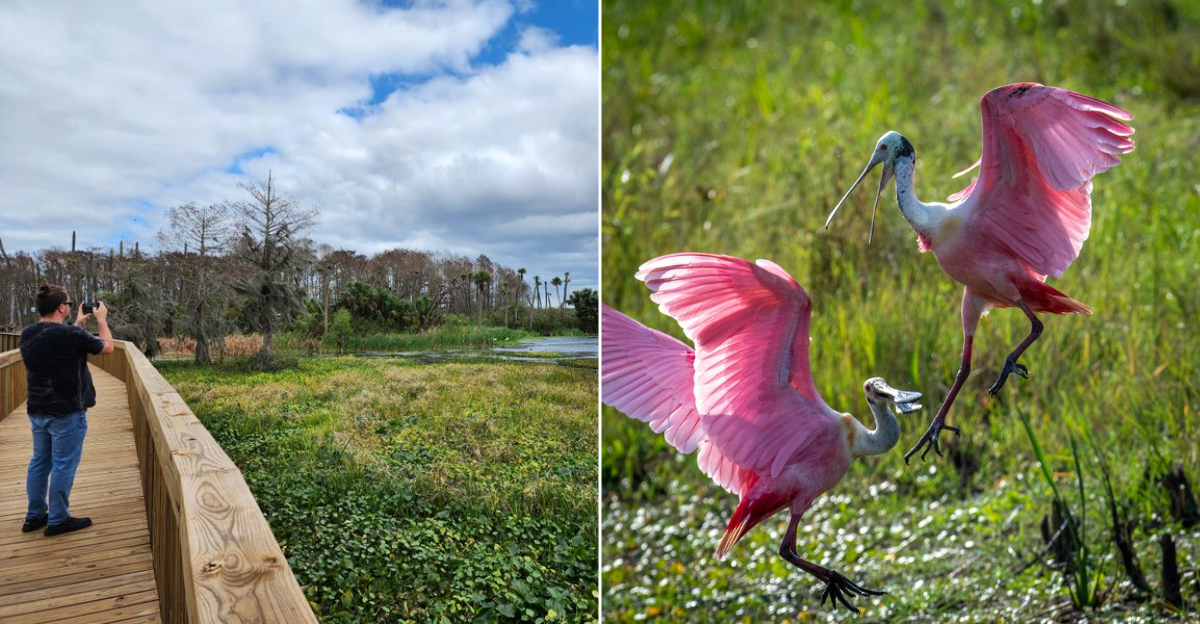
Great egrets flash white against blue sky. Roseate spoonbills sweep low in blush-pink arcs that stop photographers in their tracks.
Boardwalks lead you straight into the action. One moment you’re eye level with a heron poised like a statue, the next you’re watching an osprey dive with heart-pounding precision.
Every turn feels cinematic, every sunrise painted in gold and mist.
Cameras click from dawn to dusk as visitors from across the globe gather for that perfect shot. It’s wild, raw, and beautifully unscripted.
When the nests are full and the chicks start calling, this sanctuary becomes more than a park—it becomes a front-row seat to nature at its most breathtaking.
Essential Planning: Hours, Seasons, and Access

Before you go, know the rhythm. Orlando Wetlands Park opens 9 AM to 5 PM Tuesday through Sunday, with Monday closures and seasonal tram availability.
Arrive early for cool temps, softer light, and fewer crowds, then pace the 6-mile perimeter trail or branch into side loops as the sun climbs.
Nesting activity peaks late winter through spring, and you will feel the difference when colonies ignite the trees. The park’s 1650 acres of cells, levees, and boardwalks concentrate birds near accessible edges.
Weekdays usually mean quieter berms, so you can settle into a patient workflow without much interruption.
Parking is free, the visitor center offers exhibits, restrooms, and friendly guidance, and there is no entrance fee. Pack water, sunscreen, long sleeves, and insect repellent, since shade is limited and breezes vary by season.
Tripods are welcome on levees, but be courteous on the boardwalk where space narrows.
Wildlife dictates pace here, so build flexible plans. Scan wind direction and sun angle to decide routes that put light at your back.
If mobility is a concern, plan around the free tram tours for coverage with minimal walking, then return on foot to promising spots you marked mentally.
Photographer’s Gear Checklist for the Wetlands
For birds, a 400 to 600mm lens is the sweet spot, with a 1.4x teleconverter as a backup when distance grows. Bring a sturdy but compact tripod or monopod, and a bean bag for rail rests along boardwalks or fences.
A second body with a 24-70mm or 70-200mm captures habitat scenes and dramatic skies.
Weather turns quickly in wetlands, so a light rain cover, microfiber cloths, and silica packs save shoots. Polarizers tame glare on water and help color pop, while fast cards and spare batteries keep pace with action bursts.
Noise reduction and subject detection AF help with low light and erratic flight.
Footwear matters: closed-toe hiking shoes with grip handle damp levees and occasional mud. Long sleeves, a brimmed hat, and sunscreen protect against sun that feels stronger over open water.
Toss in insect repellent and a compact first-aid kit for scrapes and nicks from brush.
Finally, a small binocular, field notebook, and offline map pay off. You will note nest trees, feeding hotspots, and wind patterns to revisit.
Keep your kit streamlined enough to hike miles without fatigue, but robust enough to handle fast-changing wildlife opportunities.
Where to Find Spoonbills, Herons, and Egrets
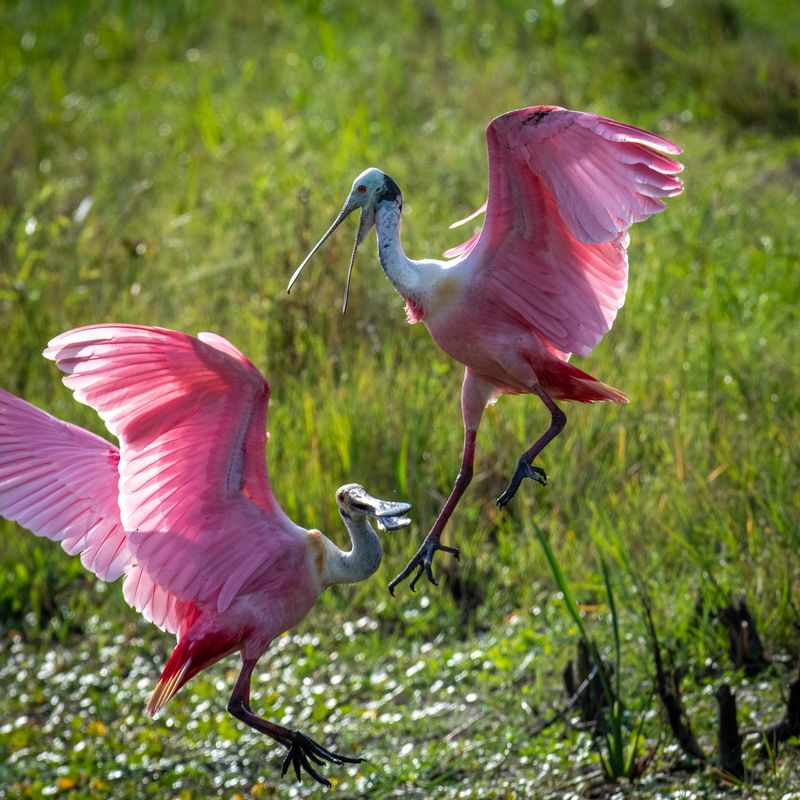
Start at the boardwalk for an overview, then scan shallow cells with exposed mudflats where spoonbills sweep side to side. Great egrets and tricolored herons work edges, while snowy egrets dash after stirred prey.
Look for mixed flocks clustering where water flow concentrates minnows and crayfish.
As water levels shift, birds redeploy. Long linear levees act like viewing corridors, letting you follow flight lines without entering sensitive habitat.
Bring patience and watch for repetitive feeding loops; birds often return to productive patches within minutes, especially at dawn when wind is calm.
Nesting season amplifies sound and motion near island clumps and willow stands. Maintain distance and avoid pressuring roosts or active nests.
Use your longest lens and let behaviors unfold naturally, capturing preening, wing flares, and gentle squabbles over space.
Cloudy bright days flatten shadows and keep birds active longer. If the sun blazes, work angles where light skims across plumage to reveal texture without harsh contrast.
Mark productive spots and circle back later; often, the best frames land after you have quietly blended into the scene for a while.
Alligators as Compositional Anchors
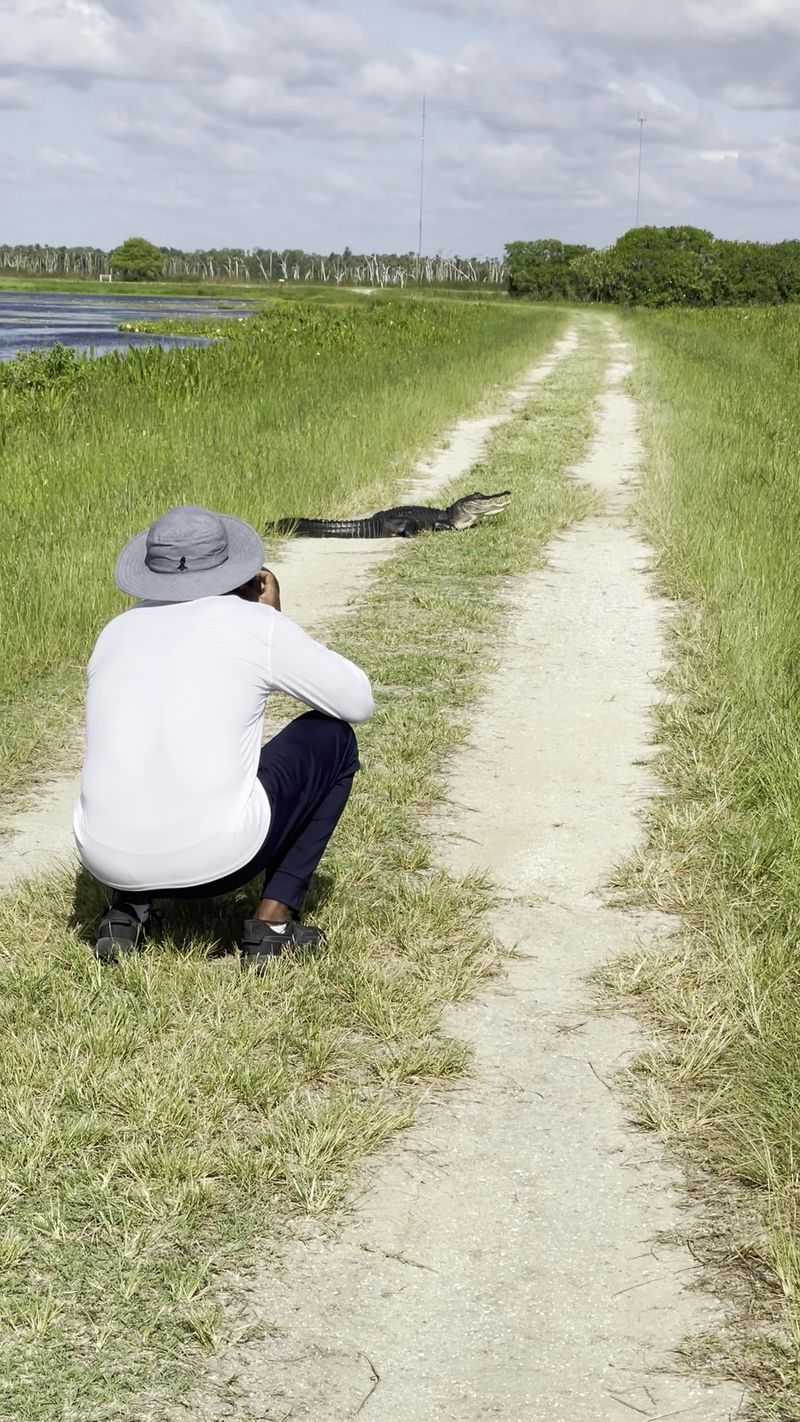
Gators define the wetlands mood, adding scale and tension that elevate bird images. From levee tops, look for sunning logs that turn out to be alligators, especially on cool winter mornings.
Use them as foreground anchors while birds feed behind, creating layered stories without crowding wildlife.
Safety first: stay on trails, give wide berth, and never approach nests or juveniles. A long lens compresses distance for drama while keeping you safe.
Side-light reveals the armor texture beautifully, and reflections double impact when water is glassy at dawn.
For storytelling sequences, frame a patient gator with a fishing limpkin or gallinule nearby. Time your shutter for ripples or a head lift to break stillness.
If heat shimmer appears midday, lower ISO, stop down slightly, and wait for a breeze to steady the mirage.
On overcast days, embrace monochrome moods and emphasize pattern over punchy color. Compose with leading lines along levees and culverts.
You will leave with images that communicate the real Florida, where apex reptiles and elegant waders share the same blue-green stage every hour of the day.
Tram Tour Strategy for Scouting Shots
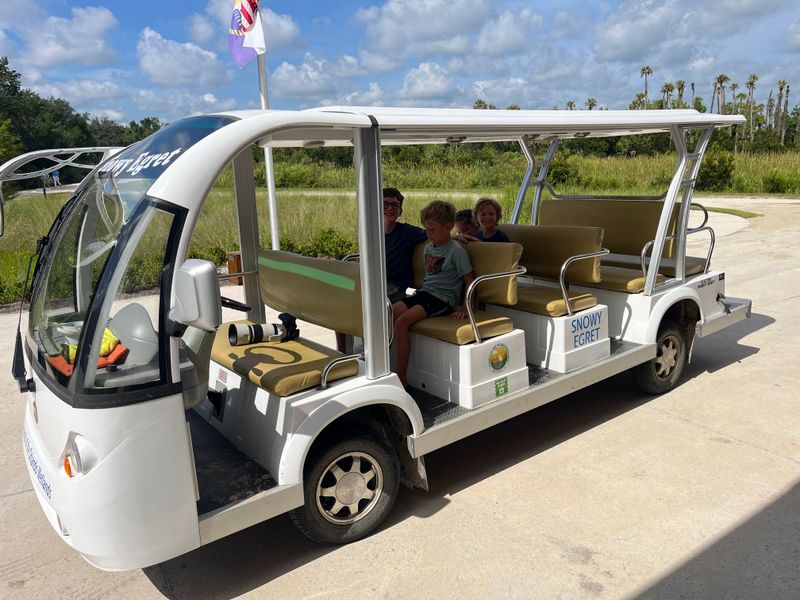
The free tram tour is a rolling classroom that helps you map the park’s living patterns. Guides call out recent sightings, water-flow changes, and nest locations you might miss on your first pass.
Sit on the outer edge for cleaner angles and note GPS pins or landmarks for later foot returns.
Treat the ride like a scouting mission rather than your only shooting window. Record short voice memos for locations, wind notes, and bird counts.
When you hop off, you will have a prioritized hit list to visit while light and activity are peaking.
Morning tours are great for behavior; afternoons can glow when clouds build relief. If a spoonbill flock flushes during the ride, watch their flight line and plan an intercept on the next levee.
Volunteers are passionate resources, so ask about seasonal hotspots and etiquette around active nests.
Afterward, walk straight to the most promising cell and mute your presence. You will notice that birds settle again if you hold still.
The tram gives you the map, but quiet patience turns that map into keepers.
Boardwalk and Perimeter Trail Photo Routes
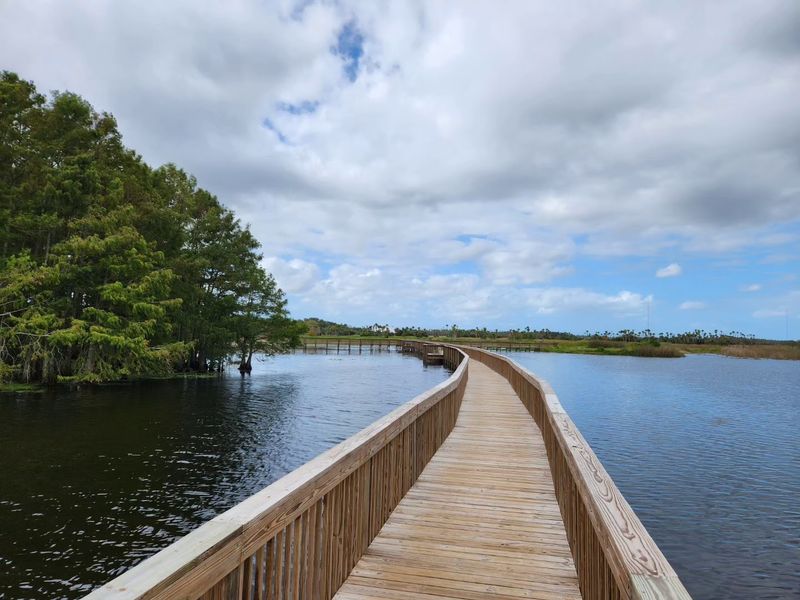
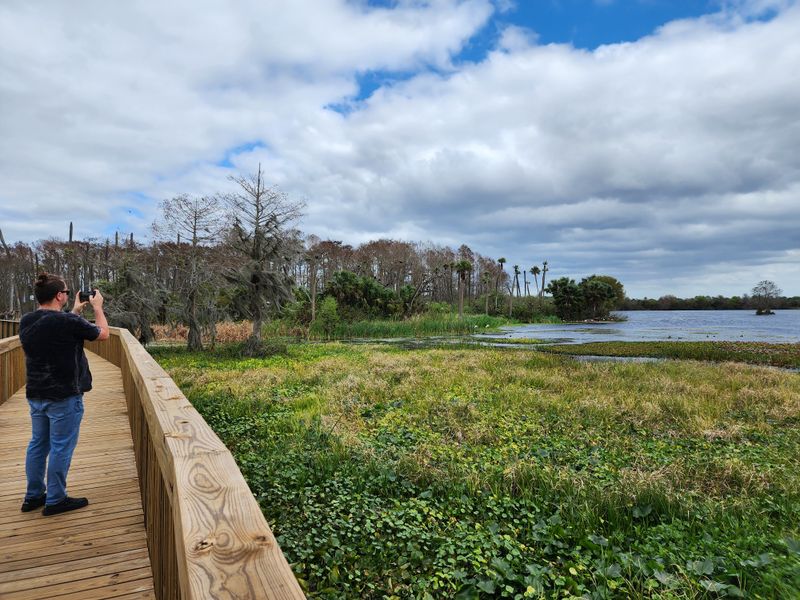
Begin at the boardwalk to ease into the day. Early light skims across lilies and duckweed, and birds perch at comfortable distances.
Use the rail as a stabilizer with a bean bag, and frame reflections that mirror clouds and waders for a double-layered image.
Next, tackle the perimeter trail for scale and variety. Six miles sounds long, but levees are flat and views change every quarter mile as water depths shift.
Side loops often reveal tucked-away islands favored by anhingas, cormorants, and resting herons.
Afternoons bring cross-light opportunities along east-west berms. If heat shimmer muddles distant subjects, pivot to closer compositions or habitat abstracts.
Mark shade pockets for quick cool-downs, and rotate between vantage points to avoid spooking concentrated flocks.
When storms brew, stay safe but watch for dramatic skies and rain curtains in the distance. After showers, colors saturate and egrets resume feeding with gusto.
The combination of boardwalk intimacy and perimeter vistas gives you a full visual story in a single loop.
Respectful Birding Etiquette and Safety
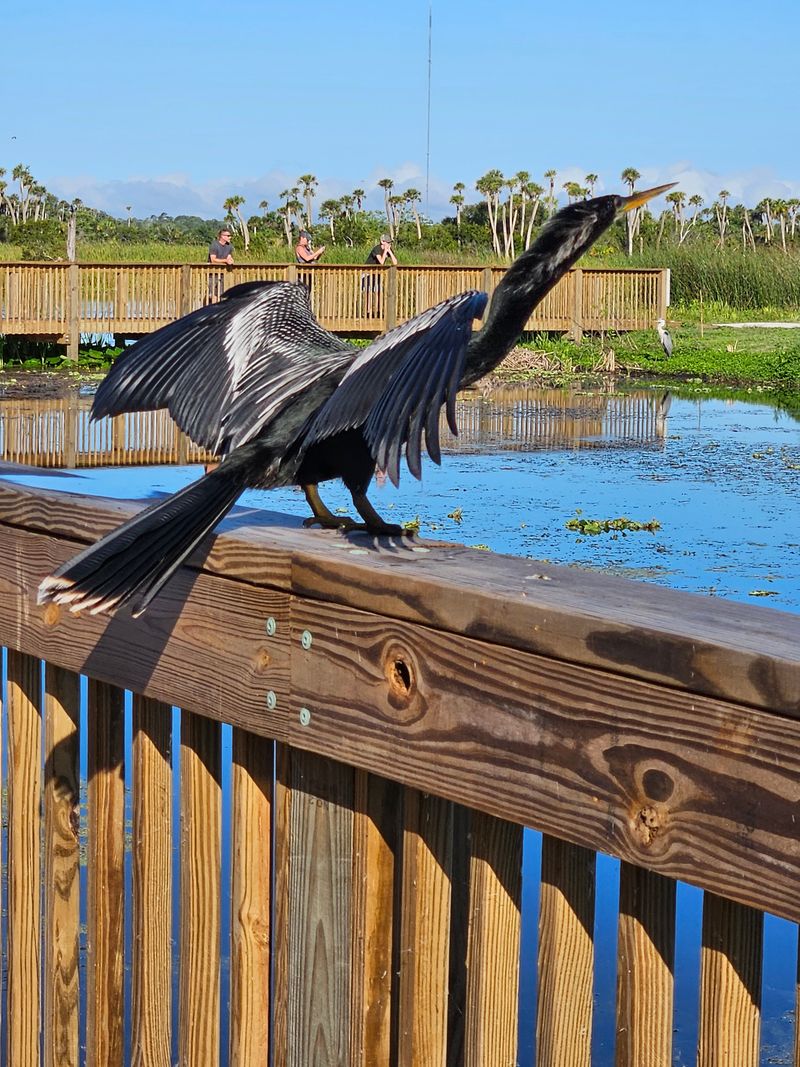
Great images never require pushing wildlife. Stay on marked trails and boardwalks, and use long lenses for intimate frames.
If a bird changes posture, vocalizes, or fixes attention on you, back off and lower your profile.
Nesting colonies demand extra space. Avoid lingering directly beneath rookeries and do not block flight paths.
Keep voices low, move slowly, and resist playback or baiting, which alter natural behaviors and can cause nest failure.
For personal safety, give alligators wide margins and never approach juveniles. No pets are allowed, and food should remain sealed to avoid attracting opportunists.
Storms build quickly, so track radar and retreat at thunder, since exposure on open levees is risky.
Leave no trace: pack out trash, tread lightly on shoulder grasses, and yield to others on narrow sections. You will inspire fellow visitors by modeling calm, deliberate fieldcraft.
Ethical choices protect birds, your images, and the park’s peaceful rhythm for everyone who follows.
Camera Settings for Flight and Behavior
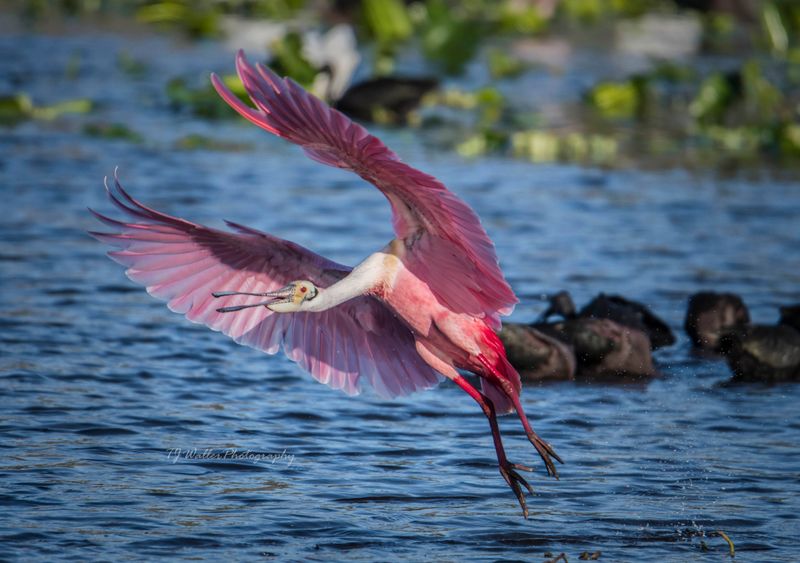
For flight, start around 1/3200s, f/6.3 to f/8, Auto ISO capped appropriately for your sensor, and wide-area subject detection. Pre-focus on a high-traffic lane like a levee edge, then track birds as they lift.
Back-button focus helps manage reeds and messy backgrounds.
Behavior sequences need flexibility. Drop to 1/1600s for feeding and preening, and bump aperture open if clouds roll in.
Use exposure compensation to protect white plumage on egrets, especially under bright sun that clips highlights fast.
Continuous high burst captures wing cycles, but temper with short bursts to preserve buffer. Stabilization plus a modest shutter lets you try panning on low flyers for motion-rich frames.
When birds settle, switch to single-point for clean eye focus and calmer compositions.
Review histograms periodically rather than chimping only thumbnails. Wetland glare fools meters, so err on the side of preserving detail in bright feathers.
You will come home with sequences you can edit into compelling stories, not just single hero shots.
Visitor Center Highlights and Learning Moments
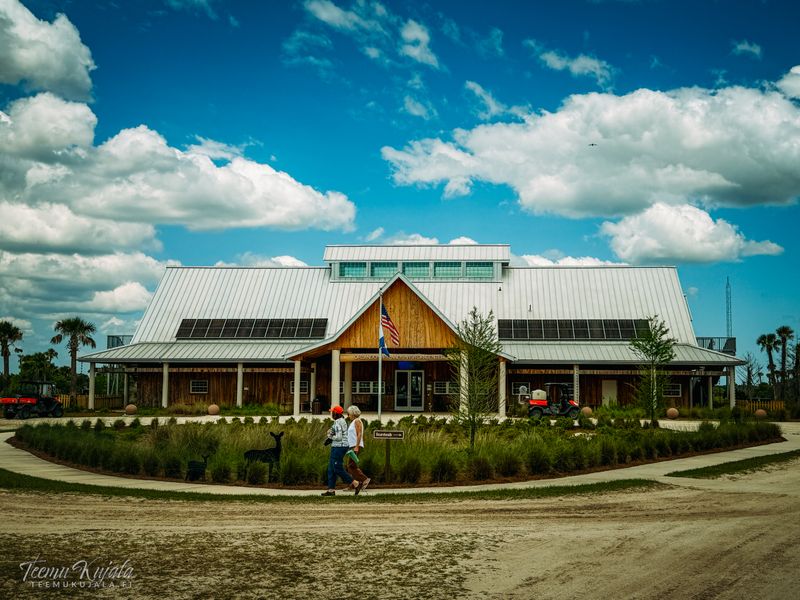
The visitor center is your knowledge launchpad. Exhibits explain how reclaimed water feeds a thriving wetland that looks and feels natural.
You will leave with a clearer sense of flow cells, vegetation roles, and why birds congregate where water depth and plants intersect.
Volunteers share real-time intel on sightings, tram schedules, and current trail conditions. It is a great stop to cool down, refill, and review maps before committing to a long loop.
If you are new to bird ID, the displays and field guides accelerate your learning curve.
Short films and interpretive panels connect engineering to ecology. Understanding why limpkins cluster near apple snails or why anhingas prefer certain perches translates directly into better image planning.
Ask about seasonal closures or sensitive zones you should avoid.
Take a quick lap through the gift nook for snacks and sun gear you forgot. Then step back outside with context that sharpens your eye for behavior-driven compositions.
The center turns a good visit into a purposeful one, grounded in both conservation and craft.
A One-Day Photo Itinerary You Can Trust
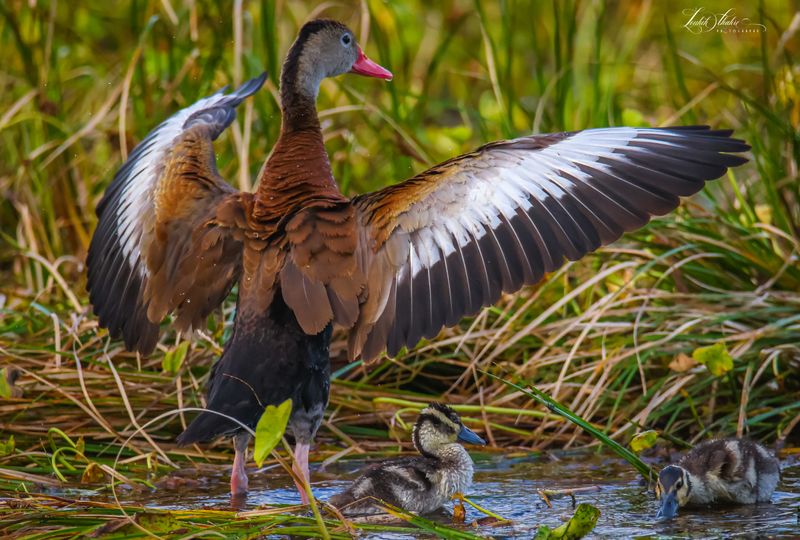
Sunrise: be at the gate by opening, head straight to the boardwalk for fog, reflections, and quiet feeding. Work longer lenses for spoonbills and egrets, then swap to wider views as the sky lights up.
Keep moving until activity slows.
Mid-morning: take the tram to scout, logging nest clusters and promising cells. Step off and spend an hour at the best spot you noted, letting birds settle.
Snack, hydrate, and review settings before chasing flight lines along an east-west levee.
Midday: retreat to the visitor center for exhibits, shade, and planning. On return, focus on behavior and portraits in even light, staying flexible with clouds.
If shimmer rises, pivot to close subjects, patterns, or intimate details.
Golden hour: loop the perimeter trail sections you flagged for backlit magic. Position for silhouettes, wing translucence, and gator reflections.
End with a wide habitat shot that stitches your day together and reminds you why you will be back soon.