Dive into a hidden art gallery that lives beneath the waves.
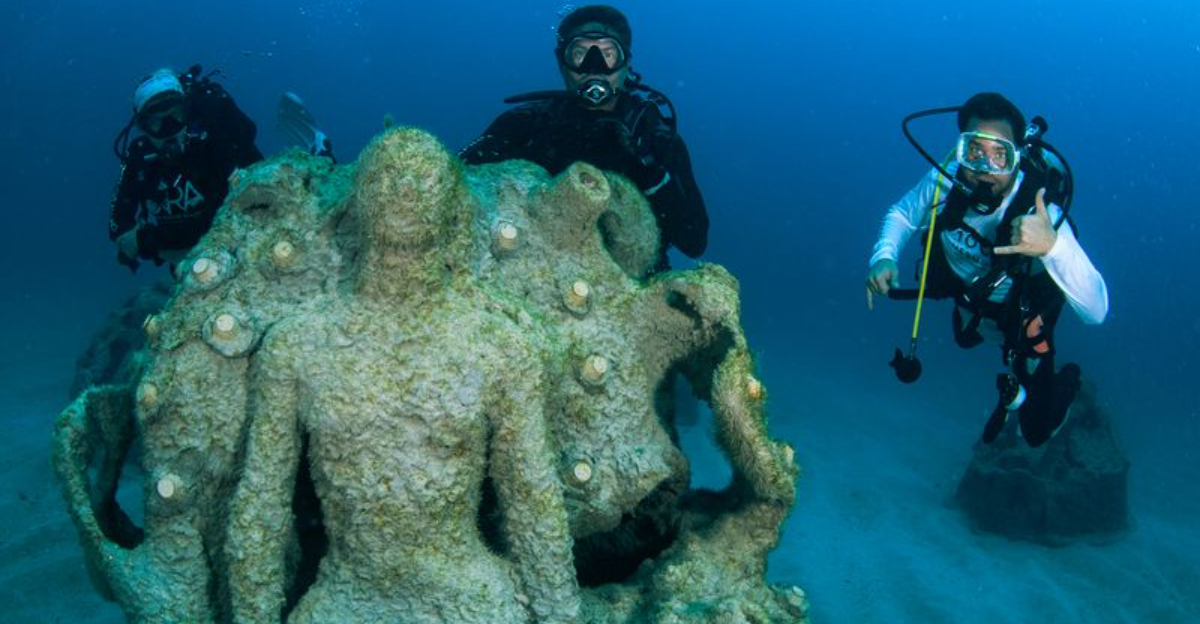
Off Florida’s east coast, a surreal forest of over a thousand mermaid sculptures hugs the ocean floor, each figure serving as a home for fish, coral, and other marine life.
This is the 1000 Mermaids Artificial Reef Project, where artists, ocean lovers, and volunteers created life‑sized sculptures from real body casts and carefully placed them on reef modules to foster underwater ecosystems.
Scuba divers who slip below the surface discover an eerie, magical world — mythical forms rising from the sand, fins brushing sunlight, and marine life weaving through the sculptures. It’s a place where art and ocean conservation collide, leaving every visitor awed and inspired by the silent beauty of Florida’s underwater realm.
Getting there and planning your dive
Reaching the Palm Beach County site begins topside with a reputable local dive operator. You will gear up on a boat that anchors at fixed mooring lines designed to protect the seabed, then follow your guide down through warm, blue water.
The first silhouettes of mermaid forms appear as the visibility opens, and that is the moment the gallery feels real.
Plan a two-tank trip so you can explore different clusters without rushing. Depths generally suit advanced snorkelers and certified divers, but current can be brisk, so check conditions and bring a surface signaling device.
If you are new to ocean diving, ask for a guide who knows the site’s layout and the best routes between sculptures.
Timing matters in Florida. Morning seas are often calmer, and sunlight angles make textures pop underwater.
Pack reef-safe sunscreen for topside, hydrate generously, and confirm camera housings the night before. Above all, be flexible with weather and prioritize safety briefings so your focus stays on the art.
The vision behind 1000 mermaids
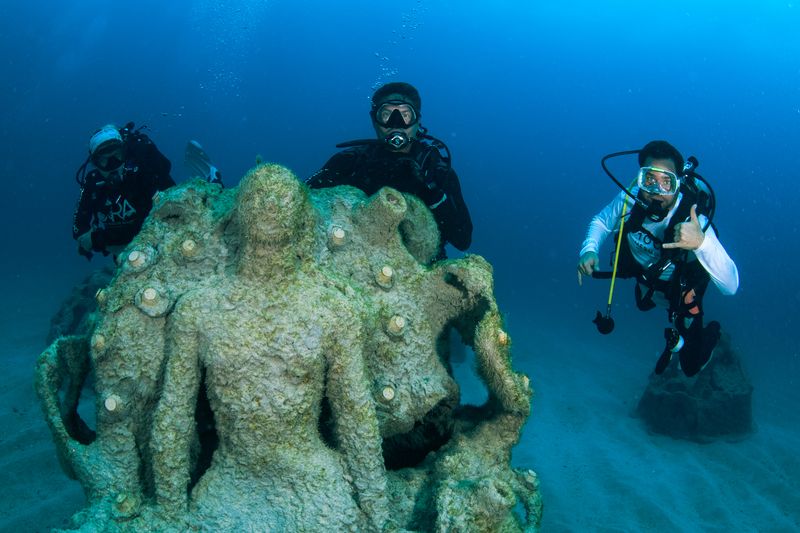
The project sprang from a simple but ambitious idea: create art that heals the ocean. By installing mermaid sculptures and reef modules, the team invites marine life to settle while giving divers a magnetic reason to visit responsibly.
You are not just sightseeing, you are witnessing habitat in progress and a narrative about coastal resilience.
Each piece is more than decoration. The materials are engineered to be pH neutral and textured to encourage coral settlement, sponges, and invertebrates.
Over time, surfaces roughen and living color floods in, turning pale stone into a layered ecosystem that hums with shrimp clicks and fish bustle.
There is also a human story here. Artists, divers, scientists, and local officials aligned to create a publicly accessible underwater museum.
That collaboration makes every visit feel participatory, like you are stepping into a community art project that keeps evolving. The mermaids are muses, sure, but also scaffolds for hope.
What you will actually see underwater
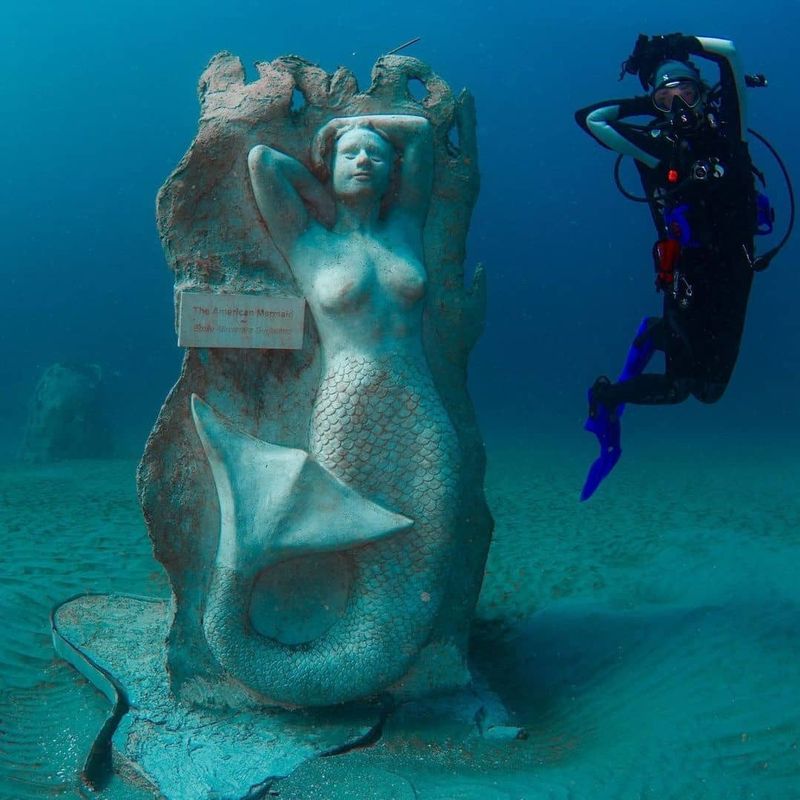
Expect a series of sculpted mermaid figures on concrete bases, some reclining, some poised like guardians. They are arranged across sandy patches interspersed with low relief modules, so you can move from vignette to vignette.
Fish traffic is steady, with sergeant majors, grunts, and occasional rays passing through.
Textures are surprising. Close up, you will find ridges, pores, and micro ledges where juvenile fish tuck in.
Depending on the season, early algae fuzz or sponge tufts give the sculptures a soft velvet, hinting at future coral mosaics. Sunbeams stripe the scene, and particulate glitter turns every fin kick into a snow globe.
There are sightlines perfect for photos. Frames that catch a mermaid face against a shaft of light feel cinematic, especially when a buddy hovers as scale.
You will also notice mooring lines and markers that keep anchors off the reef, a quiet reminder that smart infrastructure protects the art.
Eco engineering and reef benefits
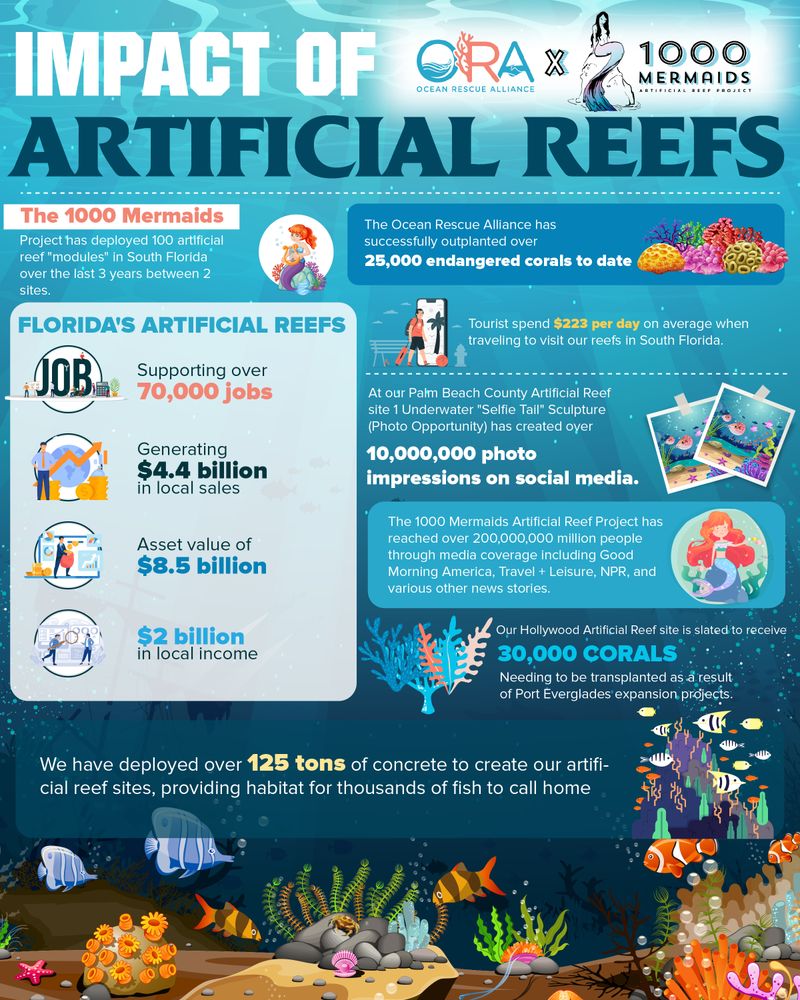
The sculptures are not random ornaments. They are engineered modules with marine-friendly concrete blends, pH balanced aggregates, and surface complexity to seed life.
That means larvae can attach, microalgae can establish, and a food web can assemble from the tiniest grazers up to curious predators.
Over months, biofilm forms and pioneers like tunicates and sponges colonize. Fish recruitment follows, drawn by nooks that offer shelter from current and hunting lanes.
It is habitat math: more surface area, more life. By concentrating visits on a durable site, operators also reduce pressure on fragile natural reefs.
The project complements restoration, not replaces it. Data collected by partners can inform placement, spacing, and module design for future builds.
For you, the benefit is visible growth that changes with every return dive, turning the gallery into a time-lapse of recovery you can witness firsthand.
Best conditions, seasons, and safety tips
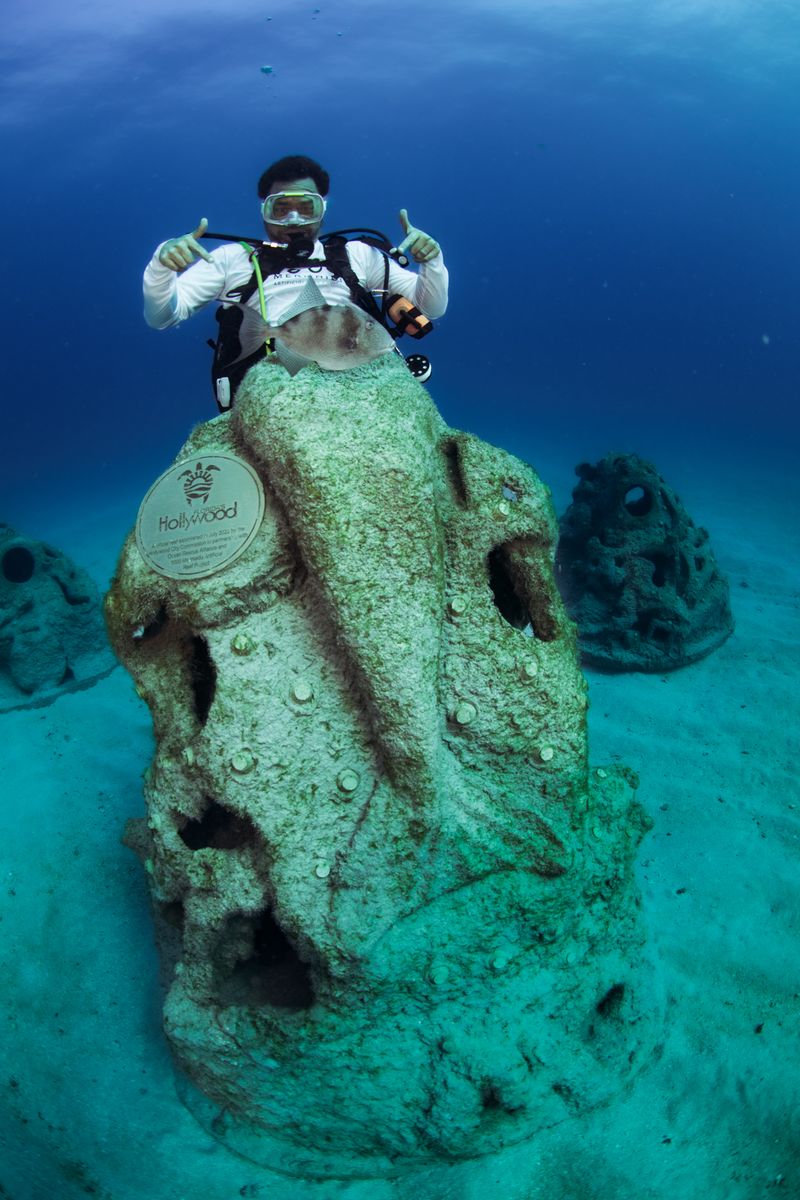
South Florida diving is ruled by current and visibility. Calm mornings, neap tides, and light winds tend to deliver the clearest water.
Winter brings cooler temps but stellar viz on lucky days, while summer offers warmth and occasional afternoon squalls. Checking marine forecasts and operator briefings is step one.
Bring a 3 mm wetsuit most of the year for comfort, plus gloves only if allowed by your operator. A surface marker buoy is wise in drift-prone conditions.
Practice neutral buoyancy so fins never kick up sand onto sculptures, and keep hands off to protect both you and the growing life.
Use the mooring line for controlled descents and ascents, and respect no-touch policies. Stay with your buddy, monitor gas conservatively, and keep an eye on depth when framing photos.
Safety leaves you more bandwidth to appreciate the art, and the ocean rewards calm, unhurried divers.
Snorkeling vs. scuba: choosing your experience
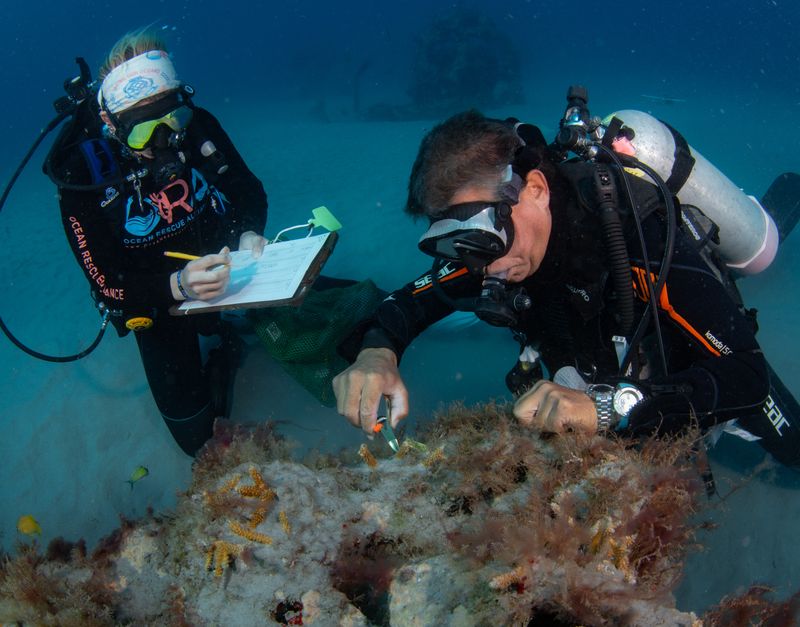
Both snorkeling and scuba offer memorable views, but they feel different. Snorkeling keeps you light and spontaneous, catching glimpses when the sun hits right and the sea is calm.
You will drift, duck-dive if trained, and enjoy big-picture scenes. Scuba slows time, placing you face to face with carved expressions and the small creatures moving in.
Choose snorkeling if you prefer minimal gear and shorter outings. Pick scuba if you want lingering detail and the freedom to compose photographs without rushing breath-holds.
Either way, a guided visit increases safety and ensures you actually find the right clusters.
Ask operators about site depth, typical viz, and currents on your date. If visibility dips, scuba often wins because you can get close with a light and reduce surface glare.
On high-viz days, snorkeling shines with shimmering sunbeams and long, dreamy views of the gallery.
Respectful visiting and ocean etiquette
The art exists for marine life first, visitors second. Treat every surface as living, even if it looks bare.
Keep hands, knees, and fins away from sculptures and the seabed, and maintain buoyancy so your wake does not dust delicate growth. If you see fishing line, notify your guide rather than yanking it yourself.
Photography etiquette matters. Do not crowd other divers or blast strobes into eyes.
Share the prime angles, rotate politely, and signal clearly when moving off. Your patience keeps the mood peaceful and the sand settled for everyone’s shots.
Topside, choose reef-safe sunscreen and secure any loose gear. Avoid single-use plastics on the boat, and pack out everything you brought.
The project’s success depends on thousands of tiny respectful choices you make, each one adding up to a healthier Palm Beach ocean.
How to support the project long after your dive
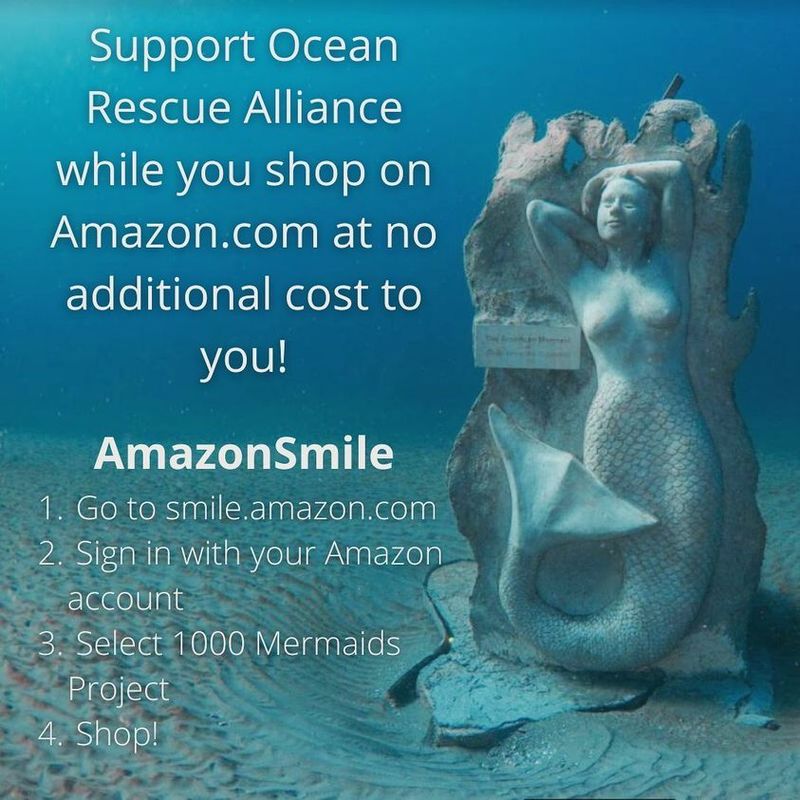
Your visit can echo beyond a single dive. Start by sharing accurate information, geotagging the site responsibly, and crediting the 1000 Mermaids team.
Consider donating through the official website or booking with partners who contribute to maintenance and monitoring. Small recurring gifts help fund new modules and scientific work.
Get hands-on locally. Join shoreline cleanups in Palm Beach, advocate for water-quality protections, and support operators that teach buoyancy and conservation.
If you are an artist or educator, collaborate on creative programs that connect students to reef recovery.
Finally, plan a return trip to witness change. The sculptures will look different each season as life takes hold.
Your photos become data points, your enthusiasm recruits new stewards, and your choices ripple across the coastline. The gallery grows, the ocean thanks you, and the mermaids keep welcoming life.