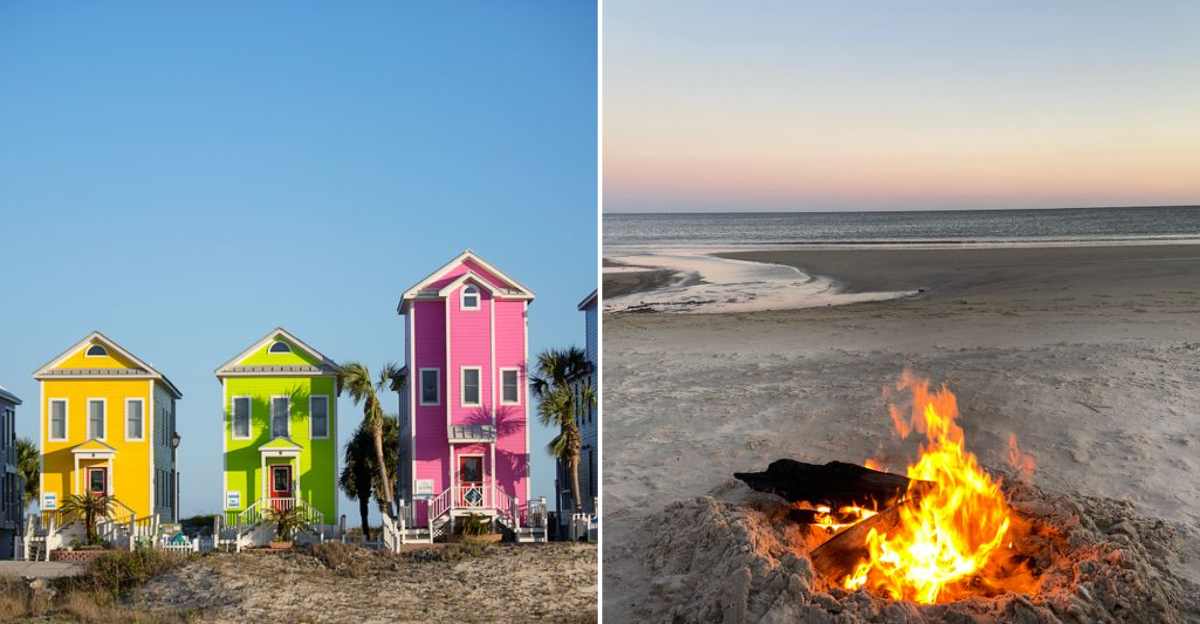
Imagine a stretch of coastline so untouched, it feels like stepping into a secret world.
Florida’s Forgotten Coast stretches over 100 miles along the Panhandle, where sugar-white sands meet emerald waters, and the only footprints belong to sandpipers and explorers brave enough to wander. This isn’t your typical tourist trap—no towering condos, no crowded boardwalks, just raw shoreline and whispering winds.
Locals guard this quiet paradise fiercely. Small fishing towns, historic lighthouses, and wild oyster bars dot the coast, each holding stories that feel centuries old.
Every sunset paints the sky like it’s the first anyone has ever seen it, and every tide carries the gentle pulse of nature untouched.
Walking here, you feel time slow. The Forgotten Coast isn’t disappearing into the Instagram feed or the developer’s blueprint.
It’s a place where Florida still feels wild, honest, and gloriously unclaimed.
Overview: What and where is the Forgotten Coast
The Forgotten Coast runs roughly 100 miles from Mexico Beach through Port St. Joe, Cape San Blas, Indian Pass, Apalachicola, Eastpoint, St. George Island, Carrabelle, Lanark, and St. Marks. It is a low slung, water first landscape where longleaf pines, marsh grass, and oyster bars form the skyline.
Instead of resorts, you see working docks, bait shops, weathered seafood houses, and tidy cottages.
Drive it and you notice what is not there. Few traffic lights, almost no towers, and miles of quiet water.
You hear gulls, outboards, and wind, not club bass. It feels like old Florida because it is anchored to seafood, timber, and family owned rentals rather than speculative high rise waves.
Locals call it forgotten as a badge, not a lament. That name keeps expectations humble and invites slower travel.
You come for bay breezes and leave with tide tables on your phone. The rhythm is set by the bite and by the weather.
The geography matters. Barrier islands shield bays where oysters and seagrass thrive, and river outflow feeds nurseries for redfish and shrimp.
Conservation lands patchwork the hinterland, keeping corridors wild and dark skies overhead.
Apalachicola: working waterfront and oysters
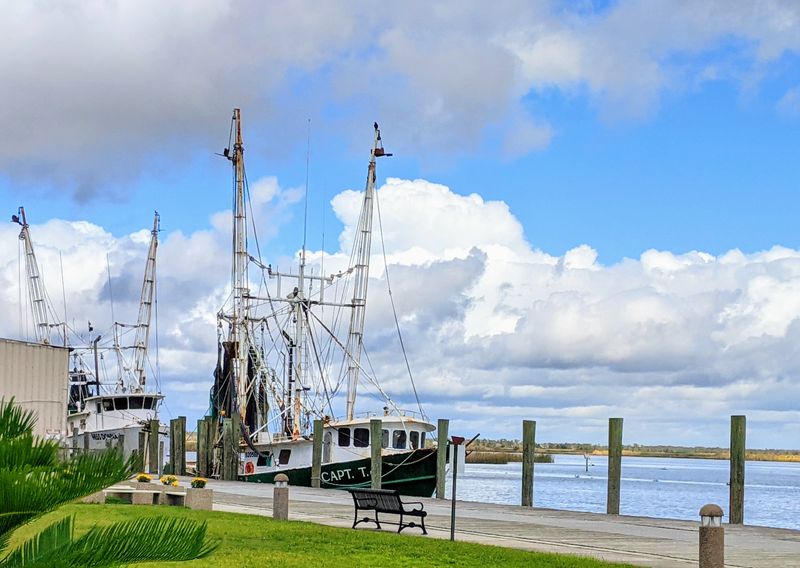
Apalachicola sits at the mouth of a mighty river, where fresh water braids into the bay. You will see shrimp boats, skiffs, and the gear that makes a seafood town hum.
Brick warehouses remind you this was once a cotton port, and now it is a cradle for wild caught flavor and boatyard craft.
Walk the docks and pelicans track you like old friends. Restaurants list species by season, and conversations drift from wind direction to salinity like weather.
Even if you only buy ice and bait, you join a chain that keeps skippers fueled and nets mended.
The oyster story is complicated and honest. Harvests paused to let the bay recover, while farms and restoration push a careful future.
You taste resilience in every fried mullet plate and smoked fish dip shared on a porch.
Shops favor local makers, and lodging often sits in historic buildings with wide balconies. Night falls softly, revealing a sky mostly free of glare.
You leave with a sense that prosperity here is measured in clean water, decent work, and boats coming home safe rather than in skyline height.
St. George Island: dunes, dark skies, and quiet beaches
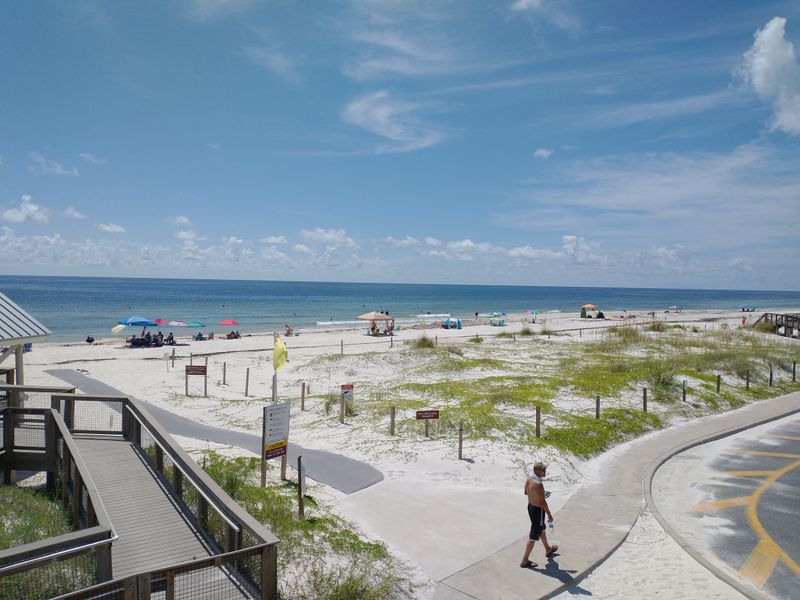
Cross the bridge from Eastpoint and the world widens into sky, dunes, and soft surf. St. George Island keeps development low, letting sea oats and shorebirds rule the horizon.
You feel the shift immediately, from car clocks to tide clocks.
Walk at sunrise and the beach writes a fresh page. Ghost crab tracks stitch the sand and dolphins arc beyond the bar.
At night the stars press close, dark sky bright because nothing here shouts at them with glass towers.
The state park protects long sweeps of dune and scrub, with trails where gopher tortoises burrow and ospreys hunt. You pack out what you pack in, learning the island’s unspoken rules.
There is space to breathe, and you share it with wind.
Shops and cottages tuck behind the first line, keeping the beach open to sky. You fish cut bait in the trough or cast for pompano on a rising tide.
When you leave, sand follows you home and reminds you to return before crowds remember this place.
Eastpoint and Forgotten Coast Cottages: staying by the bay
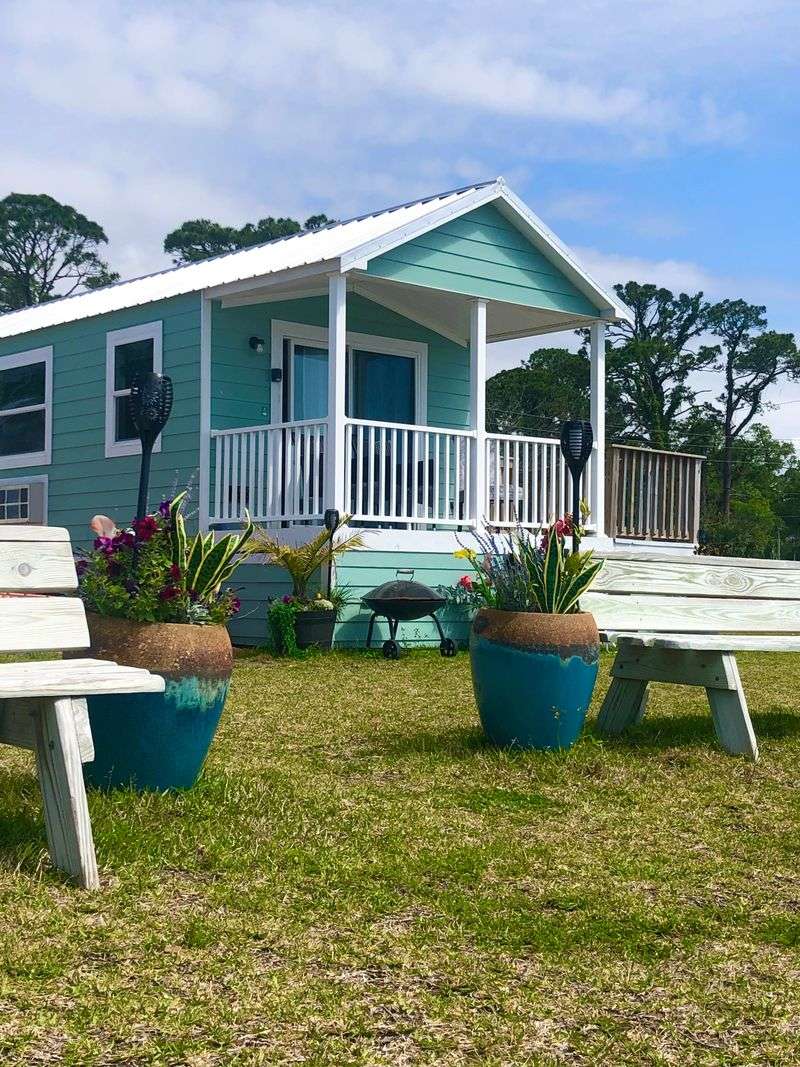
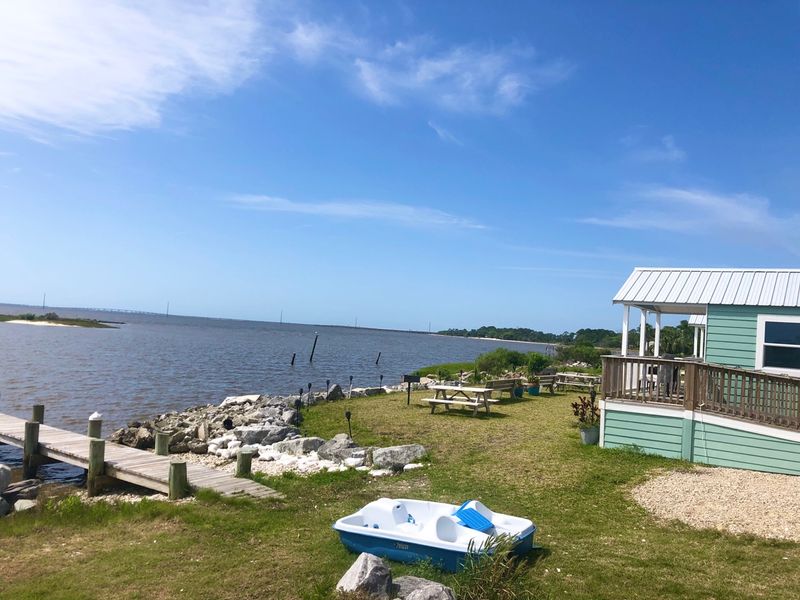
Eastpoint faces the bay with a working spirit and front porch grace. Stay waterside and mornings begin with pelicans gliding past the dock, sometimes a dolphin, sometimes a manatee rolling close.
Reviews talk about clean rooms, helpful owners, and views that reset your pulse.
Forgotten Coast Cottages sits at 332 Patton Dr, a small cluster right on the water. People mention fishing from the dock, seeing cranes and egrets, and walking to seafood, coffee, or ice cream.
It feels central, with simple access to St. George Island and Apalachicola.
Even an RV spot gets love for sunsets and easy backing with a friendly hand. The common thread is care, quick responses, and linens that smell fresh.
You step onto the porch and watch blue herons lift like slow kites over the bay.
What you will not find is fuss or high rise shadows. You come to fish, read, and stargaze, not to schedule entertainment.
A couple nights here teach why locals favor low impact stays that blend with the waterfront and let birds, tides, and dock lights set the mood.
Cape San Blas and Indian Pass: wild edge of the peninsula
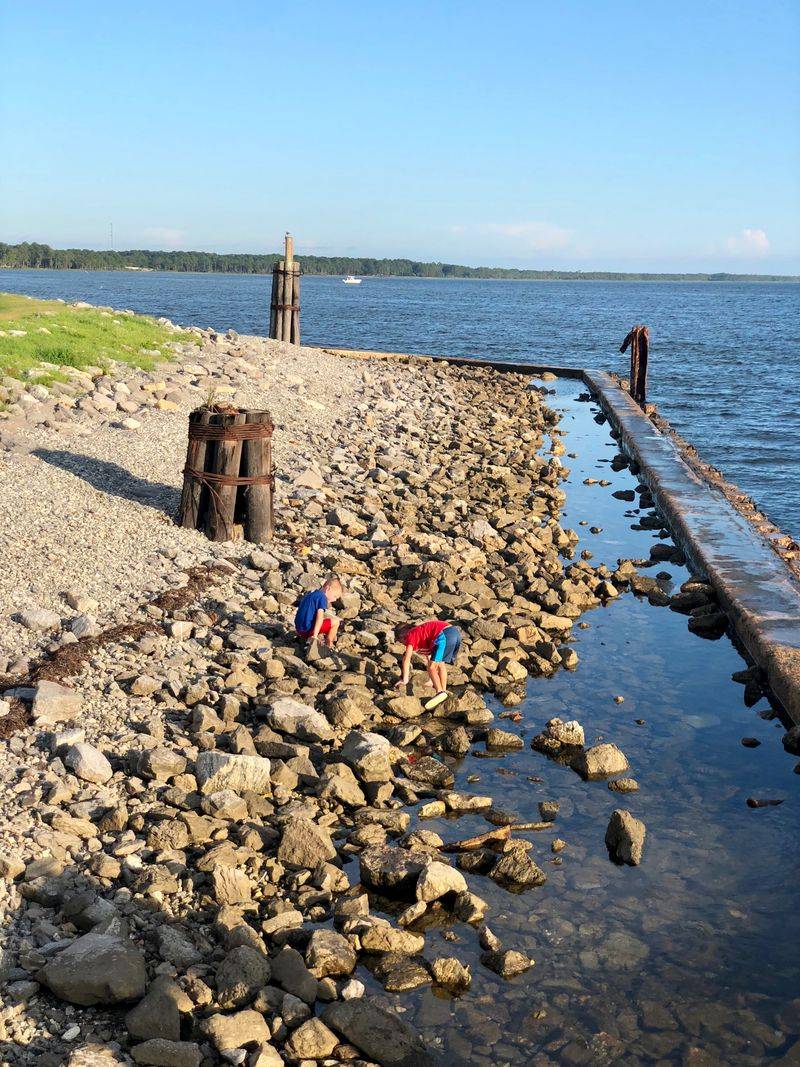
Southwest along the curve, Cape San Blas narrows to a ribbon between Gulf and bay. The light here feels salty and bright, and St. Joseph Bay shines like glass over seagrass meadows.
Indian Pass sits quieter still, where the road ends and currents tangle.
Pack a simple plan. Wade the grass flats for scallops in season, or launch a kayak to stalk redfish and trout.
Stark dunes and turtle tracks remind you night lights matter, and locals guard that darkness.
This area shows how fragile abundance can be. Storms redraw shorelines, and conservation chooses resilience over concrete.
Houses stay small, often on stilts, giving surge space and keeping views democratic.
You leave footprints and rinse them away. If you take a shell, you leave ten.
The wild edge works because people do less, not more, and the reward is herons lifting off a mirror calm bay as sun breaks the water line.
Carrabelle and the Crooked River: boats, pines, and quiet
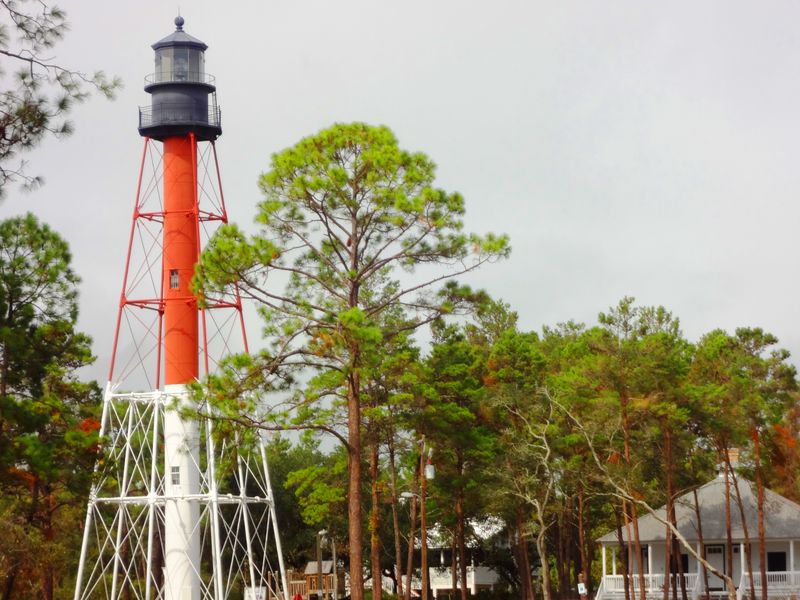
Carrabelle greets you with boats bobbing under a soft morning sky. The town’s scale is human, with marinas tucked against marsh and pine.
You can fuel up, grab a biscuit, and be on the water before the sun clears the trees.
The Crooked River winds through sawgrass, bending light and time. Anglers talk tides and moon, and deer step out at dusk along sandy forest roads.
There is history here, from World War II training grounds to stories told over coolers.
The absence of high rise glare keeps nights friendly to stars and owls. Lobster traps and cast nets lean against fences, not as props but as tools.
You feel welcomed without being entertained on schedule.
Spend an afternoon at the lighthouse museum, then follow the river’s turns until marsh meets bay. The lesson is quiet stewardship.
Keep wakes small, pick up line, and leave ramps cleaner than you found them. Carrabelle rewards that ethic with room to breathe.
Wildlife and seasons: pelicans, manatees, and tarpon runs
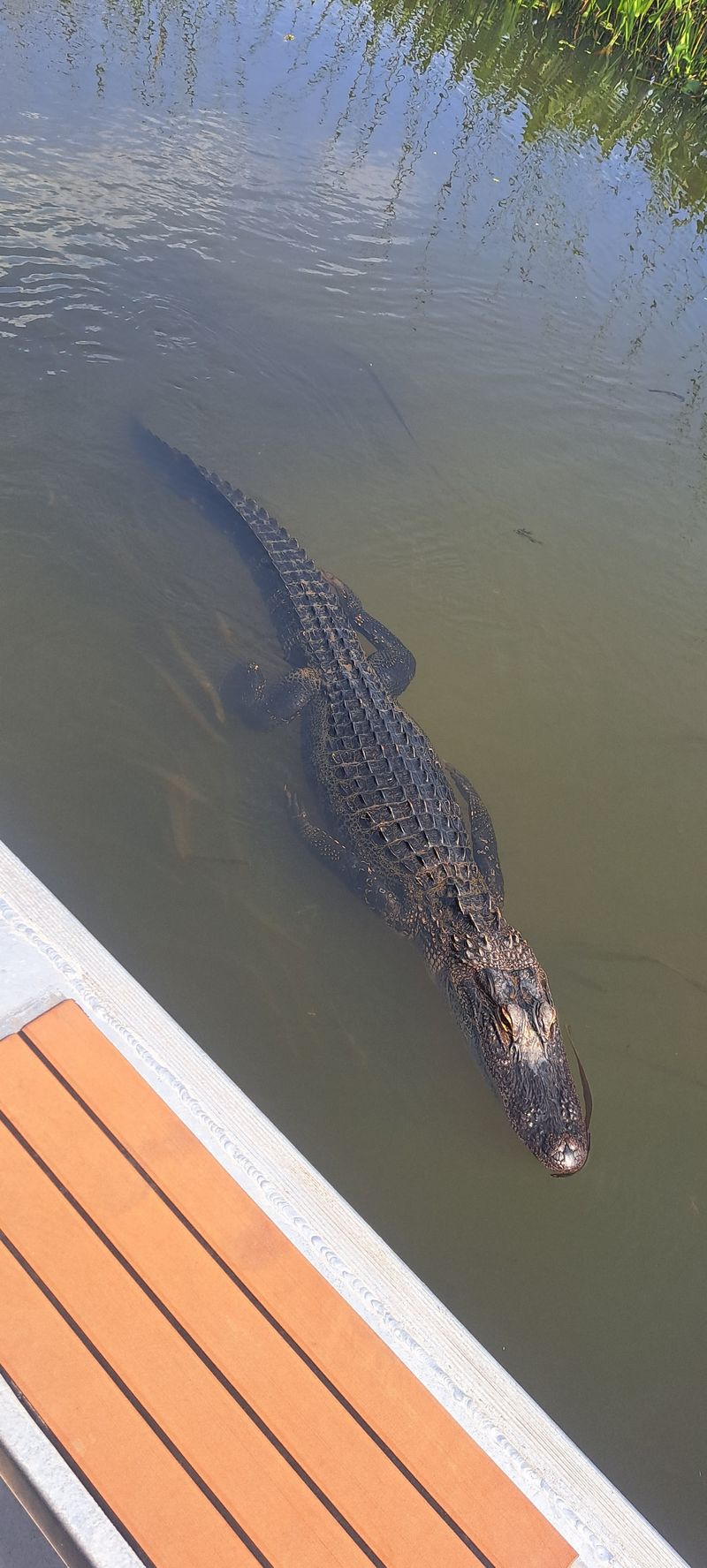
The Forgotten Coast changes with the calendar more than the clock. Winter brings clear air and migrating birds, while spring warms flats and invites manatees into bay shallows.
Summer hums with bait and thunderheads, and fall fish push tight to shore.
You will notice pelicans first, gliding then folding into the water like knives. Egrets hunt edges, ospreys patrol, and bald eagles surprise you on snag perches.
Some mornings, a manatee surfaces by a dock, a slow breath that feels like a blessing.
Anglers chase patterns more than spots. Tarpon roll along beaches in June, redfish tail in grass on a morning flood, and speckled trout sip topwater at dawn.
Respect the nursery and the rules, and the coast gives back.
Pack binoculars, a tide chart, and humility. Wildlife is not a backdrop but the main act, and your distance matters.
Learn the seasons, travel lighter, and let weather decide your day. You will leave with stories that taste like salt and sound like wings.
Conservation over condos: why locals resist big builds
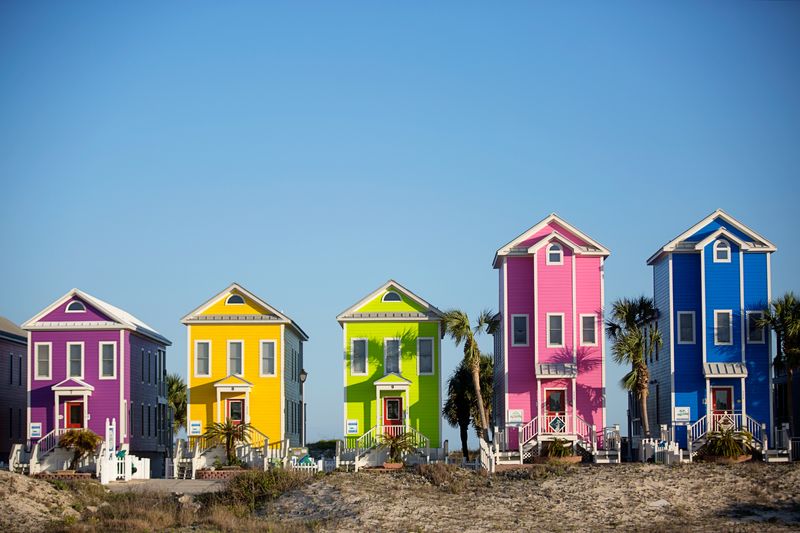
Ask around and you will hear the same refrain. Big towers cast long shadows, stress water systems, and erase night sky.
Here, the economy breathes with the bay, so protection is not romance. It is the business plan.
Oysters need balanced salinity, seagrass needs clear water, and turtles need darkness. Stacking people at the shoreline risks all three.
Locals favor caps, setbacks, and height limits, tools that keep the coast resilient when storms test its seams.
There is pride in small business. Rentals, guides, seafood houses, and shops spread income without concentrating risk.
Storm recovery is quicker when buildings are fewer, smarter, and elevated, not shoulder to shoulder.
You might want convenience, but convenience often wants concrete. Choose cottages, refill water jugs, and walk farther to the sand.
Every small decision backs a bigger promise. Keep the coast low, keep the water clear, and keep the stars reachable by porch.
How to visit lightly: etiquette and low impact tips
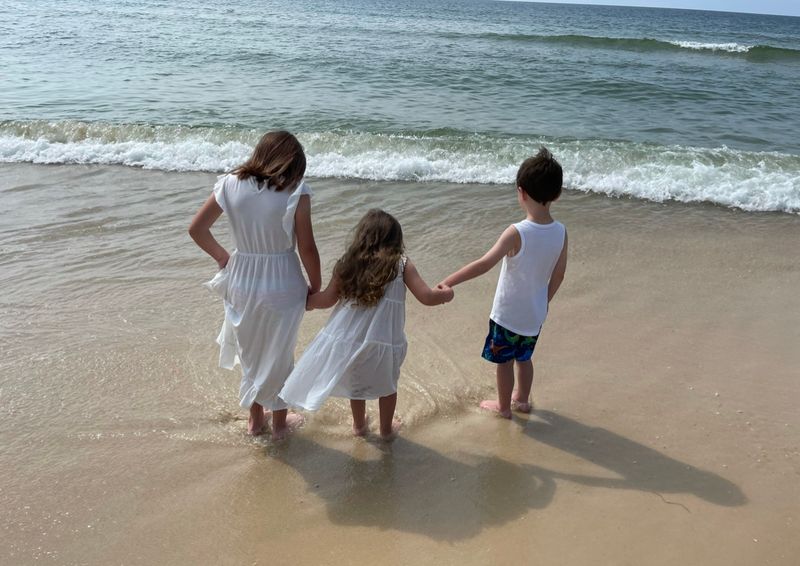
Travel here works best when you pack respect first. Bring reusable bottles, reef safe sunscreen, and a small trash bag for every beach walk.
Keep music low near docks and launch ramps. Locals share space generously when you read the room.
Lights matter on turtle beaches. Use amber or red at night and shield porch fixtures.
Keep dogs leashed where required and off nesting zones. Drive slowly on bridges and watch for ospreys lifting with fish.
Fishing etiquette is simple. Give space on the pier, handle fish with wet hands, and pinch barbs if you can.
Know slot limits and tides before you cast. Buy ice and fuel locally to return value to the water that gives you joy.
Leave dunes untrampled, seagrass unscarred, and wakes small in narrow creeks. Tip guides and housekeepers.
Write clear reviews highlighting stewardship. If you visit lightly, invitations keep coming, and the coast stays exactly as you hoped to find it.
Sample 3 day itinerary: slow miles, big skies
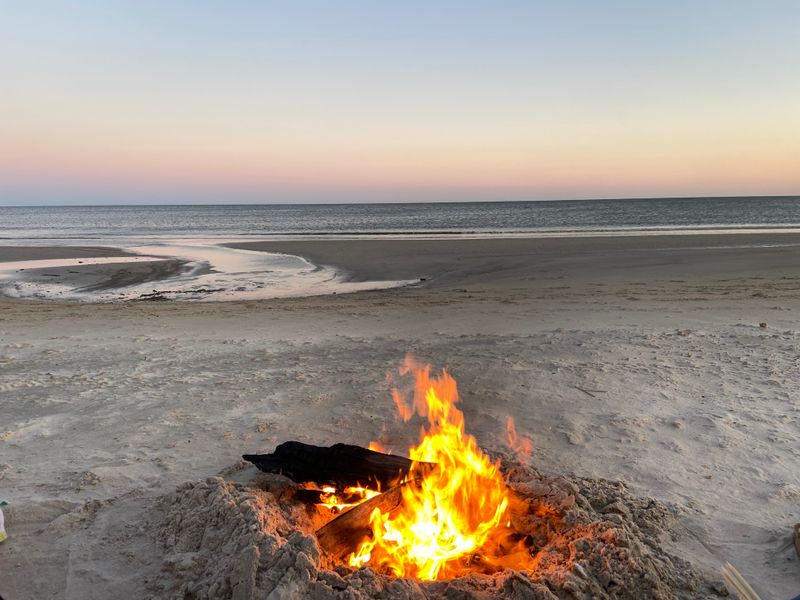
Day one centers on Apalachicola and Eastpoint. Grab coffee, browse makers, eat fresh seafood for lunch, then cross to St. George Island for an afternoon walk.
Settle into a bayside cottage and watch pelicans stitch the horizon at dusk.
Day two heads west to Cape San Blas. Kayak the seagrass flats on a morning flood, picnic under pines, and climb dunes with care.
Evening brings surf casting for whiting and a sky that feels endless and close.
Day three drifts east to Carrabelle. Visit the lighthouse, idle the Crooked River, and let a guide teach you more in four hours than months of guessing.
Stop for smoked fish and listen to local stories at the dock.
Throughout, keep drives short and senses open. Buy bait, ice, and souvenirs from people who remember your name.
You will leave with salt in your hair and the quiet confidence that you traveled right. Plans can wait.
Tides cannot.