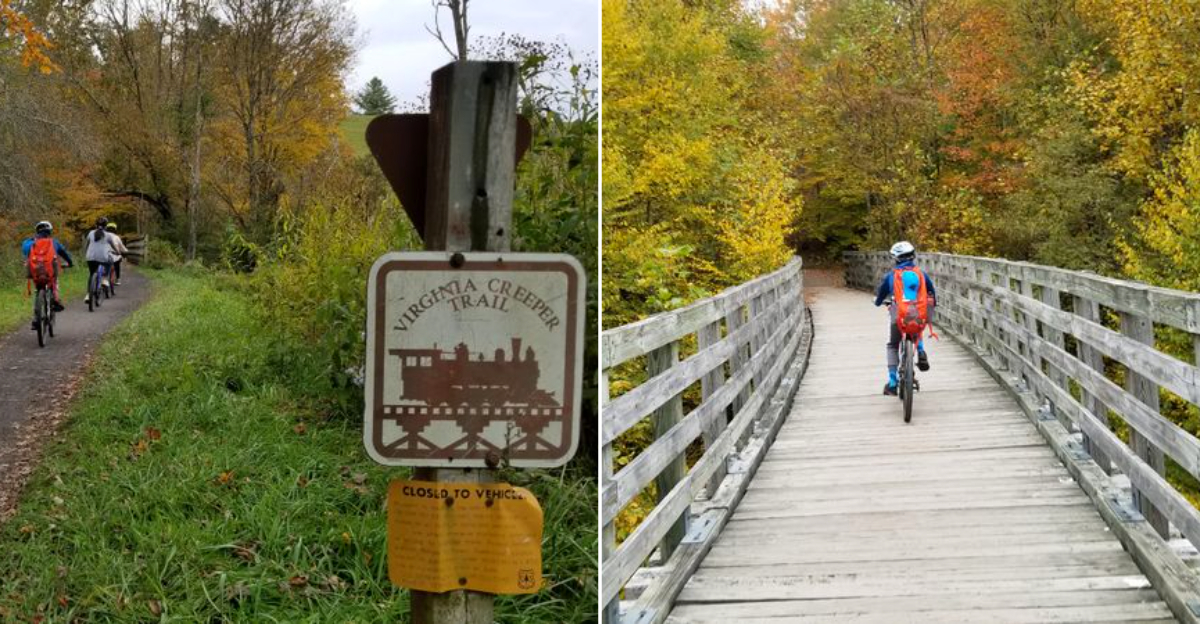
Strap on your helmet and get ready to roll—Virginia’s Creeper Trail is a ride through history and heart-pounding scenery!
This 34-mile trail follows an old railroad winding through the Appalachian Mountains, where every turn reveals rushing streams, towering pines, and valleys bathed in sunlight. Gravel crunches under your wheels as the past hums beneath your tires, echoing the trains that once chugged these tracks.
Cyclists of all levels glide past covered bridges, abandoned stations, and wildflower-filled meadows. Autumn paints the hills in fiery shades, while spring bursts with fresh green life, making every mile a living postcard.
The Creeper Trail isn’t just a bike ride—it’s a journey through time, nature, and pure adventure. Whether you’re racing downhill or pausing to drink in the view, this trail demands attention, awe, and a sense of wonder at the mountains that refuse to be forgotten.
Overview and History of the Virginia Creeper Trail
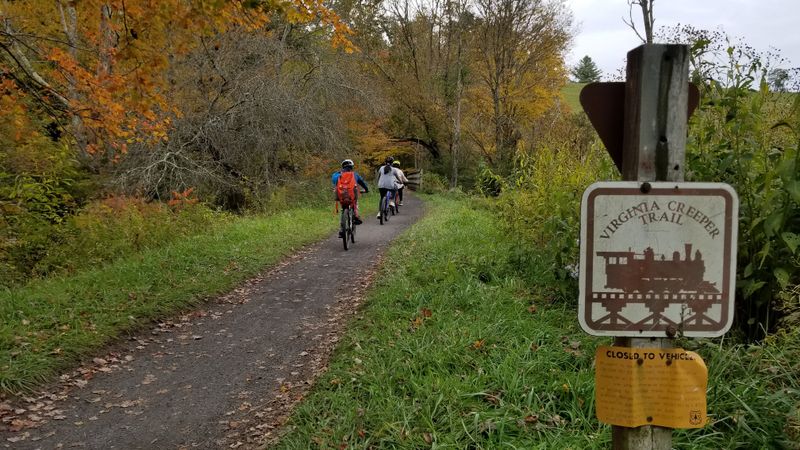
The Virginia Creeper Trail is a 34 mile rail trail tracing the path of an early 1900s railroad that once hauled timber and passengers across Virginia’s Blue Ridge. Because railroads needed gentle grades, you now enjoy a friendly descent rather than punishing climbs.
You roll through forests, farmland, and creek valleys, feeling the rhythm of a bygone era under your wheels.
The trail’s name nods to the Virginia creeper vine and the slow uphill “creeping” of old locomotives. Most riders start at Whitetop Station and coast to Damascus or continue onward to Abingdon.
Along the way, century old trestles, mileposts, and whistle stop remnants create living history you can touch.
You will notice how towns flourished where the railroad once stopped. Damascus evolved as a trail hub serving thru hikers and cyclists, while Abingdon offers theater, galleries, and fine food.
These communities sustain the trail with rentals, shuttles, and hospitality.
Expect packed gravel, shaded corridors, and constant water sounds from Laurel Creek and the South Fork Holston River. The trail is free, family friendly, and open year round, with fall colors and spring wildflowers stealing the show.
Bring a sense of curiosity, and the past rides with you.
Route Breakdown: Whitetop to Abingdon
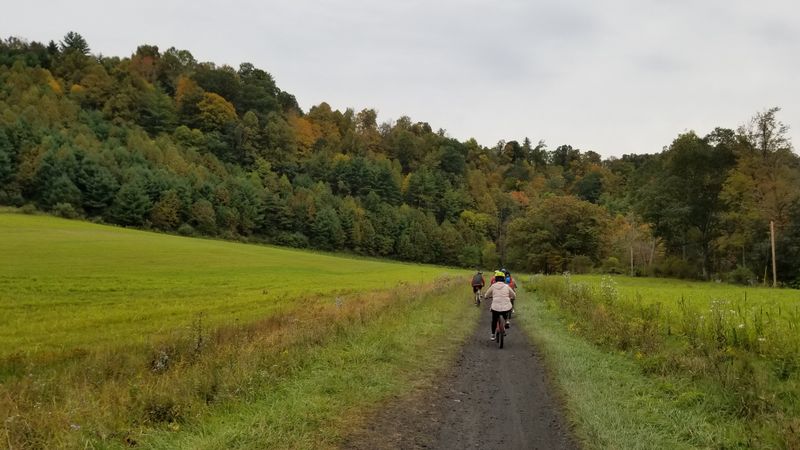
The classic ride begins at Whitetop Station, elevation roughly 3500 feet, and descends about 17 miles to Damascus. This stretch is the gentlest and most family friendly, with cool woods, cascading Laurel Creek, and frequent trestles.
From Damascus to Abingdon adds another 17 miles of rolling valley scenery and open farmland.
Think of the route in three acts: high country hush from Whitetop to Green Cove, creekside cruising toward Taylor’s Valley, and community energy as you roll into Damascus. After a snack, continue west as the landscape opens, passing pastureland and the South Fork Holston River.
Finish in historic Abingdon with restaurants and artsy stops.
The surface is crushed stone and packed cinders, suitable for hybrids, mountain bikes, and gravel bikes. Skinny road tires are possible but not ideal.
Shuttles let you park in Damascus or Abingdon, ride one direction, and get a lift back.
Wayfinding is simple thanks to signage, mileage posts, and long, obvious corridors. Expect restrooms at key trailheads and picnic spots scattered along the way.
If you prefer climbing, flip the script and pedal east, but the Whitetop down route offers the smoothest introduction.
Whitetop Station: High Country Start
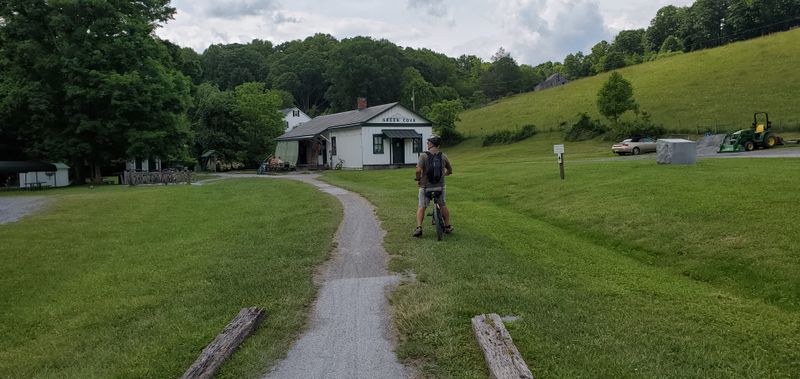
Whitetop Station feels like the roof of the route, where crisp air and spruce fringed views set a mountain tone. It is the popular shuttle drop off point for an all downhill glide to Damascus.
Before rolling out, take a moment to read the interpretive signs and peek into railroad history.
The grade from Whitetop is reliably easy, making it great for newcomers and kids. You will hear Laurel Creek almost immediately, tumbling beside the trail as it twists through forest.
Low speed coasting means plenty of time to spot wildflowers, rhododendron tunnels, and occasional deer.
Weather can shift quickly at elevation, so layer up even in summer. Morning starts reward you with fewer crowds and filtered sunbeams through tall trees.
If you forgot essentials, many shuttle companies stock spare tubes, gloves, and rain shells.
Trail etiquette matters from the first mile: keep right, announce passes, and control speed on gravel. Photo stops are plentiful at trestles and creek views, so pull off safely before snapping shots.
Set your saddle, check your brakes, and let the mountain air carry you gently into the ride.
Trestles and Bridges: Engineering Icons
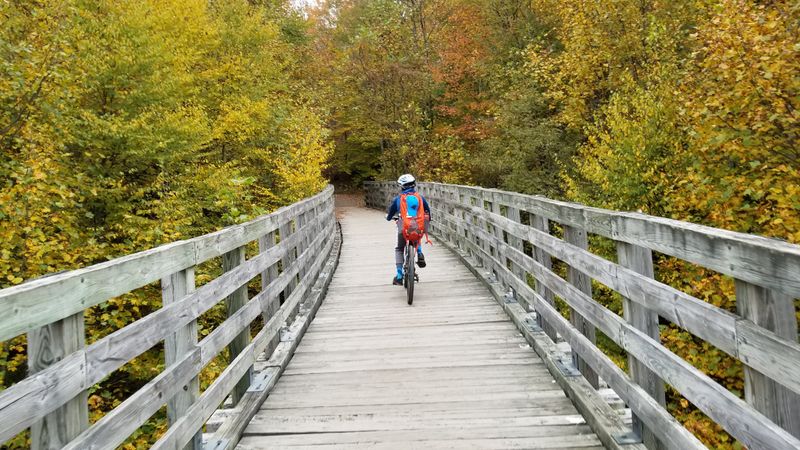
The Virginia Creeper Trail is famous for its wooden trestles, those photogenic bridges that stitch valleys, creeks, and hollows into a continuous ride. Each trestle whispers about timber booms and locomotive grit.
When you roll across the planks, you feel the quiet hum of engineering made simple and strong.
Many trestles overlook Laurel Creek, providing safe, airy views of churning water and mossy boulders. Railings and deck planks are routinely maintained, but wheels can squirrel on wet boards.
Slow down, keep a straight line, and resist braking mid span.
Numbered trestles help you track progress and remember favorites for a return visit. In fall, leafy canopies frame the spans with oranges and reds that seem painted on.
In winter, stark lines make for minimalist photos with crisp shadows.
Kids love counting bridges and feeling the subtle vibration underfoot. Adults appreciate the craftsmanship and the way trestles spare riders from steep switchbacks.
Whether you are after photos or simply seamless flow, the bridges make the trail unforgettable and keep the experience friendly for all skill levels.
Laurel Creek and Waterway Highlights
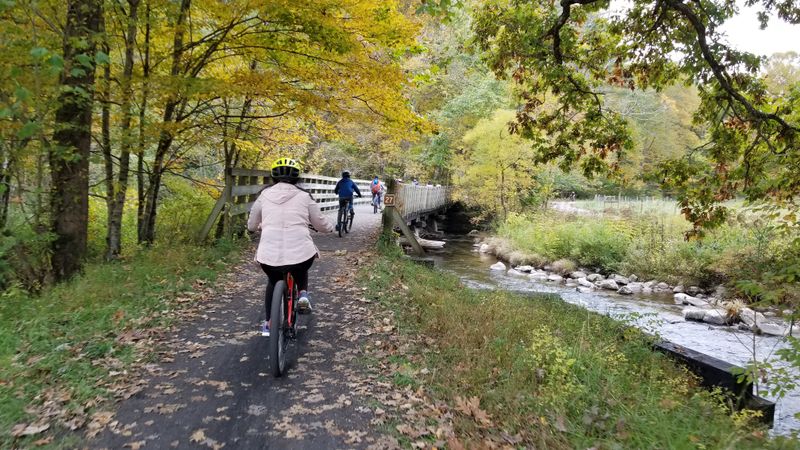
From Whitetop to Damascus, Laurel Creek plays constant companion, sometimes roaring, sometimes whispering between rhododendron thickets. The sound guides your pace, a rolling metronome that encourages easy cadence.
Pools, riffles, and mini falls appear around bends where anglers sometimes cast for trout.
Pull offs near trestles reveal photo friendly boulders and safe places to sit. Water is cold year round, so dunk hands or just enjoy the spray.
Please stay on durable surfaces and avoid trampling vegetation near the banks.
As you near Damascus, the creek broadens and slows, and the trail widens too. After Damascus, the South Fork Holston River takes the baton, delivering bigger water views, pastures, and open skies.
Birdsong shifts from high country species to valley regulars.
Do not count on refilling from the creek without proper filtration. Pack enough water, especially on warm days when humidity lingers in the hollows.
The waterways define the trail’s character, adding soundscape and sparkle that turn a simple ride into an immersive forest journey.
Damascus Trail Town Experience

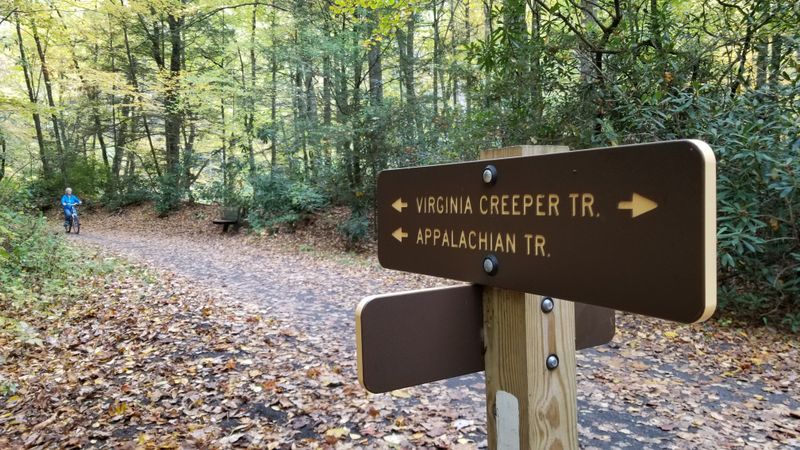
Damascus calls itself Trail Town USA for good reason. The Virginia Creeper, the Appalachian Trail, and several other paths intersect right in its heart.
That means outfitters, shuttles, and eateries are never more than a short coast away when you roll in hungry.
You can grab barbecue, a burger, or pastries before continuing toward Abingdon. Bike shops handle quick fixes, rental swaps, or spare tubes without fuss.
On weekends, the main drag buzzes with riders and hikers trading stories under string lights.
Keep your bike secure and be courteous at crossings as traffic can spike during peak hours. Festival weekends add extra color, music, and occasional detours.
If kids are along, Damascus makes a perfect midpoint break with parks and riverside benches.
Refill bottles, reapply sunscreen, and decide if you are calling it a day or pushing for the full 34 miles. The energy here is contagious, equal parts mountain calm and small town welcome.
Roll out refreshed, knowing the second act opens into broader scenery and gentler grades.
Abingdon Finish: Food, Arts, and Recovery
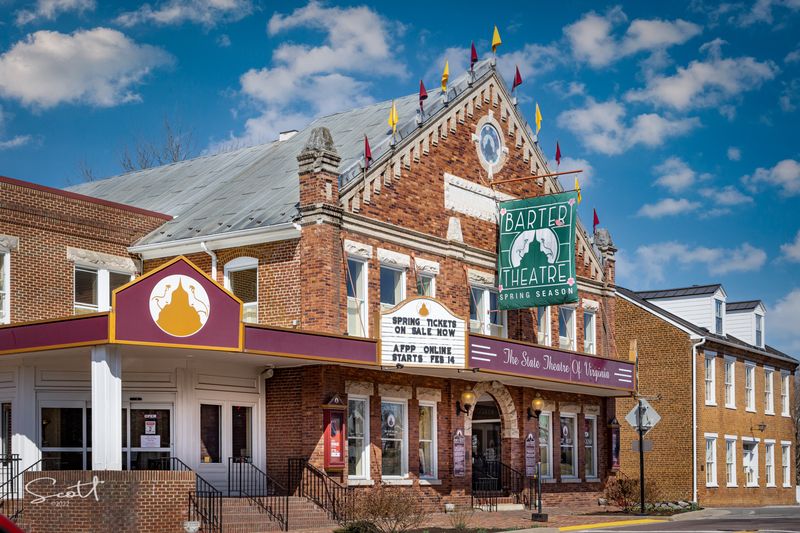
Ending in Abingdon rewards you with culture and comfort after a day on gravel. The Barter Theatre, galleries, and historic streets make it easy to linger.
You can celebrate with a meal, from farm to table spots to casual pizza joints that welcome dusty riders.
Parking in Abingdon and shuttling to Whitetop simplifies logistics. When you roll back into town, your car, fresh clothes, and dessert are steps away.
Side streets offer quiet cool downs while you spin out the last miles.
Abingdon’s visitor center shares maps, events, and lodging ideas. If you plan an overnight, charming inns and bike friendly hotels dot the district.
Morning coffee shops make a tasty pre ride rendezvous for multi day plans.
Recovery is not complicated: stretch calves, sip electrolytes, and book dinner. The trail empties stress, and Abingdon fills you back up with music, conversation, and sweet treats.
You will feel satisfied yet already plotting a return lap on the Creeper.
Seasonal Tips: Weather, Foliage, and Crowds
Spring brings dogwoods, redbuds, and fast snowmelt streams, but showers can slick the gravel. Summer is lush and tunnel cool under dense canopy, with humidity that begs for extra water.
Fall steals hearts with cinematic color, while winter offers solitude and crystalline light.
Weekends fill quickly during peak foliage and school breaks. An early start helps you find quieter miles and better parking.
Midweek rides feel like private showings of the Blue Ridge.
Dress in layers and stash a light shell. Even on warm days, Whitetop can surprise you with a chill.
After storms, watch for debris and ride cautiously on shaded corners.
Leaf litter masks potholes in October, and black ice can linger in December shadows. Tubeless tires and lower pressures improve comfort on chattery sections.
No matter the season, respect closures and trail crews who keep this corridor safe and beautiful.
Safety, Etiquette, and Leave No Trace
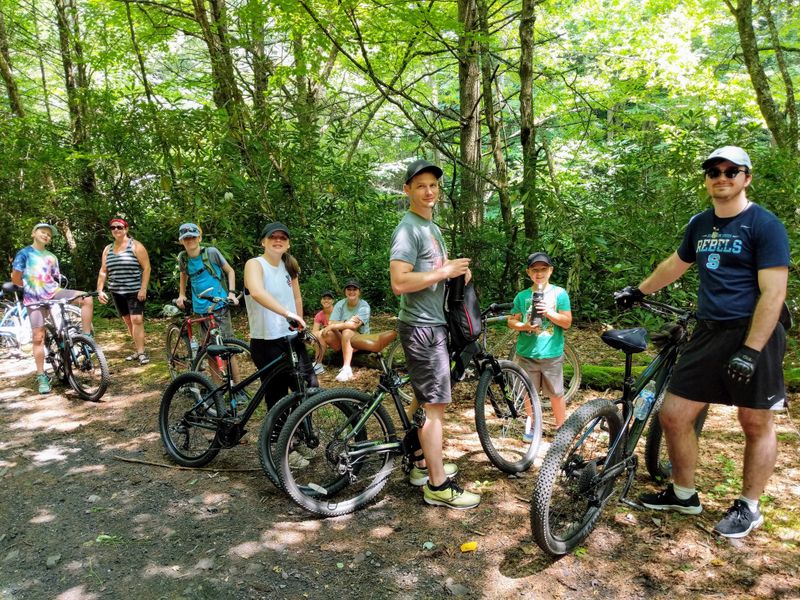
Shared use means bikes, walkers, anglers, and families all belong here. Keep right, announce passes, and slow to a jogging pace near crowds.
At road crossings, dismount if needed and never assume vehicles will yield.
Gravel hides surprises, so scan ahead and brake early, especially on bridges and leaf covered turns. Helmets are a must, and headphones should stay off or in one ear only.
If you stop, step fully off the trail to keep traffic flowing.
Leave No Trace keeps the corridor pristine: pack out every wrapper, stay on durable surfaces, and respect private property near the right of way. Wildlife deserves space, so admire quietly and move on.
Dogs belong on short leashes with waste packed out.
Weather can shift quickly, so carry layers and know turnaround times. Have an emergency contact and basic first aid items.
Courtesy and preparation transform a good ride into a great one for everyone you meet.