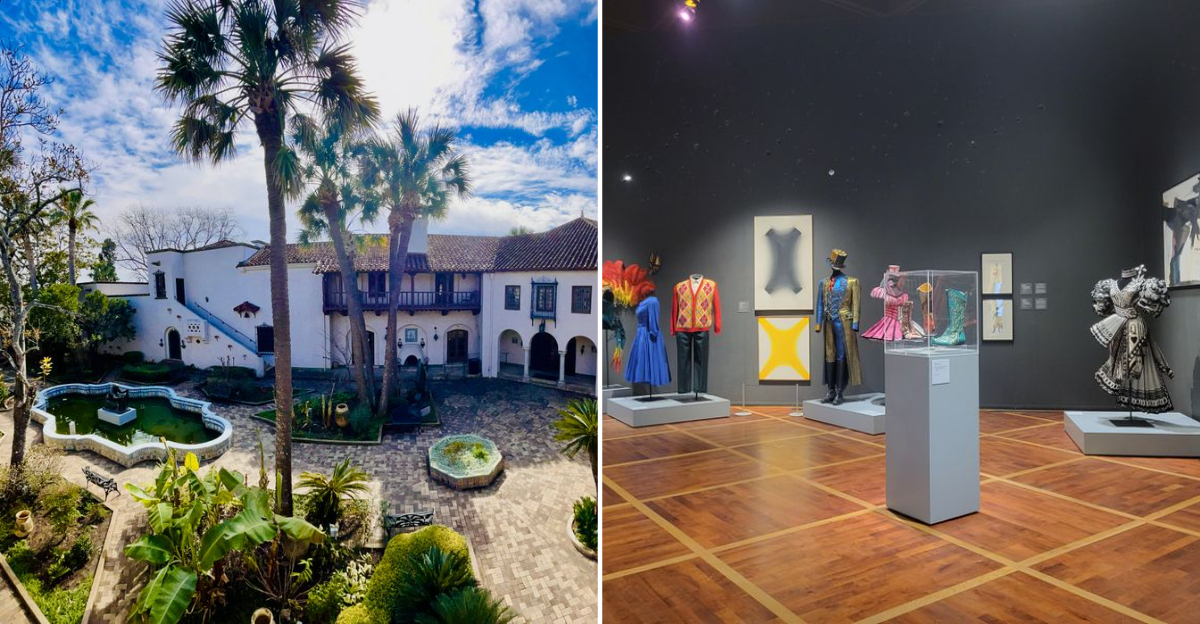
Step inside the McNay Art Museum and forget everything you know about traditional galleries.
At first glance, it feels more like a sun-soaked Spanish villa than a place where art hangs on walls. Terracotta roofs, elegant arches, and courtyards that glow in the Texas light set the stage for masterpieces of every kind.
Inside, the art doesn’t compete with the architecture—it dances with it. Modern paintings share space with classic sculptures, and every room feels like a story unfolding, where each piece is framed by shadow, sunlight, and unexpected beauty.
Wandering the McNay isn’t a quiet stroll. It’s a journey through time, culture, and imagination.
Courtyards invite reflection, terraces offer views of San Antonio, and every corner tempts you to pause, look closer, and feel the thrill of art in a space that is as alive as the pieces it houses.
Villa First Impressions: The Spanish Colonial Revival Setting
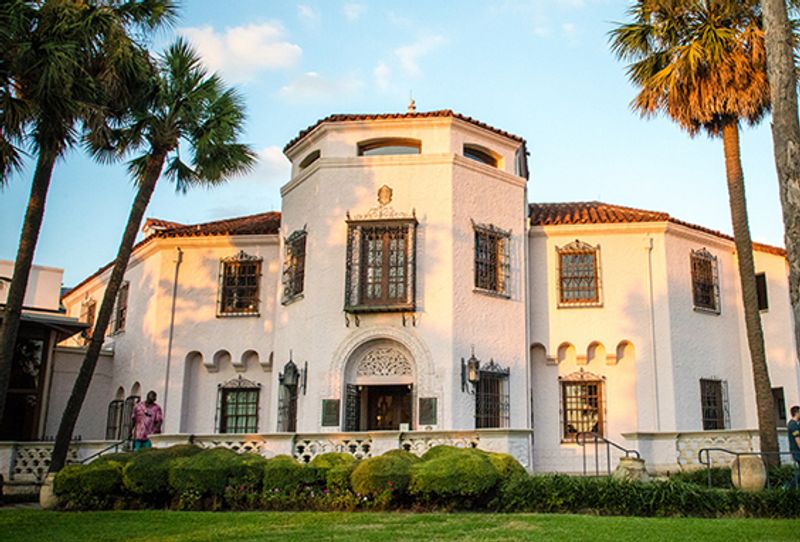
Arriving at the McNay, you catch your breath as stucco walls brighten under Texas sun and terracotta tiles glow a soft rust. Arched loggias draw your eyes toward carved wood doors, while wrought iron railings lace balconies with shadow.
It feels intimate and cinematic at once, like stepping into a lived in villa layered with stories.
The architecture is Spanish Colonial Revival, but the mood is hospitality first. Paths meander past palms and oleanders, guiding you naturally toward the courtyard and galleries.
You can linger at a bench, listen to water trickle, and feel time slow just enough to notice details in tile and plaster.
Inside, rooms still echo their domestic origins, so art hangs at human scale. Light spills from windows onto patterned floors, giving paintings a warmth that white cube spaces rarely manage.
You feel welcomed rather than instructed, and that subtle shift opens you up to look longer.
Before exploring collections, pause in the entry to absorb the house’s proportions. The villa frames your visit like a prologue, promising a blend of culture and comfort.
Here, the building is not a container for art. It is the first masterpiece you meet.
The Courtyard: Heart of the Mansion
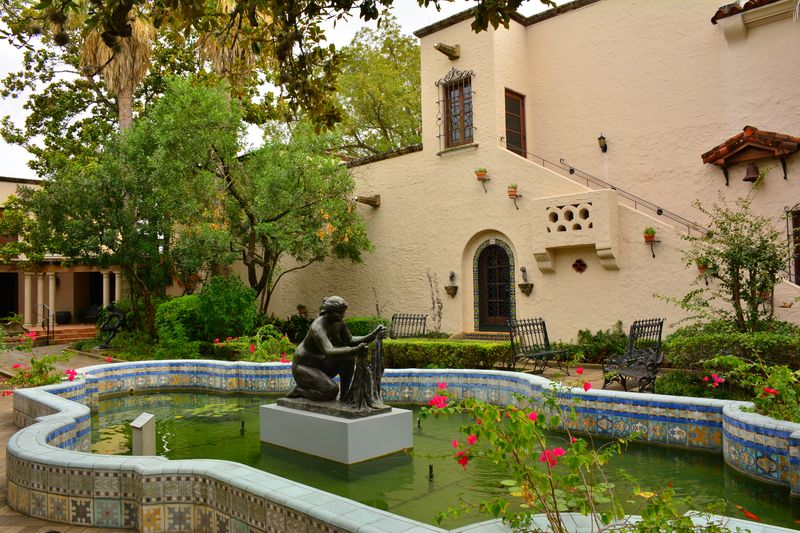
Step into the courtyard and the city softens to a hush. Water shimmers in the pond, reflecting stucco walls and the arcaded corridor like a painted vignette.
You might hear distant laughter, a bird calling from bougainvillea, and your own footsteps settling into the villa’s rhythm.
This space ties the mansion together, historically and emotionally. It invites you to reset your pace before galleries begin.
Benches face hedges and tiled paths, framing quiet views that feel curated by the sun rather than a label.
Textures become your guide. Cool tile underfoot, stucco roughness beneath fingertips, and the flicker of light through wrought iron all make you more aware of where you are.
That awareness carries into exhibitions, sharpening how you notice composition, color, and scale.
Many visitors circle back here between wings, using the courtyard as a compass. You can do the same, letting the pond’s mirror return your focus.
In a museum celebrated for masters, this open air room teaches by example. Balance, contrast, and harmony play out in sky, water, and shade.
From Mansion to Museum: Marion Koogler McNay’s Vision
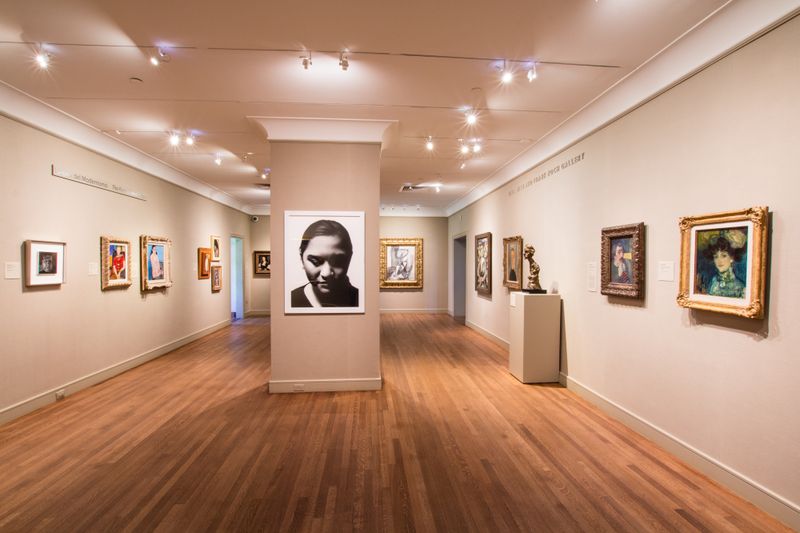
Think of the McNay as a love letter that became public. Collector Marion Koogler McNay turned her 1929 mansion into a cultural gift, shaping a place where European and American art could live among courtyards and carved beams.
Her vision still hums in every threshold and tiled stair.
Instead of imposing grandeur, she chose intimacy. Rooms remain scaled to conversation, so you encounter paintings like guests at a salon, not distant celebrities.
That domestic scale reduces the pressure to “perform” as a viewer and increases the pleasure of simply looking.
The collection’s backbone reflects an eye for modern movements and historical through lines. Works from medieval to contemporary hang in dialogue, letting you trace influences without forcing a lecture.
It is curation by hospitality, built on trust that you will connect what matters.
As you move, remember the founder’s belief that art should breathe in real spaces. The result is a museum that feels less like an institution and more like a lived in promise.
You are not just touring a gallery. You are stepping into a legacy designed to welcome you, generously and forever.
European Masters: From Monet to Matisse
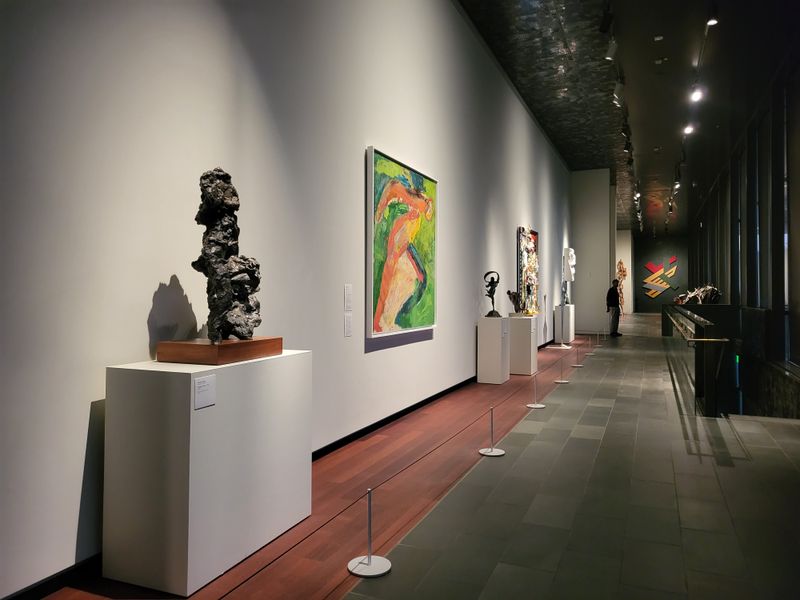
In one gallery, color opens like a window. You move from Impressionist atmospheres to bold modern planes, meeting European masters in rooms that still feel like a home.
Light moves across brushwork, and the villa’s textures give familiar names a fresh intimacy.
Monet’s haze and Matisse’s clarity converse across space, joined by other European voices that carry history’s weight without heaviness. Here, edges blur between periods, inviting you to chase threads of light, line, and emotion.
Labels guide, but the architecture invites lingering.
Instead of sterile spotlighting, daylight modulates the mood. Patterns in tile echo rhythmic strokes, and wooden beams steady the ceiling like a metronome.
You sense a continuity of craft, from painted surface to built environment, that makes technique feel tangible.
Take a moment to stand back, then step close. Let the brushwork dissolve into patches, then reform into image.
This is how the McNay excels, offering proximity that teaches through experience. You are not just seeing masterpieces.
You are learning how they breathe.
Picasso, Rivera, and Modern Dialogues
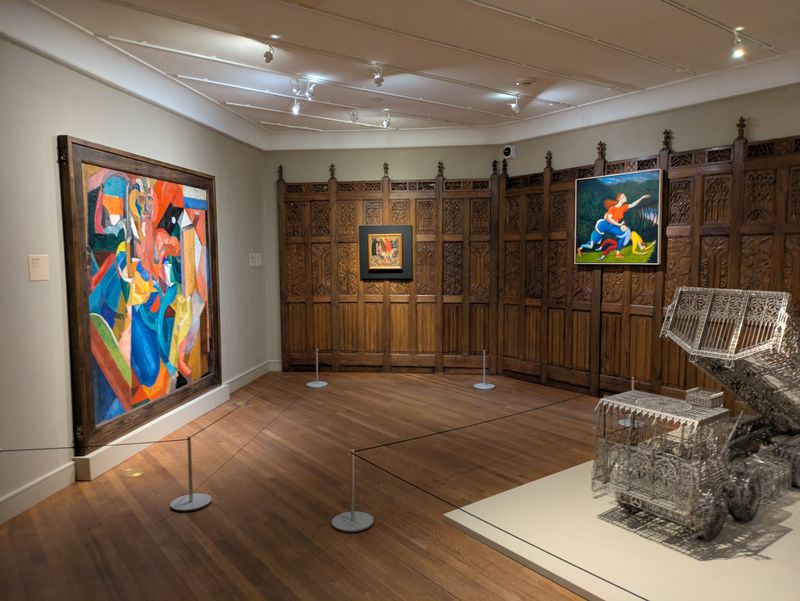
Modernism shows up at the McNay like a conversation already in progress. You notice angular rhythms, fractured planes, and then a quiet counterpoint of social narrative.
Picasso’s language of form meets Rivera’s grounded human stories, held in balance by the mansion’s calm.
It is not a shouting match of movements. Instead, the galleries stage respectful introductions.
Cubist restructuring sits near figurative clarity, so you can feel how artists pushed and answered one another across time and purpose.
The villa setting helps. Domestic scale softens theory into touchable presence, letting you observe edges, contours, and palette decisions without fatigue.
You begin to read paintings like rooms, noting structure first, then the life unfolding inside.
Stand where lines intersect and ask what is being rebuilt. Then step to the side and let a figure’s gaze return you to the world.
You come away with a sense that modernism was never just style. It was a way to reconsider reality, and the McNay makes that invitation easy to accept.
American Voices: O’Keeffe, Warhol, and Beyond
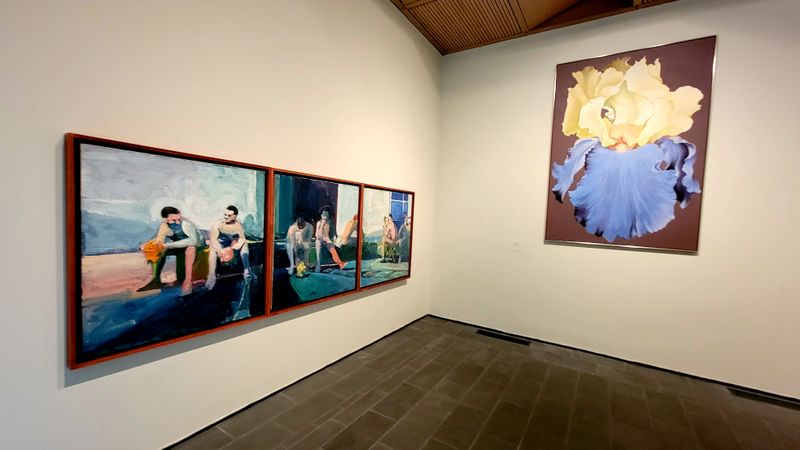
American art at the McNay moves from desert hush to electric sheen. O’Keeffe’s distilled forms feel like breaths held just long enough, while Warhol’s pop cadence bounces with media savvy charm.
The juxtaposition is playful and precise, set within rooms that keep proportions human.
As you move, color stories shift. Soft bone whites give way to saturated brights, and you notice how American artists have argued with and expanded European traditions.
The villa’s textures cushion those shifts, so extremes feel conversational rather than combative.
Labels highlight context, but you will trust your eyes most. Scale, surface, and repetition start carrying meaning as surely as iconography.
The setting encourages you to test your responses, then circle back and test again.
By the time you exit, you may feel surprised by how coherent this range becomes. The house knits it together, a reminder that art thrives in lived spaces.
Here, American voices sound like neighbors with different playlists. You visit each room, then step into the courtyard humming a tune you did not know you knew.
Sculpture Garden and Faux Bois Wonders
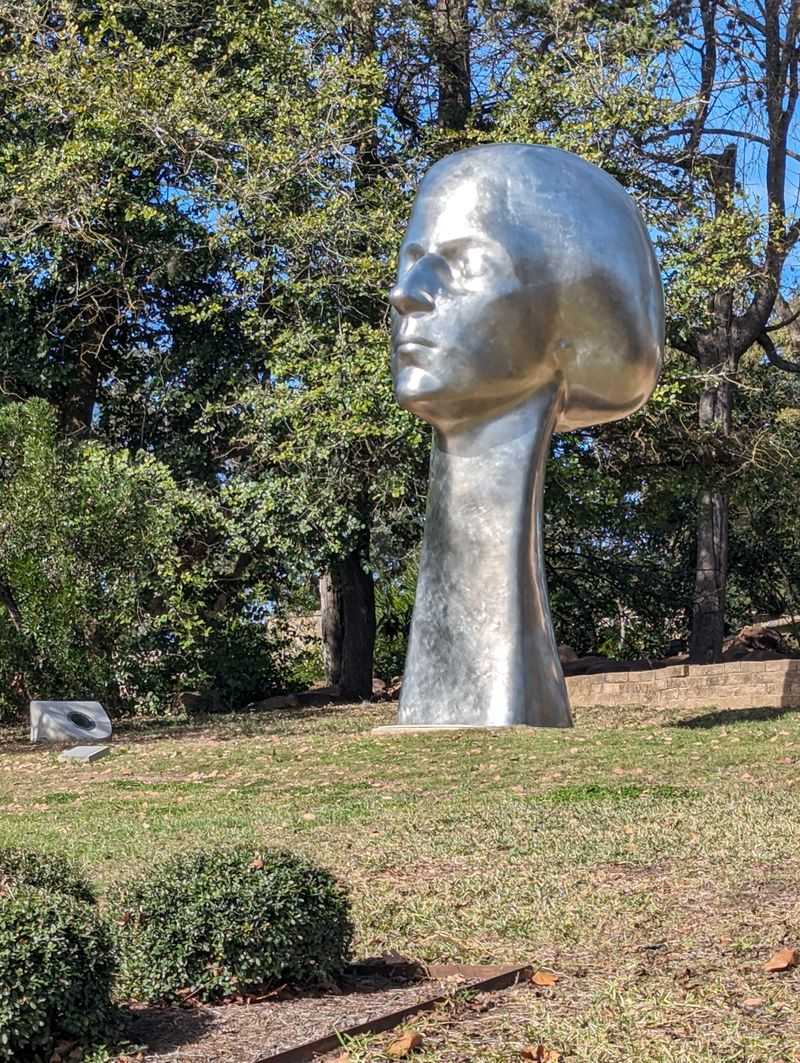
Outside, scale turns generous. The sculpture garden stretches across lawns and under live oaks, where shadows create natural plinths all day long.
You wander from monumental steel to whimsical faux bois, and the grounds feel curated by wind and sunlight.
Those faux bois pieces stop you with delight. Concrete masquerades as wood so convincingly that you want to trace the grain.
Benches, a gazebo, and a fantastical birdhouse become functional sculpture, inviting you to sit inside the artwork and listen to leaves.
Kids dart ahead to claim discoveries, and you follow, noticing alignments between pathways and sightlines. The villa peeks through branches, adding white stucco accents to every view.
Photography lovers get frames everywhere, especially near the pond and the long axis lawns.
Take your time here. The garden rewards pauses and returns, changing character with each hour’s light.
When you head back inside, your eyes have recalibrated to scale and negative space. Sculptures in the galleries will feel newly grounded, as if the outdoors taught you how to see volume again.
Family Friendly Finds and Interactive Moments
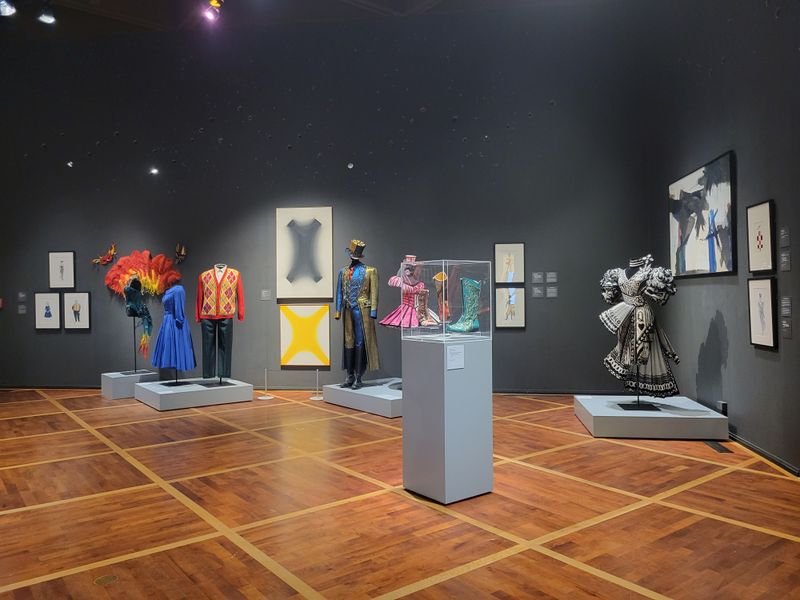
The McNay makes space for curiosity at every age. You will spot interactive prompts, hands on moments, and exhibitions that invite younger visitors to respond without feeling shushed.
It is not a playground, yet the tone says art belongs to everyone.
Look for family guides at the desk and rotating showcases of student work. Kids love seeing their peers on the wall, and adults love watching fresh reactions shape the room’s mood.
Staff stay approachable, offering directions and context with a smile.
Benches land in the right places, so you can pause, ask questions, and return to a favorite piece without losing the thread. The scale of the mansion helps here too, creating a home like rhythm of short walks and frequent breaks.
Plan a weekday or late afternoon for fewer crowds, then let each gallery become a prompt for conversation. You will leave with new favorites, plus a sense that museums can be gentle partners to learning.
This is a place where attention grows rather than frays, and where a single question from a kid can unlock a painting for everyone.
Events, Concerts, and Community Nights
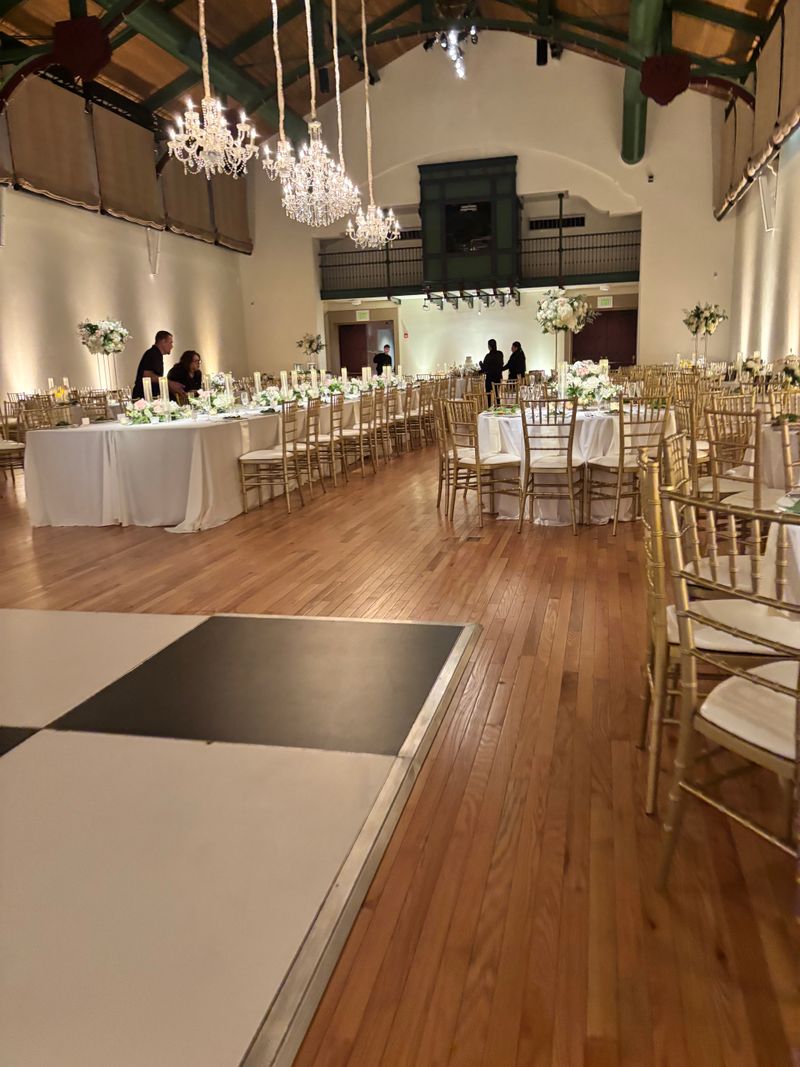
Visit on an event night and the museum changes tempo. A string quartet can glow in a gallery, or a talk might unfold beneath beams that once hosted dinners.
You feel part of a living schedule, not just a static collection.
Community programs open doors wider, including discounted hours supported by local partners. Those evenings attract a welcoming mix of regulars and first timers, making conversations as memorable as the art.
Staff keep things smooth, from check in to wayfinding.
Food and drink add convivial notes without overwhelming the art. You drift between pieces, hearing a rehearsal down the hall or seeing the courtyard glimmer under lantern light.
The night air folds into the experience like a final movement.
Check the website for concerts, talks, and themed tours, then time your visit around something that matches your mood. You will likely discover a new angle on familiar works, thanks to music, dialogue, or simply slower pacing.
The McNay is a museum by day and a salon by night, and both feel equally at home in the villa.
Why It Feels Like a Villa, Not a Gallery
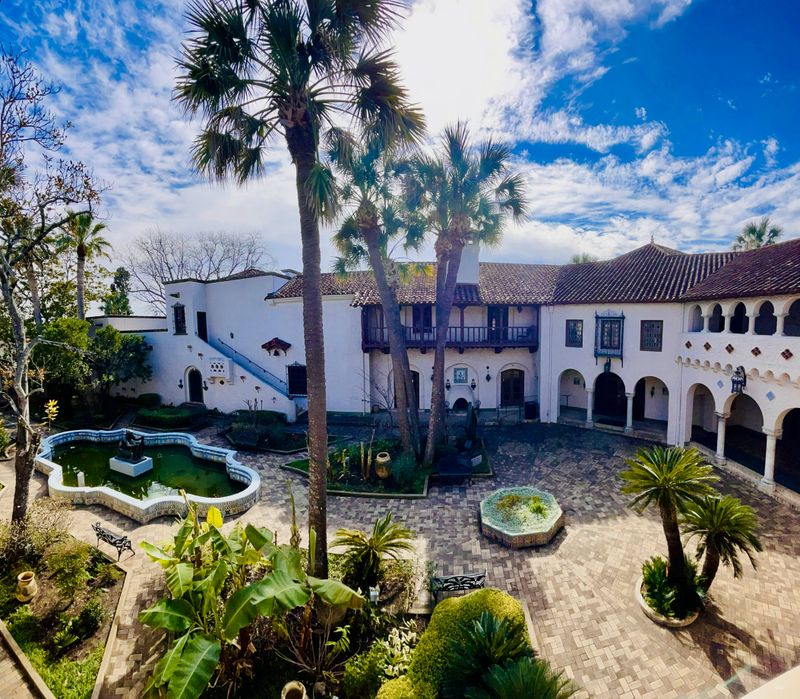
What makes the McNay feel like a villa is not just stucco and tile. It is scale, sequence, and sunlight.
Rooms reveal themselves slowly, thresholds frame views, and a courtyard anchors the day with water and breeze.
Galleries occupy former living spaces, so artworks sit at conversation height and corridors curve like sentences. You do not march.
You meander. That rhythm turns looking into dwelling, and dwelling into remembering.
Even the modern addition respects the mansion’s cadence, offering clarity without severing warmth. The materials talk to each other across eras, proving that contemporary design can be a good neighbor.
You step from history into now without a jolt.
By the end, you have toured a home where art happens to live brilliantly. The villa is not a theme.
It is the architecture of attention. That is why paintings feel close, sculptures feel grounded, and you feel centered enough to see more than you expected.