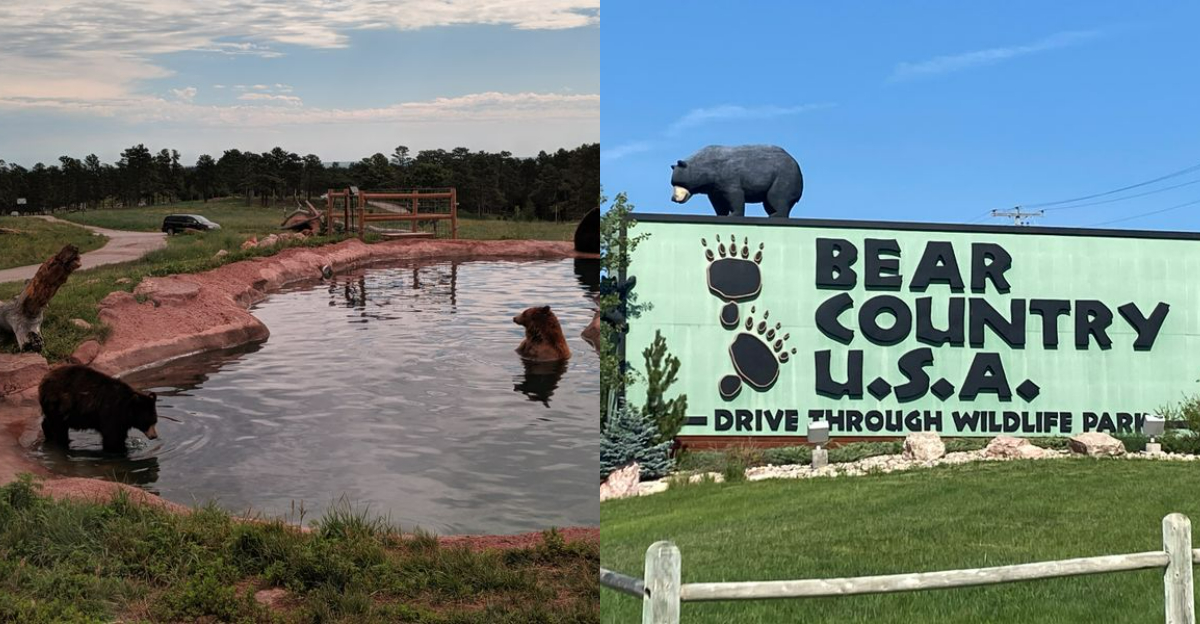
Drive slow , a bear might stroll up and study your car. Roll through Bear Country USA and the world shifts to a quieter, wilder speed.
Pine needles scent the air and gravel crunches under your tires as animals wander close enough to see the reflection of your face in the window.
It feels odd and small in the best way: your car becomes a safe little theater for watching bears, elk, and bison move like they own the road. Kids press noses to glass, cameras click in soft bursts, and the cookout chatter of other visitors hums behind you.
Eyes track a bear as it scratches a tree or snores in sunlit grass; the scene is more lived-in than staged. Keep windows closed, follow staff directions, and don’t feed or tease the animals , that keeps the visit real and safe for everyone.
Give yourself time to drive slowly, stop for the walk-through, and savor a story to tell after the trip.
Why this drive-through feels different
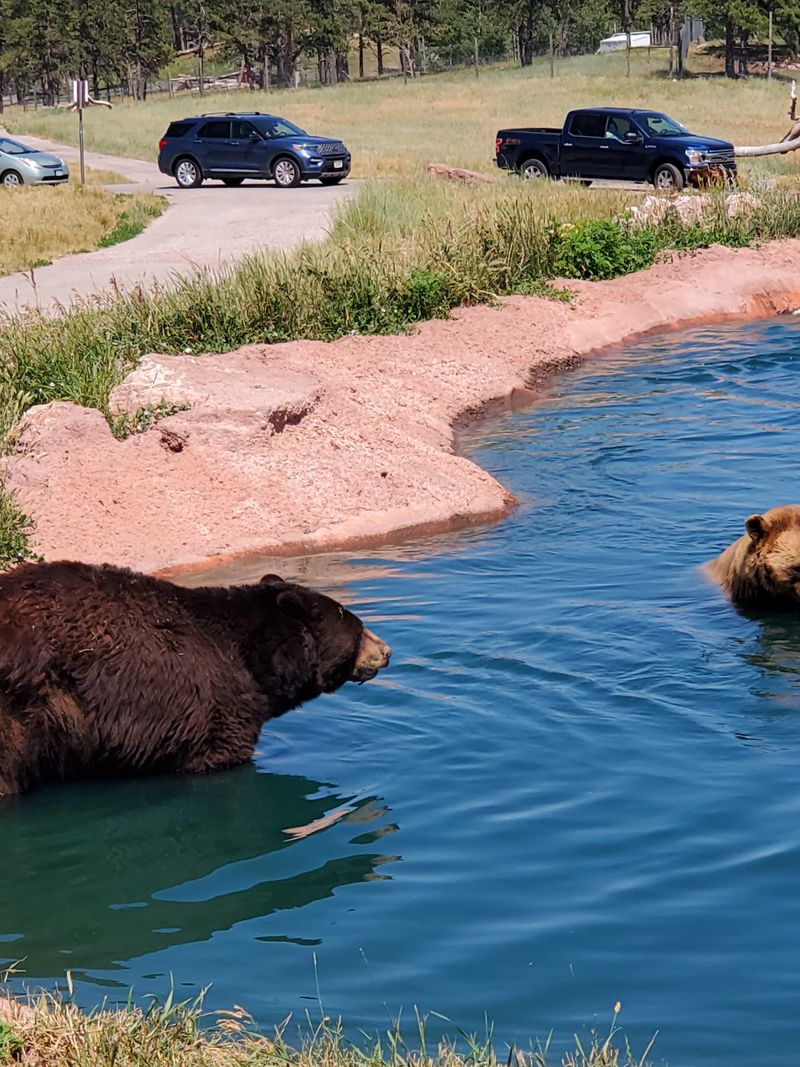
From the moment the gate closes behind your car, the usual zoo mindset flips. You are not peering through distant fences so much as settling into their world, rolling slowly while bears, elk, and other North American animals decide how close they want to wander.
That proximity feels electric, yet you stay safely in your vehicle, which keeps the moment relaxed and respectful.
What truly sets Bear Country USA apart is how the terrain does the storytelling. Pine-studded slopes, shady draws, and sunlit meadows create a natural stage where animals behave like animals, not performers on cue.
You are simply the quiet guest, patient and observant, letting the road reveal whatever surprises the morning offers.
Because the route is intentionally slow, your senses sharpen. You will start to notice the swish of grass on a breeze, a paw print in damp soil, the sudden hush before a bear pads across the lane.
This is not a thrill ride, but it delivers honest thrills anyway, stitched together by small details you might have missed at walking speed. That is the secret here: the park invites you to move gently, watch closely, and feel part of the landscape instead of apart from it.
Park at a glance — size, scope, and season
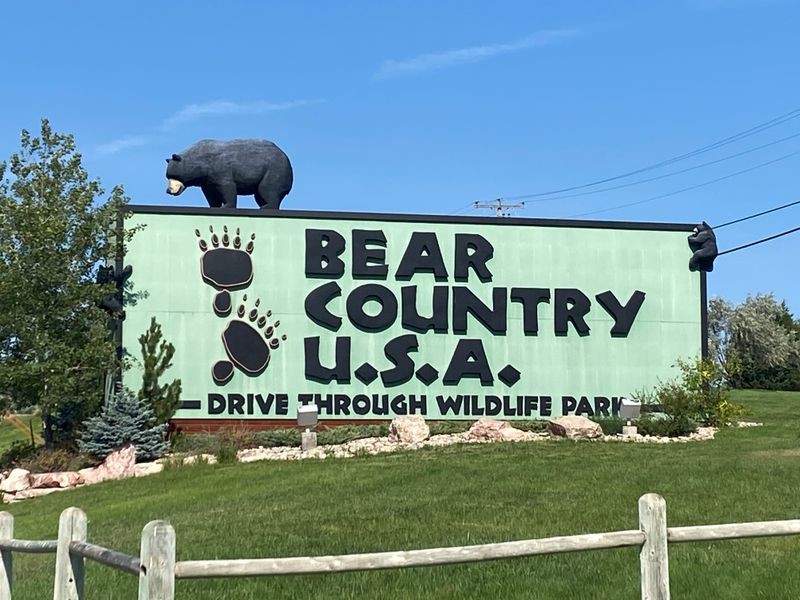
Bear Country USA unfolds across more than 200 acres of classic Black Hills country, with pine ridges, open meadows, and shady pockets that feel tailor made for wildlife. It is big enough to breathe and roam, yet curated so you can actually see the animals.
That careful balance means every bend carries fresh possibilities without losing the intimacy that makes the drive special.
The park operates seasonally, typically spring through late November, which lines up perfectly with mild mornings, green hills, and active animals. The shoulder months can be especially lovely, offering crisp air and thinner crowds.
Summer brings lush grass and long light, while fall paints the slopes with muted gold, adding a moody backdrop to any photo.
Because admission is vehicle based, exploring with your own pace becomes part of the fun. You can linger where the bears nap or loop forward when a bison herd drifts across the meadow.
Just remember that the season dictates rhythm and hours, so a quick check of current times and closures saves headaches. Plan for warmer months, charge your camera, and let the scale of the place surprise you.
Those 200 acres hold more unplanned moments than a packed itinerary ever could.
The drive-through route — what the loop looks like
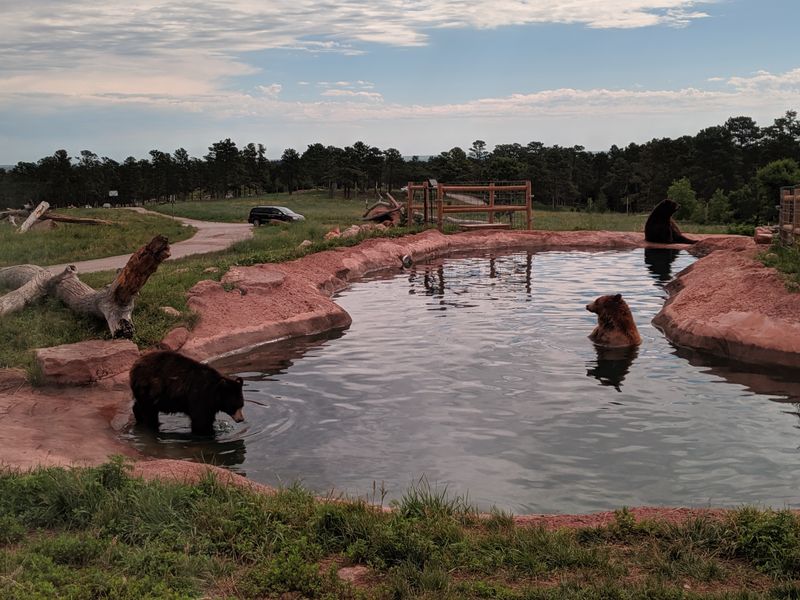
Set aside about 90 unrushed minutes for the three-mile loop, because you will want to pause often. The road curves through distinct habitats that mirror the Black Hills, from shady draws to sunlit grassland.
Traffic moves at a crawl, and that is the point: you ease forward only when it feels right, attentive to fur, antlers, or paw prints flirting with the edge of the lane.
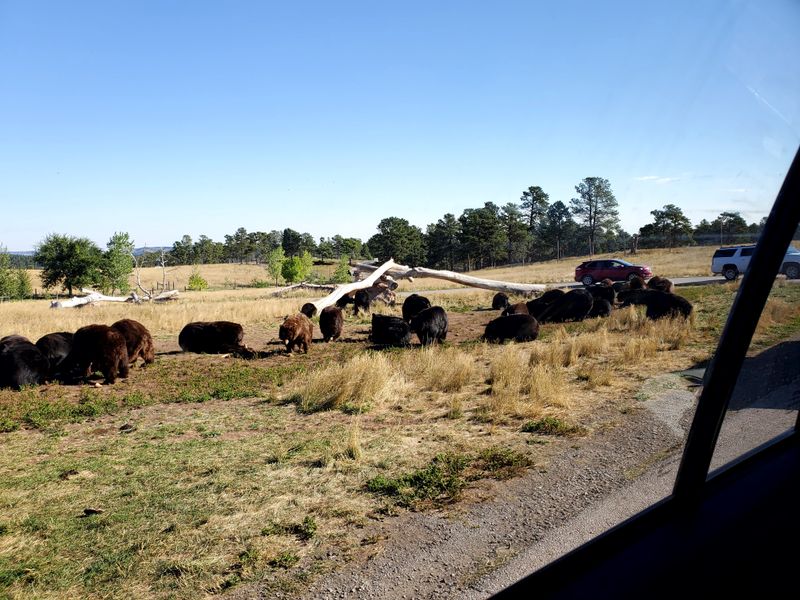
Expect sections devoted to elk, bison, mountain lions, and of course black bears, with transitions that feel organic rather than staged. Bears may wander near the pavement, wade into pools, or settle beneath pines.
Sometimes a single turn delivers a surprise, like a wolf ghosting between trees while a raven heckles from a snag.
Pull-offs and widened shoulders appear where views open up, but you remain inside the vehicle the whole time. Windows stay closed and cameras work through glass, which keeps moments calm for animals and people alike.
On busy days, the loop can turn into a slow parade, so patience pays off. Embrace the tempo, let the car idle softly, and treat each bend as a new scene.
When the exit appears, you will be amazed how three miles carried so many small wild stories.
Babyland and the Wildlife Walkway
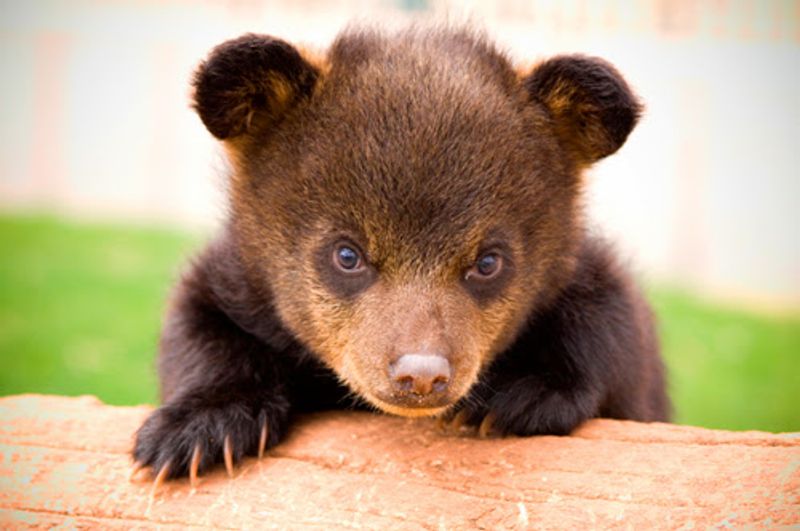
After the drive, stretch your legs on the short Wildlife Walkway, often nicknamed Babyland, where the vibe shifts from sweeping views to close, playful details. You can watch bear cubs tussle, nap, or climb with wobbly determination in teller-style displays that keep everyone safe.
Smaller animals pop up here too, adding variety and a lighter, hands-on feel.
The path is manageable for most visitors and framed by interpretive signs that make the quick stroll surprisingly rich. This area is perfect for younger kids who want to linger over little faces and quick movements.
For photographers, it is a chance to capture expressive eyes and tiny paws without rushing traffic behind you.
Nearby, the Bear’s Den Gift Shop and Cub Grub Snack Shack round out the stop with souvenirs and snacks. Plan a breather, refill water, and check your favorite shots before heading out.
The walkway does not replace the drive, but it completes it by revealing the tender side of the park story. When you leave, the contrast lingers: vast habitats out the window, small wonders at arm’s length.
Both halves together make the day feel full, personal, and beautifully paced.
Animals you will likely see
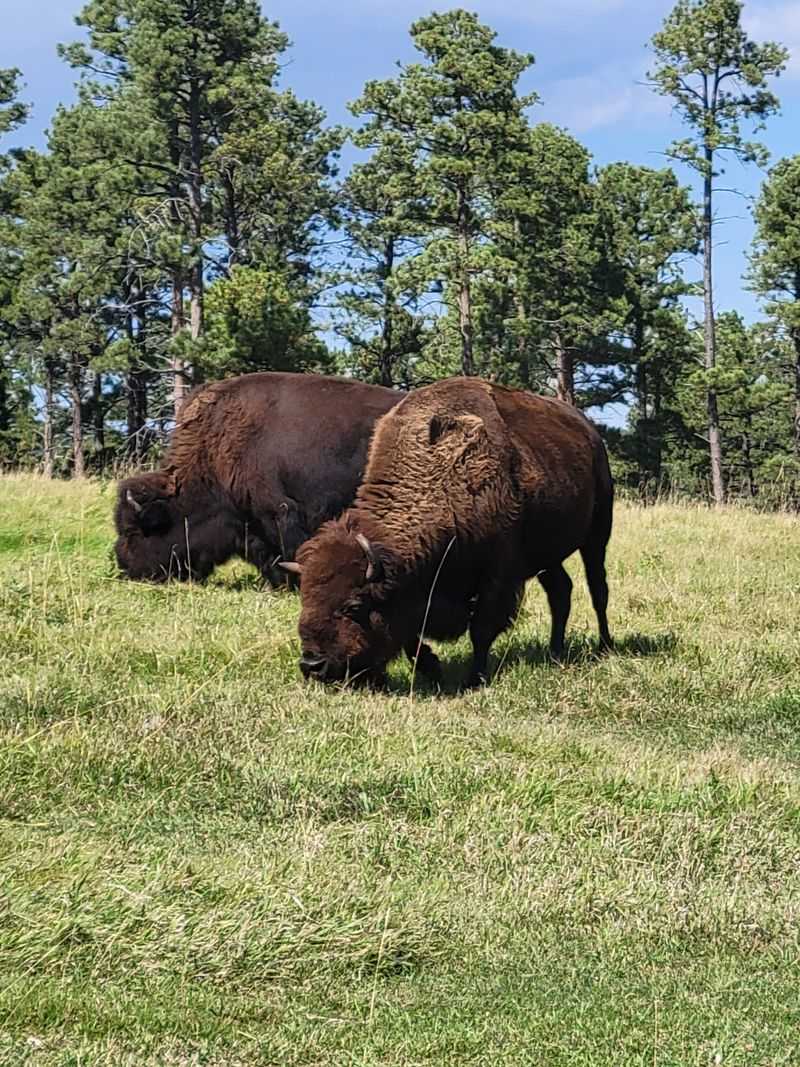
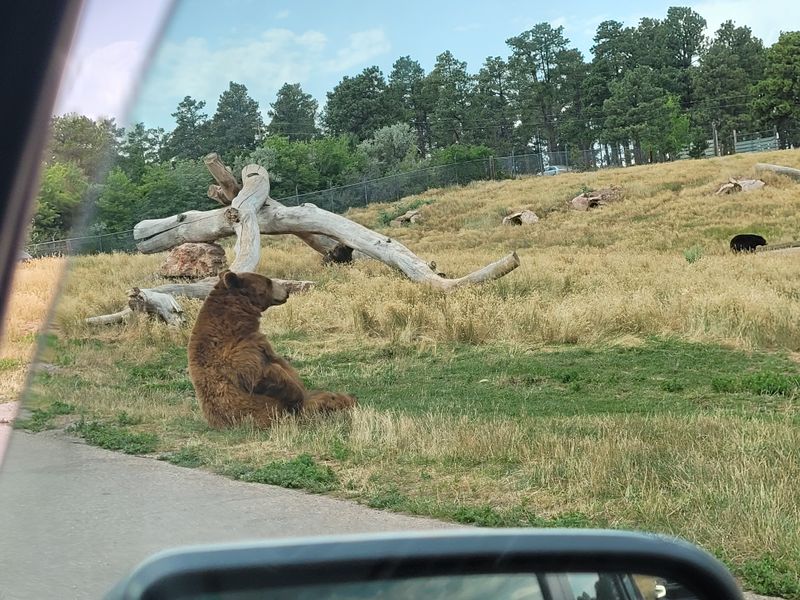
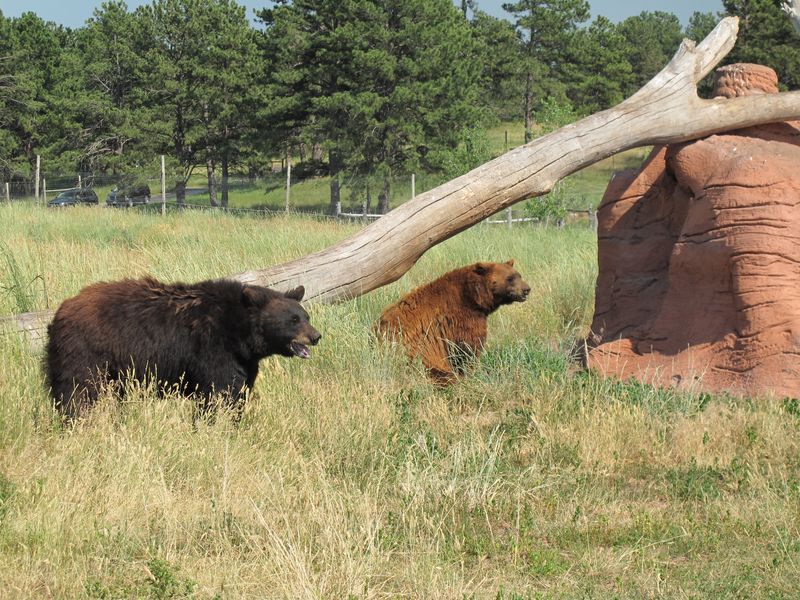
Black bears headline the show here, and you will likely see them strolling the shoulder, soaking in pools, or clambering over logs like they own the place. They do, in a way, since the park is home to one of the largest private collections of black bears.
When they appear beside your car, the world briefly narrows to fur, breath, and the quiet thrum of your engine.
Beyond bears, watch for herds of elk shifting through meadow light, bison tilting massive heads as they graze, and pronghorn flashing white rumps across open ground. Bighorn sheep favor rocky perches, while wolves and mountain lions move more stealthily, so patience helps.
Reindeer and other North American species round out the cast, making the loop feel like a rolling field notebook.
Behavior changes with weather and time of day. Cool mornings spark activity, midafternoon heat slows things down, and evenings invite lazy movement.
If you keep scanning edges and listening for soft clues, surprises appear. A paw splashes water.
Antlers rake a branch. A wolf pauses, ears forward.
Those snapshots accumulate into a memory that feels bigger than a checklist, more like a conversation between landscape and life.
Safety rules and how to behave in your car
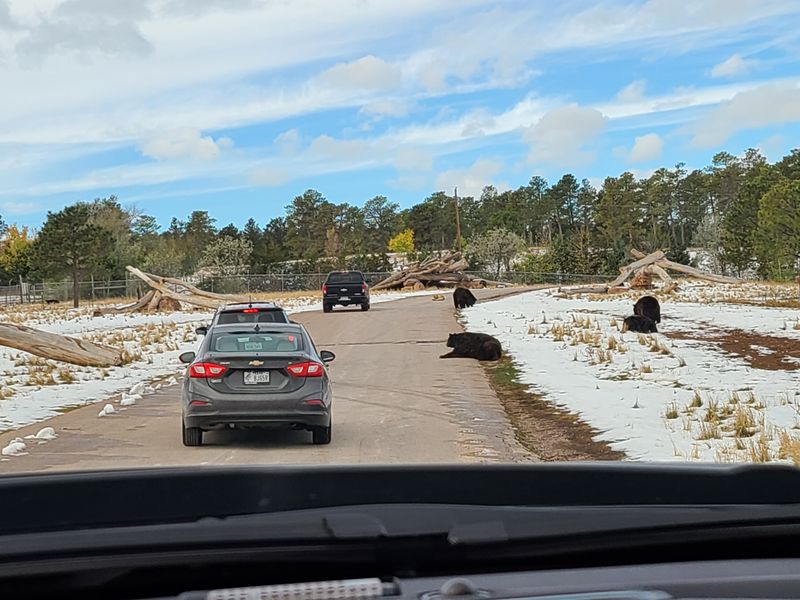
Think of your car as your blind and barrier. Stay inside with doors locked and windows fully closed at all times, no exceptions.
Feeding animals is prohibited, and even a small crack in the glass can invite trouble or stress the wildlife. Keep hands, cameras, and selfie sticks completely inside, and resist the urge to call out for attention.
Maintain a slow, steady pace and leave room between vehicles so animals never feel boxed in. If you have car trouble, do not exit.
Turn on hazard lights and wait for staff instructions. They know the patterns out here and will help you move safely without disrupting animals or other visitors.
Silence helps. Lower music, avoid honking, and let engines idle quietly when you stop to watch.
Children can enjoy every moment through the window, but set expectations before the gate so rules feel clear, not scary. It takes only a few thoughtful choices to keep everyone safe and calm.
The reward is simple and huge: natural behavior at close range, minus chaos. When in doubt, defer to posted signs and staff guidance, because the best view is the respectful one.
Best time to visit and crowd tips
For a calmer drive and livelier animals, aim for weekday mornings early in the season. Cool air and soft light make bears curious and mobile, and you glide through with fewer cars crowding each pull-off.
Midday on holiday weekends, the loop can bottleneck, so patience and snacks help if that is your only window.
Spring offers fresh energy and bright greens, while late fall layers the hills with quiet, and animals settle into slower rhythms. Summer is prime for family trips but also the busiest, so consider arriving right at opening or closer to late afternoon when heat eases.
Cloudy days can be sneaky-good for photography and animal movement.
If you spot a cluster of stopped vehicles, do not tailgate or lean across lanes. Instead, pause back a length or two and let the scene breathe.
Sometimes waiting thirty seconds reveals a better angle as the animal shifts. Build in extra time after the drive for the Wildlife Walkway and gift shop, so you never feel rushed.
With the right timing, the park transforms from a traffic crawl to a personal safari where every pause feels intentional.
What to bring and what to leave
Pack simple and smart. Bring water, a fully charged phone, a car charger, and your printable or digital tickets queued up for quick scanning.
Sunglasses help on bright days, and a light jacket makes the short walk-through more comfortable when breezes thread the pines. A microfiber cloth is handy for wiping windows before photos.
Leave pets at home, since animals in vehicles can bark or move unpredictably and stress wildlife. Windows must stay closed, so skip anything that requires fresh air or open containers.
Food is fine for humans, but keep wrappers contained and never share with animals. A small trash bag keeps the cabin tidy as you cruise.
Think about optics that play well through glass. A smartphone with burst mode and a moderate zoom beats a giant lens pressed to the window.
Silence notifications to stay present, and consider downloading the park map or hours ahead of time. You really do not need much.
The best souvenir is attention, not gear. With basics handled, you are free to savor the drive, the hush, and the sudden appearance of a bear stepping from shadow into sun.
Practical info — where it is and how long to plan
Bear Country USA sits along US-16, about eight miles south of Rapid City, which makes it an easy add to a Black Hills day. The address is 13820 US-16, Rapid City, SD 57702, and the setting feels pleasantly tucked into the hills yet close to town.
You can grab coffee in Rapid, roll out early, and reach the gate in minutes.
Budget around 1.5 hours for the drive, though animal traffic can stretch that in the best way. Add extra time for the Wildlife Walkway, the Bear’s Den Gift Shop, and a snack stop at the Cub Grub Snack Shack.
If your schedule is tight, go at opening to keep things smooth and steady.
The park is seasonal, generally spring through late November, with hours that shift as days lengthen and shorten. Checking the official website or calling +1 605-343-2290 keeps you aligned with current times and any weather closures.
Vehicle-based admission simplifies planning, and the loop is friendly for most cars. Plot your route on a map, cue a mellow playlist, and let the hills unfold.
It is close, convenient, and surprisingly transporting once the gate swings behind you.
Tickets, vehicle limits, and pricing notes
Admission is structured around vehicles, which keeps logistics simple. Expect carload pricing with a seasonal cap, often listed as a maximum charge per vehicle.
Rates can shift between peak and shoulder months, so a quick look at current pricing on the official website helps you budget before rolling up to the booth.
Larger commercial vehicles may face restrictions, and oversize dimensions can require special guidance or be excluded altogether. If you drive a van, RV, or bus, check the rules in advance to avoid surprises at the gate.
The goal is safe spacing and smooth traffic so animals never feel crowded by towering profiles.
Payment is straightforward, and having tickets ready on your phone speeds things up. Keep your ID and confirmation handy, follow lane signs, and listen for any route notes from staff.
On busy weekends, a small wait at the entrance is normal. Use that time to clean windows and stash loose items.
Once inside, your only job is to settle into the pace and enjoy the show. Pricing sets the frame, but the value lives in those quiet, unforgettable inches between your door and a passing bear.
Photo tips for the best views
Shoot through a clean, closed window for sharp, respectful images. Wipe the glass, switch off flash, and wear a dark top to cut reflections.
If glare persists, press the lens close to the glass without touching it. Angle slightly to avoid bouncing light, and let the scene fill the frame rather than over-zooming.
Burst mode is your best friend with moving animals. Take short bursts as a bear lifts its head or a bison pivots, then pick the crispest frame later.
Tap to focus on the eyes, and expose for fur highlights so details hold. On cloudy days, colors deepen and contrast evens out beautifully.
Stability matters, so brace your elbows against the door and breathe steady. Do not lean outside or crack a window.
Compose with habitat in mind: a pine branch, a curve of road, a pool rim where paws drip. Those context clues make shots feel grounded in place.
Above all, be present. A memory can outshine a photo any day, but with patient timing, you can bring home both.