This isn’t a zoo — it’s a jaw‑dropping animal refuge you stand above.
At The Wild Animal Sanctuary, more than 450 lions, tigers, bears, wolves and other rescued wildlife roam across massive natural habitats that stretch over sprawling Colorado grasslands — and you walk above it all on a mile‑plus elevated boardwalk that gives you rare, eye‑level views without disturbing the animals below.
The sanctuary flips the traditional wildlife attraction on its head: invisible from the ground, visitors become gentle observers above a world where big cats sunbathe, bears splash in lakes and wolves move like shadows through native grasses.
This towering walkway isn’t just cool — it holds a Guinness World Record as one of the longest elevated wildlife viewing paths on the planet.
Every step feels like you’re walking through a secret wildlife documentary — dramatic, humbling and unforgettable.
A Sanctuary Unlike Any Other
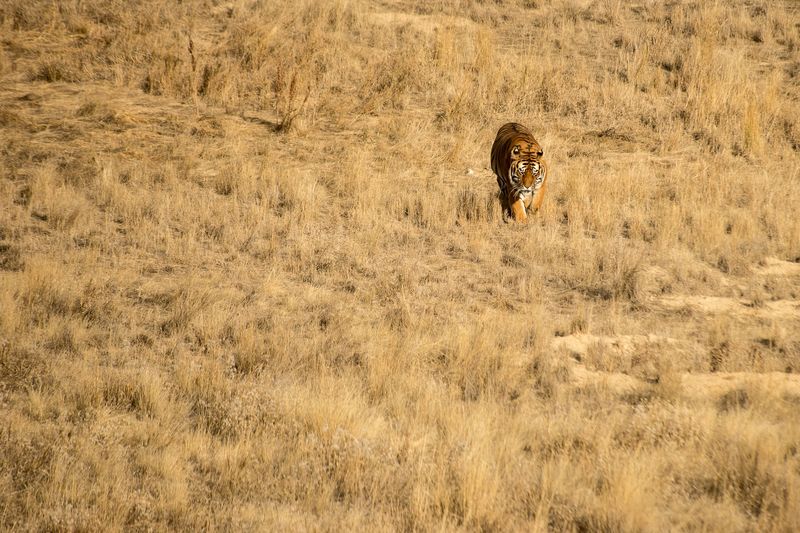
Step onto the prairie and you immediately feel the scale. The Wild Animal Sanctuary stretches to the horizon, a patchwork of vast habitats where rescued lions, tigers, and bears finally breathe freely.
From high above, you witness everyday animal life unfolding with no rush, no shouting crowds, and no bars in your view. The atmosphere feels calm, respectful, and surprisingly intimate, as if the land itself is exhaling after years of tension.
What makes this place different becomes clear fast. These animals were not bred for show; they were saved from basements, traveling acts, roadside cages, and illegal trade.
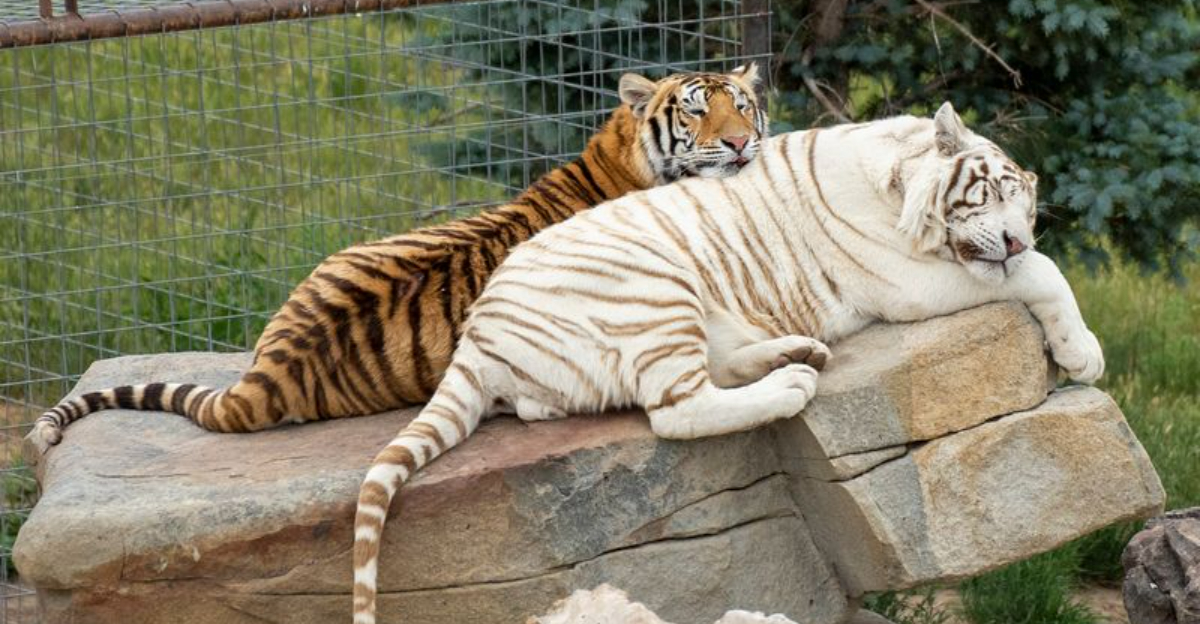
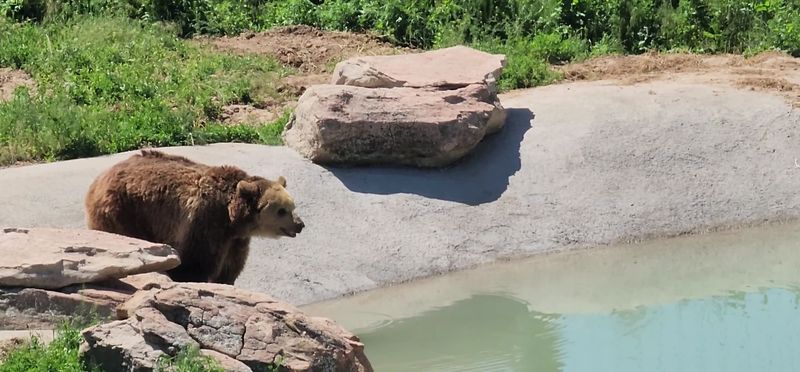
Here, they get space, quiet, and time to heal. You watch a tiger pad to a pool, a lion sprawl on a sunlit mound, and a bear dig with methodical joy, and you realize your presence does not interrupt.
The boardwalk keeps you a gentle witness instead of a disturbance. You absorb sweeping views, detailed interpretive signs, and a palpable sense of purpose.
You are not just sightseeing. You are stepping into a living promise that sanctuary can be both humane and breathtaking.
The Mission: Rescue and Rehabilitation
The heart of this sanctuary is simple and fierce: rescue, rehabilitate, and provide lifelong care. Animals arrive from cramped cages, abusive shows, private collections, and failed facilities that never should have kept them.
Every intake begins with medical assessments, careful nutrition, and stress reduction. Staff and volunteers move at the animal’s pace, prioritizing trust over spectacle.
Rehabilitation means more than healing wounds. It means restoring dignity and choice, with habitats designed for roaming, privacy, play, and rest.
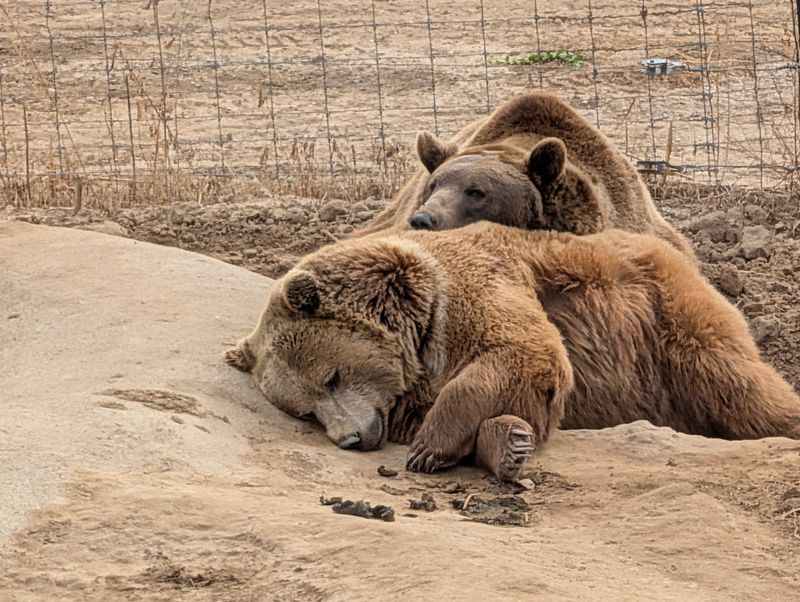
You watch a formerly chained bear test a new den, hesitate, then relax into darkness that finally belongs to them. Lions socialize in compatible prides, while solitary cats claim vantage points, each allowed a life closer to their nature.
Education flows alongside care. Signage, docent talks, and digital resources explain why big cats and bears do not belong in homes or photo booths.
The goal is prevention as much as rescue, transforming shock into informed advocacy. As you walk, you feel the mission working in real time: animals growing calmer, visitors growing wiser, and an industry of exploitation losing ground because you now see the difference sanctuary makes.
The Mile Into The Wild Boardwalk
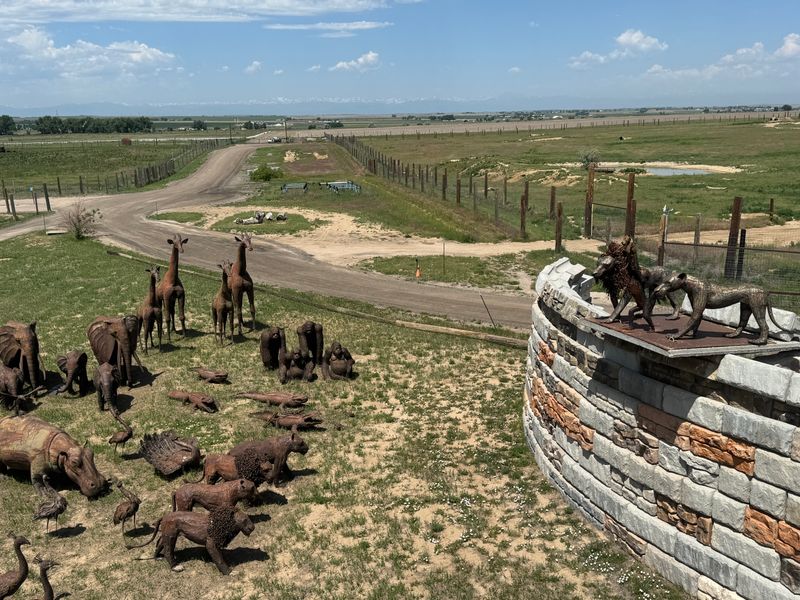
High above the grasslands, the boardwalk threads across the sanctuary like a respectful line. You step onto weathered planks and feel the breeze, then look down to see animals inhabiting acres that belong to them, not you.
The design is deliberate: distance that feels close, presence that does not intrude, and movement that flows without fences blocking your eyes.
The mile-plus span changes how you observe. From this vantage, animals do not pace at the perimeter or fixate on people.
They sleep under shade, cool off in pools, and social groom, seemingly unbothered by quiet footsteps overhead. You learn to scan for ear flicks in grass, ripple trails in ponds, and paw prints lining sandy paths.
The walkway invites patience. Pauses reveal patterns: bears returning to favored logs, tigers trailing scent marks, wolves melting between brush and light.
The structure turns you into a respectful guest. By the time you reach an overlook, you are less a spectator and more a student of space, seeing how architecture can serve welfare, not the other way around.
A World Record Achievement
There is pride in every bolt of this structure, and for good reason. The sanctuary holds the Guinness World Record for the longest elevated walkway in an animal sanctuary, stretching roughly 1.45 miles across restored prairie.
That number is not just bragging rights. It reflects a philosophy that visitors can see more while animals experience less stress.
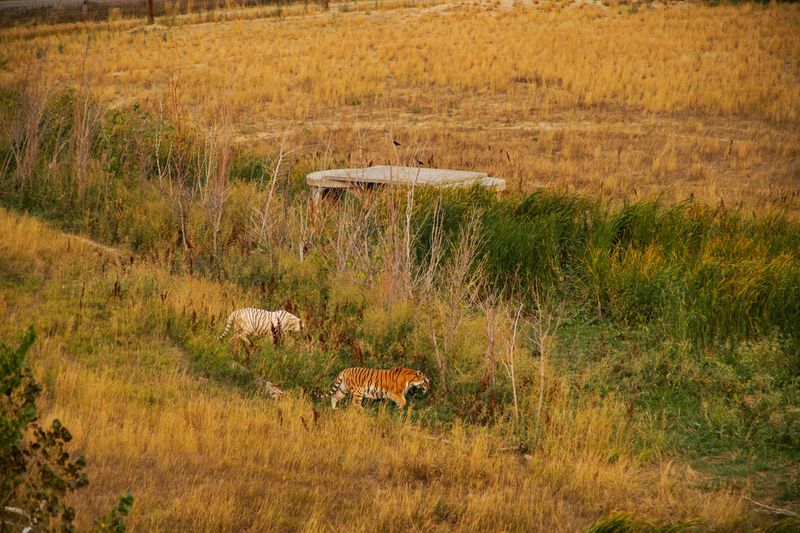
From end to end, the views feel cinematic. You catch distant silhouettes of lions on ridgelines, a flash of tiger stripes near water, and bears rollicking like overgrown cubs.
The sweep of landscape matters, because space equals choice, and choice equals welfare. With each step, the world record becomes a living lesson about scale and compassion.
Interpretive signs connect the data points. You learn why length reduces crowding, how height softens animal perception, and where additional spans may grow as rescues continue.
The record is a promise to do more, not a finish line. As you leave a vista, the numbers linger in your head, but the feeling in your chest is what convinces you: this is how ethical viewing should look.
How The Elevated Walkway Works
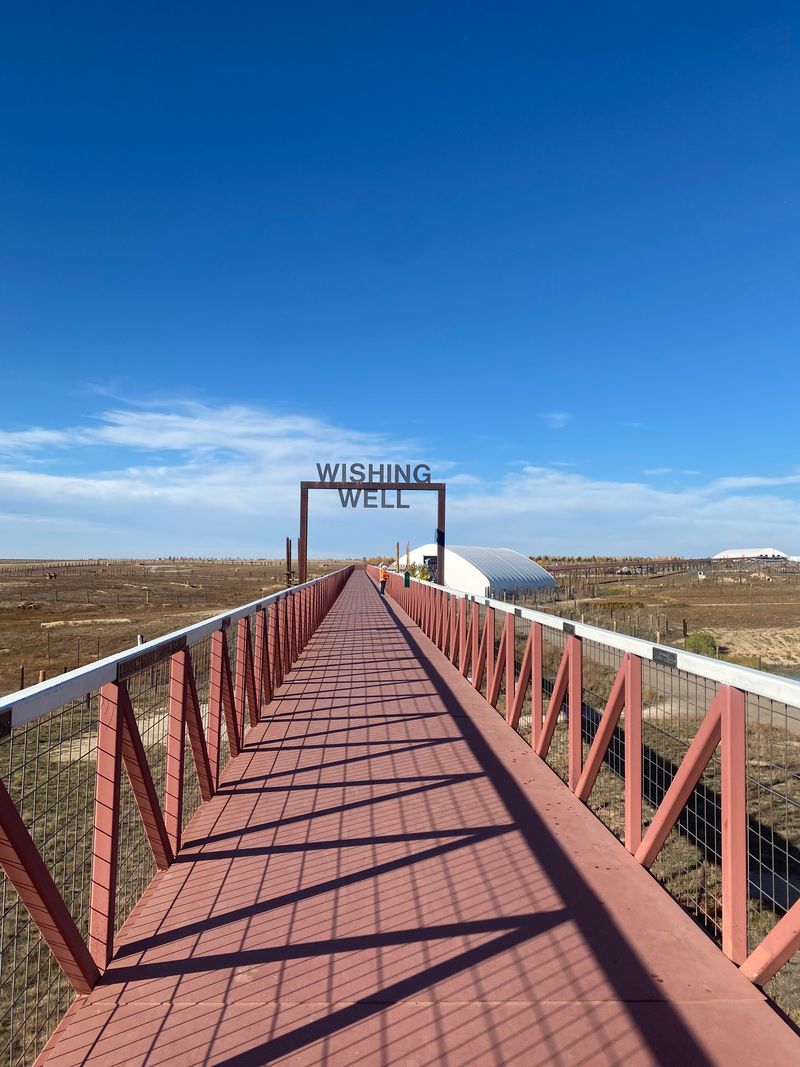
The genius of the boardwalk is partly psychological. Many territorial animals perceive threats at eye level or on their turf.
By elevating viewers, the sanctuary shifts human presence to a nonthreatening zone. You become background movement in the sky, not a competitor on the ground.
That subtle difference translates into calmer animals and authentic behavior.
Height also means perspective. You can observe broad patterns across multiple acres without pushing animals toward fences.
Tigers nap in shade because they choose the spot, not because there is nowhere else to go. Bears tussle, then separate, then return, cycling through social rhythms with freedom built into every decision.
This design bridges education with welfare. You get a clear line of sight for photography and learning, while the animals keep agency over distance and visibility.
Staff can monitor well being without cornering anyone. When you realize your presence causes minimal disruption, it changes how you feel about wildlife tourism.
The takeaway is empowering: see more, disturb less, and let design ethics lead the way.
Seeing Rescued Wildlife Up Close
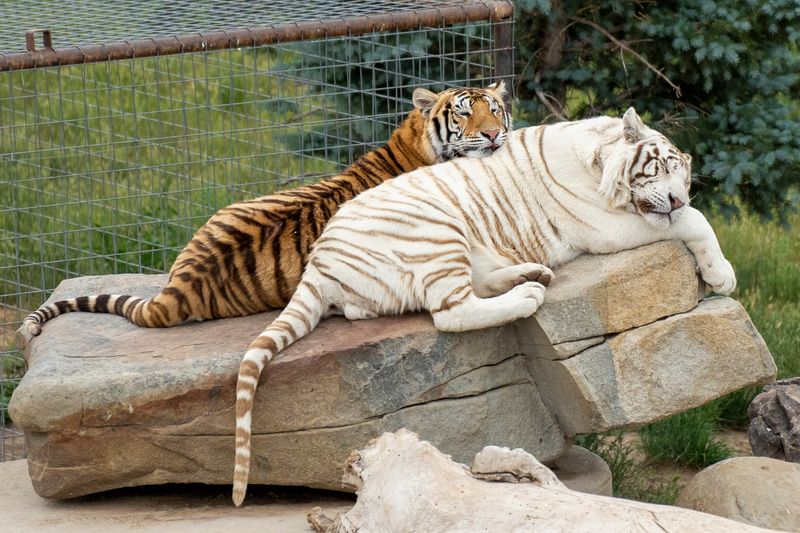
From the first overlook, your eyes start a checklist you did not know you needed. African lions lounge in tawny clusters, manes stirring like grass.
Tigers patrol silently and then melt into stillness by water. Bears play rough and then nap as if the ground itself is a hammock.
Wolves ghost across open stretches with efficient, ground eating strides.
Look again and find leopards draped on platforms, bobcats weaving through rocks, and foxes quick as sparks. Each habitat is tailored to species needs, with pools, dens, tree cover, and open runs that let animals set their own pace.
You begin to understand how behavior blooms when pressure eases. These moments feel earned, not staged.
Bring binoculars for subtle details: whisker twitches, ear rotations, and the soft thump of a cat landing out of view. Quiet is your ally.
Settle in, breathe with the wind, and let patience work. The animals are not on a schedule, but they are wonderfully alive, and here you are, finally watching without asking them to perform.
Habitat Design and Animal Welfare
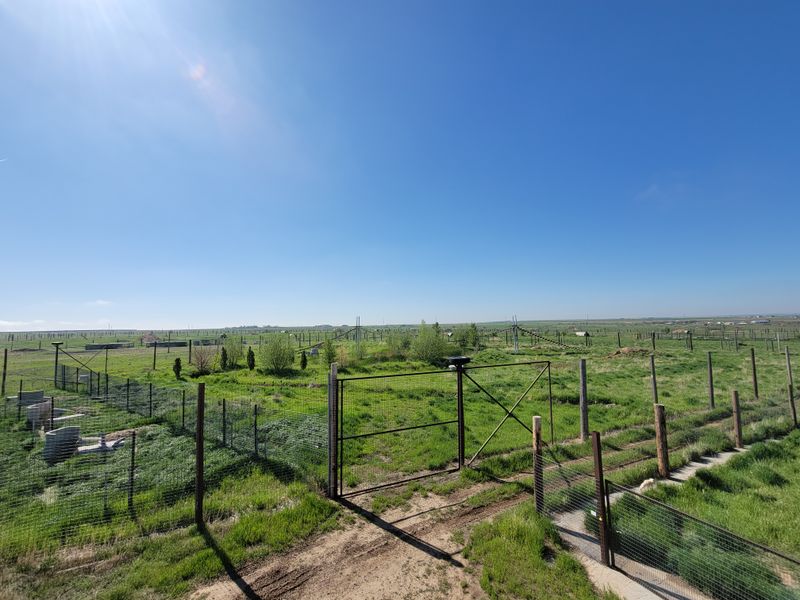
Walk a little farther and you start reading the landscape the way keepers do. Multi acre habitats ripple with topography, offering sun, shade, and wind breaks.
Seasonal lakes gather snowmelt, while pools shimmer under summer heat. Underground dens provide temperature stability and privacy, a refuge when storms roll in or when solitude simply feels right.
Enrichment is built, not just dropped. Logs for clawing, platforms for surveying, brush piles for scent trailing, and open fields for sprints all encourage natural behavior.
The point is to give choices that nurture bodies and soothe minds. After cramped pasts, these animals need both space and complexity to relearn freedom without fear.
Fencing exists, but your eye forgets it. The boardwalk encourages a sweeping perspective where animals, terrain, and sky compose the frame.
Welfare here is not a slogan. It lives in every shaded den, every thoughtfully placed pool, and every corridor that lets a shy cat slip away unseen.
That is the dignity of good design.
Visitor Experience and Education
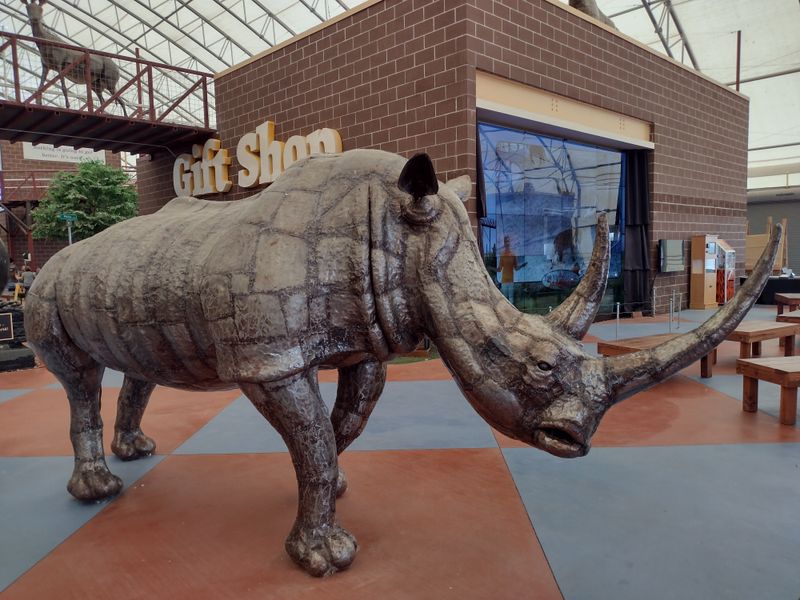
Your visit begins at a spacious Welcome Center that sets the tone. Staff guide you through maps, rules, and the sanctuary’s story, and you can browse exhibits that turn statistics into faces and names.
Step outside, and the boardwalk beckons with clear wayfinding, benches, and shaded stops that encourage slow looking. Observation decks open to prairie panoramas that calm your brain.
Education meets you where you stand. Interpretive signs decode behaviors, species histories, and rescue details without sensationalizing trauma.
Volunteers answer questions and share updates on new arrivals. You absorb conservation realities and practical actions to help, from avoiding cub petting to supporting legislation that strengthens animal protections.
The experience feels participatory. Bring water, sunscreen, and good shoes, then lean into patience and curiosity.
Photography is welcome, but etiquette is nonnegotiable: quiet voices, no feeding, no touching. When you leave, you carry more than photos.
You carry context and a renewed sense that ethical wildlife viewing can be beautiful, informative, and kind.
Stories of Conservation and Rescue
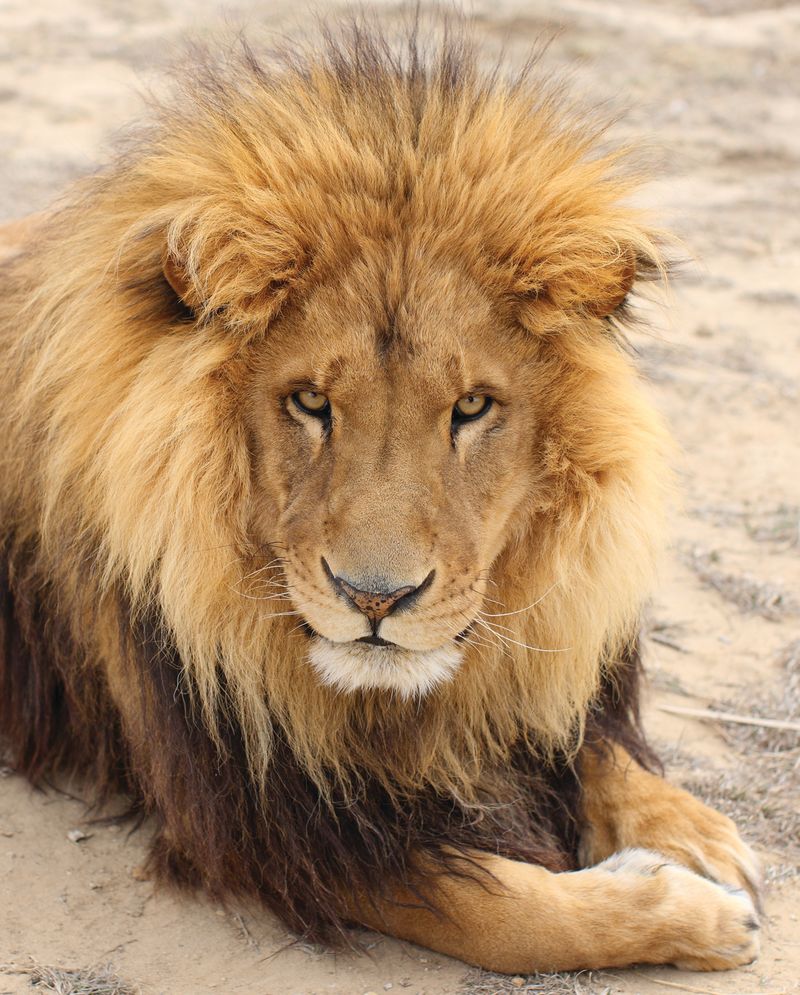
Behind every relaxed cat or playful bear is a rescue that nearly did not happen. The sanctuary’s teams coordinate with law enforcement, advocacy groups, and global partners to move animals from basements, circuses, failed zoos, and traffickers.
Transports can span states or oceans, with veterinary checks and custom crates that prioritize safety over speed. Each arrival is a second chance made tangible.
Some stories stay with you. A lion once bred for selfies now rumbles contentedly in a pride.
A tiger rescued from a roadside cage discovered water and refused to leave her first pool. A bear that learned concrete as a childhood memory now digs dens like a master architect.
These are not miracles. They are the result of planning, patience, and relentless compassion.
Rescues ripple outward. Visitors become donors, lawmakers take notice, and exploitative industries lose their cover.
The sanctuary’s reach crosses dozens of states and multiple countries, proving that coordinated care can change outcomes at scale. You leave believing rescue is not only necessary but possible, again and again.
Essential Visitor Info
Set your GPS to 2999 County Road 53, Keenesburg, CO 80643, about 32 miles northeast of Denver. Open daily from 9 AM to sunset, closed on major holidays.
Plan at least 3 to 6 hours to explore the mile plus boardwalk and observation decks at an easy pace. Buy tickets online if you can: Adults $50, Seniors $20, Kids 3 to 12 $30, and under 3 free.
Parking is free, and the elevated walkways are ADA accessible. Wheelchairs and wagons are available, and there are restrooms, a gift shop, a cafe, and picnic tables at the Welcome Center.
Bring water, sunscreen, binoculars, and wear comfortable shoes. Photography is encouraged, but feeding or touching animals is strictly prohibited for everyone’s safety.
Follow official driving directions for rural roads, especially in winter. Dress for changing weather, since wind on the boardwalk can feel stronger.
Start early, read the interpretive signs, and give yourself time to simply watch. You will leave with better photos, deeper understanding, and the satisfying tiredness that comes from walking for a purpose.