You can drive a long way and still miss this river.
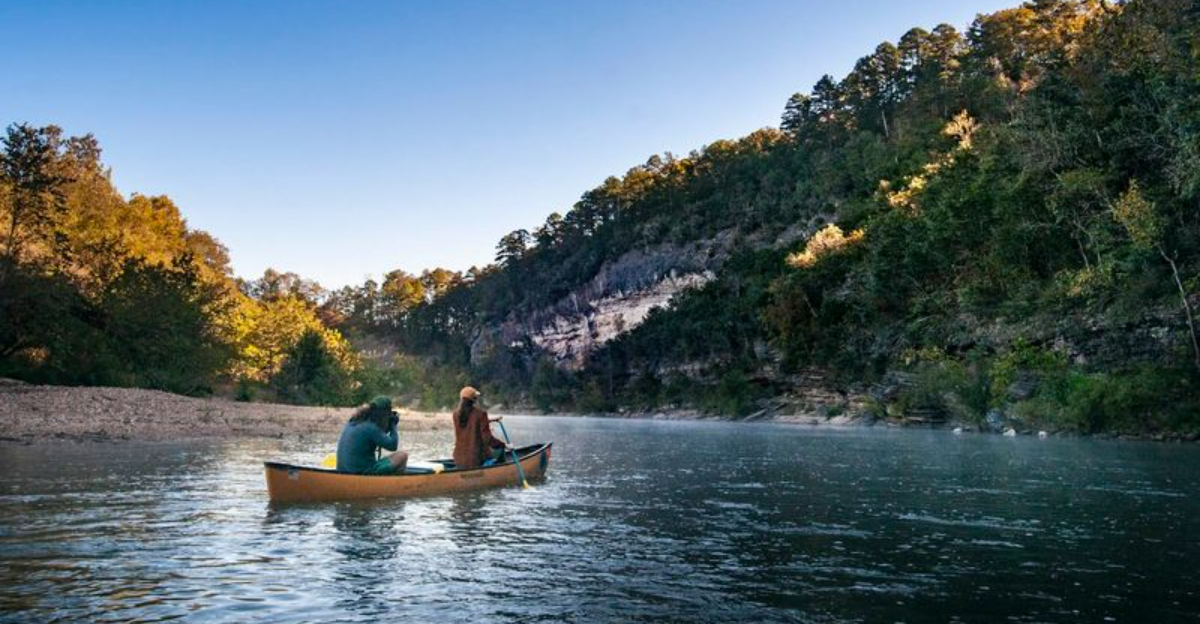
The Buffalo carves through the Ozarks with limestone bluffs and wide quiet bends that feel older than the roads that cross it. Float, wade, or stand on a bluff and you notice the water’s green edge, the way sunlight flats across riffles, and how towns give way to maples and cedar.
Park at a small pullout and hike a short trail and suddenly you’re in a place people keep to themselves, canoeists whispering, anglers easing a line, kids counting river rocks. The National River designation protects long stretches, so you get miles of river with few signs and plenty of sky.
This is a river about simple pleasures: a chilly dip, a picnic under a sycamore, a late-afternoon silence that stretches like a Sunday. If you’ve never been, bring a hat, a sandwich, and a reason to stay awhile.
Exploring the Upper Buffalo: Ponca and Boxley Valley
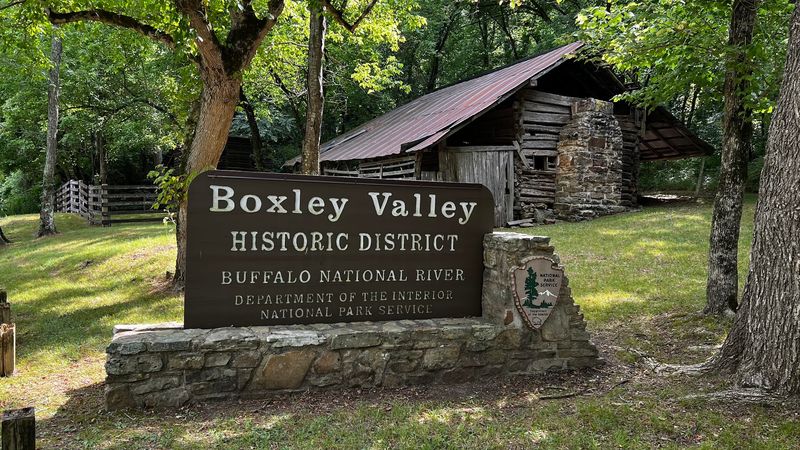
Start early in Ponca, when cool air skims the river and the gravel crunches under your boots. You launch into clear water, the current tugging you downstream as bluffs rise like pale cathedrals.
Around the bend, Boxley Valley opens wide, pastures breathing fog while elk drift from the treeline.
Pause along a quiet bank and listen for wingbeats. The river here feels swift yet forgiving, a beginner friendly stretch if you read the riffles and give yourself time.
You notice limestone ledges under the surface, sun casting honey colored patterns across pebbles.
By midmorning, the elk herd moves, and your paddle slips silently as birdsong bounces off stone. You share the gravel road with patient wildlife watchers who whisper instead of shout.
Keep your camera ready, but do not crowd the animals or trample the wet meadows.
Paddling Through Steel Creek
Steel Creek feels like stepping into a postcard, then realizing the postcard moves and hums. The 500 foot bluffs loom straight from the water, chalk white streaked with iron and moss.
Swallows stitch the air while your boat threads the channel, steady strokes keeping rhythm.
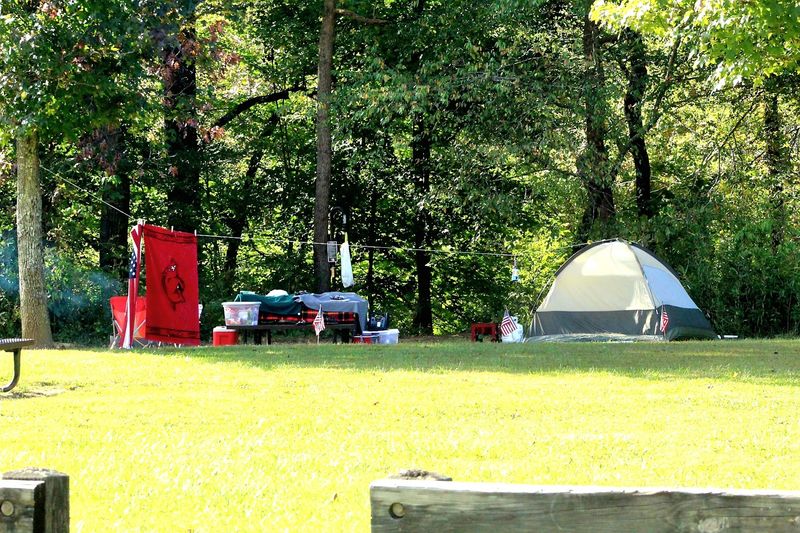
Gravel bars sparkle like spilled sugar between shaded pools. This is a perfect launch for a multi day float if flows allow, tents tucked neatly above the high water line.
You learn to read a bluff’s story in its layers, each band a chapter of ancient seabeds.
When wind echoes under the wall, even small voices sound big. Campfire talk travels, so keep nights gentle and stars loud.
In the morning, condensation beads on the hull, and the river answers every push with a calm, glassy glide.
Hiking to Hawksbill Crag
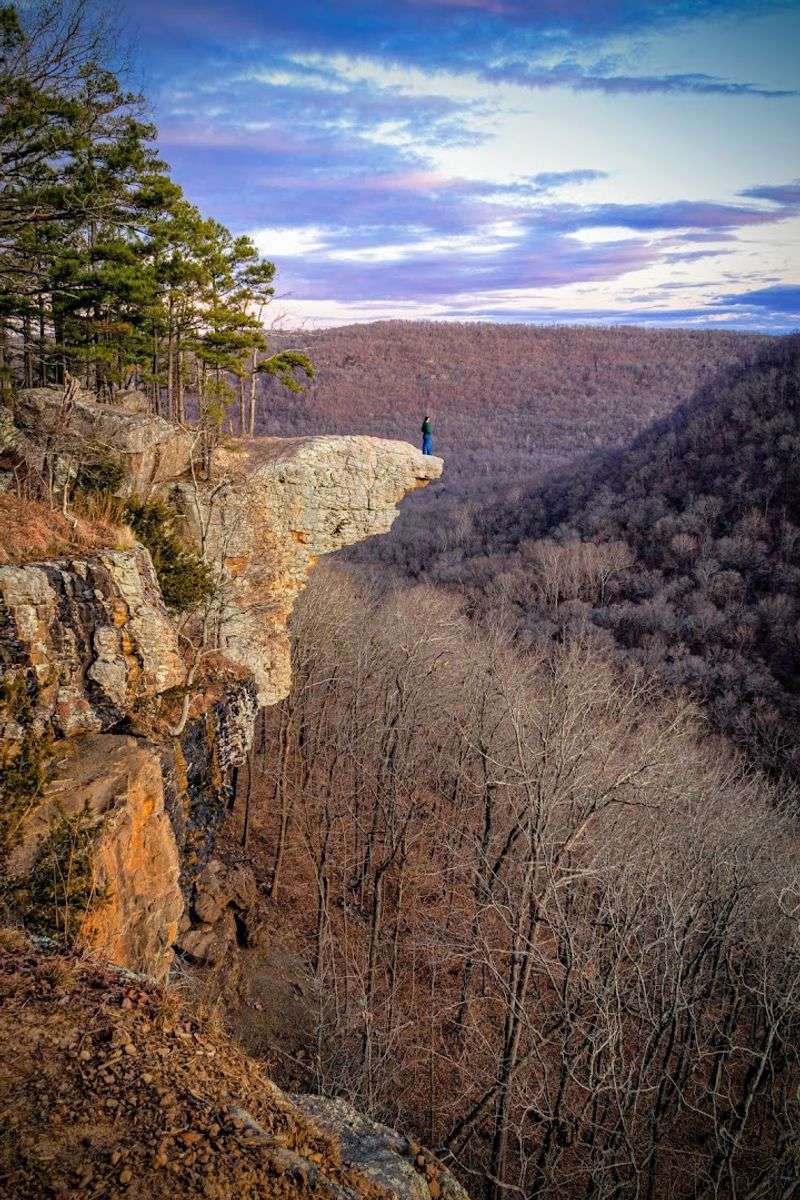
Leave the river for a few hours and hike to Hawksbill Crag, a short detour that pays wildly. The trail rolls through oaks and pines, roots weaving a puzzle underfoot.
When the bluff appears, it juts like a beak, daring you to breathe deeper.
Sit down, shoes dusty, and listen to wind rake the canopy. The view stretches with blue ridges like waves, and ravens ride the thermals.
You feel small in the right way, the kind that sharpens colors and cools thoughts.
Bring water, tread lightly near the edge, and save chatter for safer ground. Photos here look unreal because the place truly is.
On the hike back, the forest smells of leaf mold and stone, and your steps find the river’s rhythm again.
Discovering Hemmed-In Hollow Falls
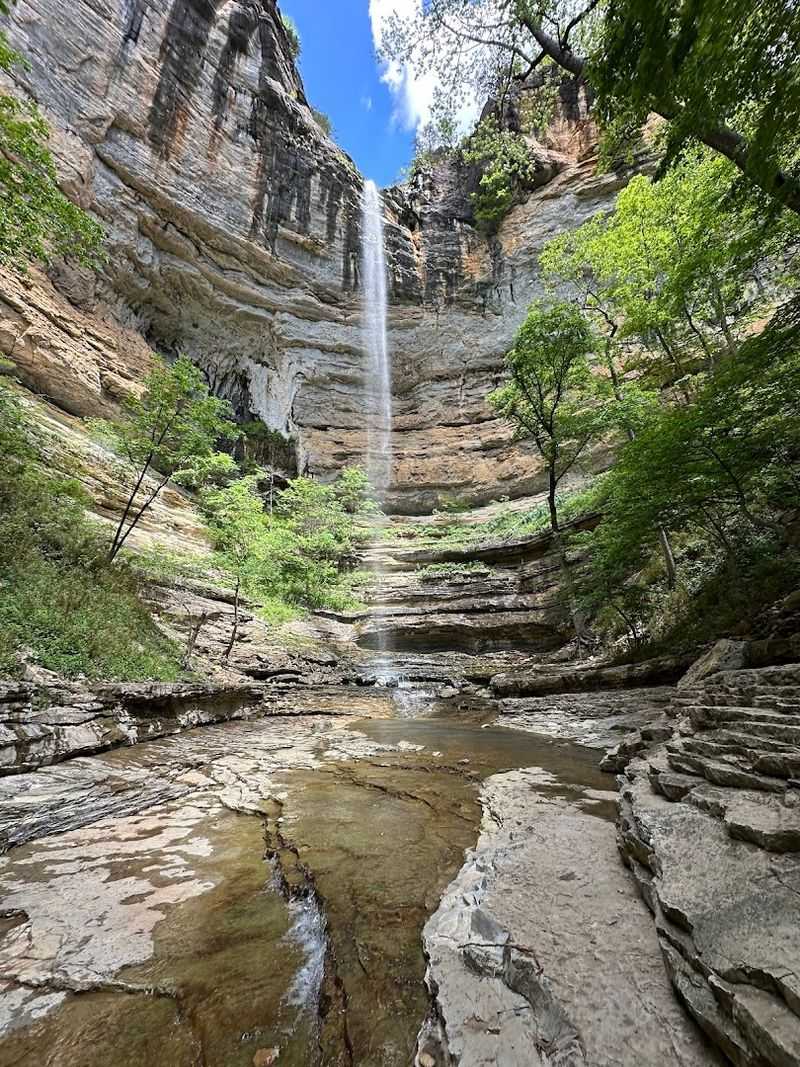
The trail to Hemmed In Hollow winds through hardwoods, each switchback tightening the hush. After rain, the sound arrives first, a distant roar that thickens the air.
Then the curtain drops two hundred feet, a silver cord unspooling into spray.
Stand back and watch mist lift rainbows into sunbeams. Your clothes bead with cool droplets and worries rinse off too.
The surrounding walls form a natural theater, and every drip plays percussion on the rocks below.
The hike is steep, so pace yourself and guard ankles on slick stone. Spring surges, summer softens, and winter turns the fall into glassy lace.
You return to the river feeling rinsed, shoes muddy, heart steady, and a little more awake.
Camping at Kyles Landing
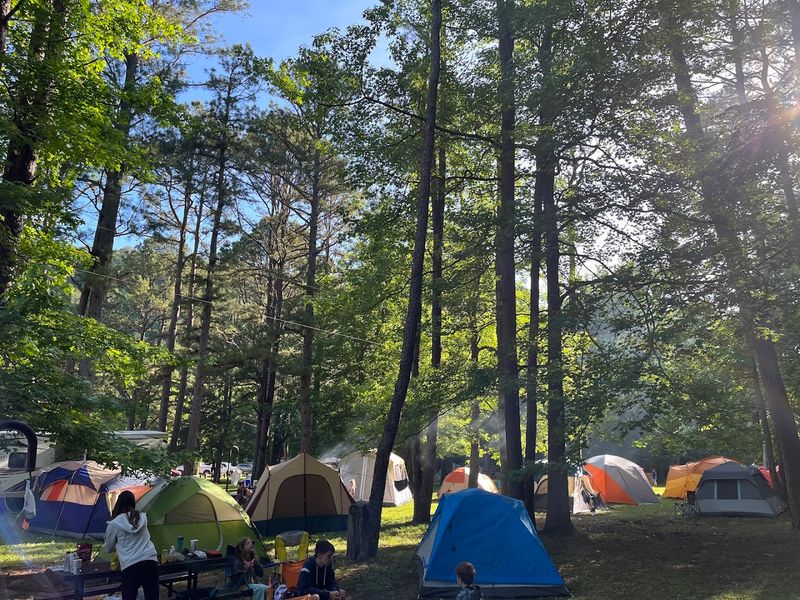
Kyles Landing settles into evening like a lullaby. Tents rise along the gravel, and a small fire ticks while the river hushes its stones.
Across the water, bluffs fade from gold to violet and bats begin stitching twilight.
You cook simple food, pass a mug, and listen for barred owls calling. The campground stays quiet if everyone minds the river’s calm.
Keep lights low and voices softer, because darkness is part of the show.
At dawn, fog unrolls like pale silk and paddles clack as boats wake. A quick plunge shakes sleep loose before you push off again.
Pack out every crumb and ember, and leave only prints that the river will gladly erase.
Wildlife Watching Along the Riverbanks
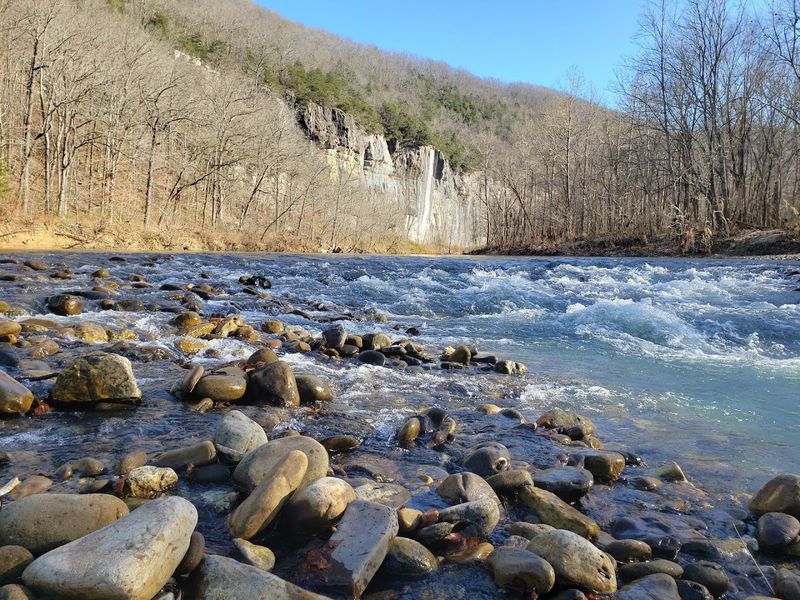
Wildlife here reveals itself when you slow your pulse. Deer browse at the edge of sycamores, ears flicking like metronomes.
An otter carves a playful S and vanishes, leaving bubbles that wink in the eddy.
Look up. A bald eagle patrols the corridor, wide wings tipping as light lifts its feathers.
Turkeys stitch through cane, low and deliberate, while kingfishers scold from leaning logs.
Use patience and distance. Binoculars beat footsteps when the bank is muddy and nests are near.
Pull over on a gravel bar, settle, and let the river introduce its regulars on their terms, not yours.
Venturing into the Lower Buffalo: Rush Ghost Town
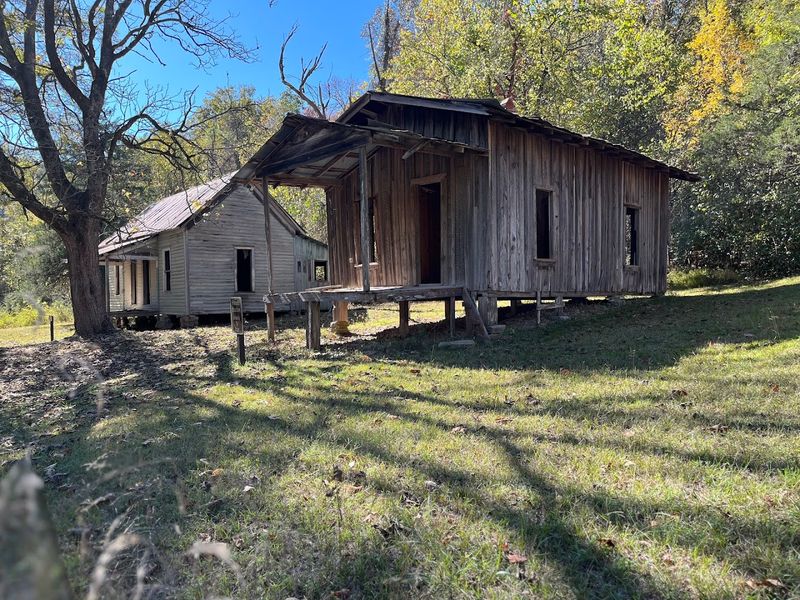
Downriver, the pace loosens and the old mining town of Rush lingers in the woods. Stone walls, rusted frames, and ivy lean together, telling work worn stories without a guide.
The river glides slower, and reflections settle like coins on the bottom.
Walk through the remains and read the signs, then listen to the silence fill the gaps. You can float nearby on an easy afternoon, letting the current carry thoughts the way miners once carried ore.
Tubes bump gently, friends trade quiet jokes, and the bluffs keep their counsel.
Respect fragile structures and stay on marked paths. History feels close here, closer still when cicadas start their chorus.
As shadows stretch, the river gathers dusk and your boat noses into camp with unhurried grace.
Floating the Middle Section: Erbie to Buffalo Point
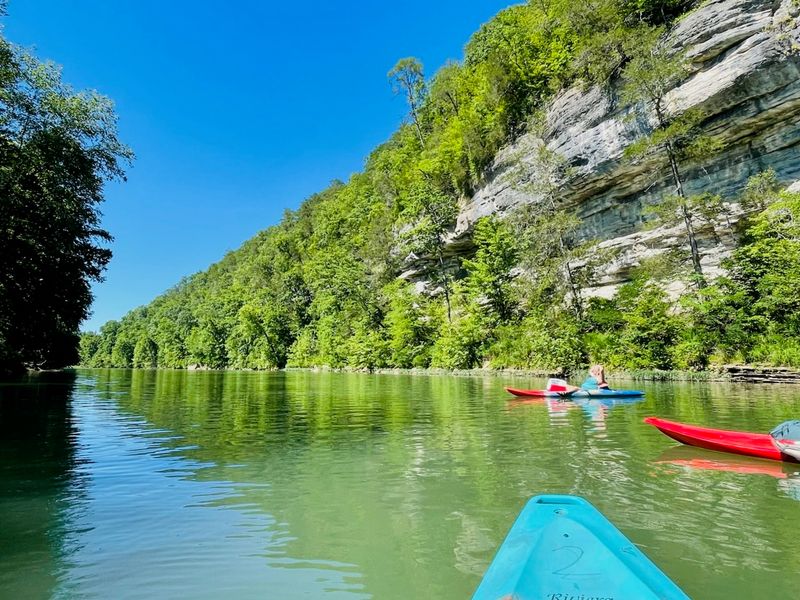
The middle Buffalo from Erbie to Buffalo Point is where you exhale. Bends reveal tidy beaches and banks striped with rock layers that read like time lines.
You drift, snack, and slip overboard to cool down in tea green pools.
Kids love the sandy pockets and skipping stones. Adults love how easy the shuttles and takeouts feel when flows are right.
Midday sun warms shoulders, and the occasional riffle keeps paddles honest but unhurried.
Plan picnic stops and watch for turtles sunning on snags. Keep life jackets zipped, even in mellow water, because calm can fool you.
By takeout, everything smells like river and sunscreen, a perfect recipe for satisfied yawns.
Hiking the Lost Valley Trail
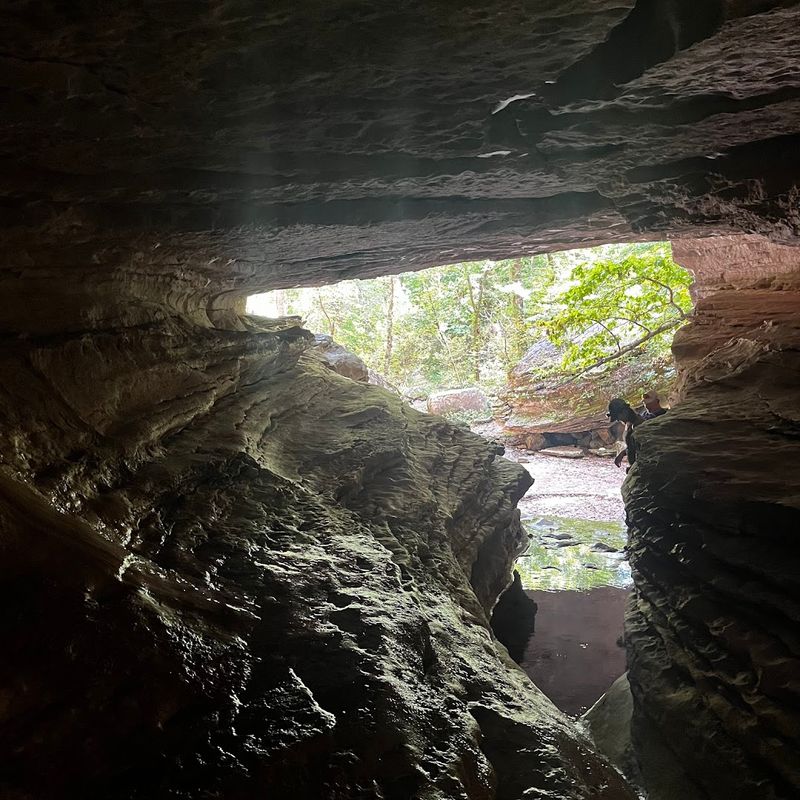
Lost Valley starts like a secret and keeps getting better. The path traces a clear creek, bridges roots, and steps between limestone ledges.
Spring wildflowers pattern the floor while the canyon narrows into cool shade.
Eden Falls tumbles into a stony bowl where voices bounce back in gentle echoes. Bring a flashlight for the small cave nearby and mind your footing on slick patches.
The air tastes mineral fresh, and drips keep time on moss.
This hike works for mixed groups if you give it patience. Turn around when the terrain outpaces your comfort and you will still win the day.
Back at the trailhead, the river waits to rinse dust from your shins.
Exploring the Indian Rockhouse Nature Trail
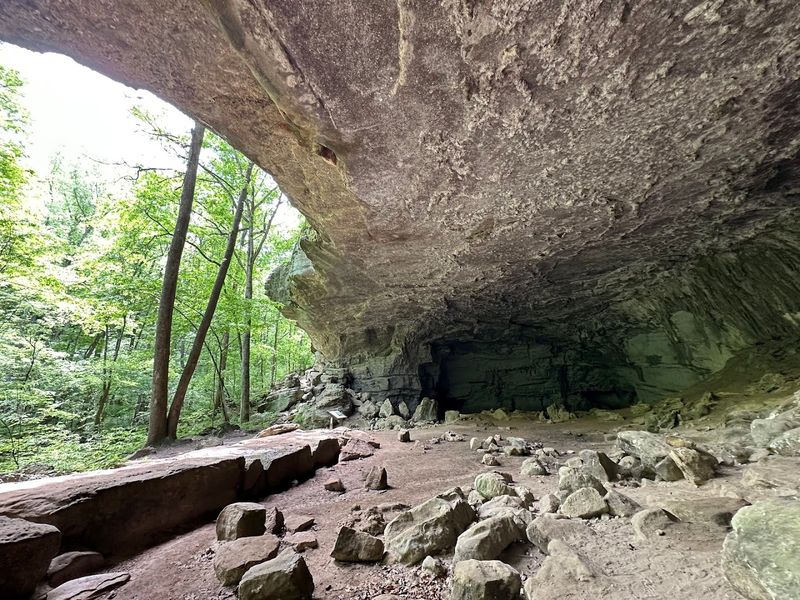
The Indian Rockhouse loop folds through cedar and hardwood into a grand stone shelter. The overhang swallows heat and sound, a natural hall with centuries of human stories.
Water once shaped this room, and still whispers along the gravelly streambed.
Interpretive signs lend quiet company without crowding the imagination. You picture fires, tools, and ordinary days sheltered from storms.
The scale humbles you, yet the details feel intimate, like fingermarks on soft clay.
Footing can be uneven, so step with care and resist touching fragile surfaces. Pack water and allow time because curiosity likes to linger here.
When you return to sunlight, the river’s murmur seems to complete the tale.
Visiting the Tyler Bend Visitor Center and Collier Homestead
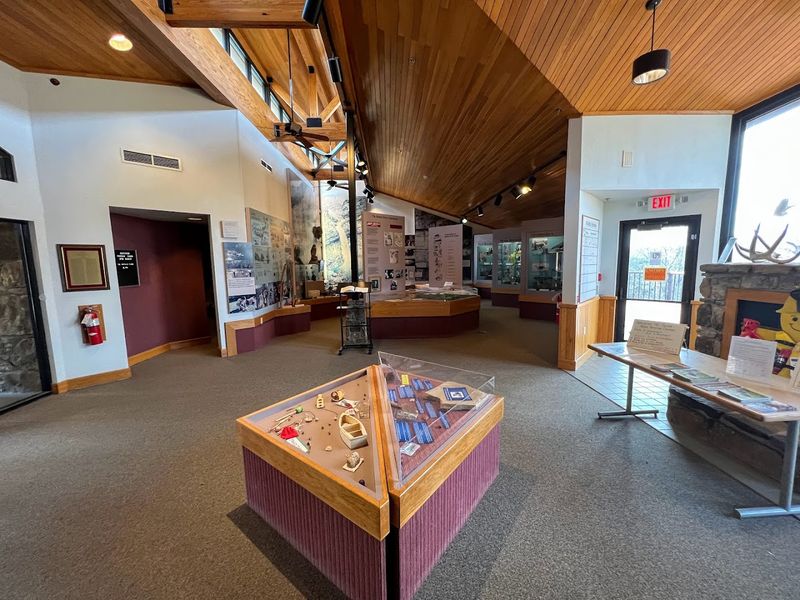
Tyler Bend orients you before the water takes over. Inside, exhibits map the river’s geology, wildlife, and flow quirks, while rangers translate conditions into real world choices.
You step back outside with smarter plans and a lighter kind of confidence.
A short walk leads to the Collier Homestead, a humble log cabin holding echoes of daily grit. Standing by the doorway, you see the river’s ribbon and imagine chores timed to seasons.
Wood scent lingers even in the breeze, steady and familiar.
Bring questions, because staff love handing out good secrets. Take photos, tread softly, and let the homestead reset your pace.
Afterward, the trail down to an overlook ties history to the water you are about to float.
Seasonal Visits and Practical Advice
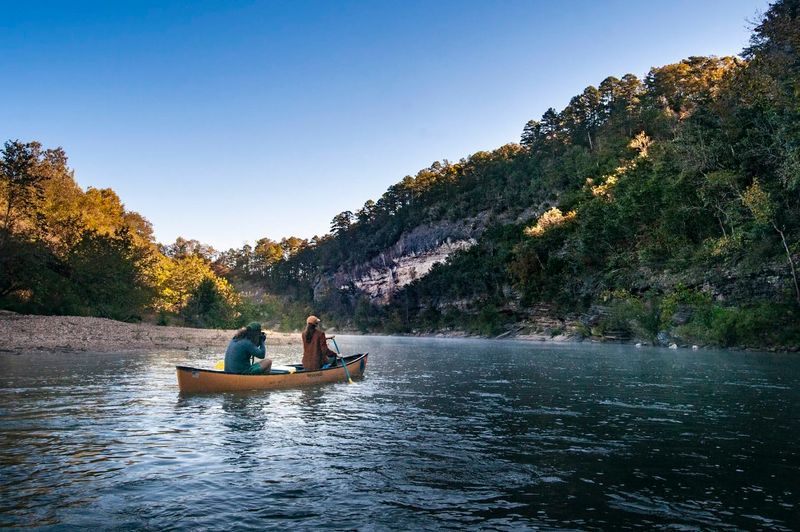
Spring brings wildflowers and lively flows, but watch levels after rain. Summer offers easy swims and long light, so start early to beat heat and crowds.
Fall paints the bluffs in ember colors and turns every bend cinematic.
Winter rewards with quiet banks, crystal clarity, and open camps if you pack warm layers. Always wear a properly fitted life jacket and stash layers in a dry bag.
Check recent gauges and shuttle logistics before you commit to a section.
Footwear that drains, sun protection, and insect repellent all earn their keep. Respect private land, camp above high water marks, and leave no trace.
With a little planning, the Buffalo trades you stress for stillness and sends you home brighter.