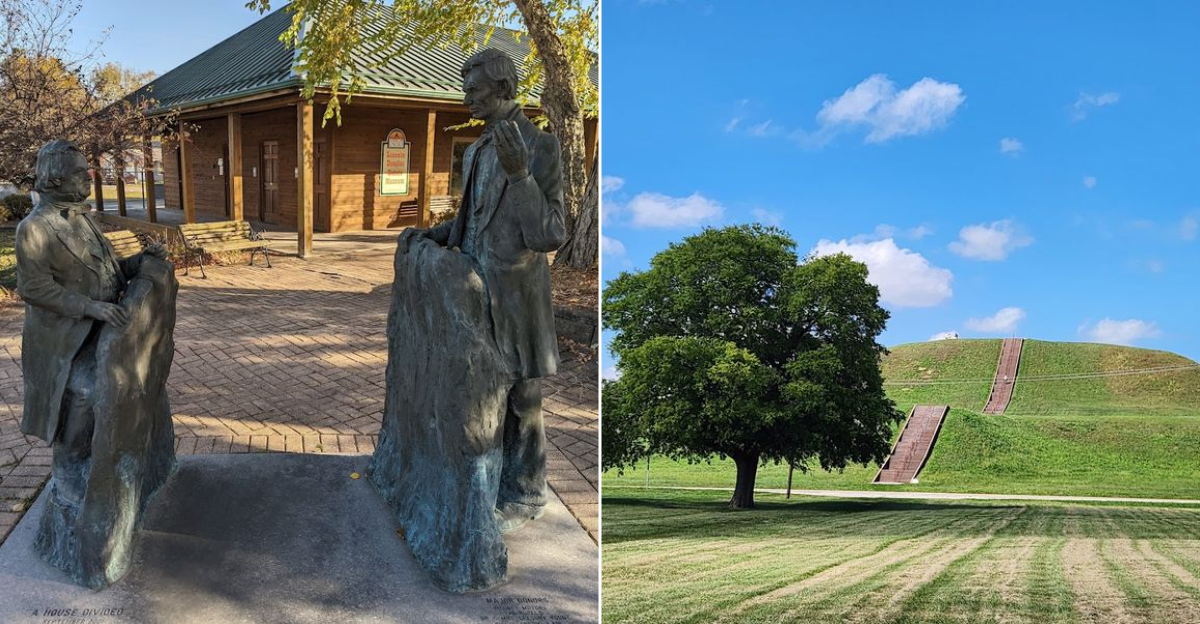
Step off the highway and straight into history.
Illinois isn’t just cornfields and city skylines — it’s packed with hidden towns, old homesteads, and landmarks that make you feel like you’ve flipped the calendar back a century. Each stop tells a story, from dusty streets to preserved buildings that seem frozen in time.
Some day trips lead you through charming Main Streets lined with brick storefronts and vintage signs. Others wind past grand estates, forgotten mills, or battlefields where echoes of the past still linger.
Every turn invites curiosity and a camera, because these aren’t just sights — they’re snapshots of another era.
Families, history buffs, and wandering souls all find something to marvel at. Cafés, antique shops, and local museums make sure the day isn’t just about seeing history, but living it.
Pack your sense of wonder. Illinois’ past is calling, and it’s impossible to resist.
Cahokia Mounds State Historic Site — Collinsville, IL
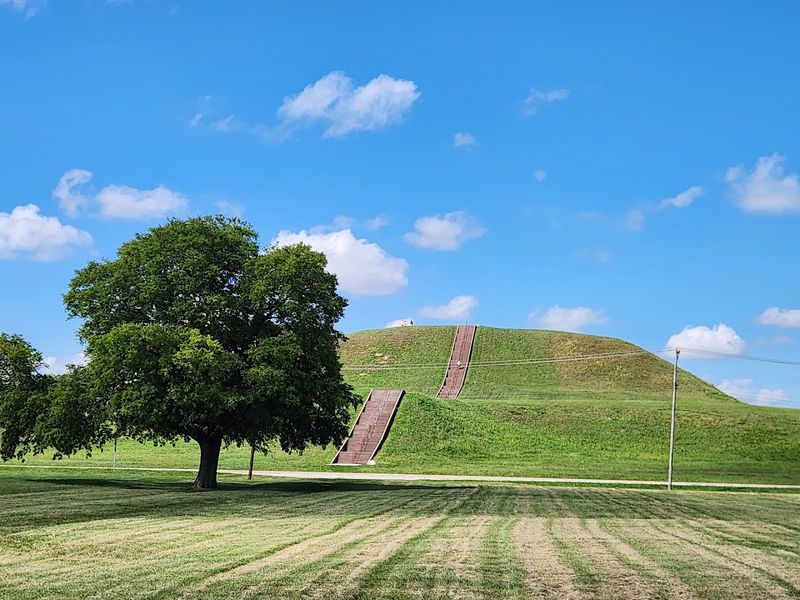
Stand atop Monks Mound and feel a city rise beneath your feet. Long before Chicago’s skyline, this Mississippian metropolis pulsed with plazas, wooden temples, and neighborhoods stretching to the horizon.
The interpretive center orients you with artifacts, mound models, and soundscapes that bring daily life into focus. You learn how maize agriculture, trade networks, and celestial alignments structured a sophisticated society.
Follow trails between earthen mounds while birdsong mixes with distant highway hum, a reminder that deep time sits beside the present. Stop to read wayside panels describing palisade lines, borrow pits, and astronomical woodhenges.
You can picture artisans shaping shell beads and elders recounting origin stories by firelight. The scale reframes North American history in bold, humbling strokes.
Spend time at the reconstructed Woodhenge circle to watch sunrise perspectives, where posts once marked solstices and equinoxes. Guides explain how leaders balanced ceremony, trade, and community obligations.
Kids love spotting wildlife while counting mound terraces. You leave seeing the landscape as architecture, layered with meaning and memory.
Practical tips help your visit flow smoothly. Arrive early for cooler walks and unobstructed overlooks.
Bring water, sunscreen, and curiosity for the small details hidden in grass and earth. Nearby Collinsville eats make a satisfying post hike reward, and the gift shop supports ongoing preservation.
Lincoln’s New Salem State Historic Site — Petersburg, IL
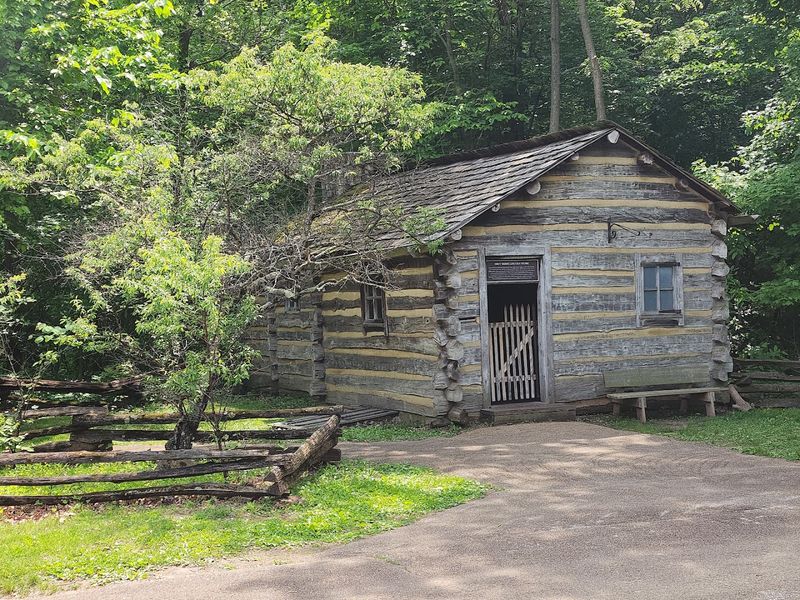
Walk New Salem’s dirt lanes and you can almost hear shop doors creak and oxen snort. Costumed interpreters share stories about young Abraham Lincoln clerking, reading by firelight, and testing his voice on village debates.
Each cabin is furnished with period tools and textiles that reveal how neighbors bartered, cooked, and navigated frontier winters. You feel daily life in the rattle of a latch and the smell of wood smoke.
Stop by the blacksmith shop to watch iron sing beneath the hammer. The cooper’s barrels and the tavern’s benches show how craft and community intertwined.
Guides explain how this short chapter shaped Lincoln’s empathy and political instincts. You are invited to ask questions and handle reproduction items.
Seasonal events bring extra color, with music, demonstrations, and candlelit evenings. Trails around the village offer quiet corners for reflection.
Families appreciate the open air format, giving kids room to explore safely. Benches and shady trees make it easy to linger between buildings.
Plan for a half day, adding Petersburg lunch or nearby hiking. Check tour schedules for interpreter availability and special programs.
Bring comfortable shoes for uneven ground. You leave appreciating how modest beginnings, hard work, and neighborly trust forged a future president’s character.
Dana-Thomas House State Historic Site — Springfield, IL
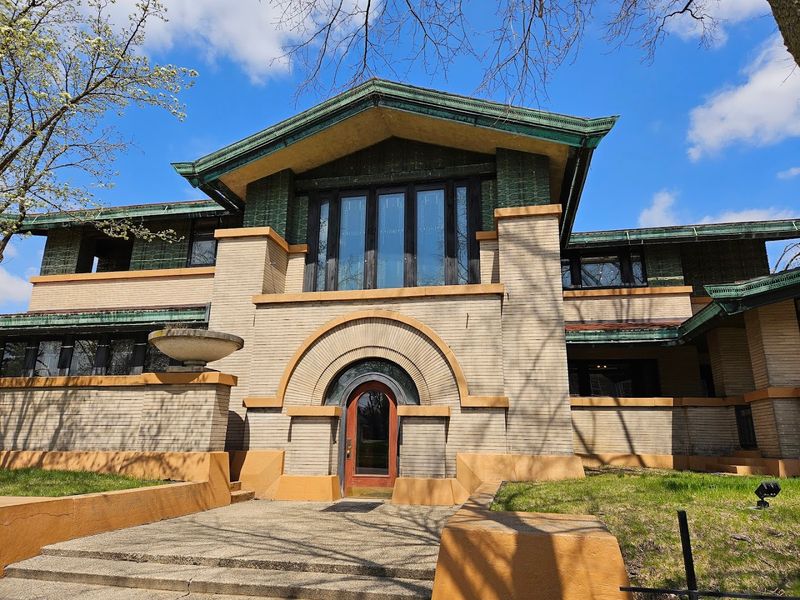
Step inside a masterpiece where geometry, light, and craftsmanship choreograph every move. The Dana Thomas House immerses you in Frank Lloyd Wright’s vision, from art glass patterns to custom oak furniture and flowing rooms.
Guides point out compression and release as ceilings lower then open, guiding your gaze to garden views. You notice how even doorknobs, carpets, and sconces echo a unified design language.
The dining room’s dramatic screens and the gallery’s barrel vaulted ceiling feel cinematic. Standing on the mezzanine, you see how space layers like music, with recurring motifs and pauses.
The house reveals its patron’s bold social life while preserving the intimacy of a private home. You feel welcomed yet aware of meticulous order.
Photography highlights textures, but the magic is in motion as doors slide and light shifts across leaded glass. Interpreters explain restoration choices and original materials.
The gift shop offers design forward keepsakes that reinforce the Prairie School ethos. Every corner rewards patient looking.
Reserve a guided tour to access more rooms and stories. Wear soft soled shoes and respect no touch rules.
Afterward, stroll to nearby Springfield sites for a perfect architecture and history pairing. You will leave noticing horizontals and harmonies everywhere.
Apple River Fort State Historic Site — Elizabeth, IL
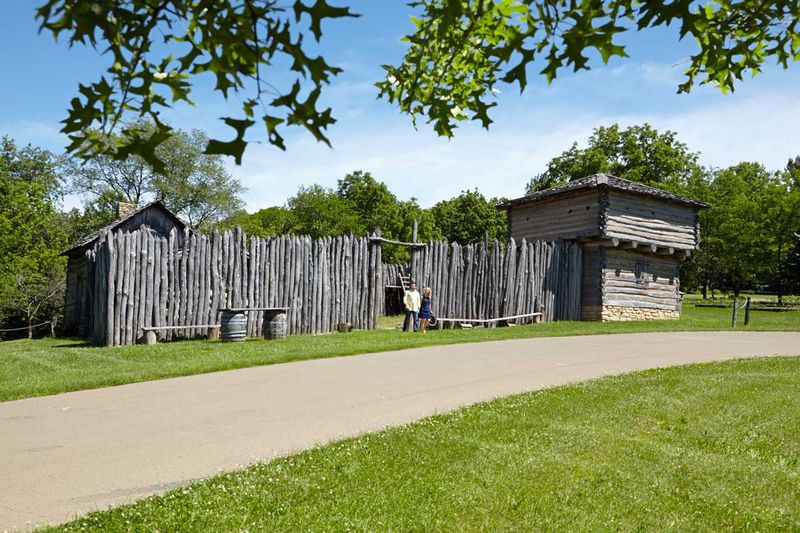
At Apple River Fort, rough hewn timbers and a stout palisade set the stage for the Black Hawk War. Step through the gate and hear how settlers and Sauk and Meskwaki people confronted upheaval and violence in 1832.
Interpreters recount the skirmish here, when community defense and quick decisions saved lives. You sense fear, resolve, and the uncertainty that haunted the frontier.
Inside blockhouses, rifles and supplies evoke a tense readiness. Exhibits in the visitor center add Indigenous perspectives and regional context, anchoring events in a broader struggle over land and sovereignty.
You are encouraged to weigh sources and consider voices long sidelined. The conversation feels timely and necessary.
Walking the grounds, prairie breezes soften heavy history. Outside the walls, the hills roll toward Galena country, inviting a scenic drive.
Families appreciate hands on activities that explain daily chores, from fire starting to simple carpentry. Kids leave with a better grasp of teamwork and preparation.
Plan an hour or two, pairing the fort with Elizabeth’s shops or nearby trails. Check for living history weekends that bring artillery demos and period crafts.
Wear layers for changeable hilltop weather. You leave with a clearer picture of conflict’s costs and the resilience of ordinary people.
Bishop Hill State Historic Site — Bishop Hill, IL
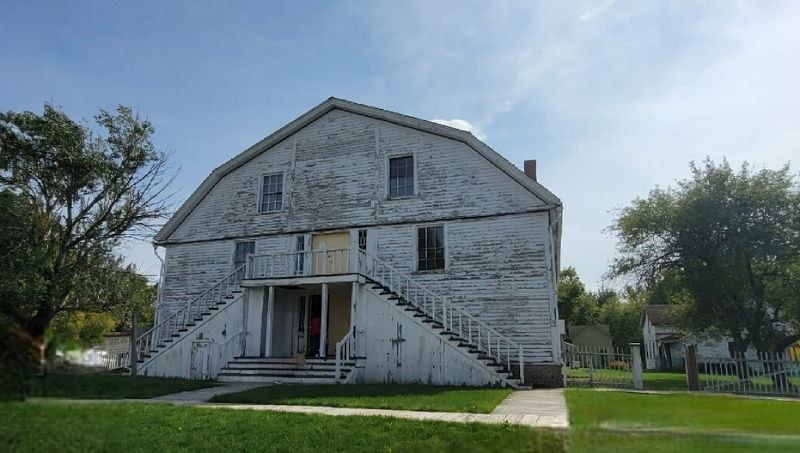
In Bishop Hill, cobblestone walks lead between sturdy brick colony buildings that once housed a Swedish communal experiment. Museums and galleries reveal how faith, craft, and cooperation sustained settlers through prairie hardships.
You admire handwoven textiles, carved furnishings, and vibrant Dala colors that survived oceans and winters. The town green feels like a stage where traditions still perform.
Docents share stories of shared work, rotating meals, and a collective treasury. You learn how the colony evolved, then adapted as residents pursued independent lives while preserving heritage.
Music festivals and Julmarknad bring seasonal stir, filling streets with pastries and fiddles. It is easy to slow your pace and savor details.
Cafes serve Swedish classics alongside Midwest comfort, making lunch part of the history lesson. Antique stores and studios showcase local artisans continuing the craft lineage.
You can tour multiple small museums in a single afternoon. Each doorway adds a layer to the story.
Check hours, since exhibits vary seasonally. Bring a camera for brick textures and sunlit windows.
Pair Bishop Hill with nearby state parks for a full day escape. You leave with fresh respect for shared ideals, practical problem solving, and the beauty of work done together.
Old State Capitol State Historic Site — Springfield, IL
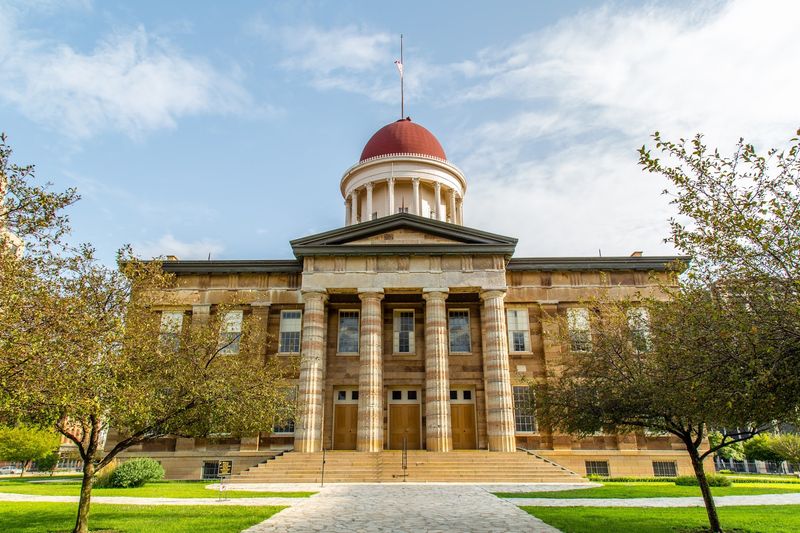
Walk the halls where Lincoln practiced law and honed arguments that would reshape a nation. The Old State Capitol’s Greek Revival dignity frames bustling chambers, hushed offices, and echoes of landmark debates.
Restored rooms glow with oil lamp ambiance, polished wood, and period textiles. Docents help you picture packed galleries during legislative showdowns.
Stand at the lectern and feel the gravity of words that once rang against stone. Exhibits trace Springfield’s transformation as railroads, newspapers, and civic life grew around this building.
You can compare past and present politics in a space designed for persuasion. The architecture itself seems to demand civility.
Photographers love the rotunda’s symmetry and soft natural light. Families move room to room on self guided paths or themed tours.
There is enough detail for history buffs yet simple touchpoints to engage kids. Every desk and inkwell suggests a story waiting to be told.
Check the schedule for living history days and temporary displays. Combine a visit with nearby museums for a walkable itinerary.
Security screening is quick, but arrive a little early. Leaving the plaza, you carry a sharper sense of how institutions shape public life.
Abraham Lincoln Presidential Library and Museum — Springfield, IL
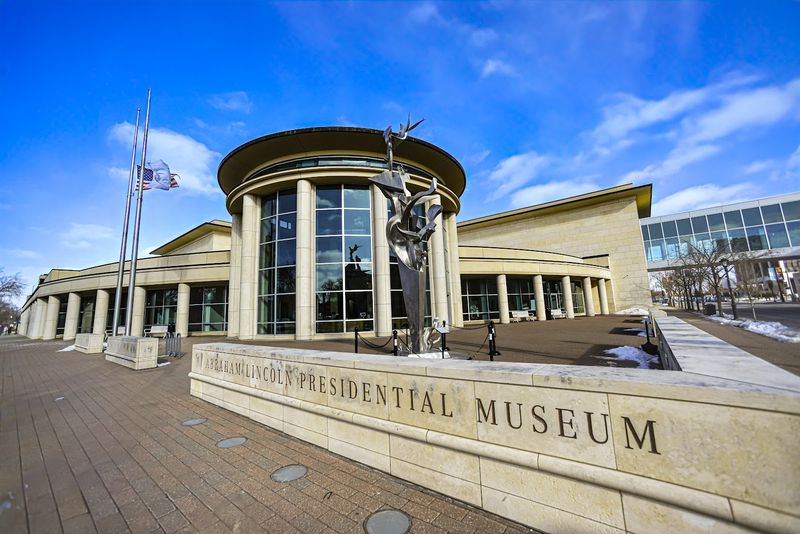
This museum surrounds you with Lincoln’s world through theater quality sets, artifacts, and immersive storytelling. Walk from a humble log cabin to the White House corridor, feeling choices tighten around the presidency.
Original documents, personal items, and wartime letters anchor emotion in evidence. You move at your own pace, choosing how deeply to dive.
Special effects shows present media literacy lessons as much as history, unpacking how public opinion formed. Galleries balance triumph with grief, especially in scenes touching on Mary Todd Lincoln and loss.
Kids engage with scavenger hunts and hands on corners, while adults linger over manuscripts. You leave appreciating complexity behind the myth.
The library’s research collections remind you history is a living conversation. Temporary exhibits rotate, so repeat visits reveal new angles.
Friendly staff offer tips for maximizing time during busy weekends. Audio guides help frame big themes for first timers.
Buy timed entry tickets in advance, particularly around holidays. Plan at least two hours, more if archives or special exhibits call your name.
Pair with a stroll to the Old State Capitol and Dana Thomas House. The walk knits a powerful Springfield story into one memorable day.
Galena Historic District — Galena, IL
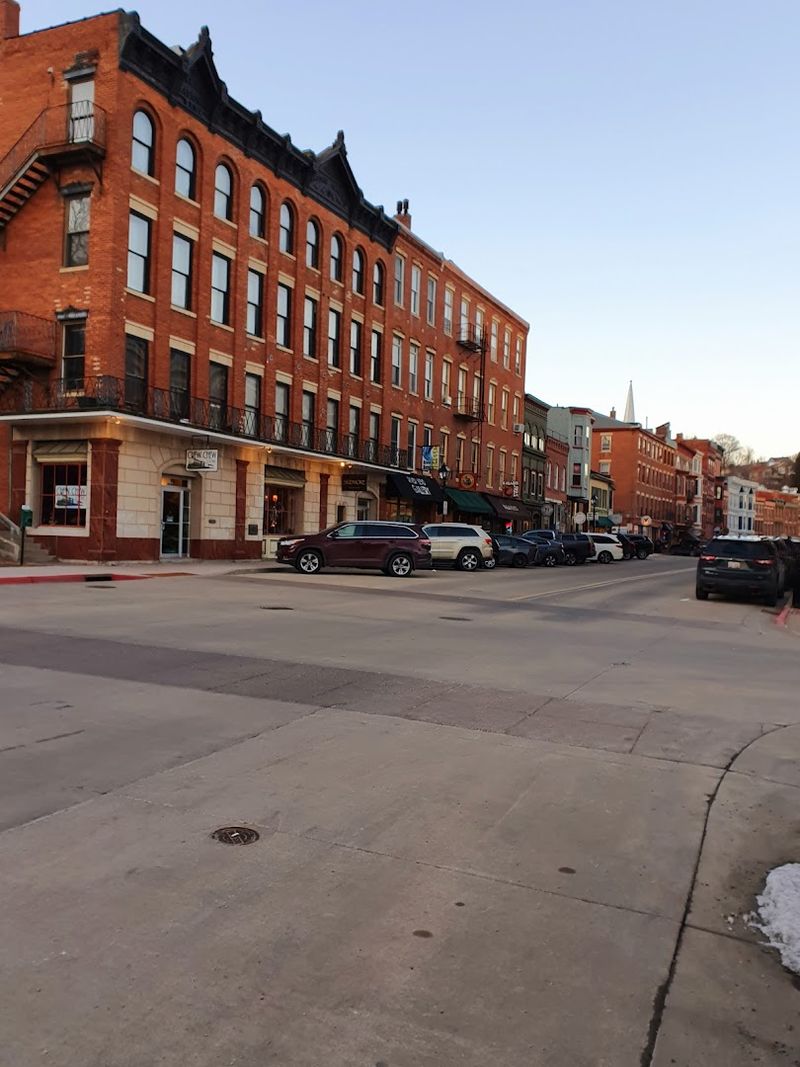
Galena’s Main Street feels like opening a well preserved novel. Italianate cornices, arched windows, and cast iron details line a gentle curve above the river.
Shops and cafes now fill buildings once tied to lead mining, steam boating, and frontier trade. You wander, sip, and window shop while history tags along at every doorway.
Step into house museums, then climb to a bluff for sweeping views of brick and tree tops. Plaques reveal how prosperity ebbed, leaving a gift of intact architecture later revived by preservationists.
The result is a living district where locals and visitors share sidewalks. It is both postcard pretty and genuinely lived in.
Side streets lead to quiet residential blocks with mansard roofs and garden gates. Seasonal festivals fill the air with music and lights, especially around holidays.
River paths add birdwatching and open sky. Galleries showcase regional artists translating landscape into color and line.
Arrive early for parking and softer morning light. Wear comfortable shoes for hills and uneven bricks.
Pair your stroll with bakery stops and a sunset drink. You will leave plotting a return weekend, because one day barely scratches the surface here.
Ulysses S. Grant Home — Galena, IL
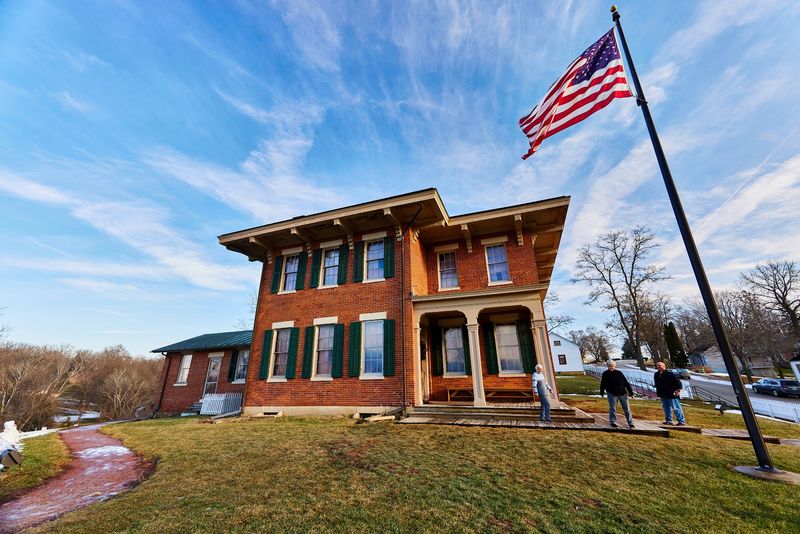
Climb the steps to the Grant Home and step into a chapter where gratitude met destiny. Galena presented this house to the Civil War hero in 1865, and rooms still hold the quiet of postwar reflection.
Period furnishings and portraits frame conversations about leadership, scandal, and redemption. Guides anchor big ideas to small objects, from uniforms to family mementos.
Stand in the parlor and imagine visitors arriving to congratulate and counsel. The dining room suggests how hospitality and politics intertwined.
Upstairs, personal spaces humanize a figure often cast in marble. You sense the weight of command easing into domestic routine.
Outside, the lawn overlooks rooftops and river bends, placing the home in Galena’s broader story. Interpretive panels explain restoration choices and changing interpretations of Grant’s legacy.
Photography is typically limited, keeping you present in each room. It is a focused, meaningful tour.
Time your visit to combine with downtown Galena and nearby trails. Check hours and guided tour availability before you go.
A donation supports preservation and programming. Leaving the porch, you carry a fuller portrait of Grant beyond battlefield headlines.
David Davis Mansion State Historic Site — Bloomington, IL
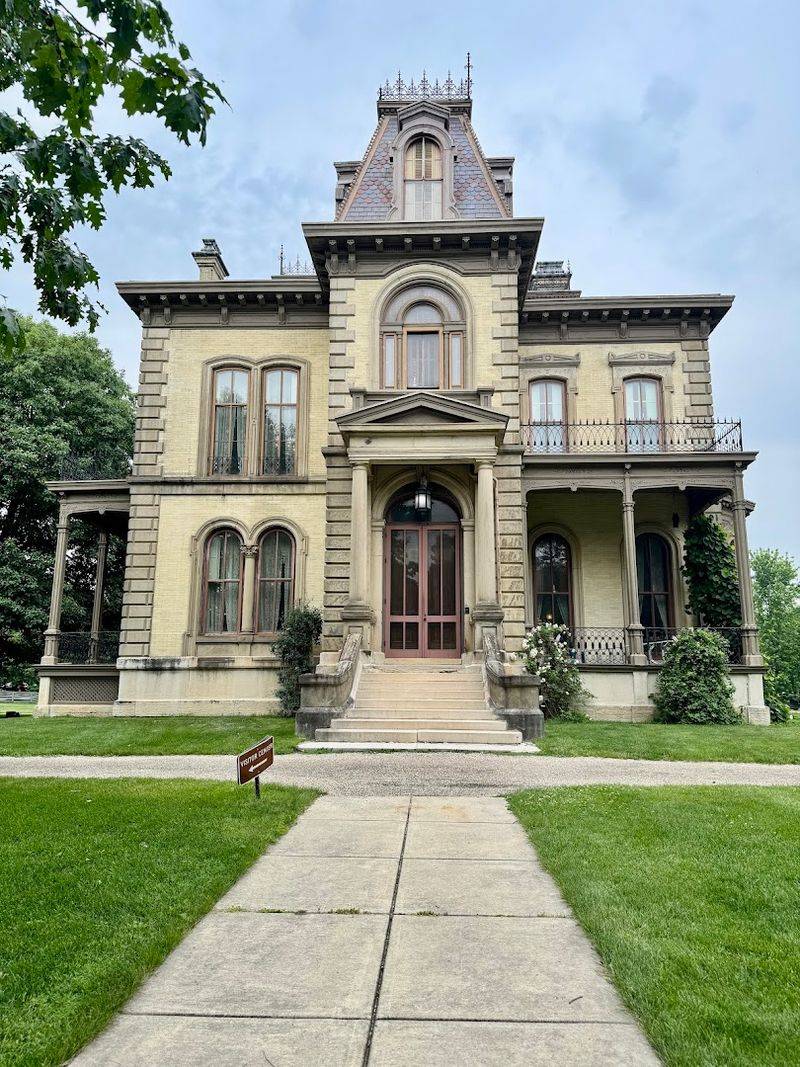
The David Davis Mansion balances Gilded Age glamour with the grounded routines of a working household. As Lincoln’s friend and a Supreme Court justice, Davis moved in powerful circles, and the home reflects that polish.
Rooms glow with patterned wallpapers, marble mantels, and curated collections. You feel both public spectacle and private comfort in each suite.
Guides trace the family’s travels, staff roles, and social calendars. Stories of jurists, journalists, and reformers cross these thresholds, connecting national issues to a Midwestern base.
The kitchen and service areas reveal choreography behind receptions and teas. It is a complete picture, not just a parlor glance.
Gardens and the carriage house extend the narrative outdoors, where heirloom plantings and tools speak to seasons. Special events, from teas to twilight tours, add fresh angles.
Photographers will find vignettes in every mirror and banister curve. Kids engage with scavenger hunts and open lawns.
Reserve timed tours on busy weekends. Combine the mansion with downtown Bloomington for dining and murals.
Comfortable shoes help on stairs and grounds. You will leave hearing clinking glassware, carriage wheels, and the softer notes of domestic life supporting public service.
Lewis and Clark State Historic Site — Hartford, IL
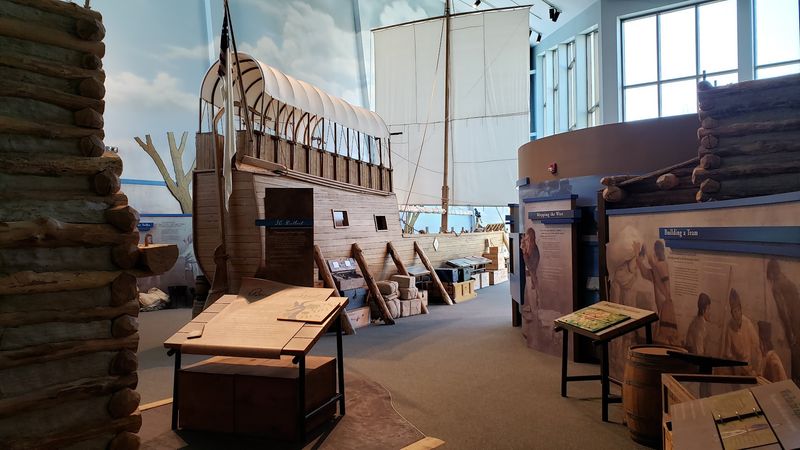
At Camp River Dubois, preparation takes center stage. The interpretive center lays out maps, gear, and the daunting logistics behind the Corps of Discovery.
A full scale keelboat bristles with barrels, tools, and folded canvas, daring you to imagine upstream miles. You start to see exploration not as romance, but as systems and teamwork.
Reconstructed winter camp structures show bunks, hearths, and daily chores. Rangers explain discipline, scientific aims, and diplomatic goals with Native nations.
You trace timelines from recruitment to departure, then follow outcomes that reshaped the continent. It grounds the saga in wood smoke and routine.
Trails and river overlooks reconnect exhibits to living water. Kids love climbing into the boat area while adults parse journals and artifact replicas.
Special events might feature period music or musket drills. The setting ties curiosity to the Mississippi’s broad arc.
Check hours and river conditions, then allow two hours to explore exhibits and camp. Pair with nearby confluence sites for a richer geographic picture.
Bring water and bug spray in warm months. You leave respecting the grit behind big maps and the quiet courage of preparation.
Lincoln Douglas Debate Historic Sites — Various
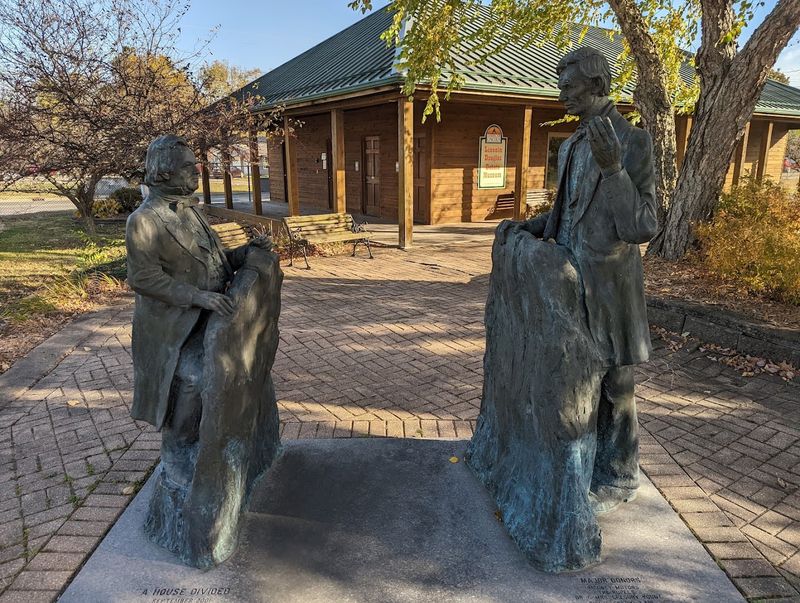
Follow the 1858 senate race by tracing debate sites across Illinois. In Ottawa’s Washington Square, Freeport’s Debate Square, Galesburg’s Old Main, and Alton’s riverfront, bronze figures and plaques freeze fierce arguments in time.
You stand where crowds pressed shoulder to shoulder, hanging on constitutional stakes. The route turns highways into a rolling classroom.
Each stop frames a different facet of slavery, union, and popular sovereignty. Panels unpack local contexts while inviting you to read original transcripts on your phone.
You feel the risk of speaking boldly in public squares then and now. The sculptures spark conversations about rhetoric and responsibility.
Small museums and visitor centers nearby add texture, from newspaper reprints to campaign ephemera. Cafes and parks make space to debrief between sites.
It is easy to tailor the trip to your schedule, doing one town or the full circuit. The variety keeps energy high.
Plan a loop with flexible timing for photos and reflection. Check event calendars for reenactments or talks.
Comfortable walking shoes and water help on warm afternoons. You will leave hearing the cadence of argument and the crowd’s roar echoing through Illinois streets.
Alexander County Courthouse & Courthouse Square Historic District — Cairo, IL
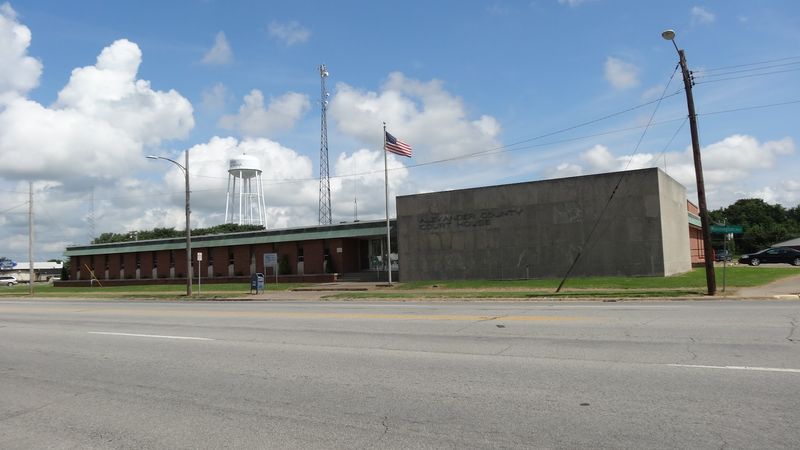
Cairo’s courthouse square holds layers of river town ambition and hardship. The 19th century courthouse anchors blocks that once bustled with steamboat cash and rail connections.
Walk the perimeter and you will see architectural survivors beside weathered gaps, telling a frank story of boom and decline. It is haunting, beautiful, and honest.
Interpretive signs and local guides recount post Civil War growth, labor struggles, and shifting trade routes. Standing here, the map of America redraws itself around two mighty rivers.
You sense how geography grants opportunity, then demands resilience. The courthouse remains a civic landmark through it all.
Photographers find compelling textures in faded brick, cornices, and ghost signs. Quiet streets offer room to slow down and look.
Pair your walk with a drive to the confluence for big sky views. History feels close enough to touch, carried on humid breezes.
Be mindful and respectful, supporting local businesses where you can. Check hours if you plan to enter public buildings.
Daylight exploration is recommended for the best light and context. You leave with humility for communities weathering long economic tides and still holding on.
Shawneetown Bank State Historic Site — Old Shawneetown, IL
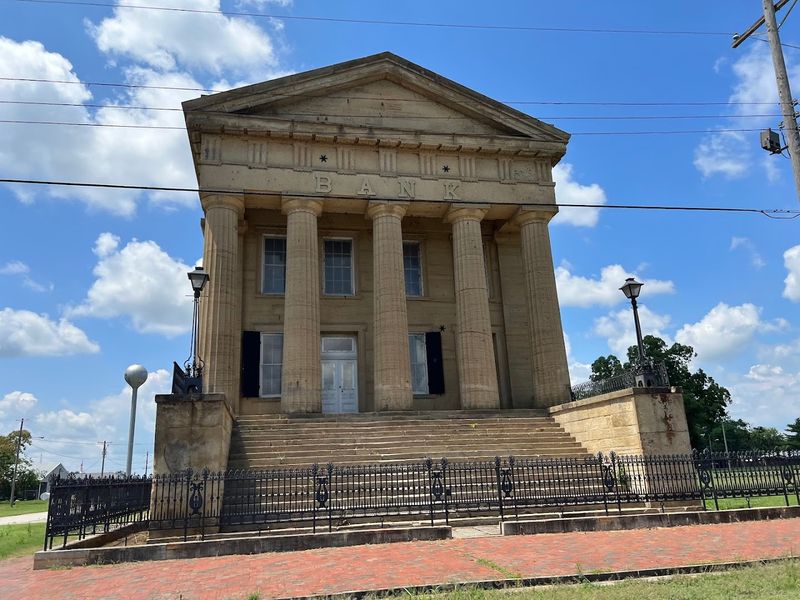
This sober stone bank stands like a ledger made visible. Built 1839 to 1841, it chronicles early finance on a frontier wrestling with credit, canals, and speculation.
Walk around the columns and think about risk in a place where floods and fortunes rose fast. The building’s heft promised stability to nervous depositors.
Inside, period banking artifacts and ledgers translate abstract numbers into daily choices. Guides connect national panics to local borrowers and merchants.
You hear how policy rippled through river towns, shaping who could build and who went under. The narrative feels surprisingly modern.
Old Shawneetown’s streets add melancholy charm, with quiet blocks and river light. Pair the bank with a scenic drive through the Shawnee hills.
Photographers catch strong lines and shadow play across stone. It is a quick stop that lingers in your thoughts.
Verify seasonal hours and restoration access. Bring cash for small donations that keep preservation steady.
Afterward, continue to Garden of the Gods or Cave in Rock for nature contrast. You will leave reading banks, budgets, and buildings with sharper eyes.