Tucked away in the pine-scented mountains near the southern entrance to Yosemite National Park, the Yosemite Mountain Sugar Pine Railroad is one of California’s most charming and underrated attractions.
This vintage steam train carries passengers back to an era when massive logging operations shaped the rugged Sierra Nevada landscape.
Whether you’re a history buff, a nature lover, or just looking for a unique family adventure, this old-fashioned railroad has something special waiting for you.
All aboard — the past is just a whistle-blow away.
A Living Link to the Sierra Nevada’s Logging Heritage
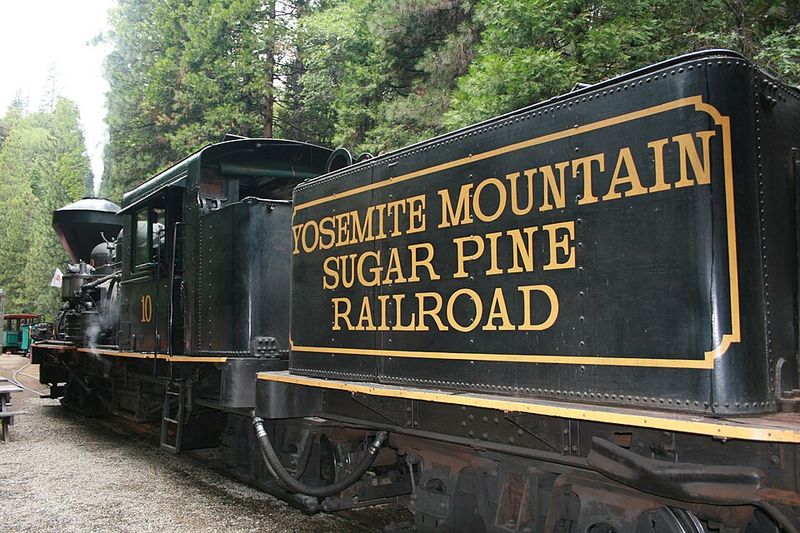
Somewhere between the towering sugar pines and the crisp mountain air of the Sierra Nevada, history hasn’t just been preserved — it’s still chugging along on two rails.
The Yosemite Mountain Sugar Pine Railroad sits just four miles south of Yosemite National Park’s south entrance, near Fish Camp, California, and it offers one of the most authentic windows into early 20th-century logging culture anywhere in the American West.
Back in the early 1900s, massive lumber operations carved their way through these mountains, harvesting ancient trees to fuel a booming California economy. The railroad was the lifeline of those operations, hauling timber down steep, rugged terrain that no wagon could manage.
Without it, the lumber industry in this region simply couldn’t have functioned.
Today, that same spirit of rugged industry lives on through narrated steam-train excursions that take modern visitors along restored sections of the original logging route.
Riders get to feel the rhythm of the rails, breathe in the mountain air, and hear fascinating stories about the workers and families who once called these forests home.
It’s a living, breathing museum — and it runs on steam.
Origins of the Railroad: From Lumber Line to Heritage Experience
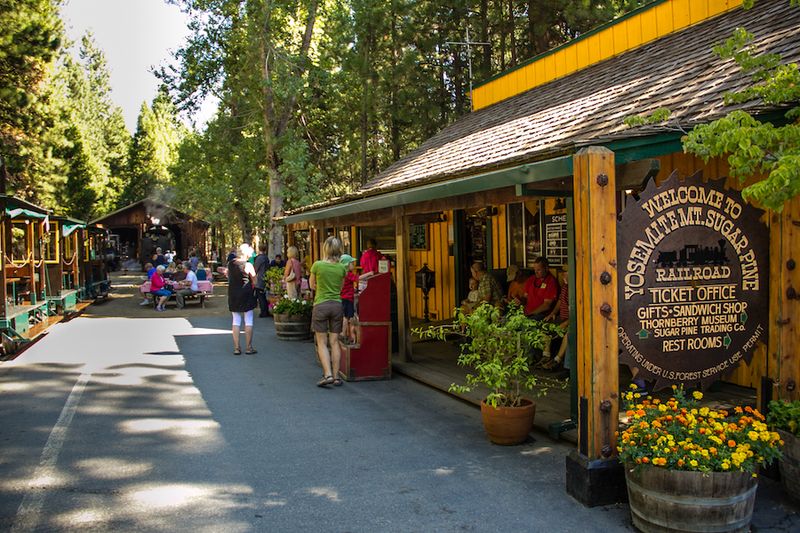
Few stories in California history are as gritty and fascinating as the rise and fall of the Madera Sugar Pine Lumber Company. Founded in the late 1800s, the company built an extensive narrow-gauge railroad network through the Sierra Nevada to haul massive sugar pine logs down from the mountains to sawmills below.
At its peak, the operation was an engineering marvel, threading iron rails through some of the steepest terrain in the state.
By 1931, though, the trees were mostly gone and the Great Depression had crushed demand for lumber. The company shut down, and the tracks were pulled up and sold for scrap.
For decades, the forest slowly reclaimed what had once been a buzzing industrial corridor, and it seemed like that chapter of history was permanently closed.
Then came the Stauffer family. In the 1960s, Rudy Stauffer saw potential where others saw only overgrown wilderness.
He worked to restore a section of the original line, sourcing authentic Shay locomotives and rebuilding the depot. What started as one man’s passion project grew into a beloved heritage attraction that now welcomes thousands of visitors each year, keeping the region’s logging legacy very much alive.
The Power Behind the Puffing Smoke: Historic Shay Steam Locomotives
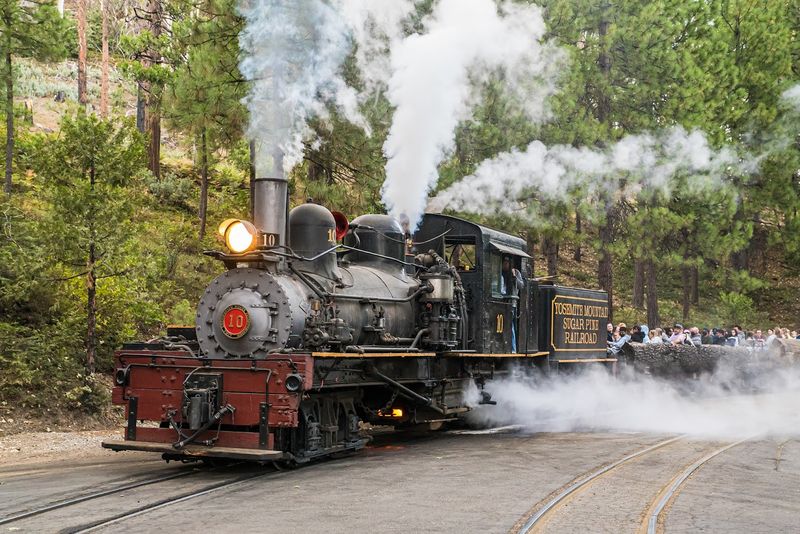
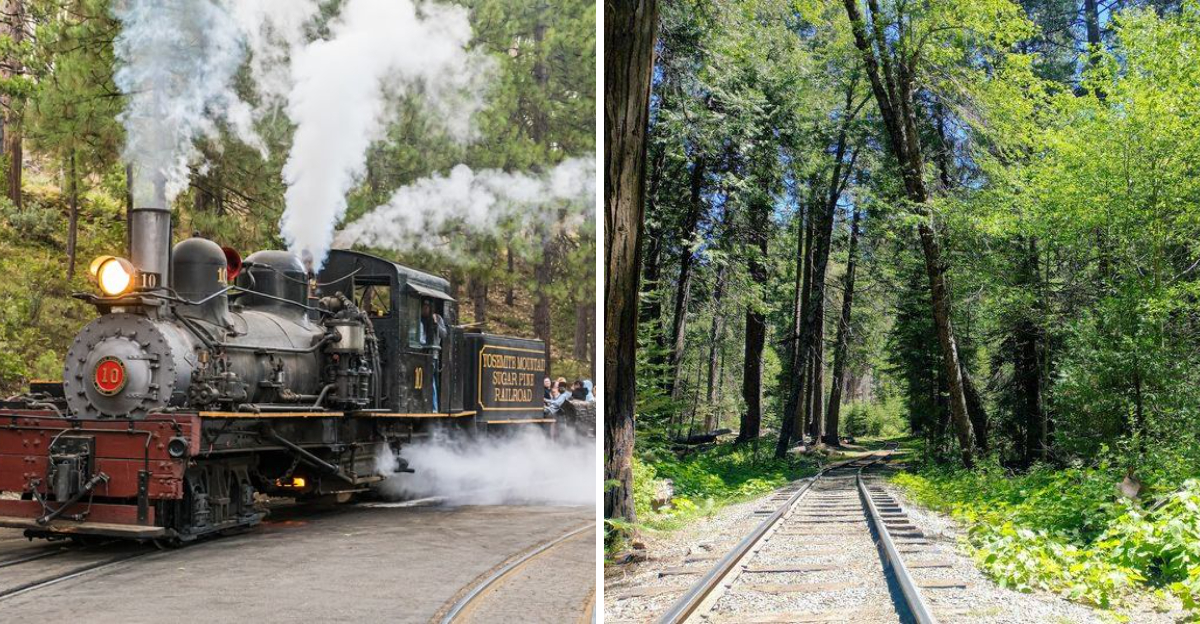
There’s something almost magical about watching a Shay locomotive fire up. Unlike conventional steam engines, Shay locomotives were specifically designed for steep, winding mountain terrain — and that’s exactly what made them the workhorse of the Sierra Nevada logging industry.
The Yosemite Mountain Sugar Pine Railroad is home to two of these remarkable machines, and they’re both genuine pieces of American industrial history.
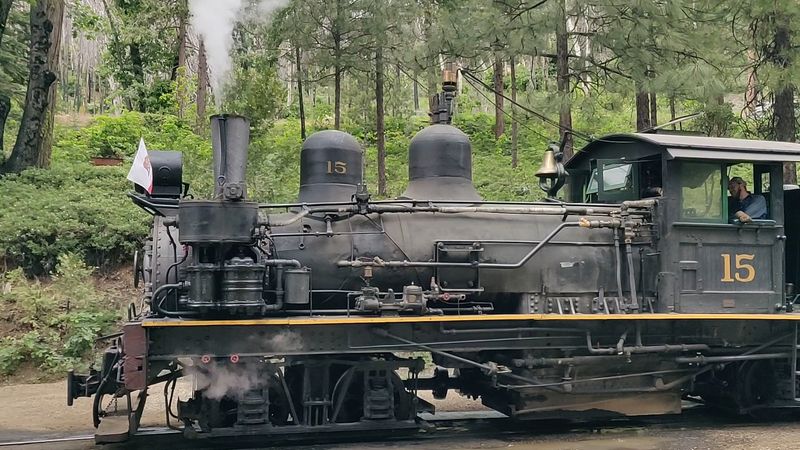
Shay #15, built in 1913, is the older of the two and carries more than a century of stories in its steel frame. Shay #10, built in 1928, is slightly younger but equally impressive.
Both engines were originally used for hauling timber through rugged backcountry, and their distinctive side-mounted pistons and gear-driven wheels gave them unmatched traction on grades that would have stalled a standard locomotive flat out.
Watching these engines in action is genuinely thrilling. The rhythmic chuffing of the pistons, the hiss of escaping steam, and the slow, powerful crawl up the grade are unlike anything a modern traveler typically experiences.
Passengers can often get an up-close look at the locomotives before boarding, giving everyone — especially kids — a chance to marvel at the raw mechanical genius behind these century-old machines.
The Scenic Journey: A Ride Through Time and Forest
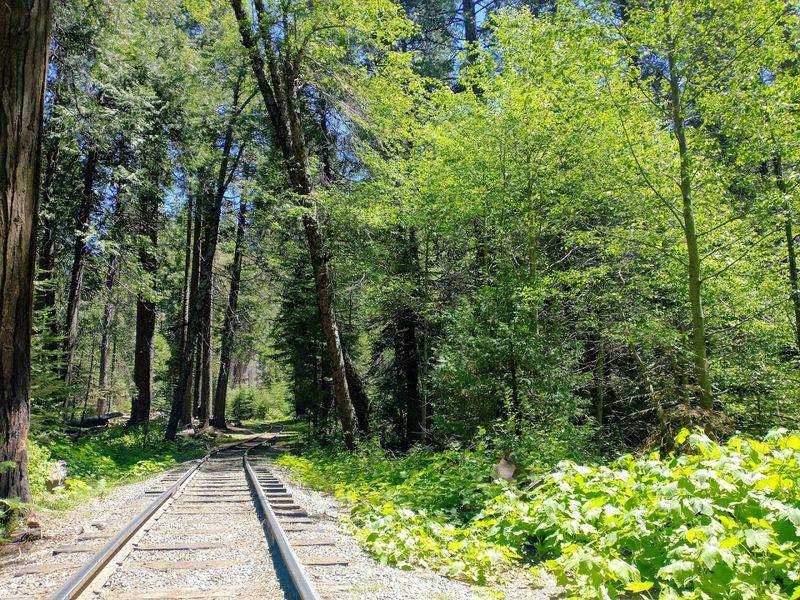
Picture yourself settling into a wooden railcar as a century-old steam whistle shrieks and the train lurches forward into a cathedral of towering pines. That’s exactly how the standard excursion at the Yosemite Mountain Sugar Pine Railroad begins, and it only gets better from there.
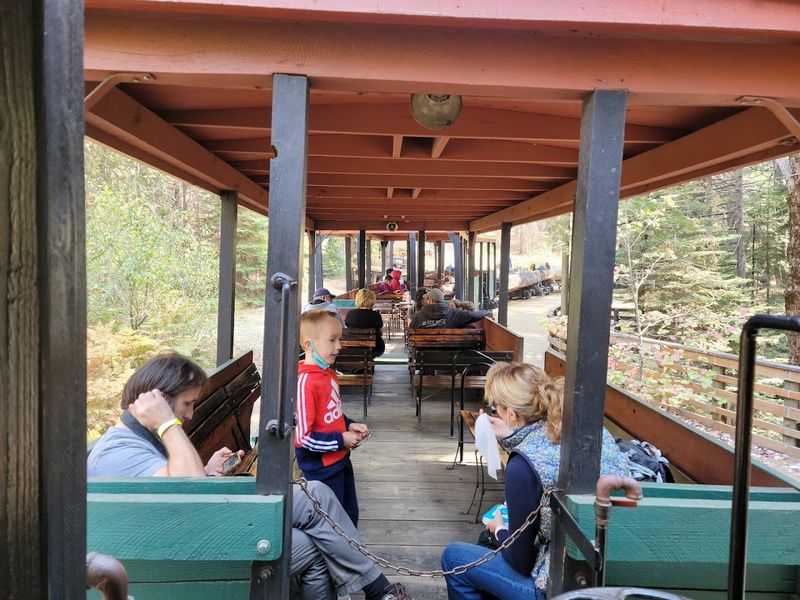
The round trip covers four miles of restored narrow-gauge track, winding through the Sierra National Forest at a pace that actually lets you enjoy the scenery.
A live narrator guides passengers throughout the journey, weaving together stories of loggers, wildlife, and the natural history of the region. The train dips into Lewis Creek Canyon, where the sound of rushing water mingles with the chug of the engine, creating an atmosphere that feels genuinely cinematic.
Towering sugar pines, white firs, and the occasional glimpse of local wildlife make the ride feel like stepping into a nature documentary.
The whole excursion lasts about 45 minutes, making it perfectly manageable for families with young children. Open-air cars let you feel the mountain breeze, while enclosed options offer a bit more comfort on cooler days.
Whether you’re visiting in the golden warmth of summer or the crisp air of early fall, the forest scenery along the route is consistently stunning and deeply peaceful.
More Than a Ride: Cultural Activities and On-Site Attractions
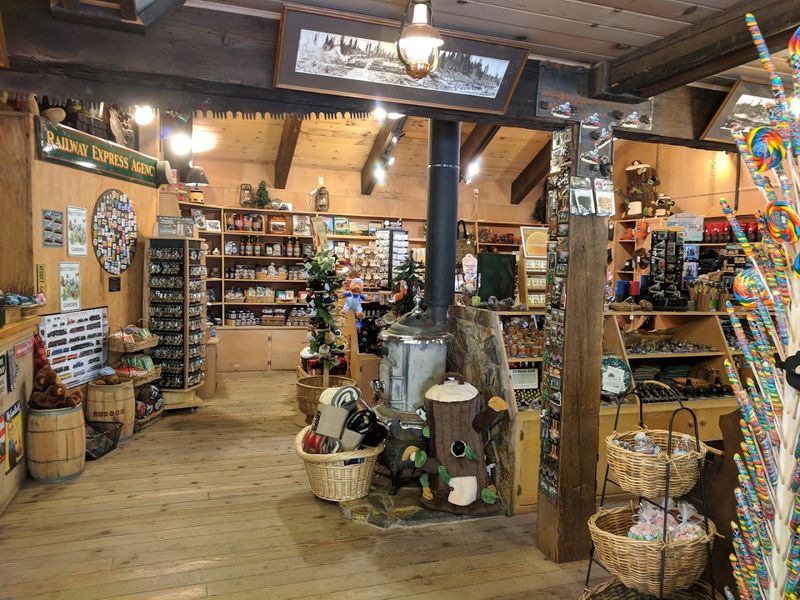
Climbing off the train is just the beginning of the experience at the Yosemite Mountain Sugar Pine Railroad. The depot grounds are packed with activities and exhibits that give visitors a richer understanding of what life was really like during the Sierra Nevada logging era.
Far from being a one-trick attraction, this place rewards curious visitors who take the time to wander around after their ride.
The Thornberry Museum, housed in a genuine 19th-century log cabin, is a highlight for history fans of all ages. Inside, you’ll find an impressive collection of logging tools, photographs, and artifacts that paint a vivid picture of the backbreaking work that defined this region for decades.
The displays are informative without being overwhelming, and they’re presented in a way that even younger visitors can appreciate.
Gold panning is another crowd-pleaser, especially for kids who get a kick out of swirling a pan in search of glittering flakes. It’s a hands-on connection to California’s Gold Rush heritage that feels genuinely fun rather than educational in a boring way.
Add in a gift shop, picnic areas, and friendly staff who are passionate about the railroad’s history, and you’ve got a full afternoon’s worth of entertainment without ever leaving the depot.
Special and Seasonal Excursions
If you think a daytime ride through the Sierra Nevada forest sounds magical, wait until you hear about the Moonlight Special. This beloved evening excursion transforms the standard train ride into something far more romantic and memorable.
As the sun drops behind the mountains and the stars begin to appear, passengers board the train for a journey that feels like it belongs in a classic Hollywood film.
The Moonlight Special typically includes a barbecue dinner served at the Lewis Creek Amphitheater, followed by live entertainment — think country music, storytelling, and sing-alongs that echo through the pines. It’s a full evening out in the wilderness, and it draws visitors who want something beyond the typical tourist experience.
Reservations fill up quickly during peak season, so planning ahead is strongly recommended.
Throughout the year, the railroad also hosts themed rides and special events. Holiday light excursions in late fall bring a festive glow to the forest, while jazz-themed evenings and other seasonal programs keep the calendar fresh and exciting.
Each special event adds a new layer of personality to an already distinctive attraction. Whether you’re celebrating a special occasion or just want an unforgettable night out near Yosemite, these excursions deliver something genuinely out of the ordinary.
Legacy and Preservation: The Stauffer Family’s Role
Behind every great heritage attraction is a person — or in this case, a whole family — willing to pour their heart into keeping the past alive. Rudy Stauffer was that person for the Yosemite Mountain Sugar Pine Railroad.
In the 1960s, when the old logging corridor was nothing more than overgrown wilderness and faded memory, Rudy saw something worth saving. His vision was both bold and deeply personal: bring the Sierra Nevada’s logging history back to life in a way that future generations could experience firsthand.
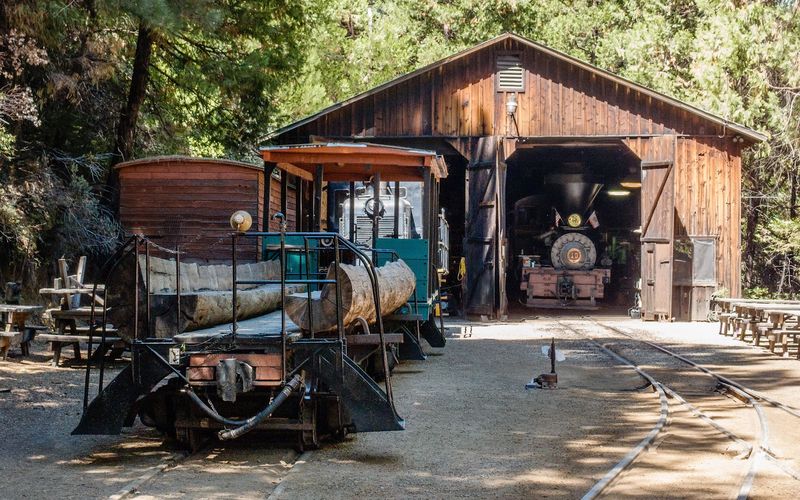
Rudy tracked down authentic Shay locomotives that had been scattered across the country after the logging era ended. He rebuilt the depot, restored sections of track, and created the interpretive programs that still define the visitor experience today.
It was a labor of love that took years of effort and no small amount of financial risk, but the result speaks for itself.
After Rudy’s passing, his descendants continued the work, maintaining the locomotives, updating the facilities, and expanding the programming to keep the railroad relevant for modern audiences. Their commitment to authenticity — rather than turning the site into a theme park — is what makes the Sugar Pine Railroad feel genuinely special.
Preservation, done right, looks exactly like this.
Visitor Info and Tips for Today’s Traveler
Planning a stop at the Yosemite Mountain Sugar Pine Railroad is easy, and it pairs beautifully with a visit to Yosemite National Park. The railroad is located at 56001 Yosemite Highway 41 in Fish Camp, California — just four miles south of Yosemite’s south entrance.
The drive up Highway 41 through the Sierra Nevada foothills is itself a scenic treat, so factor in some extra time to enjoy the journey.
The railroad typically operates from spring through late fall, with the busiest season running from May through October. Standard excursions run several times daily during peak months, and first-class cars with covered seating are available for those who want a slightly more comfortable ride.
Tickets are reasonably priced, and children’s fares make it an accessible outing for families on a budget. Checking the official website before your visit is always a smart move, as schedules can shift with the seasons.
Arrive a little early to explore the depot grounds, visit the Thornberry Museum, and maybe try your hand at gold panning before boarding. Wear comfortable layers — mountain mornings can be cool even in summer.
Bring a camera, because the photo opportunities along the route are genuinely spectacular. Most importantly, slow down and soak it all in.
This is one of those rare places where history feels completely, wonderfully real.