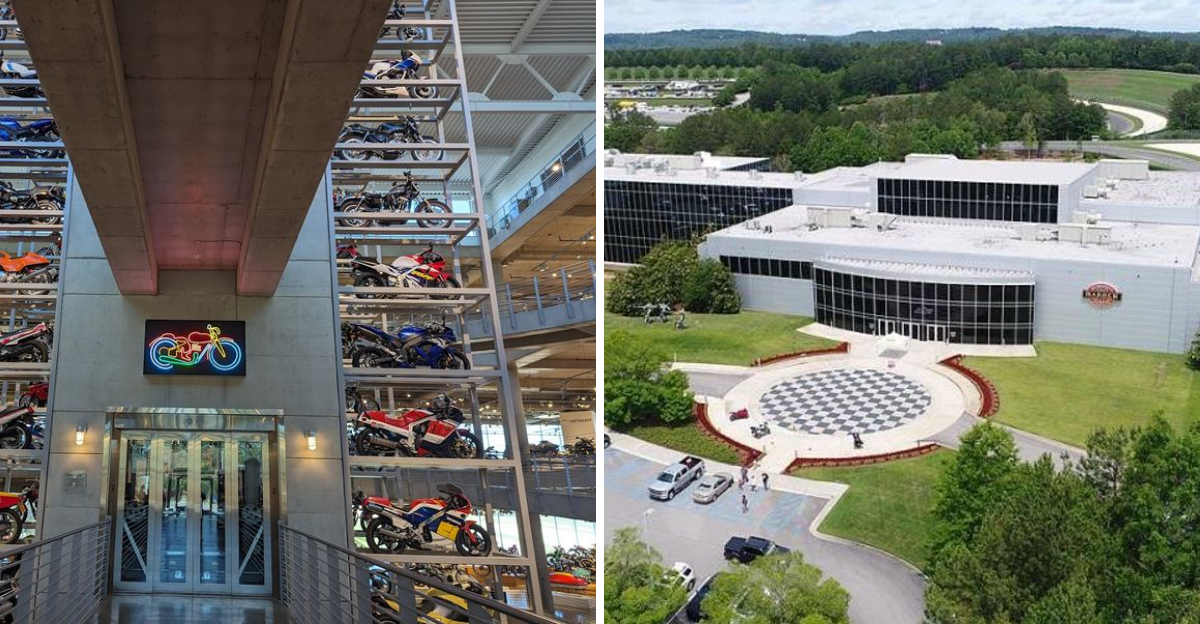
Tucked away in Leeds, Alabama, just outside Birmingham, the Barber Vintage Motorsports Museum is unlike anything most people have ever seen.
With over 1,600 motorcycles packed into a stunning five-story building, it holds the official Guinness World Record for the largest motorcycle museum on the planet.
Whether you ride motorcycles or just love cool history, this place has something that will blow your mind.
Get ready to explore what makes this Alabama gem one of the most jaw-dropping museums in the entire world.
The World’s Largest Motorcycle Museum (Guinness-Certified)
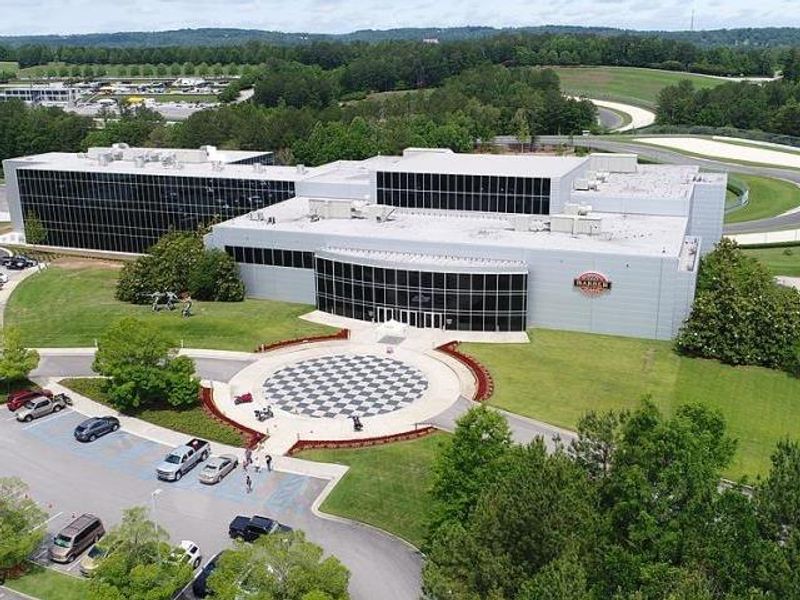
Somewhere in Alabama, a building holds a record that motorcycle fans around the world dream about visiting. The Barber Vintage Motorsports Museum in Leeds officially holds the Guinness World Record for the largest motorcycle museum on Earth — and walking through its doors makes that title feel completely real.
The five-story, 144,000-square-foot facility was purpose-built to showcase motorcycles as both engineering achievements and works of art. Every floor is packed with machines arranged in ways that feel more like a gallery than a garage.
Lighting, spacing, and presentation are all carefully designed to give each bike its moment in the spotlight.
Getting a Guinness certification is not easy. It requires documentation, verification, and meeting strict international standards.
The Barber Museum cleared every hurdle, earning its title as the definitive home of motorcycle history on a global scale. For motorsports fans, that makes a trip here feel less like a road trip and more like a pilgrimage.
No other museum on the planet can match what sits inside this remarkable Alabama building.
A Collection That Exceeds 1,600 Motorcycles
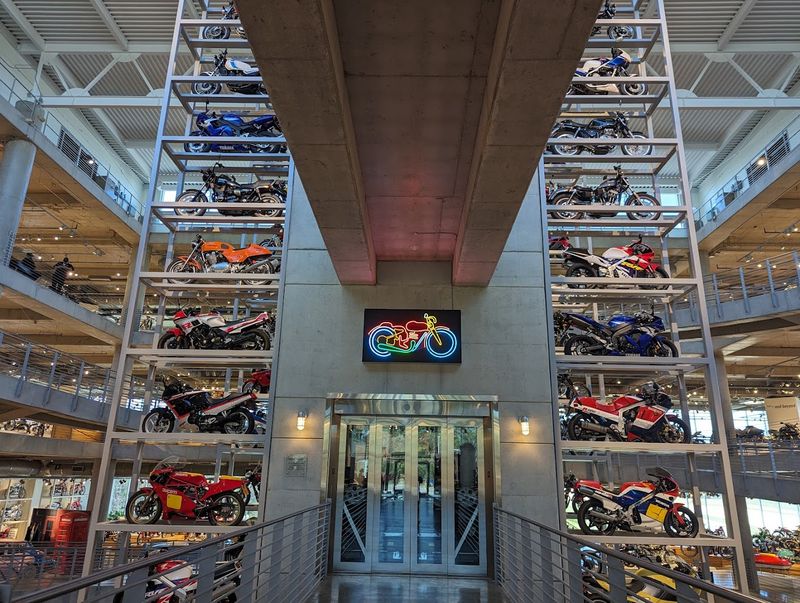
Numbers can be hard to picture, but standing inside the Barber Museum and looking across floor after floor of motorcycles makes 1,600 feel very, very real. The collection has grown steadily over the decades and now includes well over 1,600 bikes representing more than a century of engineering evolution.
New acquisitions and ongoing restorations keep the number climbing.
What makes the count even more impressive is the range. You will find delicate machines from the early 1900s sitting just a short walk away from cutting-edge racing prototypes.
Each era of motorcycle design gets its fair share of representation, and the variety of styles, sizes, and purposes on display is staggering.
Many museums freeze their collections in place, but Barber actively adds to its holdings. Donations, purchases, and partnerships with private collectors all feed the ever-growing roster.
Staff members evaluate each potential addition carefully, making sure new bikes contribute meaningfully to the story the museum is trying to tell. The result is a living, breathing archive that rewards every visit with something new to discover and appreciate.
Motorcycling History From Around the World
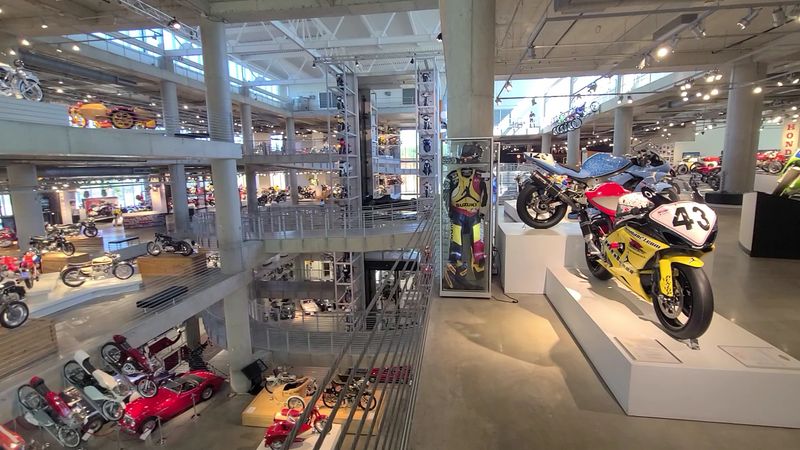
Most people think of motorcycles as an American or Japanese invention, but the truth is far more international. The Barber Museum’s collection spans manufacturers from dozens of countries, turning the entire building into a global tour of two-wheeled innovation.
British Triumphs, Italian MVs, German BMWs, and early American Indians all share the same floors.
Tracing the history of motorcycles through this collection reveals how different cultures approached the same mechanical challenge in wildly different ways. European manufacturers often prioritized handling and performance, while American brands leaned into power and personality.
Asian manufacturers later revolutionized reliability and affordability for riders worldwide.
Early 1900s machines look almost fragile compared to modern racing technology, yet both represent the best engineering of their time. Seeing them displayed side by side creates a fascinating visual timeline that no textbook can replicate.
Visitors from other countries often feel a personal connection when they spot a bike from their home nation tucked among the exhibits. That sense of shared global heritage is one of the things that makes the Barber Museum genuinely special — it belongs to motorcycle history everywhere, not just in Alabama.
A Five-Story Architectural Showcase
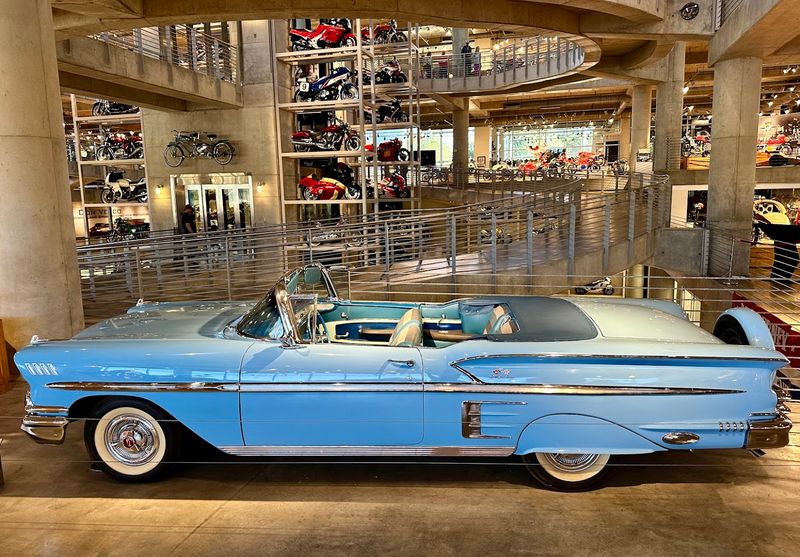
Before you even look at a single motorcycle, the building itself stops you in your tracks. The Barber Museum’s 144,000-square-foot structure was designed specifically to display bikes as art, and every architectural decision reflects that goal.
Soaring ceilings, open sightlines, and carefully positioned lighting make the space feel more like a world-class art gallery than a storage facility.
A massive central elevator connects all five levels, and visitors are encouraged to explore each floor at their own pace. From certain vantage points, you can look up or down and see dozens of bikes arranged at different heights, creating visual layers that reward careful attention.
Some machines are even suspended from the ceiling, giving the displays a sense of motion and drama.
Architect Dodd Mitchell designed the building with the collection in mind from the very beginning. That collaboration between architecture and curation shows in every corner of the facility.
Natural light filters in through strategic window placement, while interior lighting highlights chrome, paint, and mechanical detail on every machine. Visiting this museum is not just about what you learn — it is genuinely about how the whole experience looks and feels from the moment you walk through the front doors.
Founded by Visionary Collector George Barber
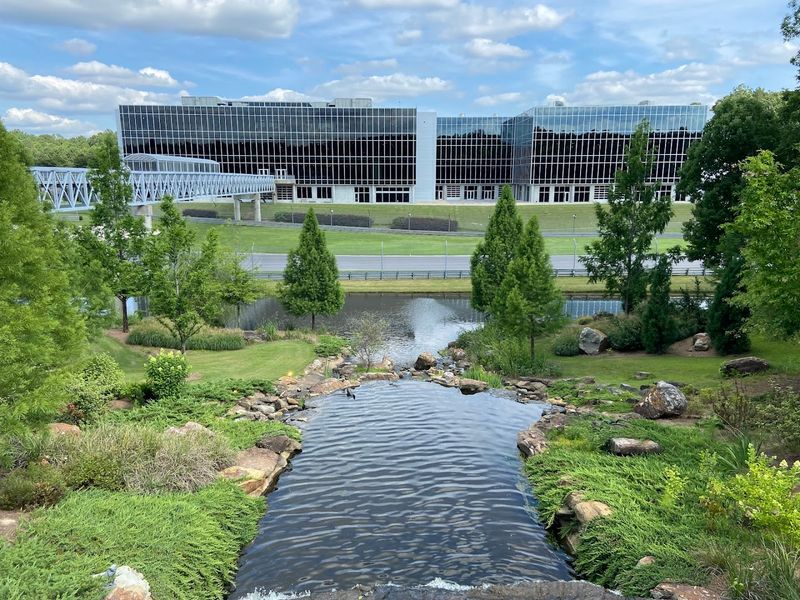
Behind every great collection, there is usually one person with an extraordinary vision and the determination to see it through. For the Barber Museum, that person is George W.
Barber — a former amateur racer, successful entrepreneur, and lifelong motorcycle enthusiast who turned a personal obsession into one of Alabama’s most celebrated cultural landmarks.
Barber started collecting motorcycles the way many enthusiasts do — slowly, deliberately, and with a deep appreciation for mechanical craftsmanship. But his collection grew faster than any private garage could contain.
Recognizing that the machines deserved a proper home, he committed to building a world-class facility that would preserve and celebrate motorcycle history for generations to come.
The financial investment required was enormous, and the project represented one of the most significant private philanthropic efforts in Alabama’s history. Barber did not simply write a check and walk away — he remained deeply involved in the museum’s direction, curation standards, and overall vision.
His philosophy was that these machines should be preserved in running condition whenever possible, not just displayed as static relics. That hands-on approach set the tone for everything the museum stands for today, making it one of the most respected motorsports institutions in the world.
More Than Motorcycles: Rare Cars and Racing Legends
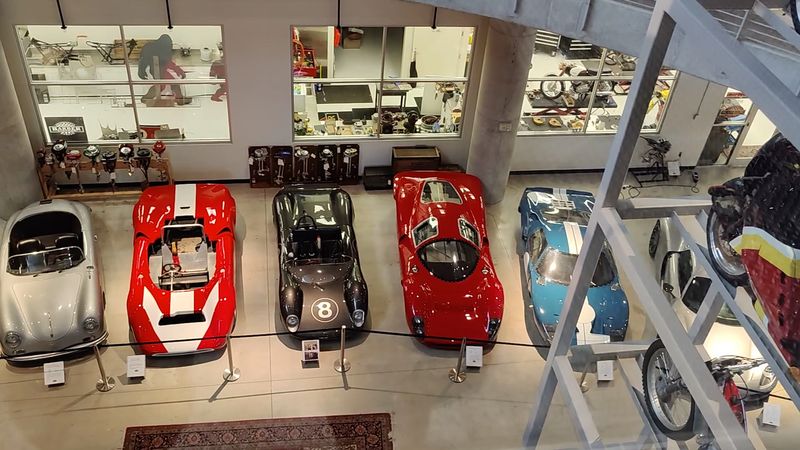
Walk far enough through the Barber Museum and you will stumble across something unexpected — an extraordinary collection of automobiles that rivals entire dedicated car museums. While motorcycles rightfully claim the starring role here, the automotive exhibits add a whole new layer of depth for visitors who love all forms of motorsport.
The crown jewel of the car collection is the world’s largest assembly of Lotus race cars. Colin Chapman’s legendary British brand transformed Formula racing through radical engineering ideas, and seeing so many of his creations gathered in one place is genuinely breathtaking.
Each Lotus tells a story about a specific era of open-wheel racing innovation.
Beyond Lotus, the museum houses other significant racing and road cars that complement the motorcycle displays beautifully. The shared theme across every exhibit — two wheels or four — is the relentless human pursuit of speed, efficiency, and mechanical elegance.
Visitors who arrive expecting only motorcycles often find themselves spending just as much time studying the automotive section. It transforms the Barber Museum from a single-interest destination into a comprehensive motorsports experience that appeals to a remarkably broad audience of racing fans and history lovers alike.
Located Inside a World-Class Motorsports Park
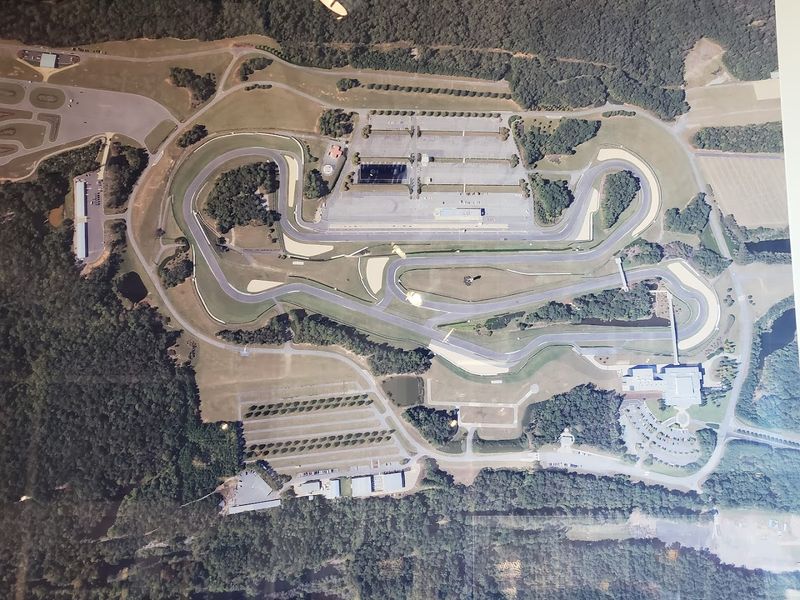
The museum does not exist in isolation — it sits at the heart of Barber Motorsports Park, an 880-acre complex that is one of the premier racing destinations in North America. That setting transforms a museum visit into a full motorsports experience that goes well beyond looking at exhibits indoors.
The park’s championship road course regularly hosts major racing events, including IndyCar Series rounds and national-level motorcycle competitions. On race weekends, the energy around the museum spikes dramatically, with fans, teams, and machines filling the grounds in ways that make the exhibits inside feel connected to living, breathing racing culture.
Even on quiet days between events, the road course and surrounding grounds are beautiful to explore. Rolling hills, manicured landscapes, and the distant hum of the occasional test session create an atmosphere unlike any ordinary museum campus.
Visitors can grab a bite at the park’s facilities, walk the grounds, and soak in the scenery before heading back inside to continue exploring the collection. Combining a museum visit with the broader park experience makes a trip to Leeds feel like a full day well spent — and many visitors find themselves planning a return trip before they even reach their car.
A Living Collection — Not Just Static Displays
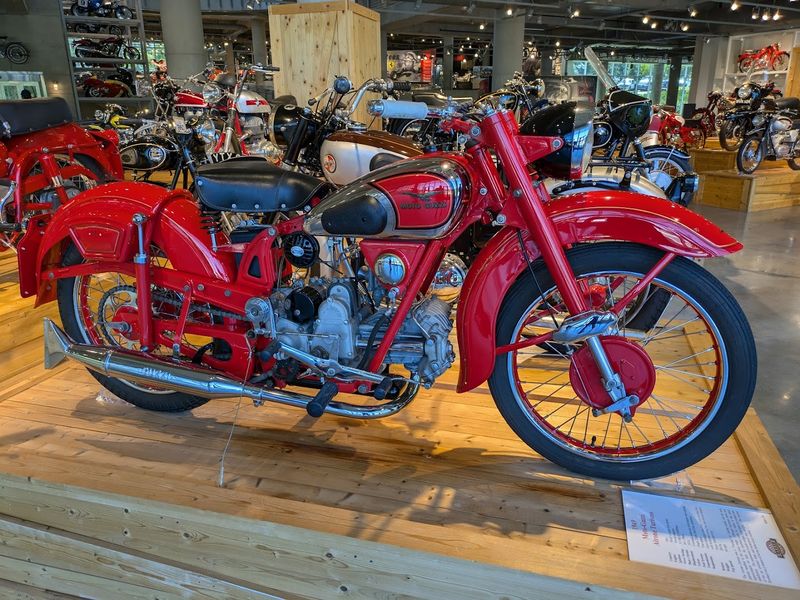
Most museums treat their artifacts with a simple rule: look but do not touch, and definitely do not run the engine. The Barber Museum takes a fundamentally different approach.
A large portion of the collection is maintained in fully operational condition, and restoration work happens continuously on-site in a working shop that visitors can sometimes observe directly.
That commitment to mechanical function changes how the machines feel. Knowing that a 1920s motorcycle could theoretically fire up and roll out of the building adds a sense of vitality that purely static displays simply cannot match.
The bikes feel alive rather than retired, preserved rather than frozen.
The restoration team at Barber includes skilled mechanics and craftspeople who specialize in tracking down rare parts, rebuilding worn components, and returning machines to factory-correct condition. Their work is painstaking and often requires sourcing materials that have not been manufactured in decades.
Some restorations take years to complete properly. That dedication to authenticity is part of what makes the museum’s collection so respected among serious collectors and historians worldwide.
A machine here is never just a showpiece — it is a functioning piece of engineering history that someone worked hard to keep alive.
Rotating Exhibits and Deep Storage Collections
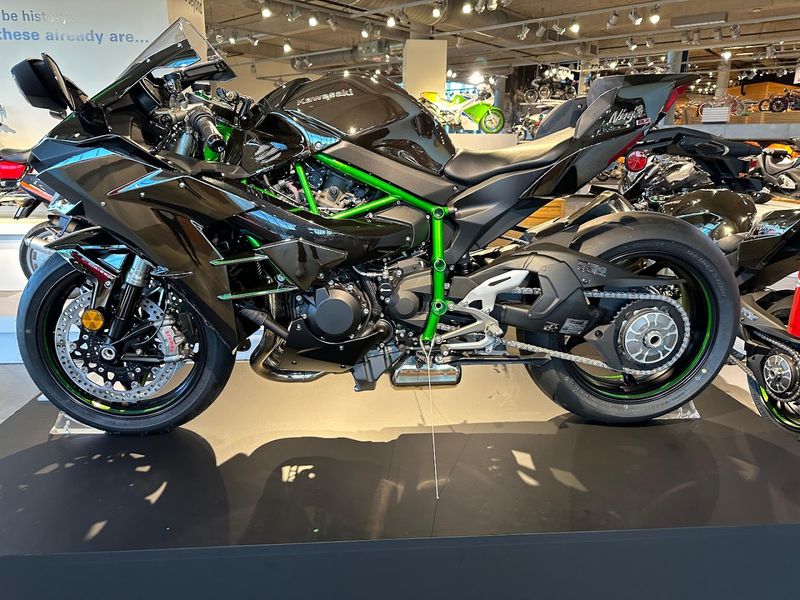
Here is something that surprises most first-time visitors: what you see on the museum floor is only part of the story. The Barber Museum maintains thousands of machines in storage and active restoration at any given time, meaning the displayed collection represents just a carefully curated slice of the full holdings.
That fact alone makes repeat visits feel genuinely worthwhile.
Exhibits rotate on a regular basis, cycling fresh machines into the main galleries and retiring others temporarily to storage or the restoration shop. Seasonal themes, special anniversaries, and manufacturer spotlights all influence which bikes get featured at any given moment.
Someone who visited two years ago might walk in today and encounter an entirely different set of highlights.
Premium behind-the-scenes tours occasionally give guests access to storage and workshop areas not visible from the main exhibit floors. Those experiences offer a raw, unpolished look at the sheer volume of material the museum manages — rows of bikes in various states of completion, shelves of rare parts, and projects in progress that hint at future exhibits.
For hardcore enthusiasts, that backstage glimpse can be even more exciting than the finished displays upstairs. The depth of what Barber holds is genuinely staggering when you see it all at once.
Essential Visitor Information
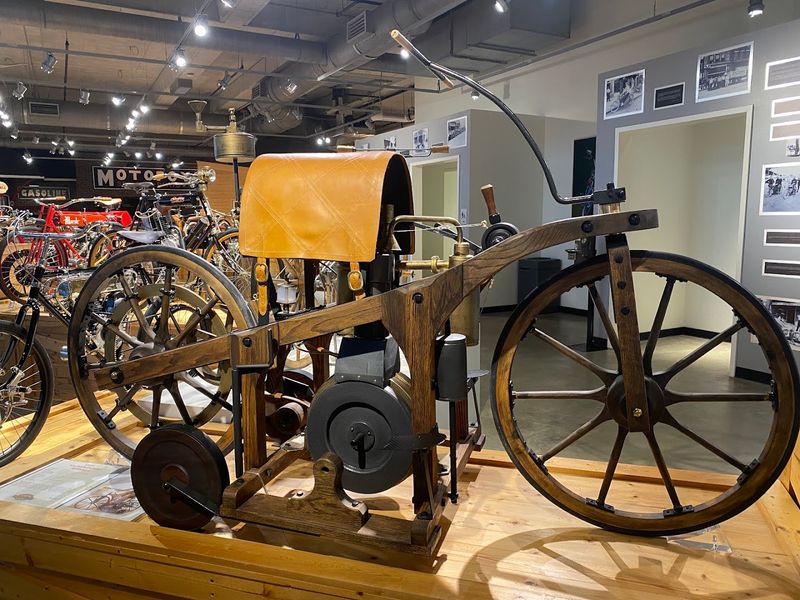
Planning a trip to the Barber Museum is straightforward, but a little preparation goes a long way toward making the most of your visit. The museum is located at 6030 Barber Motorsports Parkway in Leeds, Alabama — just a short drive from downtown Birmingham and easily accessible from Interstate 20.
Hours generally run Monday through Saturday during daytime hours, with shorter hours on Sundays. The museum closes on major holidays, so checking the official website before you go is always a smart move.
Admission prices are reasonable for the scale of what you get, and children often receive discounted rates that make family visits very affordable.
Premium guided tours are available for visitors who want a deeper experience. These optional add-ons can include access to restoration areas and behind-the-scenes spaces not open to general admission guests.
Comfortable walking shoes are strongly recommended — five floors of exhibits cover a lot of ground, and most visitors spend several hours exploring before they feel ready to leave. Parking is free and plentiful on the Barber Motorsports Park grounds.
If you are visiting during a race weekend, arrive early to avoid crowds. Either way, budget a full day — this is not a one-hour stop.