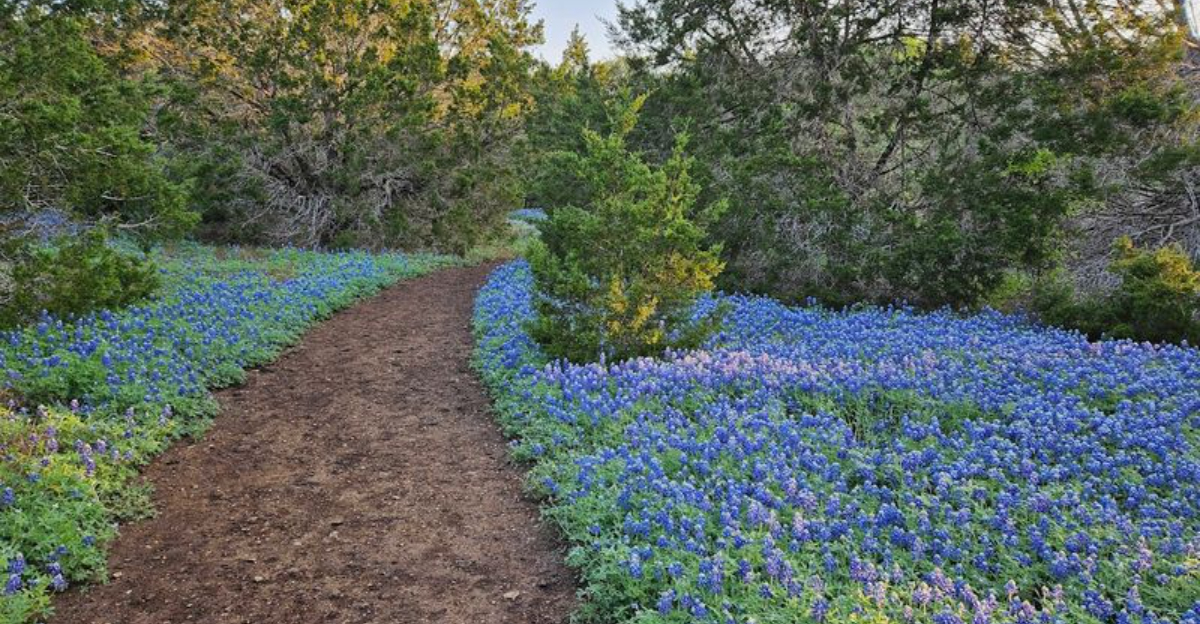
Tucked inside northwest Austin, St. Edward’s Greenbelt offers one of the city’s most rewarding outdoor escapes — a 2.7-mile loop that winds through shaded creek valleys, over limestone hills, and past seasonal waterfalls draped in wildflowers.
You don’t have to drive hours into the Texas Hill Country to feel like you’ve left the city behind.
This trail blends natural beauty with accessibility, making it a favorite for families, dog owners, and anyone craving a quick but memorable hike.
Whether you’re chasing spring blooms or a cool splash in Bull Creek, this hidden gem consistently delivers.
Trail Overview: A Hill Country Loop in the Heart of Austin
Not every great hike requires a road trip. St. Edward’s Greenbelt packs serious Hill Country character into a compact 2.7-mile loop that sits right inside Austin city limits, making it one of the most accessible nature escapes in Central Texas.
The loop combines the Green and Red trails, threading through a mosaic of shaded creek corridors, open limestone ridges, and narrow singletrack paths that keep things interesting from start to finish. Elevation changes are moderate — enough to get your heart rate up without feeling brutal — and the terrain shifts noticeably as you move between canyon walls and hilltop clearings.
What makes this trail stand out among Austin’s many greenbelts is the variety packed into a short distance. Creek crossings, canopy cover, rocky outcrops, and wildflower meadows all appear within the same loop.
Locals return here again and again because no two visits feel exactly the same. Seasonal changes, water levels, and blooming cycles keep the experience fresh throughout the year.
If you’ve never hiked St. Edward’s Greenbelt, consider this your invitation to find out what the buzz is about.
Trailhead and Logistics: What to Know Before You Go
Knowing the logistics before you arrive can save a lot of frustration. The main access point for St. Edward’s Greenbelt is the parking area along Spicewood Springs Road, which fills up fast — especially on weekend mornings and sunny spring days when half of Austin seems to have the same idea.
Arriving before 8 a.m. on weekends dramatically improves your chances of snagging a spot. Weekday mornings are generally calmer and offer a more peaceful experience overall.
Street parking nearby is limited, so planning ahead matters. There’s no fee to park or enter, which is a welcome bonus in a city where outdoor recreation costs keep climbing.
Pack smart before heading out. A reusable water bottle is essential since there are no water stations on the trail.
Sturdy, closed-toe shoes with decent grip handle the limestone and creek crossings far better than sandals or sneakers. Downloading a trail map app like AllTrails before you leave home helps with navigation, especially at unmarked intersections.
Sunscreen, a light snack, and bug spray round out the basics. The hike typically takes between one and two hours depending on pace and how long you linger at the creek.
Navigation and Terrain: Reading the Trail Like a Local
First-time visitors sometimes feel a little uncertain at the trailhead, but the color-coded post system on St. Edward’s Greenbelt makes navigation surprisingly manageable. Green posts mark one trail, red marks another, and following them in sequence creates the full loop without backtracking.
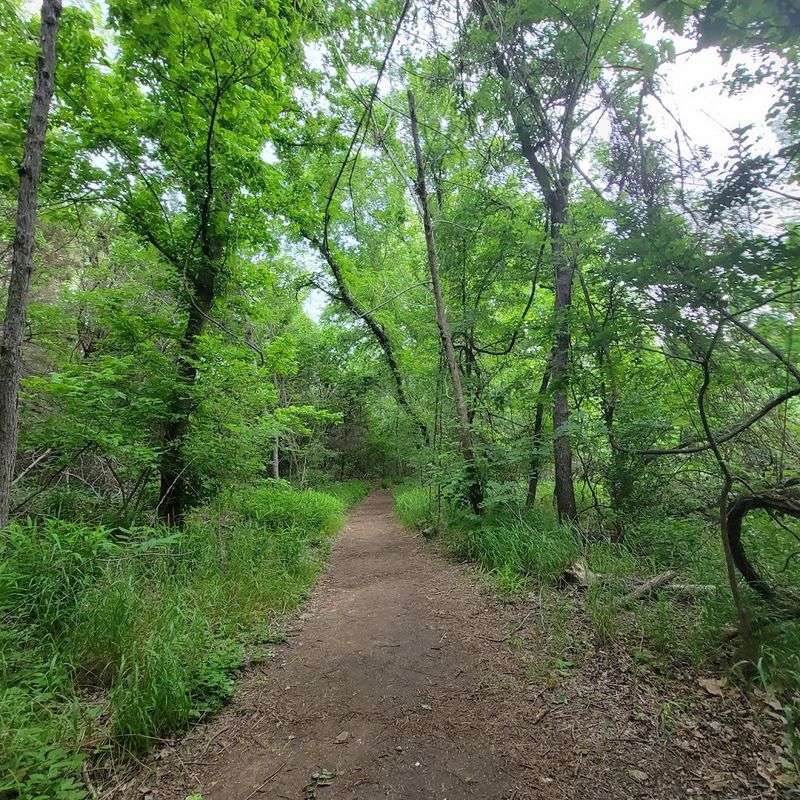
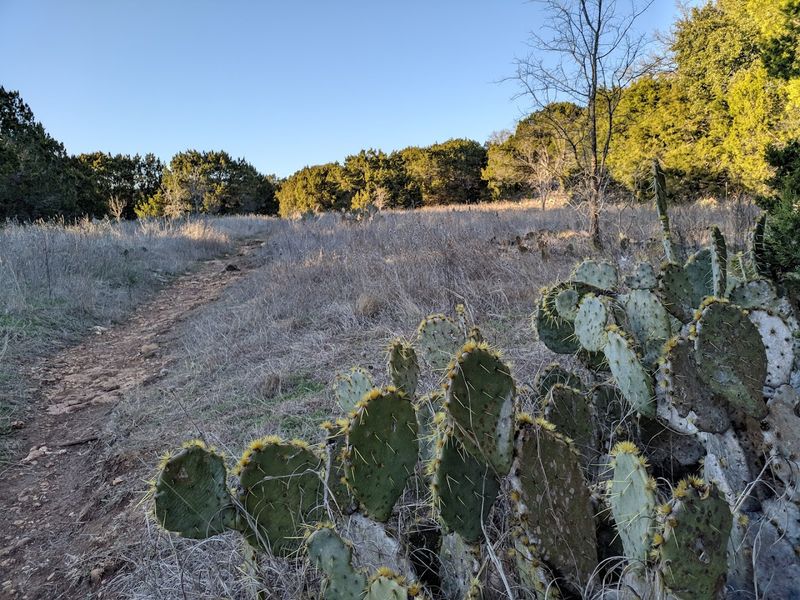
The terrain itself is a genuine mix. Expect stretches of narrow singletrack that wind through juniper and live oak canopy, giving the trail a cool, shaded feel even on warmer days.
Limestone shelves jut out from hillsides in places, and the ground can shift quickly from packed dirt to loose rock. Paying attention underfoot — especially on descents — prevents slips and twisted ankles.
Creek crossings are part of the fun and part of the challenge. After rainfall, some crossings become more than just a hop across stepping stones.
Water levels can rise quickly in Central Texas, so always check recent trail conditions before heading out. The modest elevation gain throughout the loop adds a satisfying workout element without tipping into strenuous territory.
Hikers with some trail experience will feel comfortable, and beginners who take their time will do just fine. Trekking poles are helpful but not required for most conditions.
Waterfalls and Creek Features: The Trail’s Most Memorable Moments
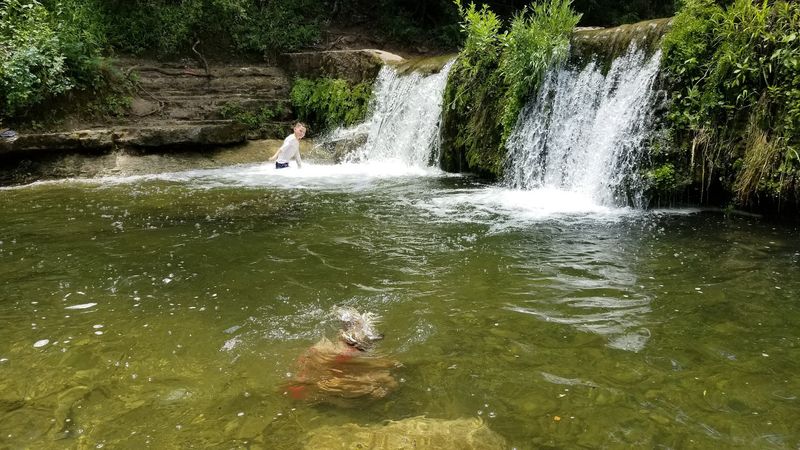
Ask anyone who has hiked St. Edward’s Greenbelt after a good rain, and they’ll likely mention the waterfalls first. Bull Creek runs through the heart of the greenbelt, and when water levels are up, limestone ledges transform into natural slides and cascades that genuinely stop hikers in their tracks.
The waterfalls here aren’t towering cliffs — they’re intimate, layered ribbons of water tumbling over flat rock shelves in a way that feels almost theatrical. After a heavy spring rain, multiple tiers of water appear along the creek, and the sound alone is worth the trip.
Popular access points along the trail allow hikers to scramble down to the water’s edge for a closer look or a quick cool-off.
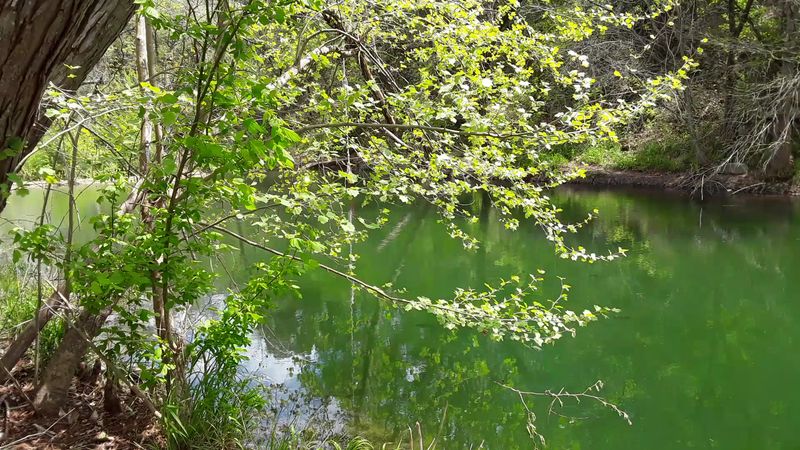
Swimming holes emerge in warmer months when water levels settle into calm, clear pools between the rock formations. These spots attract families, photographers, and dogs equally.
Water levels fluctuate dramatically by season — spring rains bring the most dramatic displays, while late summer can reduce the creek to a trickle. Checking recent hiker reports on trail apps gives a realistic picture of what to expect on any given day.
Either way, the creek corridor remains one of the most scenic stretches of trail in Austin.
Wildflowers and Hill Country Flora: Color That Stops You Mid-Step
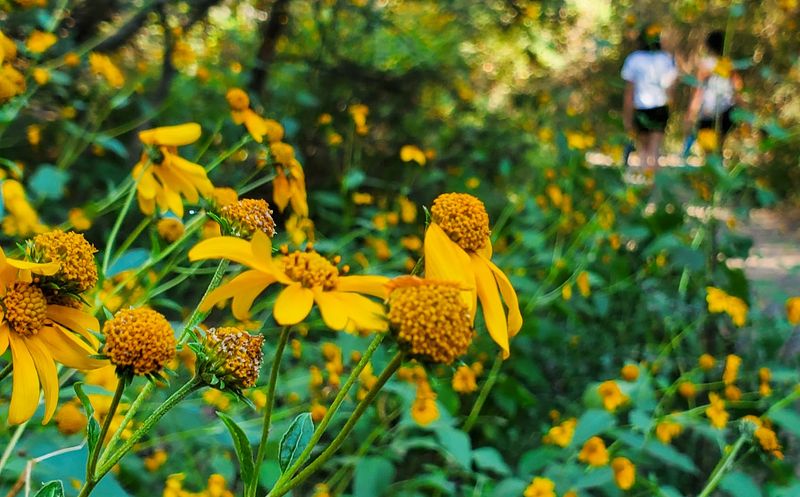
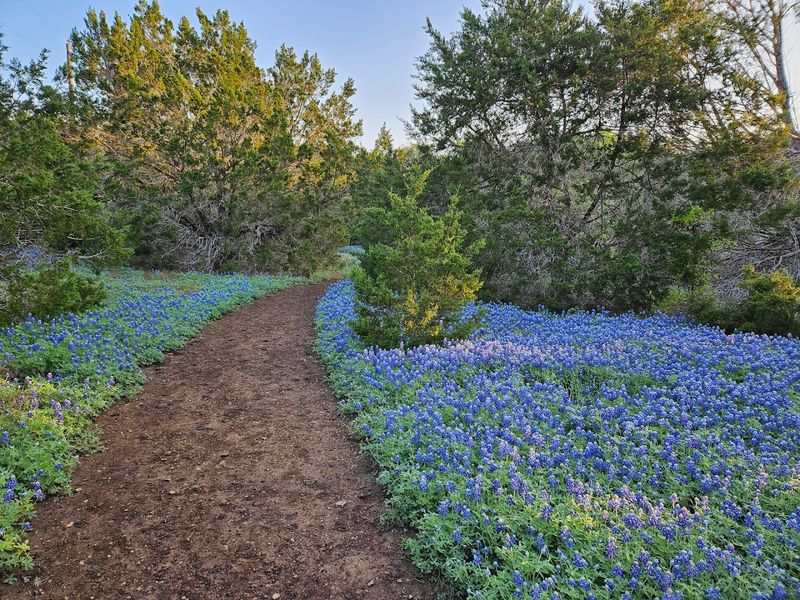
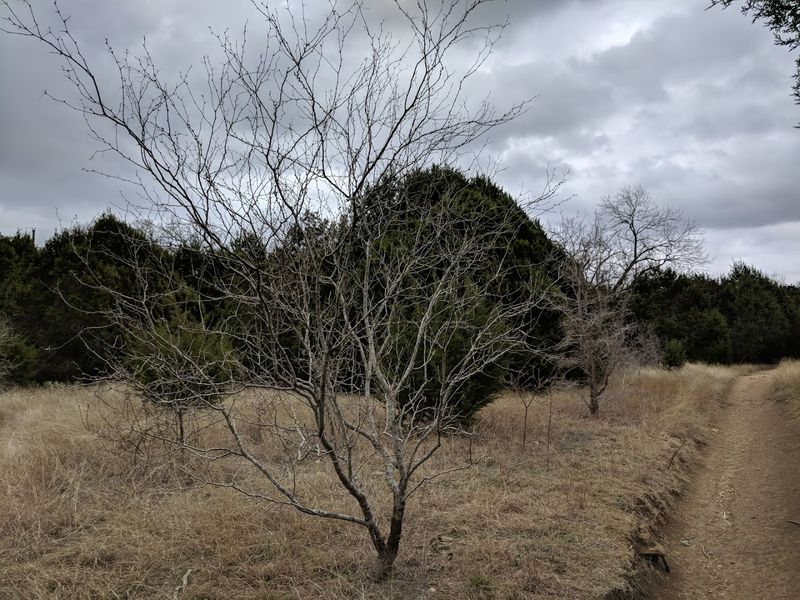
Springtime on this trail is something special. Bluebonnets — Texas’s beloved state flower — push up through rocky soil along the hillsides in March and April, turning entire slopes into pools of violet-blue that contrast beautifully against the pale limestone and green brush.
Indian paintbrush adds vivid orange-red splashes beside the path, and yellow wildflowers fill in the gaps between rock formations. The combination creates a patchwork of color that draws photographers and casual hikers alike.
Butterflies work the blooms constantly during peak season, and dragonflies hover over the creek in the warmer months, adding movement and life to an already vibrant scene.
Beyond spring, the trail’s flora shifts in quieter but still interesting ways. Summer brings deep green canopy overhead, with ferns tucking into moist creek banks.
Fall introduces warmer amber and rust tones as certain plants begin their seasonal transition. Even in winter, the evergreen junipers keep the trail from feeling bare.
The Hill Country plant mix here — a blend of cedar, oak, native grasses, and seasonal wildflowers — reflects the unique ecology of the Edwards Plateau in a setting that feels genuinely wild despite being minutes from downtown Austin.
Wildlife and Natural Surroundings: More Than Just a Pretty Walk
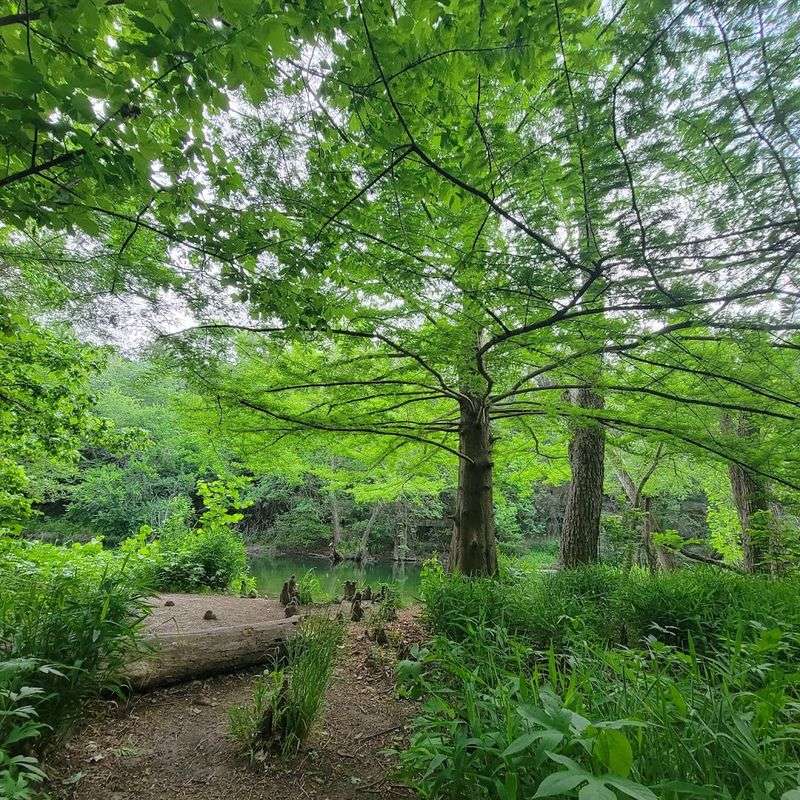
Wildlife encounters on this trail range from the expected to the surprisingly delightful. White-tailed deer move quietly through the cedar and oak understory, often appearing just off the path in the early morning hours when foot traffic is light.
Spotting one feels like a small reward for getting out early.
Bird activity along the creek is consistently rich. Listen for the loud, distinctive call of the canyon wren echoing off limestone walls, or watch for belted kingfishers darting low over the water.
The mix of open hillside and dense riparian woodland creates overlapping habitat zones that support a wide variety of species. Birders who bring binoculars will find plenty to occupy their attention throughout the loop.
Reptiles are common too — Texas spiny lizards bask on warm rocks, and the occasional nonvenomous water snake may be spotted near creek crossings. Giving wildlife space is always the right call.
The greenbelt’s ecological diversity stems from its position along the Balcones Escarpment, where Hill Country species meet the blackland prairie. Nature photographers will find compelling subjects in every season, from macro shots of creek insects to wide landscape frames of the bluffs above Bull Creek.
The trail rewards slow, attentive walkers most generously.
Seasonal Considerations: Timing Your Visit for the Best Experience
Spring — roughly February through April — is the undisputed peak season for this trail. Wildflowers are blooming, water levels are up from winter and spring rains, and temperatures hover in a comfortable range that makes hiking genuinely pleasant.
Waterfalls are most dramatic after March rain events, and the hillsides turn vivid with color almost overnight.
Summer brings its own appeal, even as temperatures climb. The tree canopy along the creek corridor provides meaningful shade, and Bull Creek offers natural cooling stations along the route.
Early morning summer hikes before 9 a.m. are far more comfortable than midday attempts and tend to offer better wildlife sightings before the heat of the day sets in.
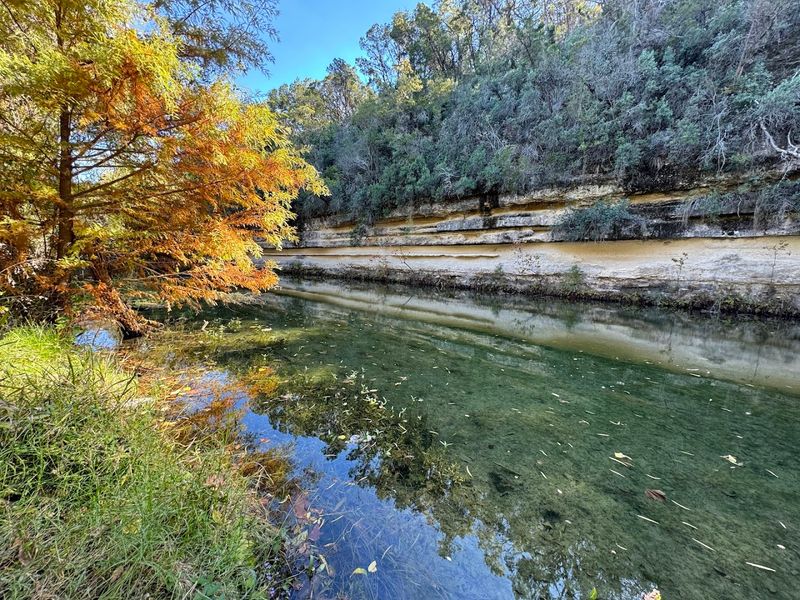
Fall is underappreciated on this trail. Crowds thin, temperatures ease, and the creek banks take on warmer golden tones as the season shifts.
Rock formations and bluff views become more visible as some vegetation thins out. Winter hikes are quiet and peaceful, with a stripped-back beauty that regulars genuinely enjoy.
The limestone outcrops stand out dramatically against bare branches, and the trail never fully loses its character even without blooms or flowing water. Every season offers a reason to come back.
Safety and Trail Etiquette: Hiking Smart on Shared Paths
Wet limestone is no joke. After any significant rainfall, the rocks along creek crossings and hillside paths become genuinely slick, and a confident stride can turn into a stumble faster than expected.
Waterproof trail shoes or hiking boots with solid rubber grip are strongly recommended for anyone planning to hike after recent rain.
Wildlife awareness matters on this trail year-round. While most encounters involve harmless species, the greenbelt is rattlesnake country.
Staying on the marked path, watching where you step — especially near rock piles and brush — and keeping dogs leashed reduces risk significantly. Never reach into crevices or under rocks without looking first.
Trail etiquette keeps the experience positive for everyone. On narrow singletrack sections, uphill hikers generally have the right of way, though a little flexibility and communication go a long way.
Yield to mountain bikers where applicable, and keep noise at a level that lets others enjoy the natural soundscape. Pack out everything you bring in — the greenbelt stays clean because the community that uses it consistently makes that effort.
Sharing trail conditions in real-time through apps like AllTrails is a genuinely helpful contribution that benefits every hiker who comes after you.
Pets, Families, and Accessibility: A Trail That Welcomes Everyone
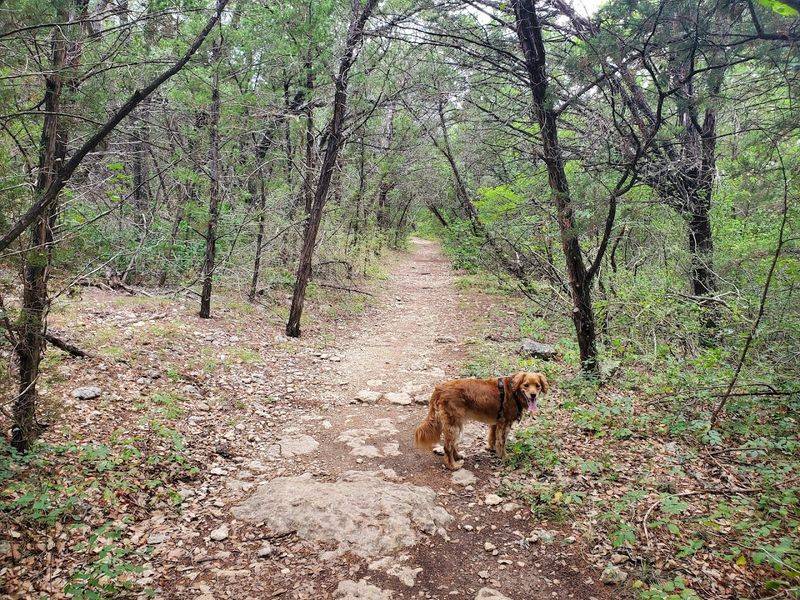
One of the best things about St. Edward’s Greenbelt is how genuinely welcoming it feels to a wide range of visitors. Families with kids in the 6-to-12 age range tend to do especially well here — the creek crossings feel like adventures, the wildflowers spark curiosity, and the 2.7-mile distance is manageable without being exhausting for younger legs.
Dogs are allowed on leash throughout the trail, and Bull Creek provides natural drinking and wading opportunities that most dogs find irresistible. Owners should keep leashes on at all times — both for wildlife protection and out of courtesy to other hikers who may not share the same enthusiasm for an off-leash encounter.
Picking up after pets is a basic expectation that keeps the trail enjoyable for everyone.
Facilities are minimal at the trailhead — no restrooms, no water stations, and no food vendors. Planning accordingly makes the outing smooth rather than stressful.
The trail’s terrain isn’t stroller-friendly due to creek crossings and rocky sections, so a child carrier works better for toddlers. Older adults and casual hikers who take their time will find the elevation manageable and the shaded creek sections genuinely refreshing.
The trail’s character rewards those who slow down and pay attention.
Nearby Amenities and After-Hike Options: Fueling Up in Northwest Austin
Finishing a hike always feels better when a good meal or cold drink is waiting nearby. Northwest Austin has developed into a genuinely solid dining and coffee scene over the past decade, and the area around St. Edward’s Greenbelt puts hikers within easy reach of several solid options.
Local coffee shops along the nearby 183 and Spicewood Springs Road corridor make for a natural post-hike stop. A cold brew or iced latte hits differently after a sweaty creek crossing.
For something more substantial, the Domain shopping area is a short drive away and offers everything from casual tacos to sit-down brunch spots. Austin’s food truck culture also extends into this part of the city, so keeping an eye out for rotating spots near major intersections is always worthwhile.
Beyond food and coffee, the greenbelt’s location opens up easy connections to other natural areas. Bull Creek District Park sits nearby and offers additional swimming and picnic options.
The Balcones Canyonlands National Wildlife Refuge is a reasonable drive for those who want to extend the day into a bigger nature experience. Northwest Austin neighborhoods around the trailhead also feature quiet streets and parks worth wandering through if you’re still feeling energized after the loop.