Montana is one of those places that makes you feel small in the best possible way.
From glacier-carved peaks to wild rivers and open prairies, the state is packed with outdoor adventures that are hard to find anywhere else.
Whether you are an experienced backpacker or a first-time camper, Montana has something spectacular waiting for you.
These 11 adventures are worth putting on your bucket list before 2026 passes you by.
Hiking the Highline Trail in Glacier National Park
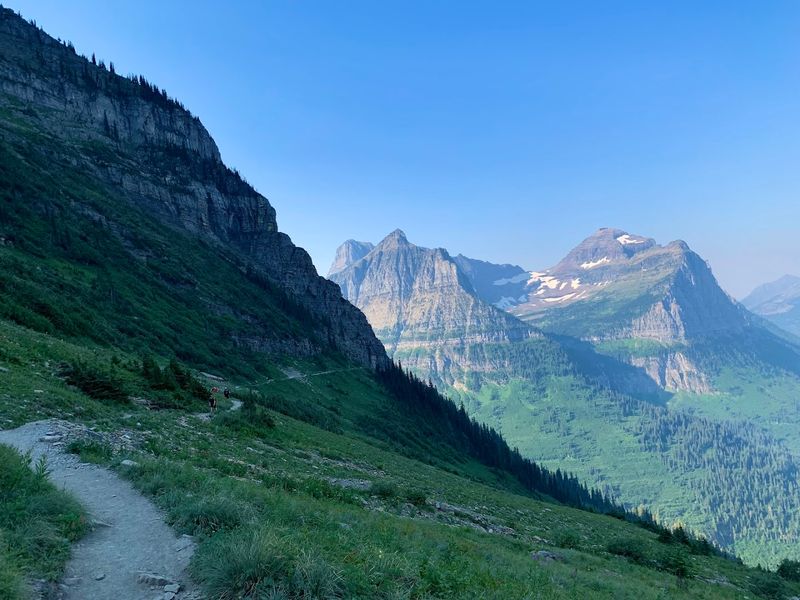
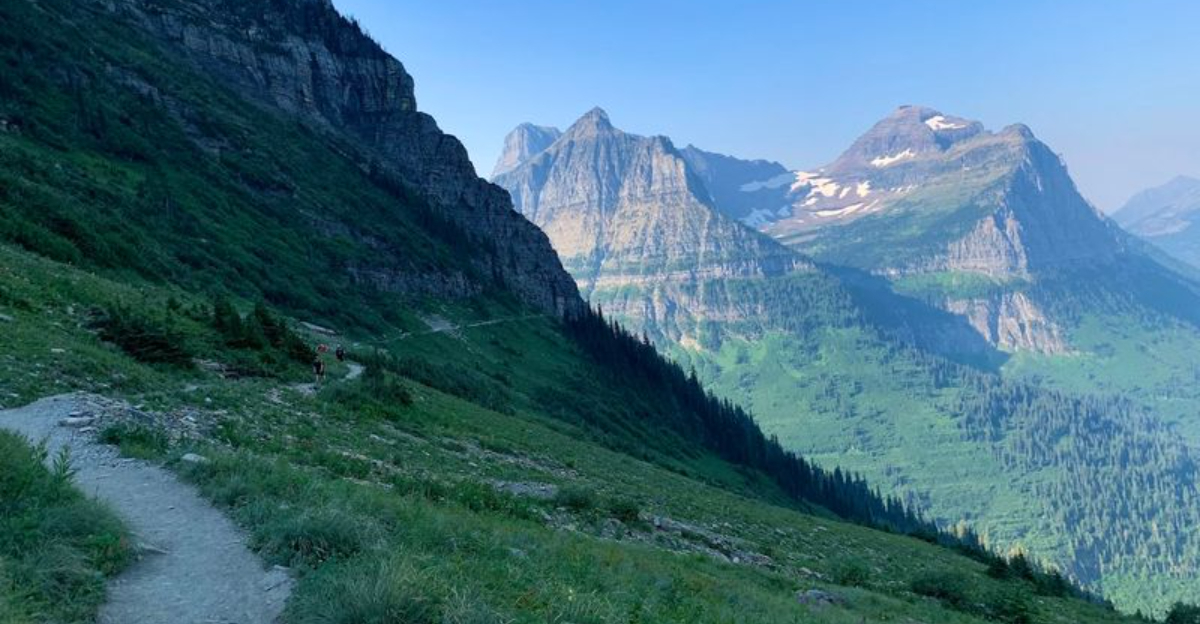
Stretching along the Continental Divide above the Garden Wall, the Highline Trail is the kind of hike that stays with you long after you return home. Starting near Logan Pass, the trail winds through some of the most jaw-dropping scenery in all of North America.
Mountain goats, bighorn sheep, and even grizzly bears have been spotted along this route.
The trail runs roughly 11.8 miles one way, with optional side trips to Grinnell Glacier Overlook for even more stunning views. Wildflowers blanket the alpine meadows during summer, making the landscape feel almost unreal.
The elevation stays relatively consistent, which is great news for hikers who want the views without a brutal climb.
Plan to start early in the morning to avoid afternoon crowds and to catch the best light on the peaks. Bring layers, since mountain weather can shift quickly even in July.
The Going-to-the-Sun Road provides easy access to the trailhead, and shuttle options make one-way hiking convenient. This trail is not just a hike — it is a full sensory experience that showcases why Glacier National Park is one of America’s crown jewels.
Whitewater Rafting the Gallatin River
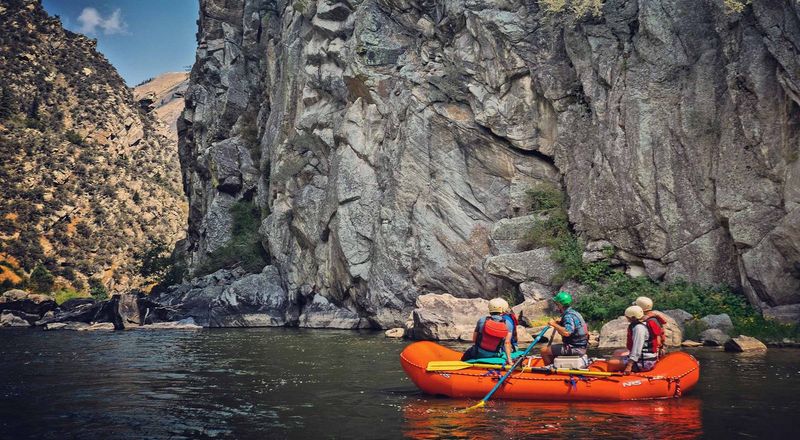
Few things get the heart pumping quite like dropping into the Mad Mile — a legendary stretch of the Gallatin River that throws Class III and IV rapids at you one after another. Located just outside Bozeman, the Gallatin Canyon is one of Montana’s most thrilling whitewater destinations, and the river runs strong and fast throughout the summer season.
Guided rafting trips are widely available, making this adventure accessible even for beginners who have never touched a paddle. Experienced outfitters walk you through safety basics before you hit the water, so you can focus on the fun rather than the fear.
The canyon scenery — towering walls, dense forest, and crystal-clear water — adds to the whole experience.
For those craving more challenge, some sections of the river push into advanced territory where only experienced paddlers should venture. The best rafting conditions typically run from late May through July when snowmelt keeps the water levels high and the rapids lively.
Bozeman is just a short drive away, making it easy to grab a meal and celebrate after your run. Pack a dry bag and a sense of humor — you will definitely get wet.
Paddling the Upper Missouri River Breaks
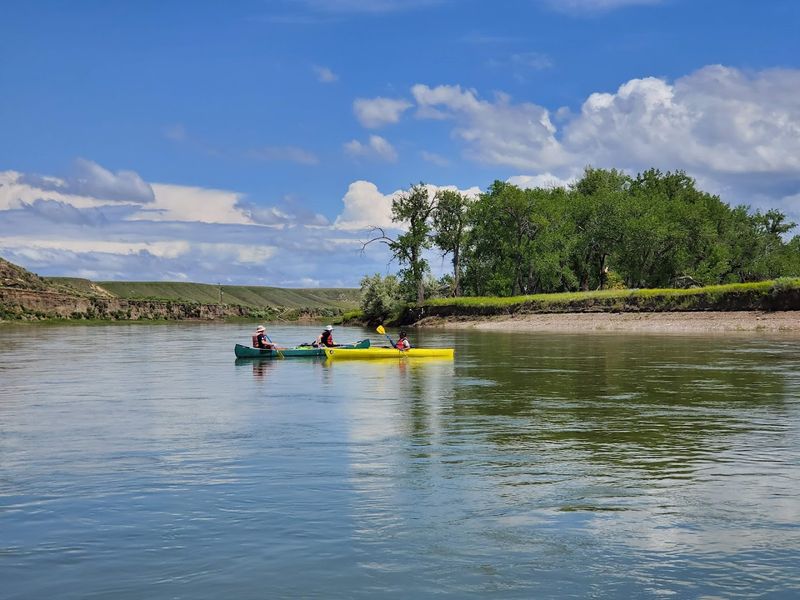
Imagine gliding silently past 150-foot white cliffs while eagles circle overhead and the only sound is your paddle cutting through calm water. That is exactly what a trip through the Upper Missouri River Breaks feels like.
This 149-mile stretch of the Missouri River in north-central Montana is one of the most remote and historically rich paddling routes in the country.
Lewis and Clark traveled this same corridor in 1805, and the landscape has changed remarkably little since then. Sandstone formations, eroded badlands, and wide prairie skies create a setting that feels almost prehistoric.
Wildlife is abundant — look for mule deer, pronghorn, golden eagles, and even the occasional mountain lion track along the banks.
Most paddlers take between five and ten days to complete the full route, camping on sandy riverbanks under enormous star-filled skies. Canoes and kayaks both work well on the mostly calm water, though wind can be a factor in open sections.
The Bureau of Land Management oversees the area and provides helpful trip-planning resources online. Whether you are a history buff, a wildlife lover, or simply someone who needs wide-open space, this paddling adventure delivers in every possible way.
Rock Climbing in the Bitterroot Valley
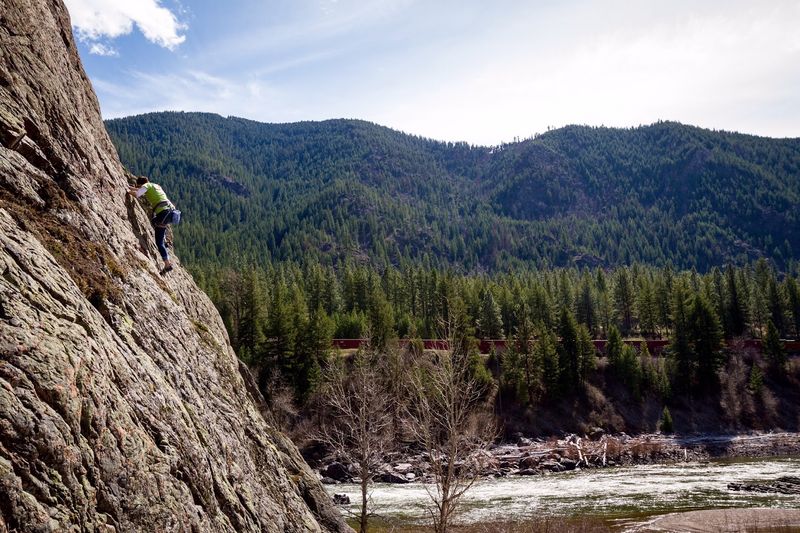
The Bitterroot Valley does not always get the same headlines as Glacier or Yellowstone, but climbers who have spent time on its granite walls know it is something special. Blodgett Canyon is the crown jewel of the area, offering dramatic vertical routes on solid rock with mountain views that make rest stops feel like rewards in themselves.
Routes here range from beginner-friendly scrambles to serious multi-pitch climbs that challenge even seasoned alpinists. The rock quality in the Bitterroot is generally excellent — rough, grippy granite that gives your hands and feet solid purchase even on steep terrain.
Spring and fall tend to offer the best conditions, as summer afternoons can get warm on south-facing walls.
Hamilton, the main town in the valley, serves as a convenient base with gear shops, restaurants, and lodging options. Many climbers combine a Bitterroot trip with hiking or mountain biking, since the surrounding Selway-Bitterroot Wilderness has trails for every fitness level.
If you are new to climbing, local guiding services can introduce you to the basics in a safe and encouraging environment. There is something deeply satisfying about earning a summit on your own two hands — and the Bitterroot makes that feeling very easy to find.
Horseback Riding Through Big Sky Country
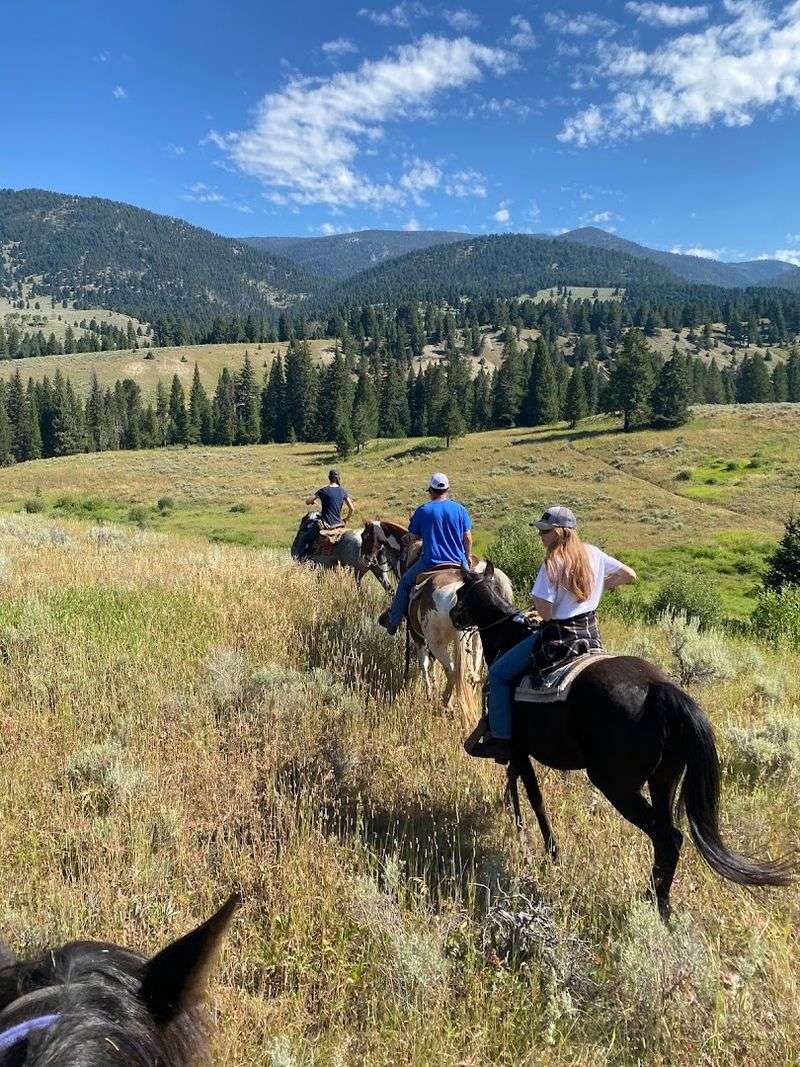
There is a reason Montana earned the nickname Big Sky Country, and nothing makes that vastness feel more real than seeing it from the back of a horse. Guided horseback rides through the valleys and mountain trails surrounding the Yellowstone region offer a window into the ranching traditions that have defined Montana for generations.
Many outfitters run trips that last anywhere from a couple of hours to several days, with overnight pack trips into the backcountry being among the most memorable options. You might spot elk grazing in a meadow, a hawk riding thermals above a ridge, or a herd of bison moving slowly across the plains.
The pace is unhurried, which gives you time to actually take it all in rather than rushing past.
Riders of all experience levels are welcome on most guided trips, and wranglers match guests to horses based on comfort and ability. The season typically runs from late spring through early fall, with July and August being the most popular months.
Wearing sturdy boots and bringing sunscreen and layers is always a good idea. Some ranches also offer complementary activities like fishing, campfire cookouts, and stargazing — making a horseback trip feel more like a full Montana immersion than just a single activity.
Hiking to Kootenai Falls and Crossing the Swinging Bridge
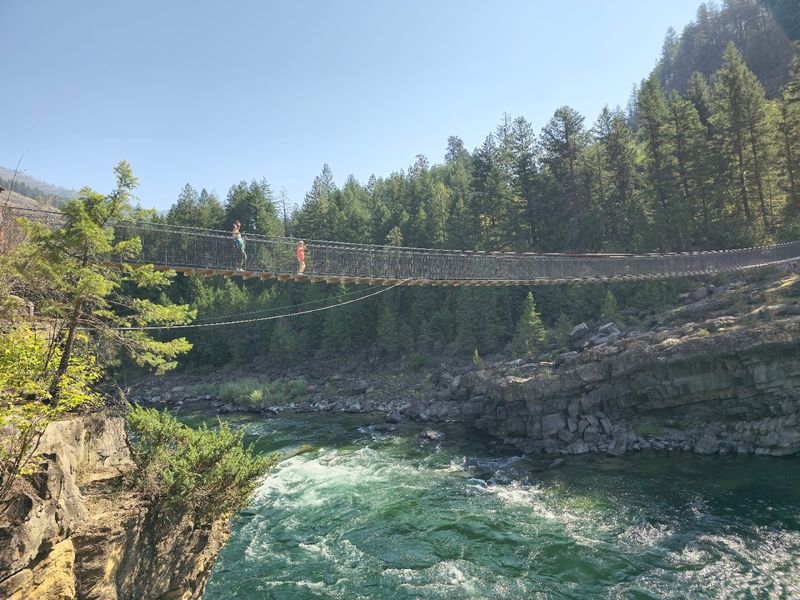
Kootenai Falls roars with a power that you feel in your chest before you even see the water. Located near the town of Libby in northwestern Montana, this is the largest undammed waterfall in the state — a wide, thundering cascade that drops over ancient rock shelves into a churning canyon below.
The spiritual significance of the falls to the Kootenai people adds a layer of meaning that makes visiting feel like more than just sightseeing.
The hike to reach the falls is relatively short and accessible, making it a great option for families or anyone looking for a high-impact experience without a grueling trek. A trail along the river leads you through a mixed forest of cedar and pine before opening up to dramatic views of the cascade.
The roar of the water grows louder with every step.
The highlight for many visitors is crossing the swinging suspension bridge built by the Civilian Conservation Corps during the 1930s. The bridge sways gently as you walk, offering a thrilling vantage point directly above the river gorge.
Early morning visits tend to be quieter, and the mist from the falls can create beautiful rainbow effects in good light. Pack good footwear since the rocks near the water can be slippery.
Exploring the Trails of Blue Mountain Recreation Area
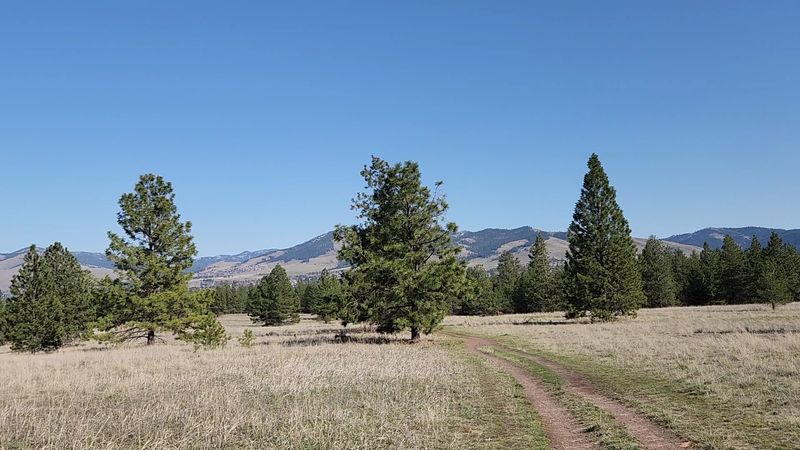
Just a short drive from downtown Missoula, Blue Mountain Recreation Area is proof that you do not need to travel far to find a genuine wilderness experience. The mountain offers a network of trails that weave through dense forest, open ridgelines, and rocky slopes — all with easy access and no entrance fee required.
It is one of Missoula’s best-kept outdoor secrets, beloved by locals and increasingly discovered by visitors.
Hikers, trail runners, and mountain bikers all share the terrain here, and the variety of routes means there is always something new to explore. Mule deer are commonly spotted along the lower trails, while wild turkeys and black bears make occasional appearances higher up the mountain.
Birders will find plenty to look at throughout the season as well.
The views from the upper ridges stretch across the Missoula Valley and into the surrounding mountain ranges, making the climb feel completely worth it. Trails range from easy loop walks to more demanding climbs, so the area works well for both casual visitors and serious fitness enthusiasts.
Bring water, especially during summer months when the exposed sections of trail can get warm. Blue Mountain is the kind of place where a quick two-hour outing can turn into a full day of happy exploring.
Backpacking in the Bob Marshall Wilderness
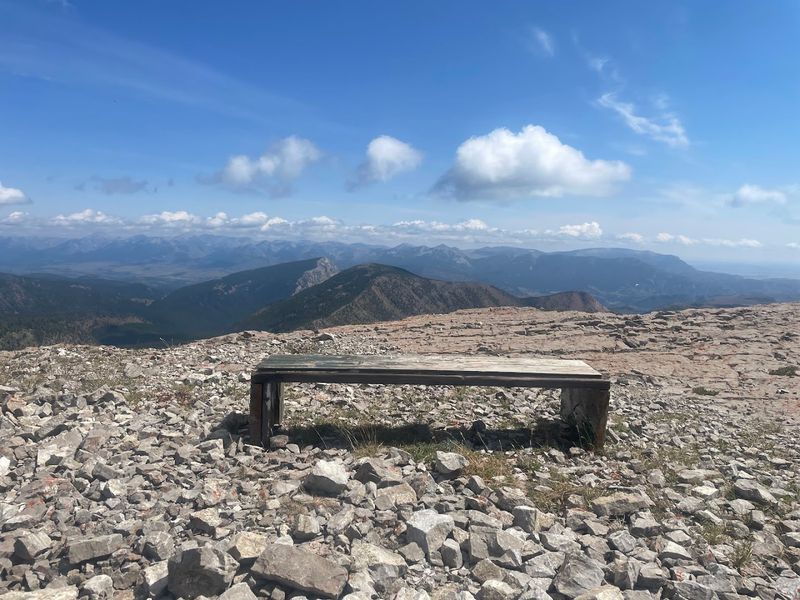
Known affectionately as The Bob, the Bob Marshall Wilderness Complex covers more than one million acres of wild, roadless land in the northern Rocky Mountains. It is one of the largest intact ecosystems in the continental United States, home to grizzly bears, wolves, mountain lions, elk, and wolverines.
For backpackers who want to experience true wilderness, this is about as real as it gets.
Trails lead through sweeping mountain passes, past turquoise alpine lakes, and along roaring rivers that have never been dammed or diverted. The Chinese Wall — a dramatic limestone escarpment stretching nearly 22 miles — is one of the most iconic landmarks in all of Montana’s backcountry.
Reaching it requires effort, but the reward is a view that few people ever get to witness firsthand.
Trip planning is essential here. Bears are active throughout the season, so proper food storage and bear awareness are non-negotiable.
Water sources are plentiful but should always be filtered. Most access points require a full day of hiking just to reach the heart of the wilderness, so plan on spending at least four to five nights to make the journey worthwhile.
Permits are not currently required, but Leave No Trace principles are strongly encouraged to protect this extraordinary landscape.
Boating and Swimming on Flathead Lake
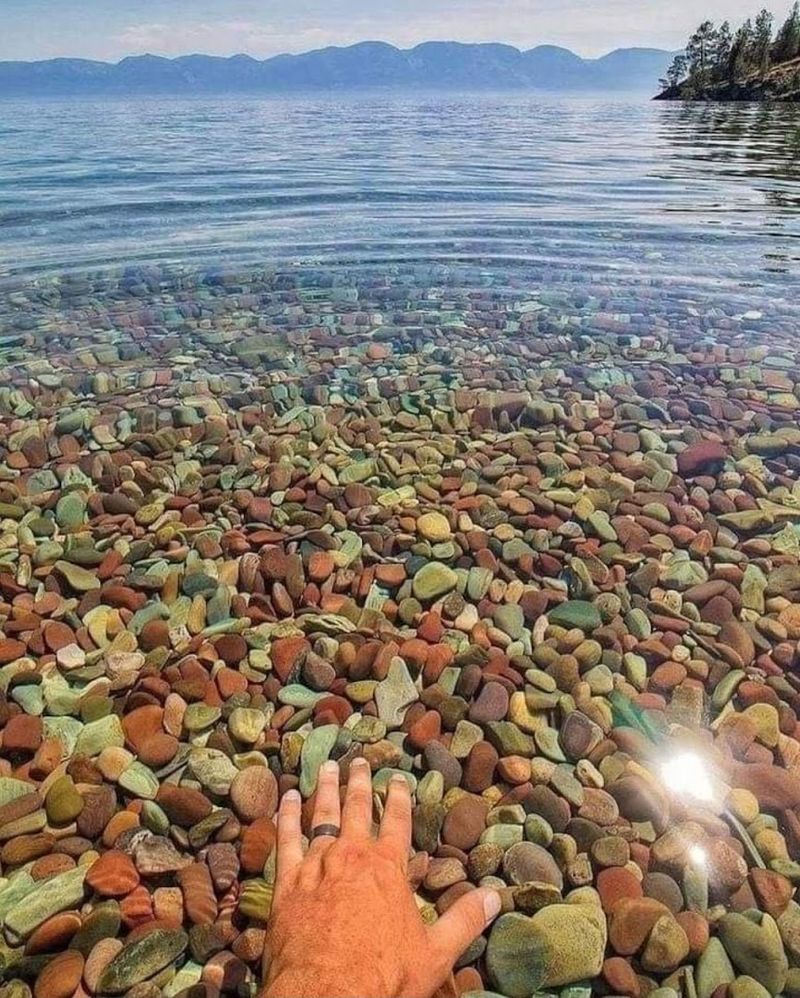
Flathead Lake holds the title of the largest natural freshwater lake west of the Mississippi River, and spending a summer day on its shores makes it easy to understand why people keep coming back year after year. The water is remarkably clear, the surrounding scenery is gorgeous, and the recreational options seem almost endless.
Sailing, kayaking, paddleboarding, fishing, and swimming are all popular ways to enjoy the lake.
The lake sits in the Flathead Valley between the Mission Mountains and the Salish Range, giving it a dramatic mountain backdrop on multiple sides. Wild Horse Island State Park, located in the middle of the lake, is accessible only by boat and is home to bighorn sheep, wild horses, and bald eagles.
A day trip out to the island is one of the most unique experiences Flathead Lake has to offer.
The surrounding area is also known for its cherry orchards, which burst into color in late July and offer roadside stands where you can buy fresh fruit straight from the source. Polson and Bigfork are the main towns on the lake’s shores, both offering lodging, restaurants, and boat rentals.
Water temperatures peak in August, making it the best month for swimming. Whether you prefer to be on the water or simply beside it, Flathead Lake delivers a relaxed and beautiful Montana experience.
Camping and River Recreation at Beavertail Hill State Park
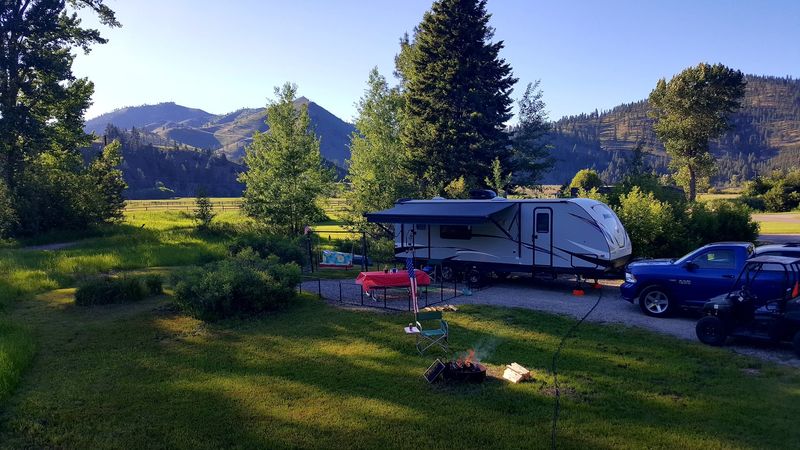
Tucked along a quiet bend of the Clark Fork River about 26 miles east of Missoula, Beavertail Hill State Park is a small park with a surprisingly big personality. The campground sits right along the riverbank, which means you fall asleep to the sound of moving water and wake up to birdsong and morning mist rising off the current.
It is the kind of place that makes you want to slow down and stay a little longer than planned.
Fishing is excellent here, particularly for brown trout and rainbow trout, and the calm sections of the river are ideal for swimming and floating on a warm afternoon. Rafters and kayakers also put in at Beavertail, using the park as a launch point for longer river runs through the valley.
Summer interpretive programs offered by park rangers give families a fun and educational way to connect with the natural history of the area.
The park is relatively uncrowded compared to larger Montana destinations, which makes it feel like a genuine local gem. Campsites are affordable and can be reserved in advance through Montana State Parks.
Cottonwood trees shade the sites beautifully in summer, and the surrounding hills offer short hiking opportunities for those who want to stretch their legs between river sessions. Beavertail Hill is simple, scenic, and deeply satisfying.
Driving the Beartooth Highway and Hiking Along the Way
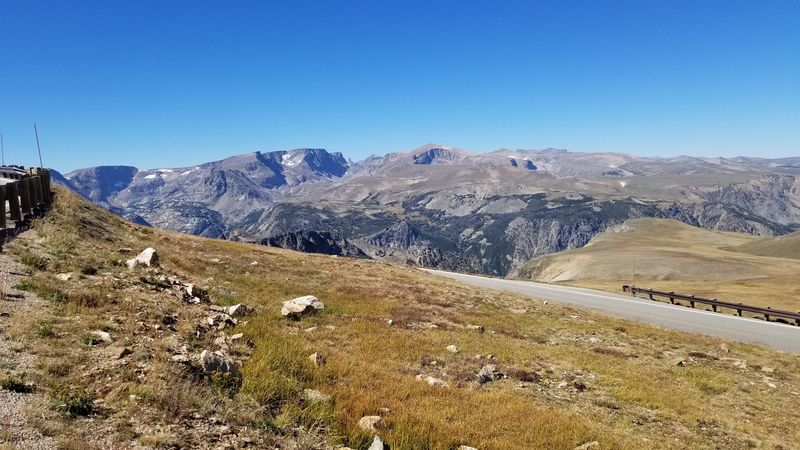
Charles Kuralt once called the Beartooth Highway the most beautiful drive in America, and it is genuinely hard to argue with him. Climbing from Red Lodge, Montana, to the northeast entrance of Yellowstone National Park, this 68-mile highway reaches elevations above 10,000 feet while threading through some of the most spectacular alpine scenery on the continent.
Snow can linger at the summit well into June, adding a dramatic contrast to the summer sky.
What makes this drive especially rewarding is that you do not have to stay in your car. Pullouts and trailheads are scattered along the route, offering opportunities to hop out and explore the tundra on foot.
Short hikes near the summit lead to glacial lakes, wildflower meadows, and rocky outcroppings where you can stand above the clouds and feel the full weight of Montana’s scale. Marmots and pika are almost always visible near the rocky slopes.
The highway is typically open from late May through mid-October, depending on snowpack. Motorcyclists love the switchbacks, and photographers find golden-hour light at the summit particularly stunning.
Red Lodge at the base of the highway is a charming town worth exploring before or after the drive. Fill your gas tank before you start — services along the route are limited, and you will want to take your time.