Some hikes start like a gentle whisper—and end like a roar.
The Booth Falls Trailhead in Colorado begins with a peaceful stroll through towering pines and soft mossy paths. Birds chirp, streams babble, and the air smells like fresh mountain earth.
It’s the kind of quiet that makes you slow down, breathe, and forget the world beyond the trail.
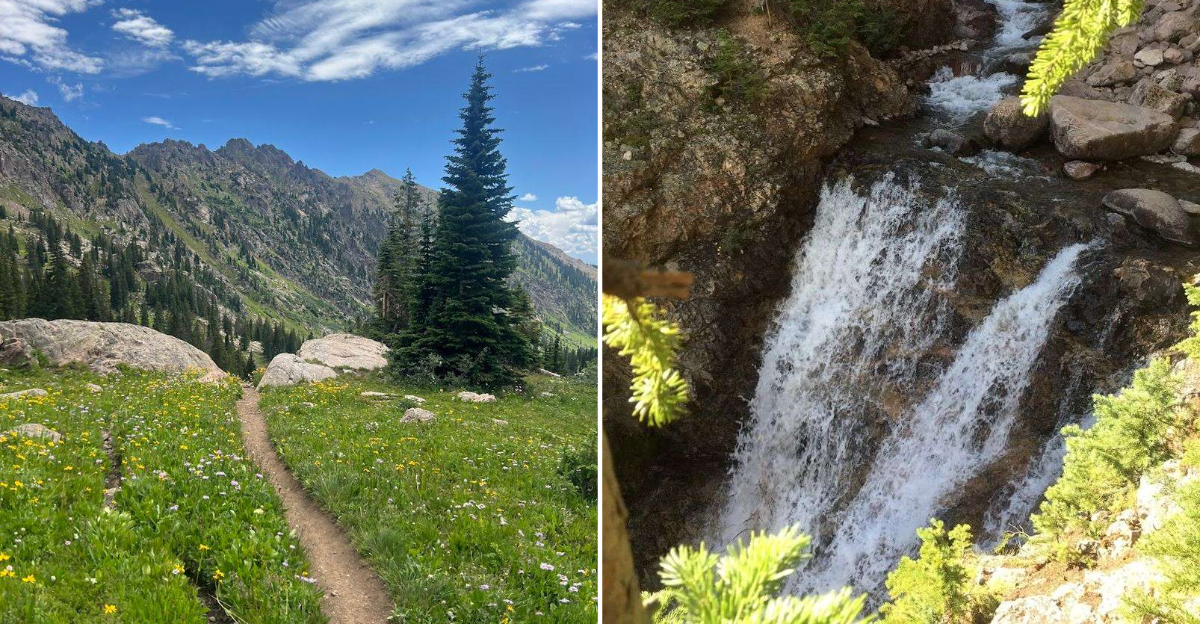
But keep going, because this trail has a secret. As you climb higher, the forest parts to reveal Booth Falls, cascading over rocks in a dazzling display of nature’s power and beauty.
The roar of the water, the sparkle in the sunlight, and the cool mist on your face make every step worth it.
Whether you’re a casual walker or a seasoned hiker, this trail packs a big reward in a relatively short journey. One moment you’re strolling in tranquility; the next, you’re standing before one of Colorado’s most stunning waterfalls.
Getting to the Trailhead: The Free Bus Secret
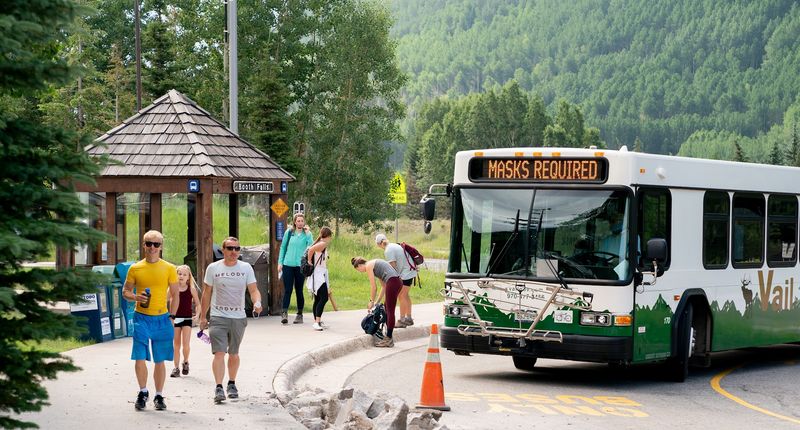
Here is something that surprises almost every first-time visitor to Booth Falls: you cannot drive to the trailhead and park there. The parking situation at 3035 Booth Falls Rd in Vail, CO is extremely limited, and enforcement is strict.
Tow trucks have been spotted actively removing vehicles from unauthorized spots, so do not take the risk.
The good news? Vail offers a completely free East Vail Hiker Express bus that runs directly from the Vail Village transit station to the trailhead.
Buses run frequently throughout the day during hiking season, making the commute easy and stress-free. The parking garage in Vail Village charges $2 per hour with a $10 daily maximum, which is a reasonable deal for a full day of adventure.
Plan your schedule around the bus timetable, especially if you are heading all the way to Booth Lake. Missing the last bus could leave you stranded.
Check current schedules through the Vail transit website before your visit. Taking the shuttle also means you arrive relaxed and ready to hike, rather than frustrated from circling for a parking spot.
This small logistical detail can make or break your entire experience at Booth Falls Trailhead.
Trail Overview: What to Expect From Start to Finish
Booth Falls Trail is officially managed by the White River National Forest, and it earns its reputation as one of the most rewarding hikes near Vail. The trail stretches approximately 5.3 miles one way to Booth Lake, making the full round trip about 10.6 miles.
Many hikers choose to stop at the waterfall, which sits roughly 2.1 miles from the trailhead.
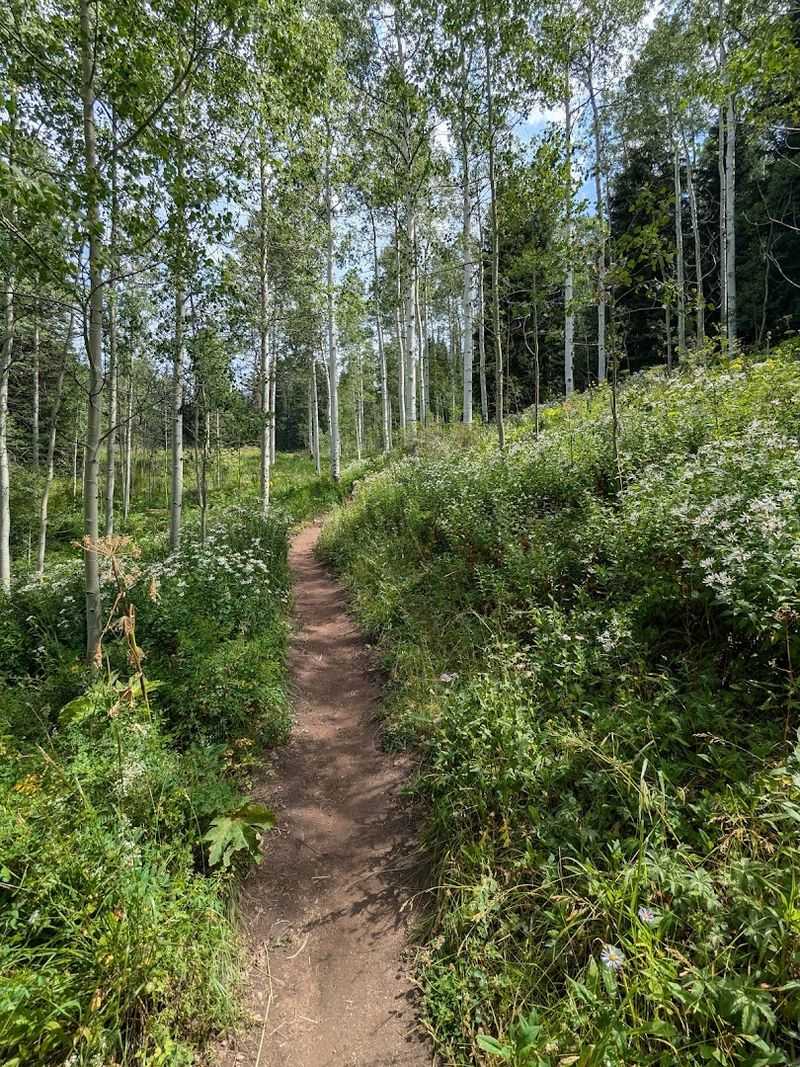
The path starts relatively gently, passing through shaded aspen groves and open meadows dotted with wildflowers. As you climb higher, the terrain becomes rockier and steeper.
Some sections require careful footing, especially near stream crossings and boulder fields. Sturdy hiking boots are highly recommended, though experienced hikers have completed it in trail runners.
Elevation gain to the falls is around 1,300 feet, while continuing to Booth Lake adds nearly another 1,700 feet for a total gain close to 3,000 feet. That is a serious workout, especially for visitors coming from lower elevations.
Clean restrooms with flush toilets are available at the trailhead, which is a surprisingly welcome amenity on a mountain trail. The overall trail condition is well-maintained and consistently rated among the best in the Eagle County area.
Altitude and Acclimatization: A Real Challenge for Lowlanders
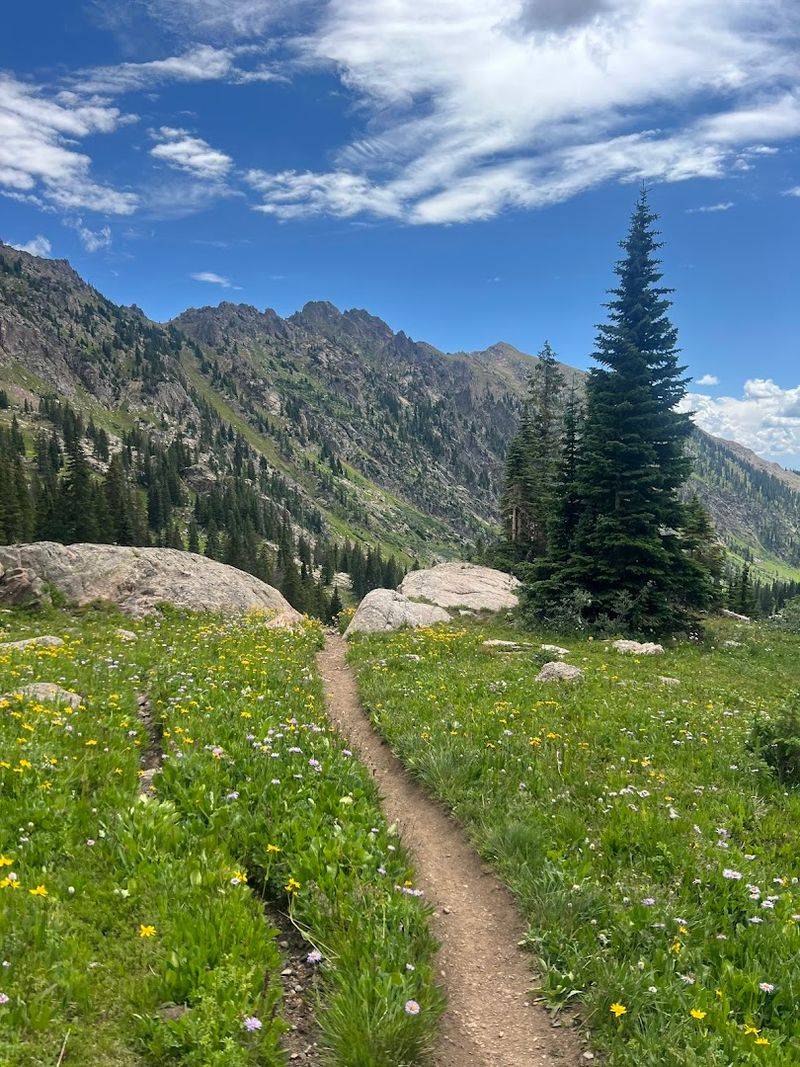
Vail sits at roughly 8,150 feet above sea level, and the Booth Falls trail climbs significantly higher from there. For visitors arriving from coastal cities or low-elevation areas, that altitude difference hits fast and hits hard.
One hiker shared that elevation sickness struck like a ton of bricks even though they considered themselves fit and experienced on trails back home.
Symptoms of altitude sickness include headaches, dizziness, shortness of breath, and nausea. The best prevention is simple: spend at least one or two days in Vail before attempting the hike.
Hydrate consistently, avoid alcohol the night before, and eat a solid meal. Even hikers aged 67 and 81 completed the trail successfully by pacing themselves and drinking plenty of water throughout.
Taking frequent breaks is not a sign of weakness. It is smart strategy.
The trail rewards patience more than speed. Many first-time Colorado visitors underestimate how much the altitude slows them down.
A hike that might take 90 minutes at sea level could easily stretch to two and a half hours or more at Booth Falls elevation. Respect the mountain, listen to your body, and enjoy the journey rather than rushing to the destination.
The Wildflowers and Aspen Groves Along the Way
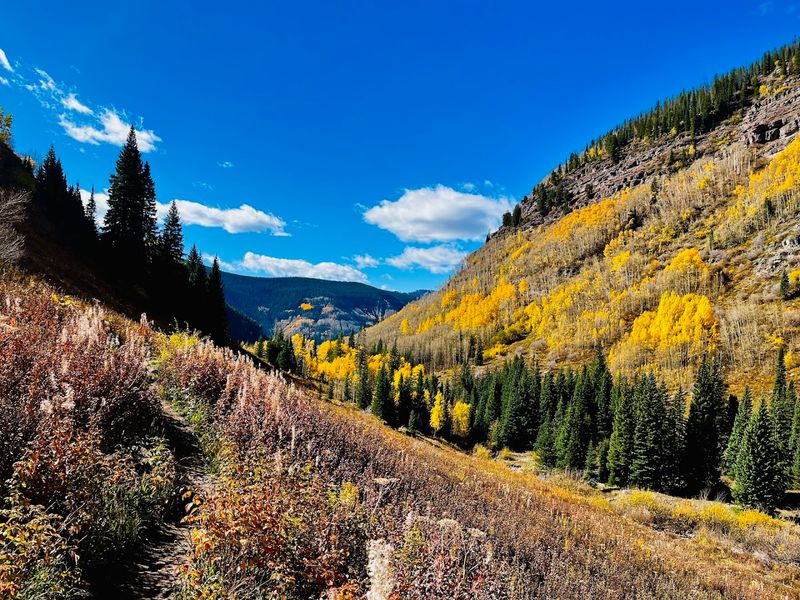
One of the first things hikers notice on the Booth Falls trail is how alive everything around them feels. The lower sections of the trail pass through tall aspen groves that create a natural canopy overhead.
In summer, the filtered sunlight through the leaves creates a magical, almost glowing atmosphere that feels like something out of a painting.
Wildflowers appear in remarkable variety throughout hiking season. Visitors have spotted columbines, Indian paintbrush, and even wild raspberries and thimbleberries growing right along the trail edge.
One hiker mentioned trying thimbleberries for the first time on this trail and being completely charmed by the discovery. Picking a few wild berries along the way feels like a genuine Colorado rite of passage.
Fall transforms the trail into something even more dramatic. The aspens turn brilliant shades of gold, orange, and red, creating what one reviewer described as a sensory overload of color.
Every bend in the trail reveals a new angle on the valley below and the mountains above. Photographers will want to budget extra time because the urge to stop and capture each new view is nearly impossible to resist.
This trail is genuinely beautiful in every season.
The Waterfall Itself: Worth Every Steep Step
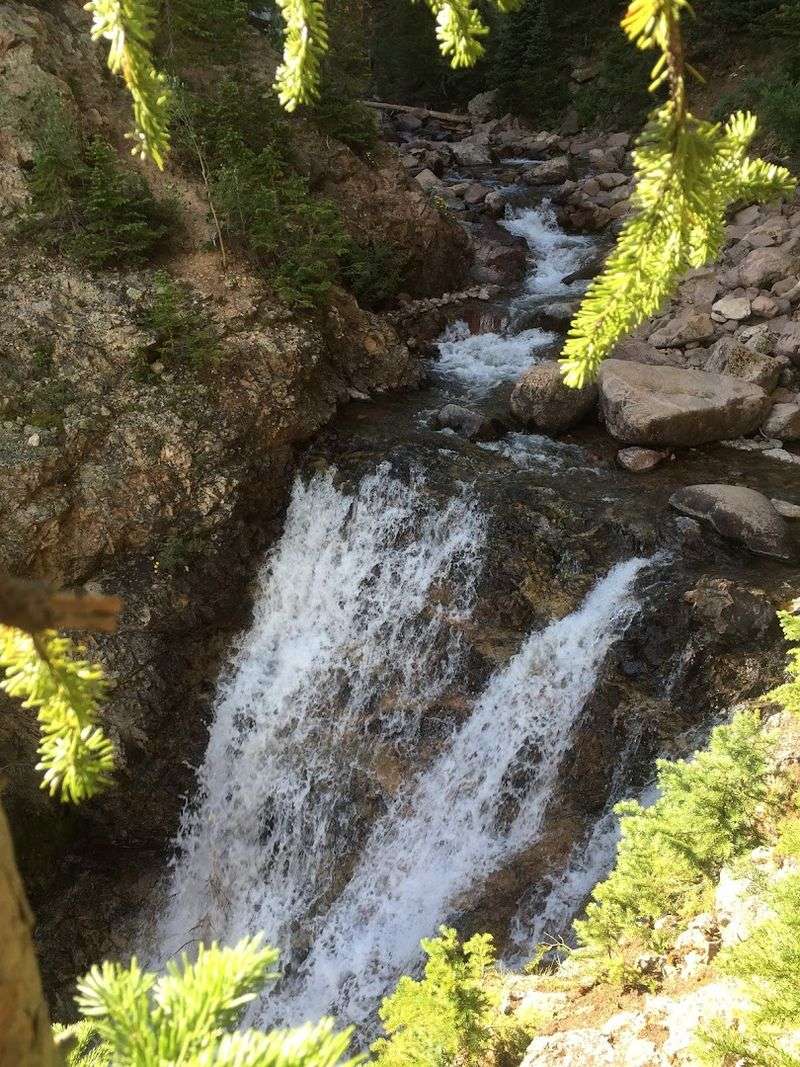
After about two miles of climbing, the trail delivers its big payoff: Booth Falls. Depending on the season, the waterfall ranges from a powerful roaring cascade in spring and early summer to a more delicate series of water ribbons splashing over mossy rocks in autumn.
Either version is genuinely beautiful and worth the effort to reach.
Most hikers stop on the main viewing side, but the adventurous can scramble across the creek and climb up the opposite side of the falls for a completely different and arguably better perspective of the valley stretching out below. That scramble requires solid footing and a reasonable level of comfort on uneven terrain, so assess your abilities honestly before attempting it.
Right next to the waterfall, there is a shaded, grassy area that serves as a perfect picnic spot. Spreading out a snack, cooling off in the mist, and simply sitting with the sound of rushing water is one of those genuinely restorative outdoor experiences.
Some hikers even wade into the water or drink directly from the falls, describing the cold fresh whitewater as one of the highlights of the entire trip. Plan to linger here before deciding whether to push on toward Booth Lake.
Booth Lake: The Reward Beyond the Falls
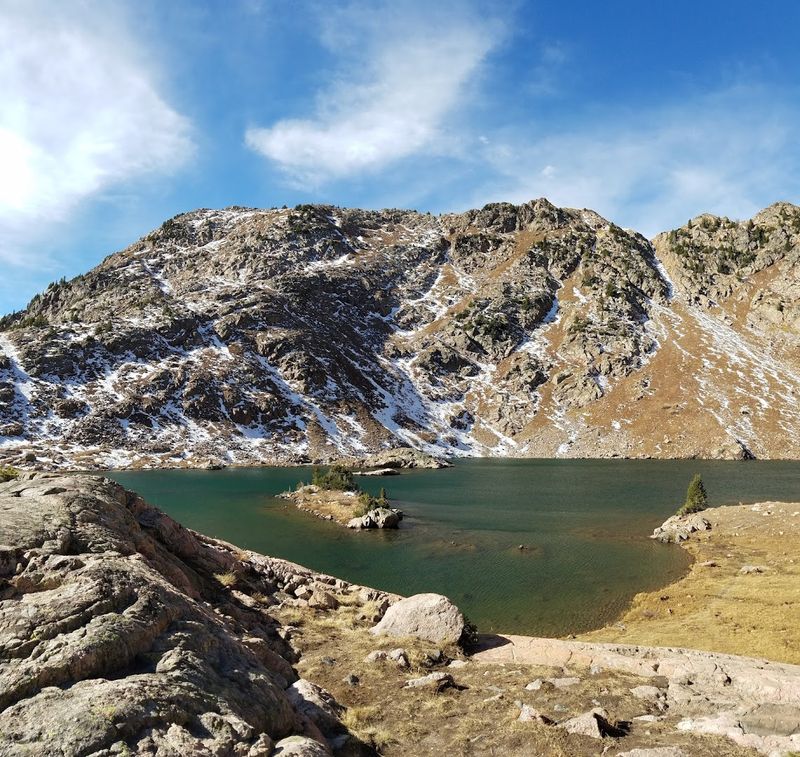
Plenty of hikers turn around at the waterfall, and that is a perfectly satisfying choice. But for those willing to push another 3-plus miles and gain an additional 1,700 feet of elevation, Booth Lake waits at the top as one of Colorado’s most rewarding alpine destinations.
The lake sits high in a dramatic bowl carved by ancient glaciers, ringed by rocky peaks that seem to rise straight out of the water.
The terrain between the falls and the lake is the most challenging section of the entire trail. It gets steep, rocky, and exposed in places.
On warm days, the sun beats down with intensity, so starting early in the morning is strongly advised. One family completed the full round trip in six to seven hours, which is a realistic estimate for reasonably fit hikers.
Wildlife sightings near the lake have included a full herd of mountain goats, which is the kind of unexpected encounter that makes a hike legendary. In early season, the lake may still be partially or fully frozen, which creates its own kind of stunning visual.
Carry extra water, extra snacks, and extra patience for this section. The payoff at the top makes every difficult step feel completely worthwhile and deeply satisfying.
What to Pack: Gear That Makes a Real Difference
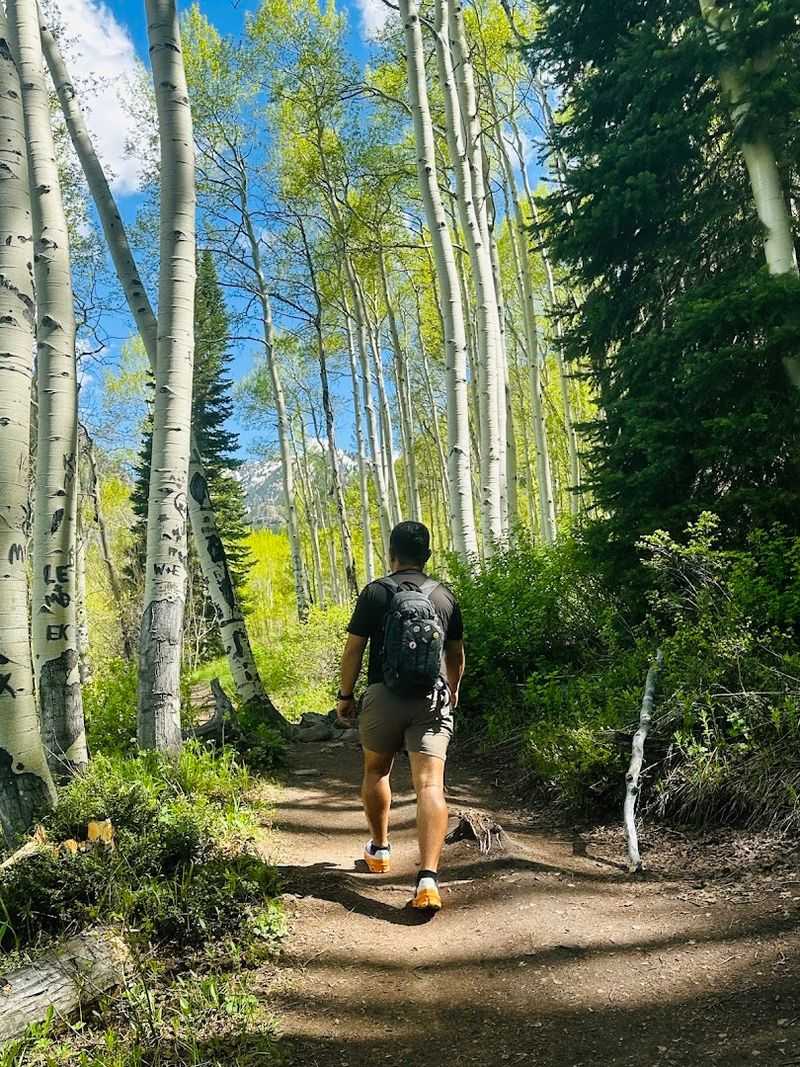
Packing smart for Booth Falls can genuinely transform your experience from exhausting to exhilarating. Water is the single most critical item.
Multiple reviews specifically call out the importance of bringing more water than you think you need, especially for visitors from lower elevations where dehydration creeps up faster than expected. A two-liter hydration pack or multiple water bottles is a solid minimum.
Snacks with good caloric density help maintain energy on the steep sections. Trail mix, energy bars, and sandwiches all travel well.
Hiking boots with ankle support are strongly recommended given the rocky, uneven terrain, particularly above the falls. Trekking poles are optional but genuinely helpful on the descent, which can be rough on the knees after a long climb.
Sunscreen and a hat are non-negotiable above treeline, where UV exposure intensifies significantly. Layers are wise even in summer because mountain weather changes fast.
A lightweight rain jacket stuffed in the bottom of your pack has saved many hikers from a miserable wet descent. Bug spray is mostly unnecessary, as reviewers note the trail is relatively bug-free, though some bees have been spotted near flowering plants.
Pack thoughtfully and the trail will feel like pure joy rather than a grueling ordeal.
Trail Difficulty and Who Should Hike It
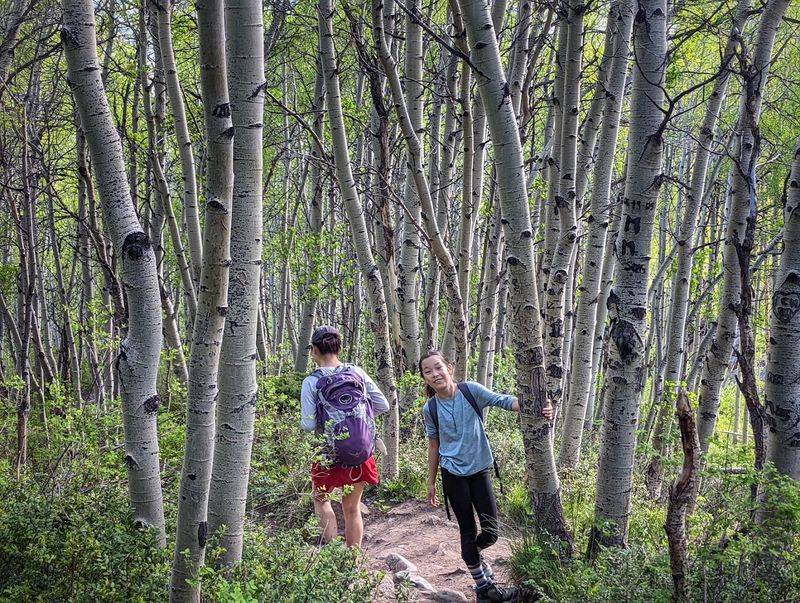
Booth Falls is officially rated as a moderate hike, but that rating deserves some context. The trail to the waterfall is genuinely manageable for most reasonably active adults and older children.
One couple in their late 60s and 80s completed the hike to the falls and back, taking about two hours up and ninety minutes down. That kind of real-world data is more useful than any official rating system.
Families with children around 10 to 14 years old have completed the trail successfully, though younger kids may slow the group down considerably. The rocky sections require careful footing that smaller children may find challenging.
Going at the child’s pace rather than pushing too hard is the key to a positive experience for the whole family.
Extending to Booth Lake elevates the difficulty significantly. That section is best suited to experienced hikers who are already comfortable with high-elevation trekking and steep, sustained climbs.
First-time Colorado visitors should be especially cautious about overcommitting to the full route. The trail is well-maintained and clearly marked throughout, which reduces navigation stress.
Overall, Booth Falls strikes a wonderful balance between accessibility and genuine challenge that keeps drawing hikers back season after season.
Seasonal Timing: When to Visit for the Best Experience
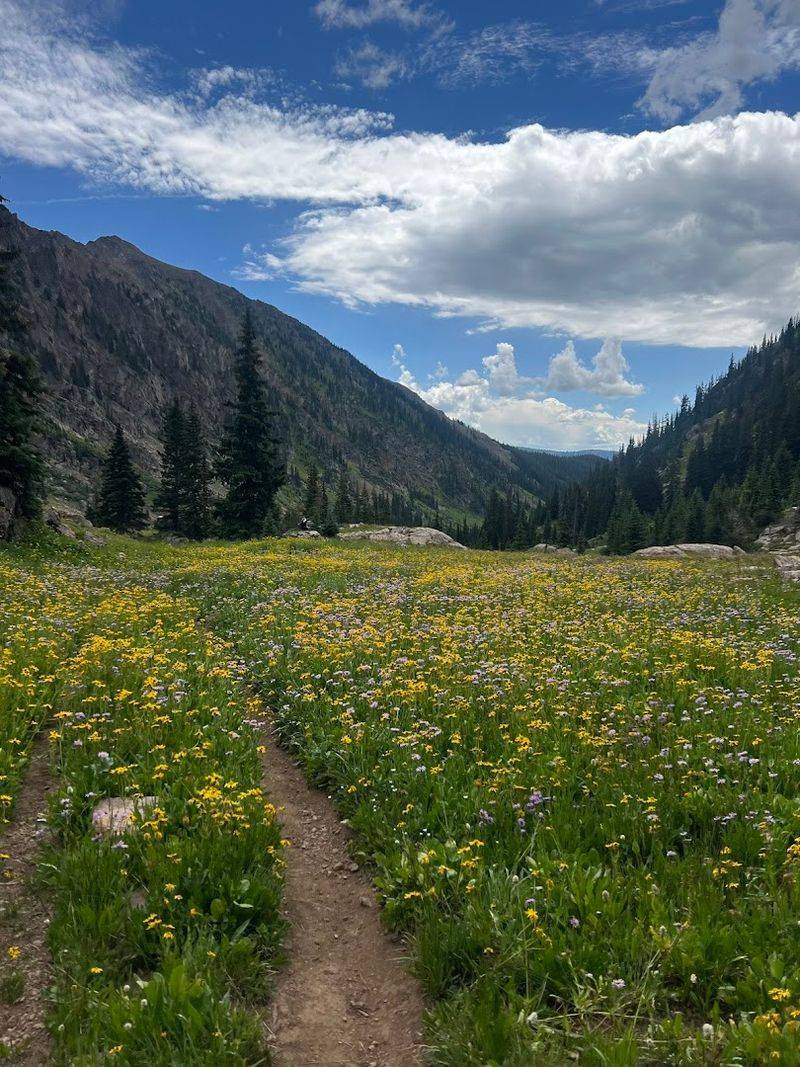
Timing your visit to Booth Falls makes a significant difference in what you experience on the trail. Summer, roughly from late June through August, offers the most accessible conditions with wildflowers in full bloom, warm temperatures, and the waterfall running at its most powerful after snowmelt.
Starting early in the morning on summer days helps you beat afternoon thunderstorms, which build quickly over Colorado peaks.
Fall is arguably the most visually stunning season on this trail. September and October bring the aspen color change, transforming the lower forest sections into a vivid gallery of gold and amber.
The waterfall takes on a quieter, more delicate character in autumn, flowing as gentle cascades over the rocks rather than a roaring curtain of white water. Either version has its own distinct beauty.
Winter and early spring bring significant challenges. Booth Lake may remain frozen well into June, and upper trail sections can be icy and dangerous without microspikes or crampons.
Late spring visits sometimes reward hikers with both snowfields and blooming wildflowers in the same frame, which is a uniquely Colorado experience. Whatever season you choose, checking current trail conditions through the White River National Forest website before departing is always a smart move that prevents unpleasant surprises.