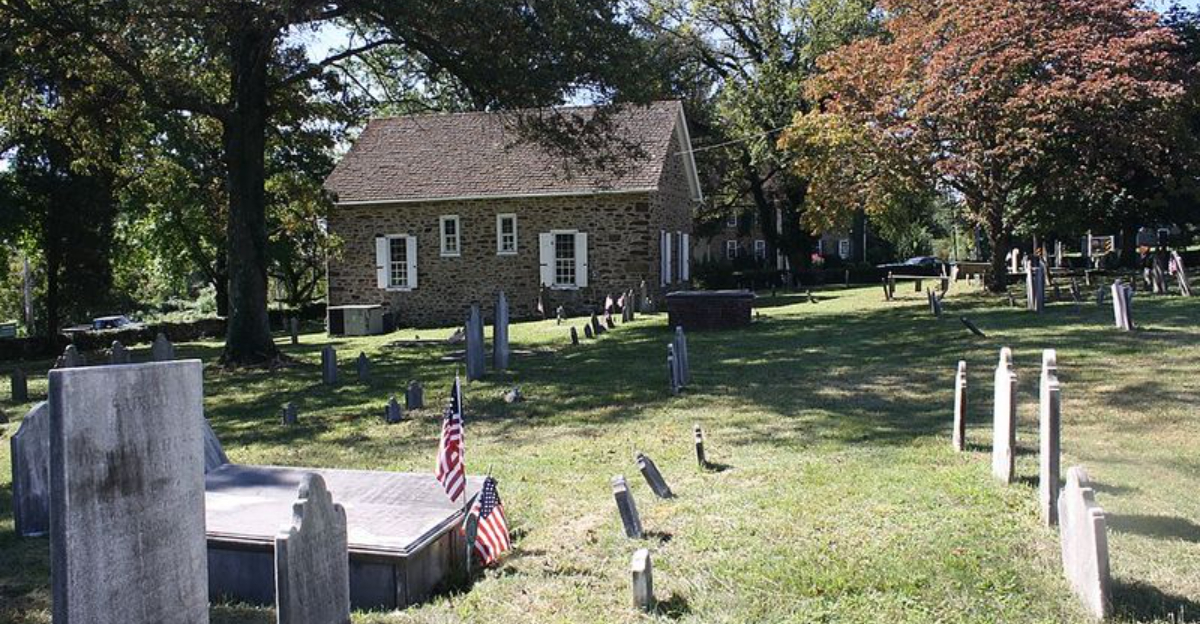
Tucked away in Montgomery County, Pennsylvania, Old Norriton Presbyterian Church has quietly watched over its community for more than three centuries.
Founded in 1698 by Welsh settlers, this remarkable stone building is one of the oldest surviving churches in the entire state.
Its weathered walls, ancient cemetery, and simple colonial design tell a story that stretches back to the earliest days of American history.
Whether you love local history, colonial architecture, or just appreciate places that have stood the test of time, this church is truly worth knowing about.
A Church With Roots in the 17th Century
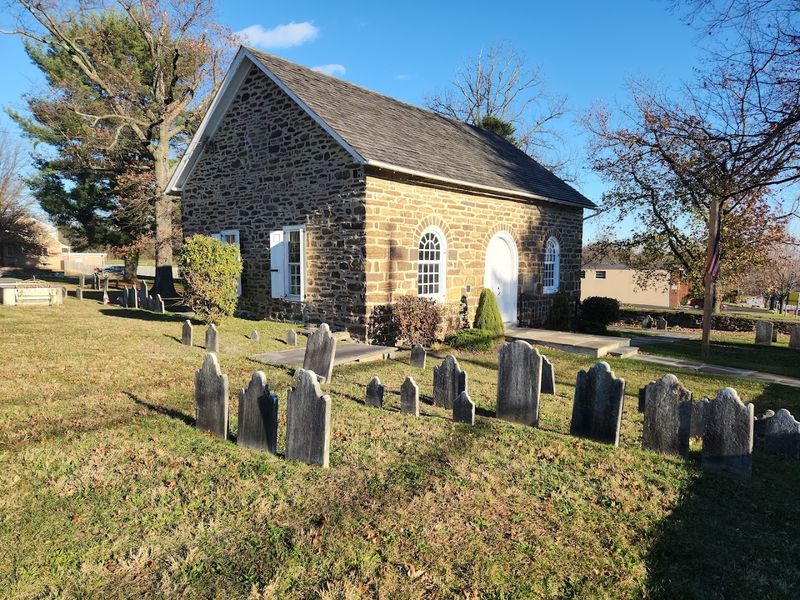
Back in 1698, when Pennsylvania was still a young colony and most roads were little more than dirt paths through the wilderness, a group of Welsh settlers gathered together with a shared purpose. They wanted a place to worship, a place that felt like home in this unfamiliar land.
What they built has now stood for over 325 years.
Old Norriton Presbyterian Church is one of the earliest places of Christian worship established in Pennsylvania. Its founding reflects the determination of immigrant communities who carried their faith across the Atlantic Ocean and planted it firmly in the New World.
Montgomery County owes a great deal of its early cultural identity to congregations like this one.
Learning about this church means stepping back into a time before the United States even existed as a country. The settlers who built it were living under British rule, clearing forests, and building lives from scratch.
Their legacy survives in every stone of this remarkable structure, making it one of the most historically significant religious sites in all of Pennsylvania.
Built From Local Fieldstone
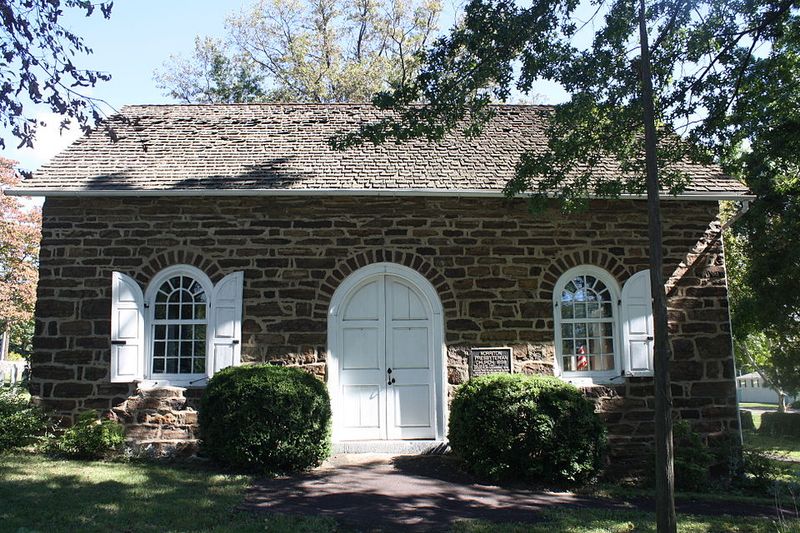
Run your hand along the walls of Old Norriton Presbyterian Church and you are touching history in the most literal sense. The building is constructed from local fieldstone, the same rugged, earthy material that early Pennsylvania settlers used for farmhouses, barns, and boundary walls.
It was practical, durable, and readily available right beneath their feet.
Fieldstone construction was a signature of colonial Pennsylvania architecture, particularly in communities settled by Welsh and German immigrants. These builders did not have access to modern tools or manufactured materials, so they made clever use of what the land provided.
The result was structures that were sturdy enough to endure centuries of harsh winters, summer storms, and the slow march of time.
What makes the stonework at Old Norriton especially impressive is how well it has held up. The thick walls keep the interior cool in summer and retain warmth in winter, just as they did for the original congregation.
Skilled masons carefully fitted each stone together, creating a building that has required minimal structural repair over its long life. That kind of craftsmanship is rare and speaks volumes about the skill of the people who built this church so long ago.
A Landmark of Colonial Presbyterianism
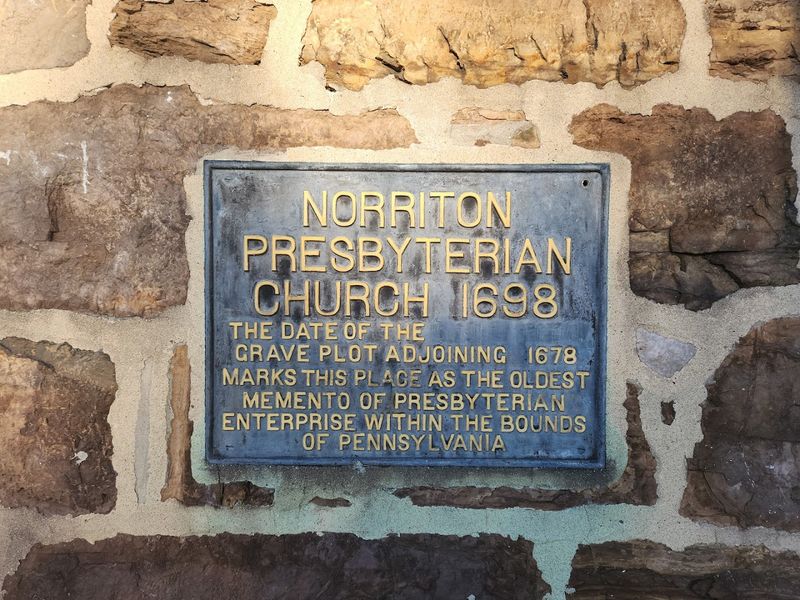
Presbyterianism arrived in America with the waves of Scottish and Welsh immigrants who crossed the Atlantic in the late 1600s and early 1700s. Old Norriton Presbyterian Church stands as one of the earliest physical expressions of that faith tradition on American soil.
At a time when organized religious institutions were still taking shape across the colonies, this congregation was already gathering regularly for worship.
The Presbyterian church model emphasized community leadership, shared governance, and Scripture-centered worship. These values were not just religious ideals but also foundational principles that would later influence American democratic thinking.
Early Presbyterian congregations like Old Norriton helped shape the social and moral framework of colonial Pennsylvania in ways that are still felt today.
Historians who study early American religion often point to churches like this one as proof that faith communities played a central role in organizing colonial life. The congregation here did not just pray together.
They made decisions together, supported one another through hardships, and built a network of trust that kept the community strong. Old Norriton Presbyterian Church was more than a building.
It was the heartbeat of an early American neighborhood finding its footing in a new world.
The Historic Churchyard Cemetery
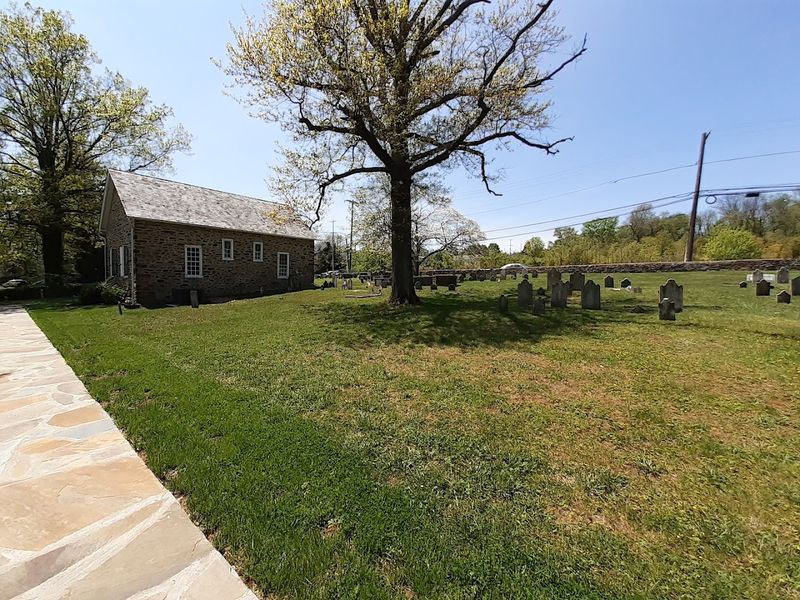
Few places in Montgomery County offer as direct a connection to the past as the churchyard cemetery at Old Norriton Presbyterian Church. The graves here date back to the 1700s, and walking among the weathered headstones feels like flipping through the earliest pages of local history.
Some markers are so old that the inscriptions have been worn smooth by wind and rain.
Among those buried here are early Welsh and English settlers who helped establish the surrounding community, as well as men and women who lived through the Revolutionary War. A number of headstones belong to families whose names appear repeatedly in Montgomery County records, suggesting generations of deep roots in the area.
Reading those names quietly to yourself is a surprisingly moving experience.
Historic cemeteries like this one are valuable not just for genealogists and history buffs, but for anyone curious about what life looked like in early America. The styles of the headstones, the symbols carved into them, and the ages recorded on them all tell stories about beliefs, lifestyles, and hardships of the era.
Old Norriton’s churchyard is a well-preserved outdoor museum that costs nothing to visit and rewards careful attention with rich historical detail.
Architectural Simplicity That Reflects Early Faith Traditions
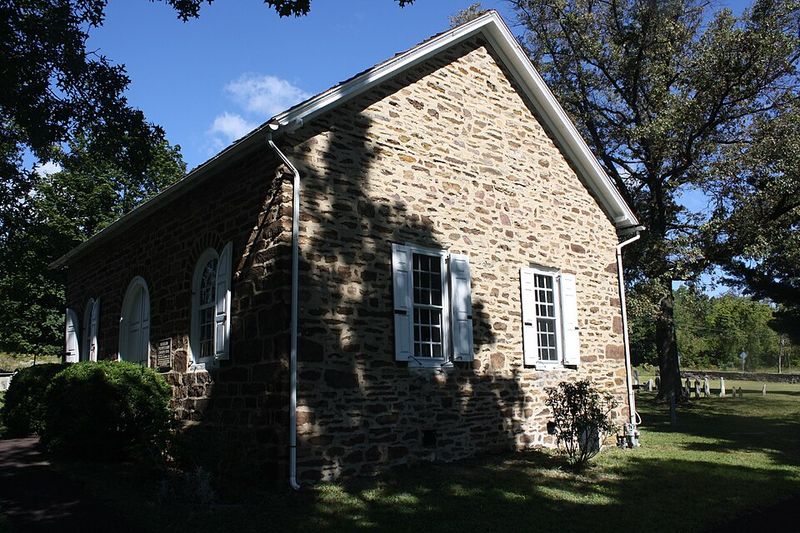
Walk past the grand cathedrals of Europe with their soaring spires and gilded interiors, and then look at Old Norriton Presbyterian Church. The contrast could not be more striking.
This building is deliberately plain, almost austere, and that simplicity is not a flaw. It is a deeply intentional statement about what early Presbyterians believed worship should look like.
Presbyterian theology in the colonial era emphasized that outward decoration could distract from genuine devotion. Churches were meant to be functional gathering spaces, not showcases of wealth or artistic ambition.
So builders kept things simple: thick stone walls, modest windows, a straightforward rectangular layout, and very little ornamentation. Every design choice pointed worshippers inward, toward Scripture and prayer, rather than outward toward spectacle.
That philosophy gives Old Norriton a quiet dignity that feels rare in today’s world of flashy architecture and constant visual noise. Visitors often describe the building as peaceful and grounding, a place where the absence of decoration somehow makes you more aware of your surroundings.
If you appreciate architecture that speaks through restraint rather than excess, this church will leave a lasting impression. Its beauty lies in what was left out, not what was added in.
Surviving Centuries of American History
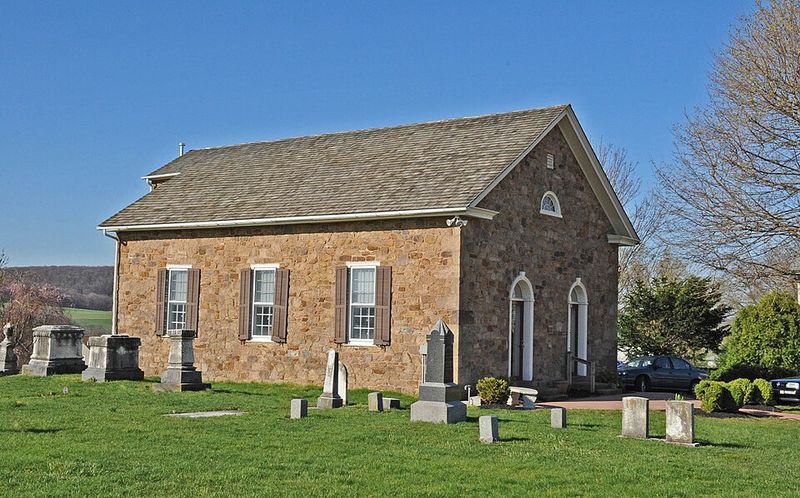
Imagine everything that has happened in America since 1698 and then realize that Old Norriton Presbyterian Church has been standing through all of it. The Revolutionary War raged through Pennsylvania, and communities near this church felt the tension and turmoil of that conflict firsthand.
Valley Forge, one of the most famous sites of the Revolution, is not far from here, and the region saw significant military activity during that war.
After independence came the slow growth of a new nation, then the trauma of the Civil War, the rapid changes of industrialization, and eventually the sprawl of suburban development that transformed much of southeastern Pennsylvania in the 20th century. Through every era, this church remained standing, its stone walls indifferent to the passing of presidents, wars, and technological revolutions.
There is something quietly powerful about a structure that has outlasted so much. Most buildings from the colonial period have long since collapsed or been demolished.
The fact that Old Norriton Presbyterian Church still stands and still serves its congregation is a testament to both the quality of its original construction and the commitment of the people who have cared for it across generations. History did not erase this place.
It deepened it.
A Connection to the Early Norriton Township Community
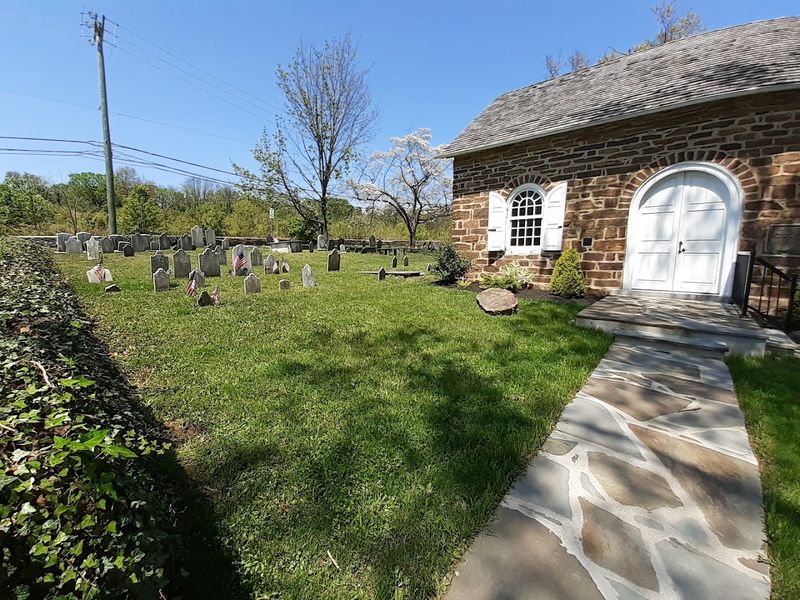
Long before Norriton Township had paved roads, shopping centers, or suburban neighborhoods, it had Old Norriton Presbyterian Church. The congregation here functioned as the social backbone of the early settlement, providing a regular gathering point for people who might otherwise live in relative isolation on widely scattered farms and homesteads.
Baptisms marked the arrival of new life in the community. Weddings brought families together and celebrated new beginnings.
Funerals offered comfort and closure when neighbors and loved ones passed away. All of these milestones happened at this church, weaving the congregation into the very fabric of daily life in ways that went far beyond Sunday services.
Community decisions also flowed through the church. In an era before formal local government was well established, religious congregations often served as informal civic institutions where neighbors debated issues, resolved disputes, and organized collective efforts.
Old Norriton Presbyterian Church was at the center of that social web. Understanding this church means understanding how early Pennsylvania communities actually functioned, not just how they worshipped.
It was a hub of human connection in a time and place where connection was both rare and essential to survival.
A Quiet Historic Site Worth Visiting
Not every historic site comes with a ticket booth, a gift shop, or a guided tour every hour. Some of the most rewarding places to visit are quiet, unassuming, and easy to miss if you are not paying attention.
Old Norriton Presbyterian Church falls squarely into that category, and that is a big part of its appeal.
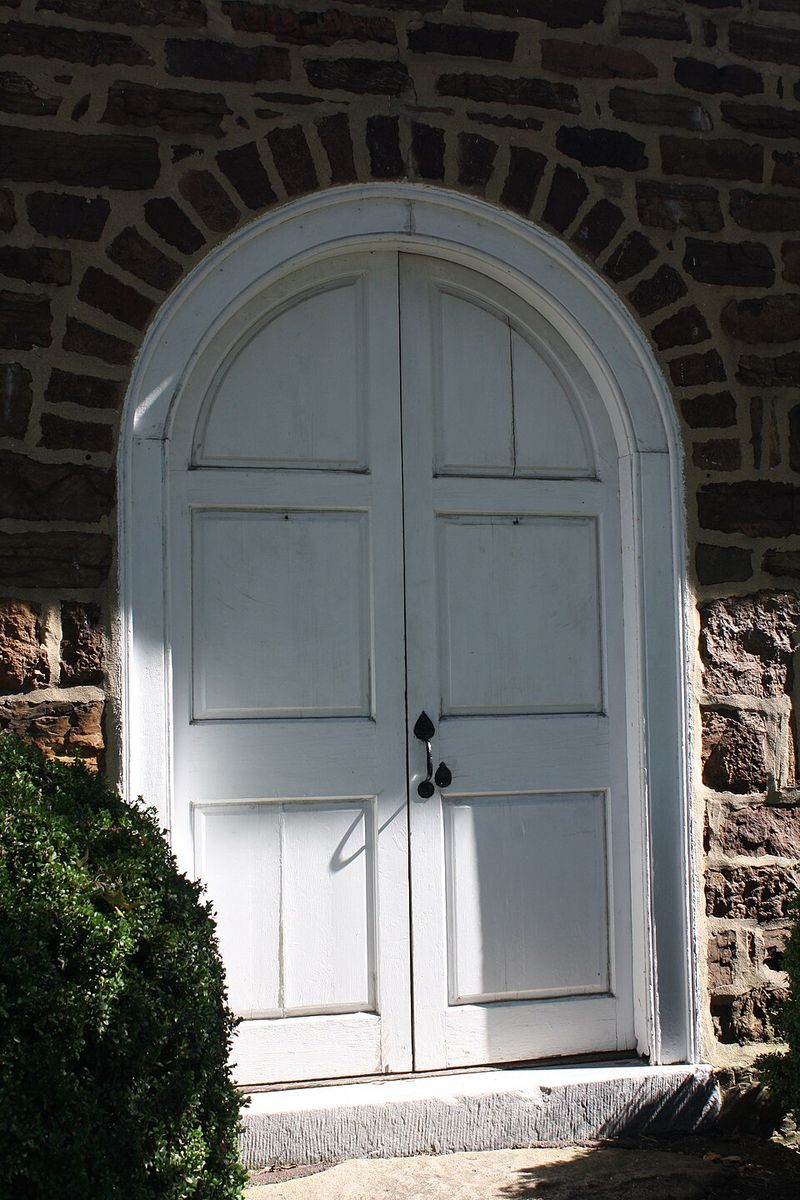
The grounds invite slow exploration. The stonework on the church exterior rewards close inspection, revealing the individual character of each carefully placed fieldstone.
The cemetery offers a reflective walk through centuries of local history, with headstones that range from elegantly carved to barely legible after years of weathering. Mature trees shade the property and give it a sense of timeless calm that is increasingly hard to find in busy suburban Pennsylvania.
Photography enthusiasts will find plenty to work with here. The interplay of old stone, dappled light, and ancient grave markers creates compositions that feel both historic and deeply personal.
History lovers will appreciate the layers of meaning packed into every corner of this small but significant site. If you are looking for a place that makes you slow down, think, and feel genuinely connected to the past, Old Norriton Presbyterian Church delivers that experience beautifully and without any fanfare at all.
Essential Visitor Information
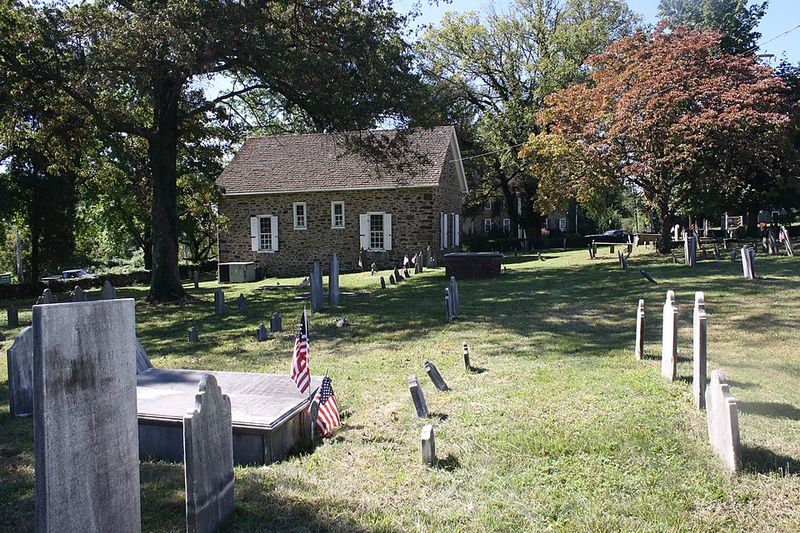
Planning a visit to Old Norriton Presbyterian Church is straightforward, but a little preparation goes a long way. The church is located at 608 N Trooper Road in the Norristown area of Montgomery County, Pennsylvania, zip code 19403.
It sits in a quiet residential neighborhood that still retains some of the rural character of its colonial past, making the drive itself a pleasant part of the experience.
The historic church exterior and surrounding cemetery are generally visible from the grounds, giving visitors a chance to explore without needing to schedule anything in advance. However, if you are hoping to see the interior or learn more about the church’s history, it is a smart idea to check ahead.
The congregation occasionally hosts special events, heritage tours, and commemorative services that offer deeper access to the site.
Respectful behavior on the grounds is appreciated, especially in the cemetery, which is an active burial site as well as a historic one. Wear comfortable walking shoes since the terrain can be uneven among the older grave markers.
Bringing a camera is highly recommended. Visiting during daylight hours on a clear day will give you the best opportunity to appreciate the stonework, the peaceful setting, and the remarkable sense of history that this special place carries so effortlessly.