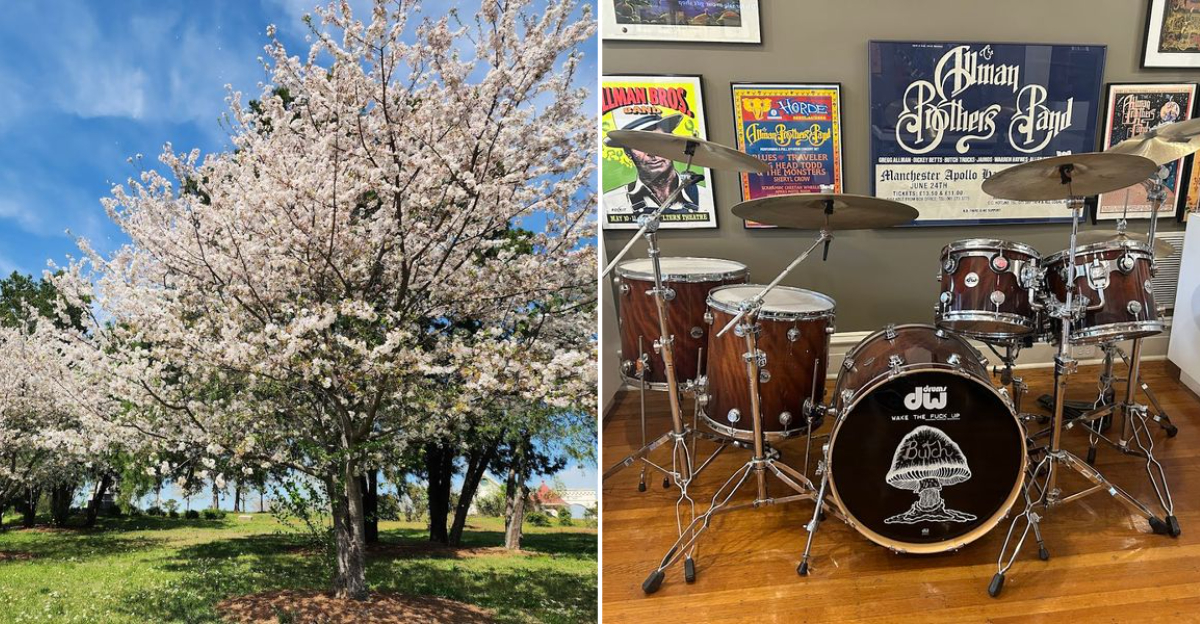
Spring explodes in pink in one unexpected Georgia city.
Every year, more than 300,000 cherry blossom trees burst into bloom across Macon. Streets glow with soft pink petals, parks look like something from a postcard, and the whole town feels dipped in cotton-candy color.
Many travelers rush to Washington, D.C. for cherry blossoms. Few realize this Southern city quietly holds the title of the Cherry Blossom Capital of the World.
Think parades, music, bright pink desserts, and streets filled with petals drifting through the air. For a few short weeks, Macon transforms into one of the most colorful places in America.
Miss it once, and you’ll be counting the days until the blossoms return.
Macon’s Cherry Blossom Festival: A Pink Explosion You Have to See
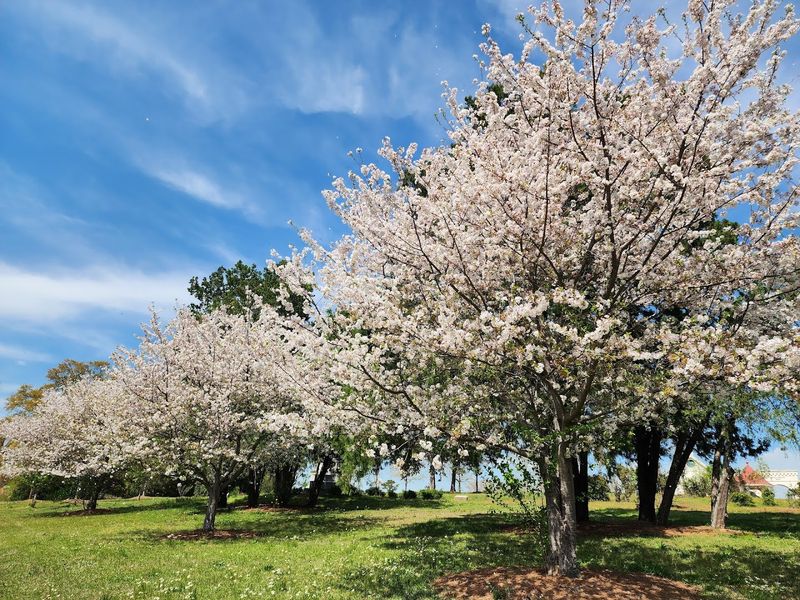
Picture an entire city draped in soft pink petals as far as the eye can see. That is exactly what happens in Macon, Georgia every spring when the International Cherry Blossom Festival kicks off.
With over 300,000 Yoshino cherry blossom trees, Macon holds more of these iconic trees than almost any other city on the planet.
The festival typically runs for ten days in late March, drawing more than 500,000 visitors from around the world. Events include live music, parades, a cherry blossom queen pageant, arts and crafts vendors, carnival rides, and fireworks.
The atmosphere is electric and joyful, making it one of the Southeast’s most beloved annual celebrations.
What makes Macon’s festival stand apart from others is how the blossoms spread across the entire city, not just one park or plaza. Neighborhoods, highways, and historic streets all get wrapped in pink.
Many locals say the best viewing spots include Wesleyan College and the Ingleside neighborhood. If you plan to visit, book your hotel early because rooms fill up fast.
Experiencing this festival even once is enough to understand why Macon wears the Cherry Blossom Capital title with so much pride.
Ocmulgee Mounds National Historical Park: Walking on Ancient Ground
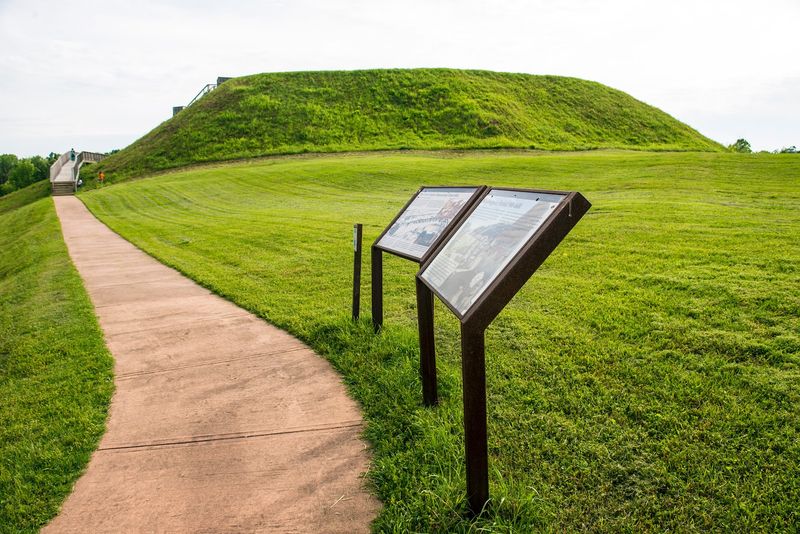
Standing on top of the Great Temple Mound at Ocmulgee Mounds National Historical Park feels like stepping back in time by more than a thousand years. These massive earthen mounds were built by the Mississippian culture around 1000 A.D., making them some of the most significant archaeological sites in all of North America.
The park sits right inside Macon’s city limits, which makes it surprisingly easy to visit.
The park’s museum houses thousands of artifacts, including pottery, tools, and ceremonial objects that tell the story of Indigenous people who called this land home for thousands of years. One of the most fascinating features is the Earth Lodge, a reconstructed ceremonial building where you can actually walk inside and see a clay floor that is over 1,000 years old.
That floor has never been moved or replaced.
Ocmulgee is one of those places that quietly changes how you see the world. Trails wind through the park, offering peaceful walks with sweeping views of the Ocmulgee River.
The National Park Service manages the site, and admission is free. Whether you love history, nature, or both, this park delivers something truly unforgettable right in Macon’s backyard.
The Allman Brothers Band Museum at the Big House: Rock and Roll Lives Here
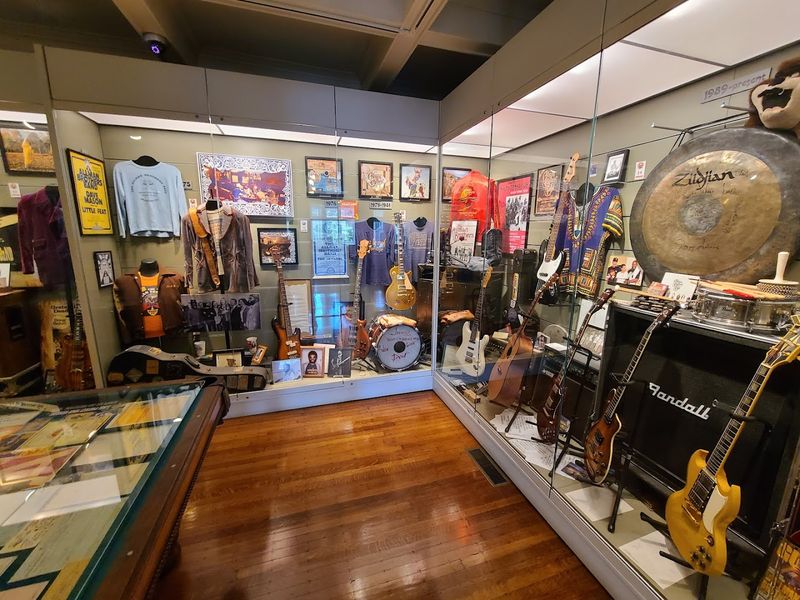
For a brief but legendary period in the early 1970s, a rambling Tudor Revival house on Vineville Avenue became the beating heart of Southern rock. The Allman Brothers Band called this place home, and today it operates as a museum known simply as the Big House.
Walking through its rooms feels like flipping through a scrapbook of American music history.
Inside, you will find original instruments, stage costumes, handwritten lyrics, gold records, and personal photographs that capture the band during their most creative years. The collection is remarkably personal, giving fans an intimate look at the lives behind songs like “Ramblin Man” and “Midnight Rider.” The museum opened in 2009 and has welcomed fans from dozens of countries since then.
What many people do not realize is that Macon was the birthplace of the Allman Brothers Band’s sound. The city’s musical energy, rooted in blues and soul, shaped the group’s genre-defining style.
Guitarist Duane Allman and bassist Berry Oakley are both buried at Rose Hill Cemetery just a short drive away, making Macon a genuine pilgrimage site for Southern rock lovers. A visit to the Big House is a must for anyone who appreciates authentic American music heritage.
The Tubman Museum: Celebrating African American Art, History, and Culture
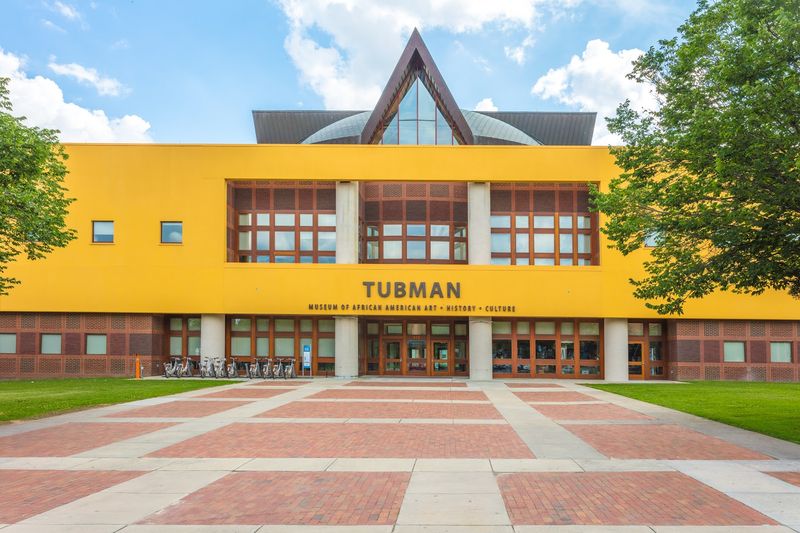
Named after the fearless abolitionist Harriet Tubman, Macon’s Tubman Museum is the largest museum in the southeastern United States dedicated entirely to African American art, history, and culture. The building itself is striking, featuring a massive mural on its exterior that commands attention from blocks away.
Once inside, visitors are welcomed into a world of creativity, resilience, and brilliance.
The museum’s permanent collections cover an enormous range of topics, from African roots and the transatlantic slave trade to the Civil Rights Movement and modern Black achievement. The Inventors Gallery is a particular highlight, showcasing the groundbreaking contributions African Americans have made to science, technology, and everyday life.
Many visitors leave genuinely surprised by how many inventions they use daily trace back to Black innovators.
Rotating exhibitions keep the museum fresh and relevant throughout the year, featuring both emerging and established artists. The Tubman Museum also runs educational programs for schools and community groups, making history accessible to younger generations.
Located in downtown Macon, the museum is easy to reach and well worth a full afternoon of exploration. It stands as a powerful reminder that history is richer and more layered than any single textbook can capture.
Admission is affordable for families.
Rose Hill Cemetery: A Peaceful Garden Full of Surprising Stories
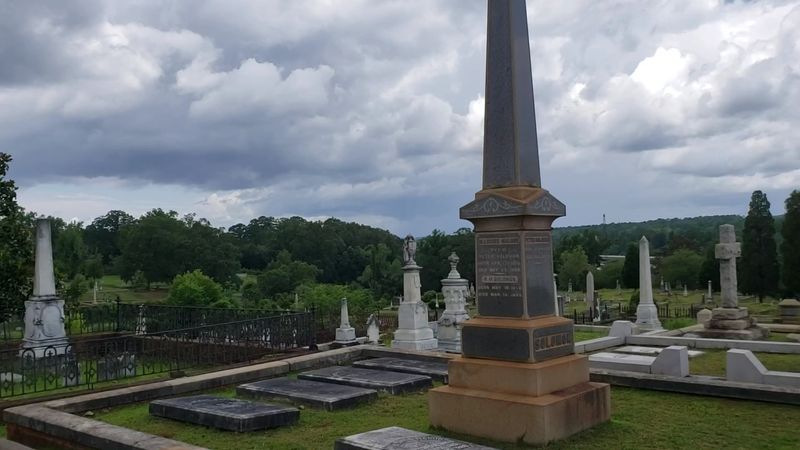
Rose Hill Cemetery is not your average graveyard. Established in 1840, it is one of the oldest and most beautifully preserved Victorian garden cemeteries in the South.
Winding paths lead visitors past ornate monuments, towering oak trees draped in Spanish moss, and elaborate family tombs that read like chapters from Macon’s past. The whole place feels more like a botanical garden than a burial ground.
Music fans make a specific pilgrimage to Rose Hill to visit the graves of Duane Allman and Berry Oakley of the Allman Brothers Band, both of whom died tragically young in motorcycle accidents just a few blocks apart. Their graves are marked simply but are often decorated with flowers, guitar picks, and handwritten notes left by fans from around the world.
Beyond rock history, Rose Hill holds the graves of Confederate soldiers, prominent Georgia politicians, and families who shaped Macon across two centuries. The cemetery is open to the public and free to visit.
Guided tours are available and offer fascinating stories about the people buried there. Whether you come for the history, the natural beauty, or the music legacy, Rose Hill consistently surprises visitors who expect nothing more than a quiet walk among old stones.
Mercer University and the Charming College Town Atmosphere
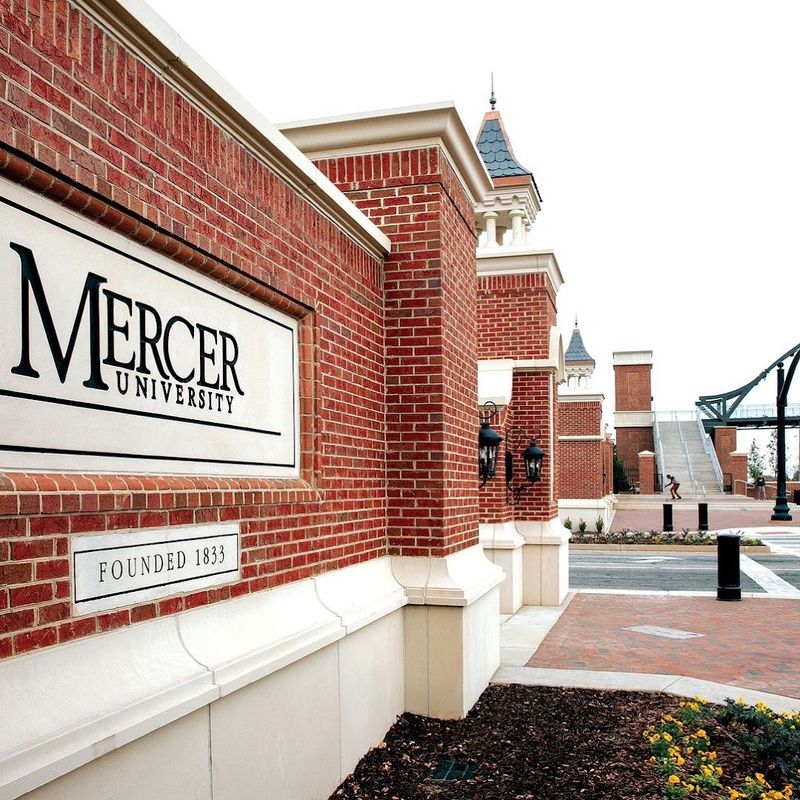
Founded in 1833, Mercer University gives Macon a lively college-town energy that blends seamlessly with the city’s historic character. The campus is genuinely lovely, with red brick buildings, manicured lawns, and wide shaded pathways that feel inviting in every season.
Mercer is a private Baptist university offering programs in law, medicine, engineering, and the arts, drawing students from across the country.
The university has deep ties to Macon’s cultural life. Mercer’s Townsend School of Music regularly hosts public concerts and performances that are open to the community.
The law school, one of the oldest in Georgia, has produced judges, governors, and civic leaders who shaped the state’s history. Walking around campus gives you a sense of how deeply Mercer is woven into Macon’s identity.
The surrounding Mercer Village neighborhood has grown into a charming stretch of locally owned restaurants, coffee shops, and boutiques that draw both students and longtime residents. It is a great spot to grab a meal after exploring other parts of the city.
Mercer also plays a role in Macon’s annual Cherry Blossom Festival, with cherry trees blooming beautifully across campus grounds. The university proves that Macon is not just a city of history but also a city of ideas and ongoing growth.
The Grand Opera House: Southern Elegance on a Grand Stage
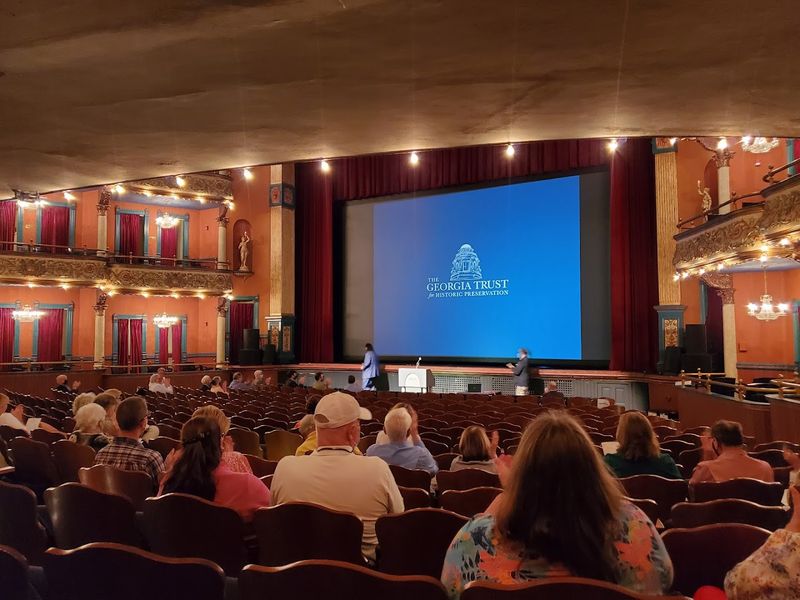
When it opened in 1884, the Grand Opera House was considered one of the finest performance venues in the entire South. Today, it still earns that reputation.
Sitting inside feels like being wrapped in history, with ornate plasterwork, soaring ceilings, and a design that seems almost too beautiful for a mid-sized Southern city. The Grand has hosted everyone from Harry Houdini to the Ringling Brothers Circus to modern Broadway touring productions.
Located on Cherry Street in downtown Macon, the Grand Opera House is managed by Mercer University and seats around 1,000 guests. The venue hosts a full season of performances each year, including concerts, theatrical productions, dance performances, and comedy shows.
Tickets are reasonably priced, making it accessible for families and students alike.
The building underwent a major restoration in the 1970s that preserved its original Victorian grandeur while updating essential infrastructure. A second restoration effort more recently brought even more of its historic details back to life.
If you visit Macon and enjoy live performance of any kind, catching a show at the Grand Opera House should be near the top of your list. Few places in Georgia manage to combine this level of architectural beauty with this quality of entertainment under one roof.
Macon’s Incredible Music Heritage: The City That Birthed Southern Soul
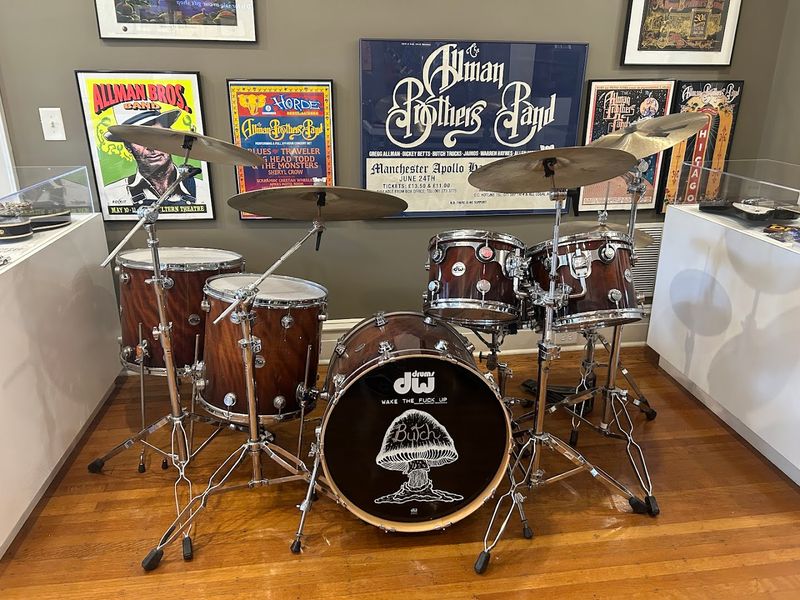
Long before Nashville claimed the crown of American music, Macon was quietly producing some of the most influential sounds in history. The city served as the launchpad for artists like Little Richard, Otis Redding, James Brown, and the Allman Brothers Band.
That is not a coincidence. Something about Macon’s blend of gospel roots, blues traditions, and raw Southern energy created the perfect conditions for musical genius to flourish.
Capricorn Records, founded in Macon in 1969, was the label that signed the Allman Brothers and helped define Southern rock as a genre. The label’s influence rippled across American music for decades.
Today, visitors can explore Macon’s music history through multiple museums, walking tours, and dedicated historical markers placed throughout downtown streets.
The city celebrates its musical legacy with events year-round, but the annual Bragg Jam music festival held each summer is a particular favorite among locals and visitors. More than 100 bands perform across multiple downtown venues in a single weekend.
Macon’s music story is not just about nostalgia either. New artists continue to emerge from this city, carrying forward a tradition of soulful, boundary-pushing sound.
If you love American music in any form, Macon deserves a spot on your travel map immediately.
Downtown Macon’s Food Scene: Southern Flavor with a Modern Twist
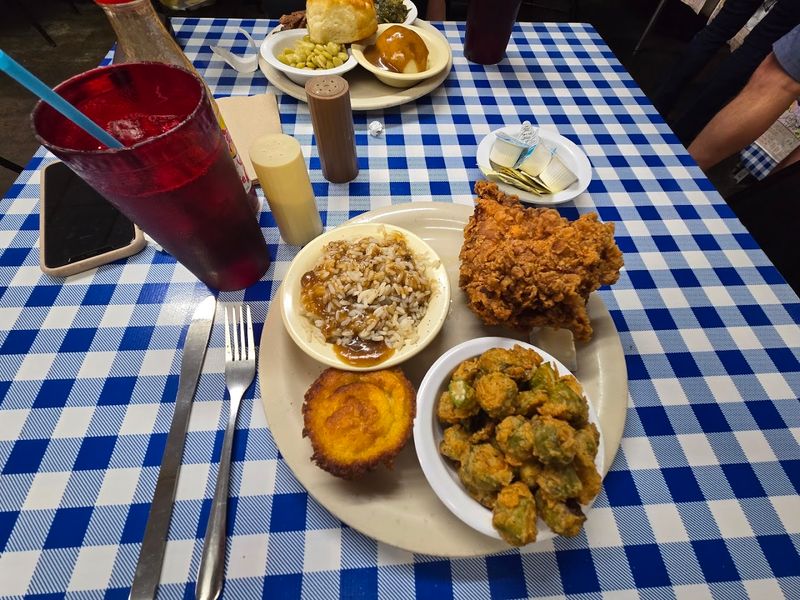
Macon’s downtown food scene has quietly transformed over the past decade into something genuinely exciting. The streets around Cherry Street and Cotton Avenue are now lined with restaurants that celebrate Southern cooking while adding creative, modern twists that keep things interesting.
From smoked barbecue joints to farm-to-table bistros, there is something for every kind of eater here.
Local favorites include spots known for their fried chicken biscuits, slow-cooked pork, fresh Georgia peach desserts, and craft cocktails made with locally sourced ingredients. Several restaurants have received regional and national recognition, putting Macon firmly on the foodie map.
Brunch culture is especially strong here, with long lines forming on weekends at the most beloved spots.
What makes eating in Macon feel special is the warmth of the people behind the food. Many restaurant owners are Macon natives who grew up eating these dishes and now pour that love into every plate they serve.
The downtown area is compact and walkable, making it easy to hop from one spot to the next in an afternoon. Food tours are also available and offer a guided way to sample the best the city has to offer.
Macon’s kitchen is one of its best-kept secrets, and it rewards curious eaters generously.
The Cannonball House: A Civil War Relic Standing in the Middle of the City
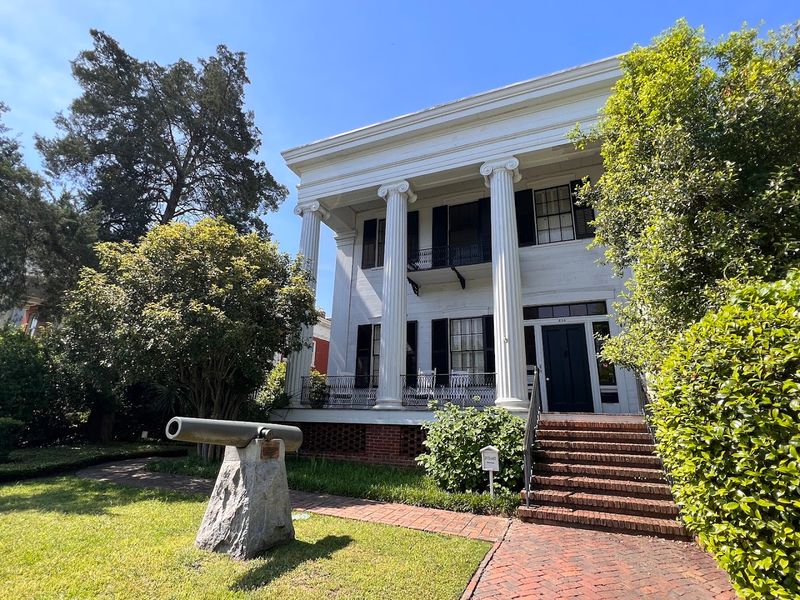
In 1864, a Union Army cannonball crashed through the front parlor of a stately Greek Revival home in Macon, Georgia. Remarkably, no one inside was killed.
Even more remarkably, the house still stands today, and you can visit the very room where that cannonball landed. Known as the Cannonball House, this antebellum home is one of Macon’s most unique and memorable historical attractions.
Built in 1853 for a local judge, the house is a beautifully preserved example of pre-Civil War Southern architecture. The interior has been carefully restored and furnished with period-appropriate pieces that paint a vivid picture of life in Georgia during the 1800s.
The actual cannonball and the damage it caused are displayed as part of the tour, giving visitors a tangible connection to one of history’s most defining conflicts.
Guided tours are available and led by knowledgeable docents who bring the history to life with personal stories and historical context. The Cannonball House is managed by the United Daughters of the Confederacy and sits in a quiet residential neighborhood just minutes from downtown Macon.
It is a sobering and fascinating reminder that history did not happen in distant places but right here, in the streets and homes of ordinary American cities.