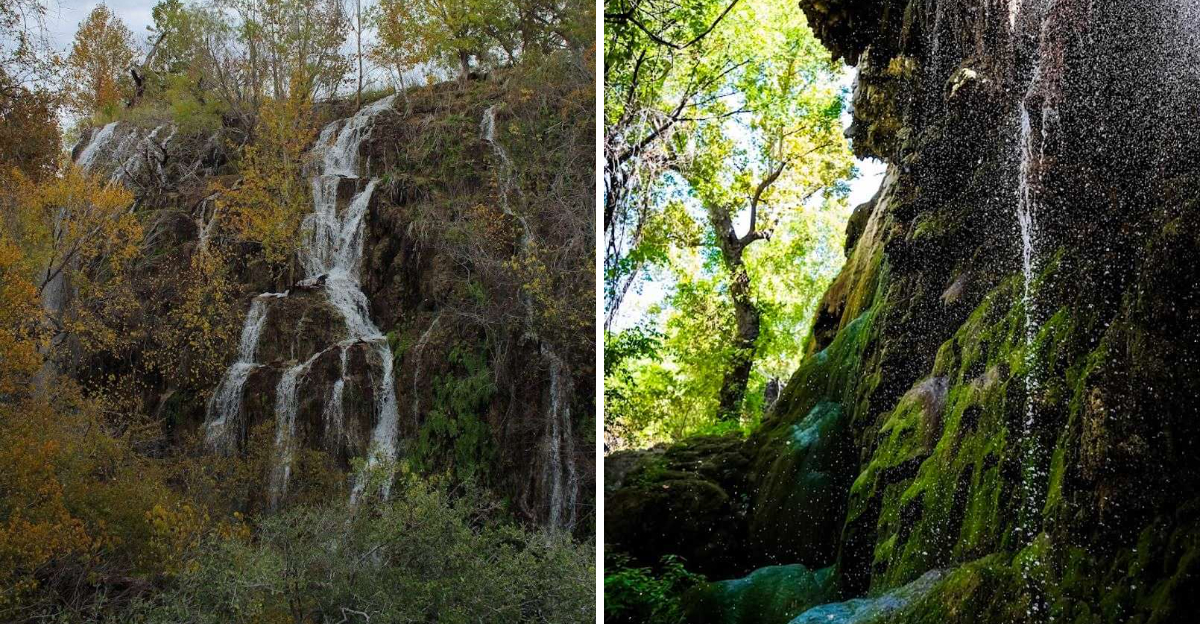
Tucked inside Colorado Bend State Park near the tiny town of Bend, Texas, Gorman Falls is one of the most surprising natural wonders in the entire Lone Star State.
Standing 70 feet tall and draped in thick, velvety moss, this waterfall looks like it belongs in a rainforest rather than the rugged Texas Hill Country.
A moderate 3-mile round-trip hike leads you through cedar and scrub before dropping you into a cool, lush canyon that will leave your jaw on the floor.
Whether you’re a seasoned hiker or just looking for a one-of-a-kind outdoor adventure, Gorman Falls is absolutely worth the trip.
Gorman Falls: Texas’s Hidden Jungle Waterfall
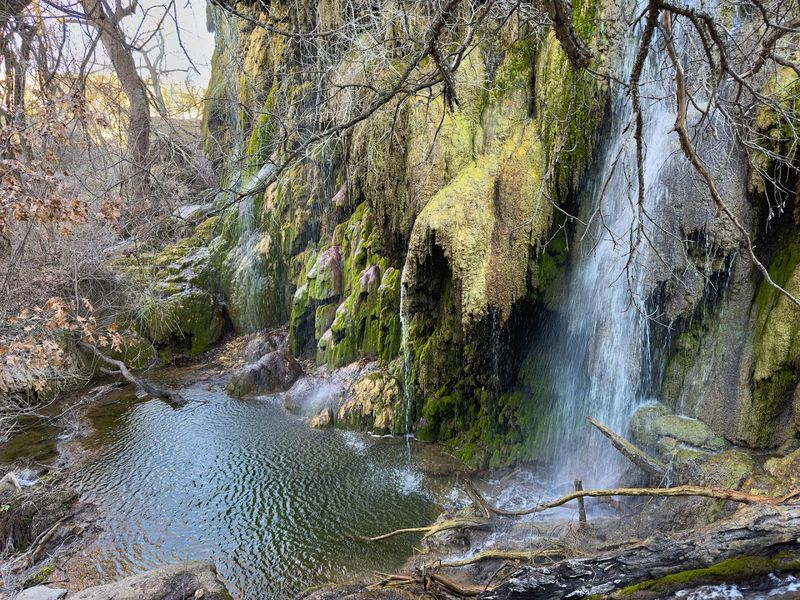
Most people picture dry, dusty landscapes when they think of Texas — so finding a 70-foot, moss-draped waterfall hiding in the Hill Country feels like discovering a secret portal to another world. Gorman Falls sits within Colorado Bend State Park, a state-managed gem near the small community of Bend, Texas.
The falls are not visible from the road or even the trailhead, which makes the reveal at the end of the hike all the more magical.
Water from natural springs flows year-round over a spectacular wall of travertine rock, keeping the entire area soaked in moisture. That constant dampness feeds a thick carpet of moss and fern that coats every surface, giving the canyon an almost otherworldly green glow.
Unlike most Texas landscapes baked under the summer sun, this spot stays noticeably cool and humid.
Gorman Falls was designated a natural landmark specifically because of how rare and ecologically rich it is for this region. Photographers, nature lovers, and curious families all make the pilgrimage here, and almost none of them leave disappointed.
Seeing it in person is a reminder that Texas still holds wild, breathtaking surprises for those willing to lace up their hiking boots and explore.
Where It Is and Why It Stands Out
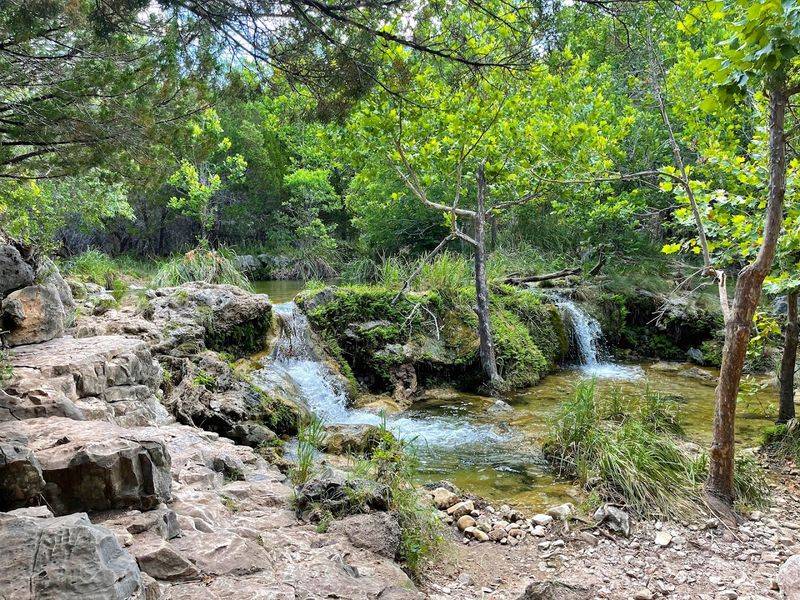
Colorado Bend State Park sits about 100 miles northwest of Austin, near the small town of Bend, Texas, which has a population of just a few dozen people. The park itself covers more than 5,000 acres along the Colorado River, offering a wild and largely undeveloped slice of central Texas.
Getting there requires driving down a long stretch of unpaved road, which keeps the crowds smaller than at more accessible parks.
What makes Gorman Falls truly stand out is the contrast it creates within its own surroundings. Just a short drive away, the landscape is all rocky hillsides, thorny brush, and sun-baked limestone.
But at the falls, spring-fed water transforms the canyon into something lush, cool, and green — a micro-environment that defies everything the surrounding terrain suggests is possible.
The springs that feed Gorman Falls never stop flowing, even during dry spells that parch the rest of the region. That reliable water source is what sustains the unique ecosystem here.
Visitors who make the journey often say the falls feel like a reward — a hidden treasure tucked at the end of a trail that most of the country doesn’t even know exists. That sense of discovery is part of what makes it so special.
Geological Wonder: Travertine Rock Formations
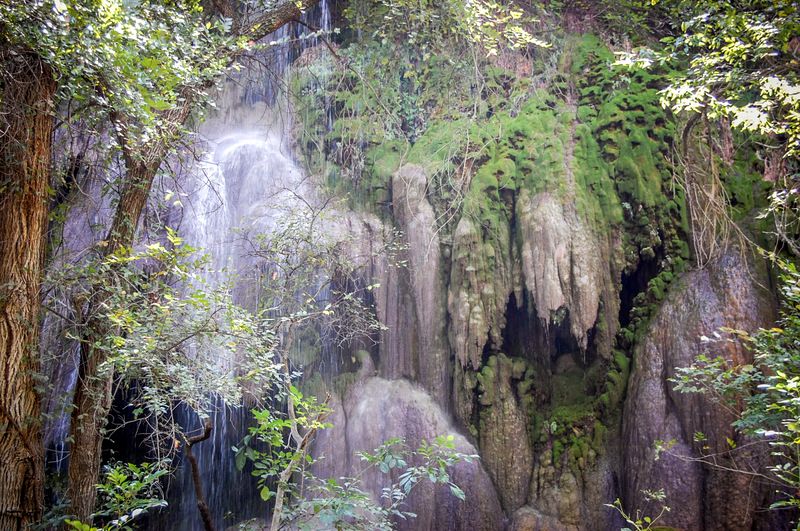
Gorman Falls is not your average waterfall — and the reason comes down to geology. Unlike most waterfalls that carve rock away over time through erosion, Gorman Falls actually builds itself up.
Mineral-rich spring water carries dissolved calcium carbonate, and as that water flows over the rock face and hits the air, it deposits the mineral in thin layers. Over thousands of years, those layers stack up into what geologists call travertine.
Travertine is the same material found in famous natural formations like Mammoth Hot Springs in Yellowstone. At Gorman Falls, the travertine face is constantly growing — slowly, almost invisibly, but steadily.
That process is what gives the falls their bumpy, textured, almost sculptural appearance. Every ridge and curve you see is a record of water flowing over that exact spot for centuries.
The moss and plant life that cling to the travertine face are part of the formation process too. Plant roots and organic material become incorporated into the rock as new layers build on top of them.
Scientists and geology students visit specifically to study this ongoing process. For regular visitors, it just looks stunningly beautiful — a living, growing wall of green and stone that feels ancient and alive at the same time.
The Hike to the Falls: What to Expect
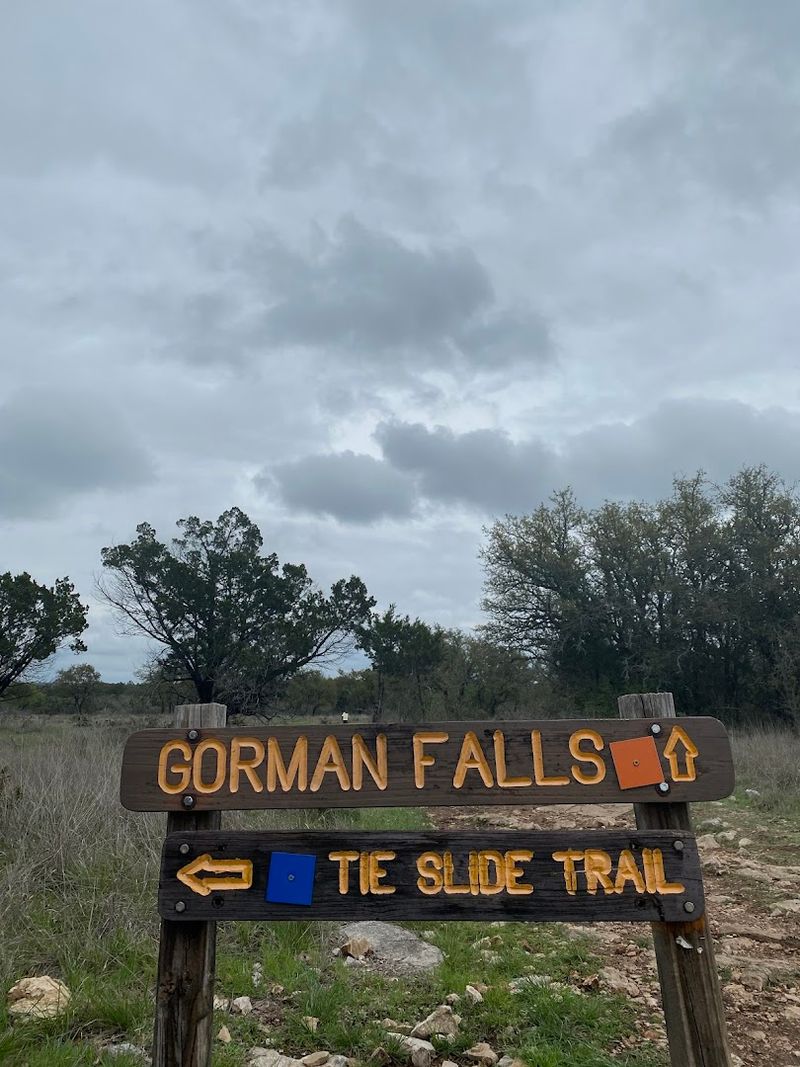
Earning the view at Gorman Falls takes a bit of effort, and that effort is genuinely part of the experience. The round-trip hike clocks in at roughly 3 miles, rated moderate in difficulty.
The trail winds through classic Hill Country scenery — juniper cedar, live oak, prickly pear cactus, and exposed limestone rock. It is not a flat walk, but it is manageable for most people with basic fitness and the right footwear.
The most memorable part of the hike comes near the very end. A steep descent drops you down into the canyon, and a wooden handrail helps keep hikers steady on the rocky slope.
That final approach builds anticipation perfectly — you can often hear the falls before you see them, and the air noticeably cools as you get closer. Then the canyon opens up and the full spectacle of the waterfall appears before you.
Guided tours are available through the park on certain days, led by rangers who share geological and ecological details that make the experience even richer. Self-guided hikers should pick up a trail map at the park office before heading out.
The trail is well-marked overall, but a few junction points can be easy to miss if you’re moving quickly or distracted by the scenery around you.
Trail Conditions and Smart Hiking Tips
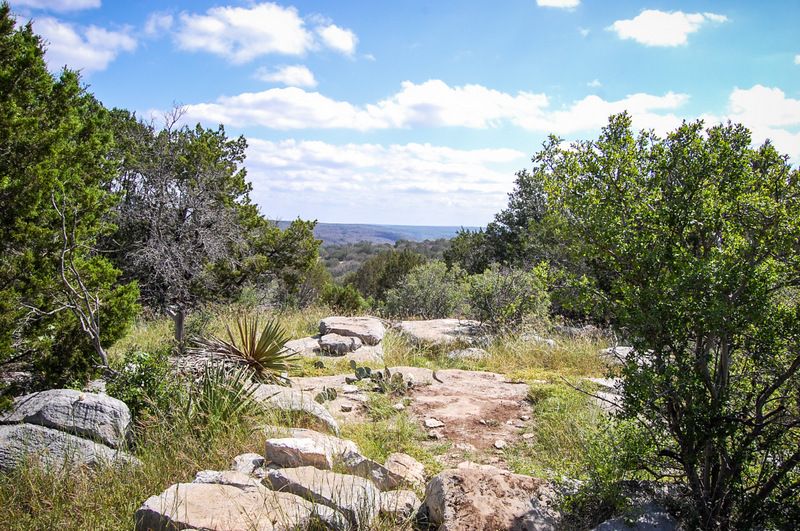
Preparation makes all the difference on the trail to Gorman Falls. The path covers exposed terrain for much of its length, meaning the Texas sun beats down without mercy, especially from late spring through early fall.
Carrying at least two liters of water per person is not just a suggestion — on hot days, it is a genuine safety need. Heat exhaustion is a real risk if you underestimate how draining the warm temperatures can be on an open rocky trail.
Footwear matters more here than on many other hikes. The trail surface includes loose gravel, slick limestone, and uneven roots, particularly on the descent into the canyon.
Sturdy hiking shoes or trail runners with good grip will keep you confident and safe. Sandals and flip-flops are a recipe for a twisted ankle, especially on that steep final section with the handrail.
Spring and fall are widely considered the best seasons to visit. Temperatures are cooler, wildflowers sometimes dot the trailside, and the spring-fed water flows with more visual drama after seasonal rains.
Summer visits are doable but demand an early morning start before the heat builds. Winter is quieter, cooler, and surprisingly peaceful, offering a more solitary experience for those who prefer the trail to themselves.
Ecosystem and Plant Life at the Falls
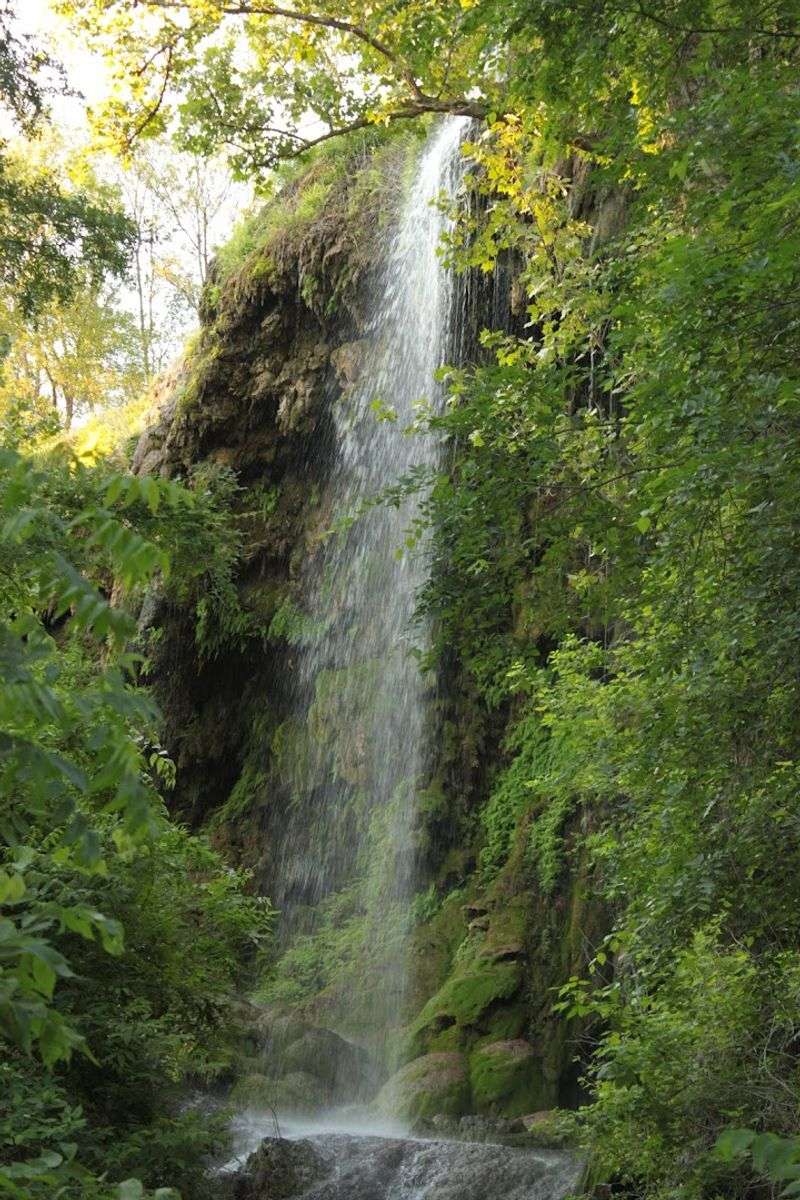
Step into the canyon at Gorman Falls and you step into a completely different world. While the trail above is dry and sun-baked, the area directly around the falls bursts with dense, layered plant life that would feel more at home in a Pacific Northwest rainforest.
Maidenhair ferns drape delicately from the rock walls. Thick mosses carpet every surface that catches moisture.
Liverworts and algae fill in the gaps, creating a patchwork of deep greens.
This micro-habitat exists entirely because of the constant supply of spring water. The moisture never stops, so the plants never dry out, even during summer droughts that leave the surrounding Hill Country parched and brown.
That stability allows species to thrive here that simply cannot survive anywhere else in the immediate area. Ecologists refer to this kind of isolated, moisture-dependent zone as a refugium.
The plant life also attracts wildlife. Canyon wrens nest in the rocky crevices, singing their cascading songs that echo beautifully off the stone walls.
Insects, amphibians, and small mammals are drawn to the water source. Birders sometimes visit specifically hoping to spot species that are rare elsewhere in the region.
The whole ecosystem functions like a tiny island of biodiversity surrounded by drier terrain on all sides.
Why It Feels Tropical Inside the Canyon
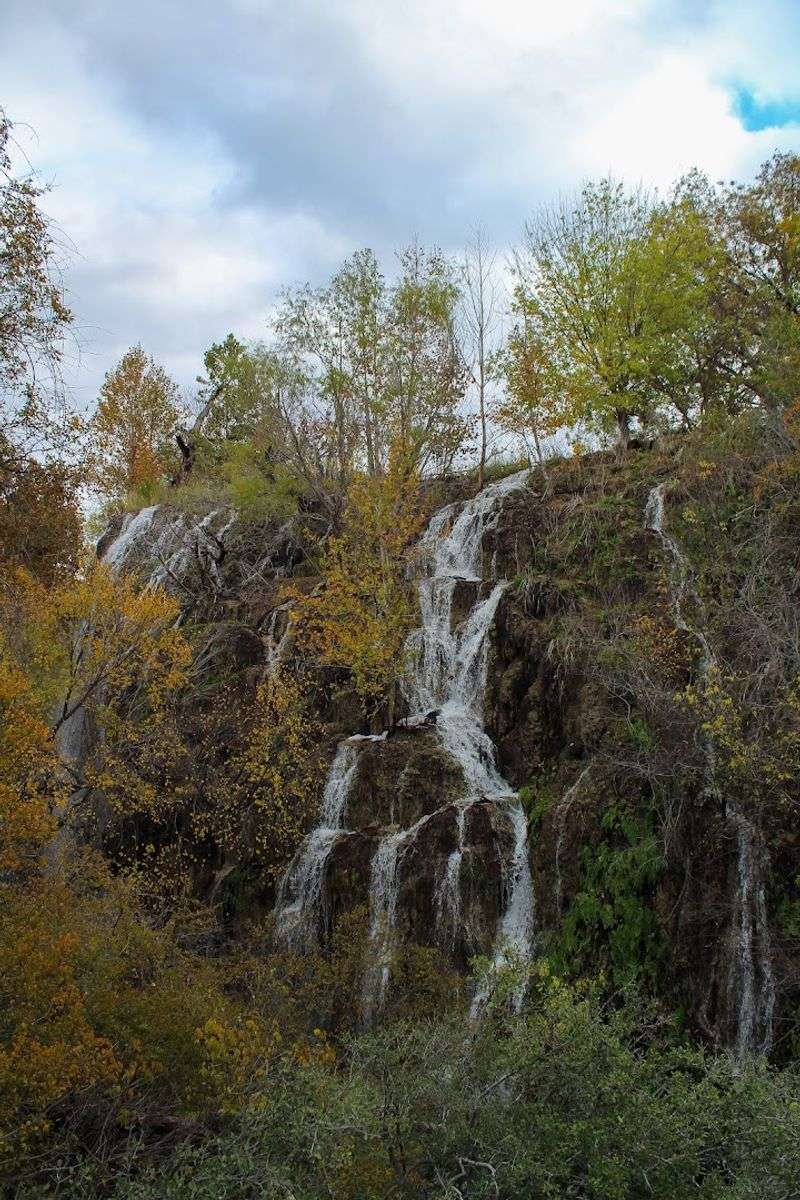
Closing your eyes at the base of Gorman Falls and just listening, you might genuinely forget you’re in Texas. The air is noticeably cooler than the trail above — sometimes by 10 degrees or more.
A fine mist drifts outward from the falling water, landing softly on your skin and hair. The sound is a constant, steady rush that drowns out everything else.
It is immediately calming, like nature’s own white noise machine cranked up to full volume.
Open your eyes and the visual impact is just as striking. The canyon walls rise steeply on both sides, coated floor-to-ceiling in vivid green moss and fern.
Sunlight filters down in soft, diffused beams rather than the harsh glare found on the open trail. The overall effect — the green walls, the mist, the shade, the sound — genuinely resembles a tropical grotto more than anything typically associated with Texas.
Visitors often describe the experience as surreal, even emotional. Some say it’s the most unexpected thing they’ve ever encountered in the state.
The contrast between the dry, scrubby trail leading in and the lush, dripping canyon at the end is so dramatic that it almost feels theatrical. Nature staged this reveal perfectly, and the waterfall delivers every single time.
Viewing Etiquette and Protecting the Falls

Gorman Falls is breathtaking, and that beauty comes with responsibility. The Texas Parks and Wildlife Department has strict rules in place specifically to protect the fragile ecosystem here.
Swimming at the base of the falls is not allowed — the travertine formations and the mosses that cover them are incredibly sensitive to human contact. A single footstep on the wrong surface can damage formations that took hundreds of years to grow.
Visitors are required to stay on designated viewing paths and platforms. These areas are carefully positioned to give excellent views without putting people in contact with the most delicate parts of the canyon.
Tempting as it might be to get closer for a photo, stepping off the path risks both personal safety and permanent damage to the natural features that make this place worth visiting in the first place.
Leaving no trace is the golden rule here. Pack out everything you bring in — snack wrappers, water bottles, and yes, even orange peels.
Pets are not permitted on the trail to the falls, which helps protect the wildlife that depends on this quiet habitat. The park exists because enough people cared to preserve it, and every visitor has a role in making sure it stays intact for the next generation of explorers to discover and love.
Seasonal Variations and Best Times to Visit

Gorman Falls shifts personality throughout the year, and knowing what to expect in each season helps you plan the visit that fits what you’re looking for. Spring is arguably the showiest time to go.
Rains boost the flow of the springs, making the waterfall fuller and louder, and wildflowers sometimes bloom along the trail. Mild temperatures make the hike comfortable, and the whole park feels alive and vibrant in a way that is hard to match any other time of year.
Summer brings the biggest crowds and the most intense heat. If you visit between June and August, an early morning arrival — ideally before 9 a.m. — is essential.
The falls themselves remain lush even in dry summers because the springs never stop, but the hike in can feel grueling if the temperature climbs into the 90s before you finish. Shade is limited on the trail, so plan accordingly.
Fall is a quieter, golden alternative to spring, with cooling temps and the possibility of post-rain surges in flow. Winter visits offer something different entirely — fewer visitors, cooler air, and a more contemplative atmosphere.
The falls keep flowing even in cold months, and the low winter light creates moody, dramatic photo opportunities that summer visitors rarely get to experience. Every season has something genuine to offer.