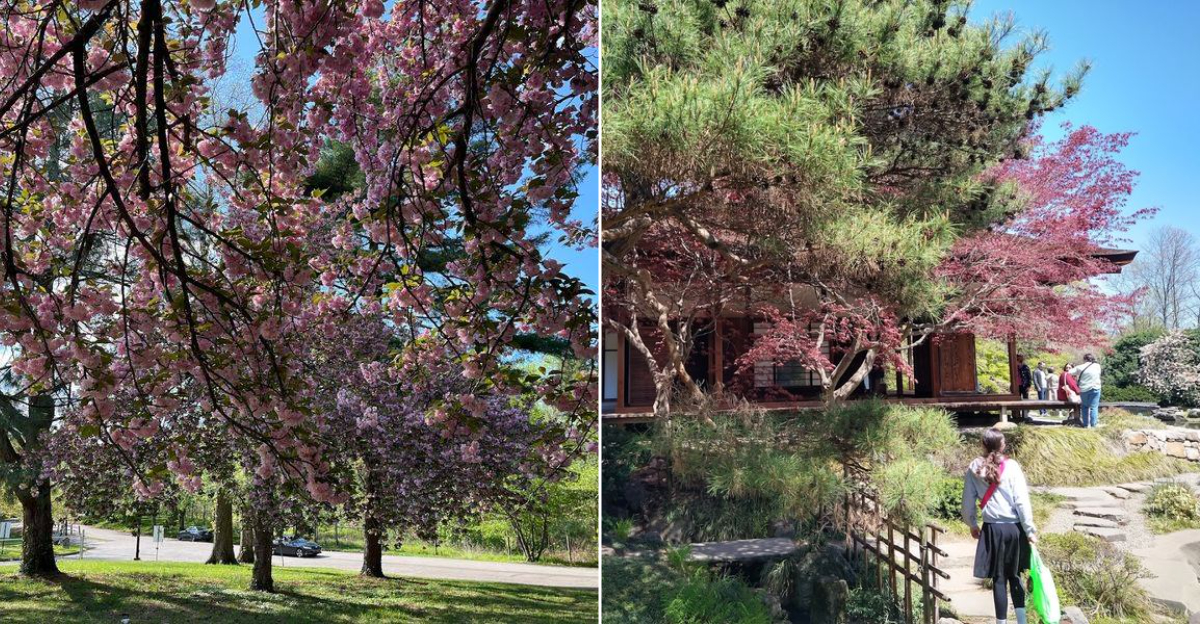
You don’t need a ticket to Washington, D.C. to walk beneath breathtaking cherry blossoms. Tucked inside Fairmount Park, a peaceful path near Shofuso Japanese House and Garden turns into a pink wonderland every spring.
The traditional Japanese house, koi pond, and carefully shaped gardens make the setting feel worlds away from city noise. One minute you’re in Philadelphia, the next you feel like you’ve stepped into a serene corner of Japan.
Every year the blossoms return for a brief, beautiful show. Miss the timing and the petals are gone in days.
Catch them at their peak and this hidden walk becomes one of the most unforgettable spring scenes in Pennsylvania.
The Cherry Blossom Spectacle That Starts It All
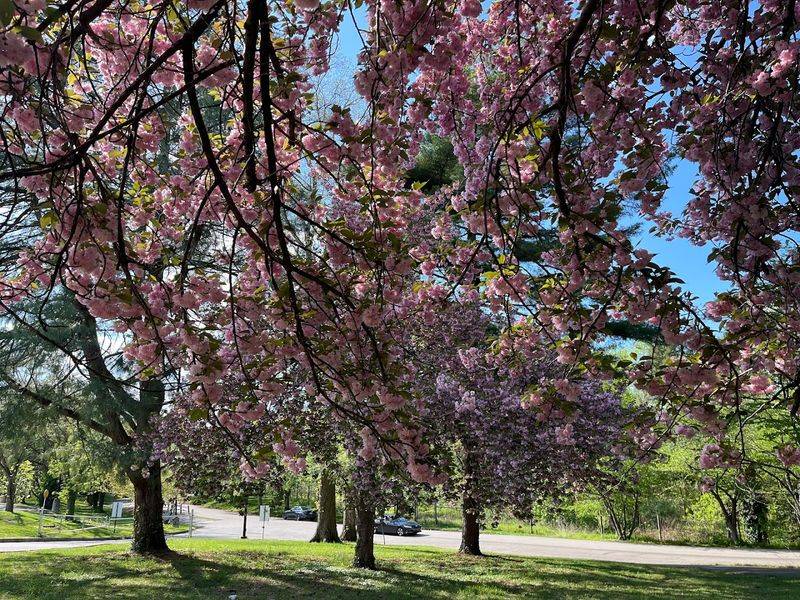
Every April, something almost magical happens at Shofuso. The cherry blossom trees burst into clouds of soft pink and white blooms, turning the garden paths into something straight out of a postcard.
Visitors often stop mid-step just to take it all in, and honestly, who could blame them?
What makes Shofuso’s cherry blossoms extra special is how they frame the 17th-century-style Japanese house. The combination of traditional architecture and flowering trees creates a scene that feels carefully composed, like a living painting.
Photographers and casual visitors alike find themselves spending way more time here than planned.
The blooming season typically lasts two to three weeks, so timing your visit matters. Early morning visits offer the quietest experience, with soft light filtering through the petals.
Many locals consider this the best-kept spring secret in all of Pennsylvania, and once you see it for yourself, you’ll completely understand why people keep coming back year after year just for this fleeting, breathtaking moment.
A House Built in Japan, Transplanted to Philadelphia
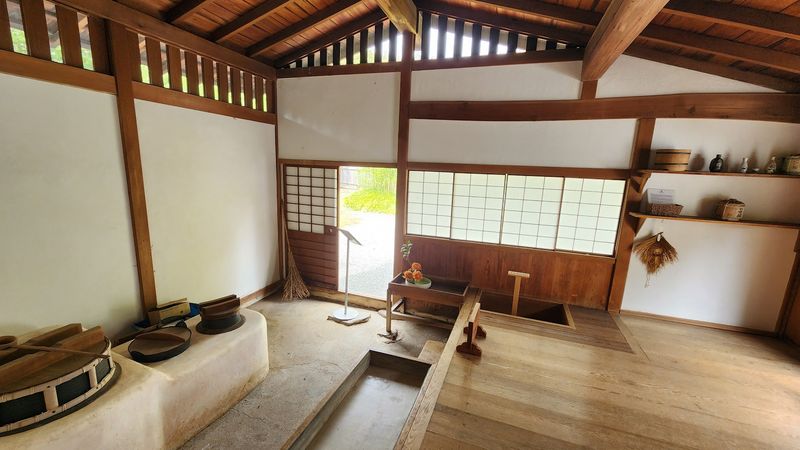
Here’s a fact that genuinely surprises most first-time visitors: the main structure at Shofuso was actually built in Japan in 1953. Skilled Japanese carpenters constructed it in the style of a 17th-century aristocratic home, using traditional joinery techniques that don’t rely on nails.
The entire building was then shipped to New York for an exhibition at the Museum of Modern Art.
After its New York debut, the house was dismantled and transported to Philadelphia, where it was rebuilt in Fairmount Park during the 1950s. That journey alone makes Shofuso one of the most historically fascinating structures in the entire city.
Nowhere else in Pennsylvania can you walk through a building with that kind of extraordinary origin story.
Inside, the rooms feel wonderfully authentic. Tatami mats cover the floors, hand-painted sliding doors called fusuma divide the spaces, and the low ceilings give every room an intimate, grounded quality.
Visitors are asked to remove their shoes before entering, which adds a respectful, immersive touch. Bringing a pair of clean socks is a small but very worthwhile tip for enjoying the experience comfortably.
Koi Fish That Will Swim Right Up to You
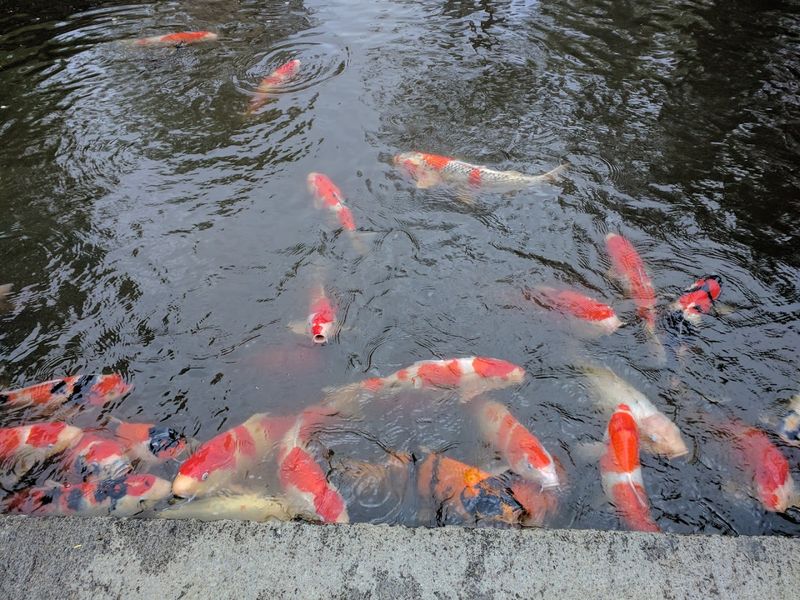
Ask anyone who has visited Shofuso what their favorite moment was, and a surprising number of them will say the koi fish. These are not shy, skittish pond creatures hiding in murky corners.
The koi at Shofuso are bold, curious, and absolutely enormous — some reaching lengths that make first-time viewers gasp out loud.
For just two dollars, you can grab a small cup of fish food at the entrance and head straight to the pond. The moment you lean over the railing, the koi come rushing toward you in a swirling mass of orange, white, red, and gold.
It’s genuinely thrilling, especially for kids who might not otherwise connect with a cultural garden visit.
One visitor even described sitting on the veranda for nearly an hour, completely transfixed by watching the fish glide through the water. The pond is positioned so that cherry blossoms and the house itself reflect across its surface, making the whole scene incredibly photogenic.
Feeding the koi transforms a quiet garden walk into an interactive, joyful memory that sticks with visitors long after they’ve gone home.
The Veranda: Where Time Slows Down Completely
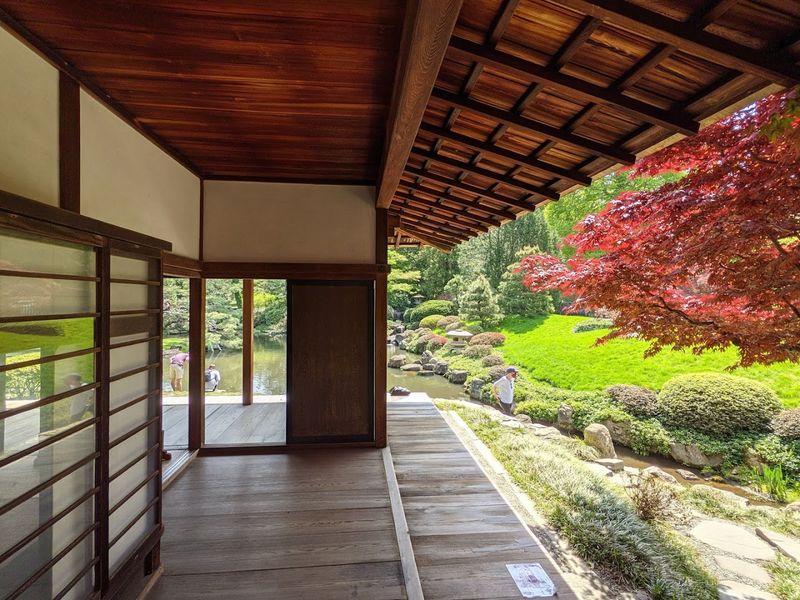
Somewhere between stepping out of your shoes and finding a seat on the wooden veranda, the noise of everyday life just fades away. The open deck wraps around part of the house and looks directly out over the koi pond and the surrounding garden.
It’s the kind of view that makes your shoulders drop and your breathing slow without you even realizing it.
Visitors are welcome to sit quietly on the veranda and simply absorb the scenery. There’s no rush, no loud soundtrack, and no flashing screens competing for your attention.
Some guests spend twenty minutes out there; others linger for much longer, watching herons land near the water’s edge or spotting turtles sunning themselves on rocks.
The design of the veranda is intentional in Japanese architecture — it acts as a transitional space between the interior of the house and the natural world outside. That blending of indoors and outdoors is a core principle of traditional Japanese design, and at Shofuso, it works beautifully.
Even on an overcast day, the veranda offers a meditative quality that urban visitors find surprisingly refreshing and hard to leave behind.
The Teahouse Tucked Behind the Main Garden
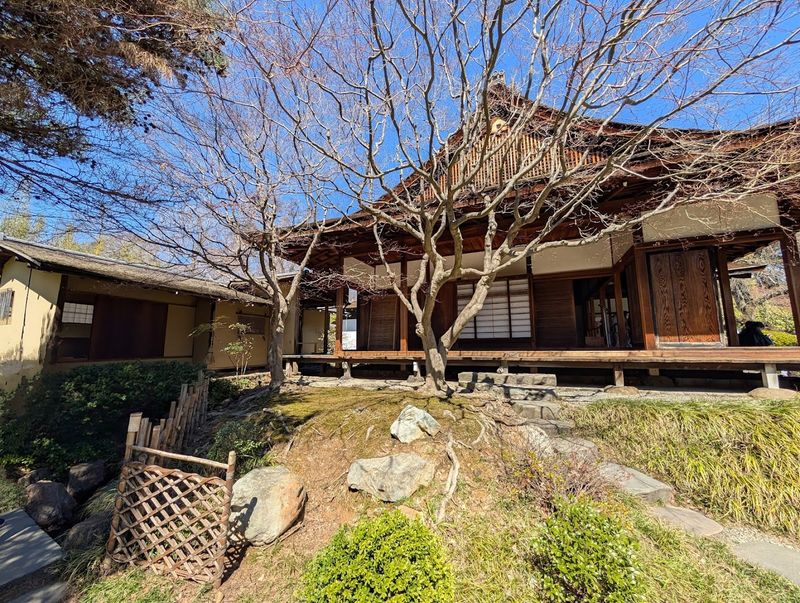
Hidden just beyond the main garden, almost like a secret reward for those who wander far enough, sits the authentic teahouse at Shofuso. Built according to traditional Japanese tea ceremony standards, this small structure is a masterclass in intentional simplicity.
Every element — the low doorway, the bare walls, the careful placement relative to the garden — was designed to encourage mindfulness and humility.
Tea ceremonies have been practiced in Japan for centuries, and the teahouse embodies their philosophy perfectly. Guests entering must bow slightly due to the low entrance, which is a deliberate design choice meant to create equality among participants regardless of social rank.
That kind of thoughtful symbolism is woven into every aspect of the space.
Shofuso occasionally hosts actual tea ceremony events, and if you can time your visit to coincide with one, the experience becomes truly unforgettable. Even without an active ceremony, walking through and understanding the purpose behind the teahouse’s spare design leaves a lasting impression.
It’s a quiet reminder that sometimes the most meaningful spaces are the ones stripped of everything unnecessary, leaving only what truly matters for genuine human connection and reflection.
Seasonal Beauty That Reinvents Itself Year-Round
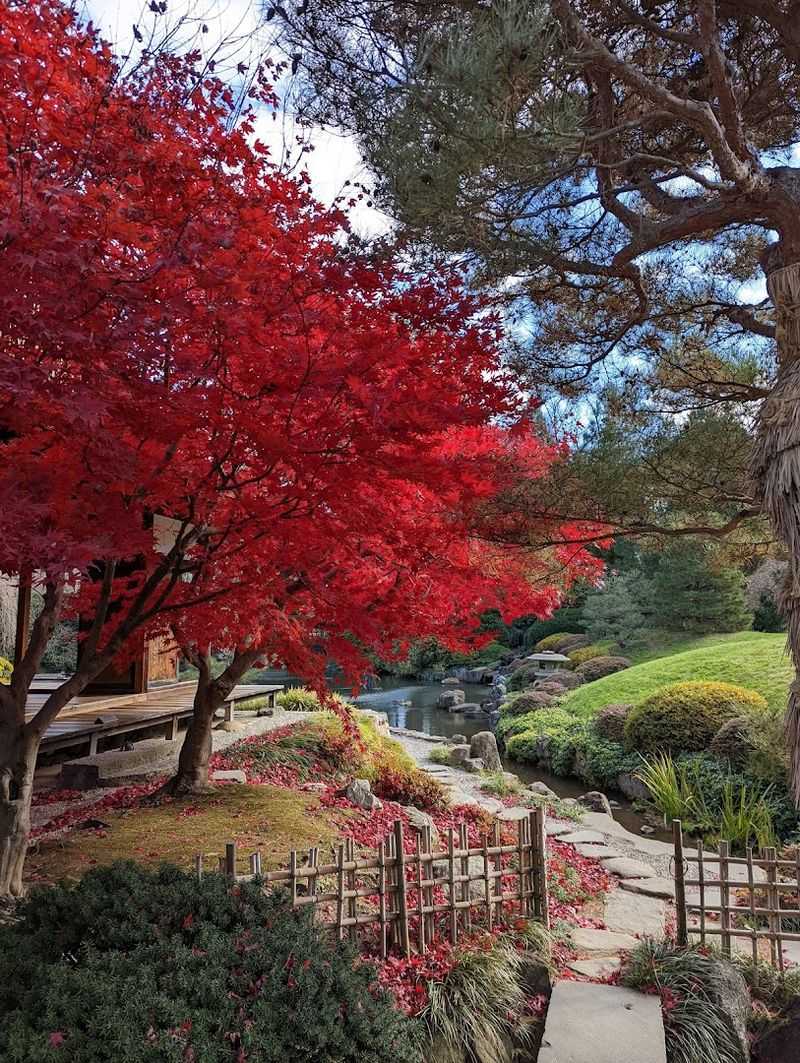
Cherry blossoms get most of the attention, but Shofuso is genuinely worth visiting in every single season. Spring brings the famous pink blooms, summer fills the garden with deep, layered greens and lotus flowers, autumn drapes everything in fiery maple reds and golds, and winter offers a starkly beautiful, contemplative stillness that feels almost meditative.
One longtime visitor described it perfectly: each season at Shofuso feels like a completely different garden. That’s not an exaggeration.
The plantings were chosen deliberately to ensure visual interest throughout the year, following the Japanese gardening philosophy of celebrating transience and seasonal change rather than fighting against it.
Staff at Shofuso will tell you that autumn is actually an underrated time to visit. The Japanese maple trees explode into vivid color, and the smaller crowds mean you can genuinely soak everything in without jostling for a good photo spot.
Ikebana flower arrangement exhibitions and other cultural events are also scheduled throughout the year, giving repeat visitors fresh reasons to return. Checking the official website at japanphilly.org/shofuso before planning your trip helps you line up a visit with something extra special happening on the grounds.
Guided Tours That Unlock Hidden Layers of the Space
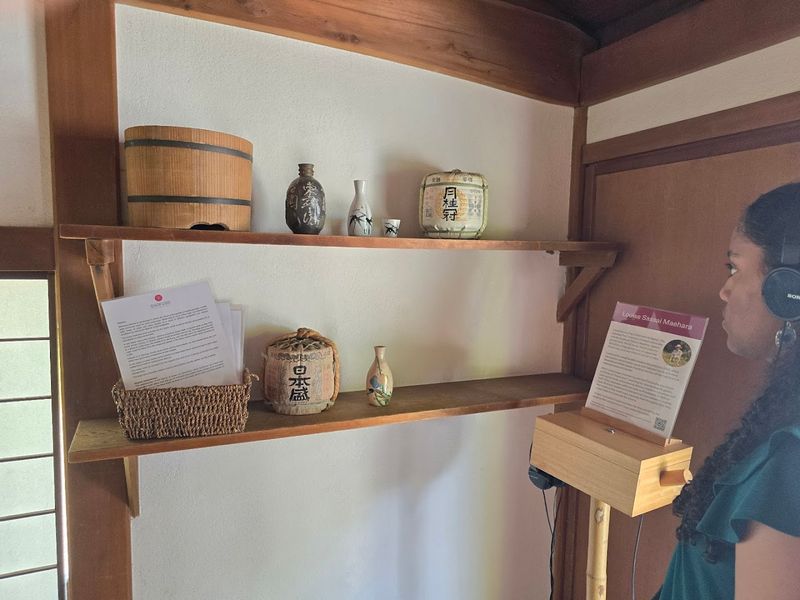
Walking through Shofuso on your own is pleasant, but taking a guided tour transforms the whole experience into something far richer. The guides at Shofuso are genuinely passionate about Japanese culture and history, and they know how to make complex architectural and cultural details feel accessible and exciting, even for visitors who know nothing about Japan.
One visitor named Jean was specifically praised in multiple reviews for her warmth and depth of knowledge. Having someone explain the symbolic meaning behind a low doorway, the purpose of a specific room, or the story of how the house traveled from Japan to Philadelphia completely changes how you see everything around you.
Suddenly, details you might have walked past become fascinating conversation starters.
Guided tours at Shofuso are available during regular visiting hours, and the staff are described by most visitors as approachable and eager to answer questions. For first-time visitors especially, the guided option is absolutely the way to go.
You’ll leave with a much deeper appreciation for what you’ve seen, and you’ll probably find yourself telling the story of this extraordinary place to friends and family long after your visit has ended.
Ikebana and Cultural Events That Bring the Garden to Life
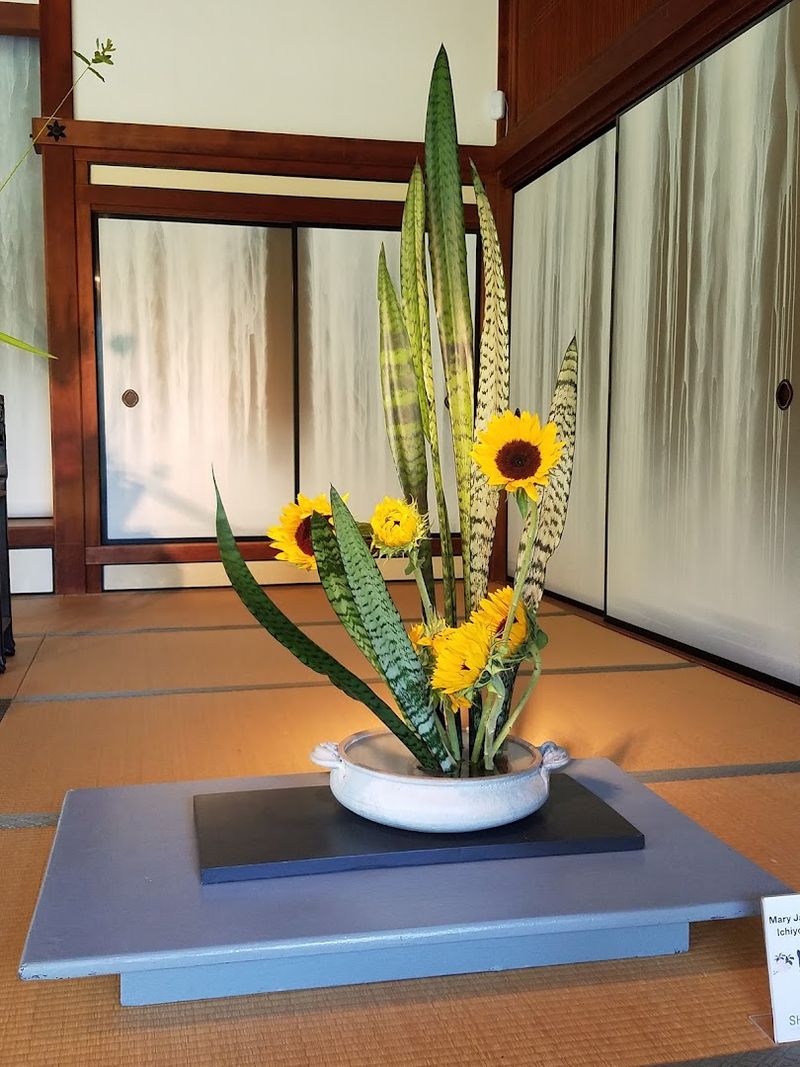
Beyond the architecture and the garden, Shofuso regularly hosts cultural events that add a living, breathing dimension to the space. Ikebana exhibitions — showcasing the Japanese art of intentional flower arrangement — are among the most popular.
Unlike Western flower arrangements that tend to prioritize fullness and color, Ikebana celebrates negative space, asymmetry, and the beauty of a single branch or stem placed with purpose.
Several visitors have specifically mentioned attending Ikebana events at Shofuso as a highlight of their Philadelphia experience. Seeing these delicate, sculptural compositions displayed within the authentic Japanese house setting makes the artform feel completely natural and deeply connected to the culture it comes from.
It’s the kind of experience that’s difficult to replicate anywhere else in the region.
Throughout the year, Shofuso also hosts tea ceremony demonstrations, traditional music performances, and seasonal festivals tied to the Japanese cultural calendar. Checking the events schedule before your visit is genuinely worthwhile.
These programs are designed for all ages and backgrounds, making Shofuso not just a beautiful garden to walk through, but an active cultural center where Japanese traditions stay vibrant and accessible to the entire Philadelphia community.
Practical Tips for Getting the Most Out of Your Visit
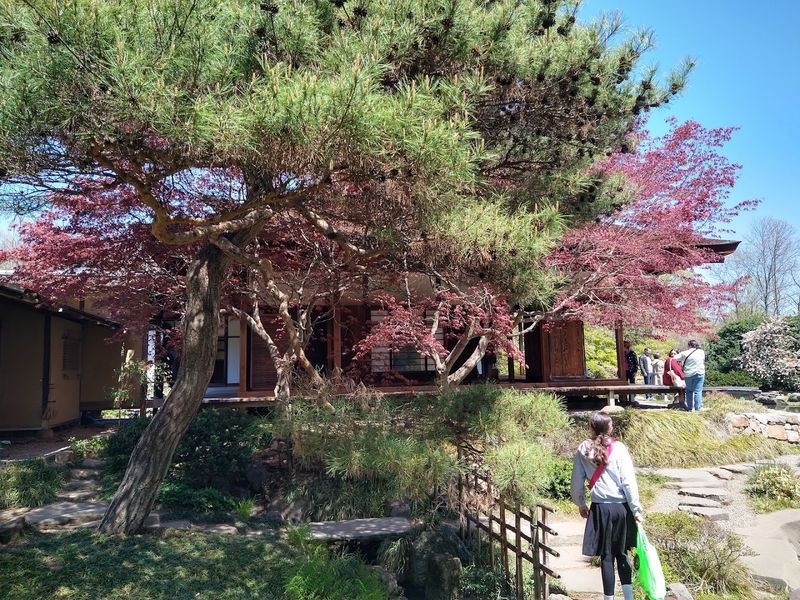
A little preparation goes a long way at Shofuso. Tickets are required to enter the house and garden, priced at fifteen dollars for adults and ten dollars for teens and seniors.
You can purchase them online in advance or use the QR code at the gate on arrival. Buying ahead is smart during peak cherry blossom season, when the garden draws its largest crowds.
Wear comfortable shoes you can slip on and off easily, since you’ll remove them before entering the house. Clean socks are a must — bare feet on tatami mats aren’t exactly the cultural impression you want to make.
Bringing a small water bottle is also a smart move, as there’s no food or beverage vendor on site during most visits.
Parking is available near the entrance along Horticultural Drive, and street parking in the surrounding Fairmount Park area is generally accessible. Public transit riders should plan for a longer journey from Center City and check route details in advance.
The garden is compact, so most visitors complete their experience in about forty minutes to an hour. Arriving early on weekdays gives you the best chance of having the peaceful, unhurried visit that Shofuso truly deserves.