California isn’t just sun, surf, and palm trees—some of its best adventures happen indoors.
From mind-bending science exhibits in San Francisco to mysterious art collections in Los Angeles, these indoor spots are playgrounds for curiosity.
You can wander through towering galleries, walk beneath the stars in a planetarium, or step into a mansion full of secrets. Every corner sparks surprise, and every exhibit tells a story you didn’t see coming.
In 2026, make time for these 14 spots. They’ll change how you think about indoor fun, and you might leave with more than souvenirs—you might leave with your imagination completely stretched.
California Academy of Sciences
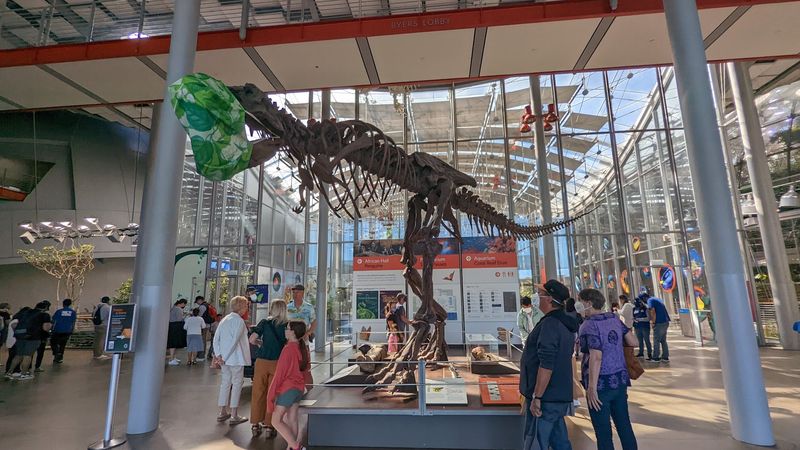
If you want one indoor attraction that covers almost everything, the California Academy of Sciences is hard to beat. Inside Golden Gate Park, this San Francisco favorite combines an aquarium, planetarium, rainforest, and natural history museum under one remarkable roof.
That variety makes it especially worth visiting in 2026, when travelers are looking for places that deliver a full day without feeling repetitive.
The living rainforest dome is usually the first space that pulls you in. You move upward through warm, humid air while colorful birds and butterflies pass overhead, then transition into aquarium galleries where coral reefs, glowing tanks, and deep ocean species keep the momentum going.
It feels immersive rather than passive, which is exactly why families, couples, and solo visitors all enjoy it.
The planetarium adds another layer with polished shows that make astronomy feel cinematic and accessible. Natural history exhibits round out the visit with earthquakes, fossils, and biodiversity displays tied closely to California and the wider planet.
There is enough substance here that you never feel like the experience is only for kids.
For an indoor California stop, this place is unusually complete. You can learn, wander, rest, and stay entertained for hours without sacrificing depth or wonder.
Fleet Science Center
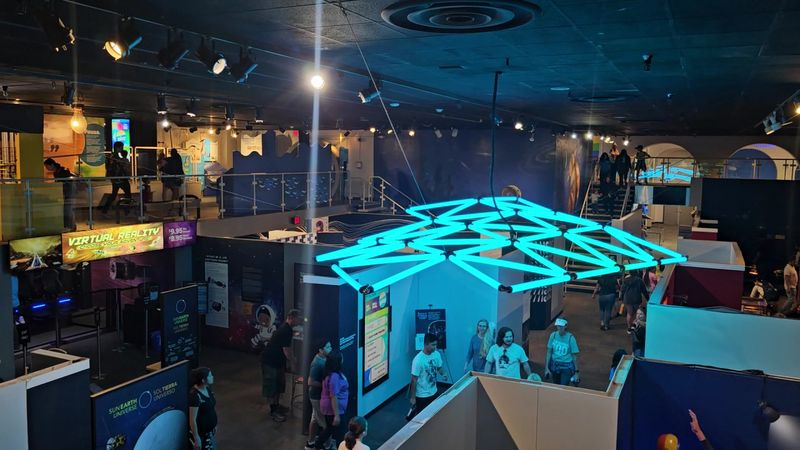
The Fleet Science Center is one of those rare museums where touching things is part of the point. Located in Balboa Park, it has built its reputation on hands on science experiences that turn abstract ideas into something you can actually test, hear, and see.
For an indoor California outing in 2026, it is a strong pick if you want active learning instead of quiet observation.
The exhibits cover a wide range of topics, from engineering and motion to perception, energy, and the human body. That mix keeps the museum from feeling narrow, and it gives different age groups something to latch onto quickly.
You do not need a science background to enjoy it, because the displays are designed to reward curiosity first.
Another highlight is the immersive dome theater and planetarium programming. Those experiences add scale and drama, making scientific ideas feel big, immediate, and visually exciting.
If you are visiting San Diego with kids, this can easily become the part of the trip they remember most, but adults usually end up just as engaged.
What I like most about Fleet is its momentum. You are rarely standing still for long, and that energy makes the whole visit feel lighter, smarter, and more interactive than many traditional museums.
Intel Museum
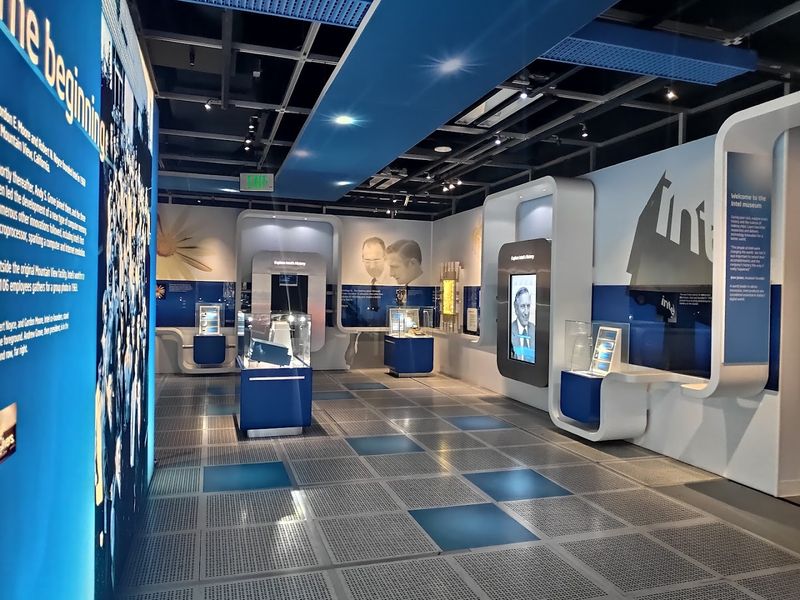
If you have ever wondered how the digital world actually works, the Intel Museum offers a surprisingly clear and engaging answer. Located at Intel headquarters in Santa Clara, this compact museum focuses on microchips, computing history, and semiconductor manufacturing without turning the experience into a lecture.
In 2026, it stands out as one of California’s most interesting indoor stops for tech curious travelers.
The strongest part of the visit is how it breaks down complex processes into understandable steps. You can follow the journey from silicon to finished chip, see the scale of manufacturing, and better appreciate the invisible hardware behind everyday life.
That makes the museum feel relevant, because nearly everything you use depends on these tiny components.
There is also a satisfying historical angle, with exhibits showing how computing evolved over time. You get a sense of how quickly devices changed and how Silicon Valley became what it is today.
Even if you are not a hardcore engineer, that context gives the museum real narrative value.
This is not the biggest museum on the list, but it does not need to be. It is focused, informative, and genuinely memorable, especially if you want an indoor visit tied directly to California innovation.
Oakland Museum of California

The Oakland Museum of California gives you something many state focused museums never quite achieve: personality. Instead of presenting California as a simple timeline, it explores the state’s art, history, and natural environment in ways that feel layered, contemporary, and human.
If you want an indoor visit in 2026 that helps you understand California beyond stereotypes, this is one of the best places to start.
The art galleries are especially strong, with works that reflect different communities, landscapes, and political moments across the state. You are not just looking at beautiful objects, you are seeing how California has imagined itself and how that image has changed.
That makes the collection feel alive and relevant rather than frozen in the past.
The history sections add even more depth by tackling migration, activism, industry, identity, and everyday life. Natural science exhibits connect those stories to land, wildlife, and environmental change, which is essential if you want the full picture.
Because the museum moves across subjects so smoothly, it stays engaging even during a longer visit.
This is a smart choice if you value substance as much as atmosphere. You leave with a stronger sense of place, which is exactly what a worthwhile museum should give you.
California Automobile Museum

The California Automobile Museum is the kind of place that turns even casual interest into real appreciation. Located in Sacramento, it brings together more than a century of automotive design, from early vehicles to sleek classics, muscle cars, and competition machines.
In 2026, it remains a strong indoor option if you want history presented through craftsmanship, engineering, and style.
One of the biggest pleasures here is simply seeing how dramatically cars changed over time. Body shapes, materials, dashboards, and mechanical solutions reveal shifting ideas about speed, status, safety, and everyday life.
Even if you do not know engines well, you can still read the broader cultural story through the vehicles themselves.
The layout is approachable, and the exhibits usually feel close enough to keep the visit personal. Instead of treating the collection as a static showroom, the museum emphasizes context, restoration, and the role automobiles played in California and American life.
That helps the experience land with both enthusiasts and general visitors.
If your ideal indoor attraction mixes nostalgia with design and social history, this museum delivers. It is easy to explore, surprisingly educational, and full of details that make you pause longer than you expected.
California Nature Art Museum

The California Nature Art Museum in Solvang may be smaller than many entries on this list, but that is part of its appeal. It combines wildlife art, natural science, and regional beauty in a way that feels intimate, thoughtful, and refreshingly unhurried.
If you want an indoor stop in 2026 that rewards attention instead of scale, this museum deserves a place on your itinerary.
The art here often focuses on birds, animals, landscapes, and ecosystems tied closely to California. That gives the galleries a sense of place, and it helps you see the state through both artistic interpretation and ecological awareness.
Rather than separating beauty from education, the museum lets the two strengthen each other.
Because the setting is quieter and more personal, it is easier to slow down and really look. You can spend time noticing technique, color, and scientific detail without the pressure of a huge crowd or oversized building.
That atmosphere makes it especially appealing if you enjoy smaller museums with a clear identity.
This is not a blockbuster attraction, and it does not need to be. Its value comes from focus, charm, and the way it reminds you that California’s natural richness can be explored indoors with just as much care and wonder.
Hiller Aviation Museum

The Hiller Aviation Museum is an easy recommendation if aircraft, engineering, or transportation history sparks even a little curiosity. Located in San Carlos, it brings together helicopters, airplanes, flight technology, and hands on experiences in a spacious indoor setting.
In 2026, it remains one of the Bay Area’s most engaging museums for visitors who want something both educational and visually dramatic.
The collection is broad enough to keep the experience dynamic. You can examine aircraft up close, learn how aviation evolved, and get a better feel for the technical leaps that made flight more practical, safer, and more accessible.
A walk through cockpit section adds a tangible sense of scale that photos alone cannot deliver.
Interactive elements and simulators help the museum appeal beyond aviation buffs. If you are traveling with kids, there is plenty here to hold attention, but adults usually end up just as invested once they start reading the stories behind the machines.
The hangar style atmosphere also adds authenticity without making the museum feel rough or overly specialized.
What works best about Hiller is its clarity. It presents flight as invention, adventure, and problem solving all at once, which makes the visit feel inspiring rather than merely technical.
The Broad Museum
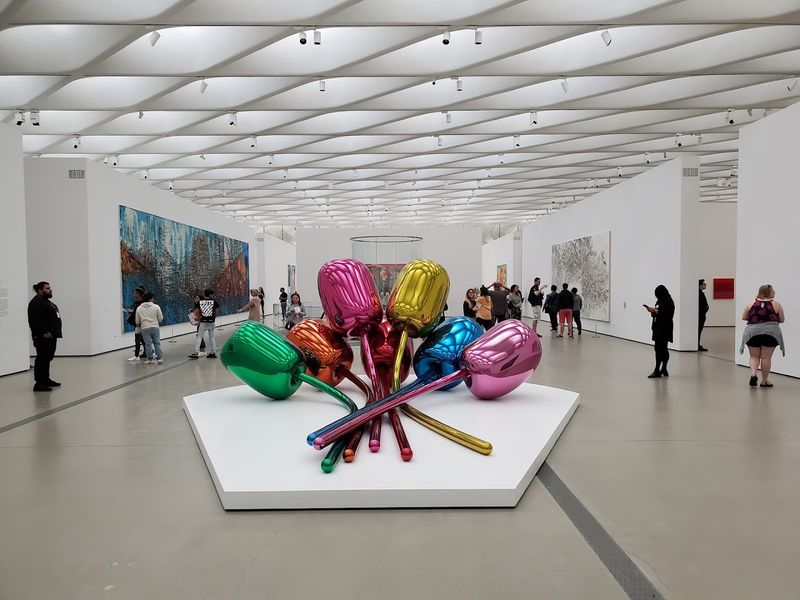
The Broad is one of the best indoor places in California if you want contemporary art without feeling shut out by it. In downtown Los Angeles, the museum pairs bold architecture with a collection that includes major names in postwar and contemporary art.
For 2026 travelers, it offers a sleek, high energy cultural stop that feels current and visually memorable.
Inside, the galleries often move between instantly recognizable works and pieces that ask you to think a little longer. That balance is part of the museum’s appeal, because it gives both first time visitors and serious art fans something satisfying to engage with.
The space itself is clean and open, which helps large works breathe and makes navigating the museum easy.
The collection is especially strong if you enjoy pop, conceptual, and media savvy art. You may see pieces that challenge your assumptions, but the experience rarely feels inaccessible.
Instead, it invites discussion, whether you are visiting with a friend, a date, or simply wandering alone through downtown.
The Broad works because it understands presentation. Everything feels intentional, from the building to the pacing of the galleries, and that makes your visit feel less like a checklist stop and more like a complete contemporary art experience.
Walt Disney Family Museum
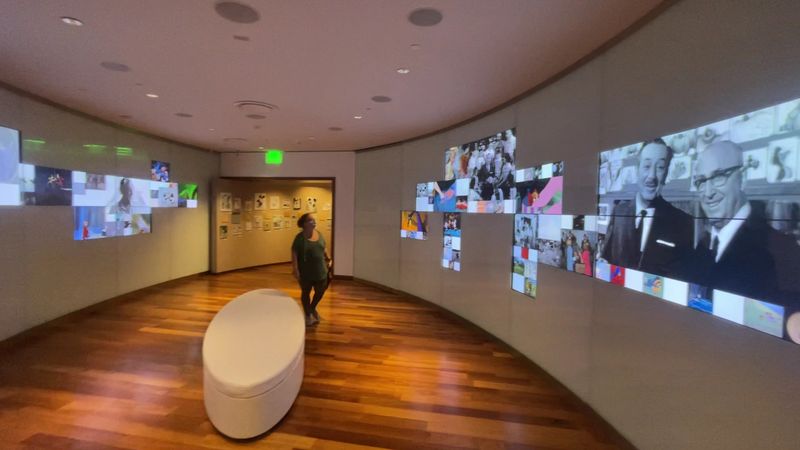
The Walt Disney Family Museum offers much more than nostalgia, which is exactly why it stands out. Set in San Francisco’s Presidio, it explores Walt Disney’s life, work, and creative process with enough depth to interest both devoted fans and visitors who simply appreciate innovation.
In 2026, it remains one of California’s most rewarding indoor museums for storytelling lovers.
The galleries trace Disney’s path from early ambitions to animation breakthroughs and larger cultural influence. You get sketches, models, personal artifacts, and multimedia displays that reveal how imagination was supported by relentless problem solving and business risk.
That combination keeps the museum from feeling sentimental or overly polished.
What surprised many visitors is how human the story feels. Instead of reducing Disney to a brand, the museum shows ambition, setbacks, experimentation, and collaboration.
That makes the experience resonate even if classic films are not central to your trip, because it becomes a story about creativity under pressure.
The interactive and visual elements keep the visit lively, but the emotional arc is what stays with you. It is a museum about making worlds, and by the end, you better understand the persistence, vision, and craft behind ones that shaped generations.
Griffith Observatory

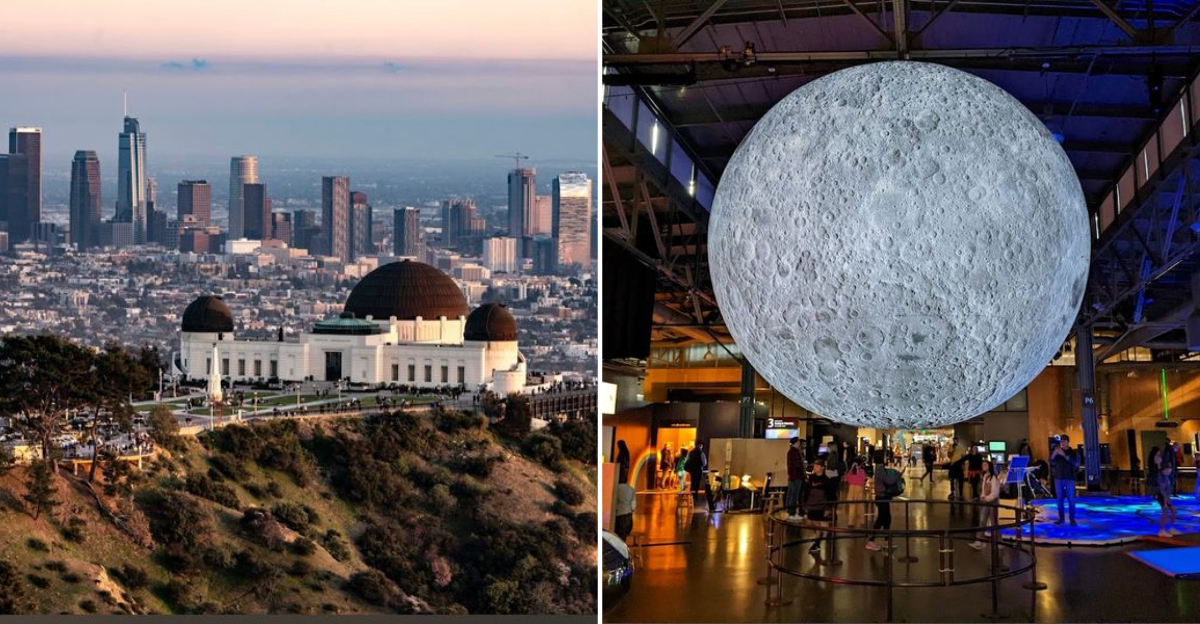
Griffith Observatory is famous for its views, but its indoor spaces are just as worth your time. Inside, you will find astronomy exhibits, scientific displays, and planetarium experiences that make the universe feel a little closer and far more understandable.
For a 2026 Los Angeles itinerary, it is one of the most iconic indoor spots you can add.
The observatory does an excellent job of making big concepts approachable. You can move from exhibits on planets and motion to displays about observation, time, and cosmic scale without feeling overwhelmed.
That structure matters, because it keeps the experience welcoming whether you are deeply into astronomy or simply curious.
The Samuel Oschin Planetarium is often the emotional centerpiece. A good show there can transform science into something immersive and almost poetic, especially when paired with the building’s historic atmosphere.
Even outside the theater, the observatory’s design adds a sense of occasion that many science spaces lack.
What makes Griffith especially powerful is that it blends knowledge with wonder. You leave having learned something concrete, but also with that satisfying feeling of being reminded how large and fascinating the world really is.
Few indoor attractions balance education and awe so well.
Exploratorium
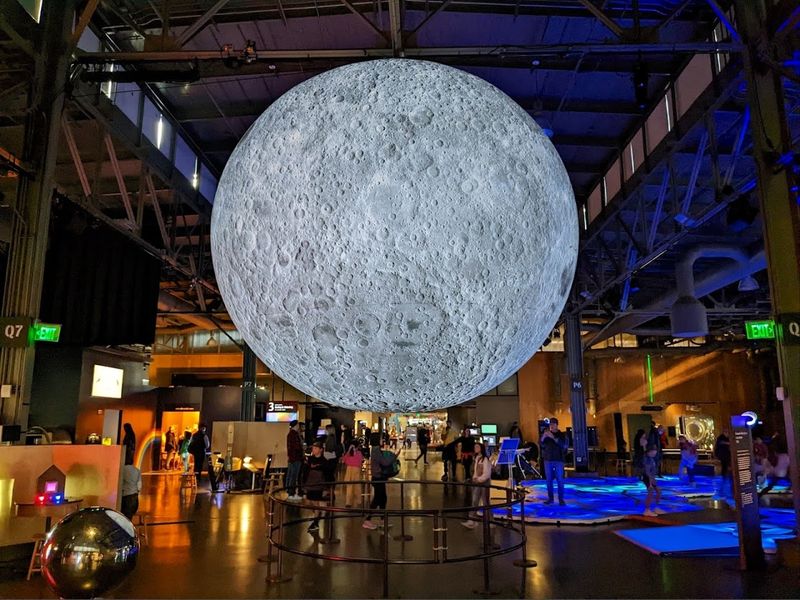
The Exploratorium is one of California’s most joyful indoor experiences because it treats curiosity like an activity, not a concept. Located on San Francisco’s waterfront, it is packed with hands on exhibits exploring physics, perception, sound, movement, and human behavior.
In 2026, it still feels ahead of the curve because the museum invites you to participate constantly.
What makes it special is the depth hidden inside the fun. You might begin by spinning something, stepping into an illusion, or testing a light display, then realize you are learning serious scientific ideas through direct experience.
That process makes the exhibits stick, because you discover principles instead of just reading about them.
The museum is also excellent for mixed groups. Kids can run on pure curiosity, adults can dive into deeper explanations, and everyone usually finds at least one exhibit that changes how they think about everyday perception.
The atmosphere stays energetic, but it rarely feels chaotic because the space is organized around exploration rather than spectacle.
If you want an indoor stop that feels intelligent, playful, and genuinely memorable, the Exploratorium is a standout. It turns science into something personal, which is why so many visitors leave feeling both entertained and unexpectedly inspired.
Museum of Jurassic Technology
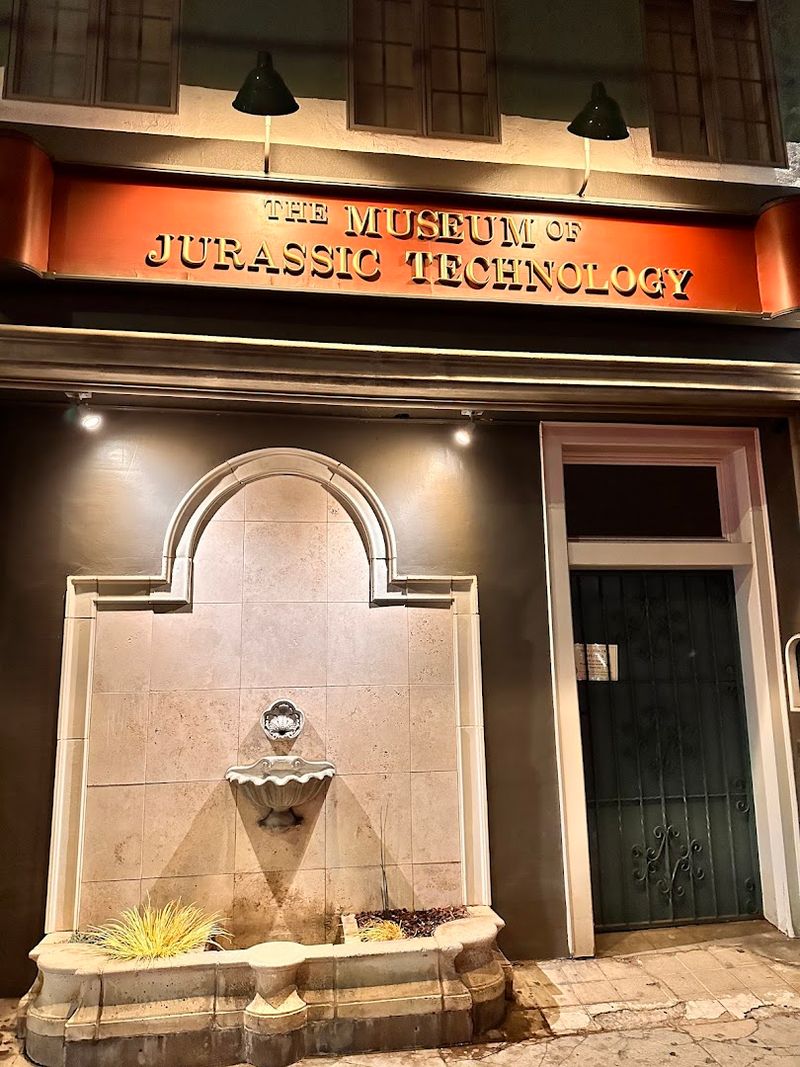
The Museum of Jurassic Technology is unlike any other indoor attraction in California, and that is precisely the point. In Culver City, it blends art, folklore, scholarship, illusion, and museum language into something that feels both sincere and impossible.
If you are tired of predictable experiences, this is one of the most unforgettable places you can visit in 2026.
Walking through it, you are never fully sure where fact ends and interpretation begins. The exhibits are presented with quiet seriousness, often in dim rooms that encourage focus and uncertainty at the same time.
That tension becomes part of the experience, pushing you to think about how museums create authority and how stories gain credibility.
This is not a place to rush. The mood is intimate, strange, and carefully controlled, rewarding visitors who are willing to read, pause, and let confusion become curiosity.
Some people leave fascinated, others slightly bewildered, but almost nobody leaves without remembering it vividly.
What makes it worth recommending is not just novelty. The museum quietly asks deeper questions about knowledge, collecting, memory, and wonder, all while maintaining a beautiful sense of mystery.
If you enjoy places that feel like intellectual dreamscapes, this one absolutely belongs on your list.
Petersen Automotive Museum

The Petersen Automotive Museum is one of those indoor attractions that wins you over even if you did not arrive as a car enthusiast. Located on Wilshire Boulevard in Los Angeles, it presents automobiles as design objects, cultural symbols, engineering achievements, and entertainment icons all at once.
In 2026, it continues to be one of the state’s most impressive museum experiences.
The collection is broad and visually striking, moving from historic vehicles to race cars, custom builds, luxury models, and famous cars linked to film or celebrity culture. That range keeps the visit from feeling repetitive, because each gallery highlights a different angle of automotive history.
You are not simply looking at cars, you are looking at changing ideas about speed, identity, and aspiration.
The museum’s presentation is a major strength. Lighting, staging, and interpretive text give the exhibits real drama without sacrificing information.
If you like polished spaces that still deliver substance, the Petersen manages that balance especially well.
It is also one of the easiest specialty museums to recommend to groups. Some people come for craftsmanship, others for nostalgia or pop culture, and nearly everyone finds something worth talking about afterward.
That mix of spectacle and context makes the museum a standout indoor destination.
Winchester Mystery House
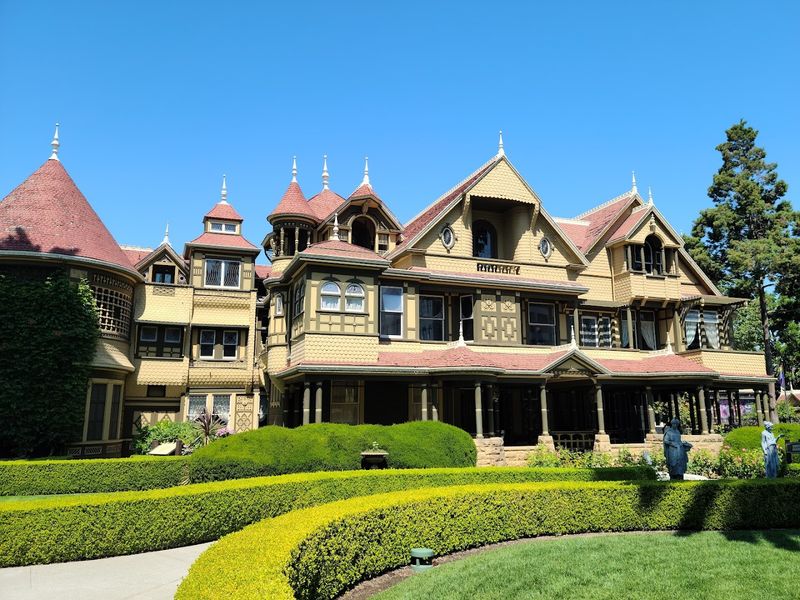
The Winchester Mystery House offers a very different kind of indoor experience, one built on architecture, legend, and pure curiosity. In San Jose, this sprawling Victorian mansion is famous for staircases that lead nowhere, odd room layouts, hidden passages, and a story that has fueled fascination for generations.
In 2026, it still earns a place on California itineraries because few places feel this atmospheric indoors.
The mansion tour is the real draw. As you move through corridors, parlors, and unexpectedly shaped spaces, the house keeps you slightly off balance in the best possible way.
Whether or not you care about ghost stories, the design alone is enough to hold your attention because it turns architecture into an ongoing puzzle.
There is also a strong historical layer beneath the mystery. You get insight into Sarah Winchester, the era she lived in, and the building techniques that shaped this unusual property.
That context helps the house feel richer than a simple haunted attraction, giving the visit more depth and texture.
What makes it memorable is the tension between elegance and eccentricity. One moment you are admiring fine details, and the next you are staring at a bizarre design choice that raises new questions.
It is immersive, strange, and very easy to recommend.