Most people picture Florida as a land of sandy beaches, theme parks, and perfectly flat swamps — not churning whitewater rapids.
But tucked away in the northern part of the state, along the wild Suwannee River, lies one of Florida’s best-kept outdoor secrets.
Big Shoals State Park near White Springs is home to the largest whitewater rapids in Florida, and almost nobody knows they exist.
If you love nature, adventure, or just surprising facts about familiar places, this one is going to blow your mind.
Florida’s Surprising Whitewater Secret

Forget everything you think you know about Florida rivers. While most of the state’s waterways drift along slowly through cypress swamps and sandy floodplains, one stretch of the Suwannee River tells a completely different story.
Big Shoals is Florida’s most powerful whitewater experience, and it has been hiding in plain sight for years.
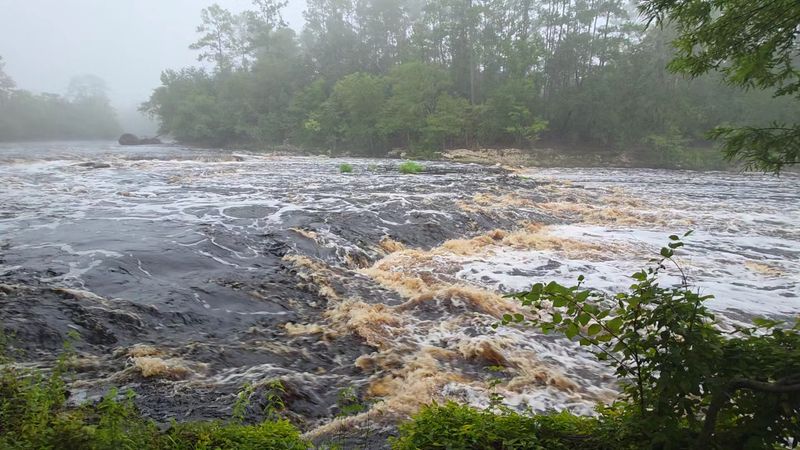
Located in Big Shoals State Park near the small town of White Springs, these rapids are the real deal. The water crashes and churns over ancient rocky formations, creating a sound and sight that feels more like Tennessee or North Carolina than the Sunshine State.
First-time visitors often stop and stare in disbelief.
What makes this discovery so exciting is how unexpected it is. Florida sits mostly at sea level, so dramatic water drops are not something most people associate with the state.
Big Shoals breaks that assumption completely. Whether you are a paddler, a hiker, or simply a curious traveler, stumbling upon these rapids feels like finding a hidden chapter in a book you thought you already finished reading.
Where Big Shoals Is Located
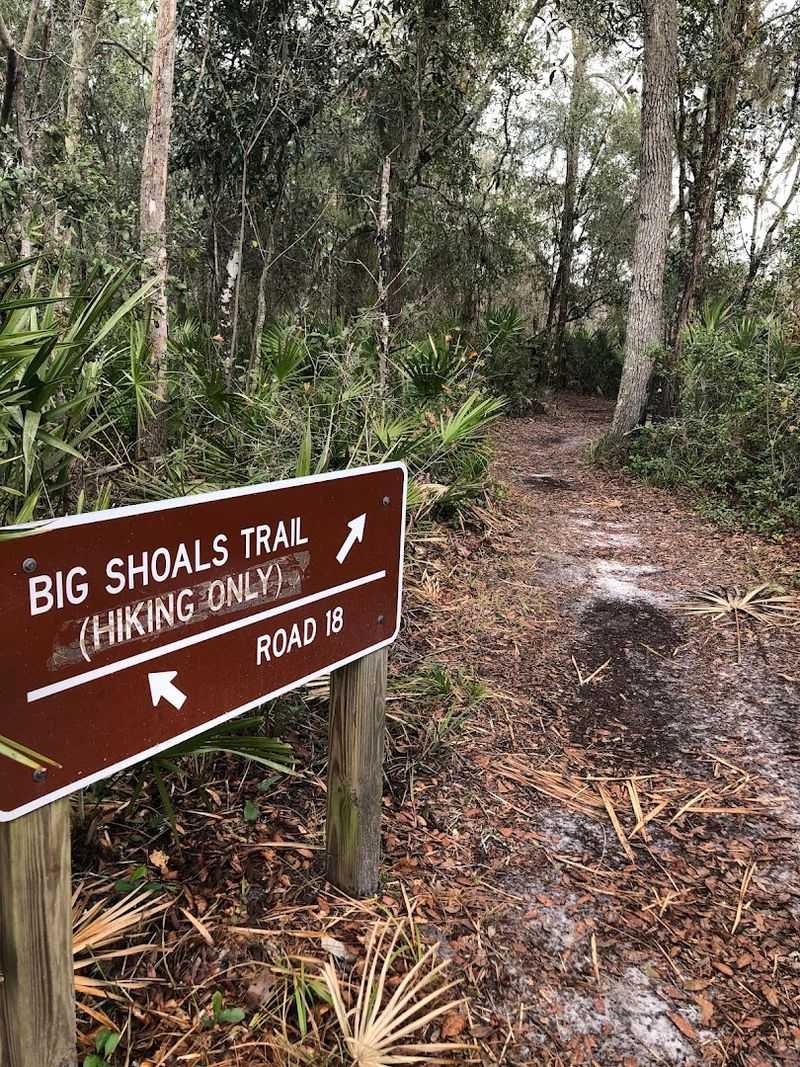
Big Shoals State Park sits in Hamilton County in North Florida, just outside the small town of White Springs. If you have ever driven along Interstate 75 through that part of the state, you have passed within a short distance of this remarkable spot without even knowing it.
The park entrance is easy to reach and well worth the short detour.
White Springs itself is a charming, quiet community with deep historical roots along the Suwannee River. The town was once a popular resort destination in the late 1800s, drawing visitors who believed the local spring waters had healing properties.
Today, it serves as a peaceful gateway to some of North Florida’s finest outdoor recreation.
Big Shoals State Park shares the region with several other outstanding natural areas, including Stephen Foster Folk Culture Center State Park and the Suwannee River State Park. Together, they form a cluster of outdoor destinations that make the area a fantastic base for a weekend adventure.
Driving north from Gainesville or south from Valdosta, Georgia, the park is conveniently positioned for visitors coming from multiple directions.
What Makes These Rapids Unique
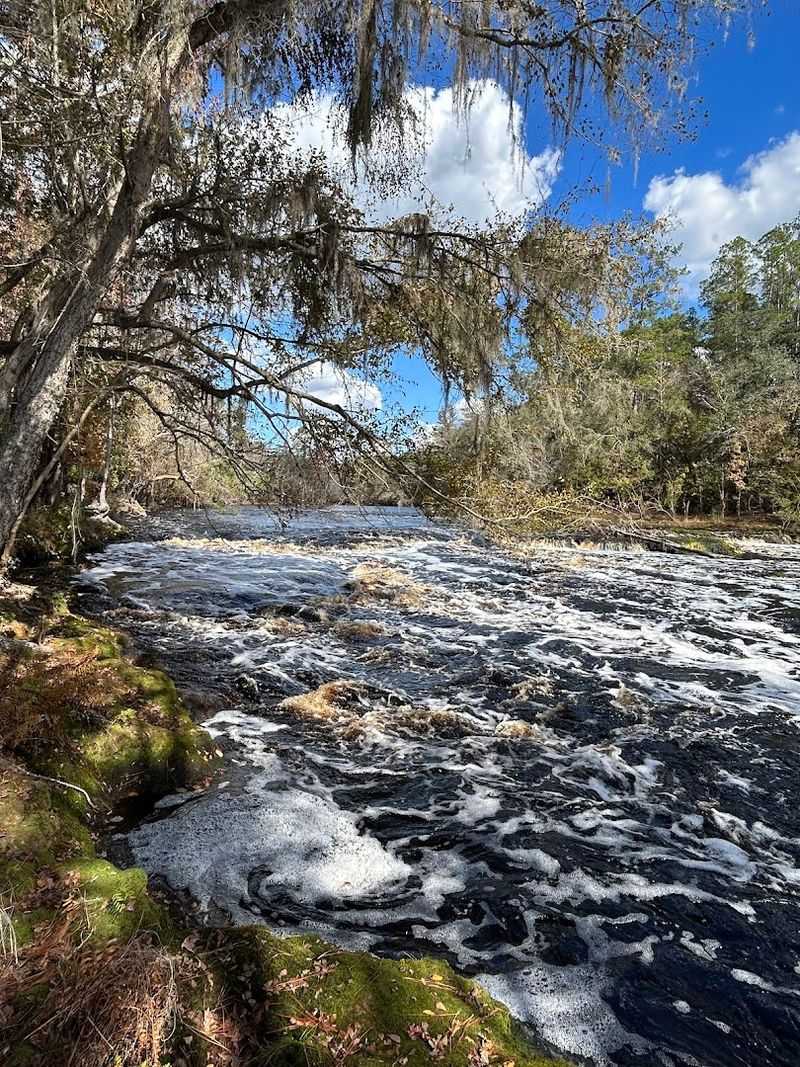
Across the entire state of Florida, you will not find another stretch of river quite like this one. The Suwannee River is known for its dark, tannin-stained blackwater that flows slowly through shaded forests — but at Big Shoals, the river suddenly transforms into something wild and forceful.
The contrast is genuinely stunning.
The dramatic drop in elevation here causes the water to pick up serious speed. Rocky outcroppings disrupt the flow, sending water in multiple directions at once and creating the kind of turbulence that paddlers travel hundreds of miles to experience.
Even from the hiking trail overlook, you can feel the energy of the place just by watching and listening.
Florida’s rivers are almost entirely flat and slow-moving due to the state’s low elevation and sandy geology. That is what makes Big Shoals such a rare and remarkable exception.
The specific combination of ancient rock formations, river gradient, and water volume creates conditions you simply do not encounter elsewhere in the state. For anyone who assumed Florida had nothing dramatic to offer in terms of moving water, Big Shoals is a powerful and very wet correction.
Class III Whitewater — Only in Florida

Whitewater rapids are classified on a scale from Class I (calm, easy water) to Class VI (extremely dangerous and nearly unrunnable). Big Shoals earns a Class III rating under the right water conditions, meaning paddlers face fast-moving water, irregular waves, and narrow passages that require real skill and quick decision-making.
That is not something you expect to find in Florida.
The Class III rating kicks in when the river gauge reads approximately 59 to 61 feet above mean sea level. At those levels, the rapids are lively, powerful, and challenging enough to demand respect from anyone in a canoe or kayak.
Below that range, the shoals may be too shallow to paddle safely. Above it, the rapids can become even more intense.
Experienced paddlers from across the Southeast have made special trips just to run Big Shoals and check it off their list. It is genuinely one of the most unique paddling experiences in the entire region.
For beginners, the rapids are best enjoyed from the safety of the trail overlook rather than from a boat. But for intermediate to advanced kayakers, this stretch of the Suwannee is a bucket-list run that earns serious bragging rights.
How the Rapids Form — Geology of the Shoals

Here is the science behind the spectacle. Unlike most of Florida, where the riverbed is made of soft sand and sediment, the bottom of the Suwannee River at Big Shoals is composed of ancient dolostone — a hard, resistant carbonate rock that water cannot easily wear away.
That toughness is exactly what creates the rapids.
As the river flows downstream, it hits these rocky formations and has nowhere to go but over and around them. The result is a dramatic churning of water that builds energy and speed.
The rock formations act like natural ramps and obstacles, breaking the smooth flow into the frothy, unpredictable whitewater that defines the shoals.
Florida actually sits on top of a massive limestone and dolostone platform, but most of it is buried far beneath the surface. At Big Shoals, erosion and the river’s natural path have exposed these ancient layers in a way that is exceedingly rare.
Geologists find this spot fascinating for exactly that reason. It offers a visible window into the deep rocky foundation that underlies the entire Florida peninsula, usually hidden beneath layers of sand, soil, and time.
Nature basically carved its own geology lesson right into the riverbed.
Big vs Little Shoals — A Dynamic Duo

Big Shoals gets most of the attention, but its downstream neighbor deserves a mention too. Little Shoals is a smaller set of rapids located not far from the main event, and while it rarely reaches the intensity of Class III, it still offers a lively and scenic stretch of river that many visitors enjoy just as much.
For paddlers who find Big Shoals too intimidating, Little Shoals provides a gentler introduction to moving water on the Suwannee. The rocky formations are similar in character, but the drop is less dramatic and the flow is generally more forgiving.
Families with kids or beginner paddlers often feel more comfortable starting here before working their way upstream to the bigger challenge.
Together, Big and Little Shoals create a natural paddling corridor that offers something for nearly every skill level. Hikers can view both from trail overlooks that wind along the riverbank, giving a bird’s-eye perspective of how the river changes character over a relatively short distance.
The pairing of the two makes the park feel like a complete experience rather than a single attraction. You get the dramatic wow moment at Big Shoals and then a more relaxed, scenic stretch at Little Shoals to finish the day on a peaceful note.
Big Shoals Trail — Your Path to the Rapids
Getting to the rapids is half the adventure. The Big Shoals Trail stretches roughly one mile from the trailhead to the main overlook above the rapids, winding through a gorgeous hardwood forest that feels miles away from modern life.
Tall oaks, magnolias, and river birches form a canopy overhead, and the trail surface is packed earth that is easy to walk on for most fitness levels.
As you get closer to the shoals, something magical happens — you start to hear the rapids before you can see them. That growing sound of rushing water builds excitement with every step.
When the trees finally open up and the river comes into view, the visual payoff is absolutely worth the walk. Many hikers stop at the overlook for a long time, just taking it all in.
The trail is well-marked and maintained, making it accessible for casual hikers and families with older children. Sturdy walking shoes are recommended since the path can be uneven near the riverbanks.
Early morning visits offer the best experience, with soft light filtering through the trees and wildlife activity at its peak. Bring water, wear sunscreen, and plan to linger.
This is not a trail you rush through — it rewards those who slow down and pay attention.
Beyond the Rapids — Trails and Wildlife
The rapids are the headliner, but the supporting cast at Big Shoals State Park is seriously impressive. The park contains over 28 miles of multi-use trails that wind through a variety of natural habitats, from river floodplains and hardwood hammocks to sandhills and upland pine forests.
That kind of biodiversity packed into one park is rare anywhere in the country.
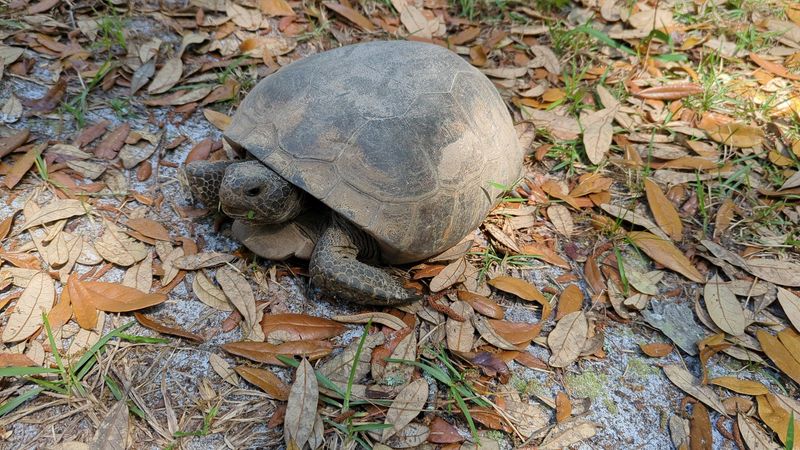
Wildlife watchers will have a field day here. The park is home to white-tailed deer, river otters, gopher tortoises, and a wide range of bird species that include both migratory songbirds and year-round residents.
Raptors like red-shouldered hawks and ospreys are frequently spotted along the river corridor, and lucky visitors occasionally catch a glimpse of a river otter slipping through the shallows.
Horseback riding and mountain biking are also permitted on designated trail sections, making the park a genuinely versatile outdoor destination. Whether you come for a quiet birdwatching morning or a full-day trail ride, the park accommodates different interests with ease.
The diversity of habitats means the scenery changes noticeably as you move from one trail section to another, keeping things visually interesting throughout. Big Shoals is not just a rapids stop — it is a full outdoor experience waiting to be explored at your own pace.
Tips for Visitors — Safety and Best Times

Timing your visit makes a big difference at Big Shoals. The rapids are most powerful after significant rainfall or during seasonal high-water periods, typically in late winter through early spring.
During dry spells, the water level can drop low enough that the shoals become shallow and rocky rather than truly runnable. Checking the river gauge before you go is a smart move.
For paddlers, the general recommendation is to have solid intermediate-level skills before attempting Big Shoals at Class III levels. The current is fast, the rocks are hard, and swimming out of an overturned kayak in moving water is no joke.
A portage trail runs alongside the rapids for those who prefer to carry their boats around rather than run the whitewater — and there is absolutely no shame in using it.
Hikers and sightseers face fewer risks but should still wear appropriate footwear and stay behind designated overlook barriers near the riverbank. The rocks along the water’s edge can be slippery when wet.
Bug spray is a must in warmer months, and staying hydrated on longer trail sections is essential. Going early in the morning beats the midday heat and gives you the best chance of spotting wildlife before the day gets busy.
A little preparation goes a long way here.
Essential Info — What You Need to Know Before You Go

Planning ahead makes your visit to Big Shoals State Park much smoother. The park is open daily from 8 a.m. until sunset, and admission fees are typically low, consistent with Florida state park pricing.
There is no direct vehicle access to the shoals themselves — you will park at the designated lot and hike in, so plan for that extra time and bring comfortable shoes.
Cell service in the area can be spotty, so downloading an offline map or picking up a trail map at the park entrance is a practical idea. Restroom facilities are available near the trailhead, and there is a canoe and kayak launch area for paddlers who want to get on the water.
River level information can be checked through the USGS Water Resources website before your trip.
White Springs and the surrounding area offer additional attractions worth building into your itinerary. The Stephen Foster Folk Culture Center next door celebrates Florida’s musical heritage and hosts seasonal festivals.
Nearby Suwannee River State Park adds even more trail miles and river access. If you plan to make a weekend of it, camping options are available in the region.
Big Shoals is the kind of place that rewards repeat visitors — each season brings a different mood to the river and the forest surrounding it.