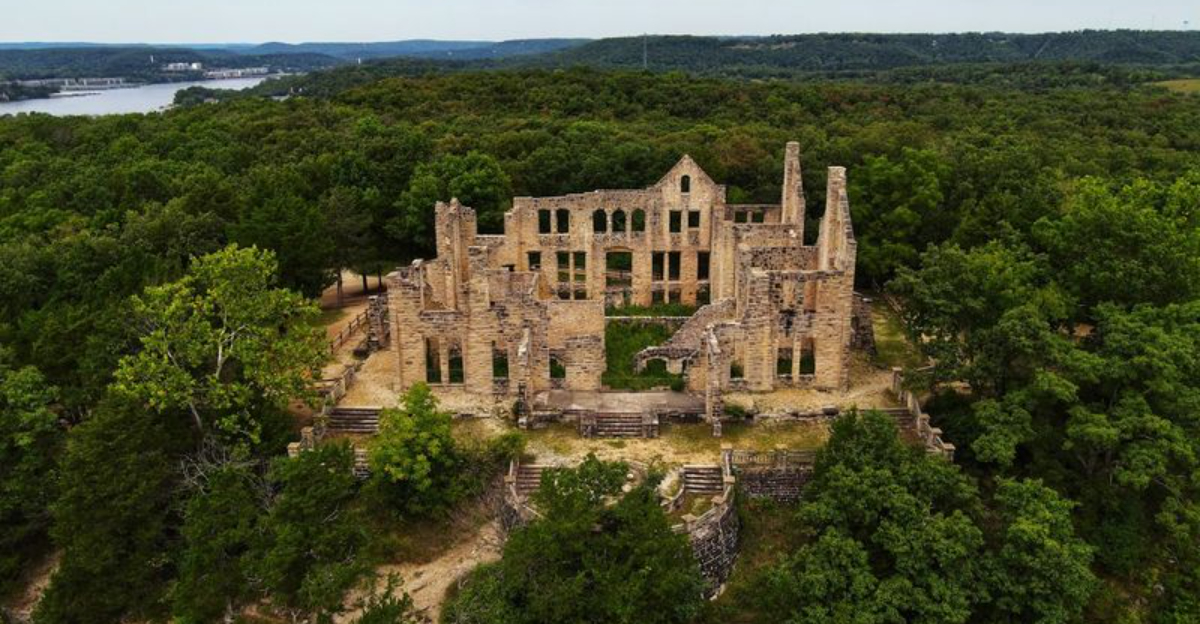
Perched on a bluff above water so blue it looks unreal, the Ha Ha Tonka Castle Ruins feel like a secret shared by locals and lucky travelers. You get sweeping views, easy to moderate trails, and stories that stick with you long after the hike.
The best part is how close everything sits, so you can see a lot without packing a full expedition. Come early, lace up, and prepare for scenery that keeps surprising you around every turn.
Castle Ruins Overlook
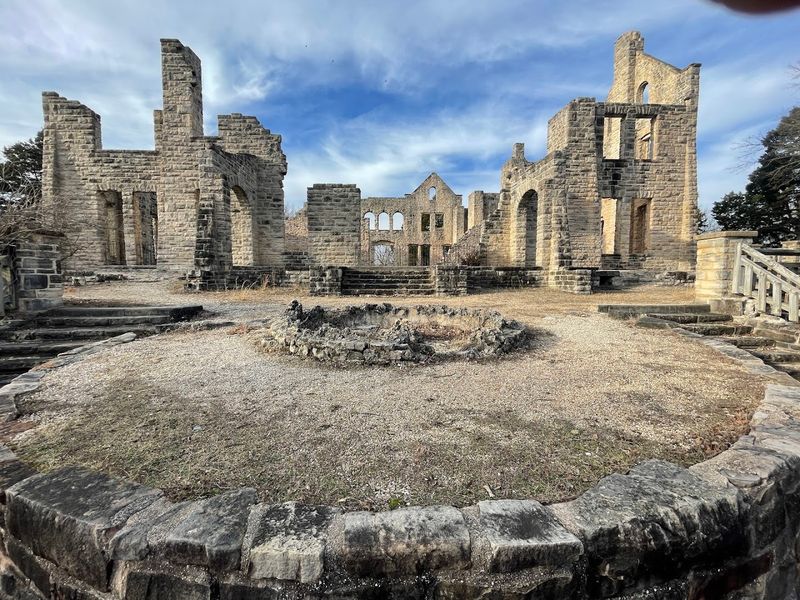
High above the shoreline, a roofless mansion frames the horizon like a postcard you can walk into. Stone arches, fireplaces, and jagged window openings outline a dream that burned, yet still feels alive in the wind.
Step to the overlook deck and watch boats carve white lines across deep blue water.
You will want extra time here, because the angles change with every few steps. Mornings bring soft light on the lake, while late afternoons paint the ruins in warm tones.
On busy weekends, grab the smaller upper lot if available, then return to the deck for a quieter look.
Fencing protects fragile walls, so respect barriers and let your camera do the wandering. Read the interpretive signs to piece together the builder’s ambitions and the family’s finish.
If text is faded, snap a photo and adjust contrast later to decipher details.
Benches along the paved approach make this stop friendly for mixed groups. Mobility needs matter here, so drop off anyone who benefits from the upper path, then park lower and stroll up.
Bring water, stash a light jacket, and give yourself permission to linger until the breeze slows your pace.
Ha Ha Tonka Spring
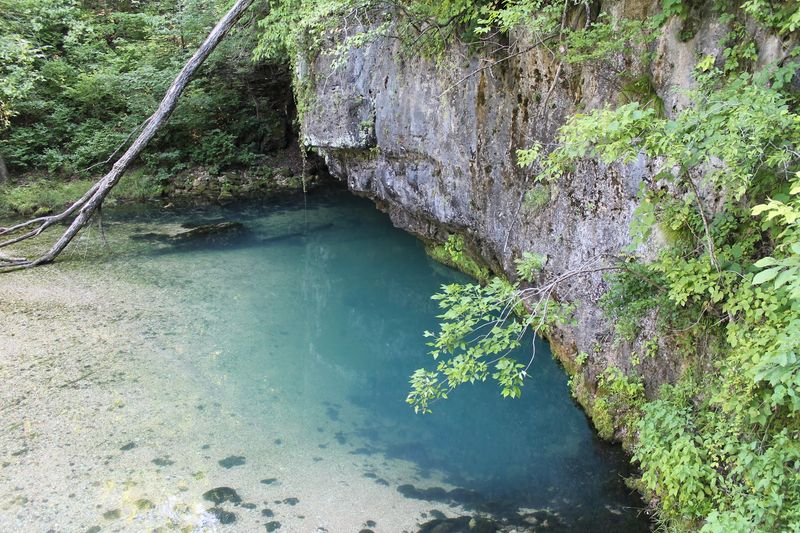
Down in the hollow, the spring glows an unreal shade of blue that stops conversations mid step. Cold water crowds the basin, slipping from the base of a towering bluff with a quiet insistence.
Stand by the rail and watch fish hover like punctuation marks in liquid glass.
The boardwalk keeps your shoes dry and your focus sharp. Early mornings are calm, with mist lifting like a curtain before the show.
Afternoons can be busier, so build patience into your plan and slide to the side for photos.
You can trace the flow toward the old mill site and imagine gears spinning under the cliff. Interpretive panels fill in the geology, explaining why minerals scatter light into those blue tones.
If crowds stack up, breathe, listen to the water, and let time stretch.
The descent involves steps, so pocket a snack and hydrate before heading down. Good traction helps on damp wood, especially after rain.
Bring a polarized lens filter if you shoot, because glare vanishes and stones appear crisp, turning a pretty scene into a jaw dropper.
Getting There and Parking
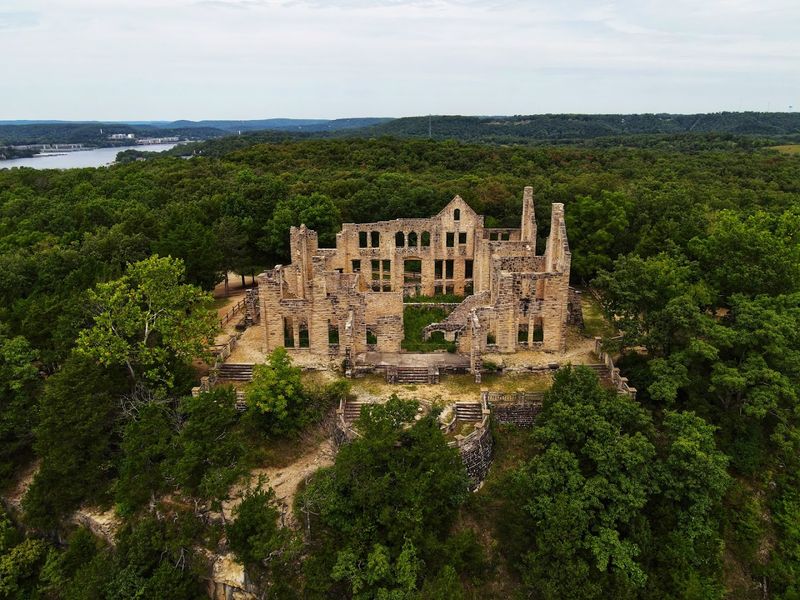
Navigating parking here is part strategy, part timing. A small upper lot sits about 100 yards below the ruins, perfect for mobility limited visitors or anyone short on time.
If it is full, roll down to the larger Castle Ruins Trailhead lot and follow the paved path uphill.
Weekends swell quickly, especially on holidays and leaf season. Arrive before 9 to coast into a spot and enjoy quieter trails.
Off season mornings work beautifully, trading warmth for elbow room and photo freedom.
Cell service can wobble near the bluffs, so preload a map from the park website. Trail signage exists, though some boards age faster than they should.
Snapping a quick reference photo at the kiosk saves you from guessy junctions later.
For groups, drop off at the upper access, then meet at the overlook to keep the climb manageable. Keep essentials handy because you may park farther away than planned.
A simple checklist helps here: water, snacks, light layers, and a charged phone with the park number saved.
Castle Trail Essentials
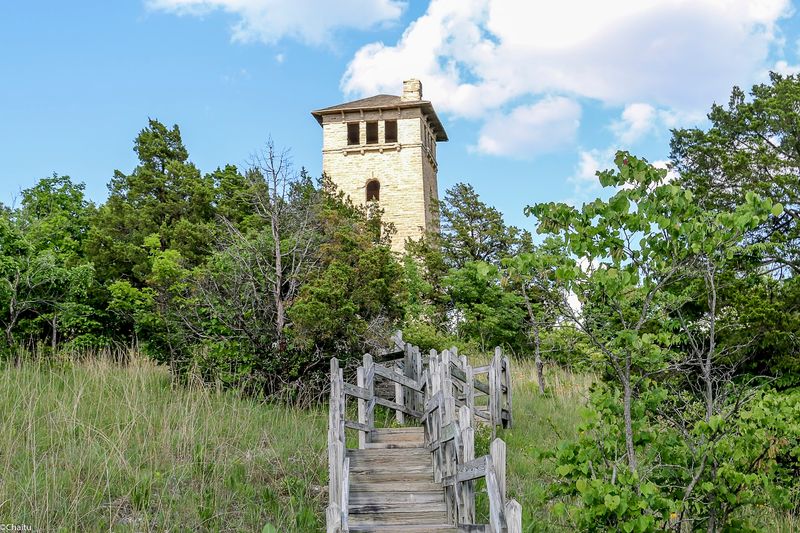
Trails weave like friendly threads around the castle, water tower, and overlooks. Surfaces range from paved to gravel and boardwalk, with gentle rises that still warm the calves.
You will find benches tucked under oaks, perfect for water breaks and quick gear checks.
Footing stays straightforward, but steps appear on spurs and near the spring descent. Good walking shoes beat sandals here, especially after a shower slicks limestone dust.
If you hike with kids, snack early and often to keep spirits high.
Maps can feel scarce, so take a picture of the trailhead board before you start. Color coded routes help, though distances sometimes feel longer than posted.
Trust time over mileage signs and turn around sooner than pride suggests.
Morning light hits the lake and ruins with soft edges, making photos kinder to faces. Afternoon shade cools the bluffs but stacks parking lots, so plan exits accordingly.
Keep noise low near wildlife pockets and you will notice more deer ears flicking in the brush.
The Historic Water Tower
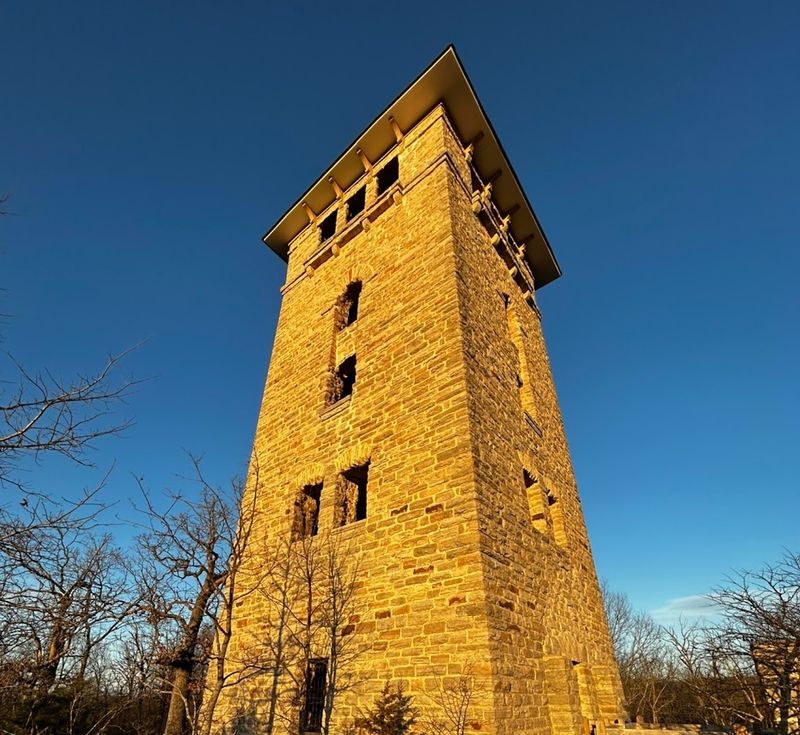
A short spur carries you to a stout stone cylinder that once fed the estate’s plumbing. The tower rises above the trees like a watchful neighbor, still handsome after a century of Ozark weather.
You will step closer just to touch the limestone and feel its stubborn chill.
Interpretive panels sketch the engineering with plain language. Gravity, reservoirs, and clever piping kept faucets running in an era before easy municipal hookups.
Stand back and picture workers hauling materials up these hills, season after season.
The approach is easy, though roots and pebbles can trip a distracted foot. Keep your lens ready for textures, because the mortar lines photograph beautifully at golden hour.
On quiet days, the wind hums through the crown and makes the structure sound almost alive.
Pair this stop with the castle overlook for a compact loop. If time is short, park high, walk the spur, and circle back before crowds swell.
Little wins add up here, and the tower gives you architecture, history, and a restful pause in one tidy package.
Photography Game Plan
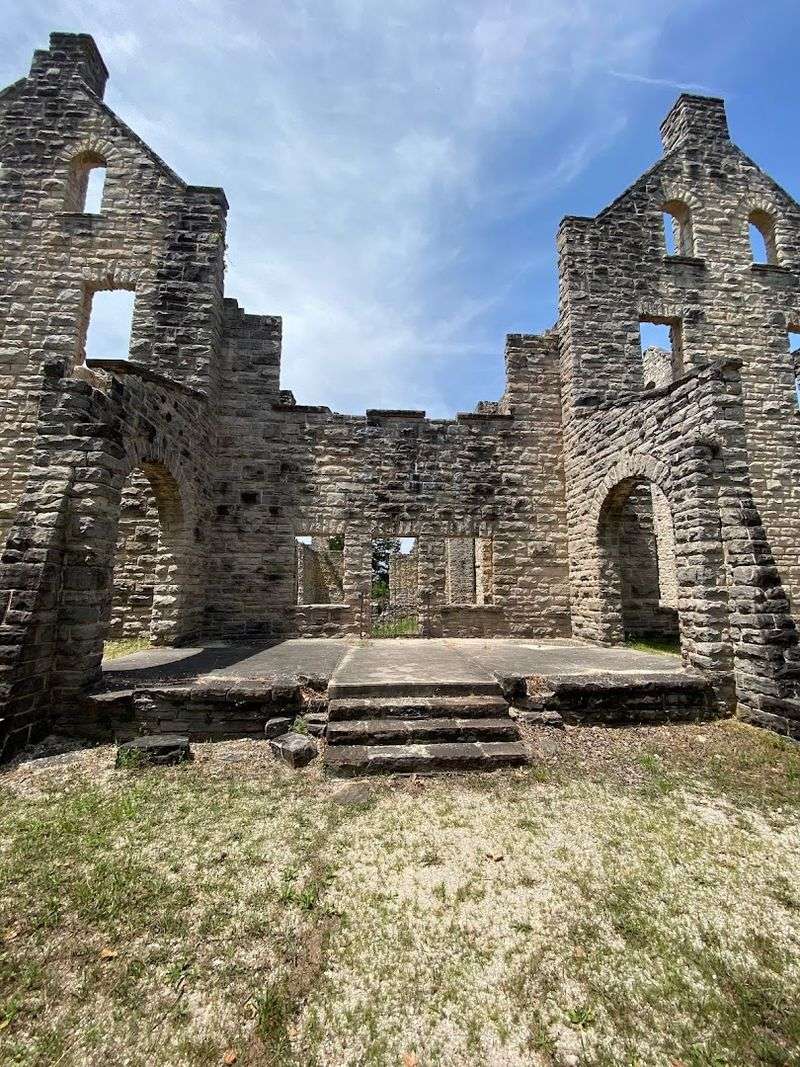
If you chase photos, this park rewards intention. Sunrise warms the castle stones while the lake stays glassy, and blue hour at the spring turns reflections into painterly smears.
Midday is for scouting compositions and saving legs.
Pack a light tripod, a polarizer for the spring, and a midrange zoom for the ruins. Keep a wide lens handy for the overlook deck, then switch to telephoto to layer ridgelines.
Shoot brackets when clouds race, because dynamic range bites on bright water.
People help tell the story, so ask politely before including faces. A silhouette on the deck or a hiker beside the tower adds scale without distraction.
Avoid stepping off trail for angles, since fences and vegetation protect fragile edges.
Wind can buffet on the bluff, so stabilize your kit and use a faster shutter. If signage looks faded, document it anyway and enhance contrast later for legible text.
Most of all, slow your pace, wait for the light to shift, and let the scene come to you.
Seasonal Timing and Weather
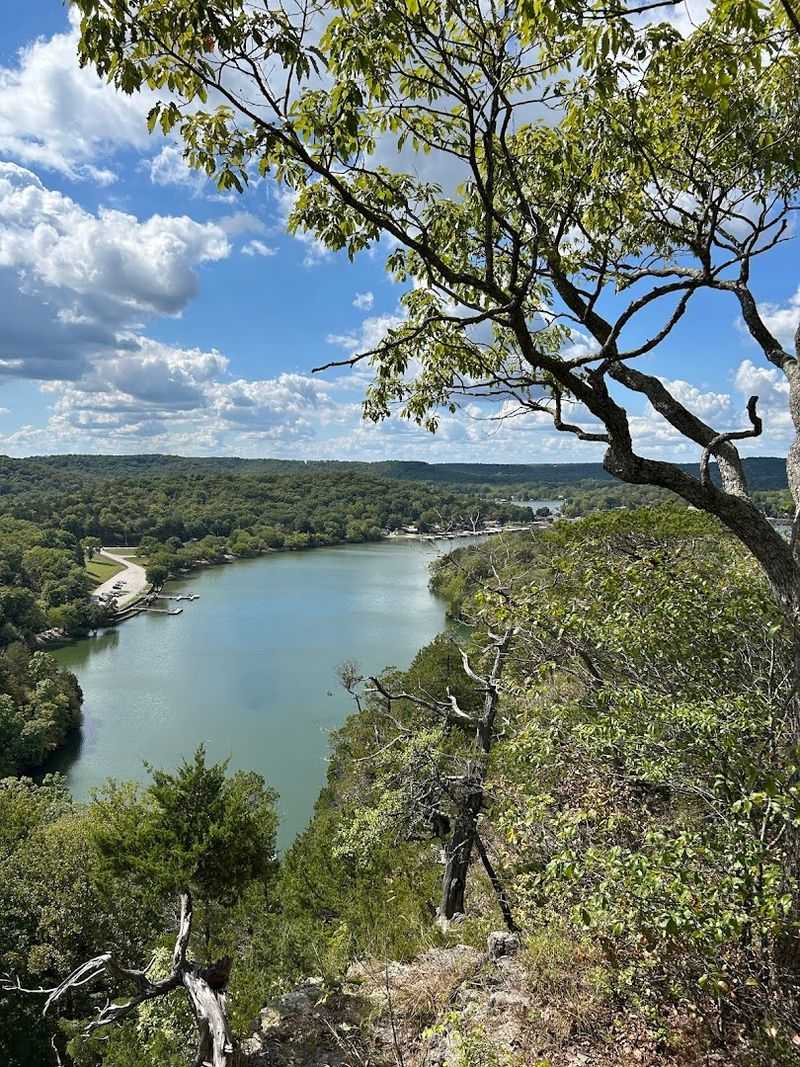
Timing shapes everything here, from crowd levels to color palettes. Spring brings wildflowers and cool air on the bluffs, with the spring’s blue staying electric in softer light.
Summer offers long days, greener canopies, and the need for extra water.
Fall steals the show when maples flare behind the ruins and the lake reflects gold. Weekends turn lively, so hit the gate early or enjoy late afternoon calm.
Winter pares the foliage back and opens views, with light snow dustings adding gorgeous contrast.
Layer smartly because temperatures swing between parking lot sun and shaded hollows. A light fleece and wind shell cover most scenarios, especially on the overlook.
After rain, expect slick steps on the boardwalk and plan a steadier pace.
Storms roll across the lake fast, so check the radar before committing to long loops. Trails drain well, but limestone can surprise you with quick slides.
Carry a dry bag for your phone and keep the park number handy in case plans shift.
Accessibility and Family Tips
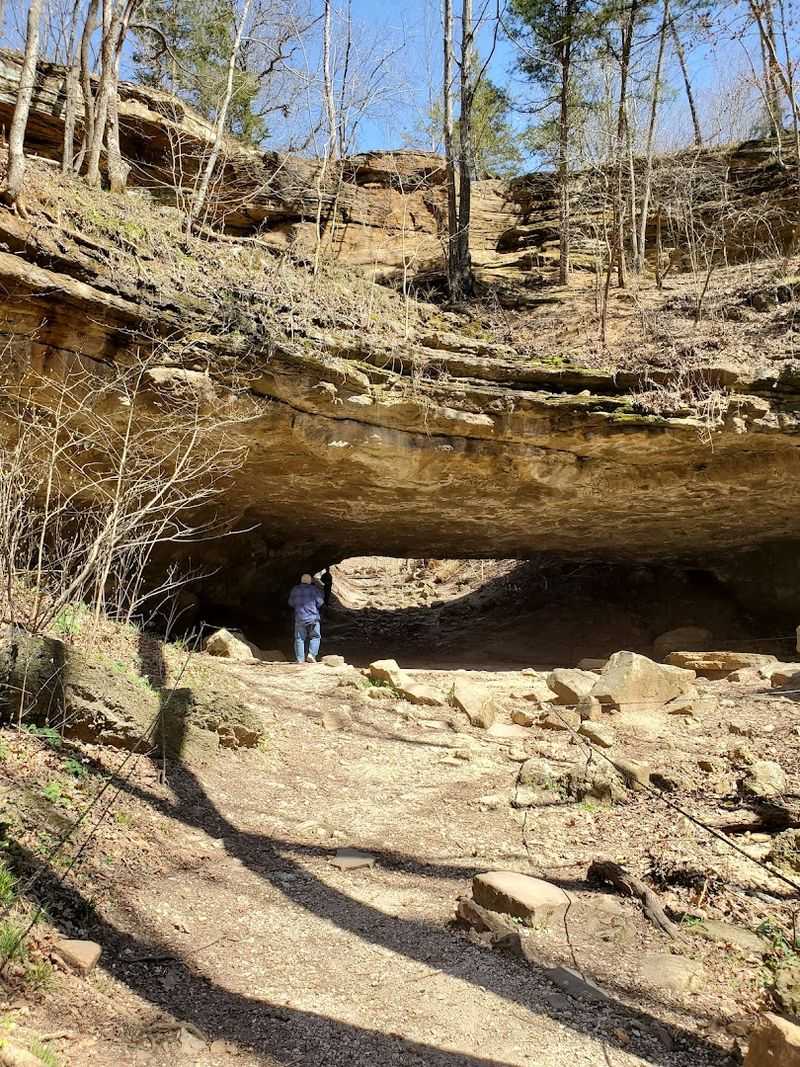
Families, seniors, and mixed ability groups can enjoy a full day here with a few tweaks. Paved paths reach the ruins and overlooks from parking, with benches offering regular breaks.
The spring descent has many steps, so gauge energy before committing.
Strollers handle the castle approach well, while baby carriers shine on rougher spurs. For toddlers, turn big hikes into mini missions between benches and signs.
Snacks solve almost every meltdown, and shaded rest stops keep the day humming.
Dogs are welcome on leash, and calm mornings make training moments easier. Pack extra water for pets, because excitement raises tongues fast on sunny overlooks.
Always yield space near narrow rails, keeping paws and small feet inside barriers.
For mobility limited visitors, use the small upper lot near the castle path when available. Otherwise, drop off at the top and park lower to meet back at the deck.
A simple plan, shared before you start, turns a pretty park into a smooth, memorable outing.
Rules, Safety, and Respect
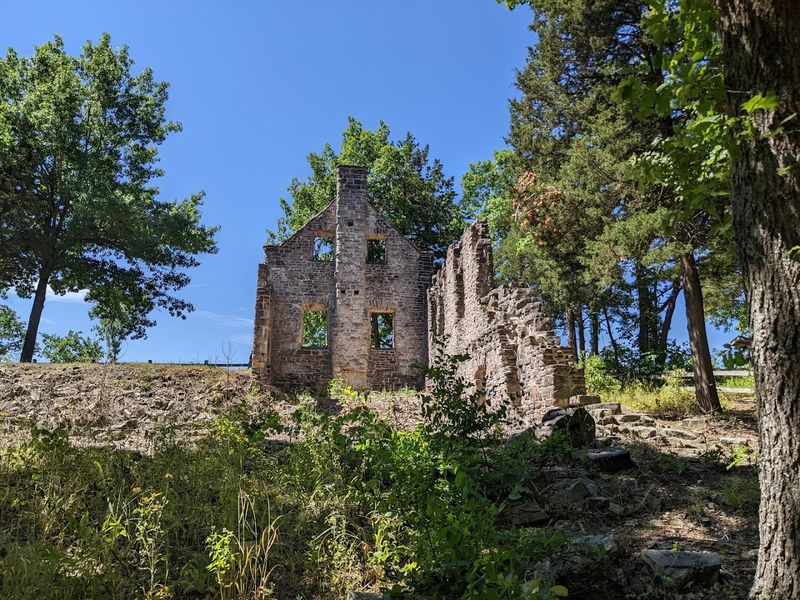
Beauty lasts longer when visitors treat it gently. Barriers around the ruins protect fragile masonry, so admire from a respectful distance and keep hands off.
Rangers and volunteers work hard here, and it shows in the tidy trails and sturdy railings.
Fishing is not allowed at the spring, and you will sometimes spot folks ignoring that rule. Set a better example and enjoy the clarity without a line in the water.
Pack out every wrapper and bottle, even if the nearest bin sits a few minutes away.
Heat sneaks up on sunny bluffs, so drink before you feel thirsty. Steps near the spring test knees on the return climb, and poles are fair game for balance.
Cell coverage can dip, making a buddy system smarter than bravado.
Stay on established paths to limit erosion and protect habitat. If a sign looks worn, take a photo anyway and report it at the visitor contact if possible.
Respect makes the views feel even bigger, because you are part of the reason they endure.