Some places look so perfect they almost feel imagined. The trail to Bear Lake is one of those places.
Tucked inside Rocky Mountain National Park near Estes Park, this short hike delivers a view that feels far bigger than the effort it takes to reach it. Towering peaks rise in every direction while still water mirrors the mountains like a giant sheet of glass.
It’s the kind of scene that makes people stop mid-step just to stare.
The path around the lake is easy, peaceful, and surprisingly quick, which makes the payoff even sweeter. In a matter of minutes, you go from parking lot to alpine paradise.
Families, photographers, and first-time hikers all find themselves grinning when that first wide-open view appears.
Cool mountain air. Pine trees swaying.
Snow-capped summits standing guard.
It feels like stepping into a postcard that suddenly became real.
The Trailhead and Getting There
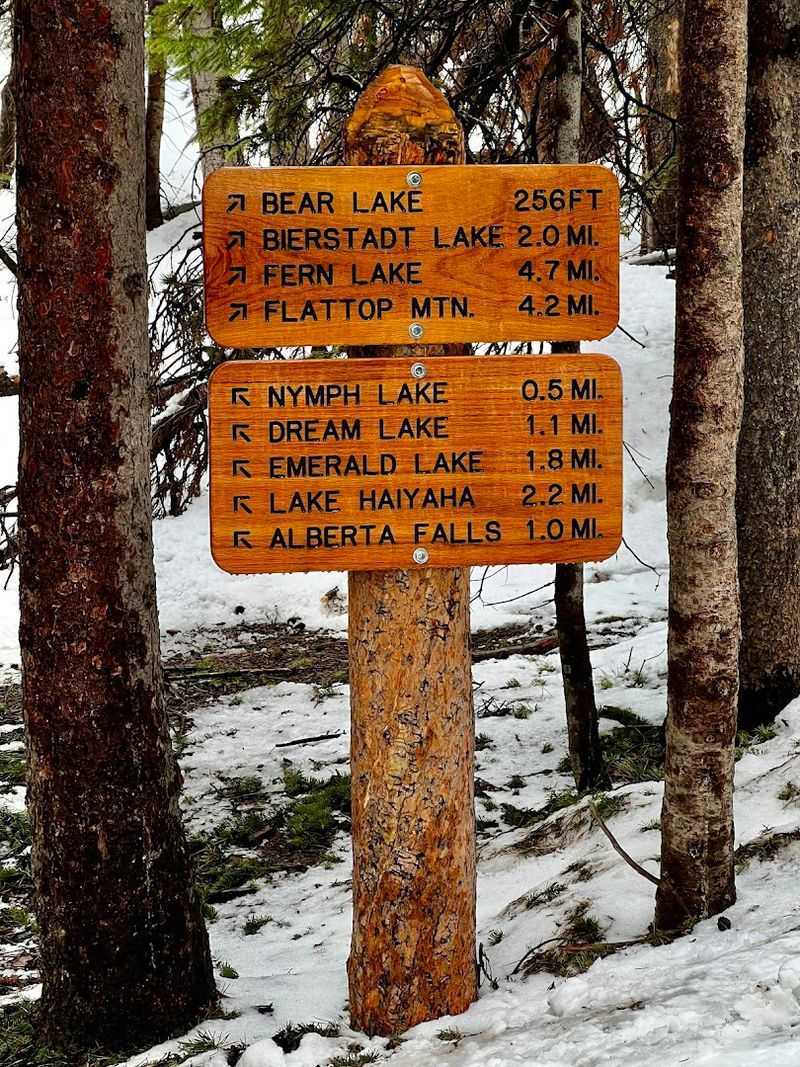
Getting to Bear Lake Trail is half the adventure, and knowing what to expect before you arrive makes the whole trip smoother. The trailhead is located inside Rocky Mountain National Park in Colorado, near the town of Estes Park.
The address sits along Colorado 80517, and GPS will guide you right to the Bear Lake Road shuttle stop or parking area.
One of the most important things to know: you need a timed entry permit to access this part of the park during peak season, typically from late May through mid-October. These permits are released 30 days in advance on recreation.gov and sell out fast, so planning ahead is absolutely essential.
Missing this step means turning around at the gate.
If you snag a spot, arrive early to beat the crowds. The park offers a free shuttle from the Park and Ride lot along Bear Lake Road, which saves you from hunting for a parking space.
The shuttle runs frequently and drops you right at the trailhead. Visitors who skip the shuttle often spend 30 minutes or more just looking for parking, especially on summer weekends.
The Elevation and Altitude Reality Check
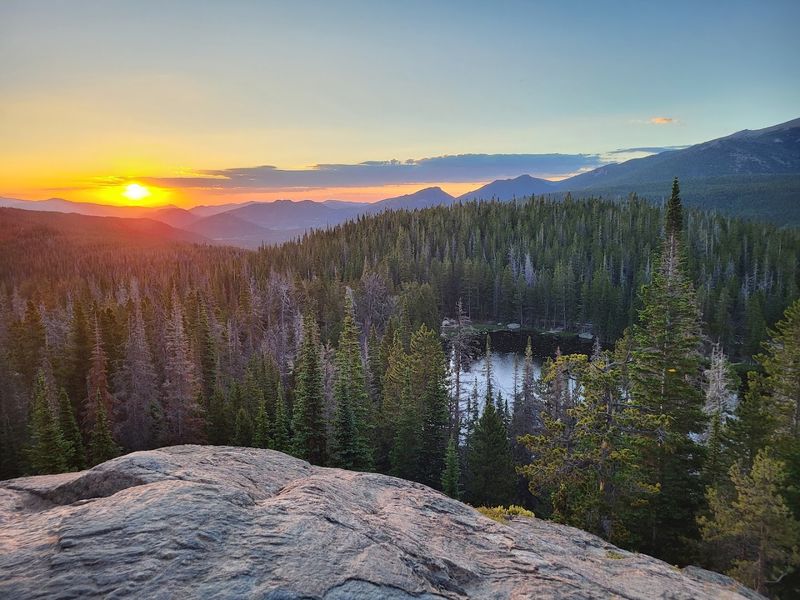
Standing at 9,475 feet above sea level, Bear Lake Trail sits high enough that the thin air genuinely catches many visitors off guard. Even seasoned hikers who live at lower elevations often feel winded within the first few minutes.
Your lungs work harder at altitude because there’s simply less oxygen available with each breath you take.
Altitude sickness is a real concern here. Symptoms can include headaches, dizziness, nausea, and unusual fatigue.
If you’re flying in from sea level and heading straight to the trailhead the same day, your body hasn’t had time to adjust. Spending a night in Denver or Estes Park first gives your system a fighting chance to acclimate before the hike.
Hydration plays a massive role in how you feel at elevation. Drink water consistently before and during the hike, even if you don’t feel thirsty.
Kids and older adults are especially vulnerable to dehydration at high altitude. One review from a visitor noted the importance of knowing your limitations before starting, and that advice is spot-on.
Slow down, breathe deeply, and enjoy the pace — the lake isn’t going anywhere.
The Loop Trail Layout and Distance
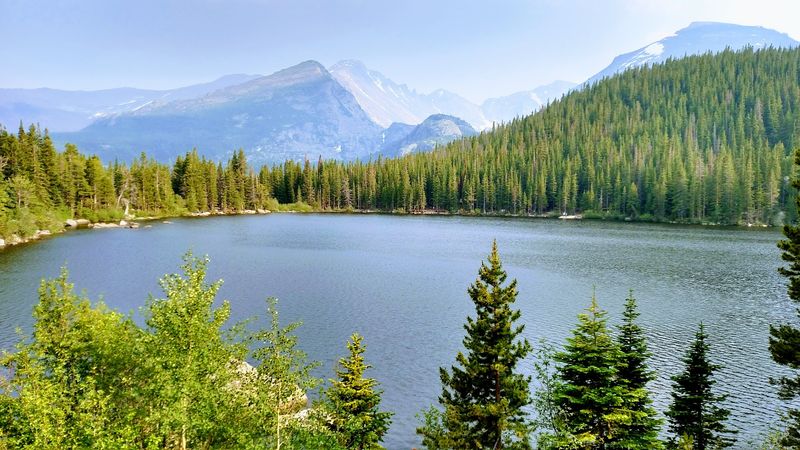
Bear Lake Trail is a 0.8-mile loop, which means you walk in a complete circle around the lake and return to where you started without backtracking. That compact distance makes it one of the most manageable trails in all of Rocky Mountain National Park.
Families with young children, seniors, and casual walkers all regularly complete it without breaking a sweat — well, almost.
The trail is well-maintained with a mostly flat, packed surface. Some sections include boardwalks and rock steps, keeping foot traffic from damaging the fragile alpine ecosystem around the lake.
Thirty interpretive markers are placed along the route, each sharing fascinating facts about the local geology, wildlife, and plant life. These signs turn the walk into an informal outdoor classroom, which kids genuinely enjoy.
Completing the loop typically takes between 30 minutes and an hour, depending on your pace and how often you stop to take photos — and trust me, you’ll stop a lot. The trail is wide enough that you can walk side by side with a partner.
Rangers recommend walking the loop counterclockwise for the best views of the surrounding peaks right from the start.
The Views of the Alpine Lake Itself
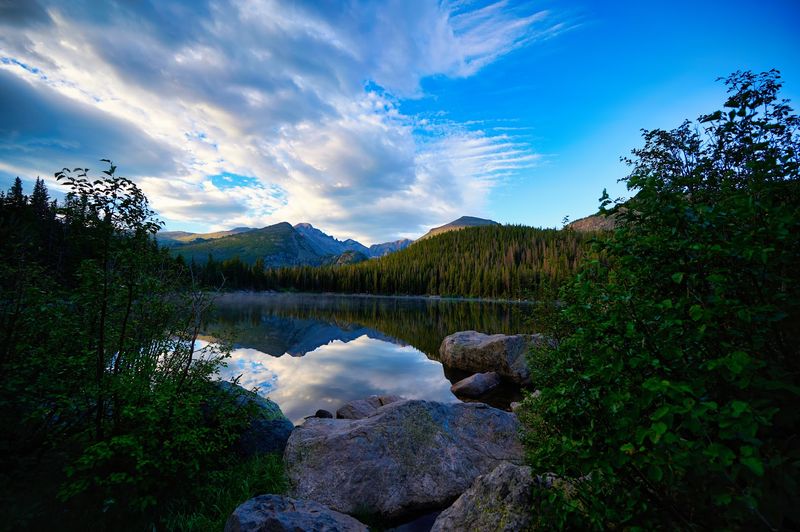
Nothing quite prepares you for your first look at Bear Lake. The water is so still and clear on calm mornings that it mirrors the surrounding peaks — Hallett Peak, Flattop Mountain, and Longs Peak — like a perfectly polished glass surface.
Photographers have been chasing this reflection shot for decades, and it never gets old.
The lake sits in a glacially carved basin, which explains its almost perfectly rounded shape and startling depth. The deep blue-green color of the water comes from glacial minerals and the clarity of the high-altitude environment.
There are no motorized boats allowed, no fishing pressure, and very little disturbance to the surface, which keeps the water looking pristine year-round.
Sunrise visits offer the most dramatic reflections because the wind tends to be calmer in the early morning hours. By midday, a gentle breeze often ripples the surface, breaking up the mirror effect.
Still beautiful, but different. Visitors who have seen alpine lakes across the world regularly describe Bear Lake as one of the most photogenic they’ve ever encountered.
One reviewer put it simply: the views are just great. That’s probably an understatement.
Wildlife You Might Spot Along the Way
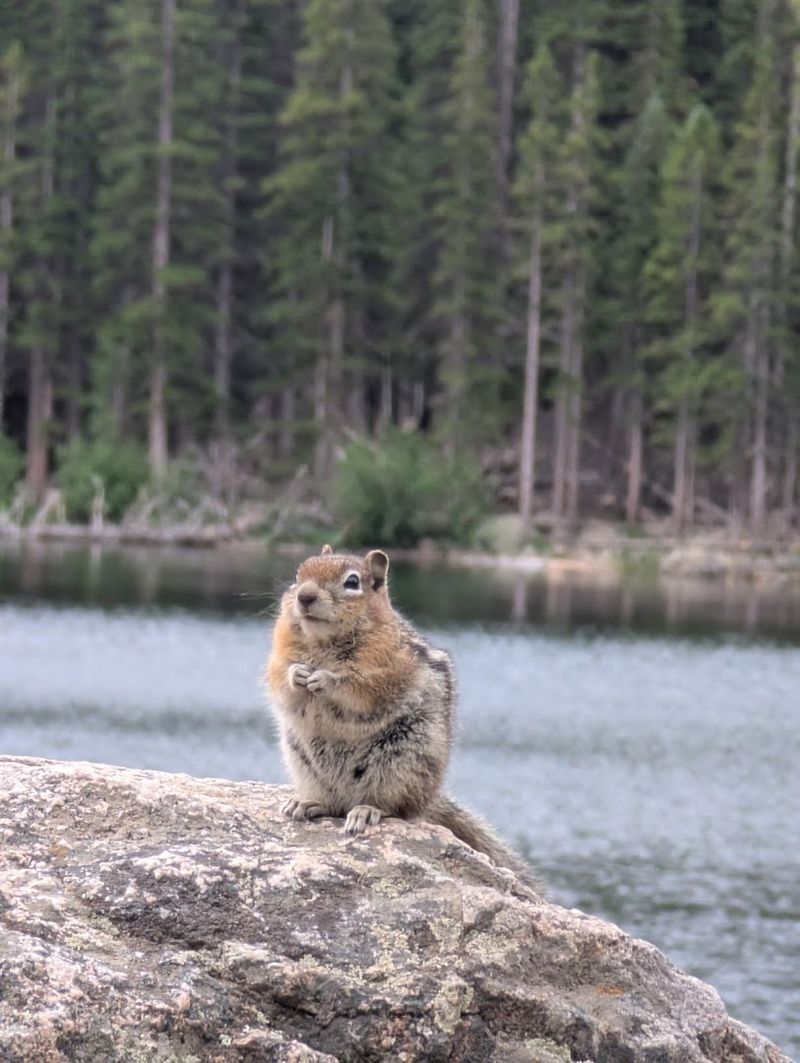
Bear Lake Trail is not just about the lake — the surrounding forest and rocky shoreline teem with wildlife that rewards patient, quiet observers. American pikas are among the most charming residents of the area.
These tiny, round-eared mammals look like oversized hamsters and are often heard before they’re seen, letting out a sharp, high-pitched squeak from rocky slopes near the trailhead.
Marmots are another crowd favorite. These chunky, golden-furred rodents sunbathe on boulders along the trail and seem surprisingly unbothered by human visitors.
Deer, elk, and even the occasional moose have been spotted in the meadows near Bear Lake Road, especially during early morning and evening hours. Birds are abundant too — Steller’s jays, Clark’s nutcrackers, and gray jays are regular trail companions.
Black bears do live in Rocky Mountain National Park, so carrying bear spray and storing food properly is always a smart move. Keep a respectful distance from all wildlife, no matter how tame they appear.
Feeding animals is strictly prohibited and genuinely harmful to their health and survival. Bringing binoculars adds a whole new dimension to the experience, letting you spot distant wildlife without disturbing their natural behavior.
Seasonal Conditions and What to Expect
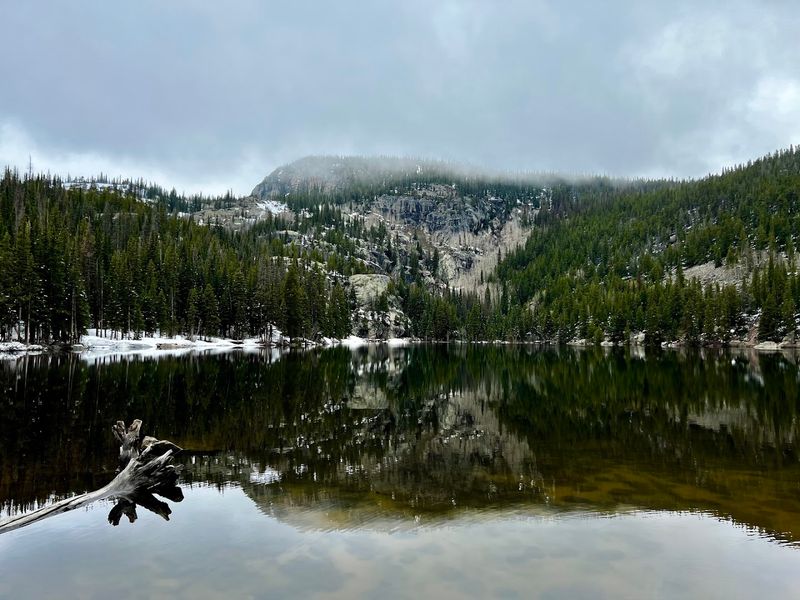
One of the most surprising things about Bear Lake Trail is how dramatically the experience changes with the seasons. Summer visits, roughly July through September, offer clear paths, wildflowers in bloom, and the most iconic lake reflections.
But even early June can bring packed snow across portions of the trail, as multiple visitors have noted in their reviews.
Spring hikes here require real preparation. One visitor noted that on June 1st, sections of the trail were so heavily snow-covered that completing the loop was impossible without proper gear.
Microspikes, waterproof boots, and trekking poles can make the difference between a safe, enjoyable hike and a miserable, slippery struggle. Don’t let the short distance fool you into packing light during shoulder seasons.
Winter brings a completely different kind of magic. The lake sometimes freezes over, and visitors have reported walking across it when conditions allow — though this should only be done when ice is confirmed to be safe.
Snowshoeing around the lake is a popular winter activity. Fall is arguably the most underrated season, with golden aspen leaves framing the lake in early October.
Each season brings its own personality to this remarkable trail.
Connecting Trails for Those Who Want More
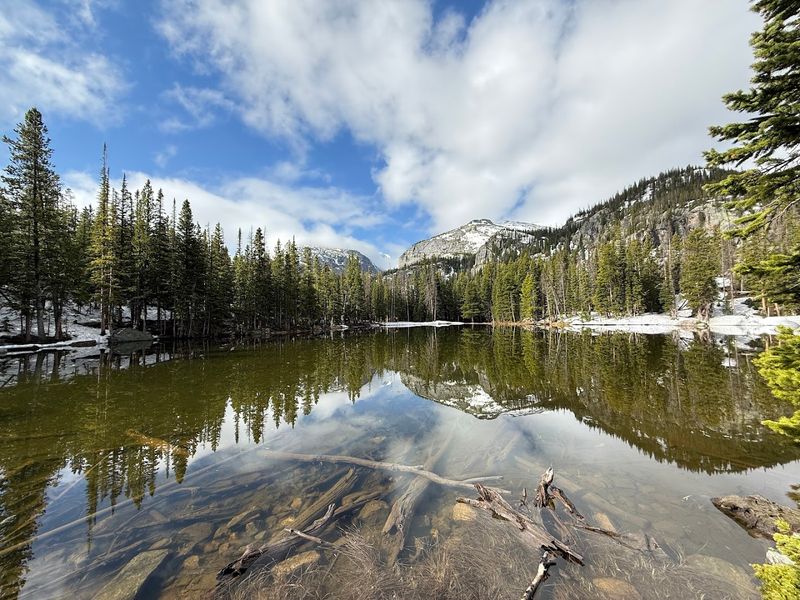
Bear Lake is not just a destination — it’s a launching pad. Several trails branch off from the Bear Lake Trailhead, opening up a whole network of alpine lakes and mountain scenery that goes far beyond the 0.8-mile loop.
For hikers who finish the loop and still have energy, the options are genuinely exciting.
Nymph Lake Trail is one of the most popular extensions, adding about 0.5 miles to your outing and leading to a lily pad-covered lake surrounded by subalpine forest. From there, you can continue to Dream Lake and then Lake Haiyaha, each one more dramatic than the last.
One reviewer mentioned hiking from the Bear Lake Trailhead all the way to Lake Haiyaha — a rewarding adventure that showcases the best of RMNP’s lake country.
Longer options include the hike up to Flattop Mountain or the demanding trek toward Hallett Peak, both accessible from the same trailhead. These routes require much more fitness and preparation, but the panoramic summit views are absolutely worth the effort.
Having a trail map or downloading an offline version through an app like AllTrails before you arrive is a smart move, especially in areas where cell service is unreliable.
What to Pack for the Hike
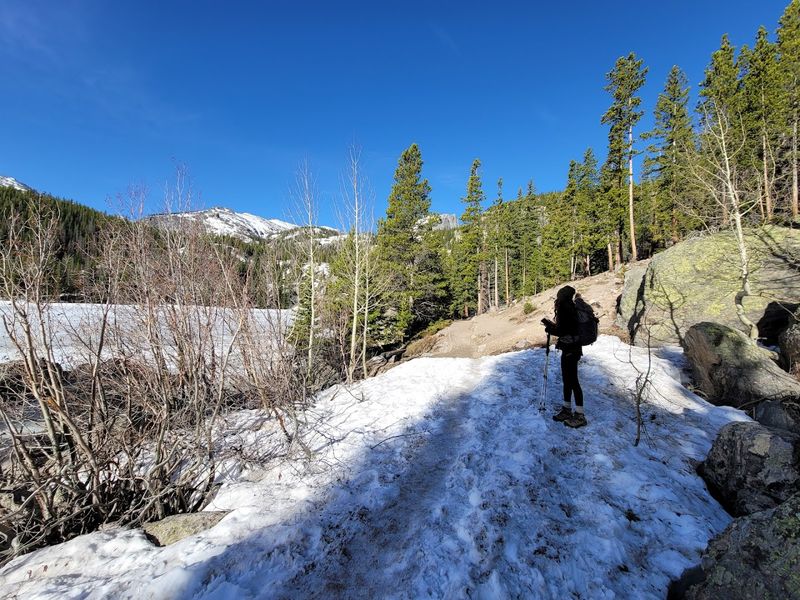
Packing smart for Bear Lake Trail means thinking about conditions that can change quickly at nearly 10,000 feet. Even on a warm summer day, temperatures at this elevation can drop suddenly when clouds roll in or the wind picks up.
A light, packable jacket is always worth tossing in your bag, even if the morning feels warm and sunny.
Water is non-negotiable. Aim for at least 16 to 20 ounces per person for the loop itself, more if you plan to extend your hike to connecting trails.
Sunscreen and sunglasses are equally important — UV radiation is significantly stronger at high altitude, and many visitors underestimate how quickly they can burn on a clear Colorado day. A hat with a brim adds extra protection.
Snacks with protein and natural sugars help maintain energy, especially if altitude is making you feel sluggish. Trekking poles are optional for the main loop but genuinely useful if snow is present or if you’re tackling steeper connecting trails.
Comfortable, closed-toe shoes with ankle support are recommended over sandals. A small first aid kit, a fully charged phone, and a downloaded trail map round out a solid, practical packing list for this hike.
Photography Tips for Capturing the Magic
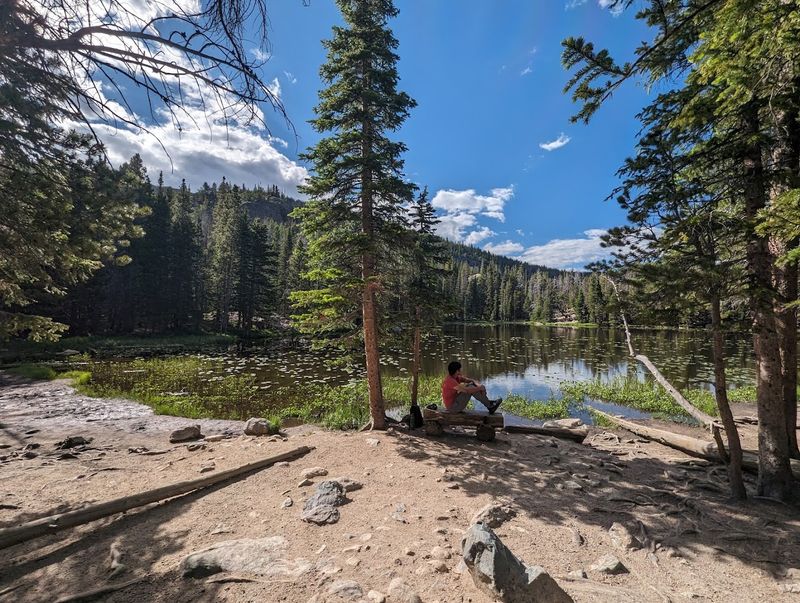
Bear Lake is a photographer’s dream, and you don’t need professional equipment to bring home stunning images. The secret weapon here is timing.
Arriving at the trailhead right at sunrise gives you the best chance of catching the lake in its glassiest, most reflective state before wind and crowds arrive. The golden-hour light on Hallett Peak during those early minutes is genuinely breathtaking.
Smartphone photographers can get incredible shots by crouching low near the water’s edge, letting the reflection fill the bottom half of the frame while the peaks dominate the top. This simple composition trick creates a sense of symmetry that looks polished and intentional.
The thirty interpretive markers along the trail also make for interesting foreground subjects when paired with the lake and mountains behind them.
Polarizing filters, available for both DSLR lenses and phone camera attachments, cut through glare on the water and make colors pop in a way that’s hard to replicate in editing. Fall visits offer bonus material — golden aspen trees frame the lake in warm amber tones that contrast beautifully with the deep blue water.
Always shoot in RAW format if your camera supports it, giving you maximum flexibility during post-processing.
Why Bear Lake Trail Deserves a Spot on Your Colorado Bucket List
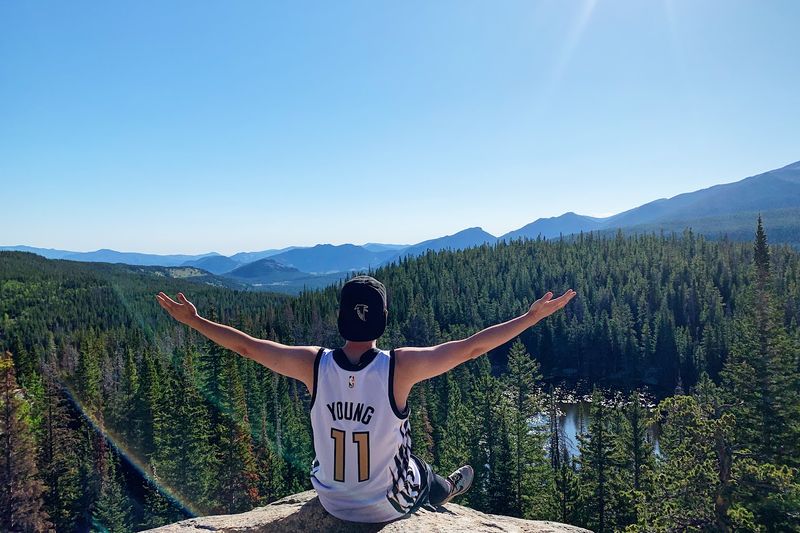
Some hikes earn their reputation through sheer difficulty — brutal elevation gains, remote locations, or grueling distances. Bear Lake Trail earns its spot on every Colorado must-do list for the exact opposite reason: maximum reward for minimal effort.
The combination of an accessible distance, stunning scenery, and rich natural diversity makes it genuinely special among Rocky Mountain trails.
The 4.8-star rating from visitors tells a consistent story. People come expecting a pretty walk and leave feeling like they’ve witnessed something rare.
Families with toddlers finish it. Grandparents finish it.
Hardcore mountaineers use it as a warm-up before tackling bigger routes. That rare ability to satisfy such a wide range of visitors is what sets Bear Lake apart from more demanding trails.
Beyond the scenery, the trail offers something intangible — a sense of calm and perspective that comes from standing beside a mountain lake that has existed for thousands of years. The interpretive markers, the wildlife, the connecting trails, and the ever-changing seasonal moods all give visitors a reason to return again and again.
Colorado has no shortage of beautiful hikes, but Bear Lake Trail holds a unique place in the hearts of nearly everyone who walks its loop.