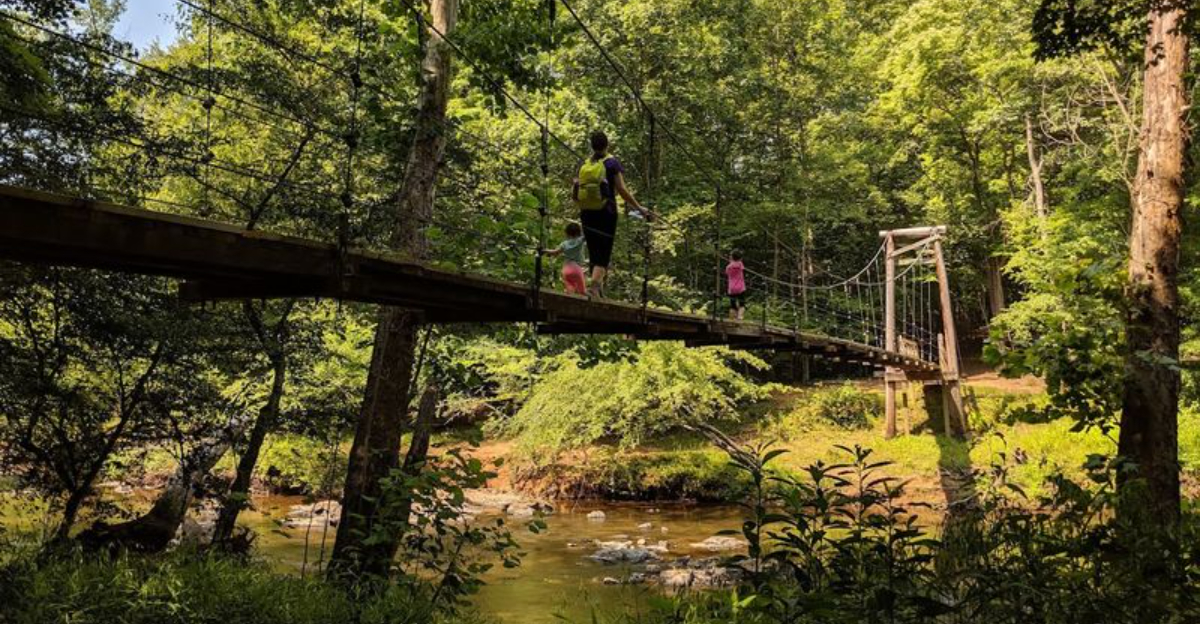
Tucked just minutes from downtown Durham, Eno River State Park is one of North Carolina’s best-kept outdoor secrets.
Stretching across more than 4,200 acres, this protected wilderness follows the winding path of the ancient Eno River through forested bluffs, rocky shoals, and quiet valleys.
From Native American history to grassroots conservation victories, the park holds layers of stories beneath its towering trees.
Whether you love hiking, wildlife watching, or simply escaping the city noise, Eno River State Park has something genuinely special waiting for you.
A Wild River Valley Preserved in the Heart of the Triangle
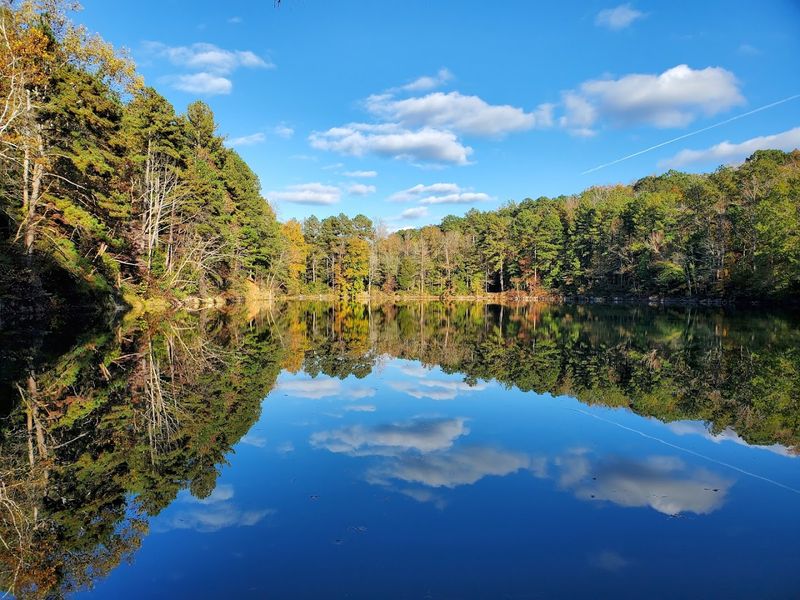
Most people don’t expect to find true wilderness minutes from a major city, but Eno River State Park pulls off exactly that. Spanning more than 4,300 acres across Durham and Orange counties, the park protects a surprisingly rugged natural corridor that feels worlds away from the surrounding suburbs.
Over 14 miles of the Eno River wind through this protected land, carving through forested bluffs and rocky terrain that give the valley a genuinely wild character. The contrast between the urban Triangle area and this forested refuge is what makes the park so remarkable and so beloved by locals.
Established to protect both natural resources and open space near a growing metropolitan region, the park has become a critical green anchor for the area. Families, hikers, and nature lovers from Durham, Chapel Hill, and Hillsborough all claim it as their own backyard escape.
Few state parks in North Carolina offer this combination of accessibility and genuine wilderness character, making Eno River a standout destination worth exploring thoroughly.
The Ancient River That Shaped the Landscape
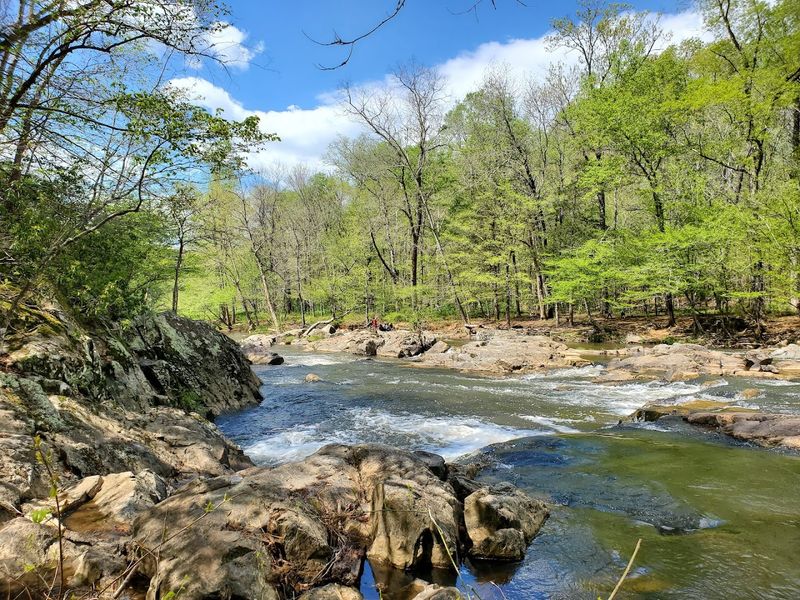
Long before roads or cities existed here, the Eno River was already doing its slow, patient work. Over thousands of years, this river carved the valley you see today, sculpting rocky shoals, deep pools, and steep forested bluffs through sheer persistence and flow.
The Eno is not a large river by any measure, but its character more than makes up for its modest size. Shallow rapids tumble over exposed bedrock in some stretches, while calm, mirror-still pools collect in the bends, creating a constantly changing landscape that rewards those who slow down to notice it.
Ecologically, the river plays a role far beyond its banks. The Eno watershed drains into Falls Lake and eventually the Neuse River, making it an important freshwater resource for the entire region.
Protecting this corridor means protecting drinking water quality, aquatic habitats, and the broader health of one of North Carolina’s major river systems. Every hike along its banks is really a walk alongside something ancient, alive, and quietly essential to the landscape around it.
Native American History Along the Riverbanks
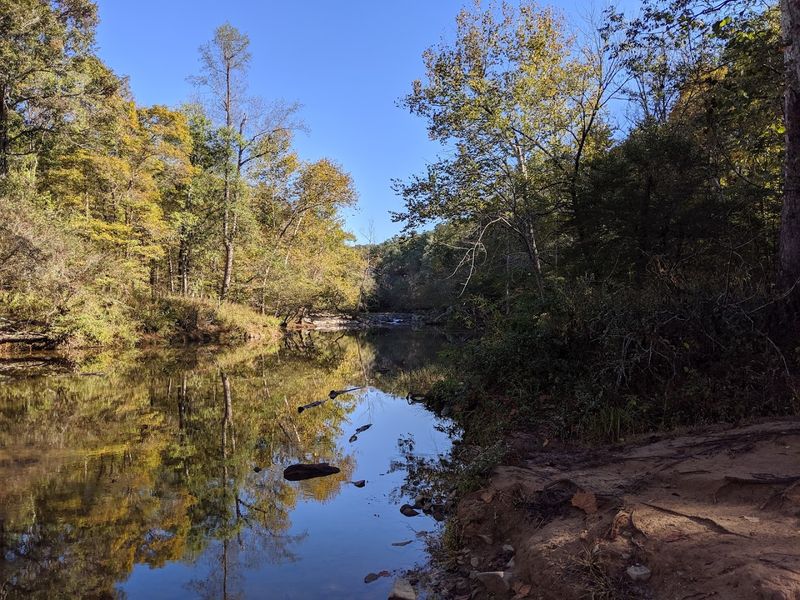
Before European settlers ever set foot in this valley, the Eno River was already at the center of human life. The Eno, Shakori, and Occoneechee peoples called this watershed home for centuries, building villages, farming the bottomlands, and traveling trails that followed the river’s natural path.
Archaeological discoveries throughout the park have uncovered evidence of these long-established communities, including village sites and artifacts that hint at a rich and organized way of life. Some of the hiking trails visitors use today trace the very same corridors these communities used to travel between settlements.
It’s humbling to walk a trail and realize you’re following a route worn into the land by people who lived here hundreds of years ago. The river provided food, water, transportation, and spiritual meaning for these cultures, and that deep connection to the land is still palpable when you stand quietly on its banks.
Learning even a little about the Indigenous history of this place transforms a regular hike into something far more meaningful and grounded in the true story of this ancient valley.
The Mills That Once Powered the Eno Valley
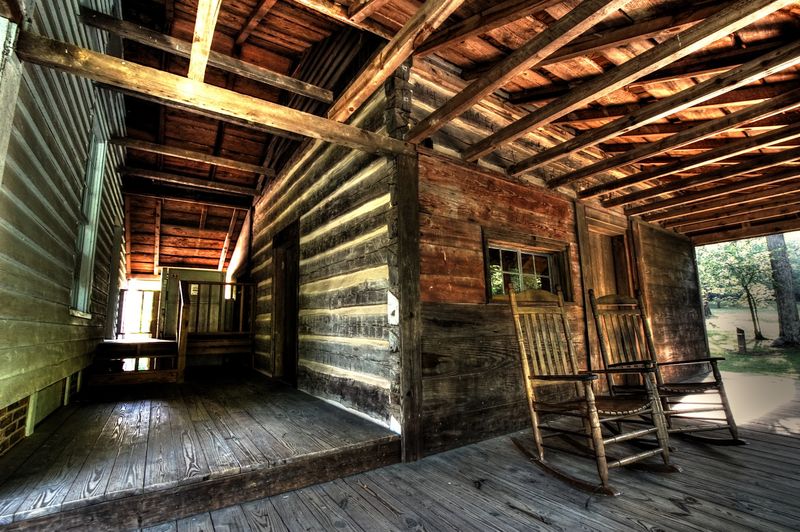
Picture the Eno Valley in 1820 — the river humming with the activity of turning mill wheels, grinding grain, and powering the economy of a growing rural community. At its peak, more than 30 water-powered mills operated along the Eno River, making this one of the most industrially active river corridors in the region.
Farmers brought their grain to these mills, and the surrounding communities depended on them for flour, lumber, and other essential goods. The mills required careful engineering, with mill races and stone channels directing water flow to maximize the river’s energy.
It was a clever, sustainable use of a natural resource that shaped the valley’s development for well over a century.
By the mid-1900s, the mills had all fallen silent, but their ghosts remain. Stone foundations, overgrown mill races, and crumbling walls peek out from the forest along several trails, offering visitors a tangible connection to the valley’s working past.
Spotting these ruins mid-hike feels like stumbling onto a hidden history lesson. The Pump Station access area is especially rich with this kind of industrial heritage just waiting to be noticed.
A Grassroots Movement That Saved the River
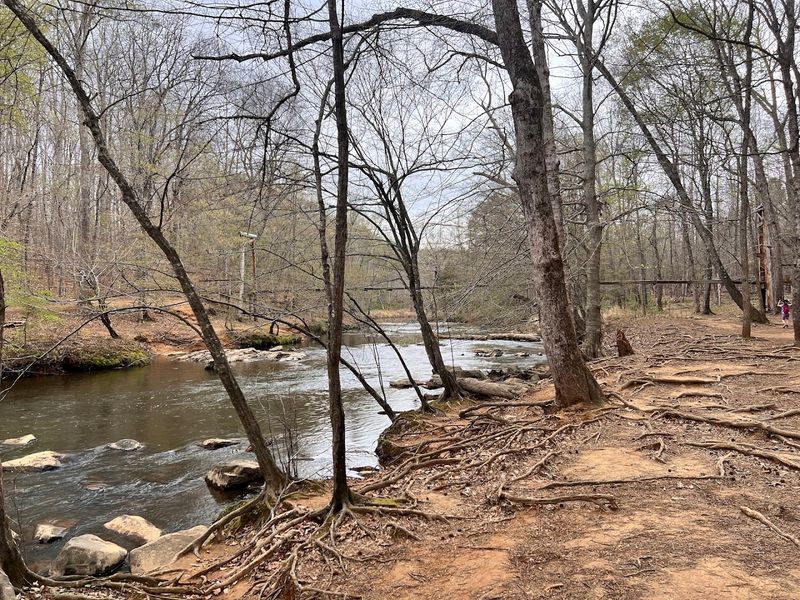
Not every beautiful place survives the pressures of development, but the Eno River got lucky — and it got lucky because ordinary people refused to give up on it. In the 1960s, city planners proposed damming the river to create a reservoir, a project that would have flooded much of the valley and erased what we now know as the park.
A group of passionate local residents pushed back hard. They formed the Eno River Association, organized public support, lobbied state officials, and kept the pressure on until the plan was abandoned.
It was a classic David vs. Goliath story, and the river won. Their persistence paid off in 1973 when the state officially established Eno River State Park.
The Eno River Association is still active today, continuing to advocate for the river’s protection and working to expand the park’s boundaries. Their story is a powerful reminder that conservation victories don’t just happen — they’re fought for, one community meeting and one signed petition at a time.
Visiting the park is, in a small way, a tribute to everyone who loved this river enough to stand up for it when it mattered most.
Scenic Trails That Follow the River’s Edge
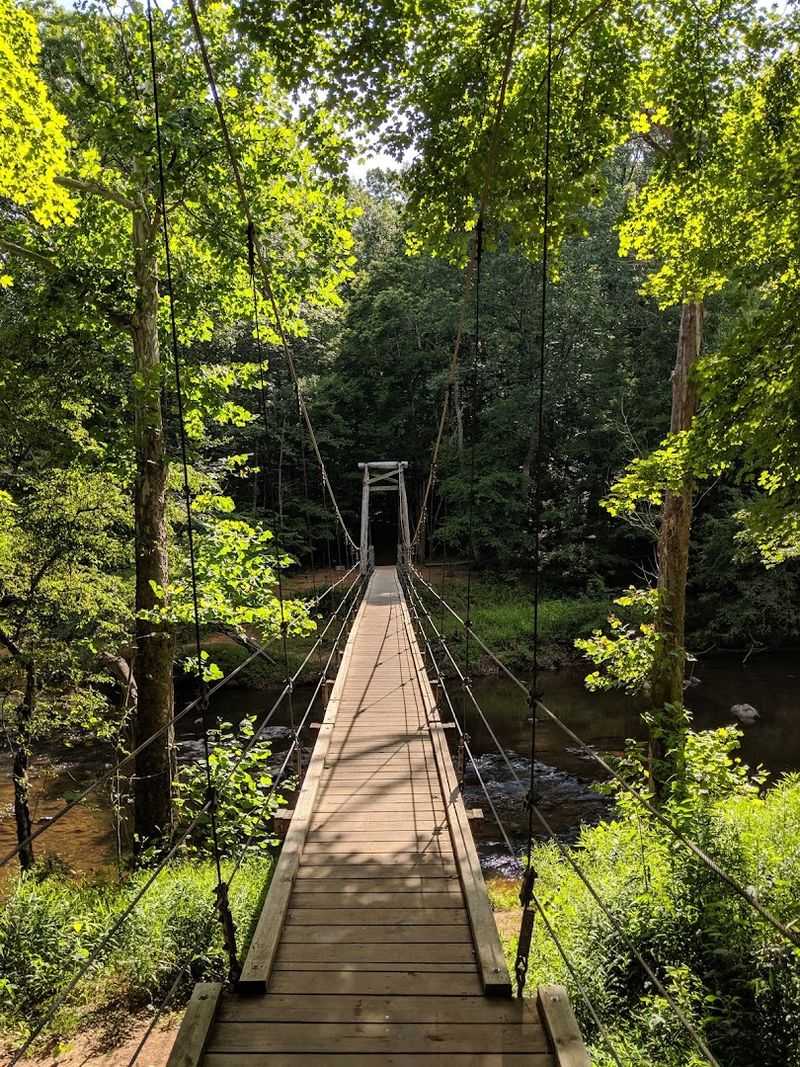
With more than 24 miles of hiking trails winding through the park, there’s no shortage of ways to explore the Eno River valley on foot. What makes these trails special isn’t just their length — it’s how closely many of them hug the riverbank, keeping the sound of moving water as your constant companion.
Cox Mountain Trail is one of the park’s most rewarding routes, climbing to rocky overlooks above the river before dropping back down to the water’s edge. Laurel Bluffs Trail takes hikers through dense mountain laurel thickets and along dramatic bluffs that tower over the river below.
Buckquarter Creek Trail offers a quieter, more intimate experience through a tributary valley rich with ferns and wildflowers.
Trail difficulty ranges from easy riverside strolls to moderately challenging climbs over rocky ridges, meaning the park genuinely welcomes hikers of all skill levels. Boots with ankle support are a smart choice given the rocky terrain, and trekking poles help on steeper sections.
No matter which route you pick, you’ll come back with mud on your boots, good photos on your phone, and a strong urge to return soon.
Hidden Natural Highlights Along the Way
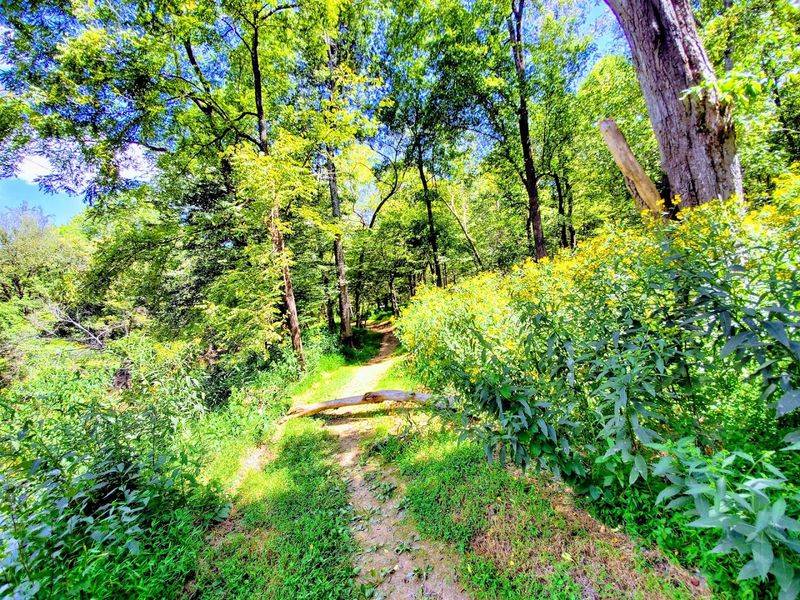
Some of the park’s best features don’t announce themselves on trail maps — you have to earn them by walking. Bobbitt Hole is perhaps the most beloved of these hidden gems, a deep natural swimming hole carved into the riverbed and flanked by dramatic rock bluffs that make it look almost too picturesque to be real.
On warm summer days, locals flock to Bobbitt Hole to cool off in the clear water while kids leap from the surrounding rocks. It has the relaxed, timeless energy of a place that has been a community swimming spot for generations.
Getting there requires a moderate hike, which somehow makes the reward feel even better.
Equally surprising is the Eno Quarry, a former stone quarry that has slowly filled with groundwater over the decades, creating a striking blue-green pond that glows almost unnaturally bright against the surrounding forest. It’s the kind of place that stops you mid-step when you first see it.
Both Bobbitt Hole and the quarry remind you that the best parts of a hike are often the moments you didn’t plan for — the discoveries that catch you completely off guard.
Wildlife and Rare Species in a Protected Habitat
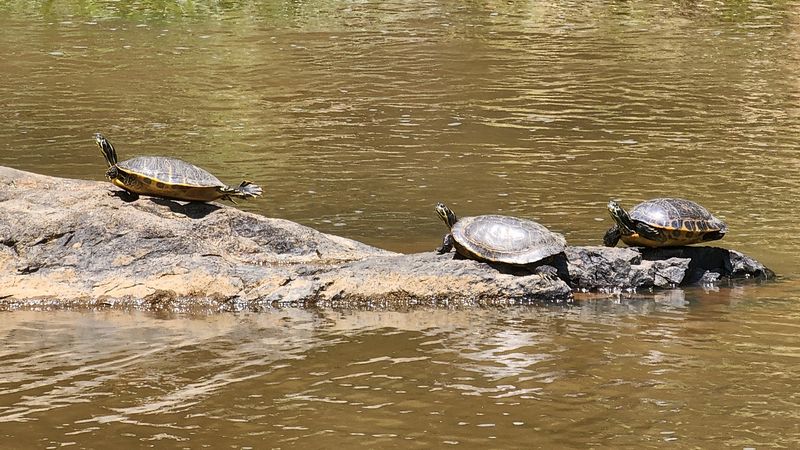
The protected lands of Eno River State Park do more than look beautiful — they provide critical habitat for a remarkable variety of wildlife. Hardwood forests, river shoals, rocky outcrops, and wetland edges create a patchwork of ecosystems that support everything from white-tailed deer and wild turkeys to great blue herons fishing in the shallows.
One of the most significant species calling this watershed home is the Neuse River waterdog, a permanently aquatic salamander and one of North Carolina’s most threatened native animals. These fascinating creatures spend their entire lives underwater, hiding under rocks in clean, well-oxygenated streams.
Their presence in the Eno is a direct indicator of healthy water quality — a living measure of the park’s conservation success.
Birdwatchers find the park especially rewarding during spring migration, when warblers, thrushes, and other songbirds move through the canopy in waves of color and song. River otters have also been spotted along quieter stretches of the Eno, though they’re shy and quick to disappear.
Slowing your pace and keeping your eyes open rewards patient visitors with wildlife sightings that feel genuinely wild, not staged or managed — just nature doing its thing undisturbed.
Access Points That Open the Wilderness to Visitors
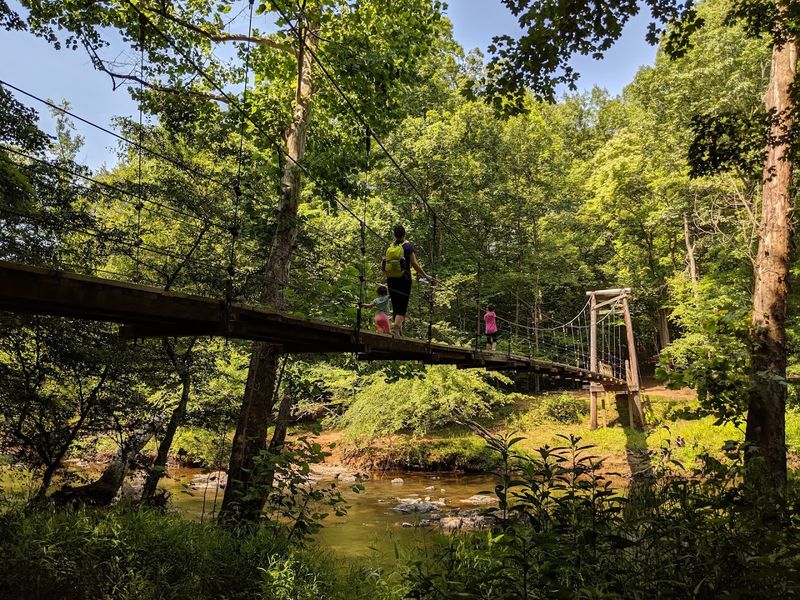
One of the smartest things about Eno River State Park is that it doesn’t funnel everyone through a single entrance. Five distinct access areas — Few’s Ford, Cole Mill, Pump Station, Pleasant Green, and Cabelands — spread visitors across the park and give each section its own character and feel.
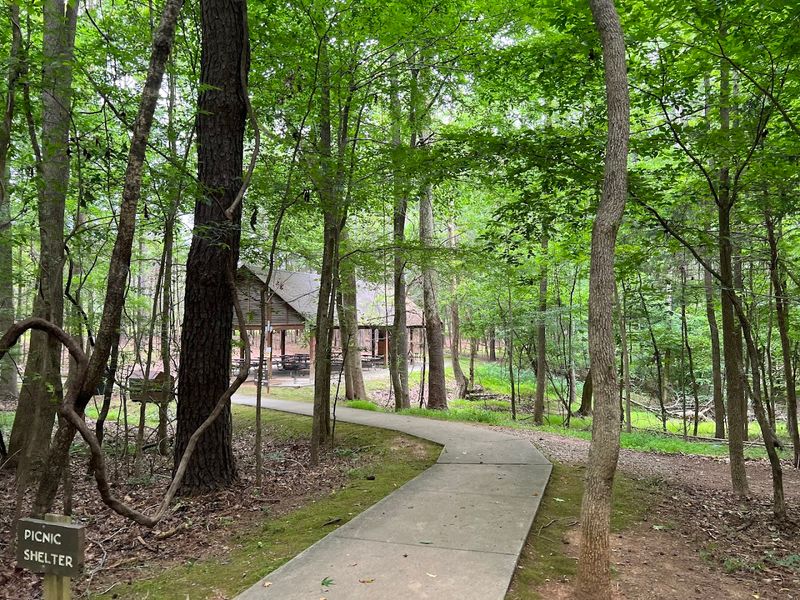
Few’s Ford is the main entrance and the most developed, offering a visitor center, picnic shelters, and access to several of the park’s most popular trails. Cole Mill provides a more rugged entry point with access to trails along dramatic river bluffs.
Pump Station sits on the western end and is rich with historical remnants from the valley’s milling days.
Pleasant Green and Cabelands offer quieter, less-visited experiences for those who prefer solitude over amenities. Spreading your visits across different access points is a great strategy for experiencing the full range of the park’s landscapes and personalities.
Parking can fill up on busy weekend mornings at Few’s Ford, so arriving early or heading to a less popular entrance saves you time and gets you on the trail faster. Each access point genuinely feels like a different park within the same park.
A Peaceful Escape Just Minutes From Downtown Durham
There’s something almost magical about driving twenty minutes from a city skyline and arriving somewhere that feels genuinely remote. Eno River State Park manages this trick better than almost any urban-adjacent park in North Carolina, offering a wilderness experience that doesn’t require a long road trip to reach.
Kayakers and canoeists paddle stretches of the river during higher water levels in spring, navigating small rapids and quiet pools beneath a canopy of sycamore and river birch. Anglers work the shoals for smallmouth bass and sunfish, and picnickers claim shady spots along the banks for long, unhurried afternoons.
The park’s no-fee admission makes it accessible to everyone, which is part of why it feels so genuinely community-owned and loved.
Seasons transform the park in ways that keep repeat visitors coming back year after year. Spring wildflowers carpet the forest floor, summer brings swimming holes and birdsong, fall turns the canopy into a blazing quilt of color, and winter reveals the river’s bones — the rocky structure usually hidden beneath foliage.
Eno River State Park is not just a destination. For many people in the Triangle, it’s a way of life, a weekly ritual, and a place that quietly restores whatever the week has taken away.