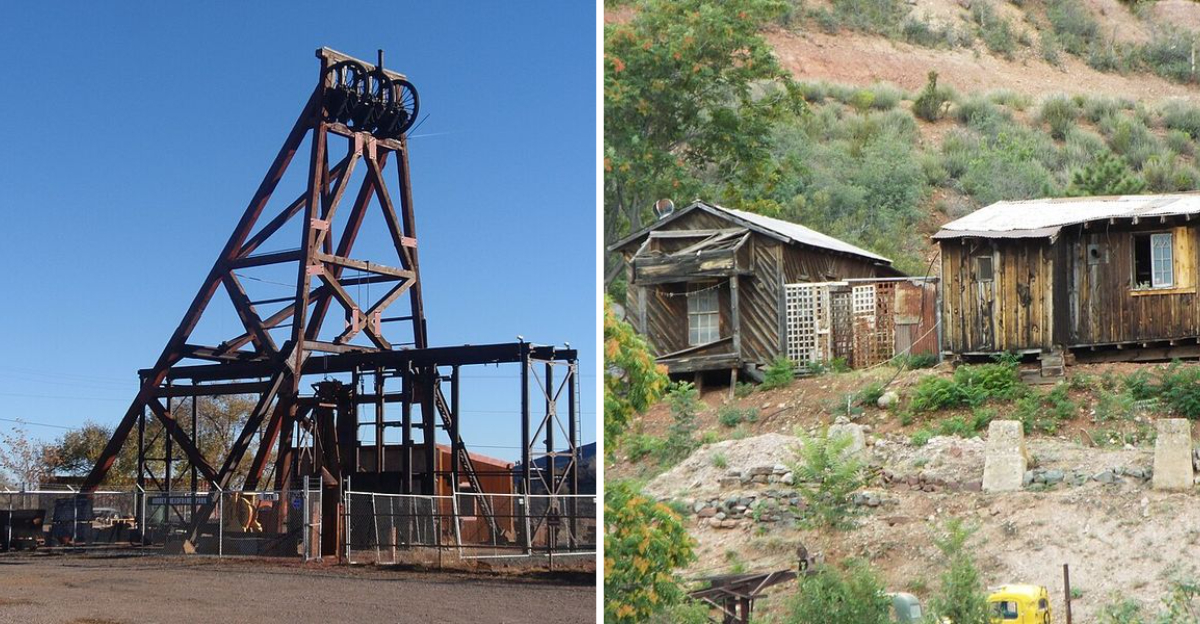
Clinging to Cleopatra Hill with panoramic views of the Verde Valley, Jerome feels like a time capsule that still breathes. Cobblestone lanes, creaky boardwalks, and copper-era brickwork turn a simple walk into a story you can touch.
The town hums with galleries, ghost lore, and the grit of mining history you can feel underfoot. Come ready for switchbacks, strong coffee, and that rush you only get from a road trip done right.
Historic Downtown Jerome
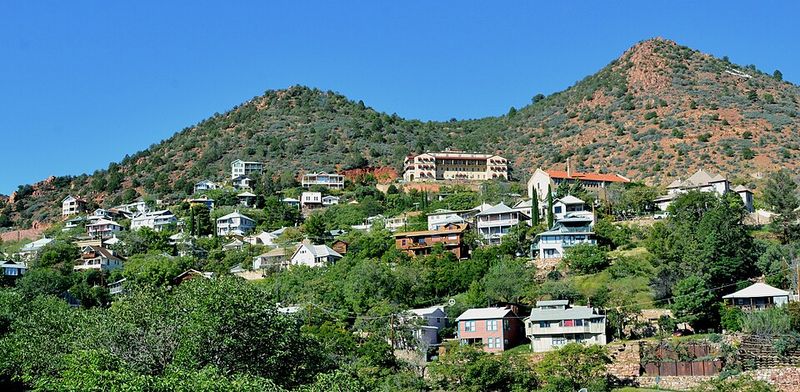
Victorian storefronts cling to Cleopatra Hill like a film set, but the details are real. Wooden boardwalks creak under your boots, and copper-era brickwork glows in late afternoon light.
Give yourself time to wander slowly so shopkeepers can share stories that do not appear on plaques.
Coffee aromas mix with desert air, and you can watch the Verde Valley unfurl from a balcony stool. Many boutiques feature locally made goods, from hand-thrown mugs to silverwork hammered by artists upstairs.
Ask about the town’s notorious power outages, and someone will point to the wind rattling century-old wires.
Hungry visitors should keep an eye out for patios terraced into the hillside. A simple burger tastes better when freight trains look like toys far below.
Time your meal around sunset, because the copper-rich cliffs catch fire and the streets feel like a high balcony above the entire region.
Parking can be tight on weekends, so arrive early or use the free shuttle looping between terraces. If a thunderstorm blows through, duck into a bar and listen as locals compare lightning strikes.
By the time clouds lift, you will have a favorite corner and a fresh list of return excuses.
Jerome State Historic Park and Douglas Mansion
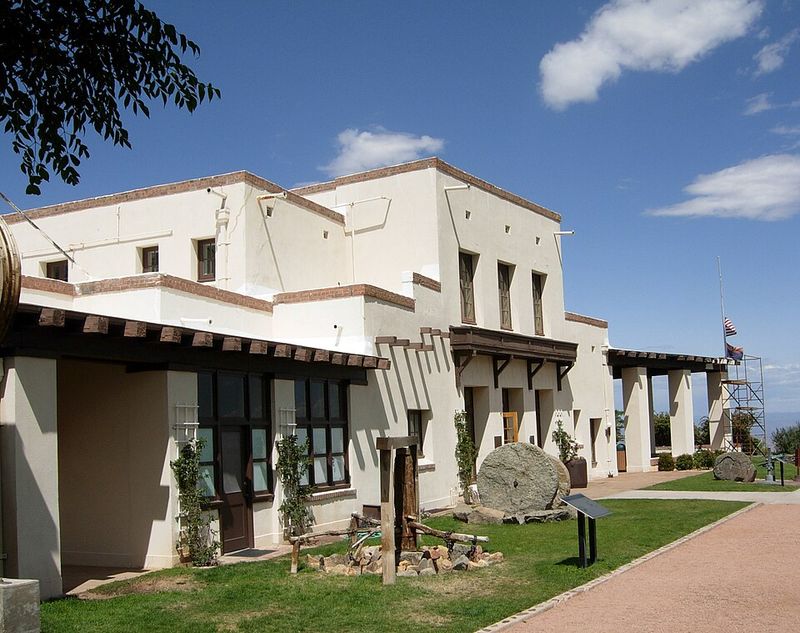
Inside a gleaming white mansion above town, mining wealth tells its story room by room. The Douglas family built this concrete landmark to impress investors and monitor their operations.
Today you can trace ore veins on large relief maps and realize how the hillside became a hive of tunnels.
Exhibits balance polish with grit. You will handle core samples, study blasting caps under glass, and read logbooks noting powder deliveries like grocery lists.
One gallery screens period footage that makes the smelter smoke and clanking hoists feel close enough to smell. The sensory mix anchors the timelines in your head.
Step onto the veranda for a panorama that doubles as a diagram. Interpretive panels line up peaks with historic shafts so the view becomes a living map.
If a ranger is nearby, ask about subsidence and you will hear how buildings migrated downhill during the town’s rowdiest decades.
Before leaving, snap the vintage elevator indicator and the polished copper ore cart by the door. A small gift area stocks thoughtful books, not just trinkets, so your car gains useful reading for the scenic descent.
Bring water, because dry breezes at this elevation will surprise even seasoned desert travelers.
Audrey Headframe Park
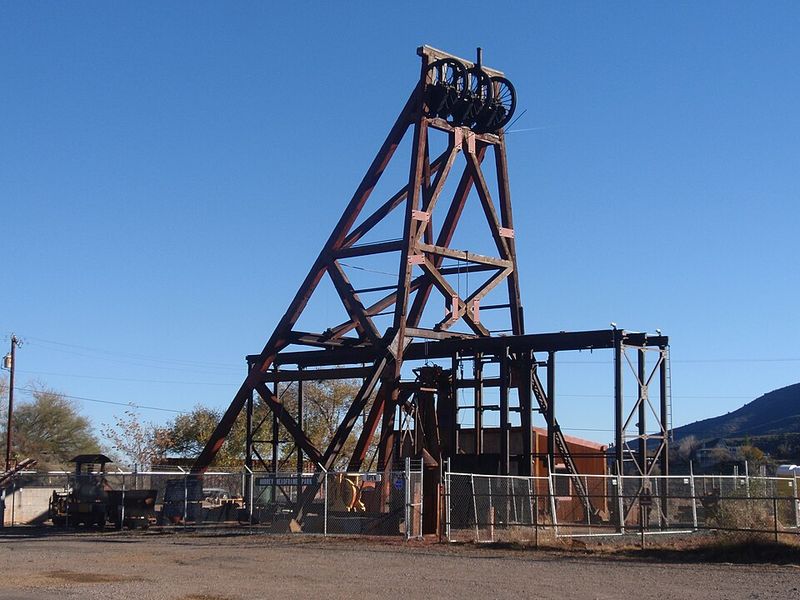
Glass beneath your shoes reveals a straight plunge into darkness that once swallowed shifts of miners. The Audrey shaft drops more than a thousand feet, and the viewing platform makes that number feel personal.
Peer down the lit collar and you might catch dust motes hanging like tiny comets.
Panels explain the headframe’s engineering, but the real lesson comes from your stomach’s little wobble. After reading the safety rules, press a palm to the sturdy glass and imagine cages rattling past.
Kids love counting seconds to estimate depth, turning old math into a quick roadside challenge.
The site sits just above town, so parking is usually painless during the morning. Bring a hat because shade is scarce and high country sun reflects up from steel, rock, and glass.
A brief stop pairs well with the museum, giving you context before walking past timbered frames downtown.
If the wind picks up, listen for humming guy wires and the soft clink of metal settling. That sound connects the quiet overlook to the thundering past more convincingly than any plaque.
Snap a single photo, then look without a lens so the scale really lands. You will remember the vertigo longer than another selfie.
Jerome Grand Hotel
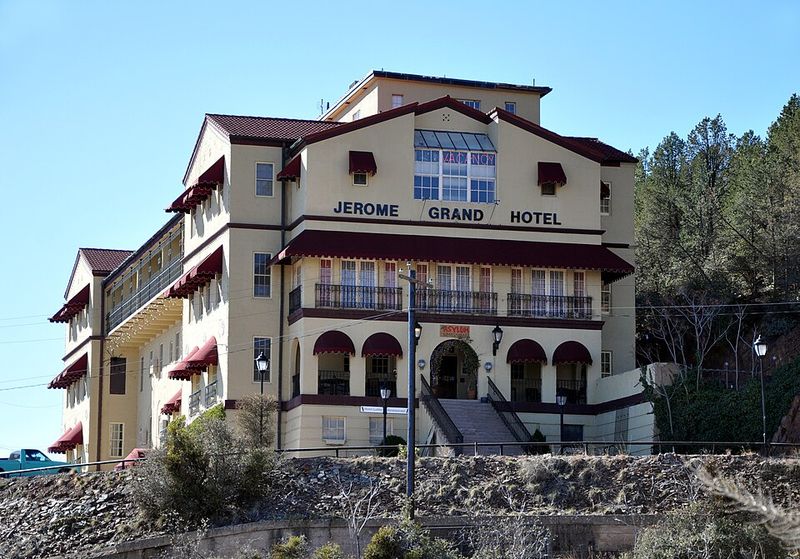
High on the ridge stands a sprawling former hospital that now hosts travelers and stories. The Jerome Grand Hotel keeps the Otis elevator and tiled corridors that hint at long nights of X-rays.
From the patio, twinkling valley lights stretch so far you could swear the ocean is out there.
You might hear about door latches that click on their own, or a toolbox rolling softly down a hall. Staff do not oversell the tales, which makes whispered accounts feel oddly credible.
Take a night tour if available, then sit with a drink and let your ears adjust.
Rooms favor solid furniture and windows that frame storms beautifully. On blustery evenings, lightning jumps from rim to rim while rain rattles vintage panes.
That is a fine time to page through local history books and plan tomorrow’s walk to the sliding jail and hillside galleries.
Parking sits above a steep driveway, so take it slow and use low gear when departing. Dinner at the restaurant rewards patient timing, especially if you request a window and linger for silhouettes.
Book ahead on weekends, because road trippers know that a creaky old hospital makes unforgettable lodging. Sunset pours copper light across everything.
Gold King Mine and Ghost Town
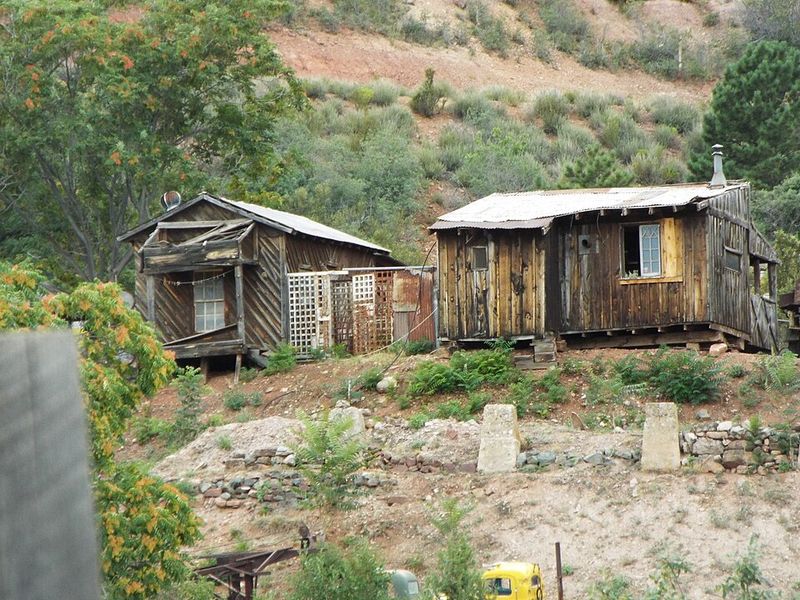
A short drive from the main streets reveals a rambling yard bristling with rust and history. The Gold King Mine and Ghost Town feels like a living workshop more than a museum.
Engines cough to life, saws buzz, and air smells faintly of oil and juniper. Every corner hides another relic begging for a closer look.
You can peek into shacks stuffed with tools, license plates, and curiosities saved by patient hands. Mechanics tinker under open skies, happy to talk carburetors while you photograph antique trucks.
The resident donkey may wander by for a scratch, adding charm that no placard could engineer.
Give yourself time to read the signs and ask about the sawmill demonstrations. Hearing a flathead roar puts the region’s mining years into mechanical context.
Kids and gearheads leave with the same grin, pockets holding a bolt or marble found in gravel near an old compressor.
The road is dirt at the end, so low cars should proceed thoughtfully after rains. Bring cash for small purchases and a few dollar bills for cold sodas.
Photographers will appreciate cloud days, when colors pop and chrome reflects just enough sky to look newly polished. Dust washes off, memories do not.
Jerome Historical Society Mine Museum
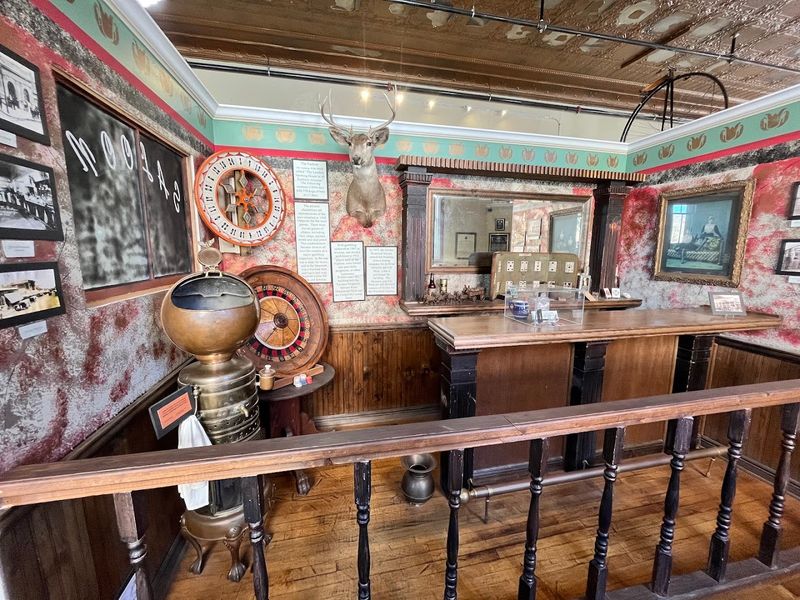
Tucked along Main Street sits a compact trove that rewards careful readers. Photographs show rowdy parades, massive ore cars, and careful portraits of families who built lives on steep streets.
Ticket prices are friendly, which makes stopping in an easy yes during a busy day. The layout is tight yet thoughtfully labeled for quick learning.
Cases hold miners’ lamps, lunch pails, and pay envelopes that turn abstract wages into something tangible. You will see union pins, company scrip, and an infamous notice about long shifts that explains local stubbornness.
Side by side, ingenuity and hardship tell a fuller story than any single exhibit.
Ask volunteers for building recommendations, because they know which stairways reward the climb. Their tips often lead to little overlooks that tourists miss while chasing gift bags.
A half hour inside resets your pace, and suddenly the town becomes a timeline you can walk.
Before leaving, check the window displays that change seasonally and often spotlight quirky topics. Taking a photo of the big drill bits is practically a rite of passage for first timers.
Step back onto the boardwalk and you will notice how many nearby storefronts still echo with pickaxe rhythms.
Jerome Artists Cooperative Gallery
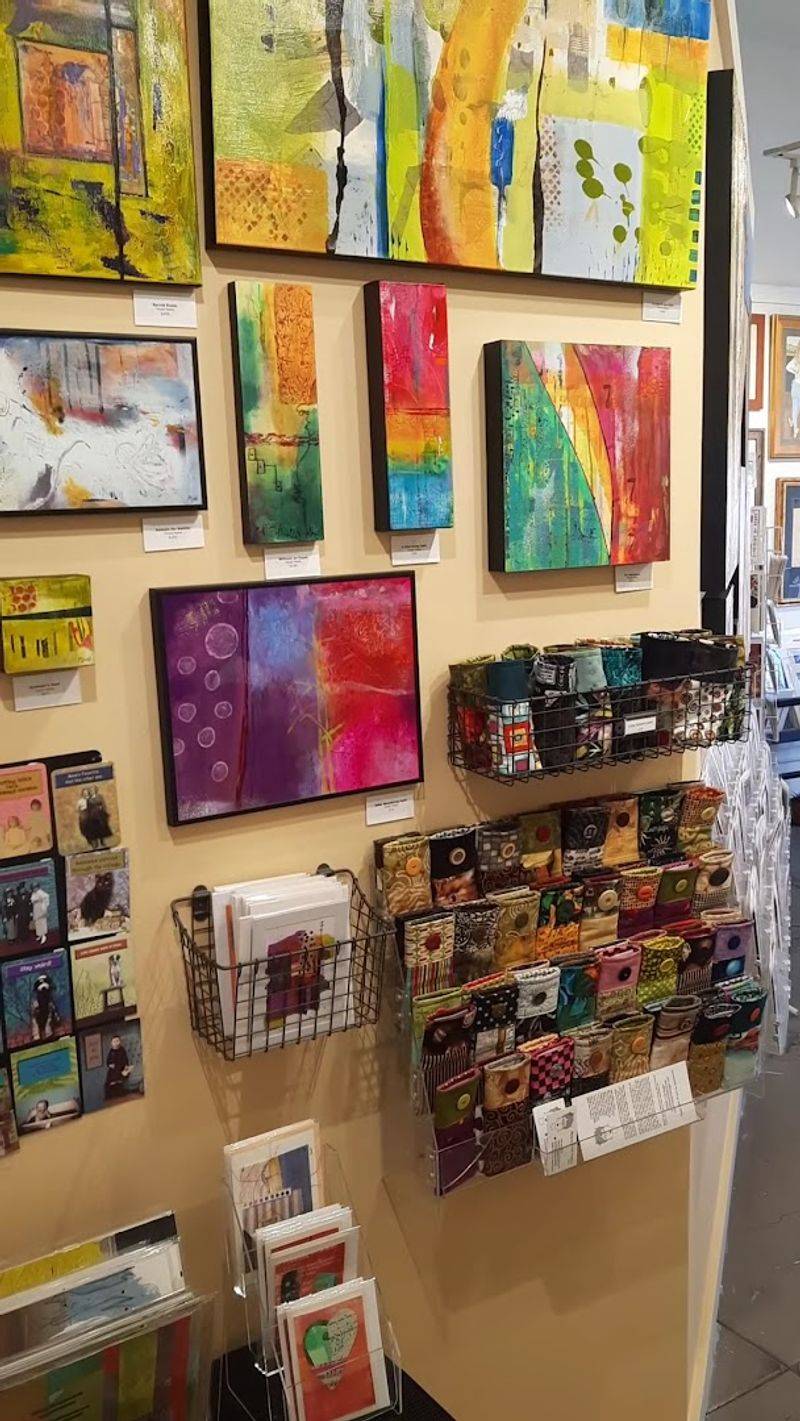
Inside an old hotel building, a member-run gallery showcases work that mirrors the town’s stubborn spirit. Paintings, ceramics, fiber art, and jewelry fill rooms where miners once planned paydays.
Prices range widely, so casual browsers and serious collectors both find a comfortable corner. Displays change often as members rotate wall space.
Artists frequently staff the desk, which means you can ask about techniques and studios hidden up the hill. Many moved here for the views and stayed for the camaraderie that small towns still make possible.
A short chat turns purchases into keepsakes connected to a face and a conversation.
Rotating shows keep the space fresh, so repeat visitors always see something new beside the creaky staircase. If a kiln opening just happened, expect still-warm pots and stories about surprise glazes.
Keep an eye out for plein air landscapes that pin the town’s catwalk streets against the sky.
Weekend afternoons can be lively, and nearby tasting rooms make browsing feel like a mini festival. Bring a tote for prints, because climbing without free hands is tricky on the switchbacks.
If you buy something fragile, ask for extra wrap and directions to the gentlest walking route back.
Haunted Night Tours and Ghost Lore
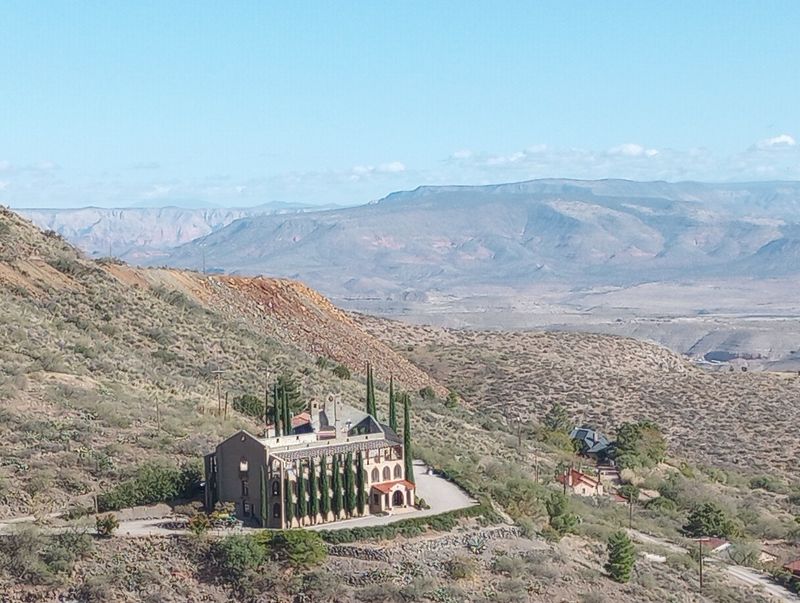
Stories ripple through these slopes after dark, and guides know exactly where the whispers gather. Flashlights pick out names on bricks, old hospital windows, and boarded doors that seem to breathe.
Skeptic or believer, you will appreciate how nighttime quiet sharpens every creak. Even the stairs seem to hold breaths between steps.
Good tours blend history with theater, using real headlines to frame strange coincidences. You might stand on a corner where a miner survived a fall, then hear why footsteps still circle that spot.
Guides keep things respectful, focusing on memory more than jump scares or tacky props.
If haunted talk is not your thing, take the sunset version and enjoy shadowy alleys without the spook. The route still covers the best vantage points for photographs and features local anecdotes that humanize legends.
You will leave knowing how fragile life felt during the boom years.
Wear good shoes, bring water, and silence your phone so the mood can build. Stars usually come out by the finale, and coyotes sometimes answer the wind from distant gullies.
Back at your car, you may find yourself listening a little harder before turning the key. A final glance at those windows lingers.
The Sliding Jail
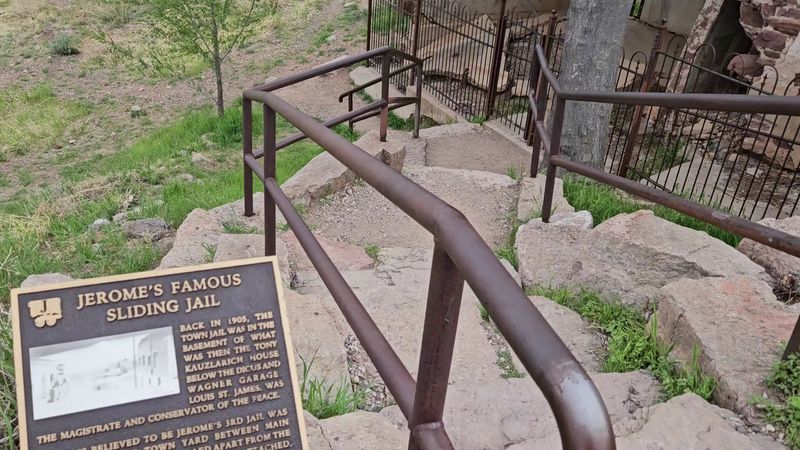
Locals like to say this tiny jail could not sit still, and the tilt proves them right. Built on unstable ground, it inched downhill during years of blasting and rain.
Standing beside the skewed walls makes street maps feel hypothetical and geology feel a little mischievous.
Photos from early days show it tucked neatly by the road, then edging away as if embarrassed. Today the structure rests down-slope, reachable by a short path that adds drama to every snapshot.
You will hear jokes about escaping prisoners who simply waited for gravity to finish the job.
Look closely at cracks, bolts, and the way doors no longer square with frames. Those details explain why engineers still watch the hillside and why sidewalks sometimes feel like ramps.
Keep kids near the center, since edges can be slick when dust settles after a dry spell.
It is a quick stop, yet it changes how you see every building clinging to this mountain. Afterward grab a soda, find a bench, and notice how many foundations ride the contours.
The jail starts as a quirk and ends as a lesson you will tell friends about. Bring a small flashlight for fun peeks.
Holy Family Church and Hilltop Vistas
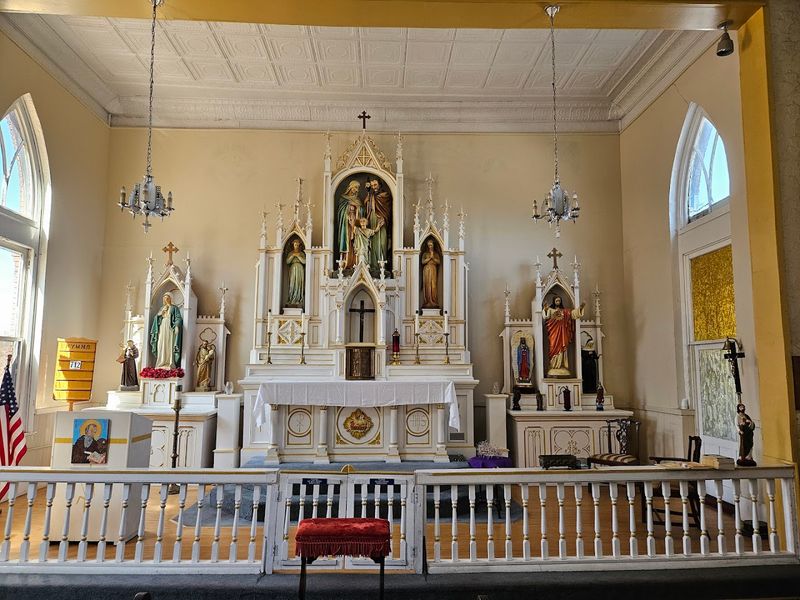
Quiet stone steps lead to a small church that has watched the town reinvent itself more than once. Bells carry across the slope and mingle with the sound of wind through power lines.
Sit on the low wall and you will understand why painters keep setting up easels nearby.
Architecture here tells a humble story compared to baron mansions, yet the setting makes it unforgettable. Weathered stucco, a straightforward nave, and a modest bell tower match the worker grit that built Jerome.
On bright mornings, the building throws sharp shadows that frame distant ridgelines perfectly.
Photographers love the vantage, because you can fit both sanctuary and valley in a single frame. Couples linger after services to count hawks riding thermals and to plan their next snack stop downtown.
Visitors often sign the guestbook, leaving quick notes that read like postcards to future travelers.
Arrive between events to keep the space quiet, and dress respectfully since services still take place. Benches and railings help on steeper approaches, but good shoes make the experience easier.
As the sun tilts west, the church glows, the town hums below, and the hillside feels like a balcony reserved just for you.
Wineries and Tasting Rooms on the Hill
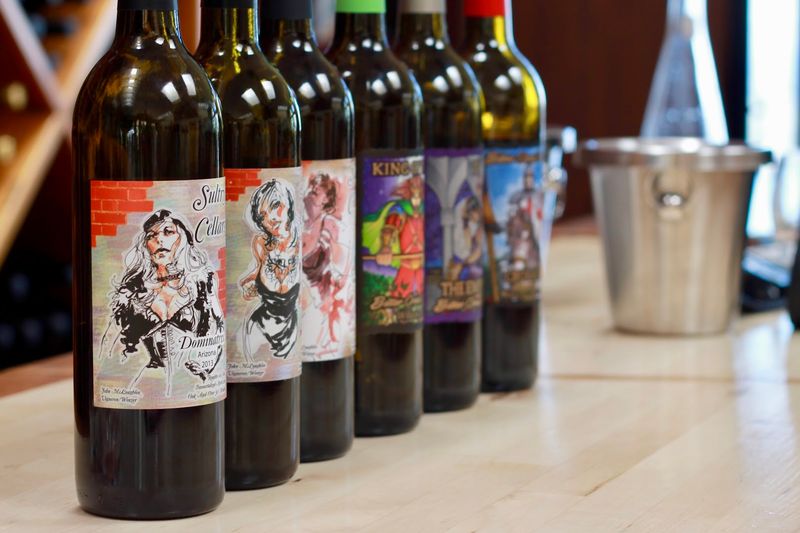
Sun-soaked terraces are perfect for sampling Arizona reds with a view that stretches forever. Vineyards often sit down in the valley, but tasting rooms here capture the breeze and the show.
Flights introduce blends suited to high-desert fruit, balanced and surprising alongside local cheeses. Shade umbrellas help during blazing afternoons.
Servers are enthusiastic guides, ready to explain soil, elevation, and barrel choices without pretense. Ask for recommendations near your budget, then linger by a rail to watch ravens surf thermals.
If you prefer white, the crisp bottlings pair nicely with sunshine and the faint clink from nearby galleries.
Designated drivers are heroes on these roads, so plan your pours thoughtfully. Many spots sell picnic kits, which makes snacking easy before the descent.
You can also schedule a shuttle, freeing everyone to taste as the skyline fades from copper to violet. Hydration matters more than you think at elevation.
Take a moment to toast the view and the stubborn spirit that replanted art where ore once ruled. Bottles travel well, but wrap them tight because staircases can be unforgiving after tastings.
Save a cork for your dashboard as a tiny reminder to return when the season changes.