Streaks of color across open desert, alpine meadows, and wind-swept prairies are reason enough to put a pin on your map. Time a visit right and you will watch entire hillsides ignite with blooms that shift by the week and by the weather.
This guide helps you plan smart, arrive prepared, and catch peak color without guessing. Bring curiosity, a flexible schedule, and a camera you do not mind using constantly.
Antelope Valley California Poppy Reserve, California
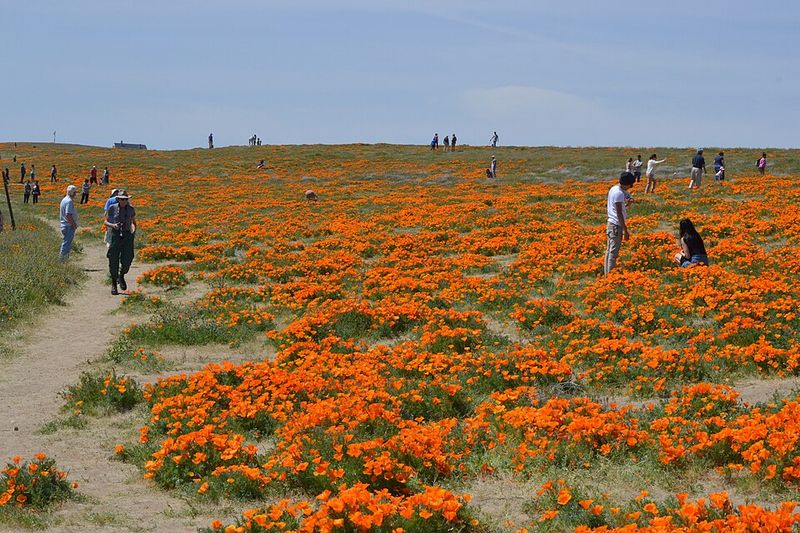
Orange petals ripple like a living ocean when the wind sweeps across these Mojave hills. You step onto the trails and instantly understand why timing matters, because poppies open with sun and close against chill or cloud.
Plan for late morning on calm days, and your photos glow without filters.
Parking fills quickly during peak weekends, so aim for sunrise arrivals or a weekday window. I carry water, a brimmed hat, and patience for gusts that flatten blooms in seconds, then lift them again.
Stay on established paths to protect delicate plants and keep rattlesnakes unbothered.
Bloom windows usually fall March to April, but rainfall shifts the calendar by weeks. Check state park updates and local poppy cams before driving hours to the reserve.
If winds howl, pivot to nearby backroads where sheltered gullies hold color, and you will have fields nearly to yourself.
Texas Hill Country Bluebonnets, Texas
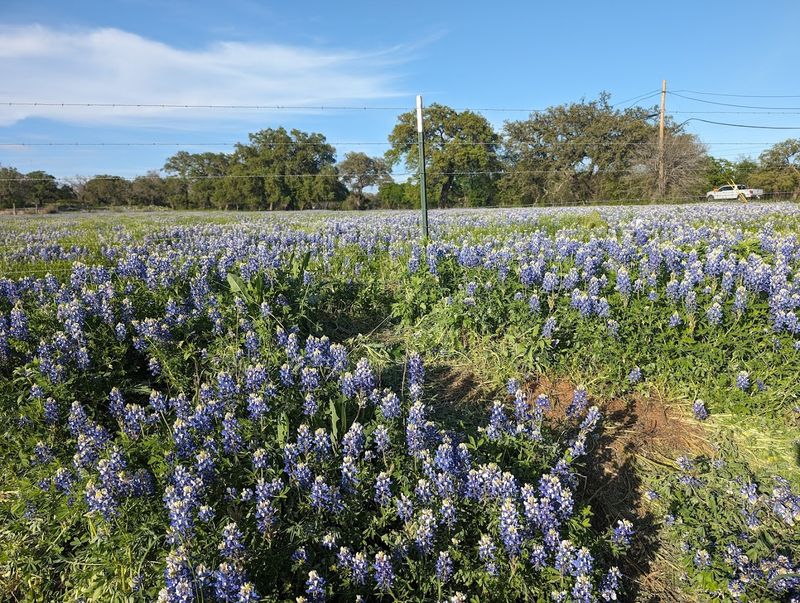
Roadside verges become royal blue rivers, and every curve tempts a pullout. You can trace loops around Llano, Burnet, Marble Falls, and Fredericksburg, catching bluebonnets mixed with Indian paintbrush for knockout contrast.
Mornings offer soft light and fewer cars, which makes family photos easy and calm.
Patchy rain means one ranch thrives while the next looks sparse, so stay flexible and keep scouting. I save pins for public pullouts and always close ranch gates if a landowner invites a quick photo stop.
Respect fences, skip stepping in ditches, and watch for fire ants near shoulders.
Peak often lands late March through early April, but the sweetest scenes can arrive a week off the headlines. Check county visitor bureaus, Facebook bloom groups, and TxDOT webcam hints.
If clouds roll in, do not call it a loss, because even light drizzle saturates color and makes petals sparkle.
Crested Butte Wildflower Capital, Colorado
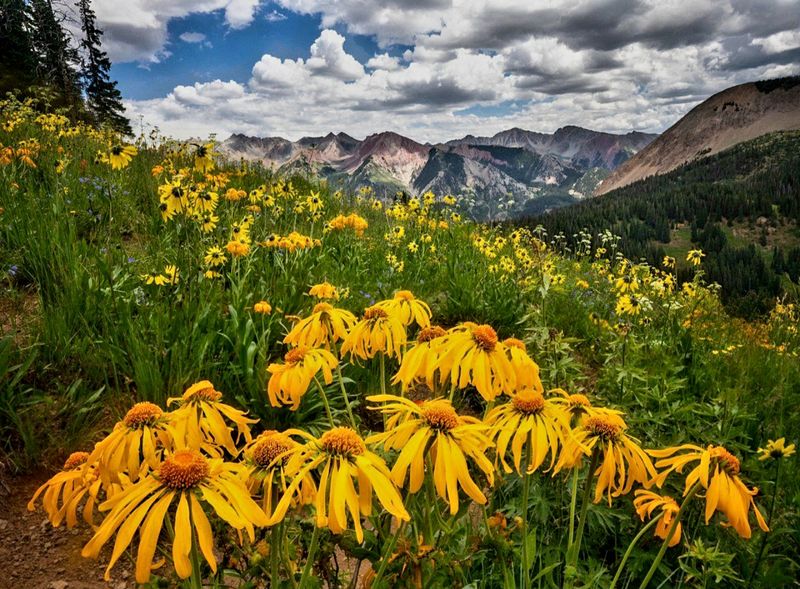
Mountain valleys here feel purpose built for flowers, with cool nights and generous snowmelt feeding staggering diversity. You wander among sky-blue columbine, violet lupine, and scarlet paintbrush while peaks hold the last stripes of snow.
Trails like Snodgrass, Schofield Pass, and Rustler Gulch deliver effortless views.
Altitude sneaks up on visitors, so hydrate early and pace climbs. I pack layers because storms build quickly, then pass just as fast, leaving jeweled droplets on petals.
Festival season brings guided walks, ID workshops, and friendly locals happy to share favorite meadows and etiquette tips.
Blooms generally peak mid July, yet different elevations stagger the show for weeks. Start low early, then chase color higher as summer advances.
If parking is tight, free shuttles and bikes keep stress low, and evening light turns entire basins into a painter’s palette you will not forget.
Carrizo Plain National Monument, California
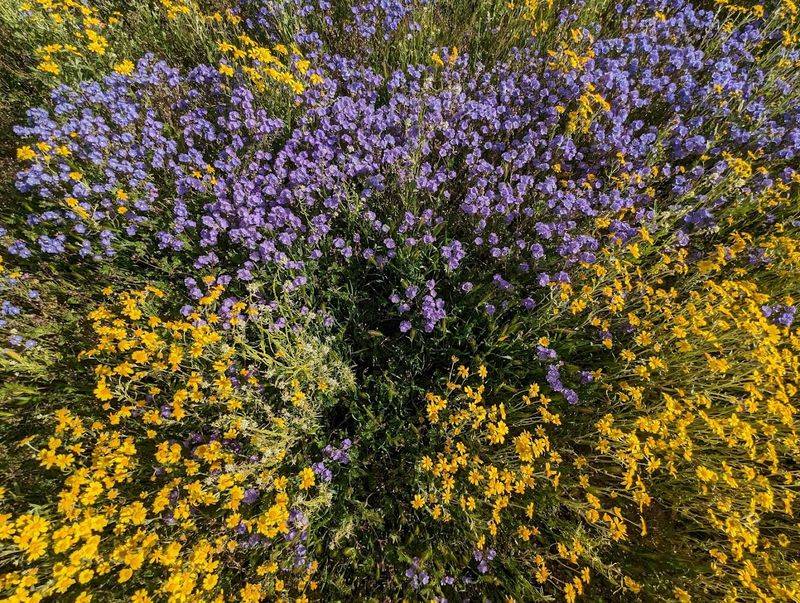
After generous winter rain, the valley flips from muted grass to a painter’s riot that stretches to the horizon. You stand on Soda Lake Road and watch goldfields, phacelia, and tidy tips swirl into living gradients.
The Temblor Range wears bright stripes that read like a topographic map made of color.
Services are minimal, so arrive fueled and self-sufficient. I bring extra water and a full spare because flats happen on washboard roads.
Stay on firm dirt and signed pullouts, then wander on foot where crusts and cryptobiotic soils are not at risk.
Blooms usually peak March to April, but microclimates vary by drainage and slope angle. Check BLM updates and satellite imagery to confirm coverage before a long haul.
If wind is fierce, hike into leeward folds for quieter photographs, and savor the rare feeling that the whole valley is humming.
Anza-Borrego Desert State Park, California
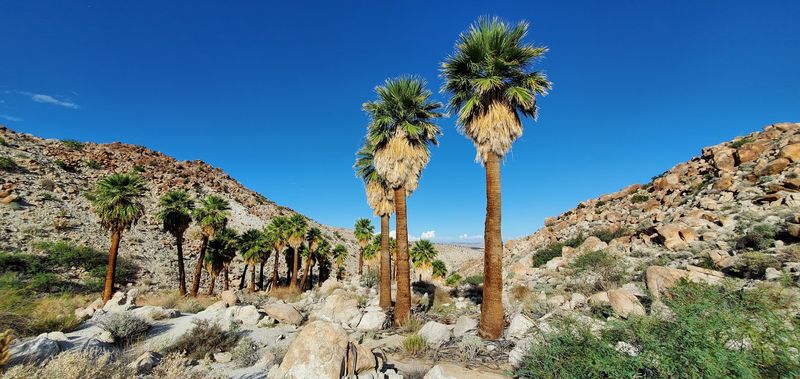
Color pools in sandy washes where winter storms soaked just right, turning bare ground into fragrant patchworks. You stroll Borrego Palm Canyon and Coyote Canyon, catching verbena at your feet and ocotillo torching the skyline with tiny flames.
Sunrise gives petals that pearly glow photographers chase for years.
Desert rules apply, so pack water, sun protection, and respect for cryptobiotic crusts. I drive slowly on sand tracks, watching for soft spots and giving sidewinders a wide berth.
Visitor center boards often list fresh sightings, which helps pick canyons with the best payoff that week.
Prime windows run February through March, with higher blooms lingering into April. Wind can shred petals by afternoon, so front-load your day and break for tacos at midday.
If crowds jam easy trailheads, choose lesser-known washes, and you will hear bees working like a tiny engine all around.
Glacier National Park Alpine Bloom, Montana
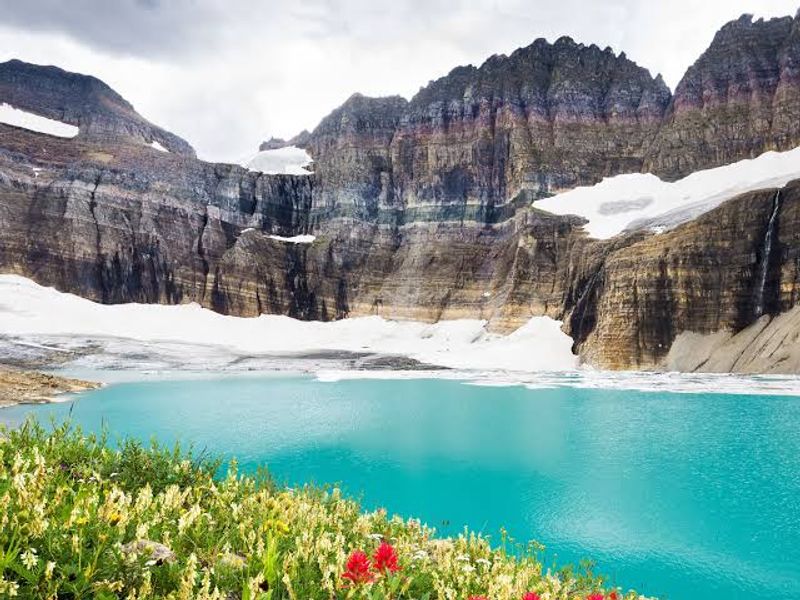
High country trails serve floral fireworks alongside sharp limestone and endless sky. You crest Logan Pass and spot glacier lilies poking through receding snow while beargrass torches the slopes in stately clusters.
Boardwalks make access kind to knees, yet weather flips from kind to wild in minutes.
Wildlife holds the right-of-way, so give goats space and keep snacks zipped tight. I stash layers, a map, and a head net during buggy stretches, then slow down for macro details at stream edges.
Late snow years compress blooms into riotous weeks that feel unreal.
Prime viewing runs July to early August, dictated by plows and snowfields. Check road status for Going-to-the-Sun, then build a flexible plan with backups on the east side.
If smoke creeps in, aim early for cleaner air, and you will still catch meadows sparkling under fresh sun.
Shenandoah National Park Skyline Spring, Virginia
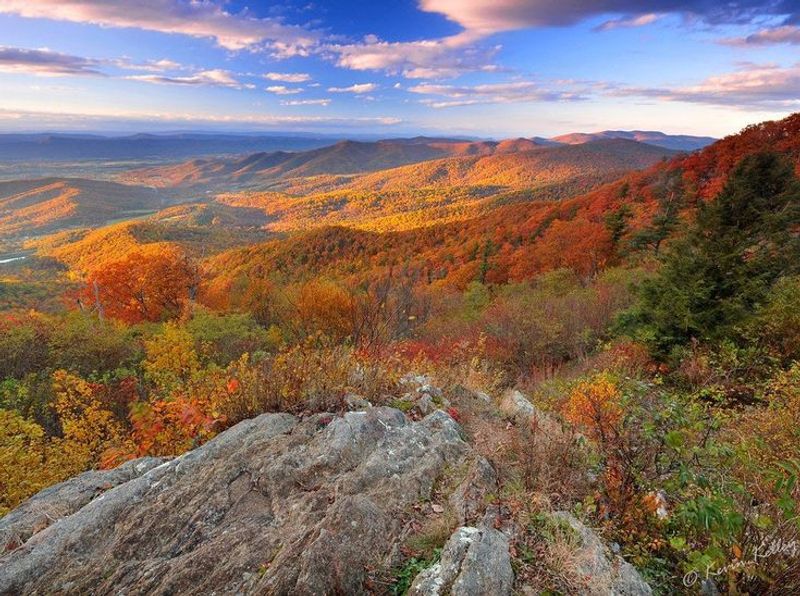
As forests wake, the Blue Ridge wears a tender green that makes trillium and dogwood glow. You hop between Skyline Drive overlooks, then dip onto trails where spring beauties and hepaticas tuck beside rocks.
Cloudy mornings lend a painterly mood that flatters subtle pastel tones.
Pullouts are frequent, so build a stop-and-walk rhythm that avoids crowded lots. I bring binoculars because warblers often share the same phenology window, adding song to color.
Trail etiquette matters on muddy days, so walk through puddles instead of skirting and widening paths.
Peak varies from late April to May, climbing elevation as it warms. Check the park’s wildflower calendar and aim for weekday windows to slow down.
If a storm line rolls over the ridge, wait it out, because raindrops on laurel turn the forest into a quiet cathedral.
Point Reyes Coastal Wildflowers, California
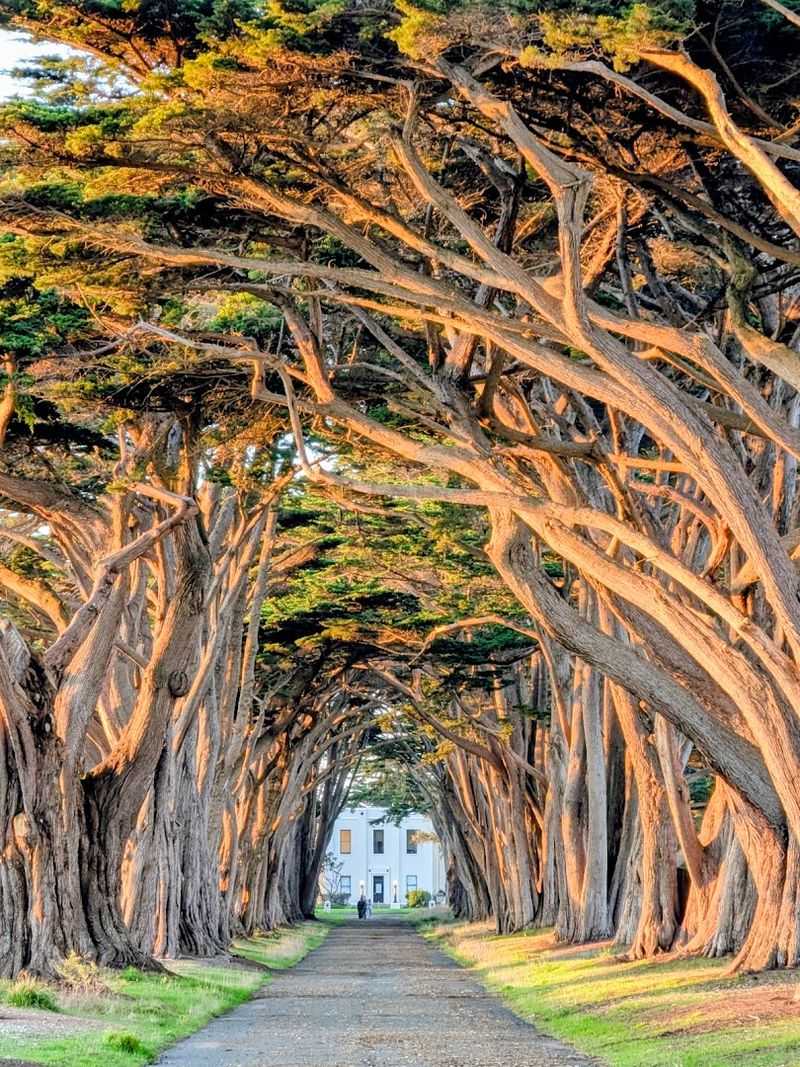
Cool fog and salty wind create stubborn plants that reward close looks. You follow cliffside paths where mule’s ears tilt toward thin sun and seaside daisies cling to rock ledges.
Offshore swells add soundtrack while tule elk sometimes appear in fields scattered with pink checkerbloom.
Weather flips from fog to bright glare quickly, so be ready for shifting exposure. I carry a wind shell and picnic for long pauses when the fog horn sets a steady beat.
Tread carefully, keeping distance from crumbly edges and seasonal closures for nesting birds.
Late spring into early summer brings dependable color, with bonus blooms after rare summer drizzle. Check tide charts if your route touches beaches, and plan exits before high water.
Golden hour can be dramatic, but foggy midday softens everything into a painterly, forgiving canvas for your camera.
Tallgrass Prairie Preserve, Oklahoma
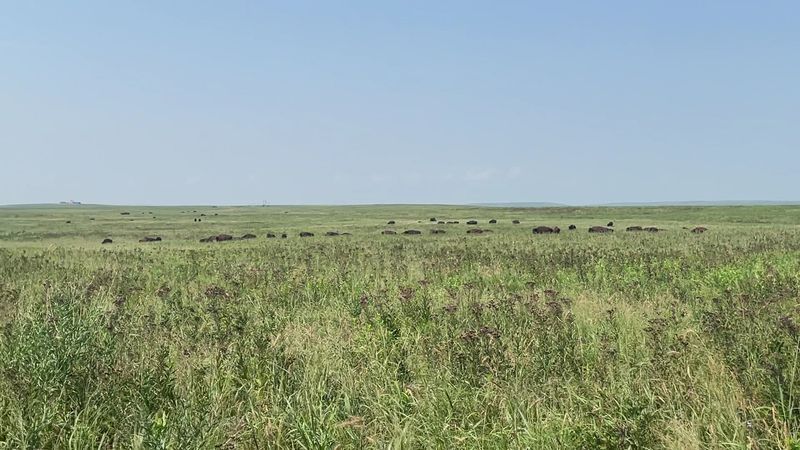
Endless horizon meets knee-high color as coneflowers and prairie clover dot swells of grass. You hear wind before you see blooms, then bison lift their heads like punctuation marks on the landscape.
Dirt roads thread through oil-era relics and modern conservation, creating an unlikely but hopeful pairing.
Wide-open spaces demand sun sense, so brimmed hats and plenty of water go first on the list. I keep a respectful car-to-bison buffer and shoot from established pullouts.
Early and late light exaggerates texture, turning seedheads and petals into sculpture against the sky.
June into July often peaks, with fire management shaping which units pop each year. Check The Nature Conservancy updates for closures and herd locations.
If heat builds, take a slow drive with windows down, and let cicadas, meadowlarks, and rustling grass turn the day into a moving soundscape.
Denali National Park Tundra Bloom, Alaska
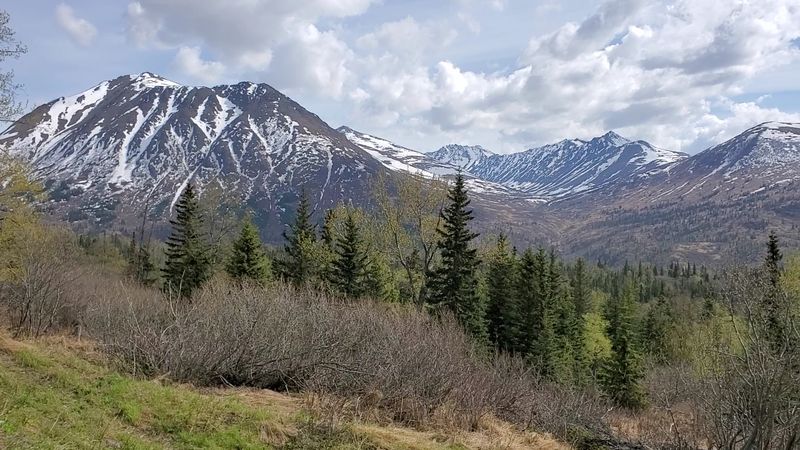
Short summers spark a furious rush of color across the tundra, with petals tiny yet fierce. You ride the park road and watch hillsides blush with dwarf fireweed while saxifrage nests in gravel.
On clear days the mountain floats above it all, impossibly white and far.
Unpredictable weather rewards flexible plans and layers you can swap fast. I carry bug protection and patience for shuttle schedules that set the rhythm.
Rangers and drivers share current bloom pockets, which saves precious hours in such a huge park.
Peak tends to fall late June through July, with berries ripening right behind. If clouds hide the summit, focus low on textures and lichens that glow under soft light.
Late evenings stretch forever, so bring extra batteries, and you might walk back under a pastel midnight sky.
Grand Teton National Park Meadows, Wyoming
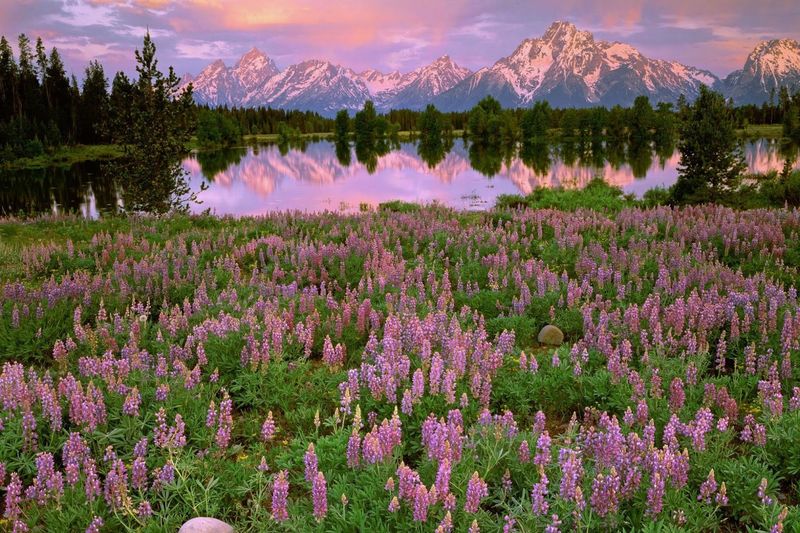
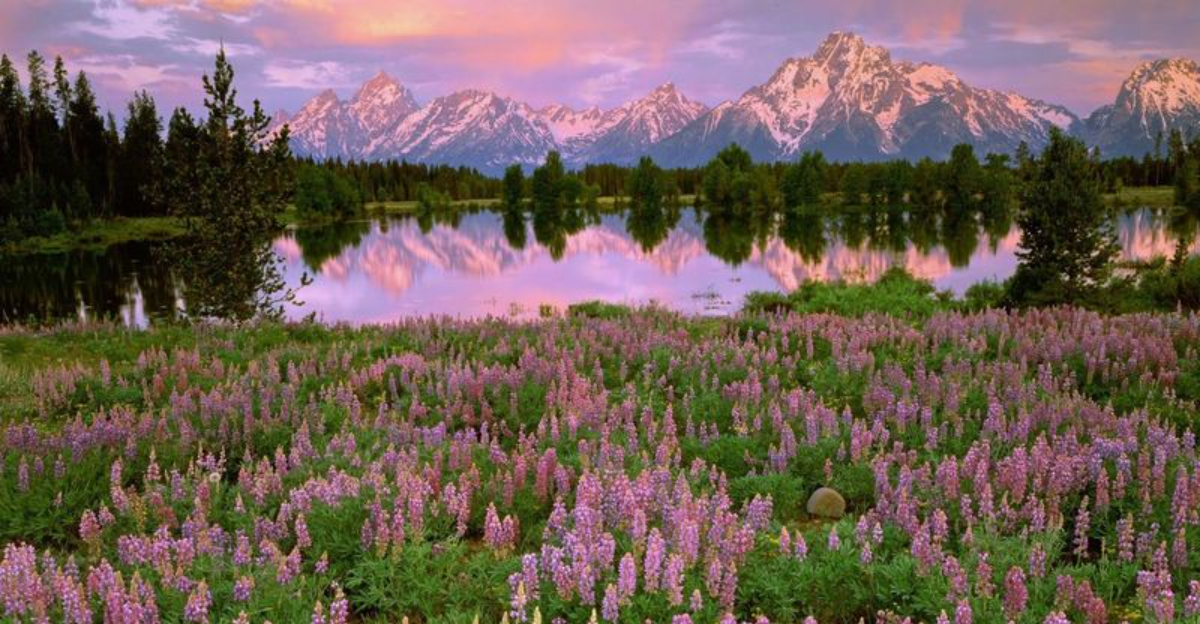
Few backdrops compete with granite teeth rising behind golden balsamroot. You roam Antelope Flats, Schwabacher, and Mormon Row, where flowers pull your eye forward and peaks hold it fast.
Cool mornings keep petals perky and wildlife active, which turns short walks into long pauses.
Pullouts are plentiful, but dawn shoots draw a crowd, so arrive early and settle in. I bring a long lens for moose, then switch to wide for sweeping meadows and sky.
Afternoon storms happen fast, rewarding those who wait for light breaks and rainbows.
June into early July is prime at lower elevations, then higher benches carry the torch later. Check road work and bear management notes before finalizing plans.
If smoke drifts in, push to sunrise for cleaner air, and let warm tones meet cool mountain shadows in your frames.
North Cascades Subalpine Gardens, Washington
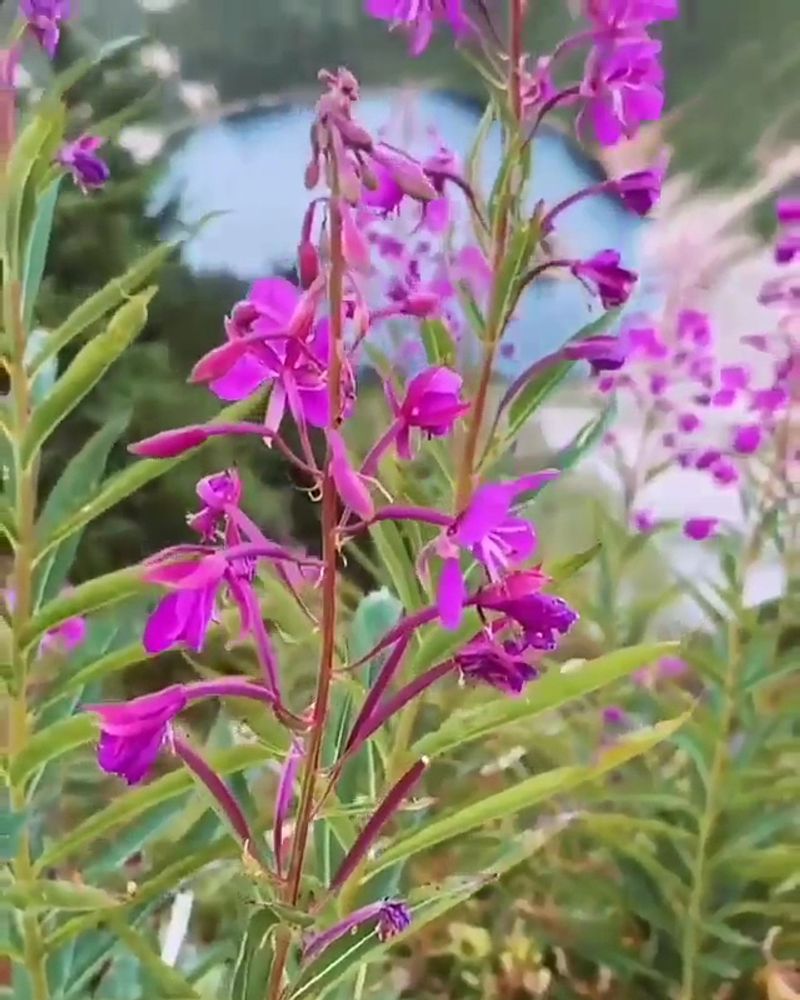
Glaciated spires frame meadows so vivid they feel unreal at golden hour. You trace Heather Meadows and Maple Pass, finding paintbrush beside tarns that mirror serrated skylines.
Boardwalks and rock tread keep feet dry while pockets of snow linger in shadowy corners.
Conditions shift quickly, so bring layers and a plan that tolerates a passing squall. I favor lightweight spikes early season when shaded slopes hold ice.
Wildflower guides from rangers can pinpoint where heather is peaking within a week.
Late July through August shines, though wildfire smoke can alter visibility. Track air quality and pivot higher or windward when needed.
On still evenings, reflections double the bloom show, and you will head back with a card packed full of satisfying frames.