Tucked into downtown Asheville, this basilica stops you in your tracks before you even cross the threshold. Inside, a vast brick dome rises without steel support, marrying artistry with audacious engineering.
Visitors rave about its peace, its stained glass, and the way sound seems to hover like light. If you are planning a visit, here is exactly how to get the most out of every quiet, awe-filled minute.
Rafael Guastavino’s Craft
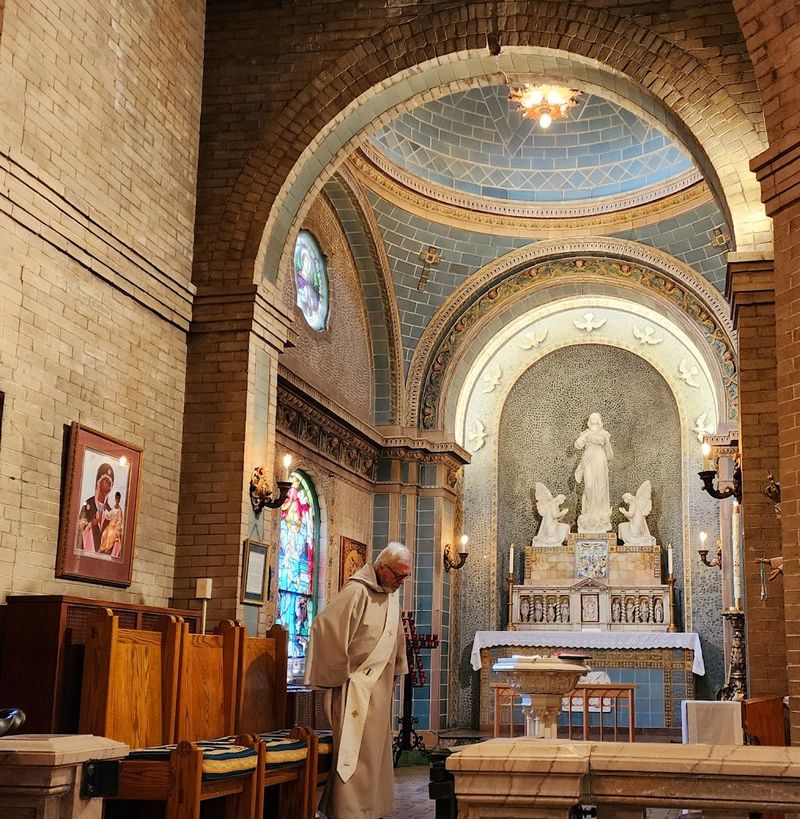
Stories about the basilica’s creation always circle back to a master builder with a gift for brick and geometry. Rafael Guastavino refined a Catalan technique of thin-tile vaulting that trades bulk for interlocking strength.
Here in Asheville, he composed arcs and shells like a musician shaping phrases, each tile laid with measured confidence.
Look closely at the herringbone patterns and you can almost trace his hand across the ceiling. Those delicate layers behave like a single strong sheet, curving overhead while shedding unnecessary weight.
The result is both practical and poetic, a fire-resilient system that feels unexpectedly graceful.
Docents often mention that Guastavino is entombed in a side chapel, a sign of deep connection to this sanctuary. That resting place feels fitting, because the building functions as an enduring signature.
If craftsmanship can speak, these vaults quietly say that beauty and utility are not rivals.
You do not need an engineering degree to appreciate any of it. Stand under a junction where two vaults meet and watch light skim the bricks.
That moment tells you more about Guastavino’s legacy than a textbook ever could.
The Freestanding Dome

Step inside and your eyes immediately lift to a brick masterpiece that seems to float without steel support. The great dome spans the nave as a continuous curve, engineered with interlocking tile vaults that distribute weight with quiet genius.
Standing beneath it, you feel both tiny and held, as if sound and light have been gently cupped above you.
Rafael Guastavino brought Old World craft to Asheville and proved it could soar here. His timbrel vaulting system uses thin tiles and robust geometry to eliminate heavy trusses, creating fireproof strength and graceful form.
Guides often point out how the coffers are not merely decorative, but part of a structural rhythm that keeps the dome stable.
You notice the acoustics first when a whisper travels farther than expected. Choirs benefit from that clarity, and so does quiet prayer, since echoes soften rather than shout.
Spend a few unhurried minutes under the center oculus, and you will understand why visitors describe this dome as both audacious engineering and genuine sanctuary.
Photographs rarely capture the sensation of height because your peripheral vision does the real work. Bring a wide-angle lens, then put it away and simply look up until your shoulders relax.
Today.
Stained Glass Narratives
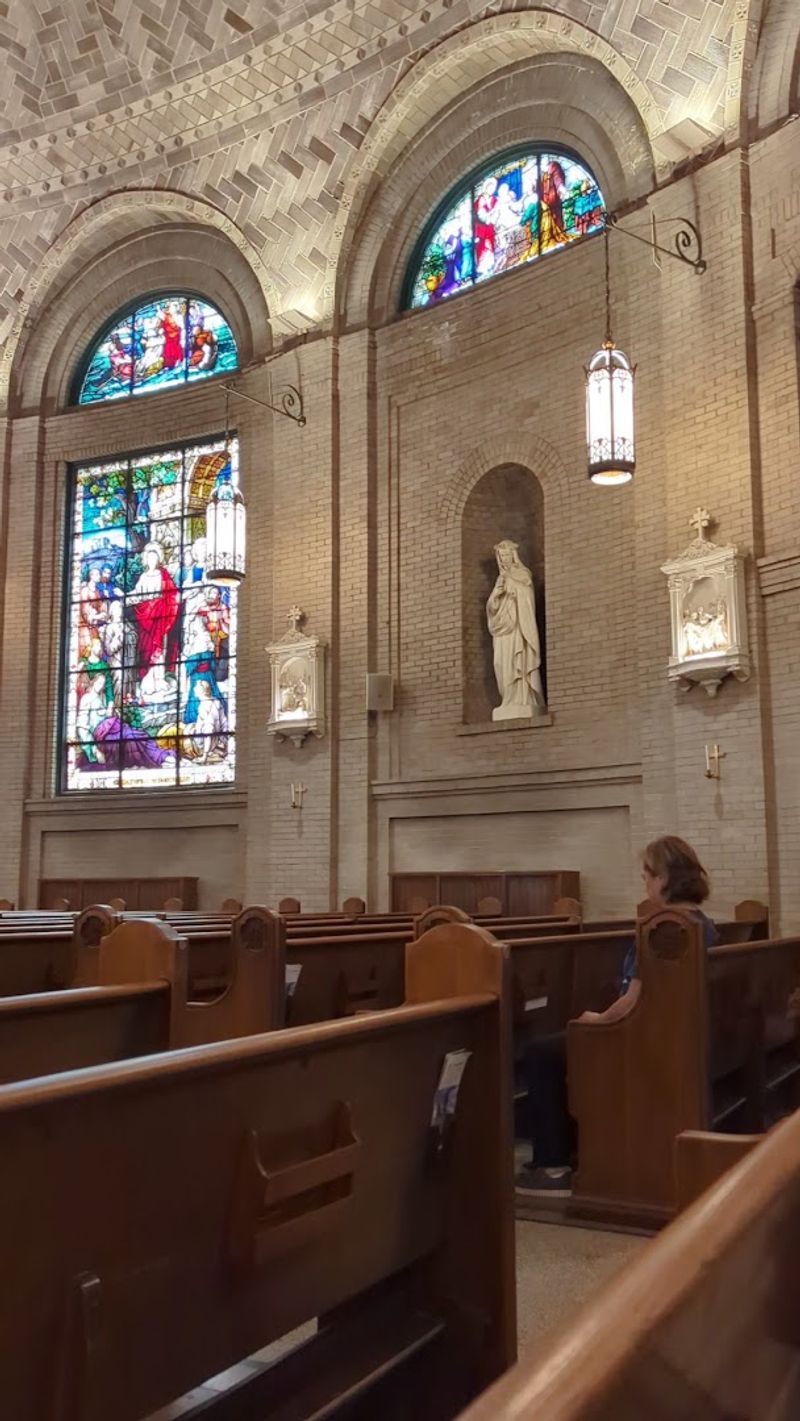
Color spills across the pews on sunny mornings, and that is when the windows feel most alive. Vivid panes arrange saints, scriptural moments, and delicate symbols that reward a slower gaze.
From the nave, shifting daylight animates details you might otherwise miss.
Pick one panel and read it like a story. Start at the figures’ eyes, then follow the hands, objects, and inscriptions that point your attention.
Those pathways guide understanding as effectively as captions, turning contemplation into an interactive moment.
Some visitors compare the glow to quiet music that you can see. The tones change with the weather, so a cloudy afternoon brings softer blends while bright afternoons sharpen edges.
Returning at different times gives the same window new voice.
Photography works best from a side angle to avoid glare. If colors look flat on your screen, adjust exposure so highlights do not blow out the halos.
Better yet, set the camera down and notice how the floor itself becomes a canvas of moving light.
Sculptures and Side Altars

Quiet corners reward attentive visitors, especially where candles frame marble and wood. Side altars hold statues and reliefs that showcase craftsmanship without crowding the space.
The scale feels human, inviting you to step close and find subtle chisel marks and lifelike fabric folds.
Each figure has presence that goes beyond posture. Expressions, open hands, and the tilt of a head add emotion you can read from a few steps away.
Spend time comparing materials, because polished marble reflects light differently than painted surfaces.
Volunteers often share stories about donors and artists who shaped these chapels. Those human connections bring the objects down from their pedestals and into daily life.
You start to see not just art, but gifts meant to anchor prayer.
Low-light viewing works best for reverence, yet a small flashlight aimed at the floor can reveal details without glare. Move slowly so shadows do not jump and distract.
If you set an intention before stopping here, the sculptures seem to meet you halfway.
Acoustics and Sacred Sound
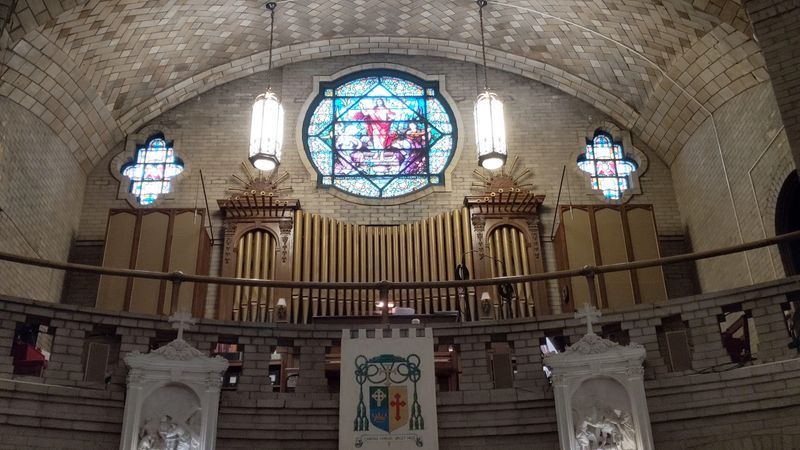
A soft hymn can feel surprisingly present here, and that is no accident. Curved brick and tile create a balanced reverberation that carries voices without smearing syllables.
You notice consonants stay crisp while sustained notes blend into a gentle halo of sound.
During Mass, the choir and organ take full advantage of that balance. Antiphonal responses travel naturally, giving the congregation confidence to sing.
Musicians talk about how the room itself collaborates, turning modest volume into satisfying richness.
Visitors who prefer quiet still benefit from the same acoustics. Whispered prayers do not vanish, yet they do not bounce harshly against the walls either.
The room holds sound like cupped hands, releasing it at a measured pace.
If you enjoy audio curiosities, try speaking near a side aisle and again beneath the dome. Notice how timbre and projection shift with only a few steps.
That tiny experiment makes the building feel alive to your voice.
Guided and Self-Guided Tours
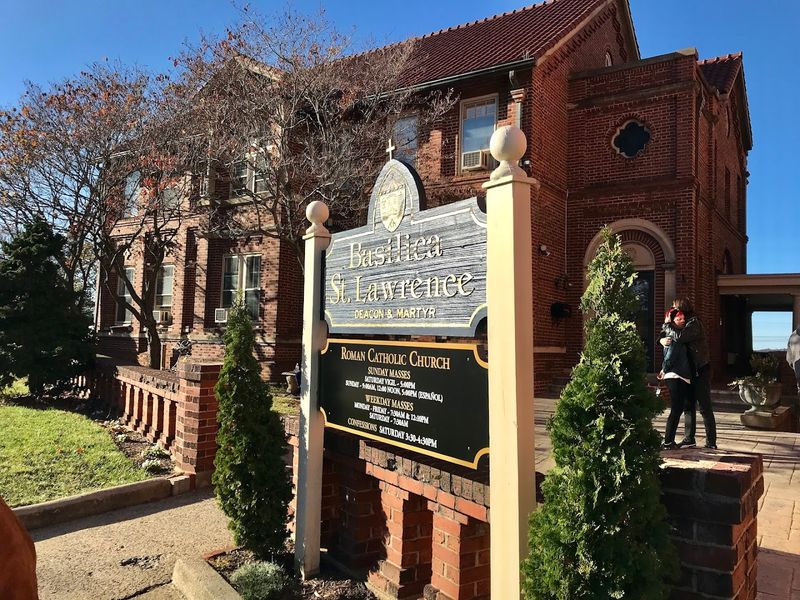
Planning pays off because available tour times can differ from what you saw elsewhere. The parish offers self-guided brochures for flexible visits and volunteer-led tours that add personality and depth.
Greeters are famously welcoming and quick with practical tips.
Self-guided sheets point out structural features, iconography, and small details you might overlook. You can move at your own pace, pausing when something resonates.
That freedom works especially well if crowds are light or you prefer quiet reflection.
Volunteer tours bring stories to life with humor and local insight. Expect context about the dome, builders, and devotional art, plus pointers on the best vantage points.
Many visitors say the experience changes how they see the building afterward.
Before you go, check the official website for current visiting hours and tour availability. Services and maintenance can shift schedules, and printed third-party listings may lag.
If timing is tight, call the parish office and confirm same-week options.
Attending Mass Respectfully
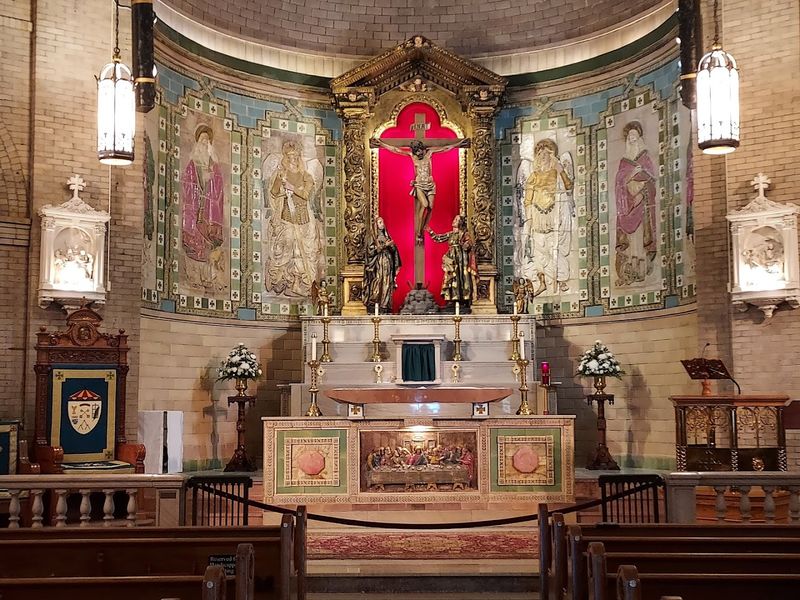
Joining the parish for Mass offers the fullest sense of the basilica’s purpose. The liturgy unfolds beneath the dome with reverence that matches the setting.
Visitors often remark on the homilies, the prayerful pace, and the friendly welcome afterward.
Arrive early so there is time to settle and look around without disrupting prayer. If you choose a pew near the center, you will experience the acoustics and sightlines at their best.
Phones should be silenced, and casual photography can wait until services conclude.
Some celebrations include Latin responses sprinkled through the ordinary parts of the Mass. Clear worship aids and the choir’s leadership make participation straightforward.
You can simply follow the flow and let the music guide you.
Afterward, ask a greeter about the free tour that sometimes follows the morning service. That is a perfect moment to learn architectural facts while the space is still resonant.
Gratitude offered at the door goes a long way, since volunteers carry a lot of the load.
Practical Visiting Tips
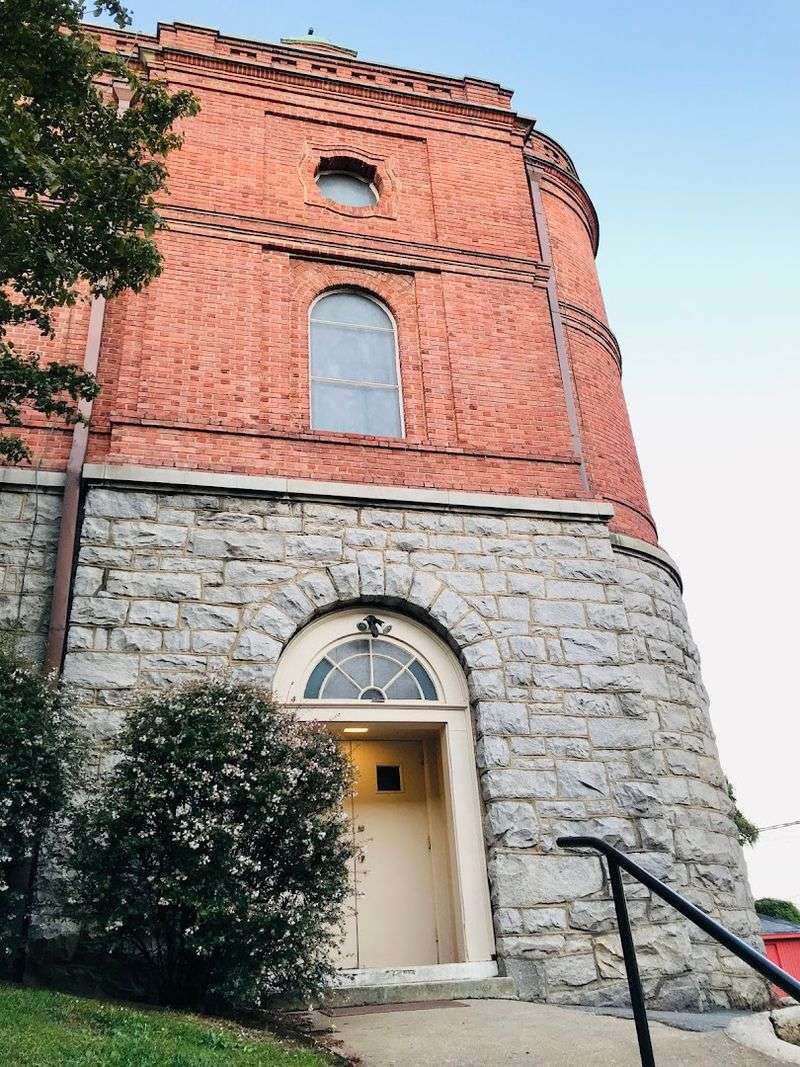
A quick check of the official website can spare you from timing surprises. Visiting hours may change due to services, events, or renovation work, and printed schedules elsewhere are not always current.
Calling ahead is wise if your window is small.
Parking is manageable, with a parish lot for worship and nearby decks for general visits. Using a mobile parking app helps if you plan to stay for photos or a tour.
Keep a few dollars for candles or a brochure donation to support upkeep.
Inside, modest dress and quiet voices set a respectful tone. Choose soft-soled shoes because the tile floors can amplify footsteps.
A small notebook is handy for jotting details a docent mentions.
Plan at least 30 to 45 minutes for a self-guided look, and longer if joining a tour. Morning light often flatters the stained glass, while late afternoon warms the brick beautifully.
If the doors are closed when you arrive, check posted signs for the next opening.
Architectural Details to Notice
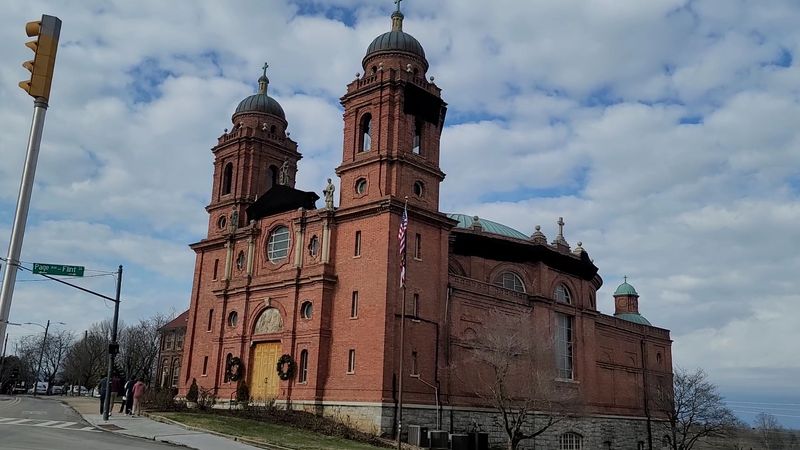
Details hide in plain sight, starting with the meeting points of arches and ribs. Those junctions reveal how forces travel through the tile shell into supporting walls.
Follow the lines and you can almost feel the building breathe.
Look up at the coffers and you will notice a pattern that sets rhythm for the entire nave. Repetition creates calm, while small variations keep the eye awake.
The oculus at the crown gathers everything into a single quiet focus.
Along the aisles, inspect brick coursing to see how curves tighten and relax. Subtle shifts show where craftsmanship solved geometry with patience instead of brute force.
That is where the structure’s elegance becomes personal and unmistakable.
If you enjoy sketching, bring a pencil and mark a few intersections. Drawing even rough shapes helps lock the spatial logic in your memory.
Later, those notes will mean more than any quick phone snapshot.
History and Design Timeline

Context makes beauty richer, and this church has a story anchored in early 20th-century Asheville. Construction culminated in 1909, shaped by Rafael Guastavino and collaborators who brought European methods into an American mountain city.
The goal was ambitious yet grounded in proven craft.
Local growth and philanthropy supported the vision, linking the basilica to community life from the start. Over the decades, care and conservation kept the brickwork strong and the worship vibrant.
Design choices aged well because they favored integrity over fashion.
Recognition as a minor basilica affirmed both spiritual and architectural significance. That title signals a bond with Rome and a responsibility to serve pilgrims as well as parishioners.
Visitors sense the continuity as soon as the doors open.
Timelines posted in brochures and exhibits help place names and dates beside what you see. Pair those notes with a slow walk beneath the dome to feel how decisions on paper became living space.
History stops being abstract when you can touch the walls that carried it forward.
Renovation and Preservation

Stewardship shows up in scaffolding and careful signage from time to time. Preservation teams work methodically to maintain brick, tile, and finishes without compromising original intent.
You may notice subtle color matching where mortar repairs blend into older courses.
Work often happens in phases to keep worship and visits possible. That measured pace respects the building’s rhythms and the community it serves.
Short-term inconveniences repay with decades of continued safety and beauty.
Conservators test materials before committing to visible fixes. Their approach favors reversibility and documentation, so future experts can understand decisions made today.
It is the architectural version of leaving a clear trail for the next caretaker.
Check the parish website for updates that might affect hours or access. If areas are roped off, take the hint and enjoy different vantage points.
Supporting the effort through donations or the gift shop helps ensure the dome will keep soaring for the next generation.
Planning Your Route and Arrival
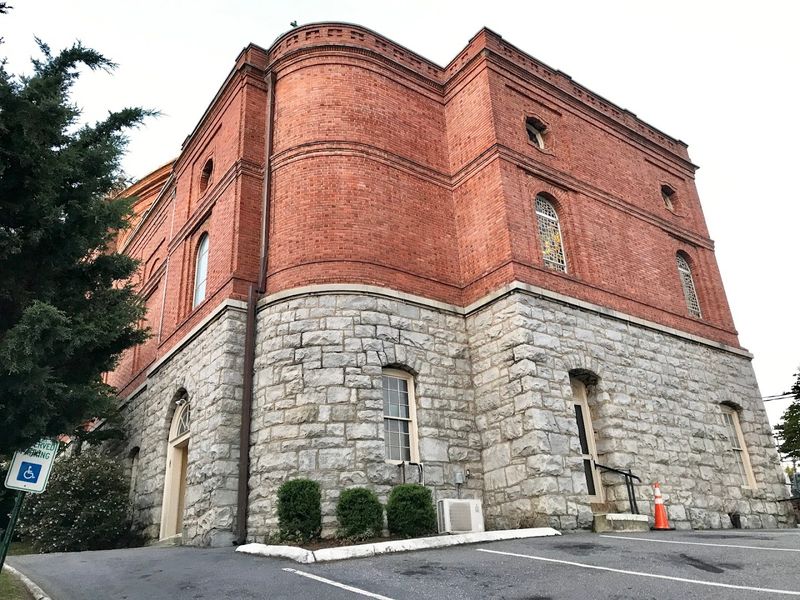
Finding the church is straightforward once you anchor the address: 97 Haywood St, Asheville. The facade rises just a short stroll from downtown shops and restaurants, so pairing a visit with a meal is easy.
Public sidewalks make the approach pleasant and accessible.
If you are coming from out of town, factor in mountain traffic on weekends. Nearby garages usually have space, and street parking can work with attention to posted times.
Keep your plans flexible in case visiting hours shift.
First-timers often appreciate a slow walk around the exterior before entering. Brickwork and curvature already hint at what the dome will reveal inside.
That moment of anticipation sets the tone for everything that follows.
Have the parish phone number handy in case you need same-day clarity: +1 828-252-6042. The official website lists the latest updates and contact names.
A quick check en route can save you from rushing or waiting unnecessarily.