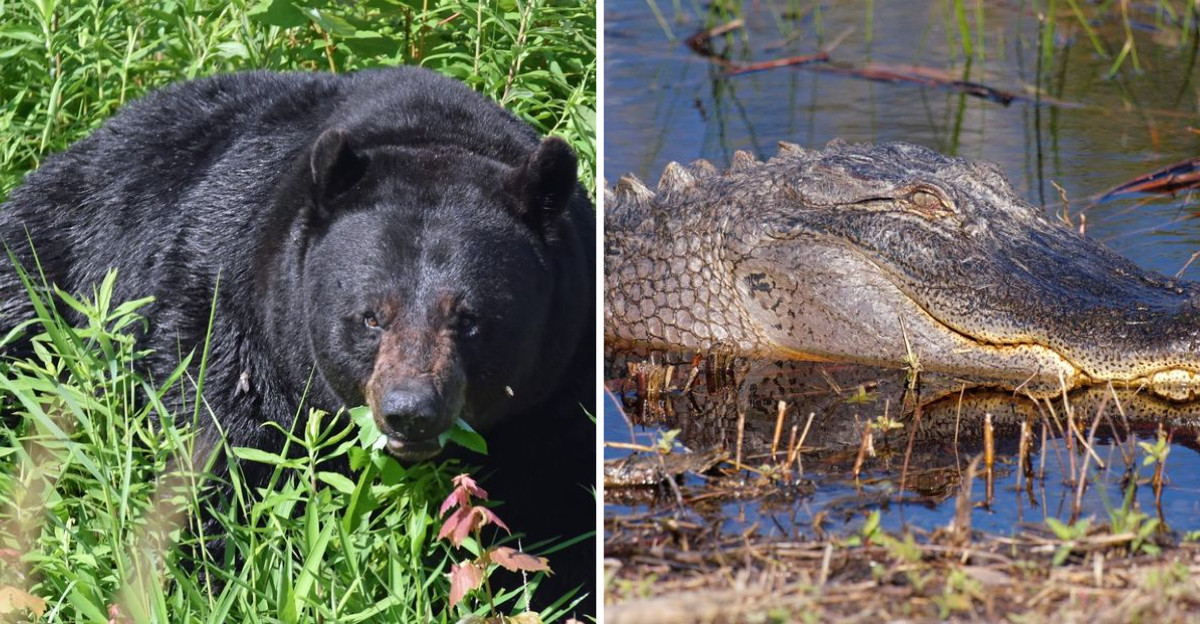
Wild still rules at Alligator River National Wildlife Refuge, where black bears, red wolves, and alligators share the flat horizon with waving marsh grass. You feel it as soon as the gravel hum starts under your tires and the air smells like salt, peat, and pine.
Move slowly, pay attention, and the refuge starts revealing itself in small, electric moments. Keep reading for routes, timing, and real tips that help you see more and stress wildlife less.
Bear Watching Along the Wildlife Drive
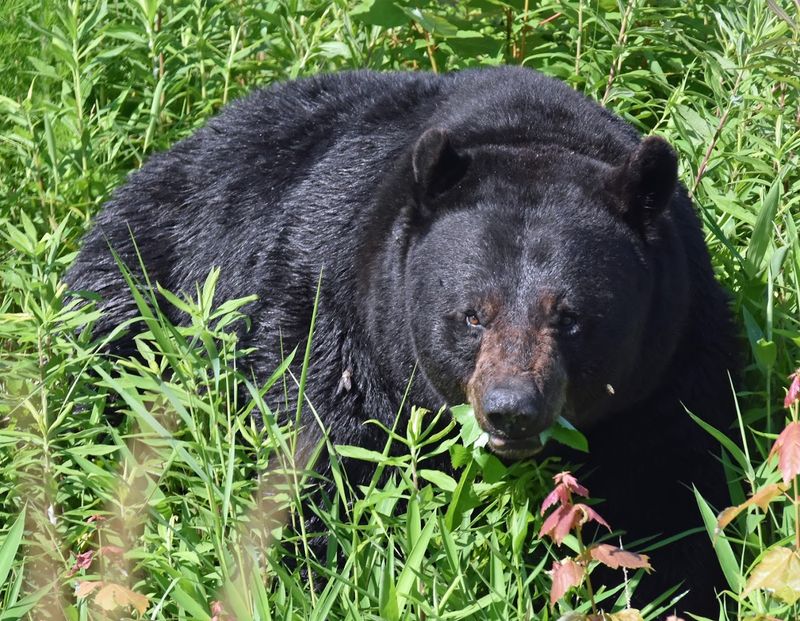
Early light changes everything on the Wildlife Drive. Shapes in the fields become bears once your eyes slow down and settle.
You ease along at ten to fifteen miles per hour, windows cracked, listening for grunts and the rattle of palmetto.
Patience pays here more than fancy gear. A dark stump that seems ordinary suddenly stands, sniffs the wind, and lumbers across a ditch.
You keep your distance, use pullouts, and let the animal choose the moment.
Morning and dusk line up the best sightings along Milltail, Long Curve, and Bear Road. Bring binoculars for ethical views and a camera only after you have watched first.
If another car crowds a bear, wait them out, then enjoy the quiet show you earned.
Nice photos happen when you read behavior, not chase it. Look for relaxed ears, slow steps, and feeding, then lift the lens briefly.
Turn off engine noise, speak softly, and let the refuge soundtrack take over. You will leave with fewer shots than Instagram demands but better stories and, most importantly, bears that keep trusting the roadside fields.
That simple respect keeps encounters magical and keeps rangers from closing roads during peak viewing. Everyone benefits on future visits.
Alligators on Milltail Creek by Kayak
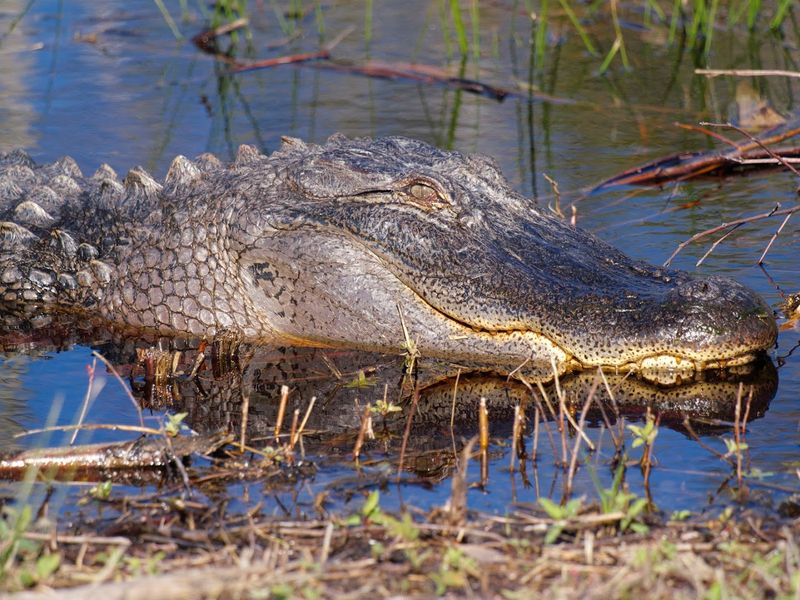
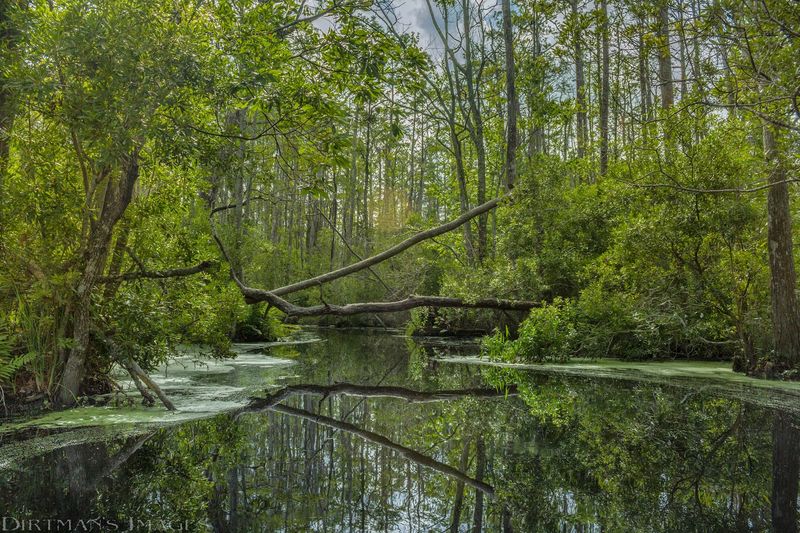
Milltail Creek carries a quiet tension you can feel through the paddle shaft. Water looks like dark glass until a chain of bubbles bends the surface and a wake forms beside the cypress knees.
You pause mid stroke, breathe, and let the creek settle again.
Kayaks help you move silently, which is perfect for spotting alligators from a respectful distance. Keep the bow angled away so escape routes stay open for the animal.
If a head sinks or the body angles toward you, back away smoothly and give more room.
Mornings with light fog are kind and often cooler, which helps both photos and patience. Launch at the dirt ramps listed on refuge maps and stash a dry bag for phone, keys, and snacks.
Bug spray, sun protection, and a PFD are not optional here.
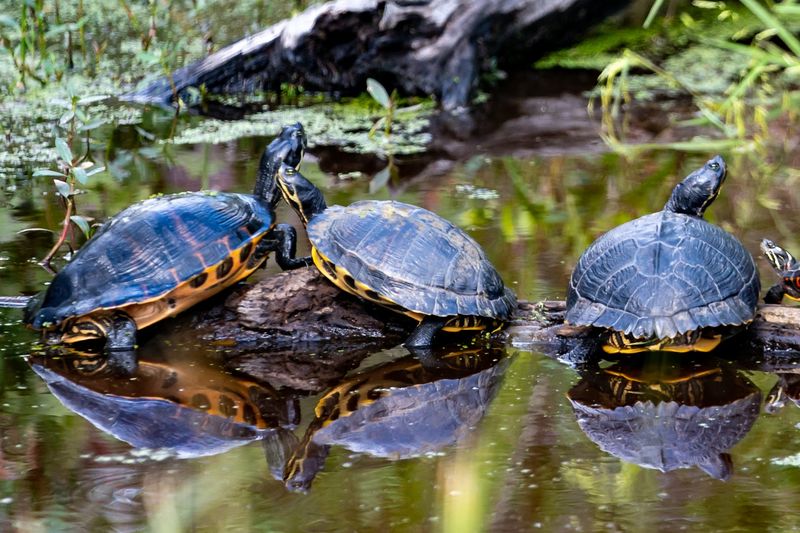
You will see turtles stacking on logs, a heron lifting off like a kite, and maybe a gator loafing near the bank. Resist the urge to drift too close for a photo.
Guidebooks mention size, but behavior tells the real story, so watch body language and keep moving. That steady rhythm turns a good paddle into the exact adventure you came for.
Timing Your Visit for Peak Wildlife
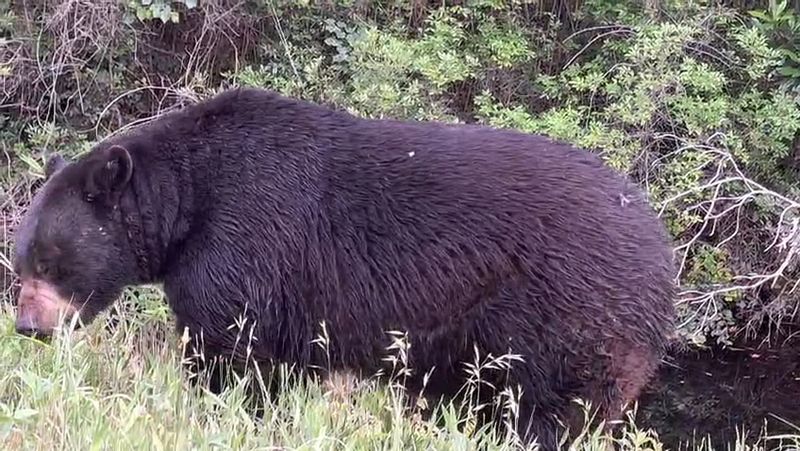
Time is the secret sauce at this refuge. First light and last light flip a switch, pulling bears from cover and putting birds into motion across open edges.
Midday can still surprise you, but heat and glare usually push animals deep.
Plan a slow roll at sunrise, then return ninety minutes before closing time for an encore. Clouds, light rain, and steady winds help because they cool things down and carry scent differently.
On windy days, look for bears walking field interiors where noise hides their steps.
Season matters too. Late spring through early fall shows the most bears, while winter delivers cleaner, leaf free sightlines and raptors riding the air.
Summer haze can be heavy, so polarizing filters and patience earn their keep.
If you only have a couple of hours, pick either edge of day and stick to a small loop. Stopping often beats covering miles fast.
Keep snacks handy, set your ringer to silent, and let the refuge pace win. You will see more when you accept the rhythm, not fight it.
That mindset turns a rushed drive into an intentional watch, which is exactly how wildlife wants it.
Navigation: Roads, Pullouts, and Maps
Gravel and dirt form a simple grid that confuses first timers until the pattern clicks. Canals run like ruler lines, fields open suddenly, and a bear can appear at any intersection.
The printed map from the Manteo visitor center is still the gold standard for staying oriented.
Start with Milltail, Bear, and Long Curve, then branch to lesser spurs when traffic builds. Use pullouts generously so engines can idle off while you watch safely.
Parking off shoulders prevents ruts, protects vegetation, and keeps emergency access clear.
Cell service drops in pockets, which is oddly helpful because it reduces the urge to refresh feeds. A pen mark on the map where you saw activity becomes your route for the return pass near dusk.
Bring a small headlamp for late exits and to read signs without blasting bright beams.
After rain, mud slicks and puddles hide deep edges, so momentum and gentle throttle beat wheel spin every time. High clearance is handy but not required when you drive thoughtfully.
If a road looks sketchy, turn around and try a parallel option. You will miss nothing by choosing caution and might find fresh tracks on the alternate line.
Safety and Wildlife Etiquette That Actually Works

Quiet, distance, and patience form the entire playbook. Wildlife here reads your choices instantly, and stress shows when ears pin back or bodies angle away.
If that happens, you give space until signs of calm return.
Staying in your car works beautifully for both bears and your photos. Engines off, windows half down, and voices low keep the moment natural.
Tripods can live in the backseat for quick setups at pullouts rather than on active roads.
Food never leaves the vehicle, and trash rides home with you. Speed limits are practical, not ornamental, because animals break cover without warning and water sits close to the edges.
If a line of cars forms, rotate viewing spots so everyone gets a turn.
Teach kids to whisper and point rather than shout, and model the same for other adults. Binoculars add detail without nudging you closer, and a simple rule helps: if your presence changes behavior, you are too close.
Share general tips with newcomers and skip exact pins. The payoff is a refuge that feels calm for wildlife and rewarding for you every single visit.
Photography Tips for Blackwater and Big Wildlife

Good photos start before the shutter. You arrive early, check wind, clean windows, and stage a beanbag or window mount so the lens rests steady.
A long zoom lets you keep distance while filling the frame.
Backlight adds magic here because humidity glows around fur and grasses. Expose for highlights to protect detail, then raise shadows gently later.
If heat shimmer ruins sharpness across fields, angle for a shorter shot or wait for cooler air.
Autofocus loves contrast, which often sits along a bear’s shoulder line or ear edge. Use continuous mode with a moderate burst and review only during lulls.
Turning off the engine reduces vibration, and a quiet shutter keeps the moment calm.
Blackwater canals reflect sky color, so polarizers can tame glare when you want depth. Keep straps tidy to avoid door dings and close the lens hood to reduce wind.
Most importantly, watch first, then photograph. You will come home with fewer frames and stronger stories, because anticipation beats reaction out here.
That mindset protects wildlife and elevates your images without heavy editing sessions later.
Hiking Short Trails Without Losing the Breeze
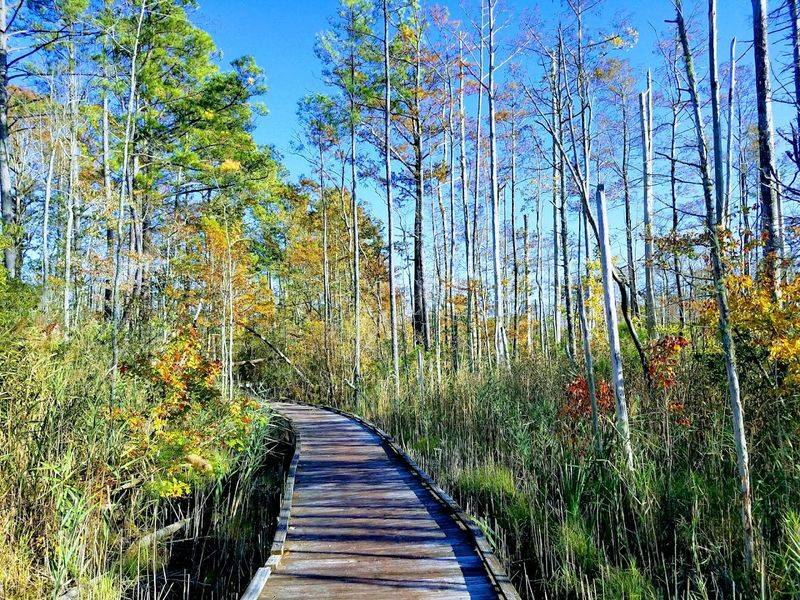
Foot travel changes your perspective and your bug tolerance. Short trails near the edges of the refuge offer pine shade, pocosin views, and birdsong that car cabins muffle.
Long sleeves, a brimmed hat, and repellent let you enjoy it instead of swatting constantly.
Midday walks are better in cooler months, while mornings win during summer. Boardwalk sections help with footing where peat holds water, and signage keeps you off sensitive restoration areas.
Keep an eye on ditches because turtles and snakes love the warm edges.
Sound carries far in flat country, so whispering pays off with closer looks at warblers and woodpeckers. A small pack with water, a map, and a rain shell handles sudden showers that drift off the sound.
Take a photo of the trailhead sign so you remember junction names on the way back.
Out here, the win might be tracks in peat or a dragonfly parade over a sunny gap. Bears sometimes cross trails, so back away calmly, give room, and return later.
You are a guest in their neighborhood. That simple frame keeps you safe, keeps wildlife relaxed, and makes each step feel intentional.
Birding the Canals, Fields, and Soundside Edges
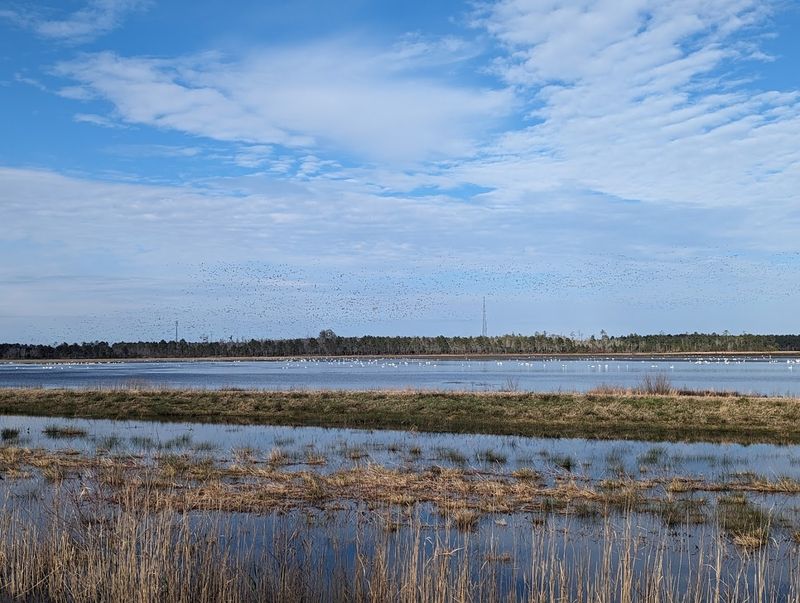
Birdlife stitches the refuge together from dawn to dark. You hear barred owls trade questions, see red winged blackbirds spark from cattails, and watch herons lift out of ditches like kites.
Even slow drives become checklists.
Canal corridors concentrate activity on warm days, while field margins turn lively at insect rush hours. Pack binoculars with a wide field of view and a pocket guide or offline app for quick IDs.
If you keep the car positioned with sun at your back, colors pop and glare drops.
Late winter raptors, spring migrants, and summer residents create distinct rhythms. Storm edges bring surprises, so do not cancel a visit because clouds moved in.
A dash of patience often turns a quiet hour into a highlight reel.
Share the road with other watchers by parking fully out of the lane and signaling turns early. Invite newcomers to take a quick look through your optics, then rotate spots.
You make friends here by being generous with views and careful with noise. The memories stick longer when you listen as much as you look.
Weather, Gear, and Comfort in Coastal Swamp
Coastal weather shifts fast and rewards those who plan light but smart. A small kit lives in the trunk: rain shell, bug spray, sunscreen, hat, water, snacks, towel, and a headlamp.
Add a paper map because batteries die right when the good stuff starts.
Footwear that can handle puddles keeps you smiling when roads glisten. Window mounts or a beanbag stabilize optics without wrestling a tripod in tight spaces.
If you carry a cooler, secure it so lids do not clap or smell like lunch to curious noses.
Summer heat stacks like blankets, so breathable layers and shade breaks help. Winter wind slices across open fields, which makes gloves and a thermos feel heroic.
A microfiber cloth saves photos by wiping dust from glass between stops.
Comfort matters because patience delivers sightings here. You will stay longer, drive slower, and notice more when you are not fighting sweat, bugs, or cold hands.
Pack once, restock after each trip, and your future self will thank you on the first gravel crunch. That little ritual quietly improves every visit without spending much money.
Local Logistics: Hours, Access, and Nearby Visitor Center
Simple logistics make the day smoother. The refuge opens early and closes at 8:30 PM, perfect for hitting that dawn and dusk sweet spot.
Roads are mostly gravel, bathrooms are scarce, and services sit outside the boundary.
The visitor center sits in Manteo, not inside the refuge, which surprises many first timers. Stop there for maps, current road conditions, seasonal programs, and history on Buffalo City.
Staff and volunteers share fresh tips on active areas without handing out exact pins.
Entry is free, but your attention is the real cost, so keep speeds slow and eyes up. Launch spots for kayaks are limited yet sufficient, and parking fills at peak bear hours.
Binoculars help everyone, even folks with cameras, because initial sightings are often distant.
Plan fuel and snacks ahead, and consider a tire pressure check after long gravel runs. Mud after big rains can get slick, so traction control and gentle steering beat spinning.
If conditions feel off, reschedule rather than forcing it. You will return to better light, calmer roads, and a mind ready to notice the next wild moment.