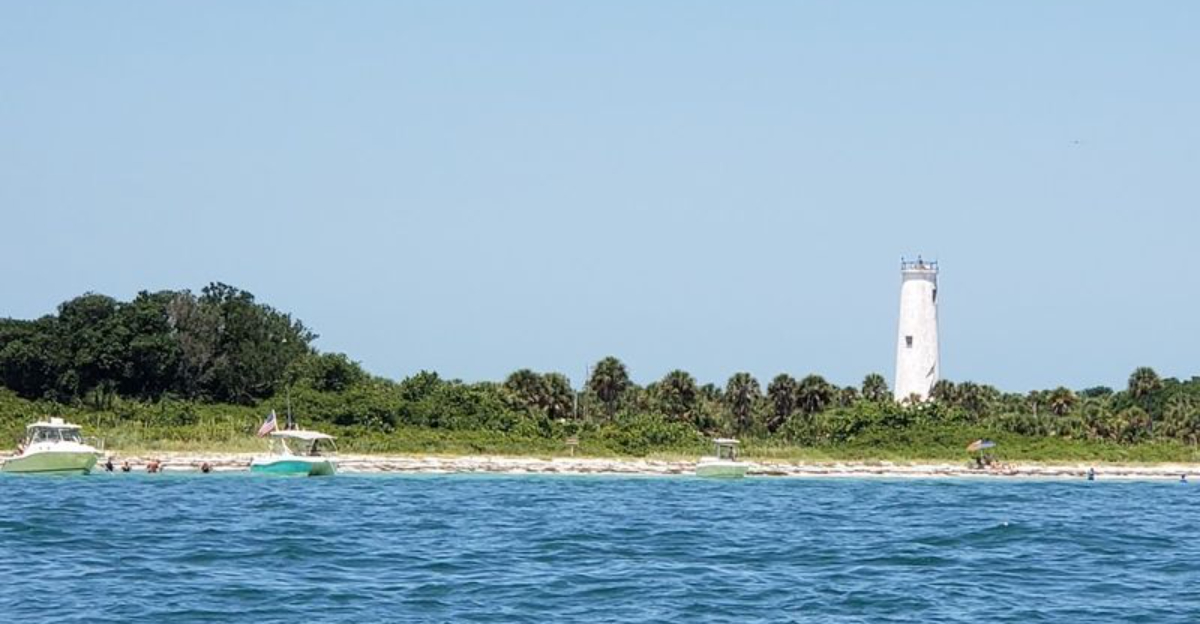
There is a place at the mouth of Tampa Bay where history stands in the sand and the water stays impossibly clear. Egmont Key is quiet, car free, and only reachable by boat, which makes every decision you take there feel intentional.
You get a working lighthouse, a ghost town’s brick grid, and shallow ruins teeming with fish just offshore. If that sounds like your kind of day, here is exactly how to make the most of it.
Egmont Key Lighthouse: History, Access, and Best Photo Angles
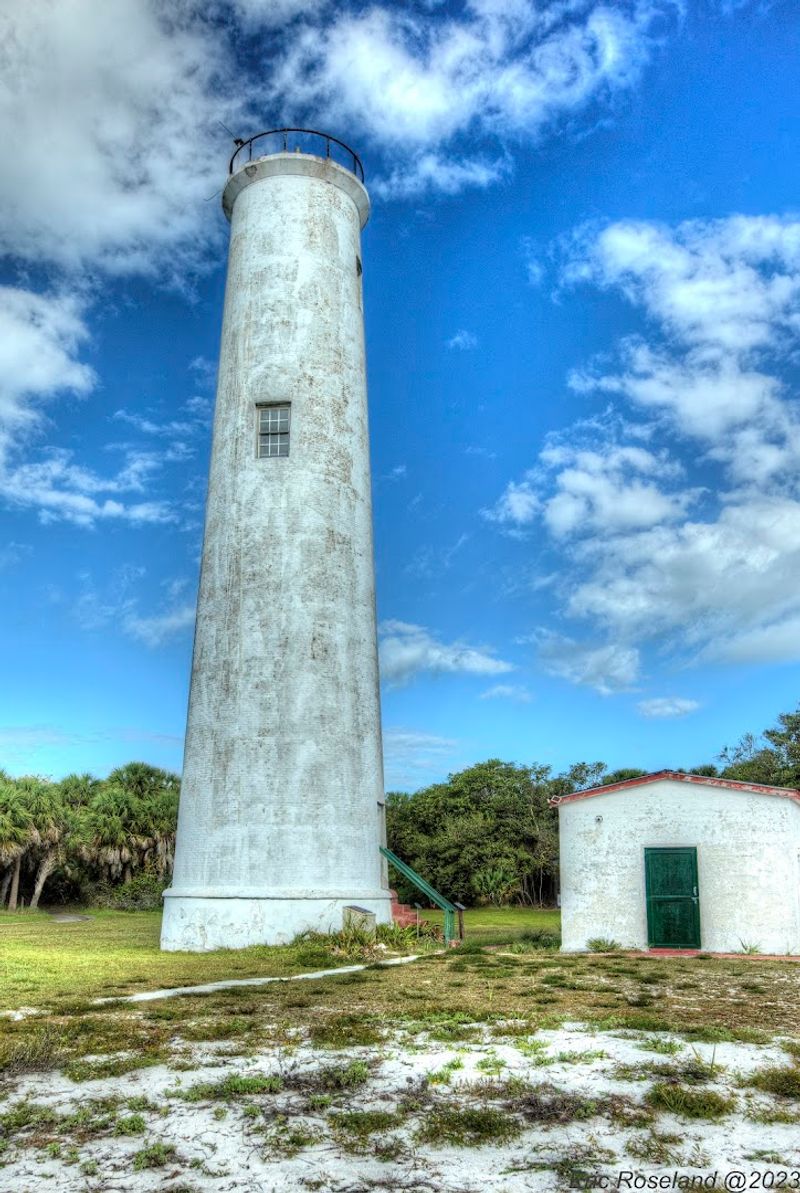
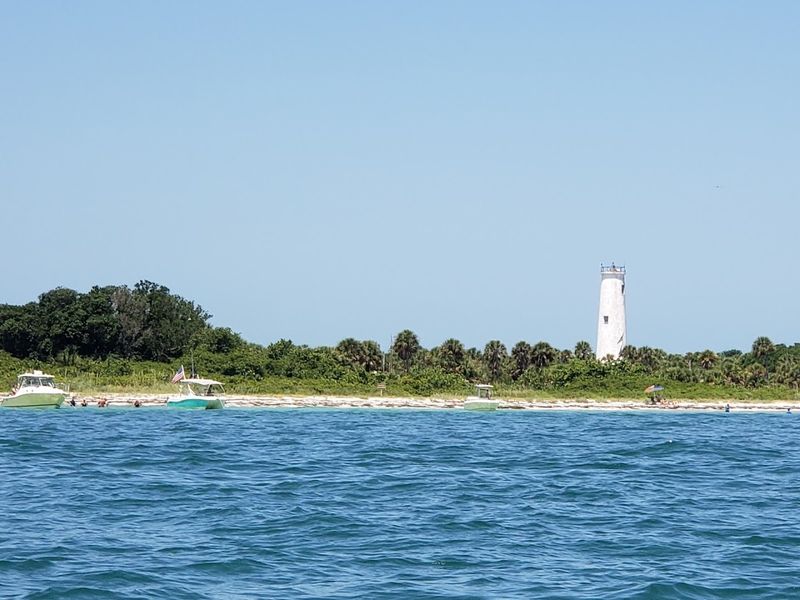
A white tower rises above sea grapes, still guiding ships despite more than a century of storms and shifting sands. You can walk the path to its base, hear the wind hum through the guy wires, and read plaques that reveal stubborn resilience.
Keep expectations grounded, since interior access is closed, yet the setting delivers quiet drama perfect for a mindful pause.
History here stacks in layers, from early lighthouse keepers to Spanish American War batteries that later anchored Fort Dade. Imagine supply boats nudging the beach while kerosene lamps were trimmed and a telegraph clicked out coastal warnings.
That living timeline is still visible in foundation lines, cisterns, and cracked concrete where sea oats now hold the dune ridge.
Bring curiosity, plus water and sun protection, because there are no services and shade can be sparse at midday. If you time your visit for golden hour, the lantern room glows and pelicans skim the channel, giving photos a timeless pull.
Stand back, frame the tower with sabal palms, and you will carry home an image that feels both rugged and tender.
Recent storms scarred trails, so stay flexible, follow posted closures, and use sturdy shoes for sandy, rooty stretches through brush.
Snorkeling the Sunken Ruins Safely and Smartly
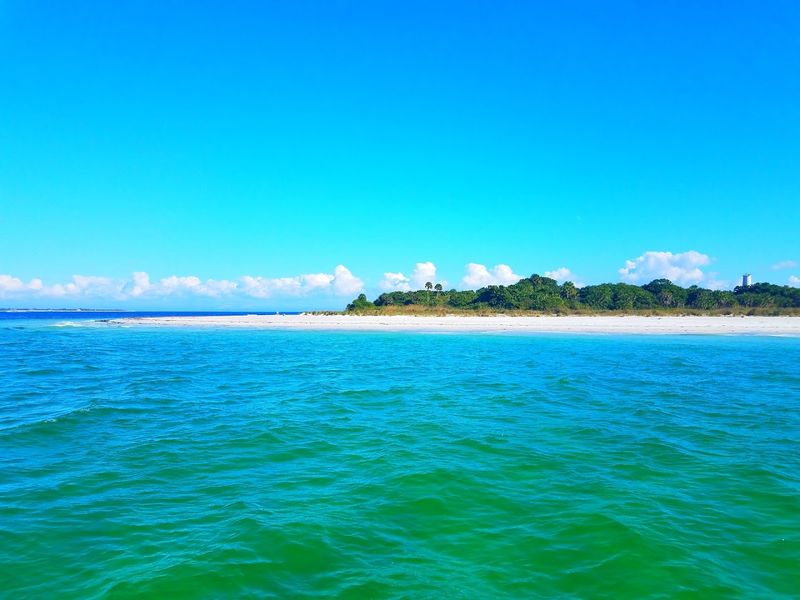
Just off the beach, square shadows outline seawalls and battery remains where fish school and sunlight ribbons across old brick. Slip into calm water on a slack tide and you will notice how the current eases, making the circuit comfortable for beginners.
A buoy marker or a guide boat helps with orientation, but the ruins sit shallow enough to trace without deep diving gear.
Visibility swings with wind direction, yet many mornings feel aquarium clear, revealing sergeant majors, sponges, and skittering blue crabs. Pack a snorkel vest, defogged mask, and short fins, then stash a dry bag high on the beach above the wrack line.
A lightweight rashguard saves shoulders from burn, and water shoes protect toes if you brush barnacled edges or concrete seams.
Safety sits first on the checklist, so flag a buddy on shore, watch boat traffic, and avoid touching fragile marine life. Lifeguards are not present, and the channel can rip on outgoing tides, which is your cue to call it early.
Back on sand, rinse gear with a water bottle and log fish species while gulls eye your snacks with brazen confidence.
Several outfitters run guided trips, bundling gear, safety briefings, and local context.
Beach Time and Shelling Etiquette on the Gulf Side
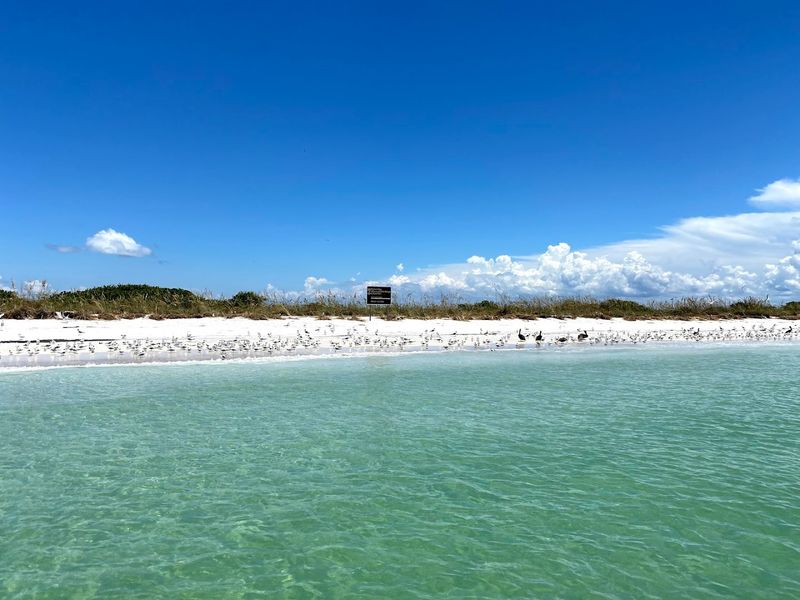
On the Gulf side, sand feels powdery and often peppered with tiny conchs, olives, and broken lightning whelks worth admiring, not collecting. Leave shells with living creatures where they are, and you will still go home satisfied with photos and memory keepsakes.
Tide charts help, because lower water reveals wider flats, and early arrivals usually beat wind chop and midday glare.
You can set up a simple base with an umbrella, small cooler, and a trash bag to pack out every crumb. Shade moves quickly, so re position every hour and reapply reef friendly sunscreen while sipping water you pre chilled the night before.
Pelicans often feed close to shore, and dolphins punch through the tide line, adding that electric moment families talk about for years.
Remote means no restrooms, so plan a boat schedule that accounts for comfort, snacks, and kids needing breaks at predictable times. Late afternoon often softens wind and crowds, giving the shore a hush that pairs nicely with a slow shoreline stroll.
Watch for posted bird closures and give generous room to turtle nests marked by stakes and ribbon during nesting season.
Before leaving, scan the high tide line for sea beans that make quirky pocket treasures.
Ferries, Charters, and Private Boats: Getting There Without Stress
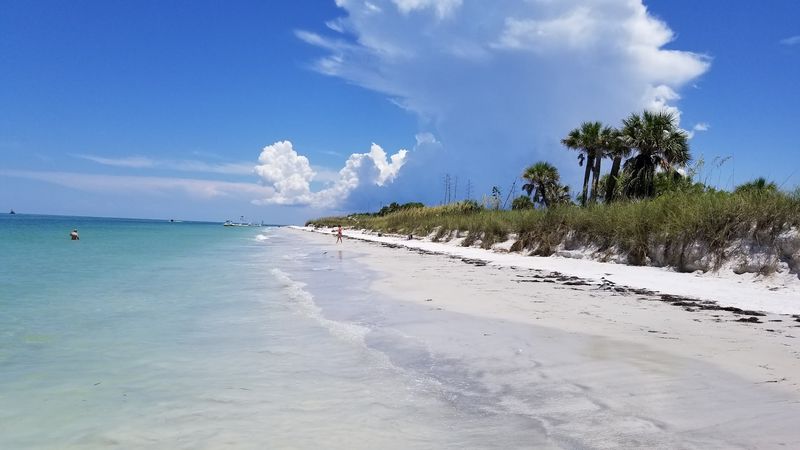
Reaching the island means booking a ferry from Fort De Soto, arranging a charter, or captaining your own seaworthy boat. Ferry schedules vary by season and weather, so seats sell out on calm weekends and holiday windows.
Check return times and set an alarm, because missing the ride home turns a beach day into an unintended overnight.
Parking at the pier can fill by mid morning, and ticket lines move faster if you buy online before arriving. Pack compact and waterproof, using dry bags, carabiners, and labeled zip pouches to keep keys and phones secure in spray.
The ride itself is part of the fun, with dolphin arcs, seabird squadrons, and skyline views that set the scene perfectly.
Remember the lack of amenities on arrival, so bring extra water, snacks, a hat, and a small first aid kit. Boat captains appreciate tidy passengers who secure trash, rinse sandy feet before boarding, and respect time limits at the shoreline drop.
If seas freshen quickly, expect a bumpy return and stash medications or ginger chews if you get queasy easily.
For private boats, charts, a reliable anchor, and attention to shifting shoals near the channel edges keep your hull unscathed today too.
Wildlife Watching: Birds, Tortoises, and Coastal Cameos
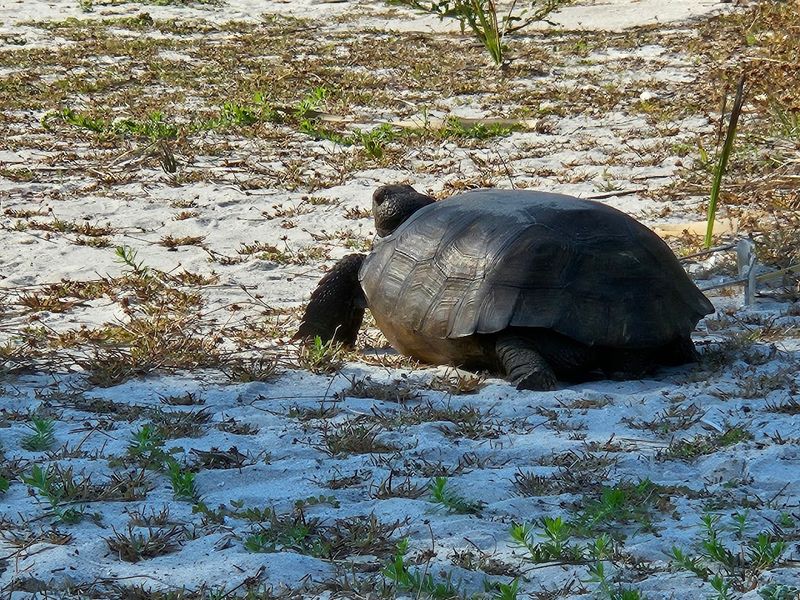
Egmont Key doubles as a wildlife refuge, so the soundtrack includes terns chattering, ospreys whistling, and skimmers snapping the water at dusk. Along sandy paths, gopher tortoises work the grass like lawn crews, unfazed by careful passersby who give them plenty of room.
Raccoons and rabbits appear near twilight, while pelicans raft offshore and bottlenose dolphins crest the channel with glossy confidence.
During nesting season, portions of the beach close, and respectful distance protects chicks that blend almost invisibly into shell grit. Binoculars bring the show closer without stress, plus they help you spot frigatebirds lofting high when onshore breezes build.
A pocket field guide or birding app makes quick work of identifications and adds layers to an already satisfying walk.
Hydration and bug defense matter inland, where mosquitoes love still corners and shade can feel heavy mid afternoon. Spray ankles and wrists, tuck socks if needed, and keep moving when breeze drops, since motion discourages persistent biters.
If a tortoise crosses the trail, give it space, then watch the ancient plodding calm reset your pace for the rest day.
Bring a small trash bag and pack out fishing line, protecting birds that often snag wings on barely visible strands.
When To Go: Weather, Tides, and Crowd Patterns
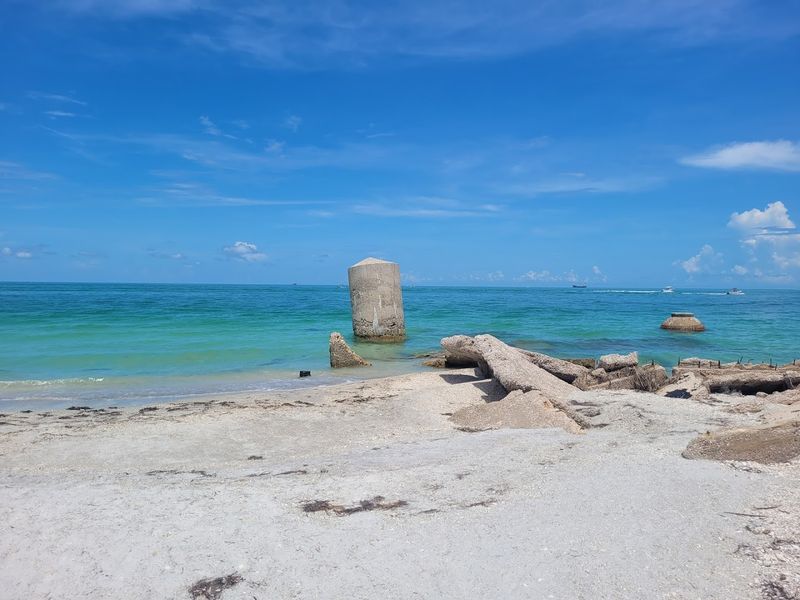
Calm shoulder months shine, with cooler mornings, gentler sun angles, and water clarity that often rewards early risers. Summer brings heat and electrifying storms, so your playbook should include shaded breaks, electrolytes, and a plan to bail before thunder.
In winter, northerly blows can roughen the Gulf side, while the bay side sometimes holds calmer pockets for snorkeling and picnics.
Tide and light matter as much as air temperature, so check both and aim for slack water near sunrise or sunset. Those windows deliver forgiving currents, fewer boats, and color that turns ordinary photos into keepers you will actually print.
Cold snaps sometimes push manatees toward warmer zones, which means fresh wildlife surprises when you least expect them.
Weekdays feel quieter, and first boats out usually score the most solitude on the beach and trails. Pack warm layers in cooler months because windchill can bite during open water transits, especially on the bow.
On hot days, freeze water bottles the night before, then enjoy slow melting cubes as you wander.
If a storm cell builds inland, watch the sky, check radar, and treat the first rumble as your signal to pack up and radio the captain.
Photography Playbook: Light, Angles, and Simple Gear
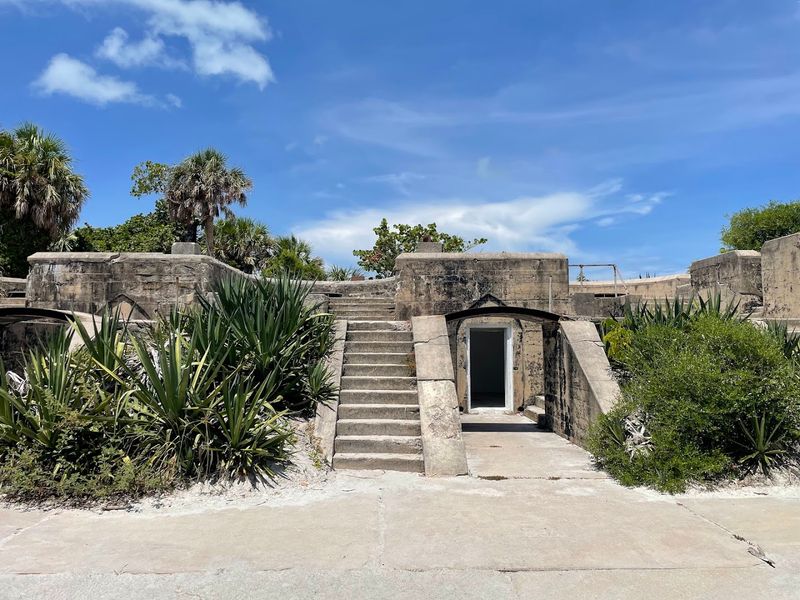
Harsh midday sun flattens scenes, so chase morning backlight along the lighthouse path and evening sidelight on the Gulf side. A polarizing filter tames glare off water and wet concrete, letting textures pop in the fort walls and tidal pools.
Phones handle this place well, but cleaning the lens and tapping for exposure on highlights will save detail in bright clouds.
Compose with leading lines from brick streets, driftwood, or shoreline curves that aim the eye toward the lantern room. Frame subjects with sea grape leaves, then wait for a pelican or passing skiff to animate the background.
Shooting low near the waterline exaggerates reflections around the ruins, and shooting high from dunes adds context and clean horizons.
Golden hour warms coquina to honey tones, making small details like bolt holes, ladder rungs, and rope scars feel intimate and important. If sea mist builds, switch to black and white on your phone for moody frames that spotlight shape and contrast.
Keep sand out of gear by changing lenses in a zip bag, and use a microfiber cloth tucked inside your hat.
Before boarding home, back up images to the cloud while you still have battery and a calm place to sit.
Low Impact Visiting: Rules That Protect a Fragile Gem
This island works hard for wildlife and people, so small choices matter more than you might think. Pack out every scrap, skip glass containers, and keep music off, letting the waves and birds soundtrack your day.
Pets are not allowed, drones require proper permits, and metal detecting is prohibited to protect cultural resources.
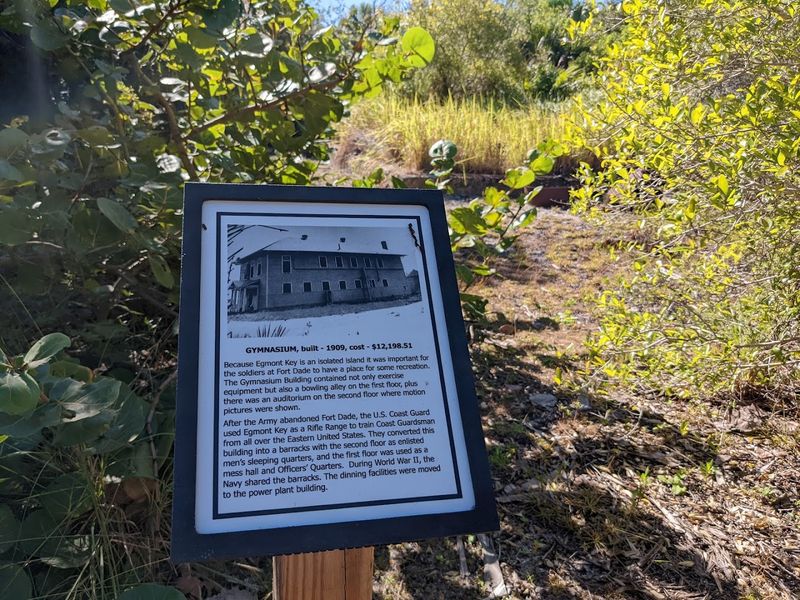
Leave historical structures exactly as you find them, including loose bricks, informative plaques, and tempting door hardware that looks souvenir sized. Fishing is popular on the edges, so cast away from swimmers, mind the channel, and collect every bit of line and lead.
Restoration and erosion work change access, and following closures today helps preserve the experience you want again next season.
Volunteer groups and rangers appreciate quick hellos and heads ups about hazards like downed limbs, bee activity, or exposed rebar. Carry a small kit with tweezers, bandaids, and a vinegar packet for minor stings, then share extras when a neighbor needs help.
Good stewardship keeps this place wild, photogenic, and ready for your next ferry ticket.
Before leaving, scan your spot, kick sand gently to cover footprints near nests, and thank the lighthouse silently for still working while the island rests.
A Perfect One Day Plan You Can Actually Follow
Think of the day in three chapters that balance saltwater, history, and unhurried beach time. Catch the first ferry, set a shady base on the Gulf side, then snorkel the shallow ruins during the first slack tide.
Break for snacks and water, reapply sunscreen, and log fish while gear dries on a towel.
Late morning fits a Fort Dade loop, tracing brick streets to Battery McIntosh and the power house pads hidden beyond sea grapes. Study interpretive signs, compare old photos to present views, then grab shade near the lighthouse for a breezy lunch.
If heat builds, switch to the bay side for cooler water and easier currents before your planned return.
Golden hour brings back the camera, so walk the lighthouse path, frame sabal palms, and wait for pelicans to slide through your composition. Pack up early enough to rinse gear, shake sand, and secure everything before boarding ramps clatter and the captain whistles.
On the ride home, sip water, review highlights, and add a note to return during the next clear tide window.
Back on shore, reward everyone with fresh fruit, backup your photos immediately, and mark ferry times for a future weekday visit that promises even quieter paths.