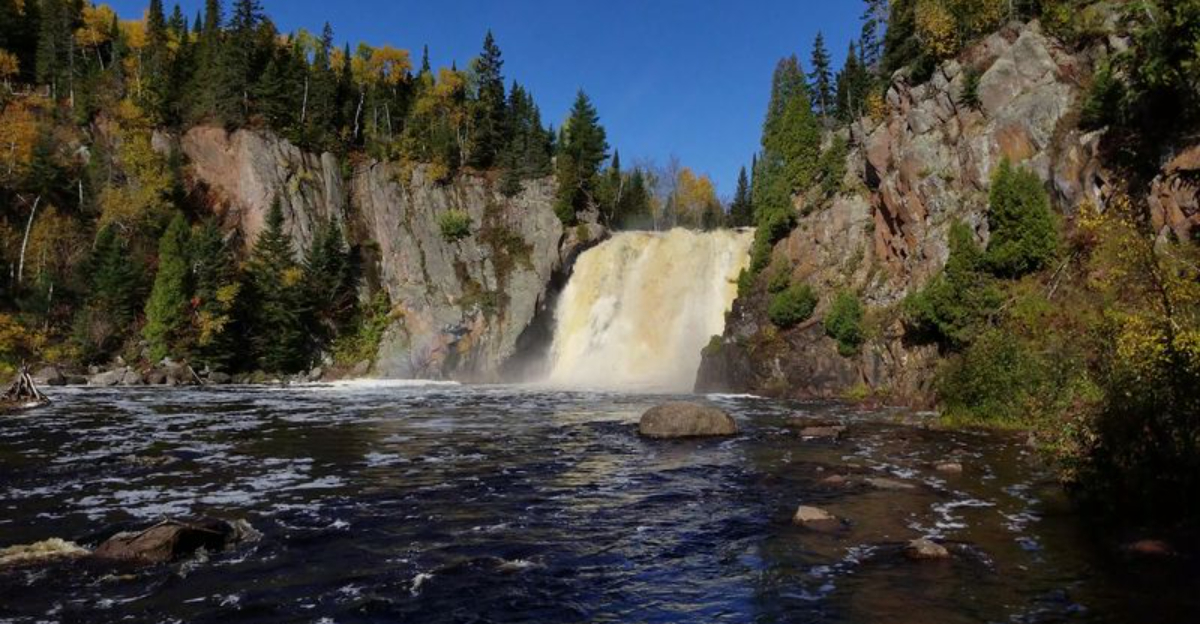
Minnesota’s tallest waterfall roars at the end of a forested path, and you can feel it before you see it. The Baptism River narrows, the air cools, and then the viewpoint opens to a wall of water that makes conversation pause.
You do not need to be an expert hiker to reach this spot, just prepared and curious. Follow the trail, pace your steps, and the payoff is unforgettable.
Trail Overview and Route Options
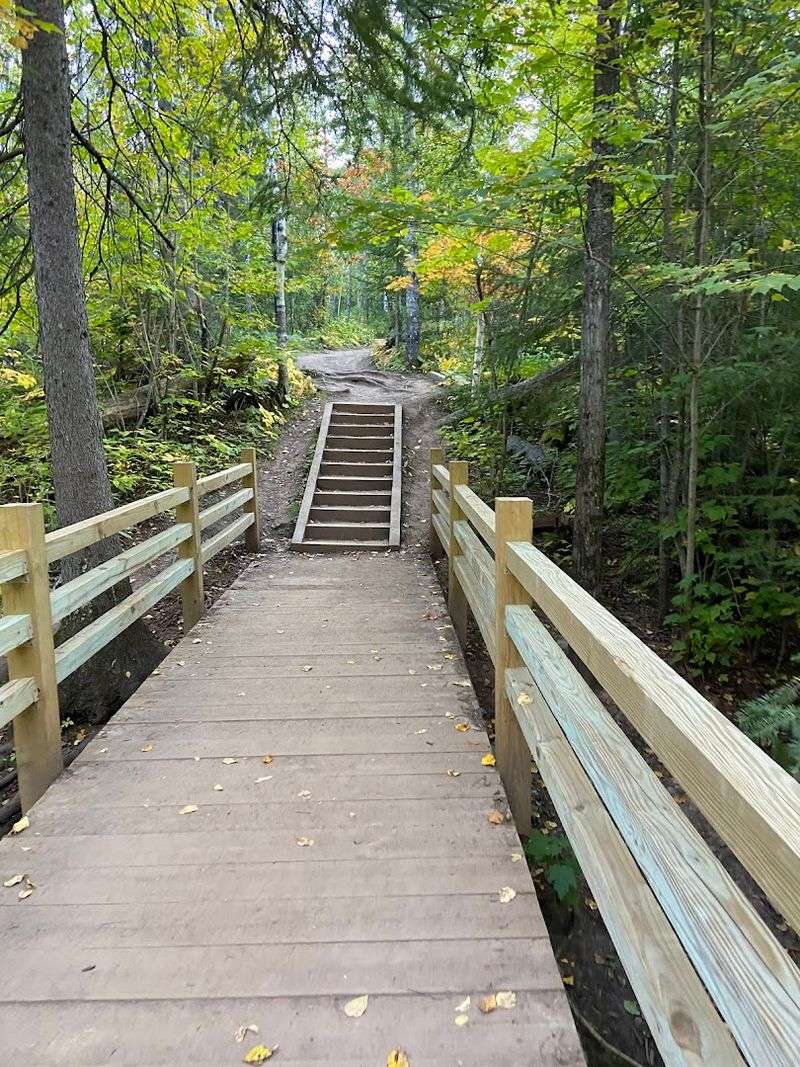
Footpaths wind through birch, aspen, and pine before the roar cues you that High Falls is close. From the visitor center, expect about 1.5 miles each way, with roots, boardwalks, and short climbs.
Start from the Superior Hiking Trail spur for a slightly shorter but steeper approach.
Bridges and steps ease the trickier sections, yet you will still watch your footing in wet weather. Allow unhurried time for Two Step Falls along the way, a scenic pause that previews the main drop.
Wayfinding is straightforward, with clear signs and well maintained tread.
You will feel the grade increase near the final overlook, then a staircase leads toward river level. Save energy for the return, since climbs feel different on tired legs.
Pack water and a snack, and you will enjoy every switch and turn.
Best Time To Visit High Falls
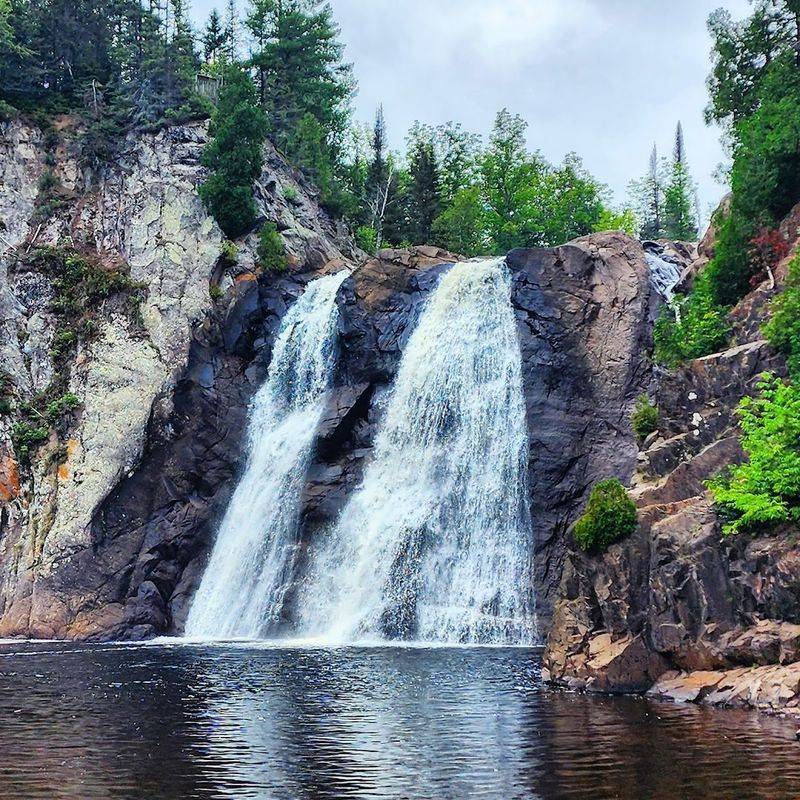
Timing changes everything at High Falls, from thunder to whisper. Spring snowmelt swells the Baptism River, sending a muscular curtain over the basalt lip and kicking up mist you can taste.
Late summer reveals sculpted rock and calmer pools perfect for rock hopping and lingering.
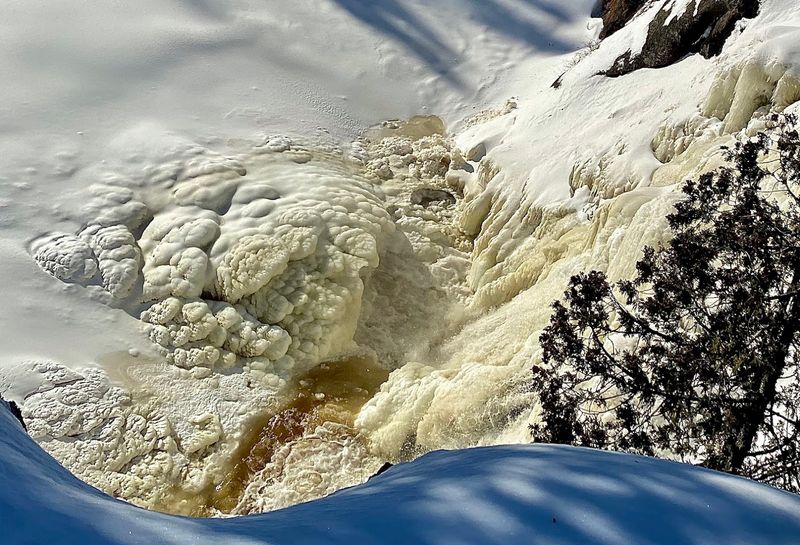
Fall might be the most photogenic window thanks to gold and crimson leaves framing the plunge. Winter transforms the amphitheater into a crystalline stage, with ice shelves, blue shadows, and safe views from maintained overlooks.
Shoulder seasons feel quiet, so you can hear water over wind.
Arrive early on weekends for easier parking and room at the railings. Cloudy days soften glare and often produce richer photos than cloudless noon.
If you want solitude, dusk trails with headlamps and a warm layer can feel magical.
Starting From the Visitor Center

Beginning at the visitor center keeps planning simple and amenities close. Restrooms, maps, and updated trail notices sit steps from the path, so you start informed and hydrated.
The route undulates through forest before crossing sturdy bridges toward the river’s echo.
Expect roughly three miles round trip, with enough roots and steps to get your heart involved. You will pass spur signs to Two Step Falls, which makes a worthy detour for perspective and pacing.
Plenty of benches appear near viewpoints for quick breathers.
Parking is straightforward, and rangers can advise on current bridge status and icy patches. If you are new to the park or hiking with mixed abilities, this start is the least stressful.
Grab a photo of the map board for quick reference mid hike.
Navigating Stairs and Elevation
Stairs concentrate the effort near the end, and they add drama with every turn. Expect 80 plus steps down to river level and more scattered along the approach.
Handrails help, yet you will still place each foot mindfully when the mist slicks wood.
Breaks work wonders, so use landings to catch breath and enjoy the changing angle on the plunge. On the climb out, shorten your stride and slow the cadence to keep calves happy.
If knees complain, trekking poles save the day on both descent and ascent.
People often underrate the return, which climbs at a steadier grade than it looks. Budget time so the last stair does not feel rushed.
Good shoes with tread make the whole experience feel more surefooted and calm.
Bridge Updates and Viewpoints
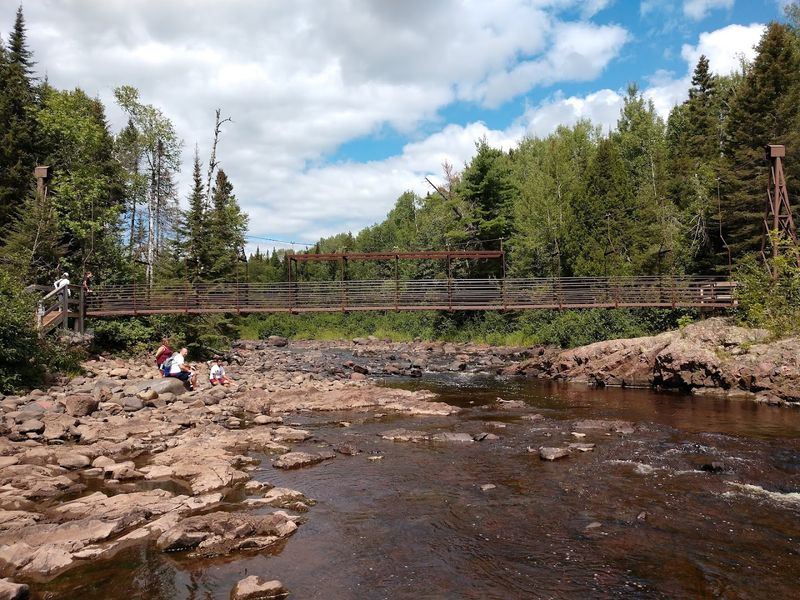
Infrastructure changes from storms and maintenance occasionally alter how you move around High Falls. Signs at junctions clearly note closures, including periods when the swinging bridge has been out.
Do not sweat it if crossing is unavailable, because the best perspectives sit near the base.
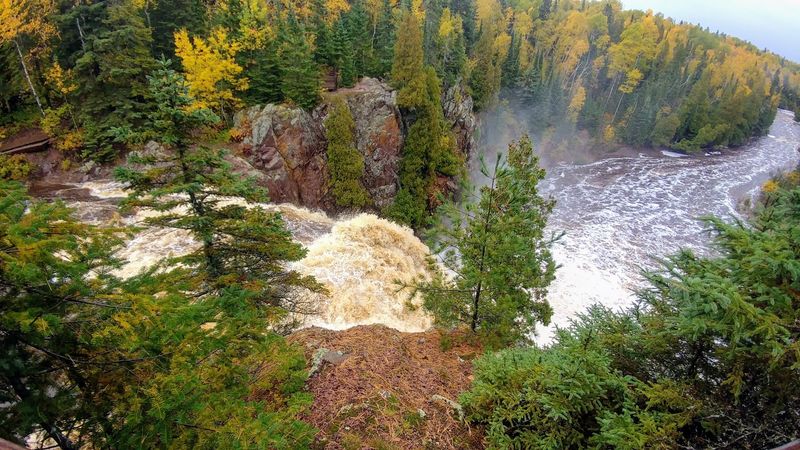
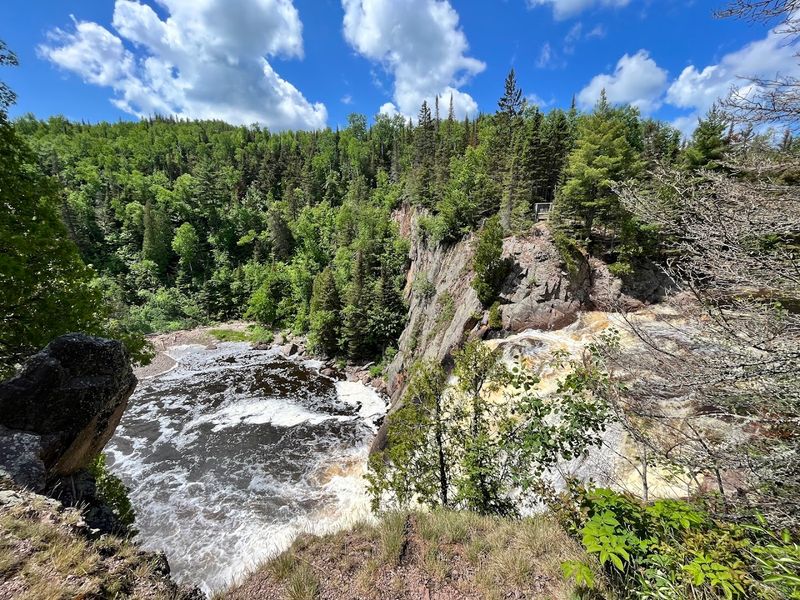
Multiple platforms stack along the rim, letting you frame the falls from high, mid, and river level. Angles shift dramatically with just a few steps, so walk the railings to compare spray, light, and rainbow potential.
Even without a full loop, you can stitch together a complete experience.
Check the park website or ask rangers for fresh updates before committing to a plan. You will save time and sidestep backtracking by knowing which overlooks shine today.
The constant is the thunder, and you can count on that from any open perch.
Safety, Footing, and Trail Etiquette
Roots, slick rock, and puddles are common companions on this trail. Keep steps short, plant heels carefully on wet boards, and keep kids within arm’s reach near edges.
A small first aid kit and a dry layer live happily in your daypack here.
Yield to uphill hikers, leash dogs, and step aside for quicker groups when the corridor tightens. Earbuds stay in the pocket so you can hear water, wildlife, and other trail users.
Pack out snack wrappers and tissues, since wind can crawl under anything light.
Cell coverage is spotty, so download the map before leaving the lot. If storms build, retreat to the trees and avoid exposed platforms until lightning passes.
Clear communication keeps everyone calm when steps are wet and excitement is high.
What to Pack for a Smooth Hike
A short list covers most needs at High Falls. One to two liters of water, sturdy shoes with tread, and a light rain shell handle shifting North Shore weather.
Toss in bug spray, sunscreen, and a brimmed cap for changing forest cover.
Snacks that resist crumbling keep morale up while you scan for crayfish at the river. Trekking poles help on wet stairs, and microspikes shine in shoulder season ice.
A compact first aid kit and a charged headlamp turn surprises into footnotes instead of problems.
Download the park map, stash a dry layer, and bring a phone in a zip bag. If photographers are in your group, add a cloth to wipe mist off lenses.
Keep it simple, light, and reliable, and the miles feel easy.
Kids, Pets, and Family-Friendly Tips
Families do well here by pacing breaks and celebrating milestones. Call out the first bridge, the loudest bend in the river, and the moment you feel mist as mini goals.
Keep kids inside railings and hands on rails during stair sections when excitement peaks.
Dogs are welcome on leash, and that detail matters on narrow boardwalks and busy platforms. Pack a collapsible bowl and give pups water before the stair climb resumes.
Teach simple yield rules so small legs and paws move smoothly around other hikers.
Snacks and layers solve most meltdowns faster than pep talks. Make a game of spotting crayfish claws or counting steps to the base to keep focus fun.
You will reach the roar together, and the memories outlast the climbs.
Seasonal Trail Conditions and Closures
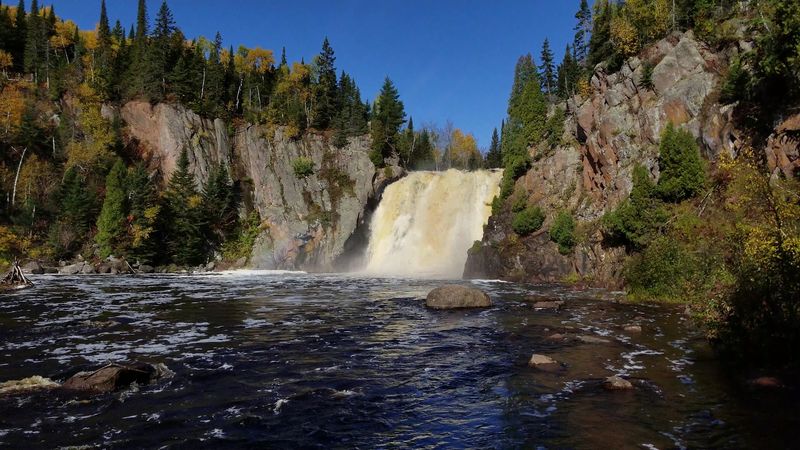
Conditions here shift fast with season and storm. Spring brings soaked tread and rushing water that can spray platforms, while summer dries roots but crowds build.
Autumn offers grippy cool air and leaf covered steps that hide slick spots.
Winter is magical and serious at once, with ice forming along rails and shaded corners. Traction devices turn sketchy patches into easy walking, though some infrastructure may close temporarily.
Check the DNR site or call the park office for the day’s updates before you drive.
Rains sometimes raise the river and limit access below, yet high flow rewards patience at overlooks. After wind events, expect twigs and debris until crews clear the path.
Flexibility keeps your day great when nature edits the plan.
Winter at High Falls Safely
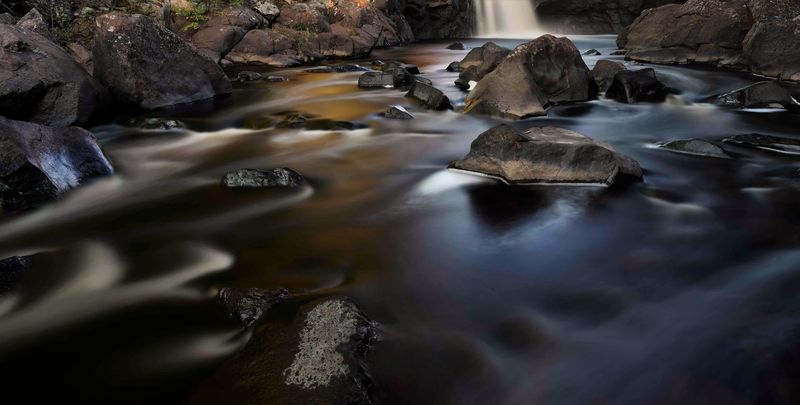
Cold months shrink crowds and amplify drama in the gorge. Ice curtains rim the main drop while the river still moves, a hypnotic contrast under blue light.
Trails harden to packed snow where many footsteps pass and stay powdery under fresh storms.
Dress in layers that peel easily, because the stair climb still heats you up. Microspikes and poles change confidence on sloped boardwalks, and hand warmers make photography pauses comfortable.
Keep snacks handy, since bodies burn faster fuel in the cold air.
Daylight is short, so start earlier than summer plans for the same loop. If you carry cocoa in a thermos, the river edge becomes a winter picnic.
You will leave with color in your cheeks and images that feel otherworldly.
Making the Most of the View
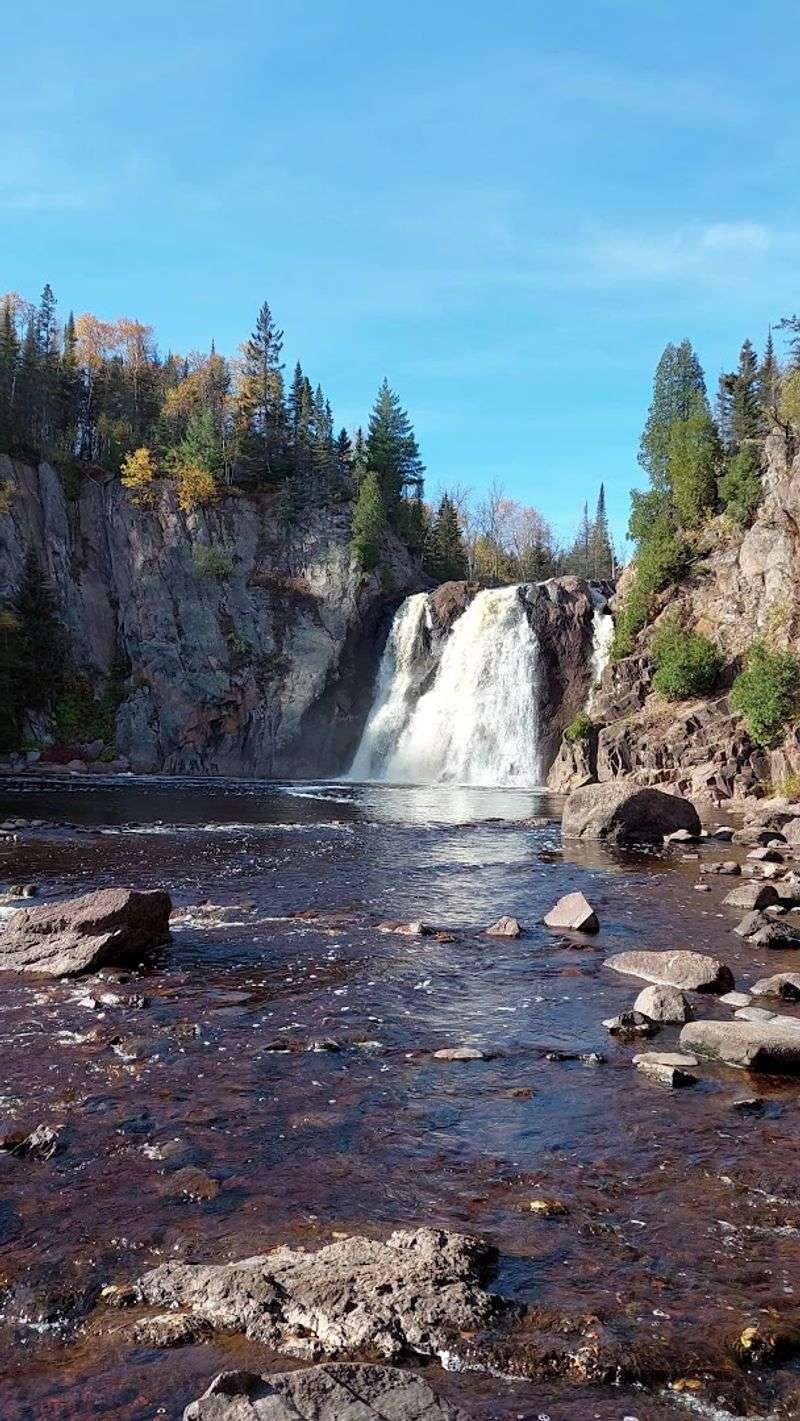
The final reveal rewards patience with sound, spray, and a rush of scale. Give yourself a few quiet minutes before photos to let the moment settle.
Move along the railing for compositions that trade width for height and back again.
Watch wind patterns and time shots between mist bursts to keep lenses clearer. If sunlight appears, wait for a beam to punch through and light the drop like a stage.
Then step aside so others can take their turn, and rotate back for another angle.
A short sit on a dry rock by the river adds a second, calmer chapter. You may notice crayfish skittering or rainbows arcing across the plume in late afternoon.
That lingering pause often becomes the favorite memory of the day.