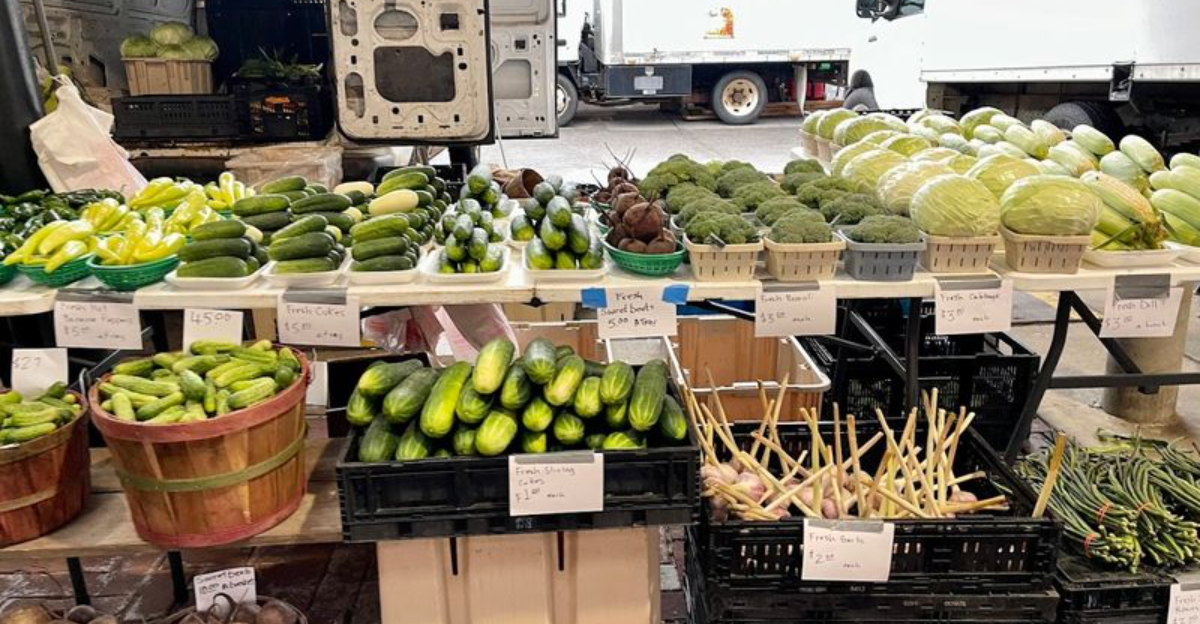
Step into Lowertown on a weekend morning and you can feel the city wake up with the scent of coffee, fresh herbs, and warm bread. For generations, neighbors have met here to swap recipes, pick up weekly produce, and chat with the farmers who grew it.
You get unbeatable flavor, practical tips, and a sense of place that big-box aisles simply cannot offer. Ready to make your Saturday taste better than ever?
A Saturday Ritual in Lowertown

Step under the red awnings as the sun lifts over Lowertown and the tempo changes instantly. You hear clinking crates, quick hellos, and the rustle of herb bundles while vendors set out eggs, microgreens, and new potatoes.
It feels unhurried yet efficient, the perfect balance for a weekend that still has room for plans.
Get there early for the best selection and easier parking on nearby streets or ramps. Bring a roomy tote or small cart, and keep some smaller bills ready because paying fast helps lines move.
Cards and EBT tokens are accepted at many stands, and market tokens at the information booth make mixed payments painless.
Create a simple loop so you do not backtrack: produce first, bread and cheese second, flowers last to keep them perky. Ask for recipe ideas, because the growers know when to roast, grill, or quick-pickle.
After a slow lap and a few quick tastes, you will head home stocked for the week, with enough inspiration to actually cook it.
Seasonal Produce Game Plan
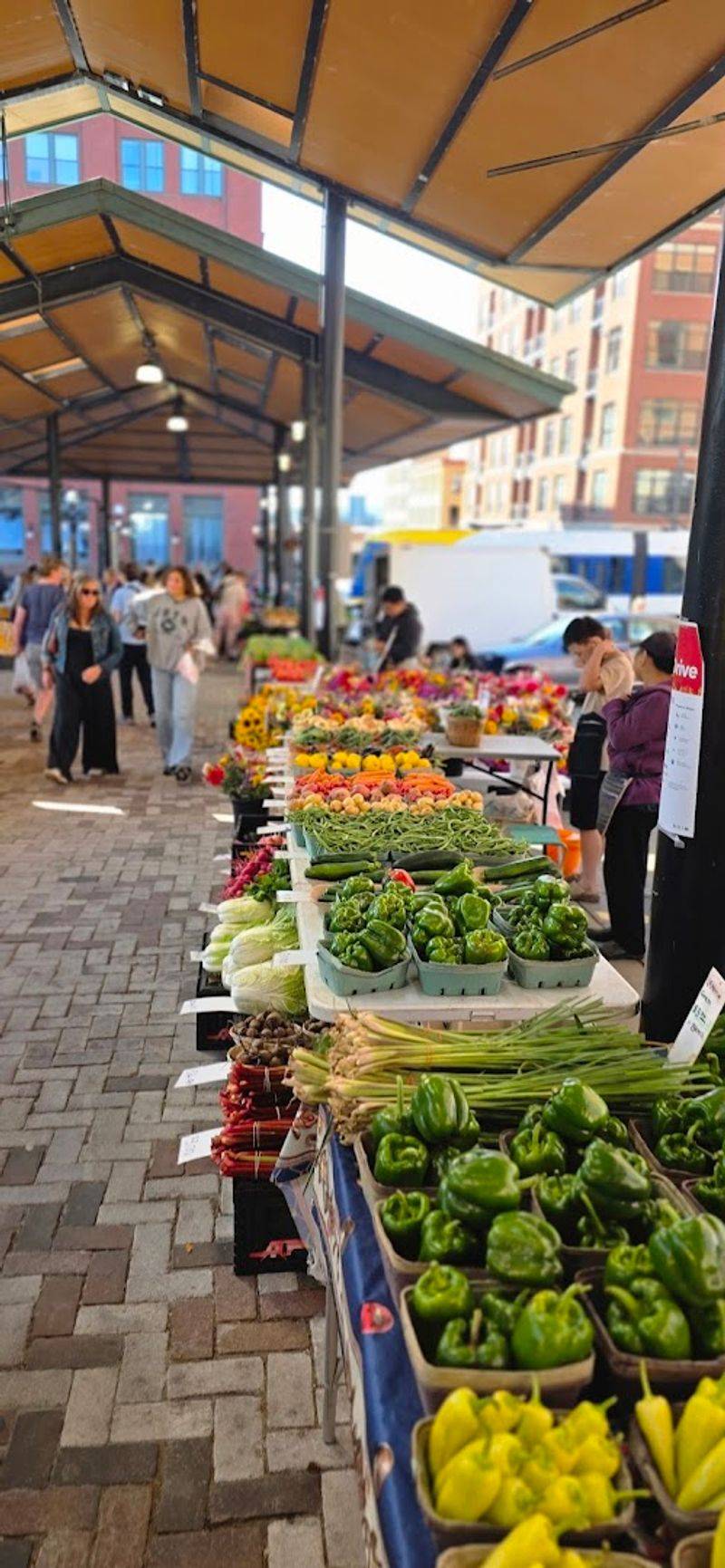
Shopping by season turns guesswork into certainty, and the St. Paul stalls make timing obvious. Spring usually brings asparagus, ramps, radishes, and rhubarb that cook quickly and taste bright.
Summer shifts to tomatoes, sweet corn, cucumbers, and peppers alongside herbs that practically ask to be turned into chimichurri.
By fall you will see crates of apples, winter squash, cauliflower, and Brussels sprouts, perfect for roasting trays that carry you through busy weeks. Cold months lean on storage heroes like onions, potatoes, carrots, and beets, with greenhouse greens keeping salads alive.
A simple rule helps: plan one raw crunch, one quick sauté, and one roasting pan each week.
Ask farmers for peak-use windows and seconds quality for sauces or jams. Build a rotating list of five meals that change with the bins: pasta primavera in May, BLTs in August, sheet-pan squash and sausage in October, hearty soups in January, and frittatas all year.
You leave with produce that tells you what to cook, instead of a list fighting the calendar.
Flowers, Herbs, and Garden Starts
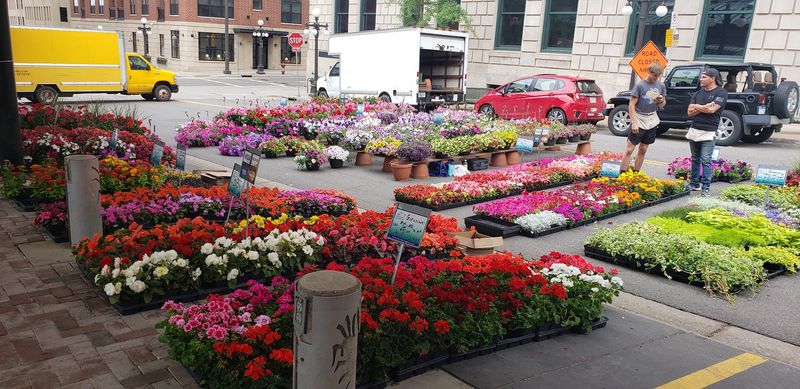
Bouquets at this market carry the season home faster than any calendar. Buckets of dahlias, sunflowers, and zinnias line the aisles beside herb starts and hardy garden seedlings.
Prices stay reasonable, and arrangements look like they belong on a magazine spread without feeling precious.
Buy flowers last so they do not wilt while you browse produce and hot food. For longevity, ask for a quick re-trim, then change water daily and remove any leaves below the waterline.
Herb plants stretch your grocery budget, because a single basil or thyme pot pays for itself in a week.
Chat with growers about sun exposure, spacing, and pinching techniques to keep blooms coming. If apartment living is your reality, choose compact varieties and a bright windowsill.
With a small bundle or a flat of starts, the walk back to your car feels like a parade.
Hmong Growers and Market Culture
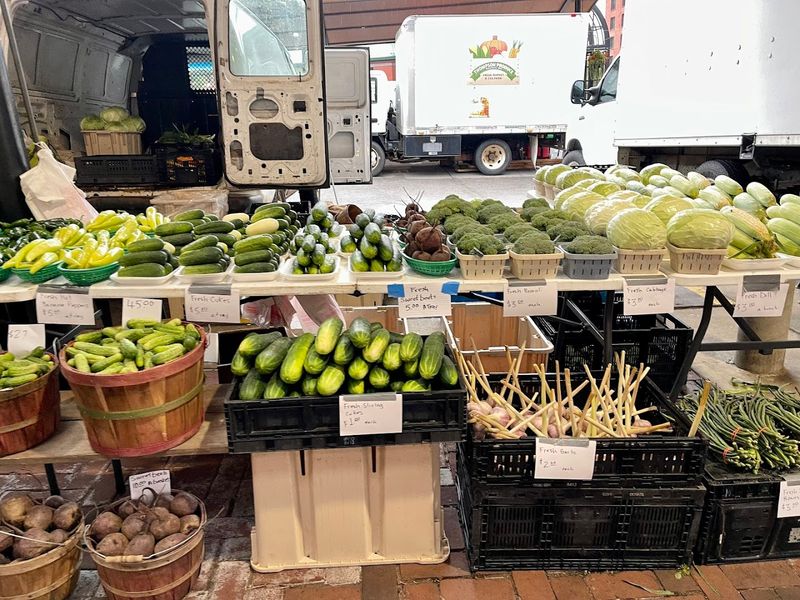
One of the market’s defining strengths is the presence of Hmong farmers who bring remarkable skill and range to the produce tables. You will spot specialty Asian vegetables like bitter melon, long beans, Thai basil, lemongrass, and bok choy that brighten weeknight stir-fries.
Their consistency through seasons anchors the market’s reputation for freshness.
Ask about preferred cooking methods and simple sauces, and you will walk away with five-minute ideas that beat takeout. Vendor relationships here grow over time, and remembering a name goes a long way.
Many families have been participating for years, so you are supporting deep expertise, not a weekend hobby.
Try a small experiment each trip: one new vegetable plus a standby you already love. Keep a running note on your phone with tips you learn, like when to salt eggplant or how to store herbs.
Respect the pace, say thank you, and you will feel like a regular far sooner than expected.
Winter Market and Holiday Finds
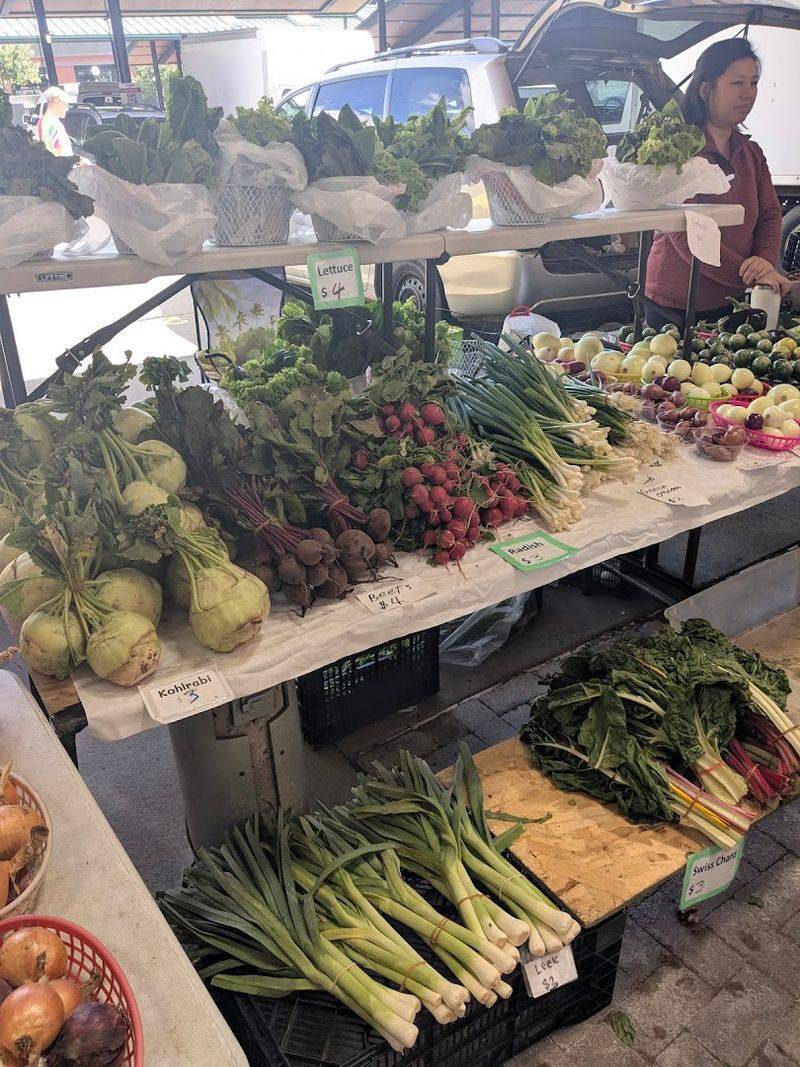
Cold months do not stop this place, they just change the tempo. Storage crops, greenhouse greens, breads, meats, and cheeses carry the pantry while holiday vendors across the street add gifts and treats.
You might even spot dehydrated snacks, jarred sauces, and warming soups ready for lunch.
Bring a thermos and hand warmers, then shop with a focused list so fingers stay nimble. Fresh cut Christmas trees scent the air, making the stroll feel cinematic.
Because daylight is short, arriving at opening gives you space to chat and still get to the rest of your day.
Lean on roasts, braises, and sheet pans to make the most of winter produce. A pot of beans with sausage, roasted carrots, and garlicky greens can anchor the week.
The market proves that winter cooking is not bleak at all when you build meals around what is truly available.
Smart Parking, Payments, and Timing
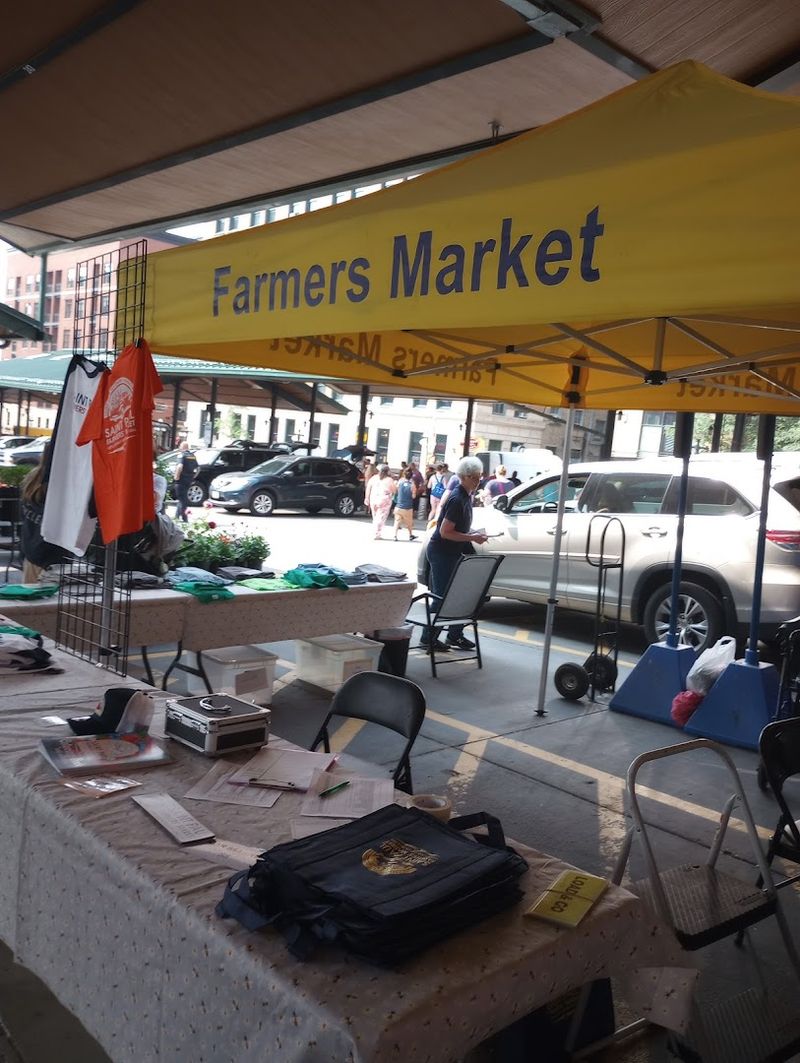
Getting logistics right makes the visit calm instead of chaotic. Aim for early Saturday or Sunday hours to score good parking near 5th St E, or choose ramps if a Saints game is on.
Keep a spare tote in your trunk and a small cooler for meat and delicate greens.
Stop by the information booth for tokens, EBT matching, and event updates. Many vendors accept cards, but cash still speeds the rhythm and helps you split purchases easily.
If you plan to linger, grab hot food first so you can shop while snacking.
Build a ritual that fits your life: a 45-minute power lap or a two-hour mosey with coffee and conversation. Checking the website before you go saves time, because seasonal openings and special events shift traffic.
With a little prep, the entire morning hums along without stress.
Budget Tips and Meal Planning
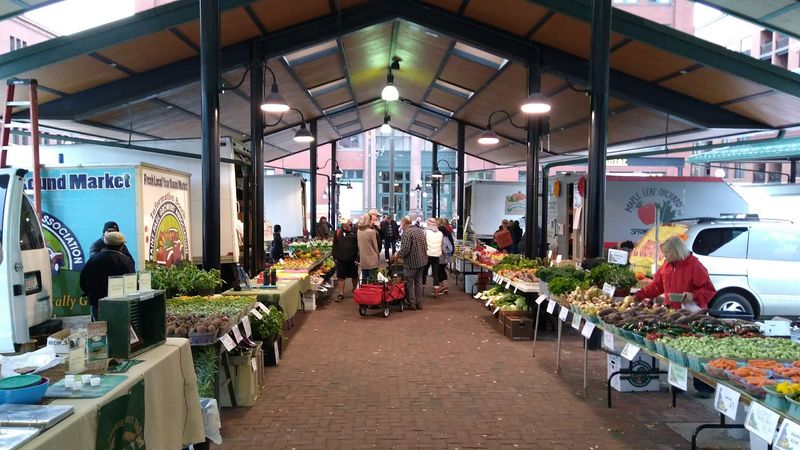
Stretching a dollar here is surprisingly straightforward. Shop heavy on seasonal vegetables, add one premium protein, and choose bread that works for multiple meals.
Seconds or slightly imperfect produce is fantastic for sauces, soups, and roasting where looks do not matter.
Plan a five-meal grid: grain bowl, soup, pasta, sheet pan, and one fast sandwich night. Then plug in what the stands are pushing that week, like corn for chowder or squash for ravioli.
Freeze herb cubes in olive oil to prevent waste and flavor weekday cooks.
Keep receipts in a notebook alongside meals you loved, plus rough prices for future reference. Buying from the same vendors helps you predict totals and ask for bulk deals when appropriate.
With repetition, you will spend less time wandering and more time cooking food that actually gets eaten.
Kid-Friendly Market Morning
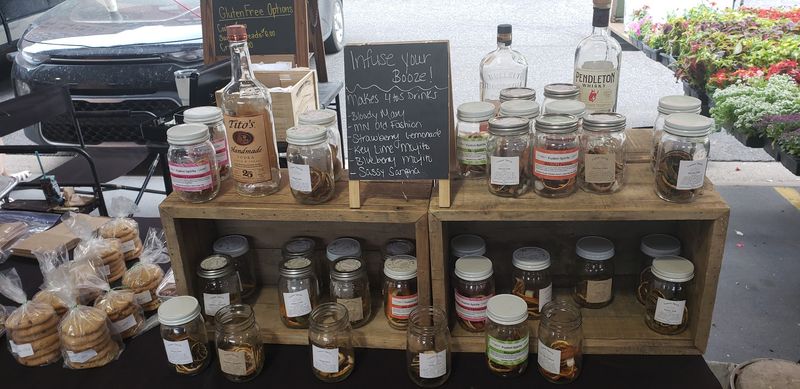
Bringing kids can turn errands into a weekend highlight. Offer a small budget and let them choose one fruit, one veggie, and one treat so they learn tradeoffs.
Samples and friendly conversations keep attention spans engaged, and a musician often adds a soundtrack.
Pack a small snack and water so decisions stay level-headed. Stroller-friendly aisles make movement easy, and a quick photo at the flower stall becomes a monthly ritual.
Ask growers to explain how something is planted or harvested, and you will get a mini science lesson for free.
Build a color challenge: can you add three colors to dinner tonight from the market haul. Kids usually accept broccoli when they picked it and carried it.
By the time nap rolls around, you will have groceries done and a happy set of memories.
A One-Trip Weekend Menu
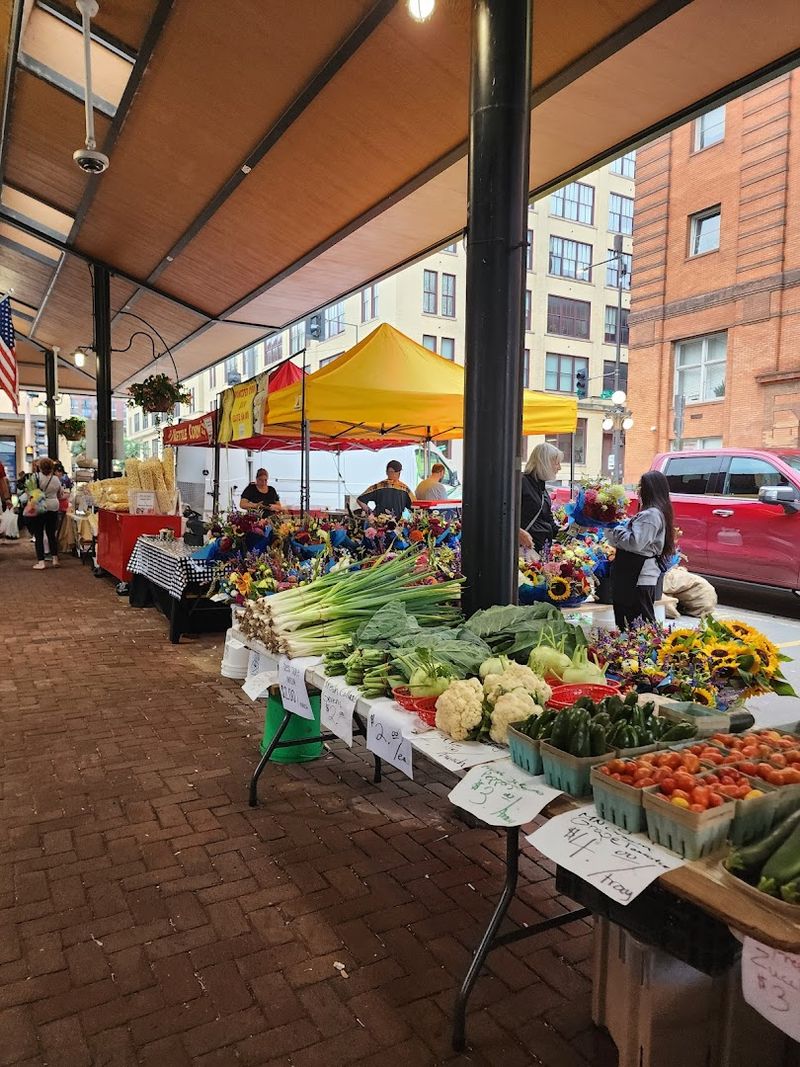
Turning a single visit into a full menu keeps the week humming. Grab eggs, a loaf, bacon, tomatoes, mixed greens, a soft cheese, a hard cheese, a roasting veg, herbs, and a flexible protein like chicken thighs.
That list covers breakfast, fast lunches, and satisfying dinners.
Make a frittata on Sunday so breakfasts are handled. Assemble BLTs with a side salad one night, then turn leftover bacon into a potato soup.
Roast chicken thighs over squash and onions for a set-it-and-relax evening, and keep herb pasta ready for the night that runs late.
When the weekend arrives again, finish strong with an apple and cheese plate plus warm bread. Nothing fancy, just good ingredients chosen in conversation with the people who grew or crafted them.
The market hands you both the food and the plan, which is why this tradition endures.